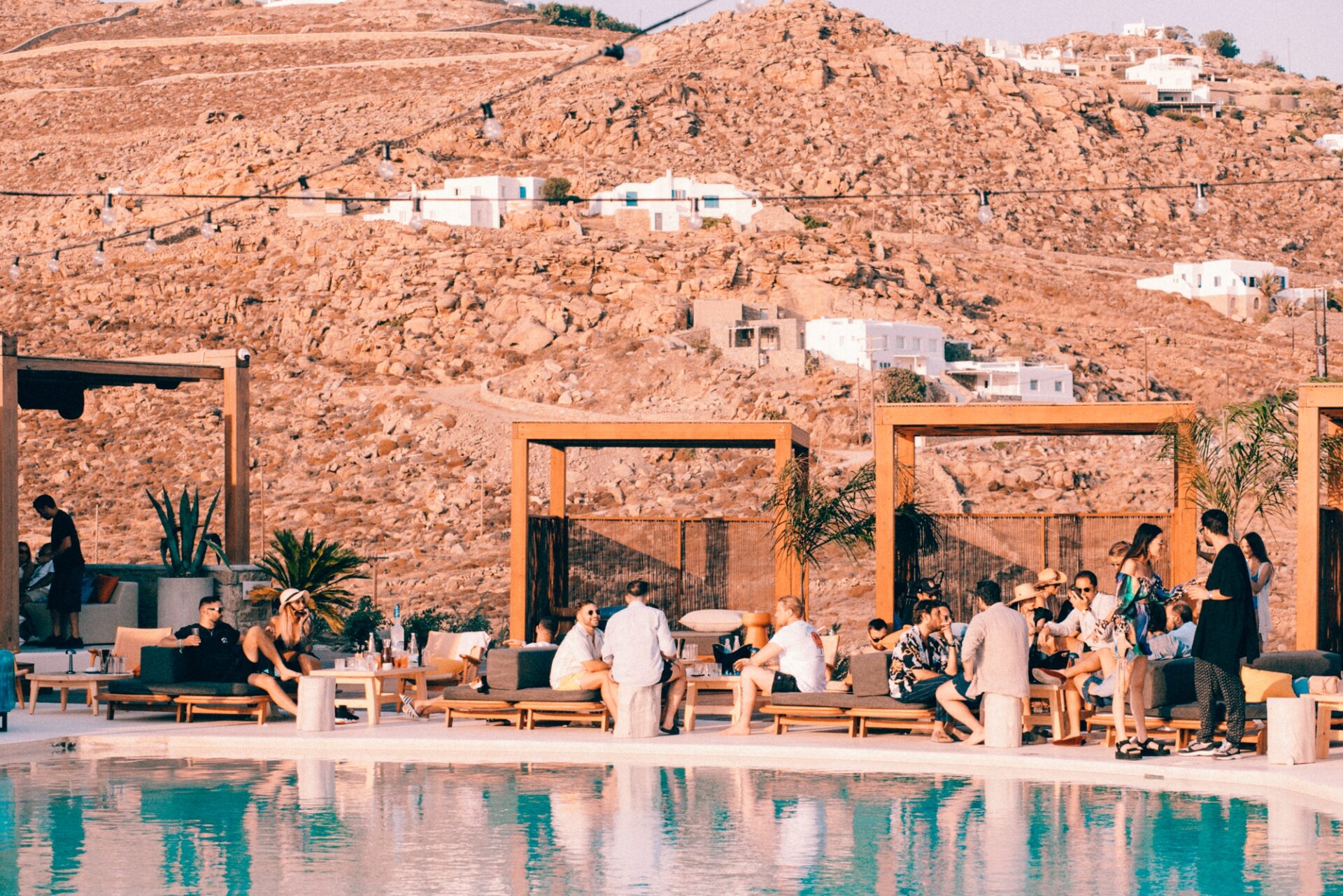
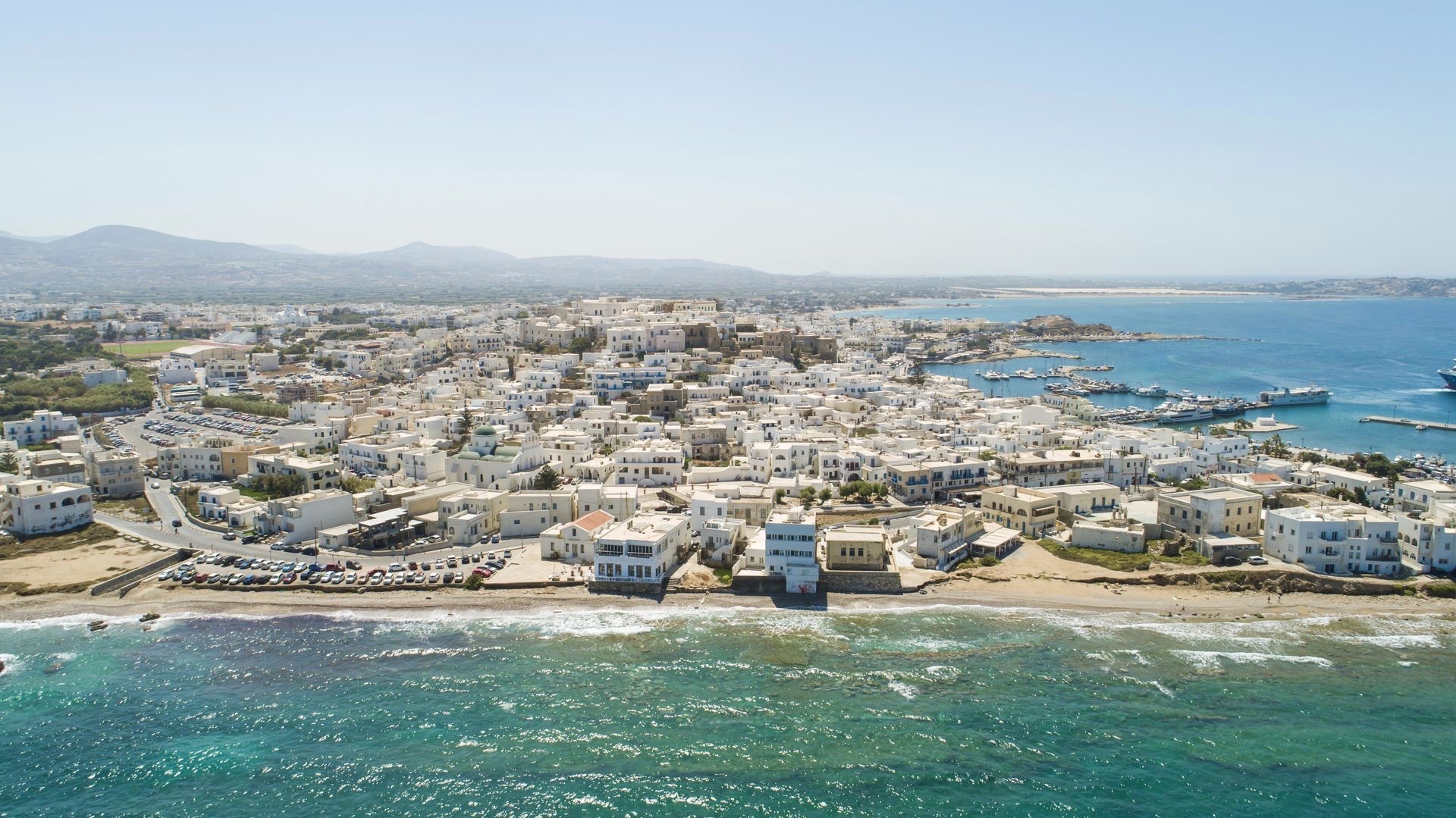
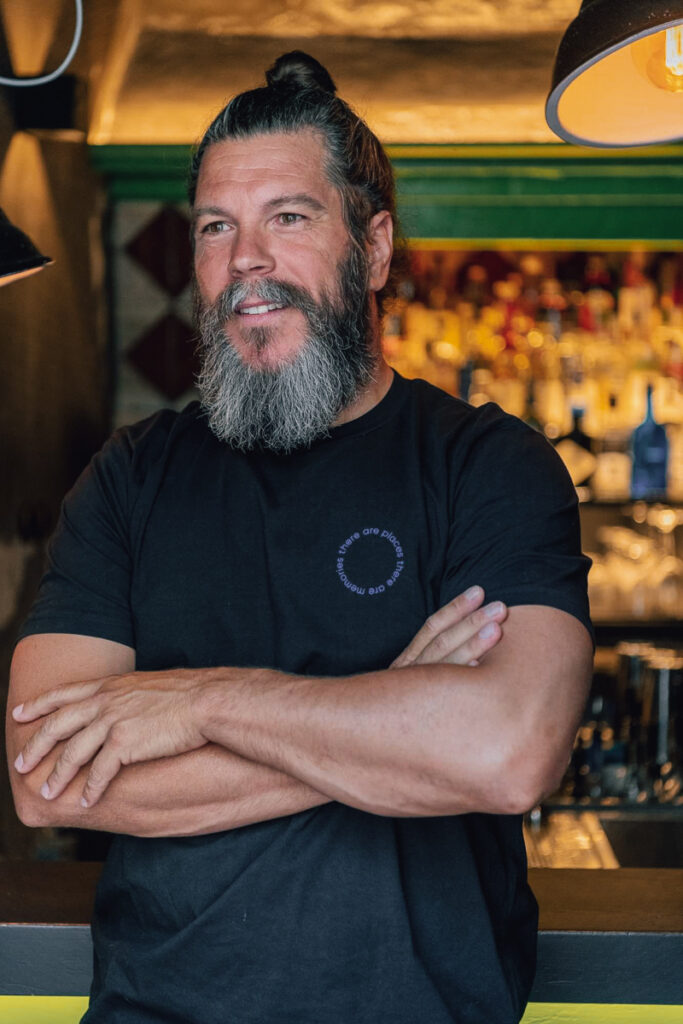
Christos Gkolfis made Syros his home fifteen years ago, where he founded the now legendary Kouchiko bar and introduced third-wave coffee to the island.
Now owner of the dreamy cocktail bar Theosis, Christos reveals his favourite ways to enjoy the capital of the Cyclades.
Interview by Gina Lionatos
Christos, what do you believe sets Syros apart from its Cycladic neighbours?
Syros is unique because it combines a small city’s charm with an island’s natural beauty. Its urbanization provides a lively atmosphere, while its stunning architecture and vibrant cultural calendar ensure that Syros is full of life year-round.
In the summer of 2023, I paid a much-anticipated visit to your bar Theosis, and I was immediately taken by its energy, warmth and attention to fine quality. What is your vision behind Theosis?
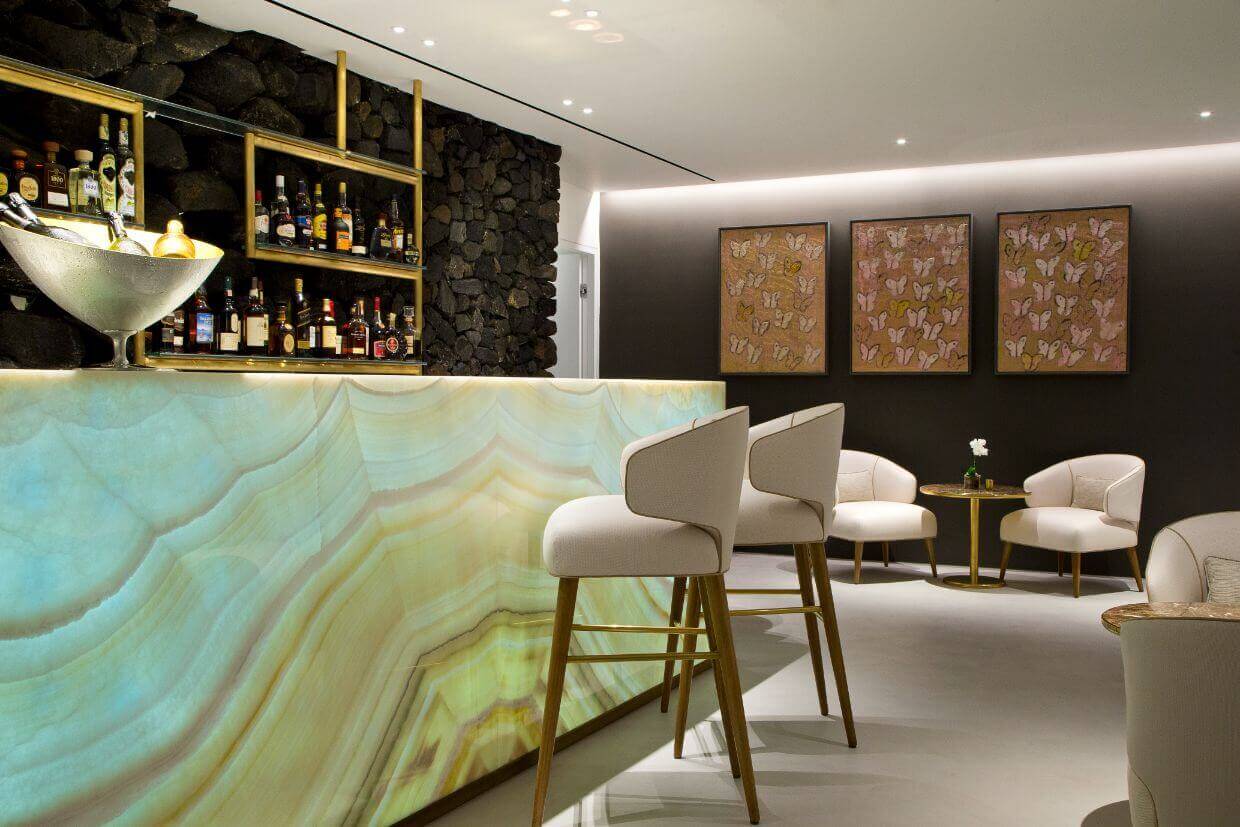
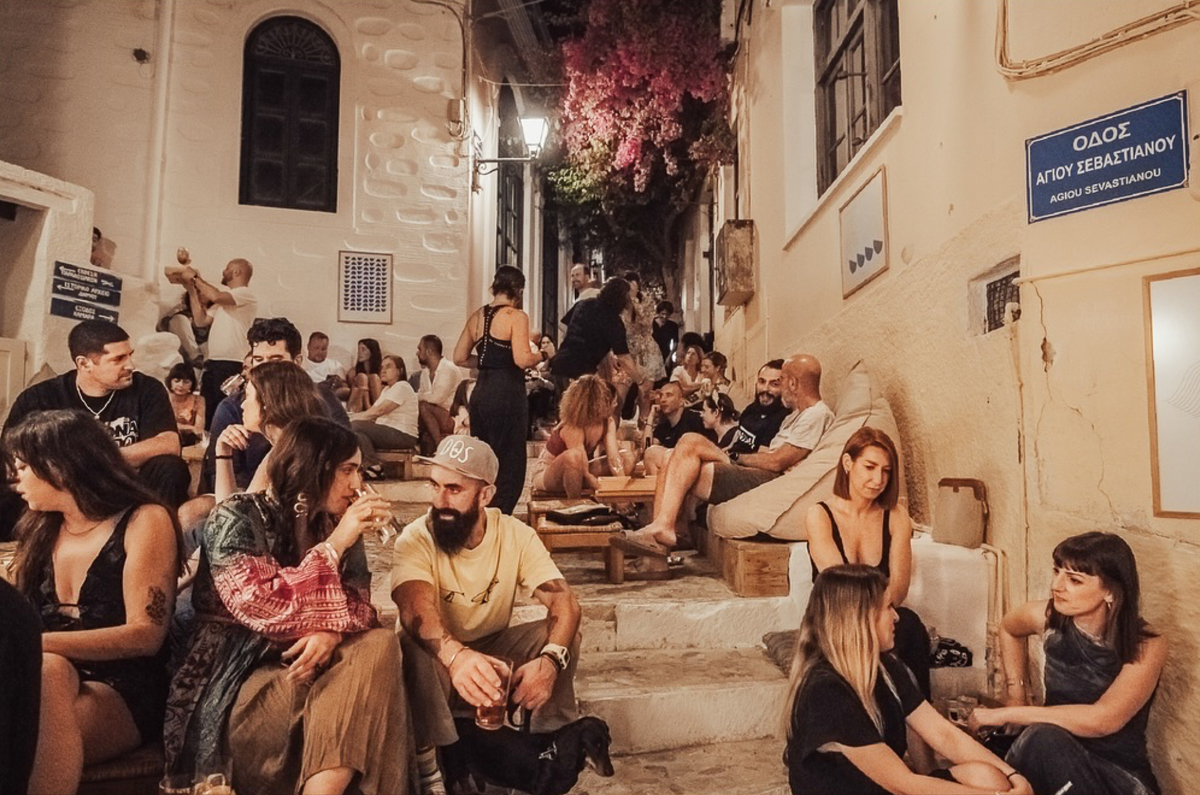
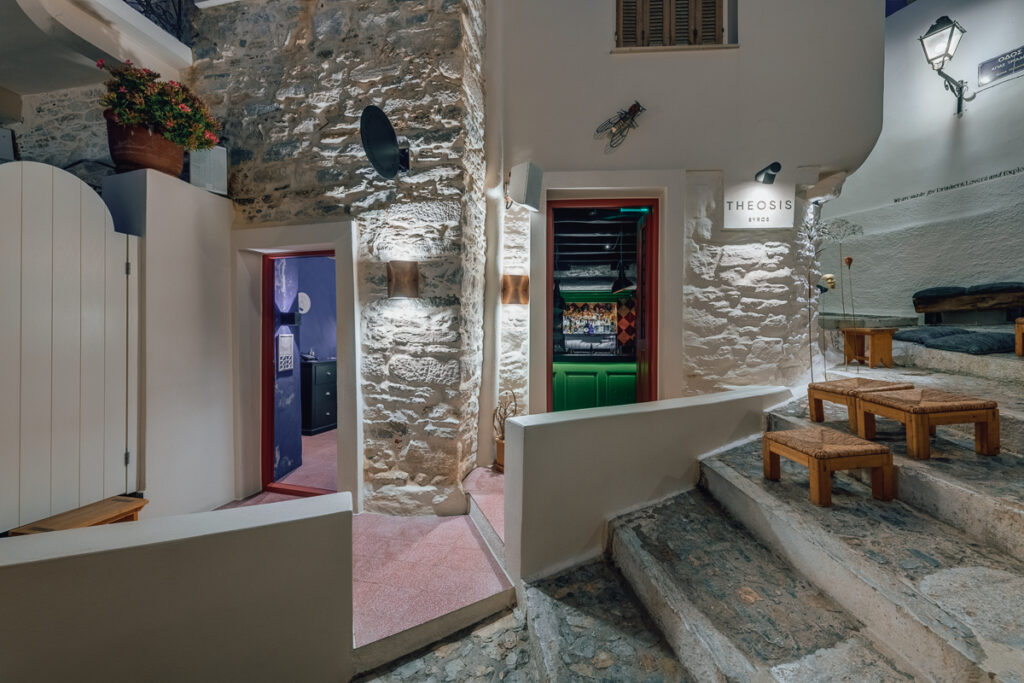
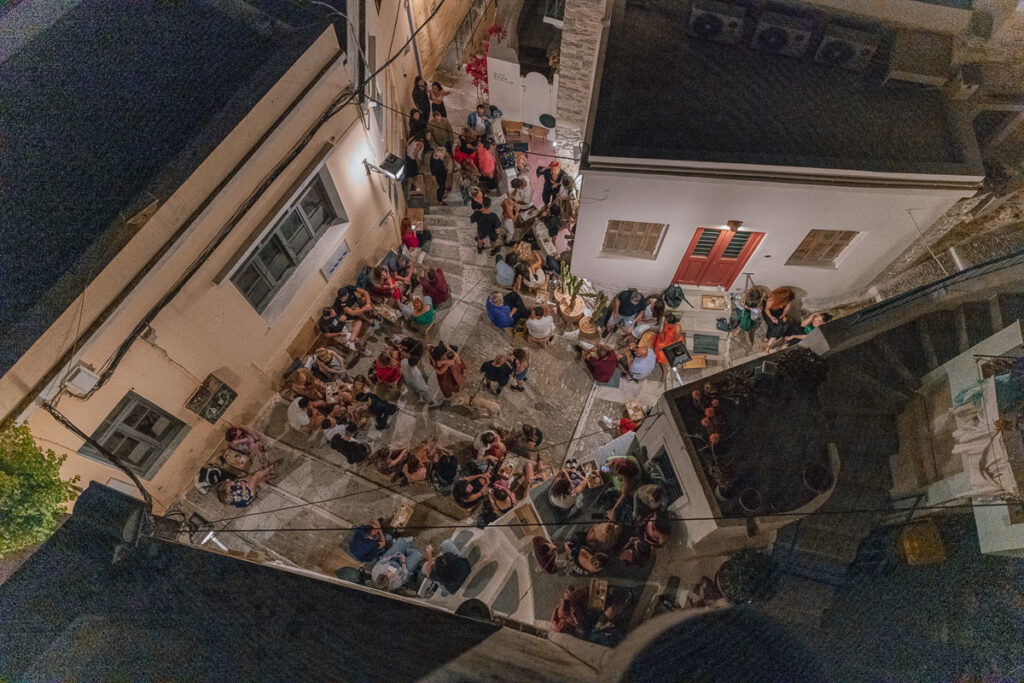
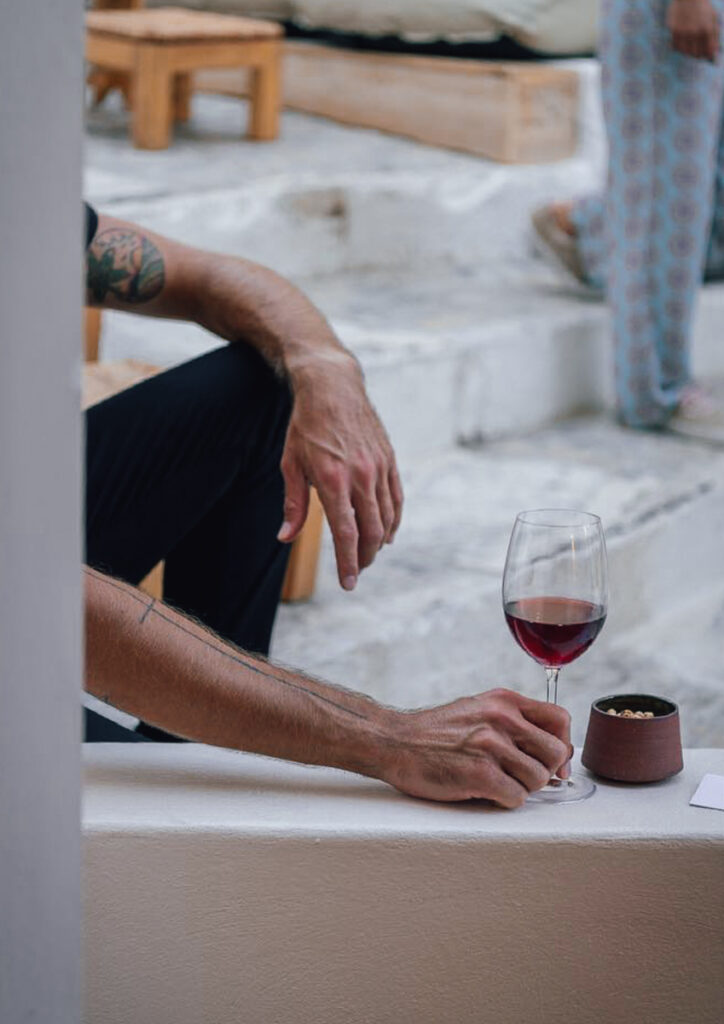
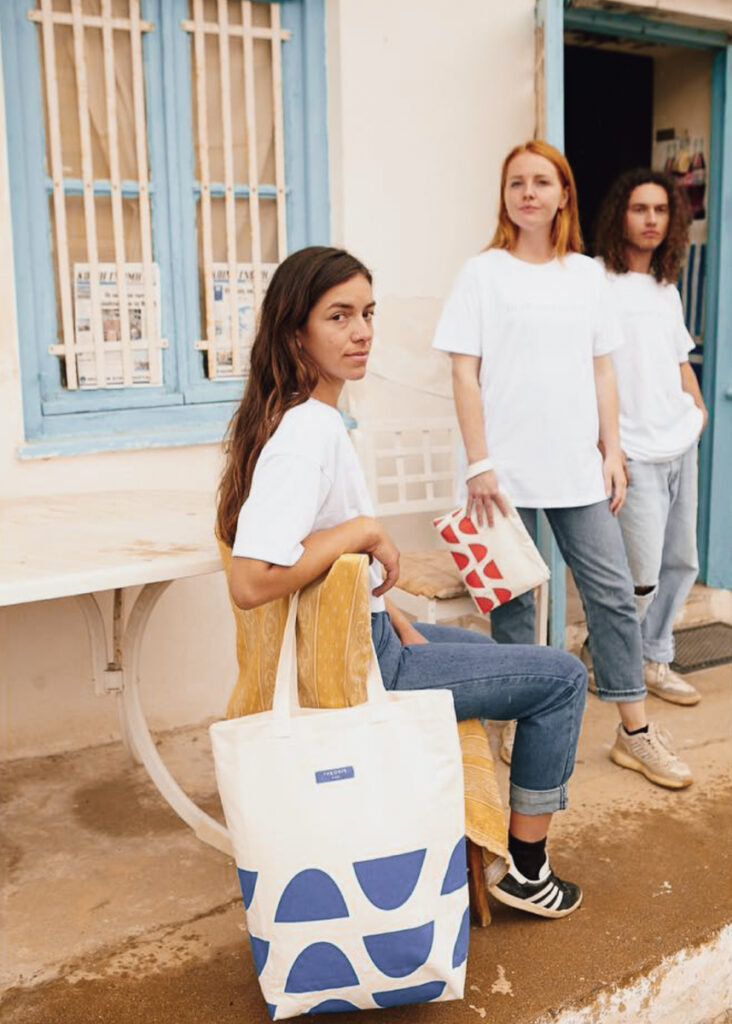
Our vision was to create a complete concept, encompassing everything from the bar’s name to its design, cocktail creation, graphics, and gifts. Along with my co-founders, Natasha Polyzou and Nikos Sotiropoulos, we aimed to craft a space where the scents, flavours, and energy evoke a sense of uniqueness—a place for creating new memories. You’ll see this carried through from the communal outdoor space, to the handmade ceramics and even menu design.
Theosis, located in Ano Syros, was restored using traditional methods and materials. We focused on handmade details, ceramics, and light fittings that reflect the essence of a traditional home in Ano Syros.
Ano Syros has a special vibe of its own. Aside from Theosis, where else should people visit when in this part of Syros?
Ano Syros, the home of Theosis, possesses a unique energy that perfectly aligns with the spirit of our bar. The fortress town’s mix of Cycladic architecture, tiny alleys and old-world Venetian charm make it a special place to be. One of my favourite spots for a memorable meal is Maison de Meze, renowned for its exceptional small plates. For fine dining and stunning views from above, Hygge is the place to go. And for a classic souvlaki, you can’t miss Hima kai Tsouvalata. Ano Syros is also a hub for exceptional artistic and creative talents, such as Fay Papanikou and Zanis Roussas, whose boutiques are definitely worth exploring. Let’s not forget to mention the breathtaking views of the South Aegean Sea!
In this writer’s opinion, anyone who visits Ano Syros must stop in at Theosis. When they do, what cocktails should they be sure to try?
At our core, we are a cocktail bar, and I take great joy in seeing people enjoy each other’s company while savouring our creations.
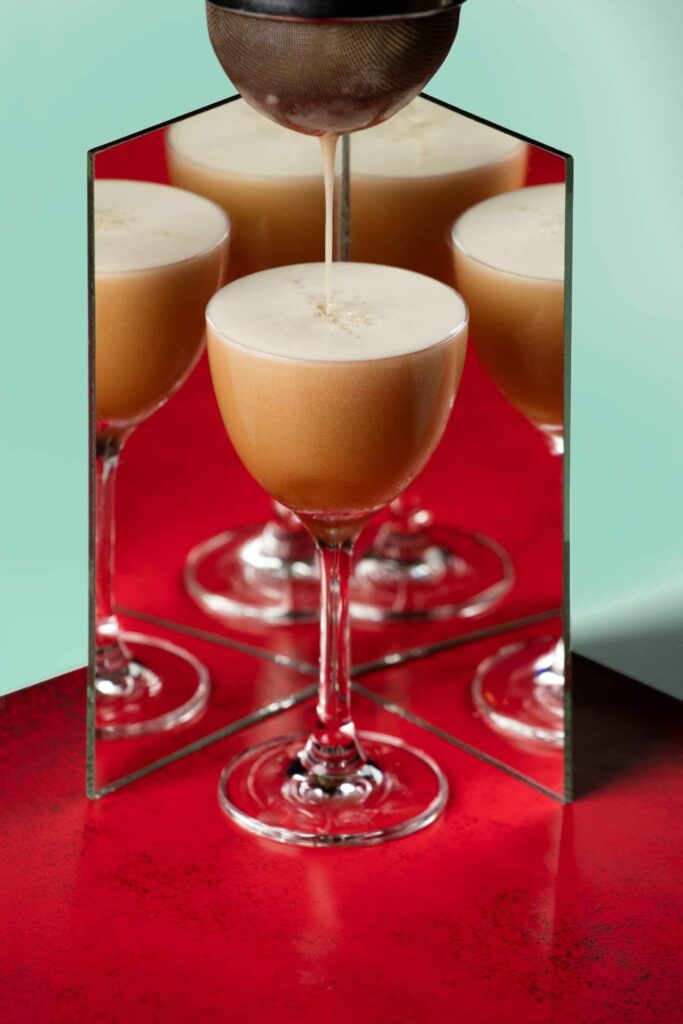
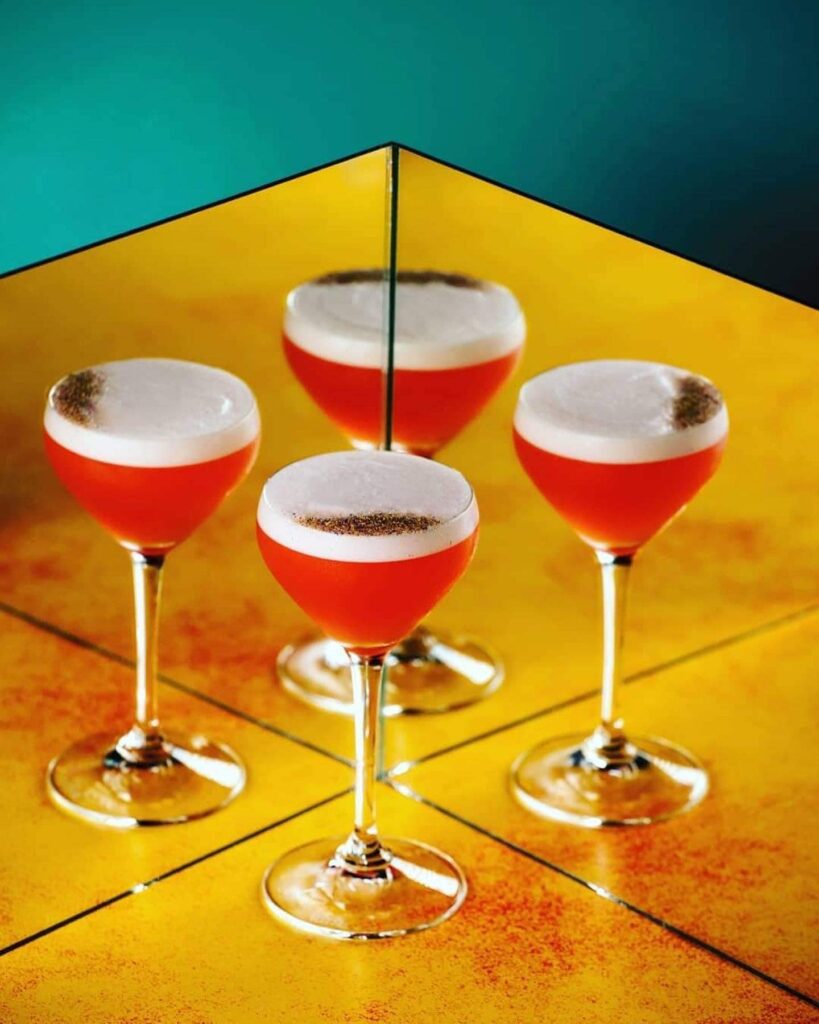
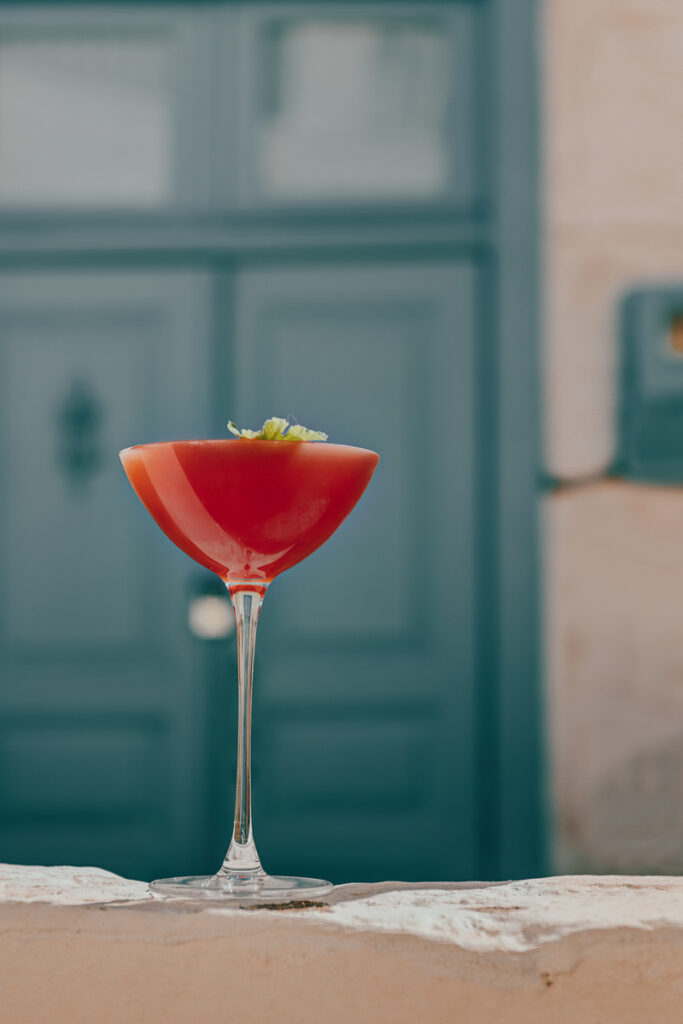
Eros, true to the Ancient Greek word for love, is a cocktail that balances sweetness and bitterness, featuring Campari, cherry liqueur, and homemade floral tea.
Thlipsis, our twist on a Pina Colada, is creamy and sweet, made with gin, cucumber cordial, coconut, bitter almond, and a hint of Ardbeg whiskey.
Eternity is a cocktail you’ll want to drink forever, blending rum with honey ginger syrups.
Ermoupolis, the capital of Syros, is a visually impressive city. I’m sure you have some much-loved spots!
Ermoupolis is a wonderful mix of history and culture and the newly established Hermoupolis Heritage and the Historical Museum O Hermoupolis are spaces dedicated to preserving and restoring the island’s tangible and intangible cultural heritage. The team creates immersive experiences that emphasize architecture, culture, industry, and the environment, all aimed at showcasing the rich history of the island.
Ermoupolis also happens to be a haven for creatives. The city boasts a flourishing scene of designers, including Chiara Aliotta and Until Sunday agency, as well as numerous boutiques and ceramic studios. Notable names include Konstantinos Katagas, and the talented ceramists such as Sofia Trigoni and Fani Skoulikidi Boukouvala, and curators of handmade designs at Chimera Boutique, to name just a few.
Coffee, Wine, and Beyond: Epta Syros is by far my preferred third-wave coffee shop on the island. For an early, relaxed spritz, try MouSouTou. If you’re interested in local spirits, Makrionitis Distillery provides every type of tsipouro you can imagine. Lastly, I must mention my first venture in Syros, Kouchico, which has a bustling energy until the early morning hours. All the best nights in Syros usually end at the old-school bar, Boheme Del Mar.
Syros boasts many villages and towns with something special to offer. Tell us some of your favourites.
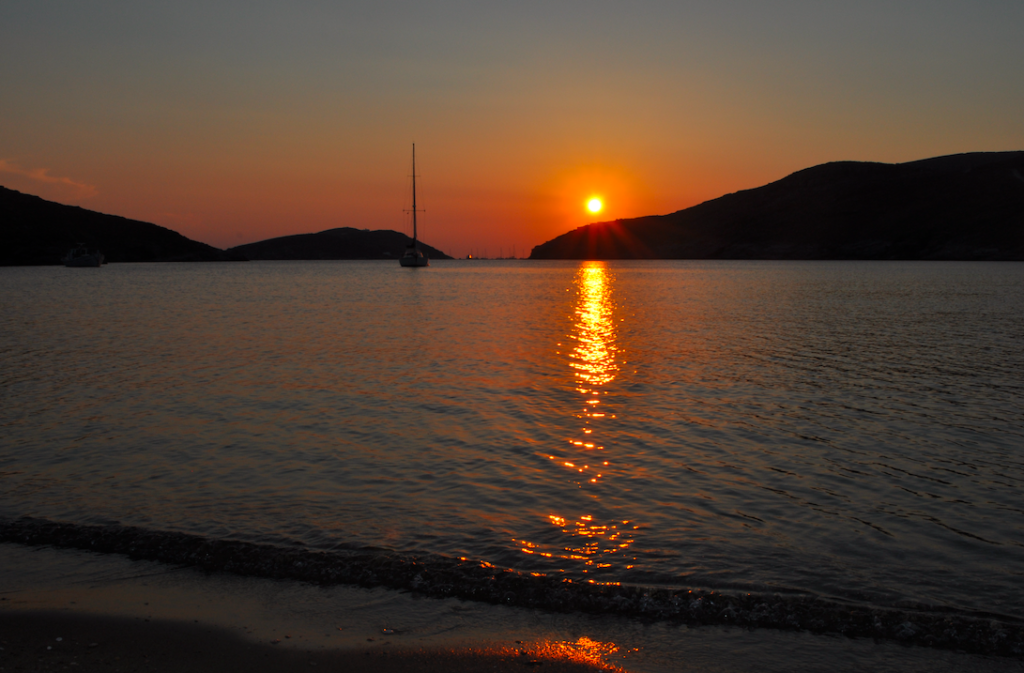
The villages of Episkopio and Xroussa are ideal for exploring on foot. Kini offers the undisputed best sunset on the island.
Poseidonia and Finika are favoured seaside towns. San Michali, on the northern part of the island, is home to Xatzakis Winery which boasts local grape varieties.
Finally, we at IN+SIGHTS GREECE are all about the food! Where can we find you dining out?
Syros offers a wealth of exceptional dining options. Some of my favorites are Lygeros and Steadi Kafeneio on the north side of the island for traditional Greek cuisine and dishes. Revans, located in the old market of Ermoupolis, serves tastefully simple plates alongside coffee, ouzo, and tsipouro. Mikraki is a beautifully traditional mezedopoleio, and just a few meters away in the same stenaki (small alley), you’ll find the new-age kafeneio, Laoutari.
Theosis is located at Piatsa, Ano Syros, and operates from 6.30 pm – 2.30 am during the summer season.
Discover our complete travel guide to Paros, an island that offers a perfect blend of relaxation, good food, and stunning beaches – making it a must-visit spot this summer.
Eyes are on Paros again this year, as it’s fast become one of the most popular Cycladic islands thanks to its quaint fishing villages, beautiful architecture, and gorgeous bougainvillea-filled alleyways that allow for endless hours of exploring. And, as one of the coolest destinations in Greece, it’s brimming with chic and understated spots to visit on your trip.
Eat + Drink
Brunch + Coffee
Raggoussis Bakery: In the heart of Naousa, you’ll find a great breakfast spot where you can enjoy handmade pies and great coffee.
Cannelait: This is a place for delectable desserts, pastries, and specialty coffee.
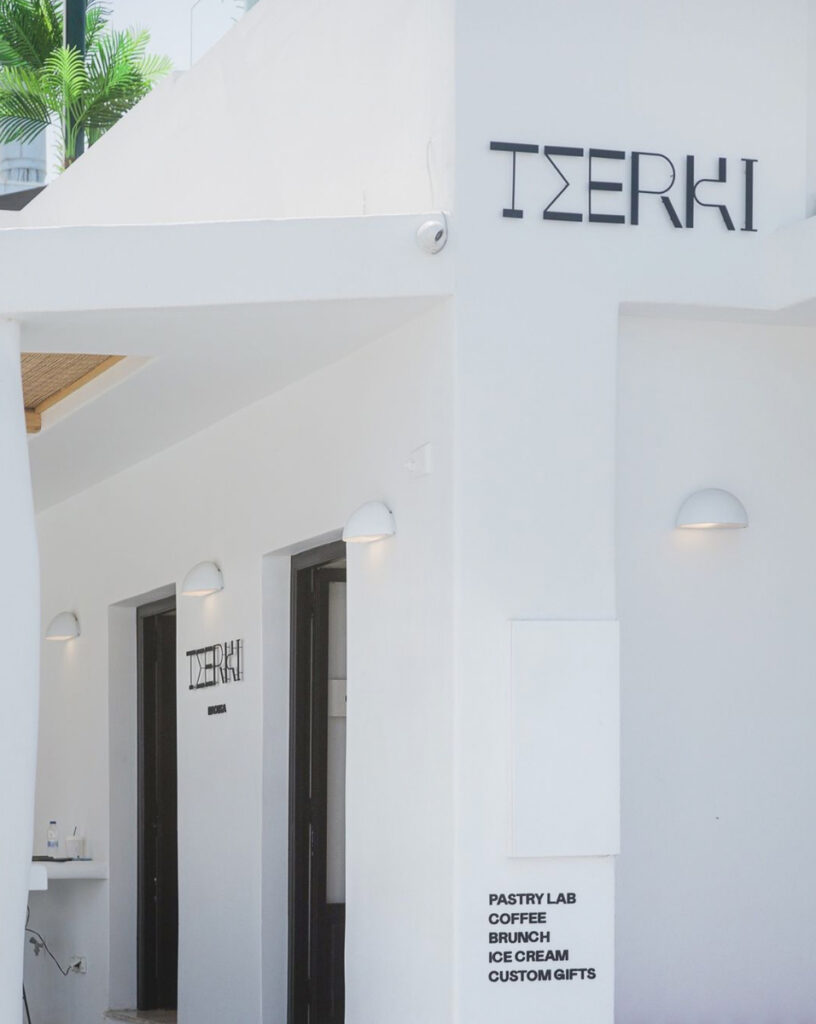
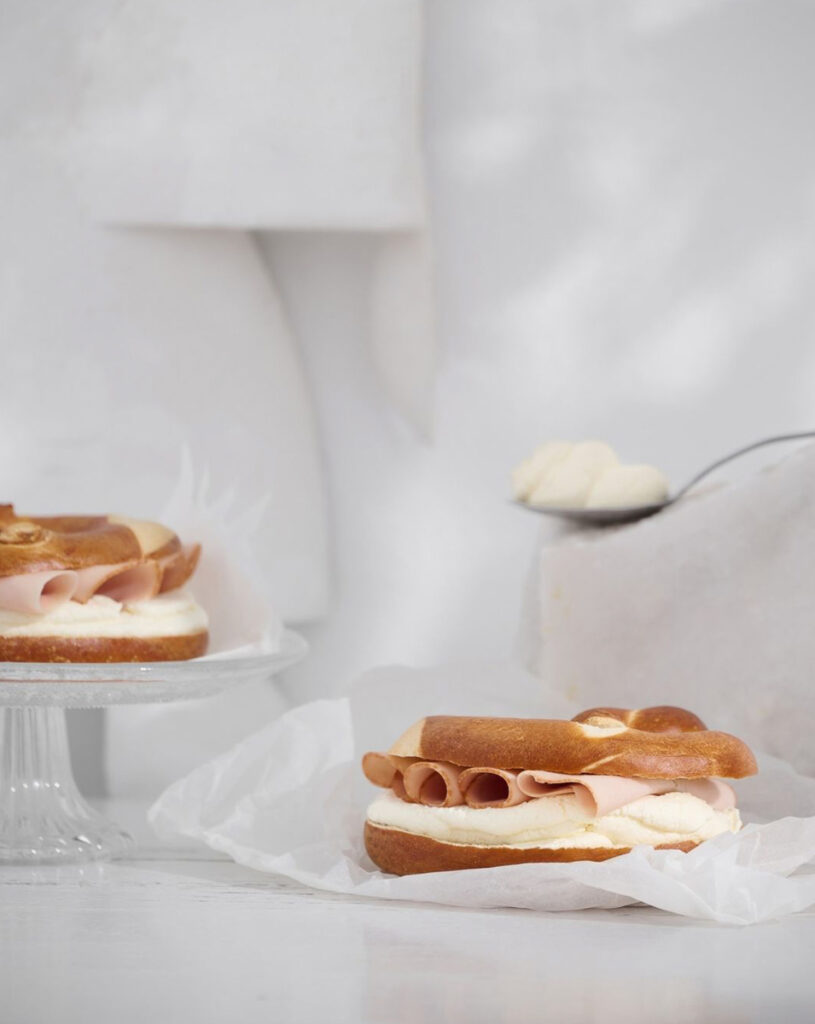
Tserki: Experience exquisite flavours – both sweet and savoury – in two spots in town, either Naousa or Parikia.
Lunch
Siparos: For a fine-dining seafood experience with great views, Siparos serves classic dishes such as Kakavia, a traditional Greek island fish soup.
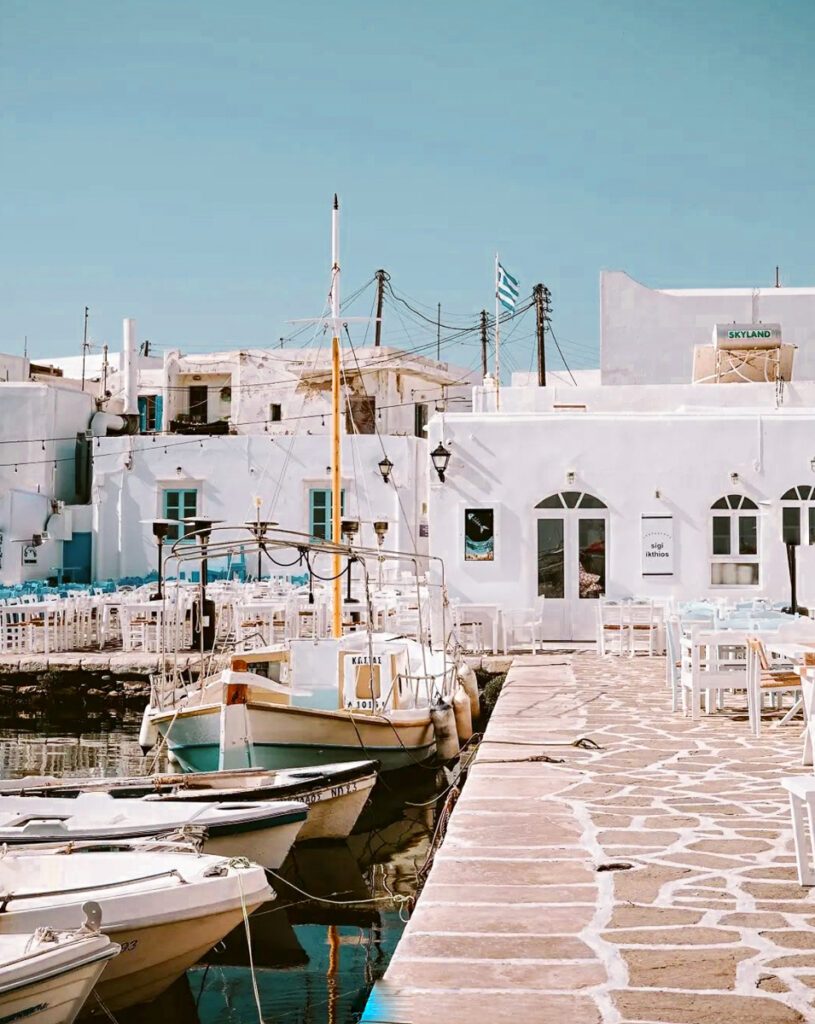
Sigi Ikthios: Around the port, you’ll come across this great eatery where you can order both classic and modern dishes.
Rada: A boho chic outdoor restaurant, here there’s a strong emphasis on pure produce and seasonal ingredients.
To Balconi tou Aki: This award-winning restaurant that’s been open since 1964 serves simple ultra-fresh seafood in a stunning seaside location.
Blue Oyster: Come here in the early afternoon and slowly order fresh seafood dishes that can be enjoyed through to sunset.
Tip: If it’s just a quick bite that you need to get you through the day, head to O Kargas or Pita Frank for a tasty souvlaki pita or a traditional Greek gyros.
Dinner
Mr E, Parilio: A light and airy restaurant that serves locally inspired Mediterranean dishes.
Parostia: Set right on the beach, here you can enjoy sashimi, and sharing plates that include Tomahawk and grilled lobster.
Barbarossa: One of the most popular restaurants on the island (and for a good reason) here you’ll enjoy fresh local seafood.
Stivli: Savor fresh Mediterranean flavours in a lovely open courtyard.
Mario: Located in Livadia, this modern eatery offers a culinary Mediterranean experience overlooking the Cycladic Sea.
Santa Pacou: Located in the picturesque village of Kostos, here you can taste traditional dishes with a modern twist.
Drinks
Sante: Serving signature cocktails, this tiny bar is the perfect spot for an evening drink.
Agosta: This waterfront bar is the place to be for sunset hour.
Salty Bar: Ideal spot for an aperitivo or late-night Negroni.
Tip: If you love your wine, head to Domaine Myrsini or Moraitis Winery and explore the wonderful vineyards while tasting a few local drops.
See + Do
In the island’s capital Parikia, make sure you visit the Byzantine church Panagia Ekatontapiliani (featuring 100 doors, it’s dedicated to the Virgin Mary). It’s also worth making time to check out the Archaeological Museum (with its stunning mosaic floor), and the Sanctuary of Apollo.
Spending time at the pretty fishing harbour of Naoussa is a given! Here you can explore the charming alleyways, harbour, and a 13th Century Venetian Castle. There’s also the nearby Petra farm, where you can enjoy farm-to-table dishes.
Experience traditional village life at Lefkes, boasting charming cobblestone alleys, and Cycladic whitewashed houses, it’s also home to the Holy Church of Agia Triada and the Folklore Museum.
Tip: Art lovers head to Athanassiadou Gallery, curated by art historian Marina Athanasiadou, here you’ll discover a range of stunning contemporary Greek art.
Best beaches
Adventurous types will love Golden Beach and Parasporos where you can enjoy a great range of water sports. Monastiri is where you’ll find one of the most sought-after beach bars on the island, while Santa Maria is perfect for those looking to party. Cabana is one of the chicest spots to spend an entire day at the beach, whereas Kolymbithres is one of Paros’ most famous spots thanks to its rocky landscape and stunning blue cove. We also recommend adding Faragas to the list, as here you can dip into crystal clear waters and then have a light lunch without needing to go far.
Best view…
Head over to Kefalos Hill, where you can discover the holy Agios Antonios Monastery while taking in the incredible views from the island’s most stunning spot.
Ultimate day trip….
Take a short boat trip to Antiparos, known for its relaxed vibe and beautiful caves, it’s the perfect place to enjoy a swim and a long, lazy lunch before heading back.
Shop
Anthologist boutique offers a curated collection of jewellery, handbags and belts, brass objets d’art, and ceramics, all made by local artisans in Greece. For some of the most unique and stunning jewellery pieces head into the store of Yannis Sergakis. And if you are searching for some locally made pieces head into MX Ceramics and Yria Studio for beautiful pottery.
Stay
Parocks: Here you’ll find luxurious and elegant rooms and suites featuring stylish Cycladic decor and earthy tones.
Parilio: A beautifully designed boutique hotel, offering a stunning range of rooms and suites.
Cosme: A gorgeous new resort-style hotel that’s ideal for both couples and families.
Cove: A seaside resort that offers five elegant suites with private pools.
How to get there…
By Ferry: Regular ferries from the Athens port of Piraeus to Paros range from 3-5 hours depending on whether it’s a high-speed catamaran.
By Plane: Direct flights from Athens to Paros National Airport take around 45 minutes.
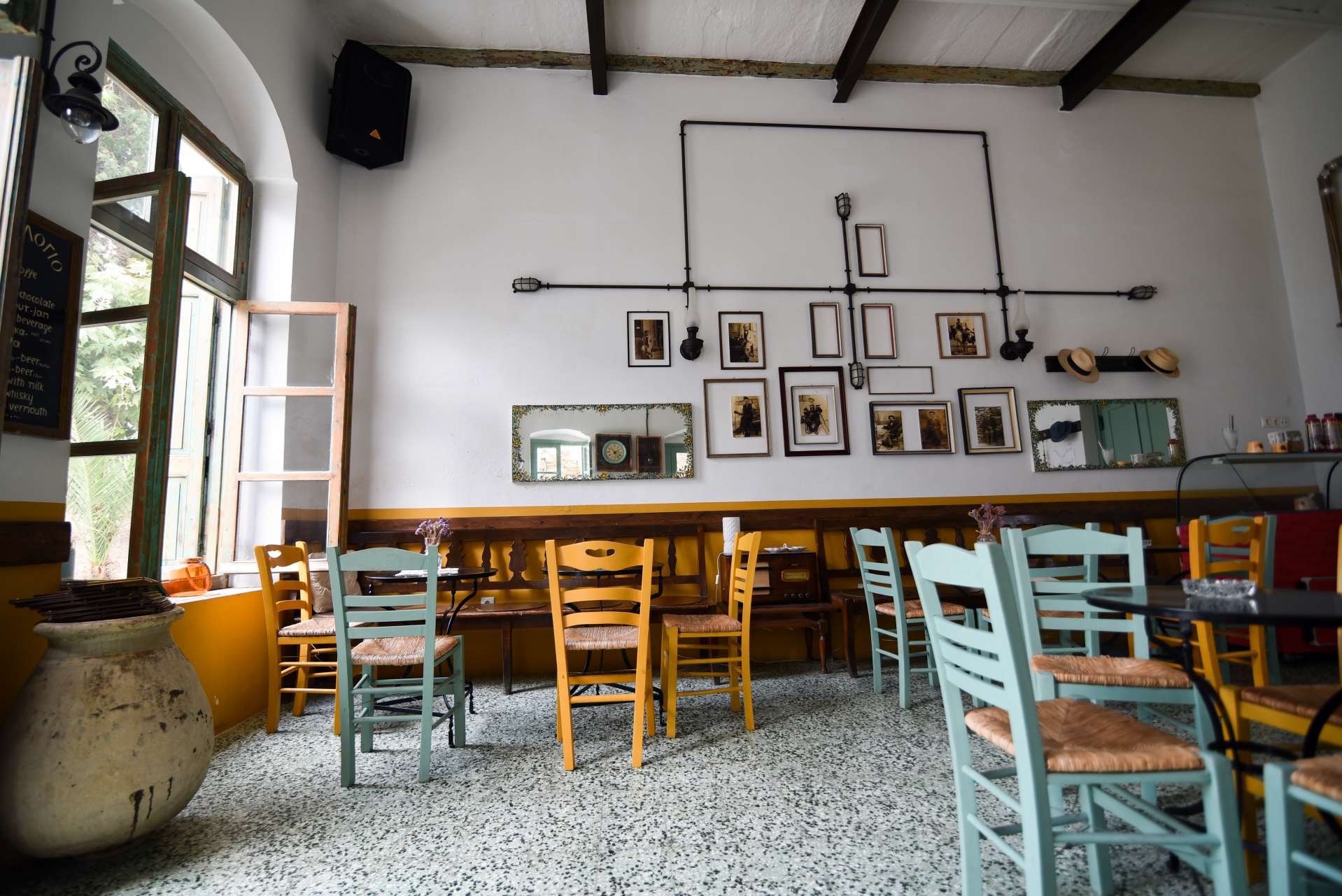
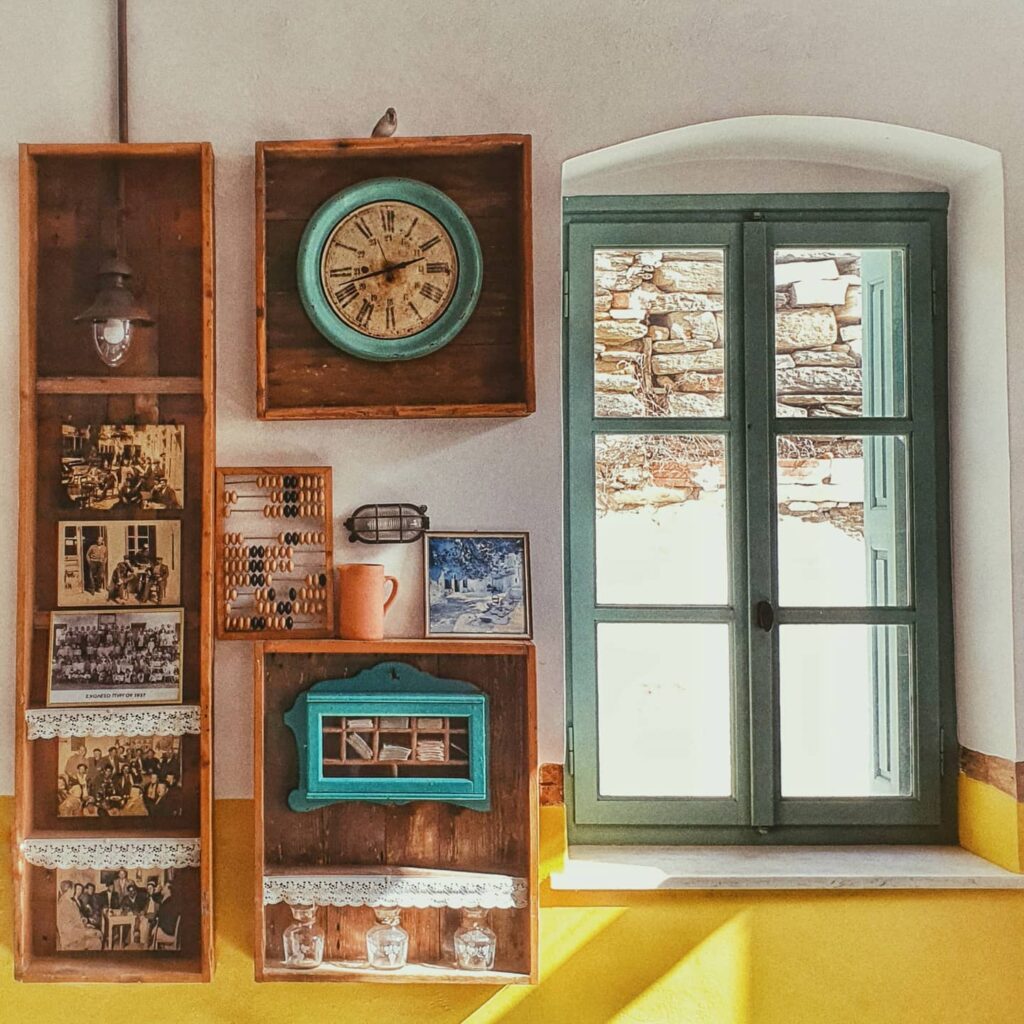
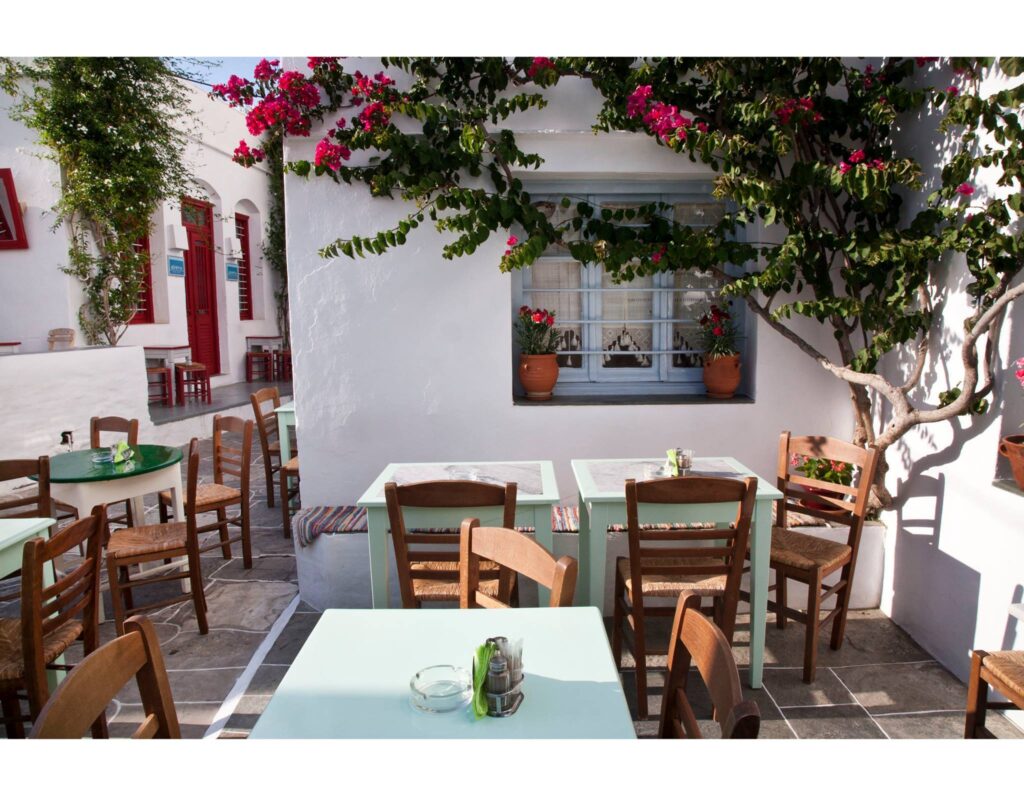
Whitewashed walls, Greek coffee poured from a copper briki, the sound of dice rolling across a tavli board, spontaneous live music, and handmade mezedes (at affordable prices). These are the traditional kafeneia of the Cyclades; picturesque gems where you will find friendly locals- offering a glimpse into their relaxed, everyday island life.
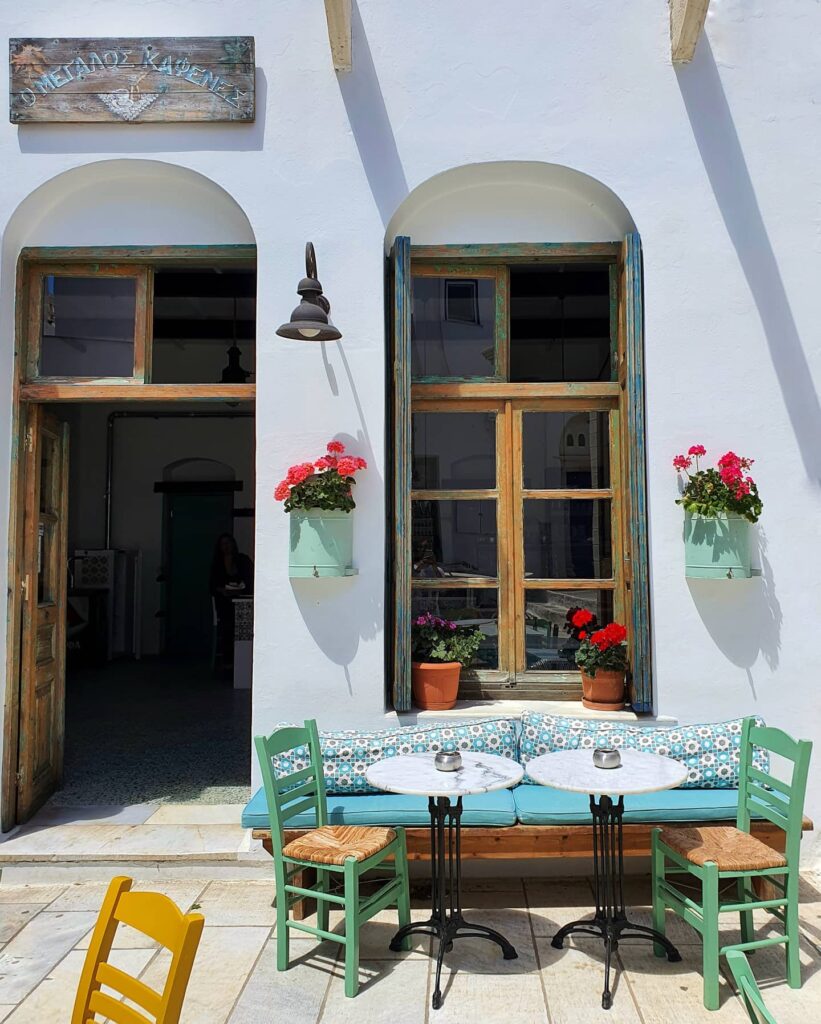
O Megalos Kafenes – Tinos
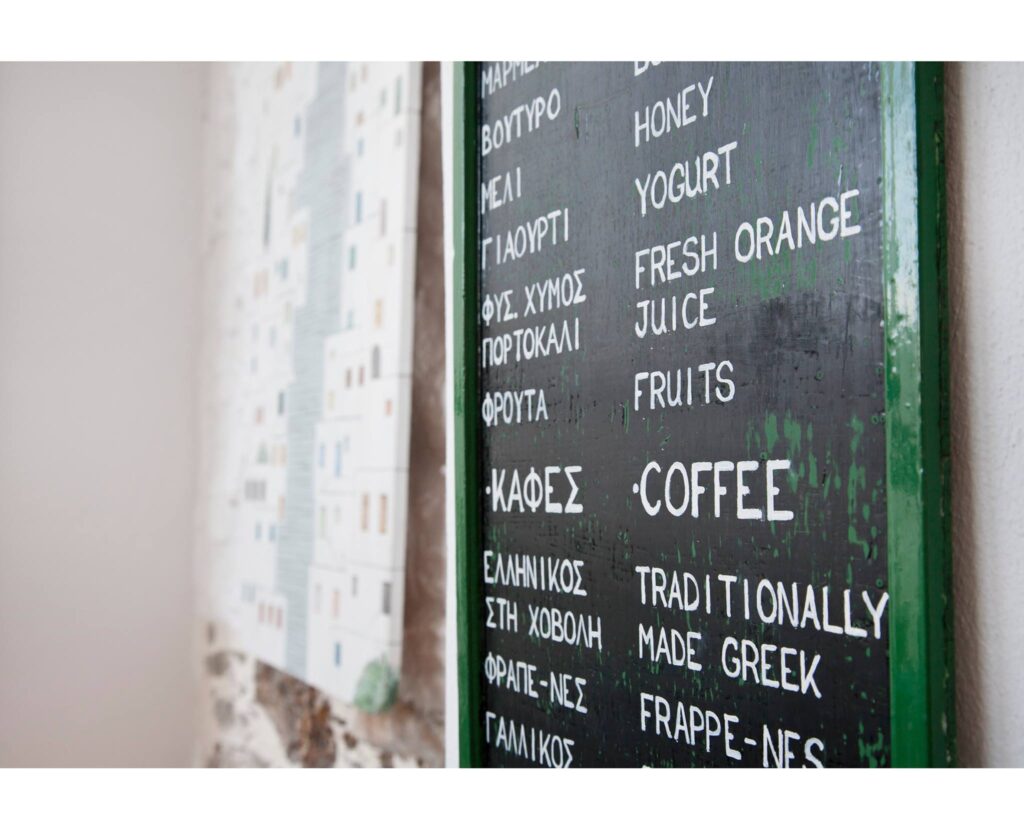
“Megalos Kafenes” has been operating for over a century in the only square of Pyrgos (with the famous ancient plane tree) in Tinos. A hangout that combines the old with the new, thanks to the creative flair of architectural designer Dimitra Papadopoulou, who supervised its renovation. Enjoy the tranquility of the village and savor homemade sweets like galaktoboureko, orange pie with ice cream, and ekmek with a Greek coffee in the briki or salty mezedes with ouzo.
A: Panormos/ tel. 2283 031647
Stou Stratou – Serifos
In the heart of Serifos’ Chora, against the backdrop of the imposing City Hall and the church of Agios Athanasios, is the traditional café Stou Stratou, with its blue tables and chairs welcome visitors for a morning coffee on embers and a tasty omelette. In the afternoon you can taste homemade sweets (try their famous chocolate cake) and appetizers accompanied by ouzo or rakomelo from noon onwards. Spend a few minutes (or even hours) viewing the menu since that also features art and poetry (literally).
A: Chora Serifos /tel. 2281 052566
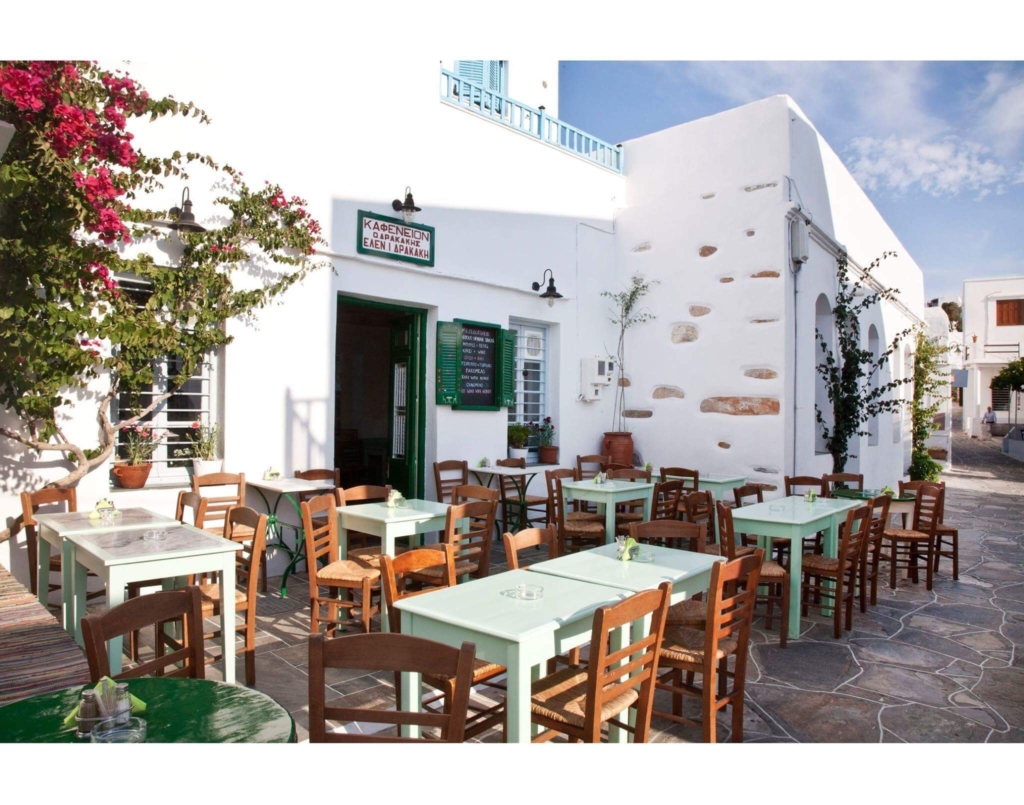
To Kafeneio Tou Drakaki – Sifnos
With more than 100 years of life, Drakakis’ kafeneio, in Apollonia, offers the ambiance of a Greece that is reminiscent of black and white movies. With tables spread across the paved central alley, you can enjoy a rakomelo with delicious traditional appetizers of Sifnos. Espresso coffee or filter coffee are unknown words here!
A: Apollonia/ tel. 6972123571
To Kafeneio Tis Charas – Schoinousa
In the picturesque Chora, one of the oldest buildings hosts To Kafeneio Tis Charas. Famous for its rich breakfast made with local products from small producers- here you will taste fresh eggs and handmade sweets. In the evenings the rakomezes take centre stage, as you take part in the improvised celebrations featuring violins and lutes.
A: Chora Schoinousa/ tel. 2285072026
Photodotis – Amorgos
Away from the hustle and bustle of Chora, in an upper neighborhood, you can relax at Photodotis. This traditional kafeneio features white and shades of green, plus a courtyard with wooden and iron tables, where you can enjoy local products such as Amorgian xynomyzithra, pumpkin meatballs, and dolmades with fresh vine leaves; handmade sausage or hunkiar begeti with local veal- dishes that are all prepared with a lot of love! Often violin nights are also held here.
A: Chora Amorgos/ tel. 2285072059
Kali Kardia (Bohoris) – Kimolos
Kali Kardia or the café of Bochoris -as the locals call it- is a traditional trademark found on the main road of Kimolos’ Chora. Operating as kafeneio, tavern, and convenience store- here you’ll find classic black and white tiles on the floor, wooden chairs around marble tables, and a jukebox. You can try the same traditional recipes that have been used since 1920, featuring pure, fresh, and local ingredients only. Ouzo and tsipouro appetizers, plus some signature mom-cooked dishes are also on the menu. Tip: if you are after something sweet, order the orange pie or kataifi.
A: Chora Kimolos/ tel. 2287051495
Kafeneio Nios – Ios
In the picturesque square of Chora of Ios, under some pretty bougainvillea, lays Kafeneio Nios. Enjoy your coffee in the morning, varieties of cheese and cold cuts during the day, and (every day) live music (bouzouki, tomberleki, and baglama) will accompany your rakomela at night.
The famed local cuisine, friendly locals and unspoiled wild beaches, with their pristine crystal clear waters, set the scene for a deliciously authentic vacation experience to visitors of the island Tinos, including a magnificent stay at one of Aegean Dream BnB’s serene holiday homes.
It was love at first sight when Greek American Nikos and Australian Emma first set foot on Tinos. After traipsing the globe to find their ‘forever home’ they knew they wanted to build a life together on this beautiful island. In 2019, they also brought to life an incredible business of vacation rentals, Aegean Dream BnB where they have consistently welcomed hundreds of guests from all around the world.
With a carefully curated portfolio of villas, apartments and rooms, visitors are spoiled for choice with a collection handpicked by Emma to suit an array of interests, including design-loving groups, romance-seeking couples, and solo travellers looking for an authentic connection, whether it be in a 300-year-old village or a vibrant beach community.
Villa in VolaxViews of Panormos Bay
Building new memories of Greece is wonderfully enhanced by unforgettable places to stay. From a Cycladic gem overlooking the water, and proximity to tavernas, or a heavenly stone retreat lovingly designed for laidback living with a spacious entertainer’s terrace and flowing open-plan interiors, visitors will be impressed by what’s on offer.
Showcasing the renowned Greek hospitality, Emma and Nikos greet all guests on arrival before accompanying them to their property, ensuring they are comfortable and settled in, as well as giving regular updates of all the activities taking place on the island throughout their stay.
If that is not enough to entice you to Tinos, Aegean Dream BnB is also launching new experiences this year such as guided hikes to secret locations and gastronomic extravaganzas.
We recently chatted to Emma Moroney about her love of Tinos, why it’s a must-see island and her sumptuous range of vacation rentals.
Aegean Dream BnB Founder, Emma Moroney
What led to you setting up a vacation rental company on the beautiful island of Tinos?
I had worked in the television and film industry in Australia and South-East Asia, so organising and creating something from nothing is in my blood. I’m not sure which came first, my curiosity for figuring out how things work, or if over time I learned how to make things come to life out of necessity, but it seems I’ve been constantly challenging myself to learn new things from a young age and I can’t stop! Being Australian, I’ve been very privileged to live a life open to wonderment and possibility and that has propelled me to jump feet first into lots of endeavours over the years, without the fear of failure. I travelled to Japan in the nineties with one phone number in my pocket and the promise of some work and it only occurred to me when I landed in Osaka just how monumental a risk I had taken. It paid off and ultimately became one of the most defining adventures of my life and I have adopted that methodology ever since. I’ve travelled all over the world, lived in Japan, and Malaysia, volunteered in a monastery in the Himalayas, slept in 5-star hotels and on a horsehair mat in a shed – each time simply seeking the opportunity for wonder and pushing my understanding of the world a little further.
All of these experiences, including meeting my husband Nikos, ultimately led me to Greece. This ancient enigma of a place, full of complex layers and flavours, with people who are so very deep and fascinating, makes it addictive to live here. To paraphrase Epicurus, Greece is where you’ll do well to pause and enjoy the good life. Here, your appetite will be more than satisfied, it will be quenched. Inspired by that great philosopher’s wisdom, Nikos and I decided to quit city life and search for a place to build something in touch with nature and more intentional in Greece. Our vacation rental business is just the first step in our journey towards building something meaningful on the island of Tinos, but it has been a great learning experience and has given us lots of great insight into how and why people travel.
When did you first visit Tinos and what made you decide you wanted to make this your island home?
When Nikos and I arrived in 2018 for a five-day holiday, we knew within the first few days that we wanted to make a home and start the next phase of our lives here. We’d been to other places, Nikos’ family is from the Peloponnese, but Tinos just stole our hearts from the first moment. We stayed in an amazing little Airbnb with the loveliest host I’ve ever met and everyone we came across in those five days gave us such a feeling of warmth and welcome that we just took the plunge!
Tinos has a special energy. It’s sort of indefinable but everyone you talk to, especially the foreigners who don’t have a familial history with the place, will tell you exactly the same story. They came here almost by accident and then just fell in love with the island. It’s a story that’s repeated so often you have to believe it!
For us, it’s the unique combination of the rustic and laidback wild spaces, the historic villages and a cosmopolitan vibe borne of artists and artisans who make up the local population, as well as the countless creative people who’ve made Tinos their home.
The food here really is something beyond the already great Greek cuisine you find on most islands, and the local people have an artistic approach to everything that just makes the gastronomy sing. For example, we have a chef friend here on the island who went to Italy to comb through the gastronomic archives in Venice, held from when Tinos was under Venetian rule from 1200 – 1700. Thanks to the meticulous record-keeping of the Venetians, our friend was able to seek inspiration for his recipes of today. This commitment to culinary perfection and reverence for history is what makes this island so special.
They also know how to party! The panagiri (festival) here is something truly special and in our first year we were lucky enough to be invited to quite a few in the winter – I think we met the whole island that first winter! Island life really relies on the panagiri to bring together people from all over the island and we of course fell in love with this beautiful custom in our first year and were pretty depressed they couldn’t happen over the two years of pandemic lockdowns… but this year they are back with gusto! Lately, it feels like there is one every night (literally right out my window now is an impromptu small panagiri at the taverna below our house!)
Tell us about Aegean Dream BnB. What makes it unique?
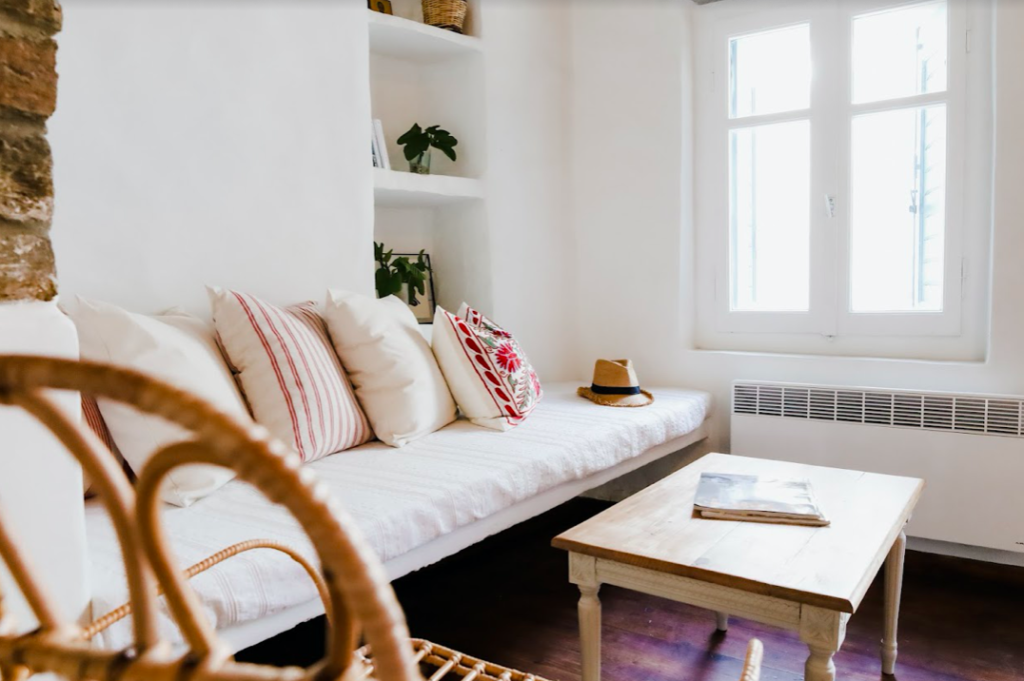
Aegean Dream BnB is a handpicked selection of vacation rentals we love for their relaxed vibes and unique style. Holiday homes where you just slip off your shoes and let the peaceful energy wash over you. All stylish, serene hidden gems that inspire creativity in a restful atmosphere, on the beautiful Greek island of Tinos.
Our personal touch, combined with a high level of professionalism makes it truly unique. Nikos and I came to Tinos as guests and we remember how it felt to discover the island for the first time so we really try and recreate that each time for our guests. The other thing is the houses reflect my personal style. If I wouldn’t choose to stay at a place, then it’s not in our collection. I’ve always been a bit of a nomad so my style is reflective of all the places I’ve lived and the memories I’ve collected along the way. It’s a Mediterranean Modern style that’s all about stylish spaces designed to promote serenity and reflection that are connected to the natural environment in some way.
What are some of your most popular properties?
Our most popular property is the Laidback Luxe apartment in Panormos Bay, which I love for its lovely open spaces and because I was able to work with the owner/builder on the interior design. So that one’s highly reflective of my style and thankfully, people seem to love it!
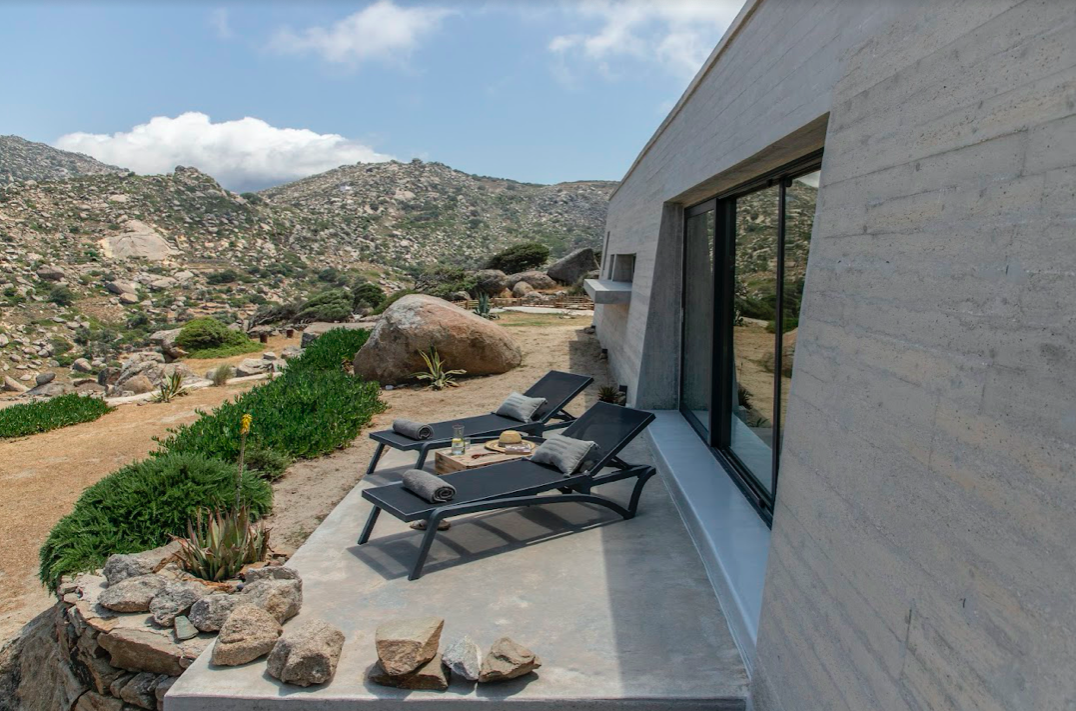
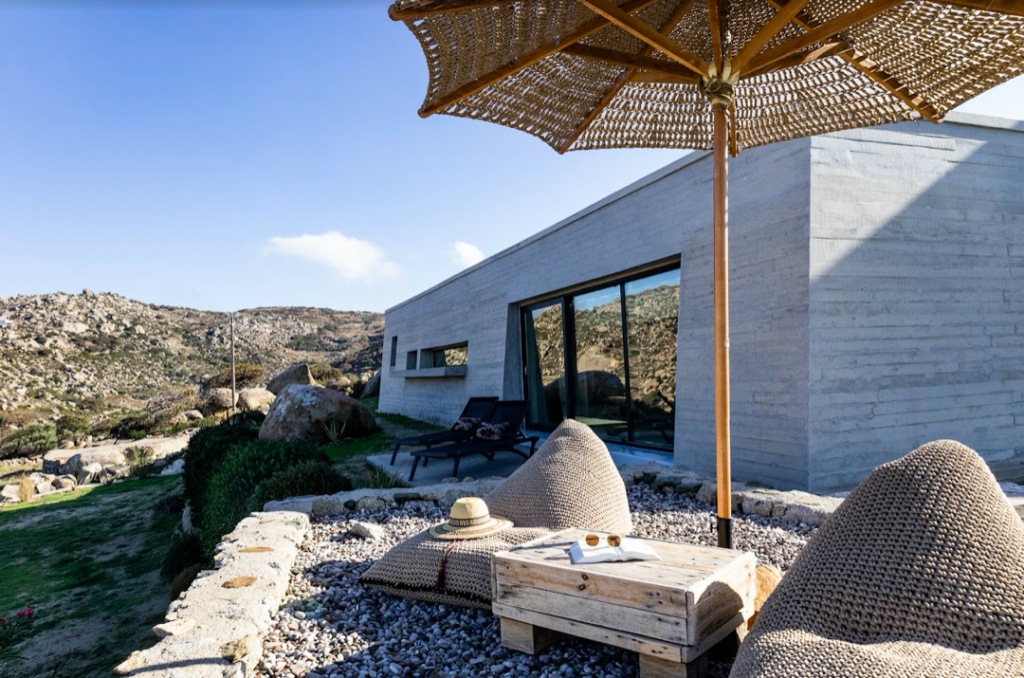
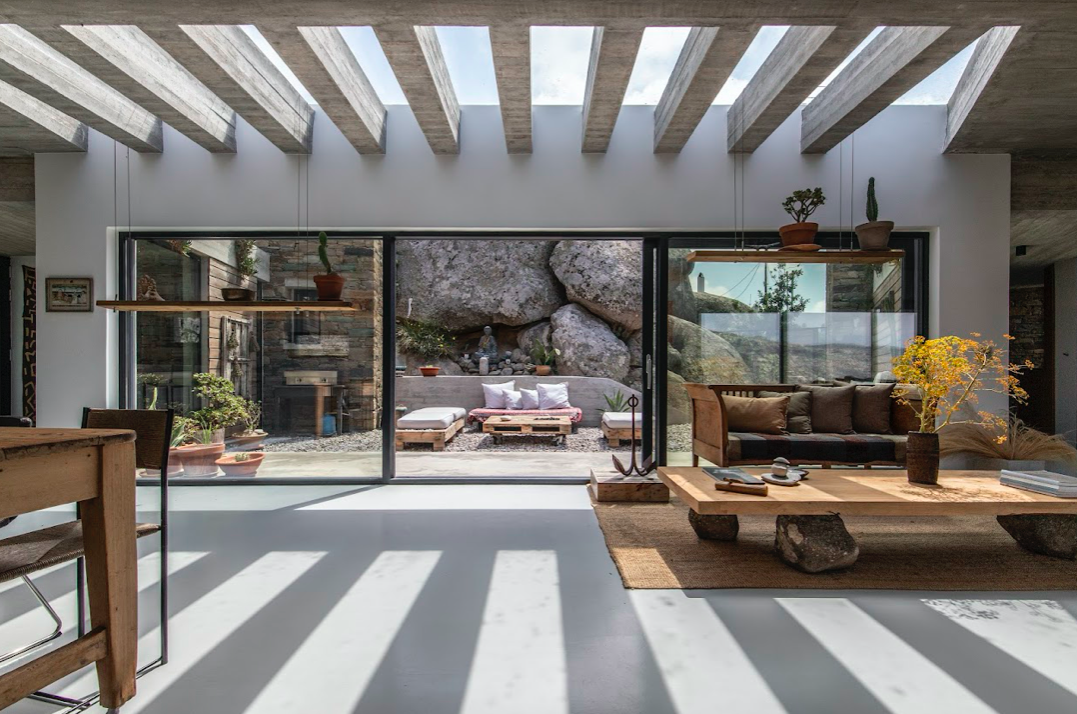
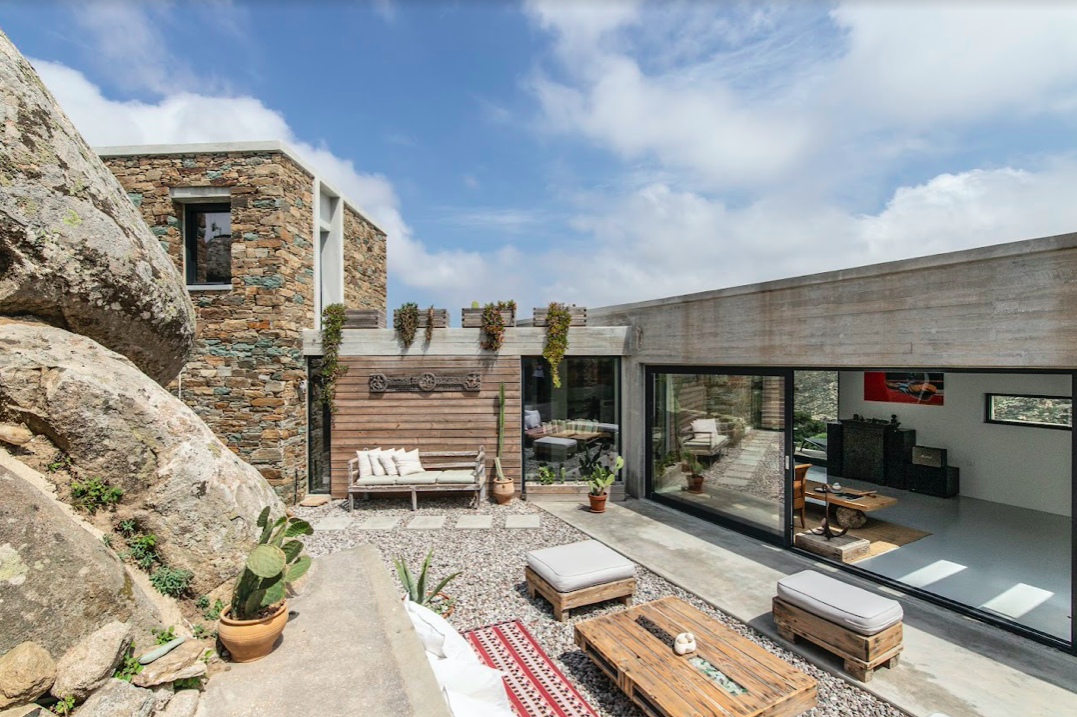
This year we have a few new properties which we absolutely love and are very popular on Instagram. The Architectural Oasis in Volax is a truly one-of-a-kind holiday home designed by local star architect Aristedes Dallas. It is the epitome of the Mediterranean Modern style and is built sensitively into the magnificent boulders that make Volax so unique. The owner is Swiss and a global nomad so the home is filled with lovely treasures and his photography from all around the world. The house has Joshua Tree vibes and is a real respite from the Cycladic winds in summer thanks to the cleverly designed internal garden and its very grounding concrete structure. Architecture enthusiasts just love this one.
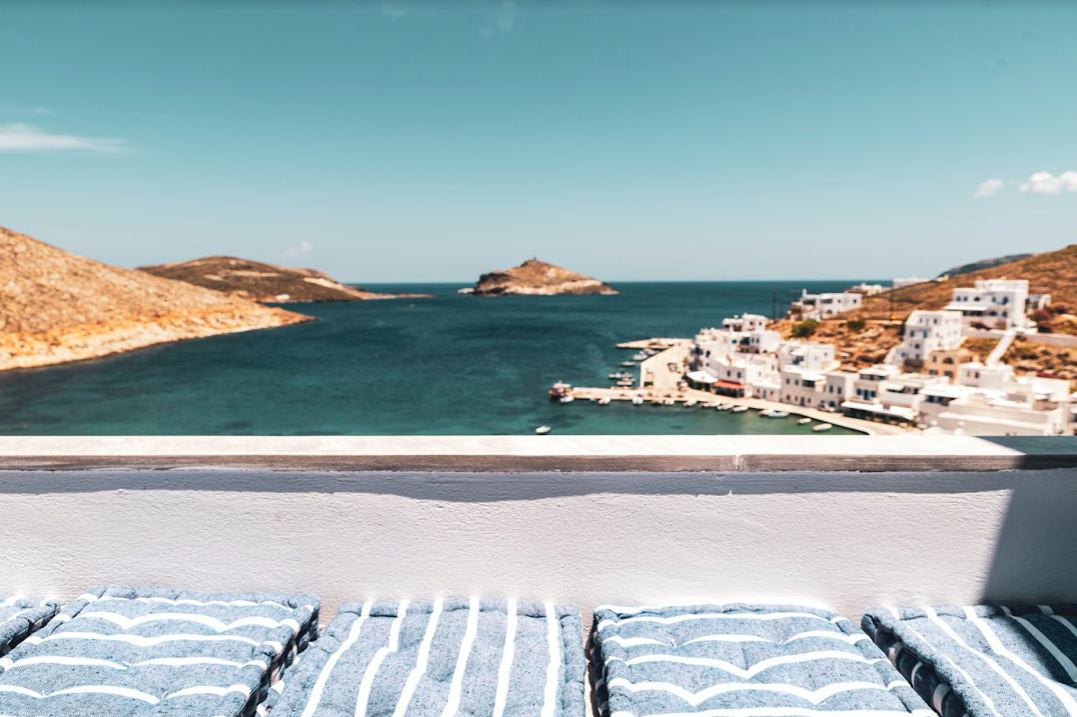
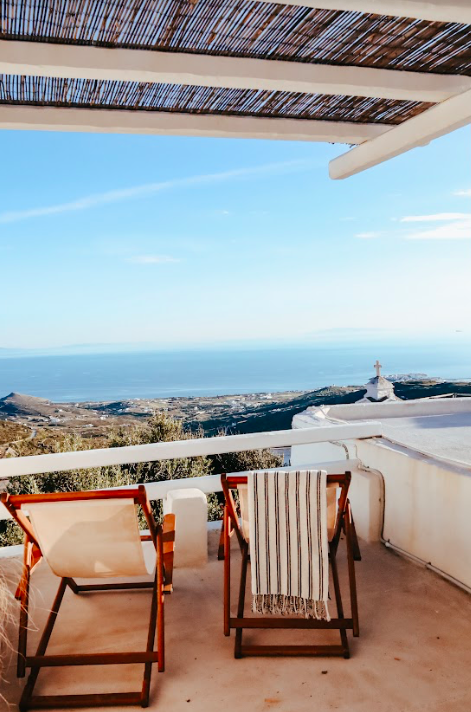
There’s also a lot of Instagram and real-world love for this chic Cycladic home in our favourite mountain village Triandaros. Loaded with charm, the light-filled three-bedroom Cycladic stone house in one of Tinos’ oldest villages has been sensitively restored with original architectural details contributing to its lovely ambience. Its heavenly rooftop with panoramic sea views is just the place to end the day with a chilled rosè in hand while watching the sunset over the hills.
Laidback Luxe in Panormos Bay
What type of traveller do you have in mind when searching for holiday homes to add to your portfolio?
I’m obsessed with interior design and the notion that we humans respond to our environment with our senses – so we think about these when we consider a new property. How will you feel when you touch, smell, taste, hear and see this new environment is important and we strive to create a sense of serenity and promote wellbeing from the moment you arrive. We tend to attract a lot of creative people, possibly a reflection of my previous career in film and television!
Photographers, designers, architects, chefs, poets and writers have all stayed in our homes and always enjoy the details we’ve thought hard to provide to enhance our guest’s experience.
But most importantly we love hosting thoughtful, independent travellers who are conscious of themselves and the environment. This planet we call home is fragile, and our island even more so, with each summer taking its toll on our natural resources. We hope to attract mindful travellers who respond energetically to nature’s rhythm and find the beauty in the wilder elements of Mother Nature – like the wind – and instead of rejecting the uncontrollable aspect of it, respond joyfully to the freedom it represents.
Architectural Oasis in Volax
You are introducing a new range of experiences for your guests this year. Can you divulge more details?
We are foodies, so from the first moment we arrived, we just wanted to soak up as much gastronomic information about the island as we could find. We’ve put together some wonderful experiences with our friends on the island, like Alex from Tinos Farm to Table, so guests can dive a little deeper into the Cycladic way of living. Cooking Workshops at Alex’s farmhouse outdoor kitchen are a delightful way to connect with the traditions handed down from previous generations, cook up a delicious feast of homegrown produce from Alex’s farm and finish the day around the table, family-style.
For guests of the Architectural Oasis in Volax, we offer an exclusive food and wine tasting in the villa with sommelier and Tinos Wine Tasting guru Panayiota Kalogeropoulou. Surrounded by the incredible volcanic granite boulders that make the wine of Tinos so unique, Panayiota will guide our guests through a tasting menu designed to educate and celebrate Tinian wine and food “From the Stones to the Sea”.
What can you tell us about some of the new properties that will become available soon?
We are super excited to launch our new property in Arnados for this summer, Meraki House. Beautifully designed by the owner and crafted perfectly by our favourite builder Marios Armaos (who also built the Laidback Luxe in Panormos) this property perfectly embodies our ethos. The senses are immediately engaged in the most serene way and the house nestles into a lovely terraced hillside with spectacular views of the Aegean. Lazy afternoons on the huge terrace, drinking wine with meze and staring out to that big blue… honestly, that’s what a holiday on the Greek islands is all about.
New Meraki House in Arnados
What is your favourite time of the year in Tinos?
May/June is hands down the best time to visit Tinos. The hills are green, with wildflowers EVERYWHERE! The restaurants, cafes and bars usually open for the season from Orthodox Easter onwards so there’s a real vibrancy in the Chora and the more populated villages like Triandaros. From about mid-May onwards, the weather starts to feel like summer with longer days, warm temperatures as high as 28 degrees and calm seas with no wind. For an island that has a reputation for strong winds, I really wish more people would come and visit during these months when the sea is so calm it takes on the feel of silky olive oil. Spring really is the best time to visit Greece!
Where are some of your favourite spots to eat, drink and swim in Tinos?
EAT: Maru Restaurant in Panormos Bay. Right by the water’s edge with peaceful views of the pretty bay and Planitis island, order the heavenly grilled octopus, the best taramosalata on the island and a half carafe of white wine and experience the truest embodiment of the good life.
DRINK: Three Donkeys in Chora. Come for the perfectly crafted cocktails, stay for the Tiki vibes, friendly staff and great tunes.
What are a few things visitors to Tinos must do before leaving the island?
Exploring the villages and hiking the wild spaces! We love the mountain villages Triandaros and Dio Choria for the pretty marble streets, vibrant food scene, interesting hikes and panagiri. Pyrgos is also a great village for a wander and food, as is Agapi and of course the truly incredible Volax. After wandering around the lunar landscape of ancient boulders, start at the entrance of the Volax and take a leisurely stroll through whitewashed lanes with Greek poetry painted with great care onto the walls and doors. Visit the proud basket weaver Ludovico for the ultimate souvenir of your stay and end with a performance in the amphitheatre.
Welcome to Kythnos! Not sure how I can describe in a few hundred words an authentic Greek island, its beauties, its tastes and smells but also all the other senses it engages you with- from the moment the boat door opens and you inhale an aroma mixture of thyme, fennel, sage with salt and sea air- but I will try to convey all the love I have for this place, through the following.
By Julia Vagiani
The island is only accessible by two ferry routes. One from Piraeus which takes about three hours, and another from Lavrion port which is less than two hours. You can also visit Kythnos direct from other nearby islands in the Cyclades. The closest airport is Athens, which is only 30 minutes from Lavrion port. Of course, you can rent a yacht or a speed boat, even a helicopter if your budget allows since there is a helidrome on the island.
Kythnos has come under the spotlight over the last few years, thanks to the advantages of proximity, natural quiet beaches, relaxing landscape, and picturesque villages.
Where to Stay
The accommodation proposals are still growing due to the popularity of the island and it strives to provide availability in the high season months but also over time for all budgets. Prices and offerings range from traditional houses, hotels, suites, and villas, or private studios and apartment rooms- there really is a wide range to choose from.
What to Do
Activities are developing and visitors are able to go kayaking, do yoga on the beach or in private, go island hopping with speed boats or sail around the island with a yacht, enjoy some hiking, scuba, snorkelling, or take pottery classes.
Where to Swim
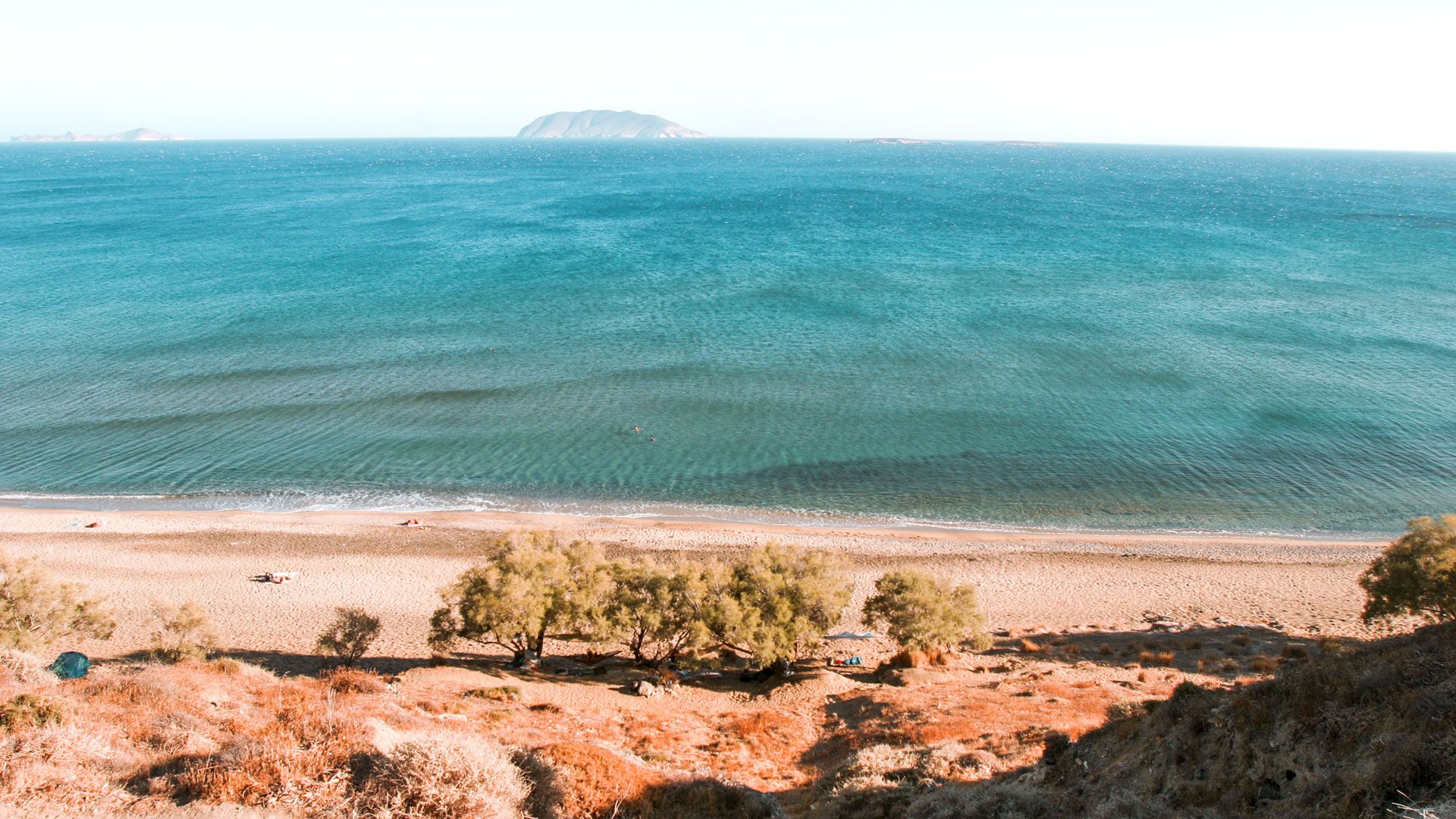
Kythnos has approximately 100 beaches formed like a surrounding lace that creates shores, coves, bays and hidden tiny beaches that can be explored- from organised with beach bars to literally tranquil “deserted feel like” points, that can’t be seen from above. Others are accessible by car, some by boat or by foot, from white irregular pebbles, crispy sand with tamarisk trees to cast a shadow or totally bare for those who can’t get enough of the Greek sun!
Just the view of the rocky surrounding, the sun peeking through, the whiter whites, the browns and greys, glowing metallic blue, crystal clear transparent turquoise blue waters, one can find at least one beach to call his favourite. The most famous beach on the island, Kolona, which took its name from the shape of the wide sand beach that divides the sea in two and connects the island with the island of Agios Loukas, is crowded with boats that visit from spring to autumn; it remains as a highlight attraction.
Apokrousi beach is one of the longest beaches with armirikia (tamarisk) trees that offer shade, a couple of beach bars one on the side and another in the middle of the beach, and two tavernas to serve your appetite if you decide to stay all the way till the mesmerizing sunset. The road allows access for all types of cars and motorcycles and that makes it very attractive, especially for the last swim before you catch the return ferry!
Where to Eat
Bars & cafes are in every town the island has from your arrival at the port, going to Chora cafébar or brunch, or arriving at Loutra, try having a café on the beach or a delicious waffle with ice cream.
Eating on the island is an exploration in itself. From having breakfast at traditional kafenio (coffee shop) eating pies (cheese pie with fresh eggs, local cheese and fennel) and kolopi (horta/green vegetable pie), buy handmade pasteli (sesame and honey-sweet) and amigdalota (soft, rose-scented almond cookies) to delicious desserts, fresh fish, Mediterranean seafood, traditional taverns with handmade products of their own production and breeding, to the most modern restaurants with gastronomic and gourmet suggestions, Kythnos covers all tastes!
Not to be missed, the delicious taste of local lemon juice pork, the remarkably unforgettable red sauce goat, ambelofasoula (green long been salad) which you could sense the chlorophyll tingling your mouth, (saliagous) snails cooked in onion red sauce, a plate of the famous sfougato a kind of small cheese ball croquette made with local cream cheese – and of course the caparosalata (caper salad mash) a mouthful of gourmet in its most simple form!
What to See
Visit Panagia (Holy Mother) Kanala church, which is the patron saint of Kythnos to worship, light a candle in her icon which is considered miraculous and admire the temple and the location. Other churches and chapels can be visited, especially if your visit falls on a celebration of a saint and the local panigiri (festivity) it’s worth going and mixing with the locals, to enjoy the traditional music, dances, food and wine offered.
Katafiki cave is believed to be one of the biggest caves in Greece and was first encountered in the 1830s. It has unique and interesting stalagmites and rock formations. Till 1939, it was used as an iron mine and locals used it to keep food cool, but also as a place of gathering and celebrations. Located in Driopida, it’s worth visiting if you find it open to the public.
In Chora, you will find the Folklore Museum, in a traditional house with an extensive collection of the traditional setting of how households, clothes, furniture and significant folk-art objects. The exhibits provide an idea of life in the past and have historical significance.
Buy your gifts to take back home to your friends from handmade wood art objects, to sublime cosmetics or buy a jar of local thyme honey and other gifts, but most important take back the calm and rest you have captured, tell your friends about Kythnos, show off your amazing tan and those pictures you took!
For more information and details about the island head toYour Kythnos
Anafi, located near Santorini, is a tiny island with a slow-paced lifestyle and traditional vibe. Boasting a rugged yet serene landscape Anafi, untouched by mass tourism, is one of the most enchanting Greek islands that has kept its authentic character.
See
Remote beaches, hills, monasteries, and Cycladic architecture highlight the skills of local craftspeople and unique archaeological sites; wander around the Chora with its beautiful churches, crisp white homes, flower-filled courtyards and traditional windmills in the background. Also visit the Monastery Zoodchou Pigis a little monastery dedicated to the Virgin Mary and Kastelli, an ancient settlement located on the way to the monastery.
Do
Swim at the wonderful beaches including Agios Nikolaos, Mikros and Megalos Roukounas, Katsouni, Klisidi and the stunning coasts of Flamourou and Prasies. Anafi is known for its amazing trails and paths, and we suggest you climb the Monolith of Kalamos and enjoy the amazing view from the Monastery. Also, hike to the Cave of Drakontospilo (featuring stalactite and stalagmites), which can be reached only by footpath.
Eat
Anafi is known for its traditional taverns that serve fresh seafood and dishes made from locally sourced ingredients (the herbs and honey here are a standout). The specialties of the island include Ballothia (handmade pasta), saffron bread, Xerotigana are fine dough leaves drizzled with honey and sprinkled with sesame or coconut, as well as Melitera which are sweet cheese pies made with local egg and mizithra (ricotta cheese). For the freshest seafood head to Anemos, Astrachan, or Liotrivi tavern, and for meat, mezedes and amazing sweets add Margarita, Steki, Petrino and Tholos to your list.
Drink
For a cocktail or aperitif with a view head over to Apollon Blue Café, Argo Cafe Bar, or Madres Bar.
Stay
Ypseli Anafis Hive and Casa Di Namphio Villas and Suites are modern, and stylish and offer great views of the island; or if you prefer traditional apartment-style accommodation run by locals check out Dream Anafi, Ostria, Balcony in the Aegean, or Pelagos.
Tip
Take a private boat cruise around the island, which will allow you to swim at the most remote beaches that are completely secluded and offer the utmost privacy.
Getting There
You can reach Anafi from Athens by ferry, which leaves from Piraeus port about 3 times a week, the trip is around 10 hours. The closest airport to Anafi is Santorini and from there can take the quick ferry to Anafi, which lasts about 1 hour and 10 minutes.
Ano Koufonissi is the smallest inhabited island in the Cyclades- but what it lacks in size it makes up for in natural beauty, authenticity, and genuine Greek island hospitality.
Part of Koufonissia, which comprises Ano (Upper) and Kato (Lower) Koufonissi; is separated by a narrow strait and the island of Keros.
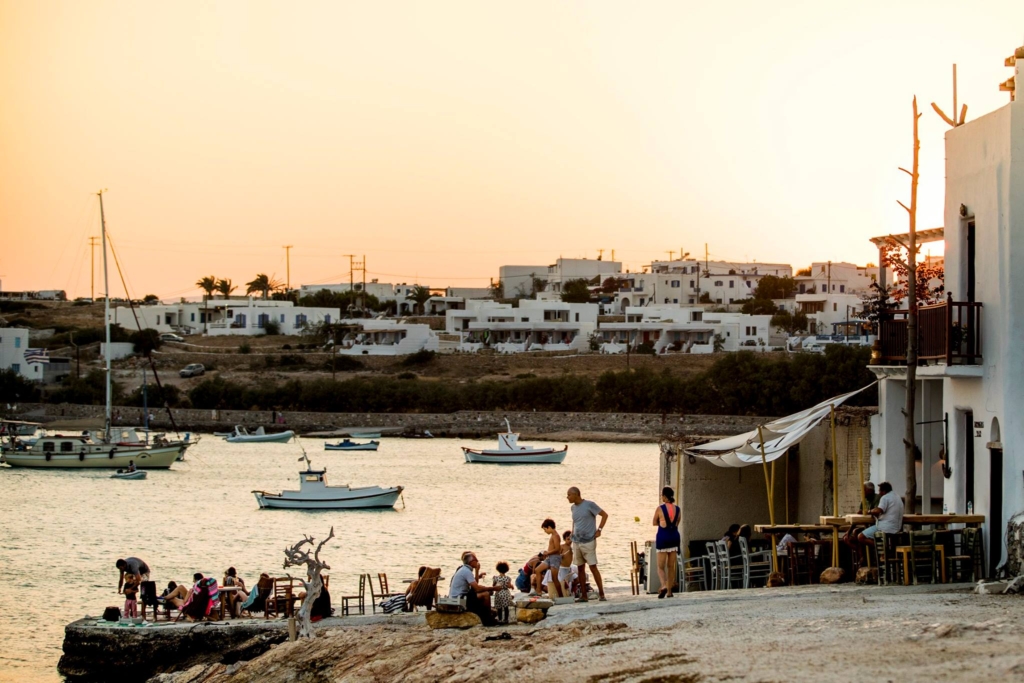
This stunning little isle is actually located between Naxos and Amorgos and boasts breathtaking sandy beaches, emerald green coves, and striking sea caves. Small enough to walk around in a day, this doesn’t mean you’ll be ready to leave after 24 hours- on the contrary- Ano Koufonissi allows visitors to relax, unwind and experience traditional Cycladic Island life without the crowds; leaving you wanting more.
Keep in mind, cars are not allowed on the island, but you can easily get around by walking, cycling, and small boats. So apart from treating yourself to lazy days on the beach, here’s our list of the best things to see and do when visiting Ano Koufonissi!
1. Stroll around the charming capital Chora and discover tiny treasures including small boutiques with folk art, handmade jewellery by local artisans and a range of traditional fisherman’s hats. Roam the cobblestone streets and wander through picturesque alleyways filled with colourful shops, cafés, bars, and restaurants. Make sure you take a seat at one of the seaside taverns and enjoy a long lunch or dinner while watching the sunset.
2. Discover several sea caves at Pano Koufonissis North Cape.
3. Dive straight into the turquoise waters for a memorable swim at any of the following beaches- Finikas, Fanos, Ammos, Italida, Pori, Charakopou, Parianos, and also add the tiny beach of Gala to your list – you won’t be disappointed!
4. Savour freshly caught fish, octopus and sea urchins at one of the local seafood taverns while also drinking a shot of “rakomelo,” as the locals do.
5. Also make sure to try the locally made Xynomyzithra (a goat’s cheese served with honey as a dessert, or added to salads). Other local dishes include Patatato (beef casserole in tomato sauce with potatoes), as are the traditional sweets Pasteli on lemon leaves and Xerotigana (sweet dumplings).
6. Visit Saint Nicholas’ small church, which offers beautiful views of nearby islands. Saint George’s and Panagia’s churches are also definitely worth a visit.
7. Don’t miss a dip in Piscina, a natural pool, surrounded by rocks- it features the most beautiful turquoise waters. Dive from the top straight into the pool for an unforgettable swim.
8. For a great cultural experience and to get to know the island’s history head over to Nikitas Simos Folklore & Archaeological Collection, exhibited in the garden of Villa Ostria in Agios Georgios, it is set in a well-preserved stone building that was built in 1852.
9. Also visit the Communal Folklore Collection with displays of household and kitchen utensils, farm equipment, traditional garments, furniture, embroidery and various ornaments that highlight the island’s history, customs and traditions.
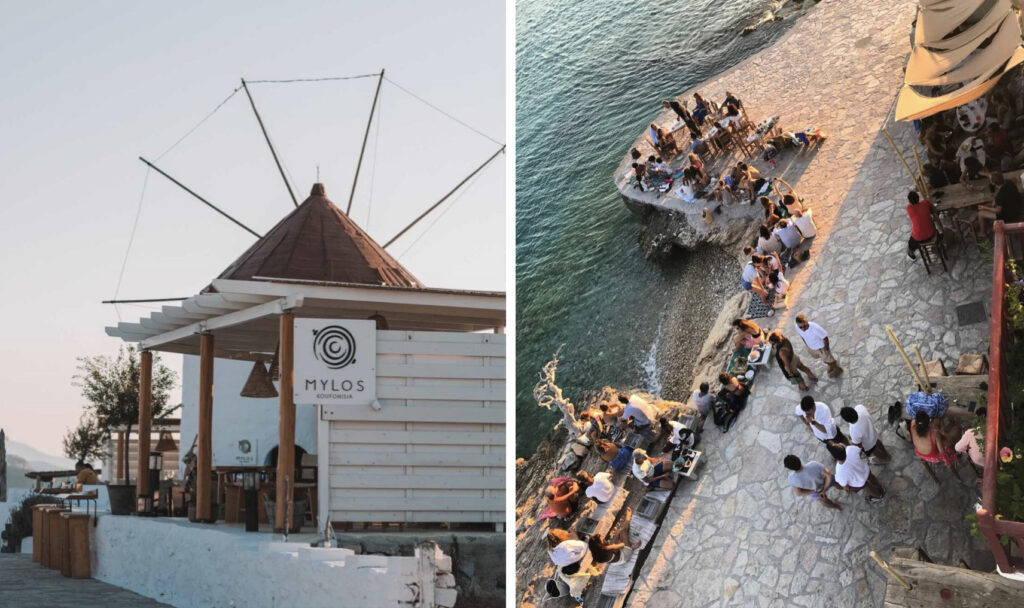
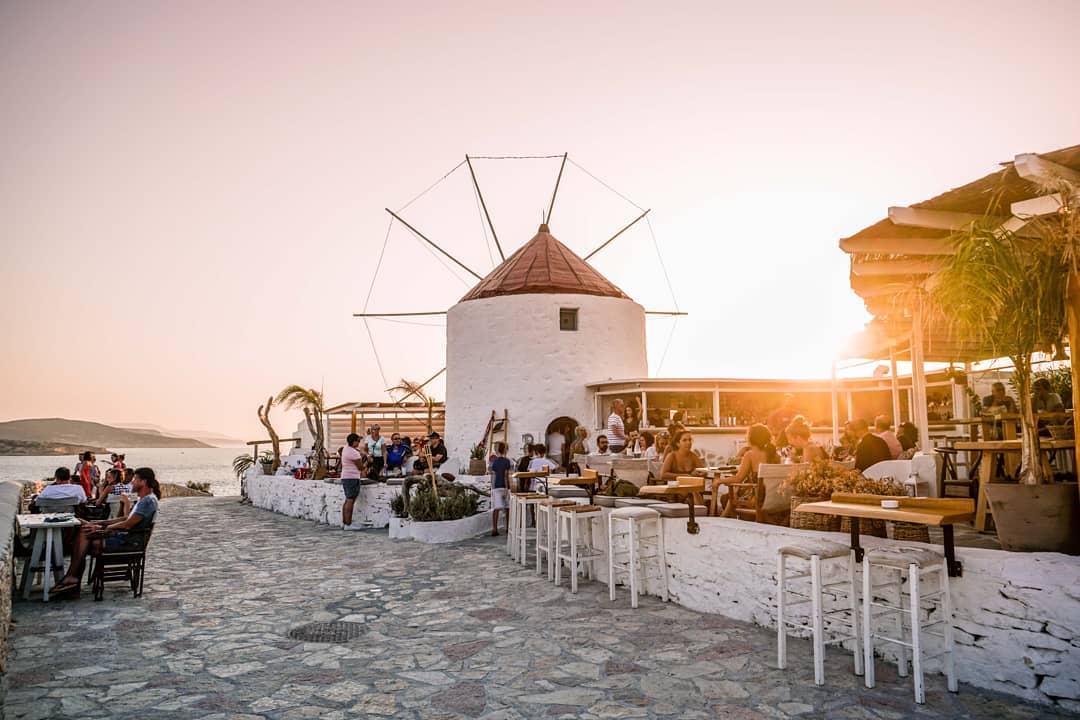
10. Don’t leave before enjoying an Aperol Spritz at Mylos (a traditional windmill that has been turned into a cool concept store/ all-day bar), or Sorokos Bar, which is also set right by the water.
Getting there…
From Athens, Koufonissia is only reachable by ferry from the ports of Piraeus and Rafina. The closest airport is located on Naxos island with daily domestic flights from Athens. From Naxos, you can take a ferry to Koufonissia, as well as some other islands in the Cyclades.
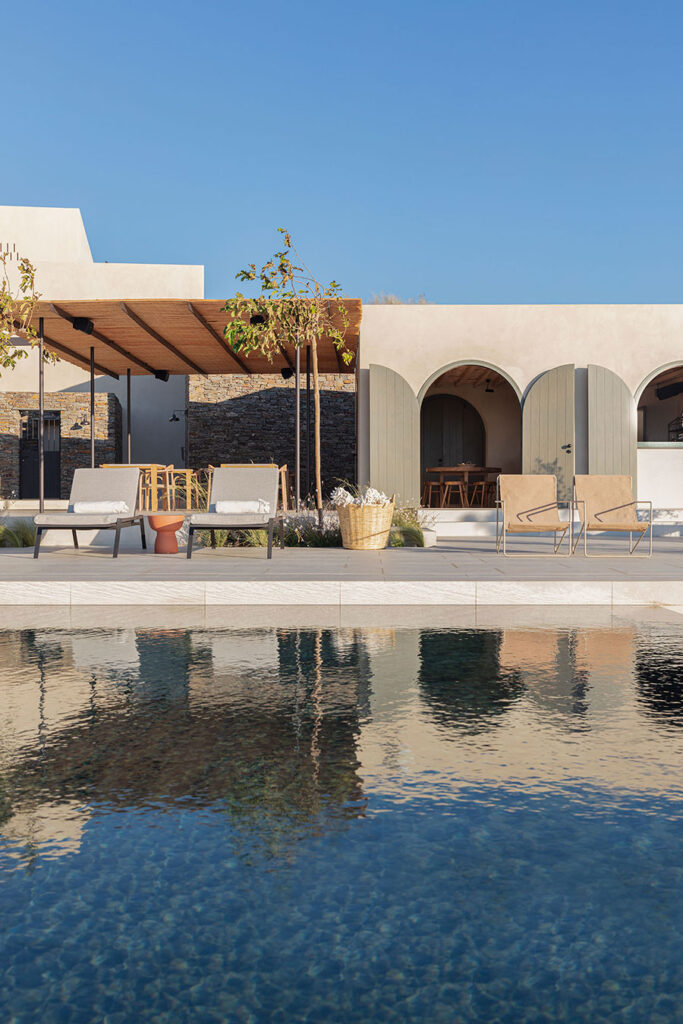
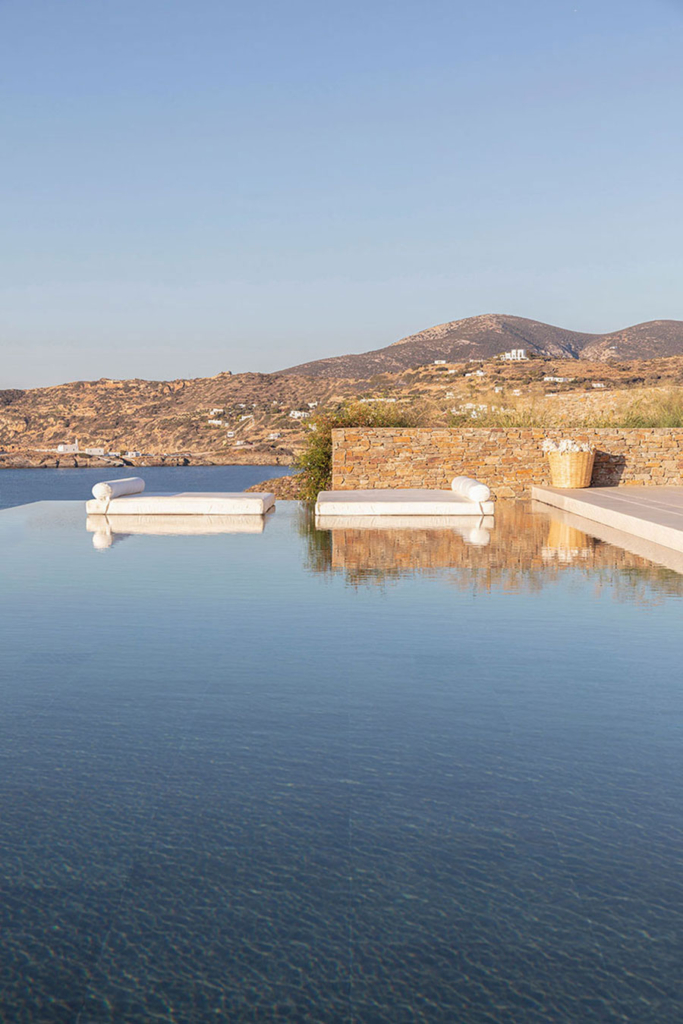
Parocks Luxury Hotel & Spa, a stunning new 5-star hotel nestled on the east coast of Paros, is getting ready to open its doors this summer.
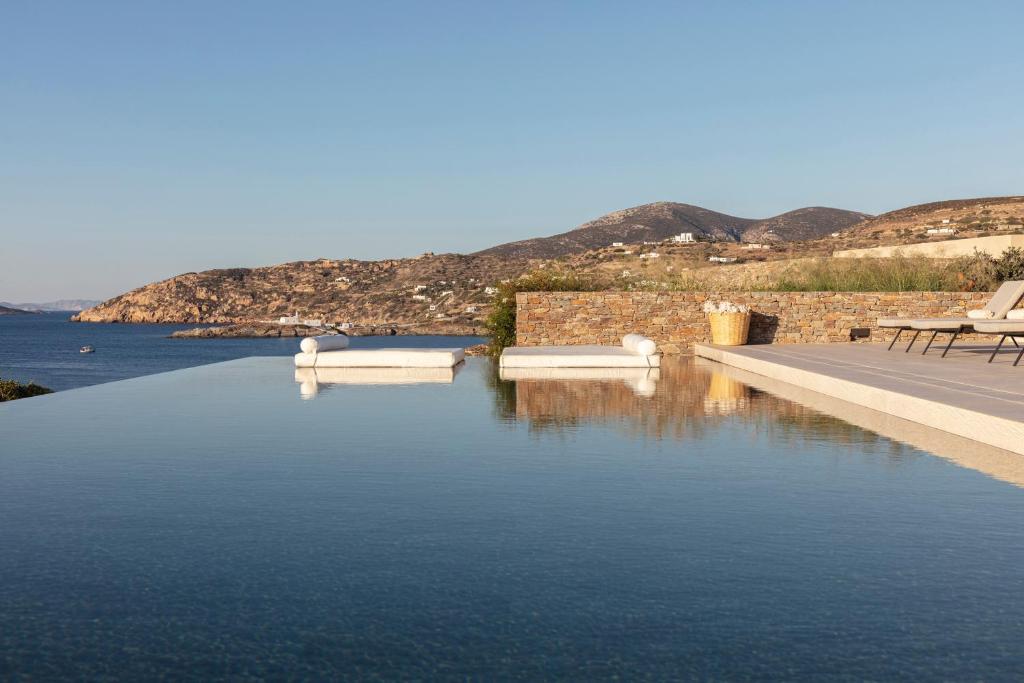
A unique hideaway facing the infinite blue of the Aegean Sea, this peaceful retreat is located in Ambelas, only a few steps from a beautiful beach and close to the upbeat town of Naoussa- making it the perfect spot to experience all this beautiful Cycladic Island has to offer.
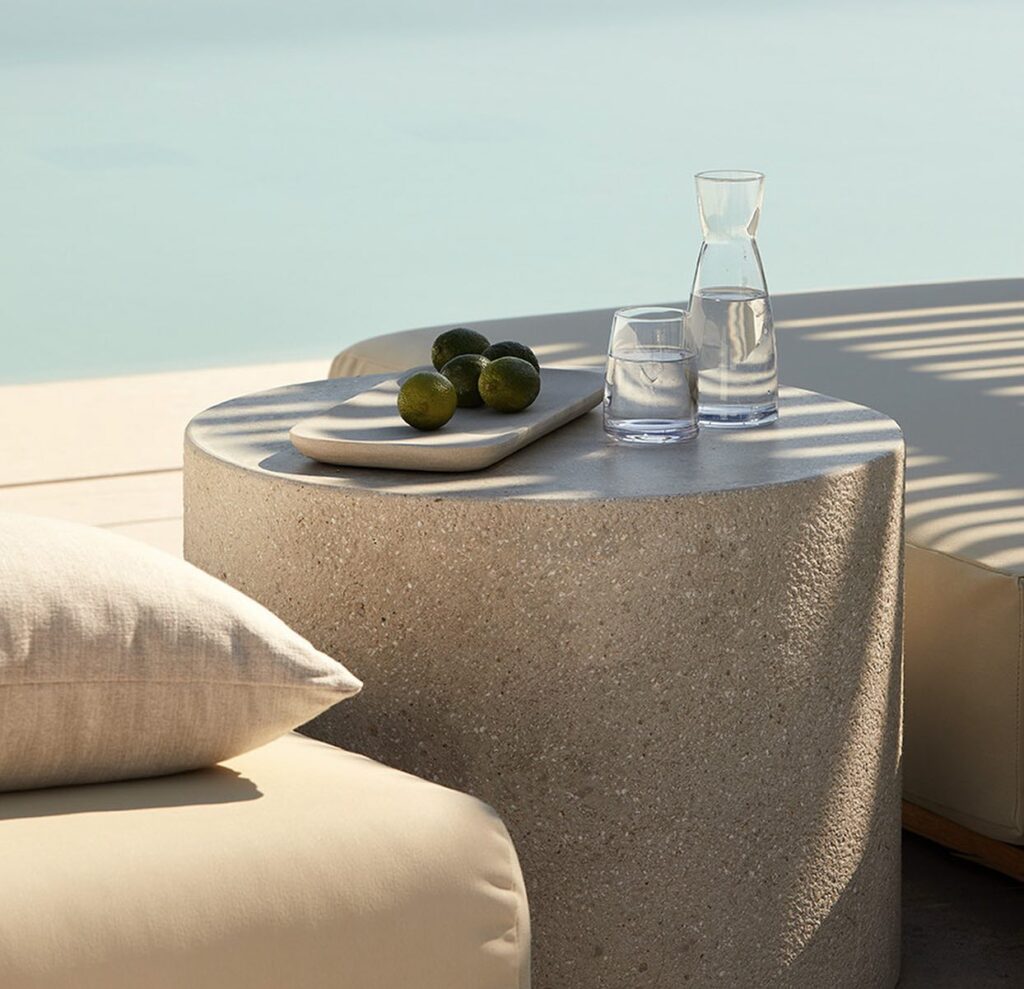
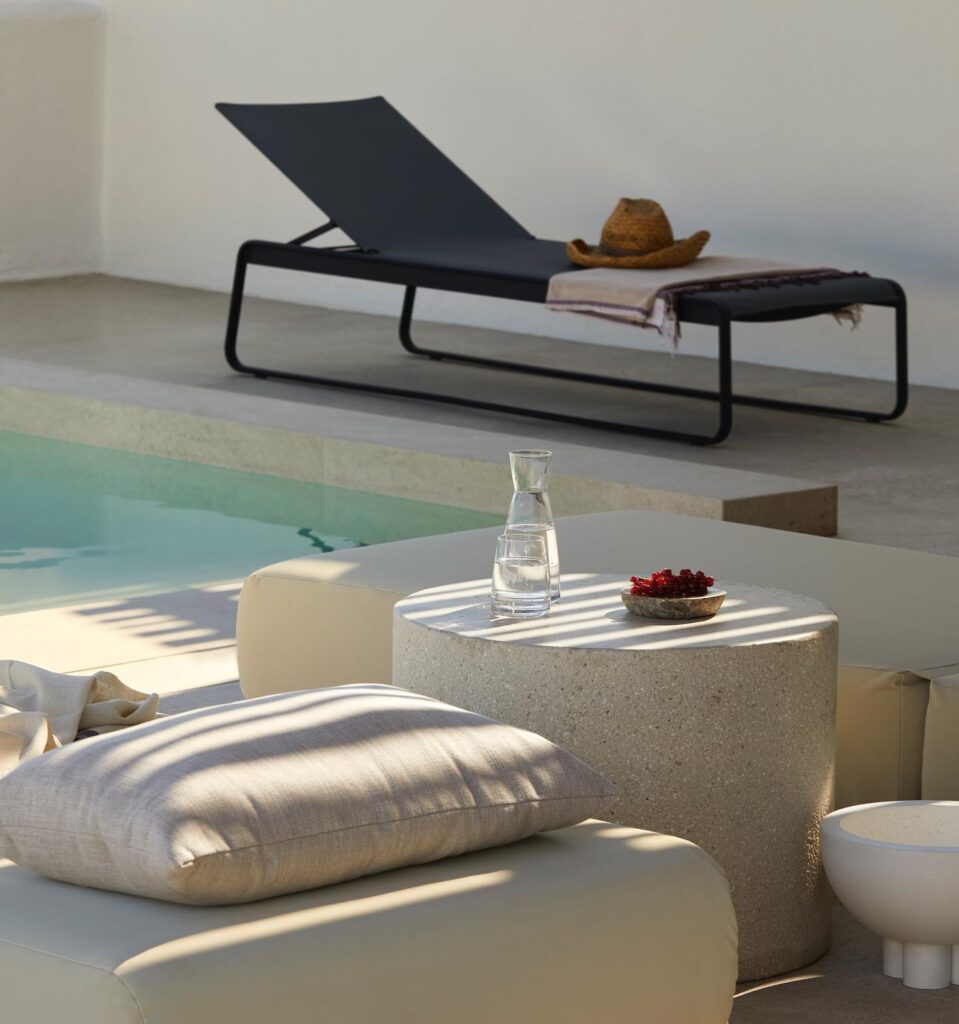
Image Courtesy of Stones and Walls | @mirtoiatropoulouImage Courtesy of Stones and Walls | @mirtoiatropoulou
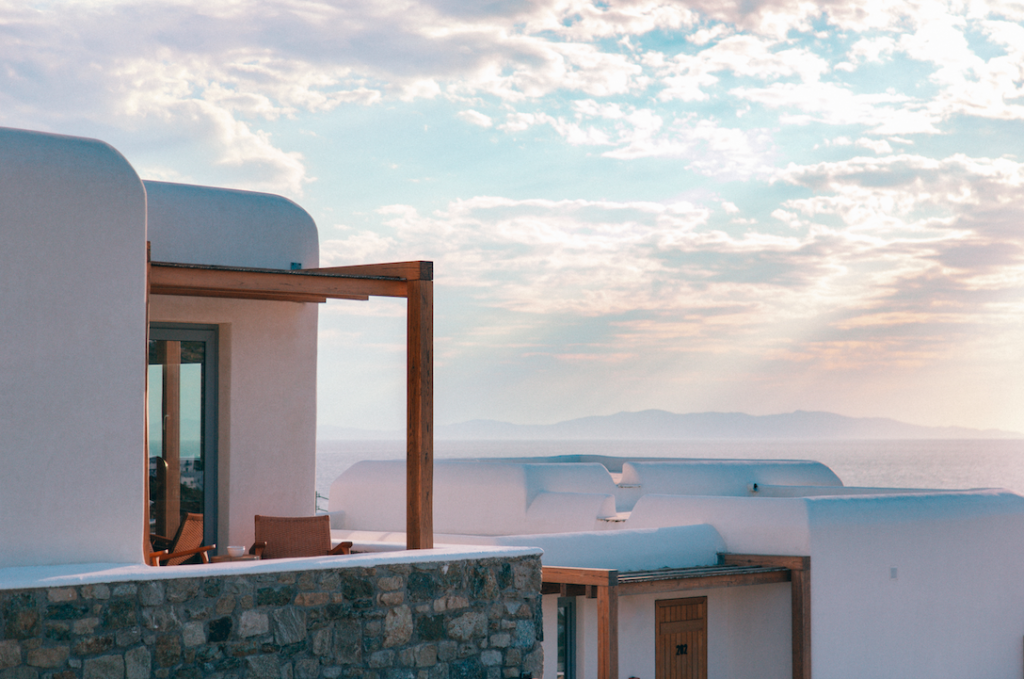
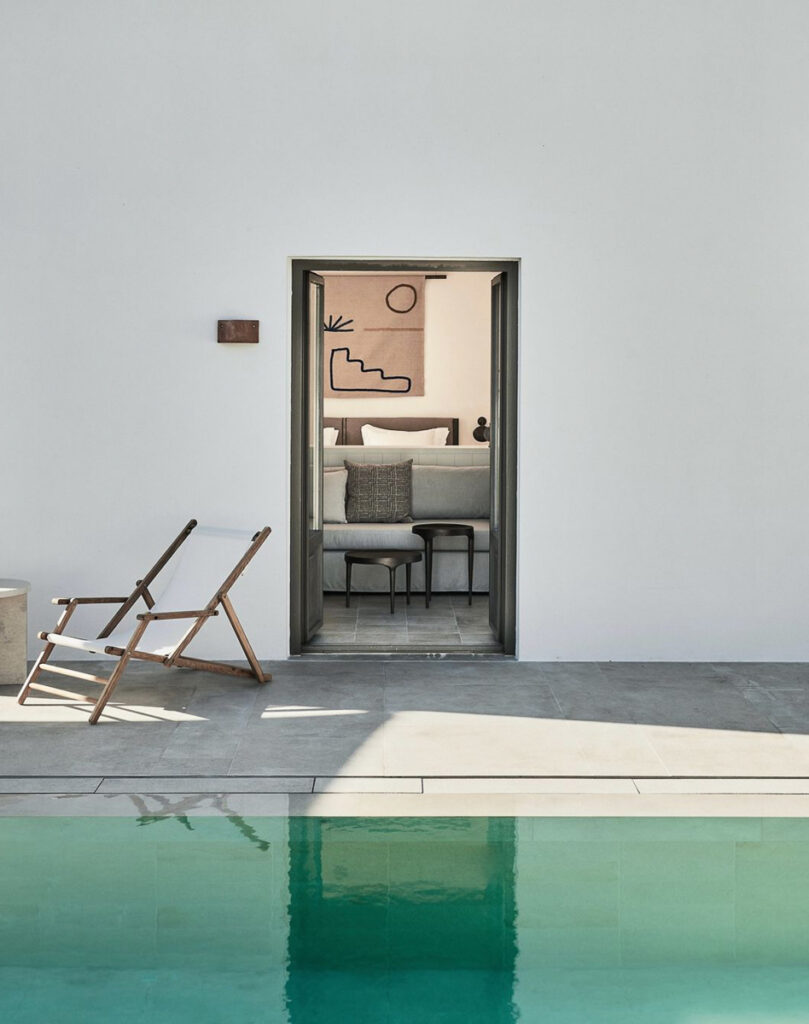
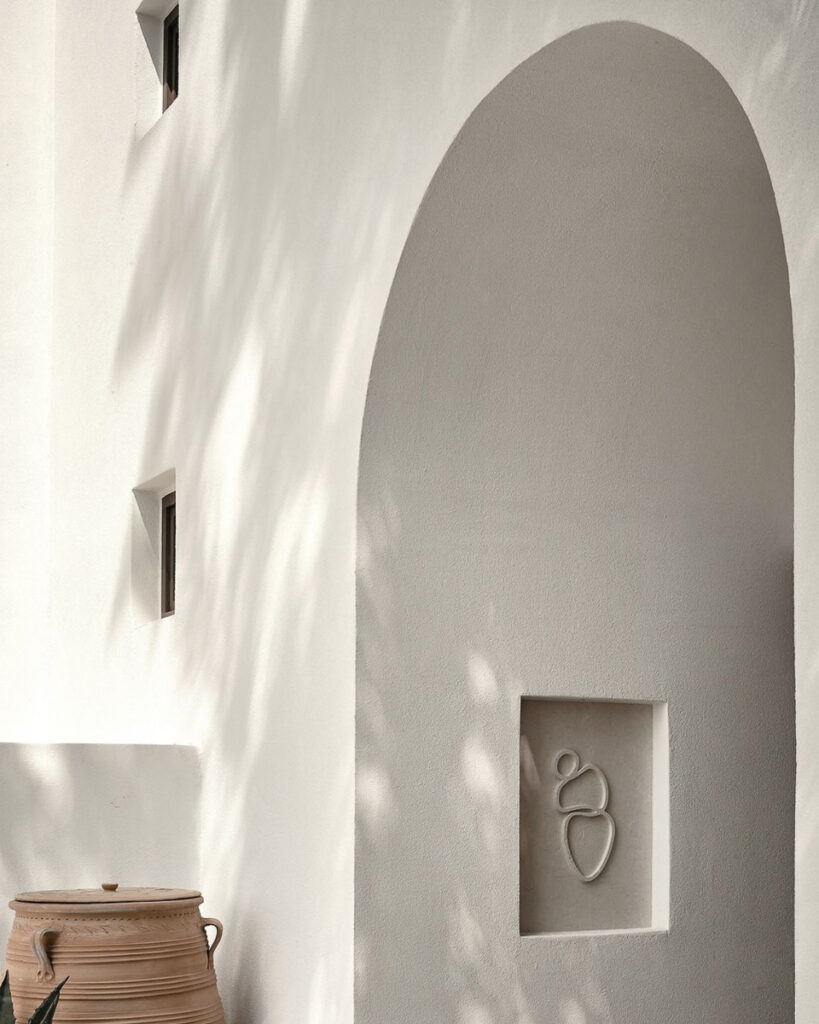
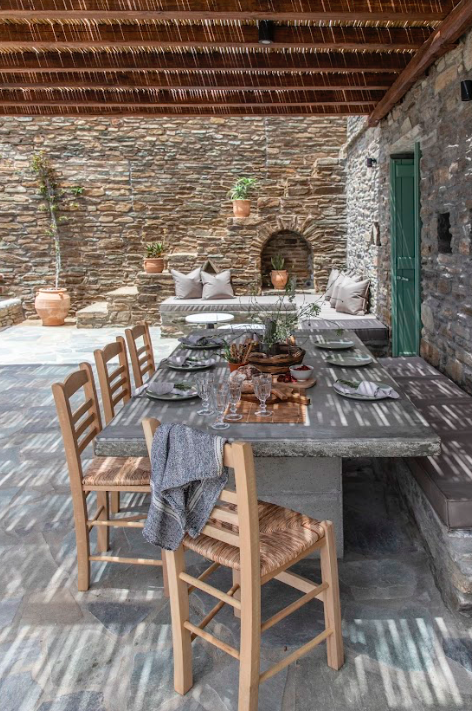
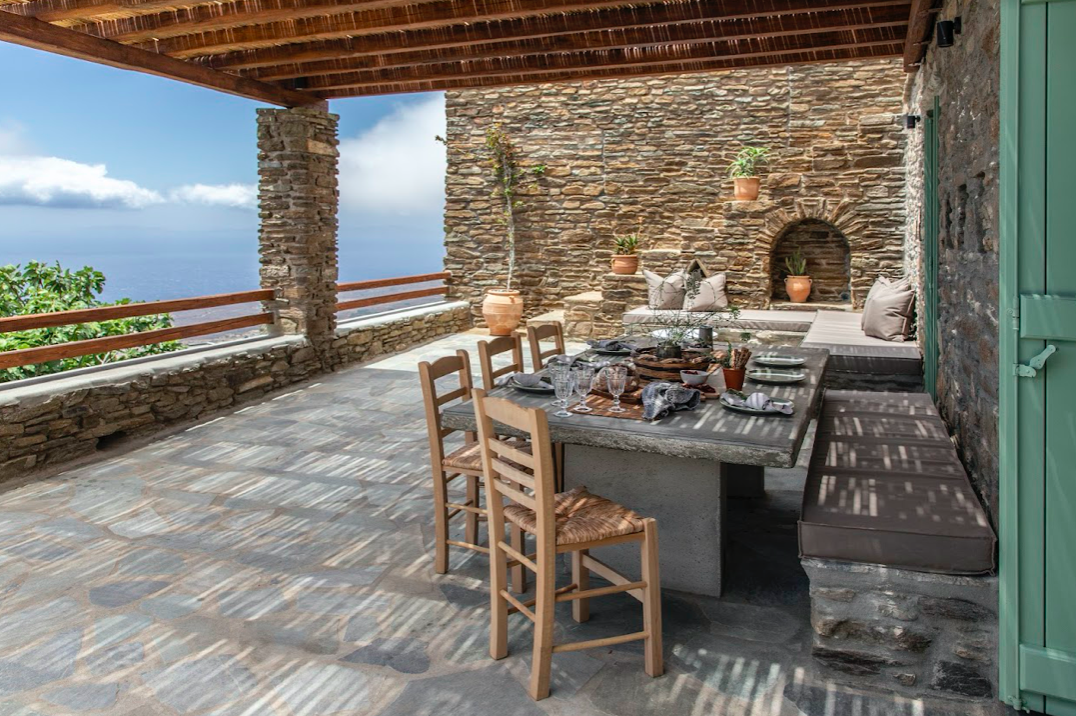
Parocks blends contemporary luxury with traditional Greek island architecture, allowing the rocky landscape- that meets the sea- to take centre stage.
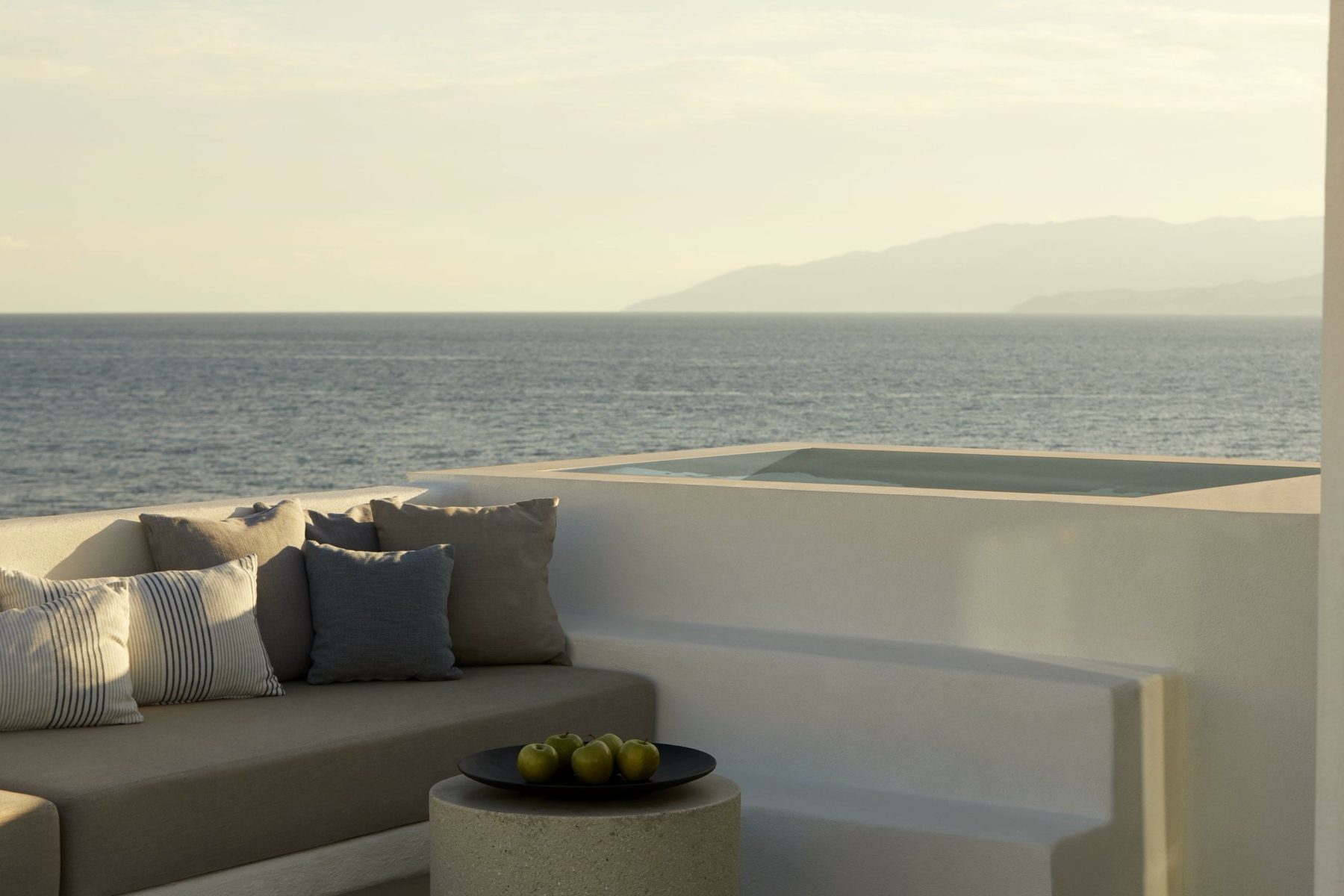
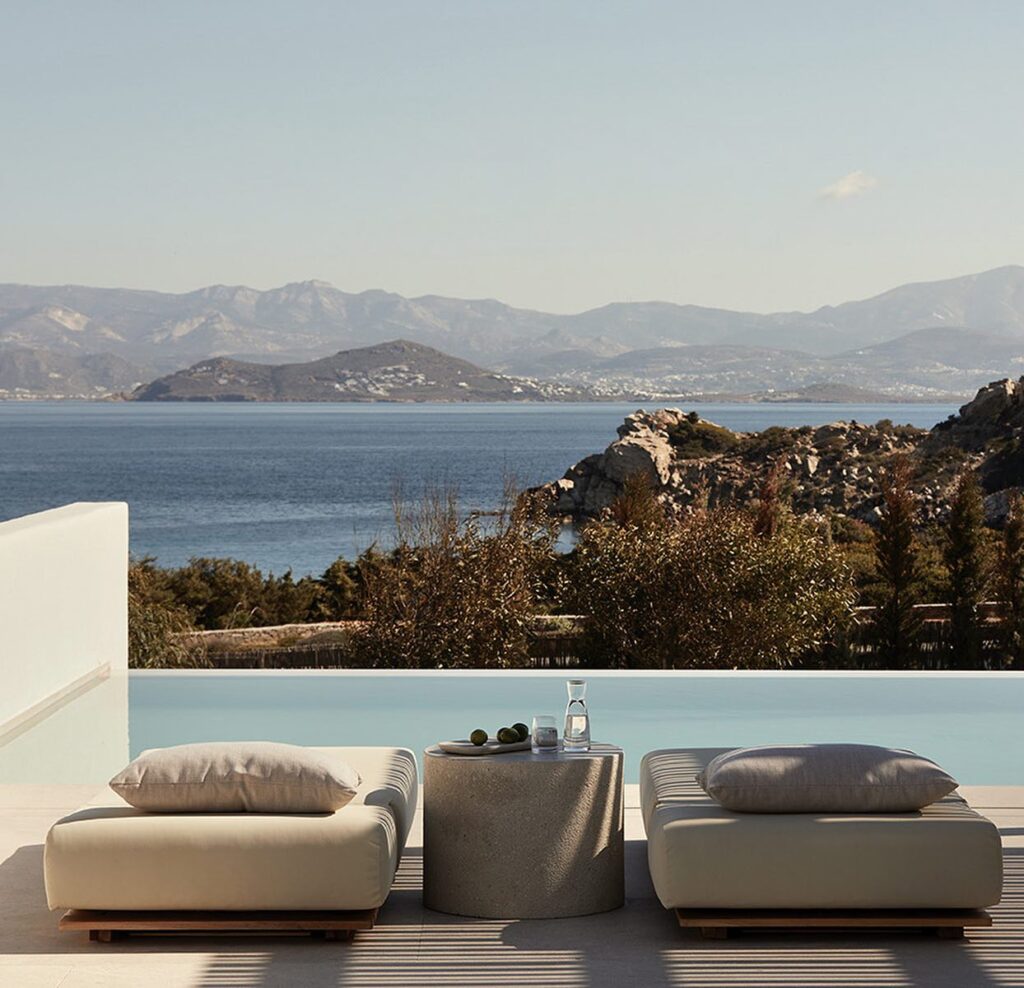
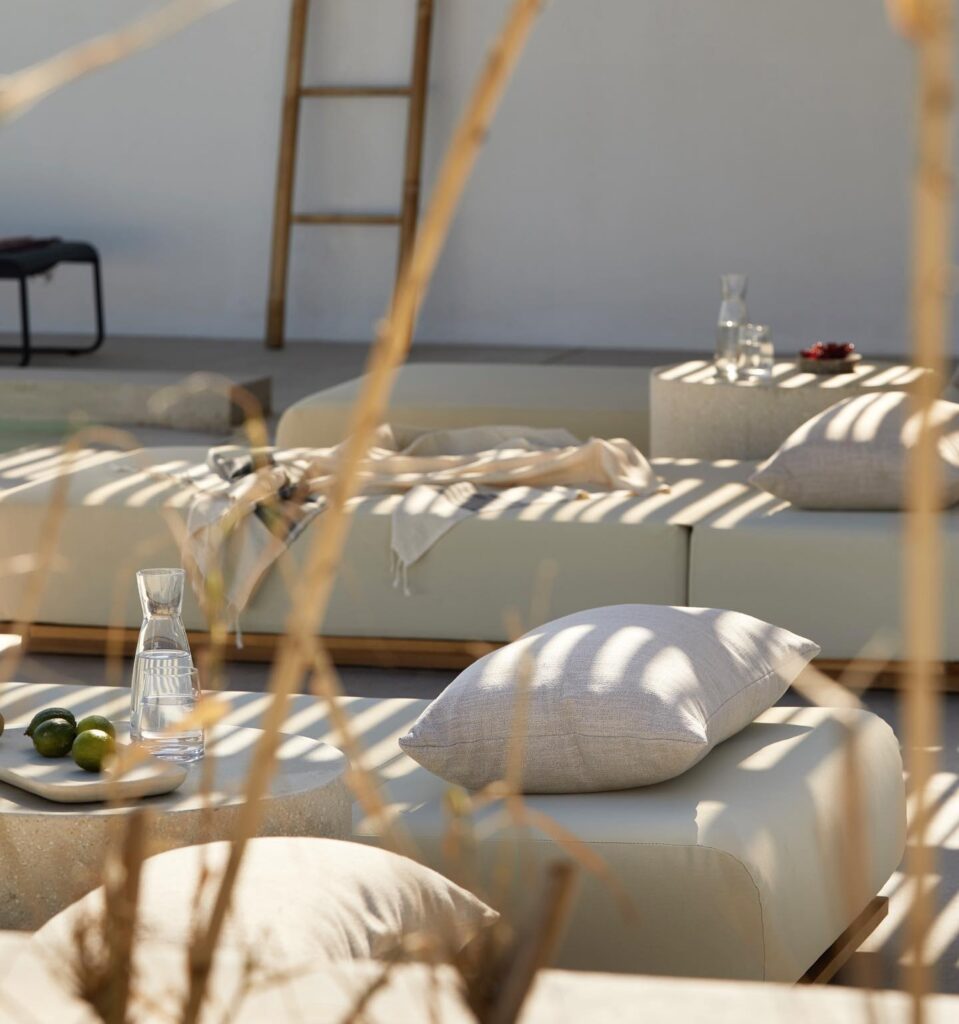
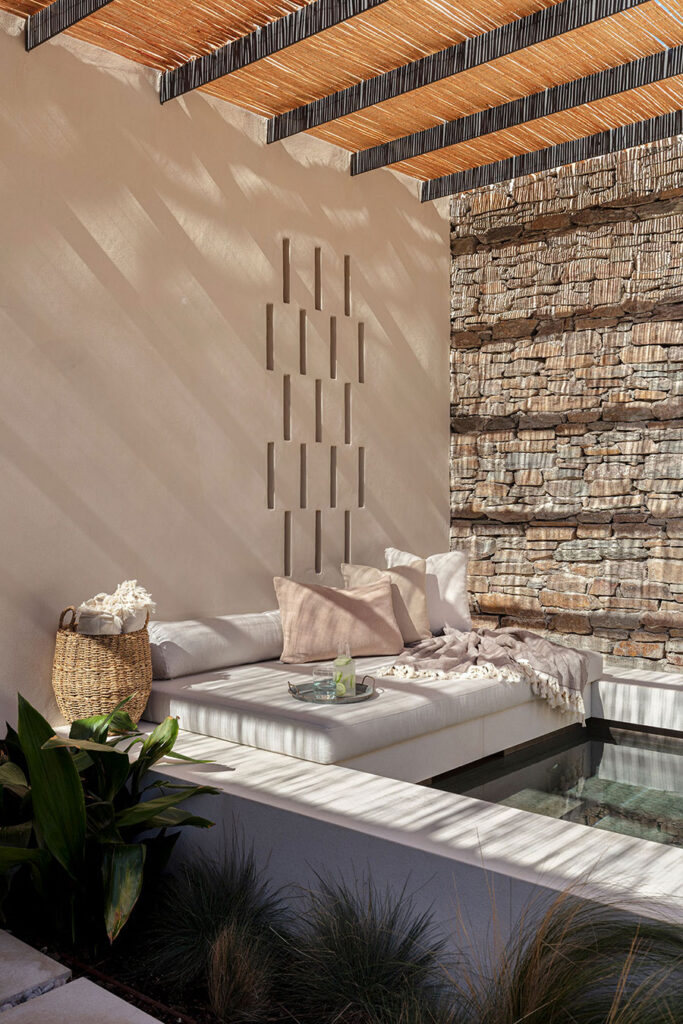
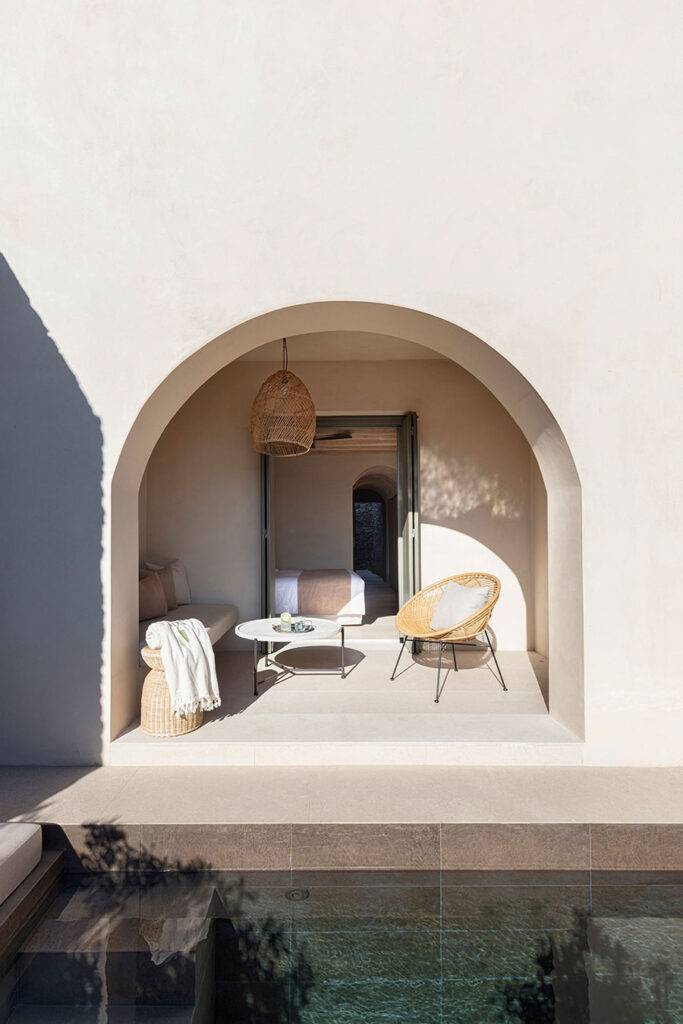
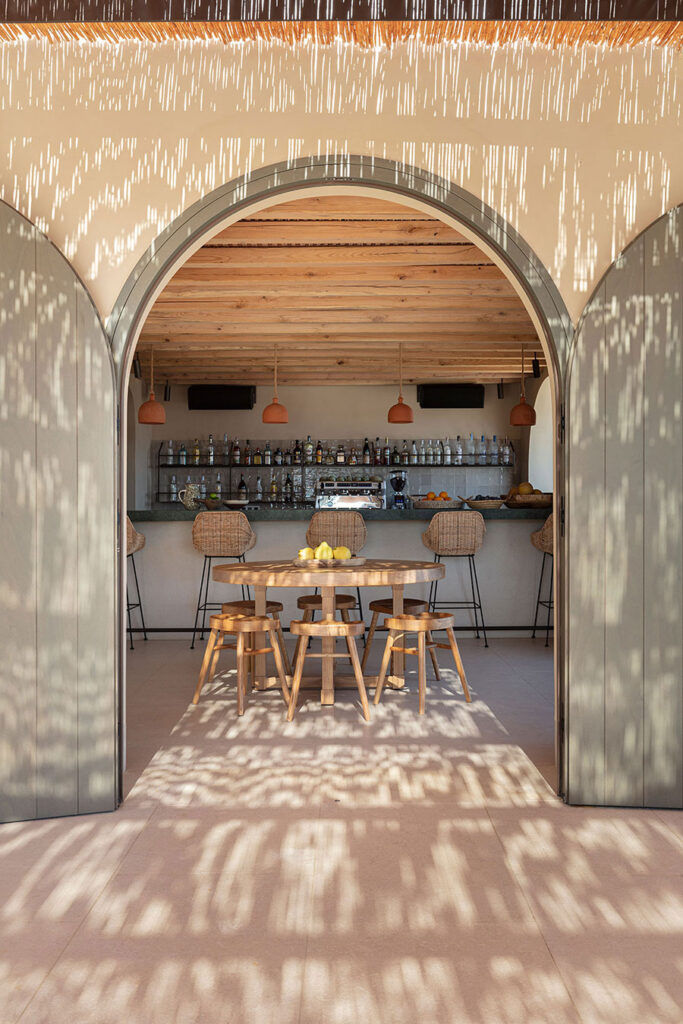
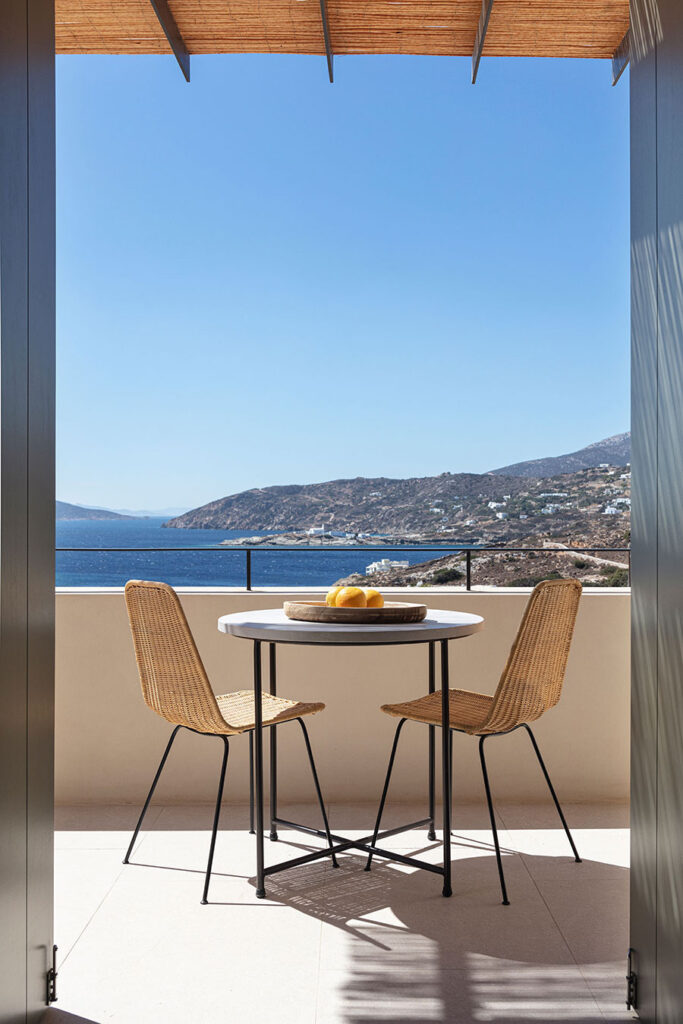
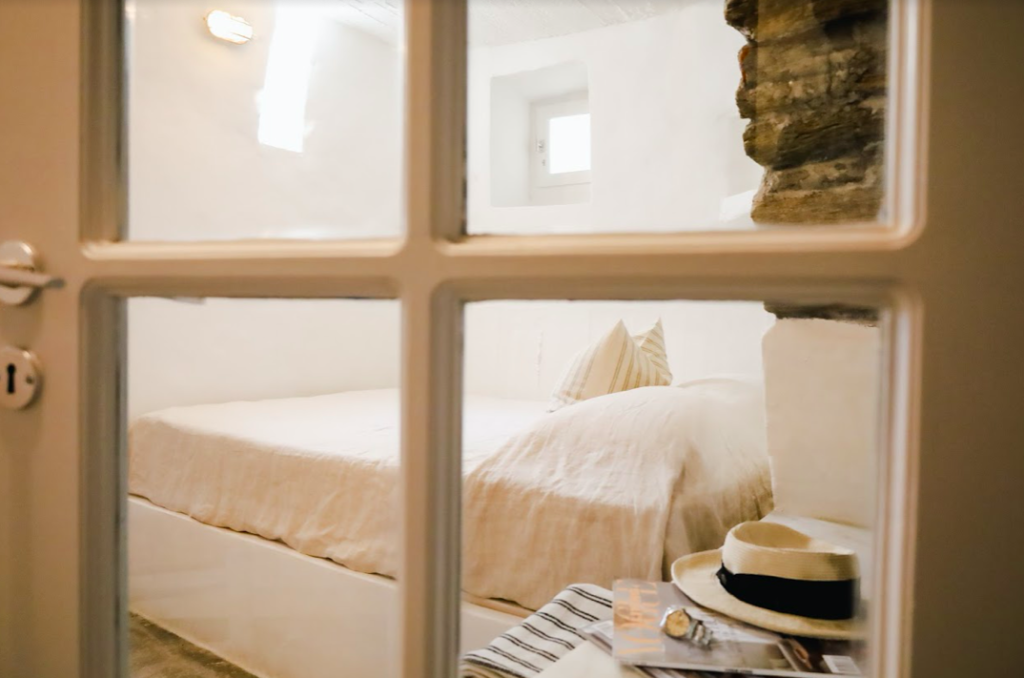
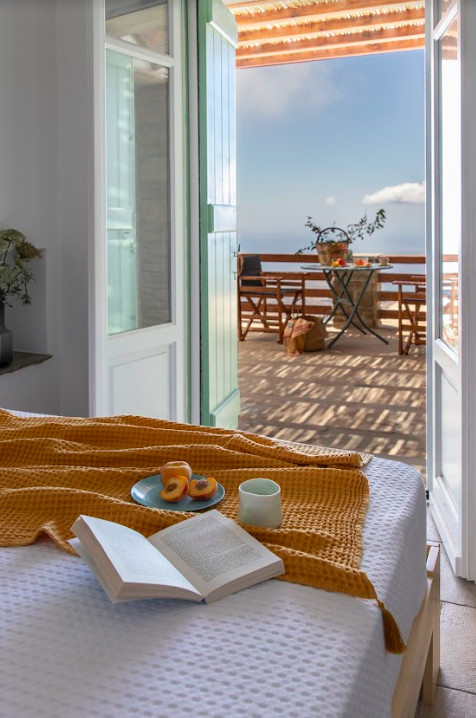
A discreet colour palette of earthy tones, along with the wide use of natural materials define the interior design of Parocks, which is the work of leading Greek interior design firm Stones and Walls. Inspired by the natural surrounding environment, the clean lines and minimalist decor creates a feeling of peace and tranquillity.
Image Courtesy of Stones and Walls | @mirtoiatropoulouImage Courtesy of Stones and Walls | @mirtoiatropoulou
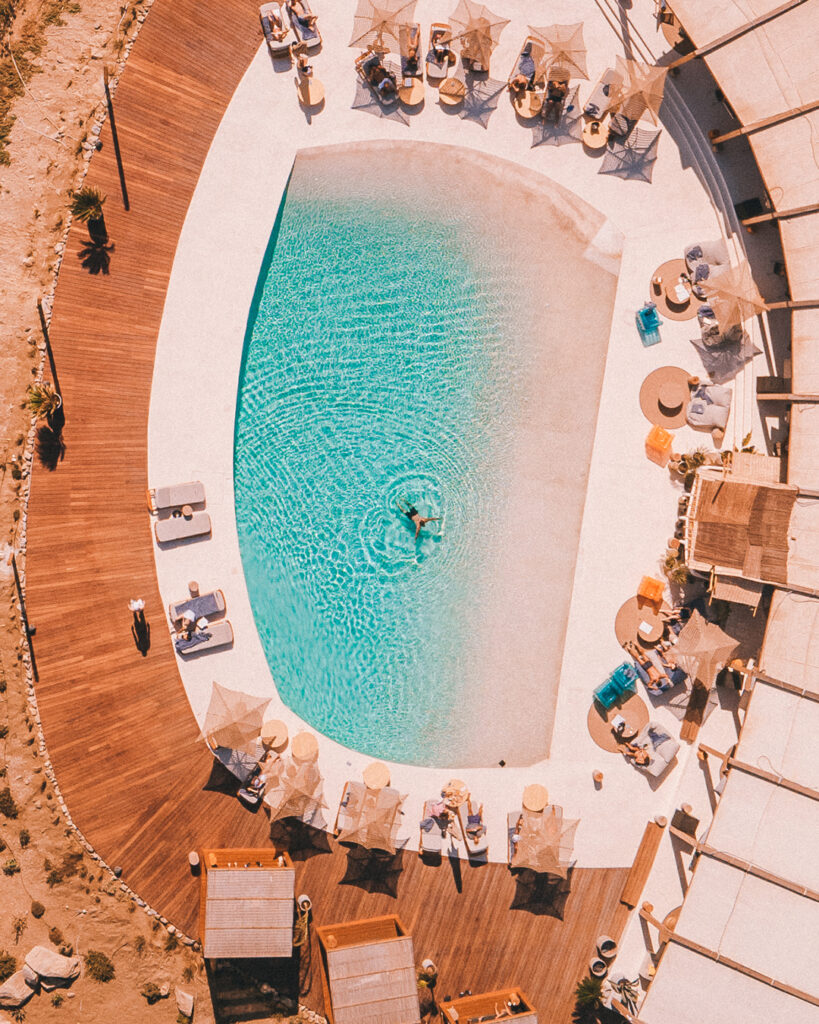
Parocks features five buildings that are spread across the property that also boasts a pool, spa and restaurant. The 19 rooms and 8 suites are ideal for unwinding after a full day exploring the island; with each one decorated in a soothing Cycladic style, they all come with a private outdoor dining area, pool, or jacuzzi.
The panoramic outdoor area of Parocks Restaurant is the perfect spot to have breakfast, lunch or dinner- with guests being served creative Greek and other Mediterranean dishes based on local ingredients. And for those in need of some extra pampering, the Parocks Spa features an indoor pool, steam room, sauna, treatment rooms and fitness facilities, offering a true oasis of rejuvenation and wellness for its guests.
Destino Pacha, Ibiza’s famous brand of music and hospitality prepares to open for its second season on Greece’s leading party island of Mykonos.
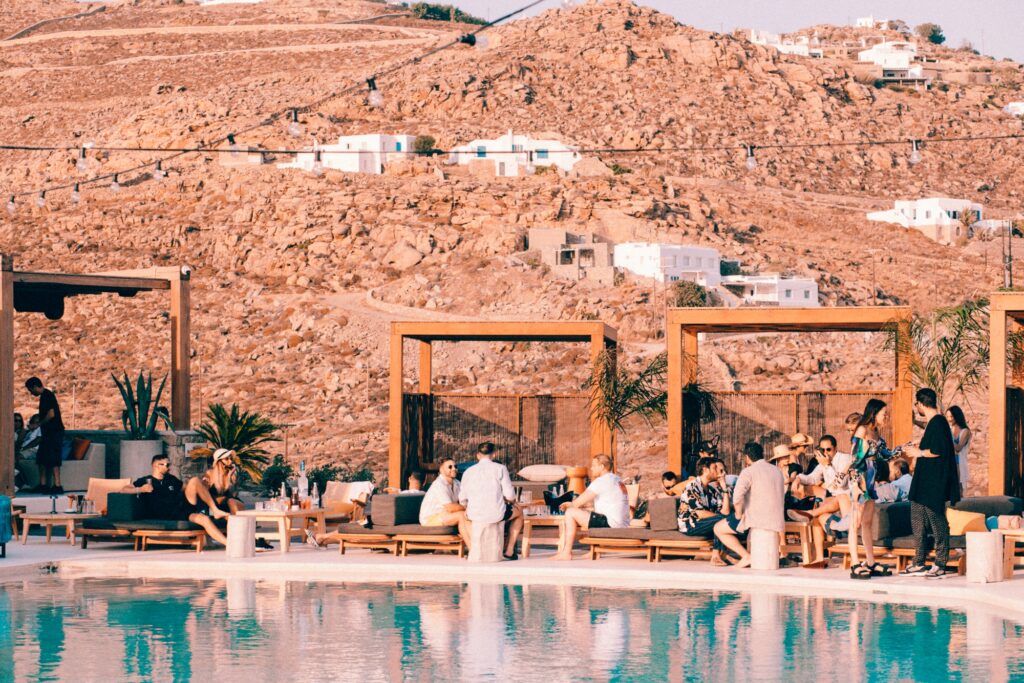
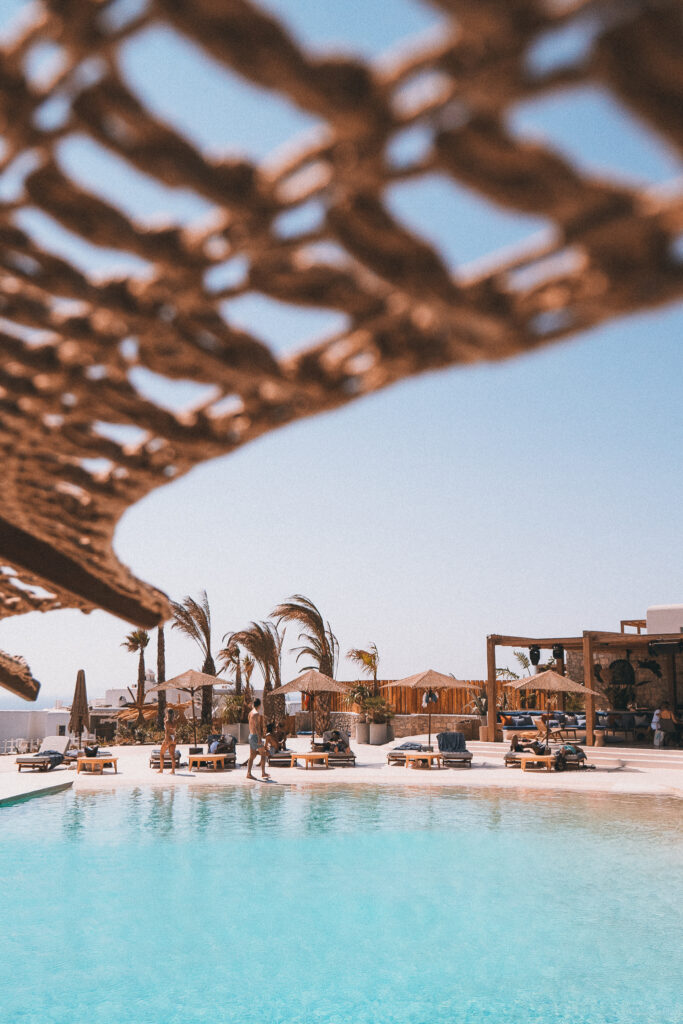
Destino Pacha Mykonos, the first Pacha Group hotel outside of Spain, is reopening for the summer of 2022 along with its popular cabaret club Lío Mykonos and the boho-chic beach bar Ftelia Pacha Beach.
Set at one of the most serene locations on the island, Destino Pacha Mykonos overlooks the Aegean Sea, Mykonos Town, and the buzzing port.
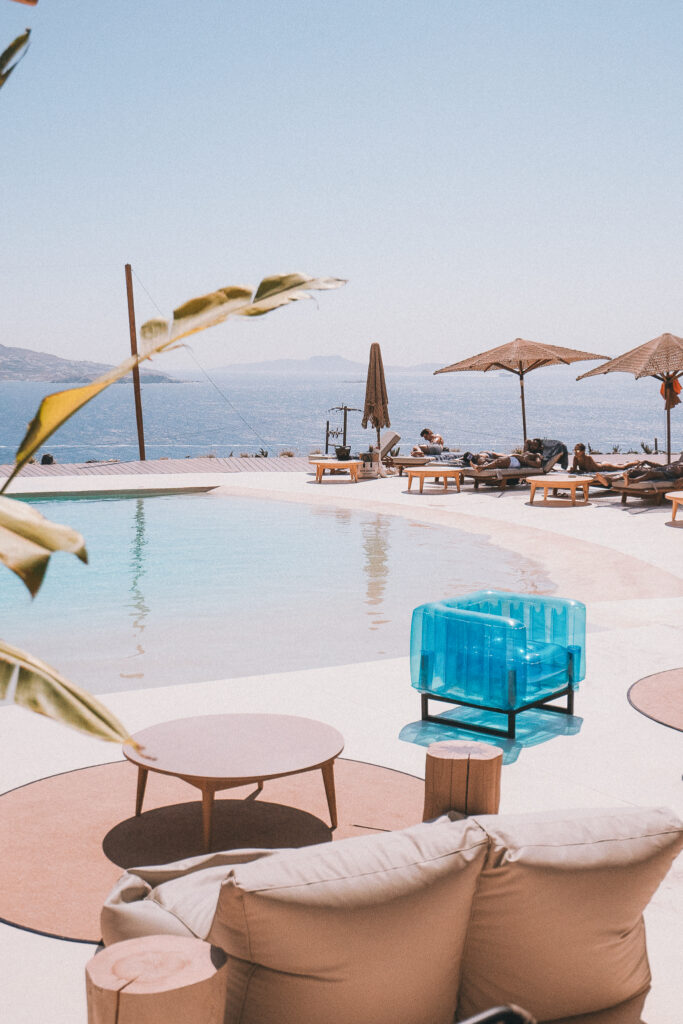
The space surrounding the pool, which faces directly to the breathtaking sea, has been given a makeover- offering guests more room for relaxation as well as an even larger area for dancing the night away, which is what Destino Pacha is known for. And this summer, the hotel is ready to host a unique series of parties and live music events, which will be open to both guests and visitors alike.
When it comes to dining, Destino Pacha’s all-day restaurant serves Mediterranean-inspired dishes, featuring local favourites and classics from their original Ibizan location. From a buffet breakfast to a poolside menu and restaurant, all of the dishes have been carefully curated with locally-sourced ingredients. And as the sun sets over the Aegean, guests can savor a hand-crafted cocktail or choose from the wide selection of wines, while enjoying stunning views of Mykonos.
The brand’s famous cabaret club Lío is also opening for its second season this summer. Bringing with it a new look, the glamorous cabaret dining spot will offer visitors impressive performances by world-class dancers, singers, and acrobats, while also offering fresh dishes created by talented local chef Alkis Vardaramatos.
Open throughout the season, this year’s theme of the show is named ‘Simply the Best’, and there will also be resident and guest DJs, plus two special events that will take place twice each week.
For those looking for a great daytime experience, Ftelia Pacha Beach bar boasts white sand and crystal clear waters, so guests can enjoy the sun, sea and sand while listening to some of the world’s hottest DJs playing their sets throughout the summer season.
A melting pot for culture, heritage, music and glamour, Pacha Ibiza has been a coveted clubbing destination since the 1970s. Paired with its attractive production, creative decor and more, it has hosted hundreds of thousands of visitors from around the world and is quickly attracting plenty of international visitors to its Mykonos venues.
A stunning new hotel has opened its doors on the island of Sifnos. Featuring a rustic chic design, NOS Hotel & Villas is set amongst rugged natural beauty – making it the ideal intimate hideaway.
Located on Faros and within walking distance to some of Sifnos’ best beaches, NOS offers 18 suites, set across four stone buildings- all with breathtaking views of the Aegean Sea and the 17th-century Monastery of Panagia Chrysopigi; an emblematic landmark of the island. Featuring bright and airy spaces, the suites effortlessly flow onto private courtyards, terraces and balconies allowing for seamless indoor/outdoor living.
Designed by Athens-based K-Studio, the property is inspired by nearby authentic villages. This is mainly highlighted by the natural materials used throughout the space- including stone, marble, and lime mortar. With smooth finishes and earthy décor throughout- the suites feature ceramic basins and woven stools that have been made by local craftsmen, as well as original artwork created specifically for the hotel by local artists.
The property also offers an on-site restaurant with a delightful menu created by award-winning Executive Chef Athinagoras Kostakos. The eatery is set on a dreamy terrace, while dishes are made with ingredients sourced from local producers, offering guests Mediterranean flavours with a modern twist. There is also an impressive wine cellar filled with handpicked varieties from the hotel’s sommeliers, who have carefully chosen reds and whites from all over Greece and other parts of the world.
Only 200 m from Faros Beach, 300 m from Fassolou Beach, and less than 1 km from Chrysopigi beach – it’s the perfect spot for those who love the sun and sand. NOS Hotel & Suites also features free private parking, a seasonal outdoor swimming pool, a fitness centre, an open-air spa, as well as a bar, and a garden; plus a 24-hour front desk, 24-hour room service, a shuttle service, and free WiFi throughout the property.
Athens’ award-winning Baba Au Rum bar will be opening its doors at the Grace Hotel in Santorini on April 15, marking the beginning of a unique and exciting summer season.
Thanos Prunarus and the team of Baba Au Rum, a leading multi awarded Rum & Cocktail bar in downtown Athens, are getting ready to introduce local and international visitors to 363 Bar by Baba Au Rum- redefining the fine drinking scene in the Cycladic islands, by creating an exclusive range of cocktails for their guests to enjoy while overlooking the famous Caldera.
Baba Au Rum’s Signature Cocktails
“One of the best bars in the world travels to the Cycladic island overlooking the Caldera to elevate evenings with premium cocktails, curated by the spirit connoisseur himself and offering a fantastic experience in the Cyclades’ most beloved Grace Hotel Auberge Collection,” announced management at the Grace Hotel.
Along with the opening of 363 Bar, Grace Santorini also welcomes the exciting launch of Varoulko Santorini, with Michelin star chef Lefteris Lazarou getting set to serve his famous dishes including the exquisite squid with pesto Genovese, an emblem of Lazarou’s creativity, as well as the humble monkfish.
Grace Hotel is an exclusive boutique hotel in Santorini, perched above the world-famous Caldera with breathtaking views and breathtaking sunsets. Innovatively refurbished rooms and suites showcase a contemporary style, combining cutting edge, bespoke design alongside traditional handcrafted pieces whilst the luxurious bathrooms offer double vanity units with marble carved basins and spacious rain showers with mosaic feature walls.
The airport of Naxos (the largest Cycladic Island) is set to receive a long-anticipated upgrade- allowing direct international flights to Naxos, once the project is completed.
Deputy Development and Investments Minister Ioannis Tsakiris’ signed off on the project, which is budgeted at 23,07 million euros. Major works will include expansion of the runway and the aircraft parking area; while there are also plans for improvement of the maneuvering area, widening of existing taxiways, and construction of two new taxiways.
According to the Ministry, this project will create the appropriate safety conditions necessary to service international flights; as well as improve the level of service required for larger aircraft and direct flights from overseas.
Naxos State Airport “Apollos” is located approximately 4km southwest of the island’s capital Chora and it’s also close to Agios Prokopios, one of the island’s most popular spots. The runway is currently only 900m long and can only service small planes, that fly direct from Athens International Airport; European airports can also fly to Naxos- only via pre-arranged charter flights.
This new project is set to boost tourism while making it easier for locals and international visitors to arrive and depart from Naxos island.


 1.
1.