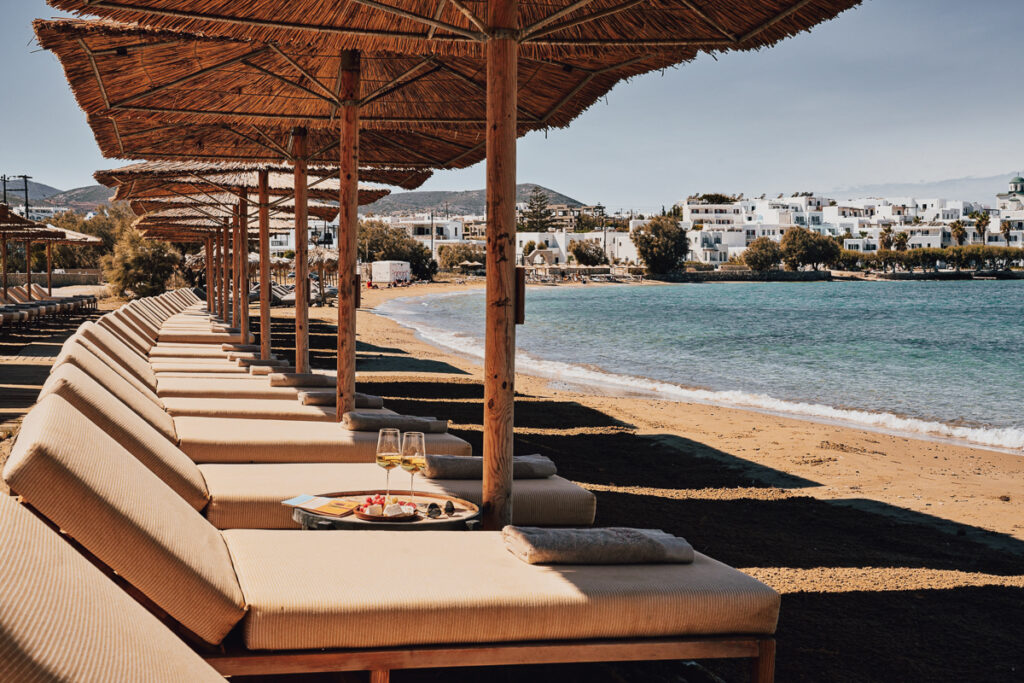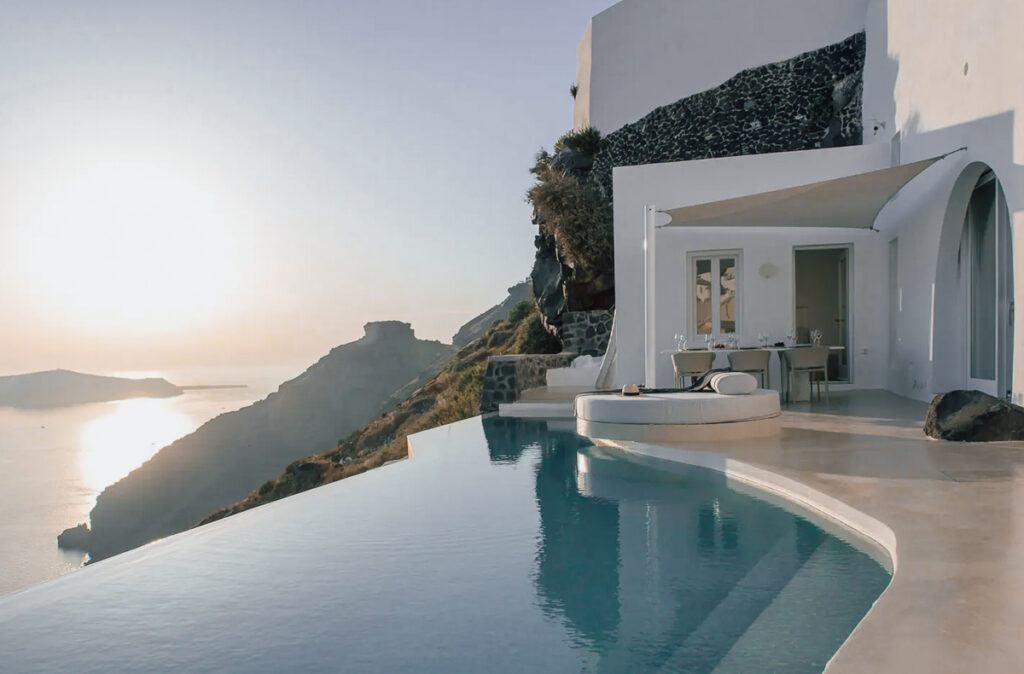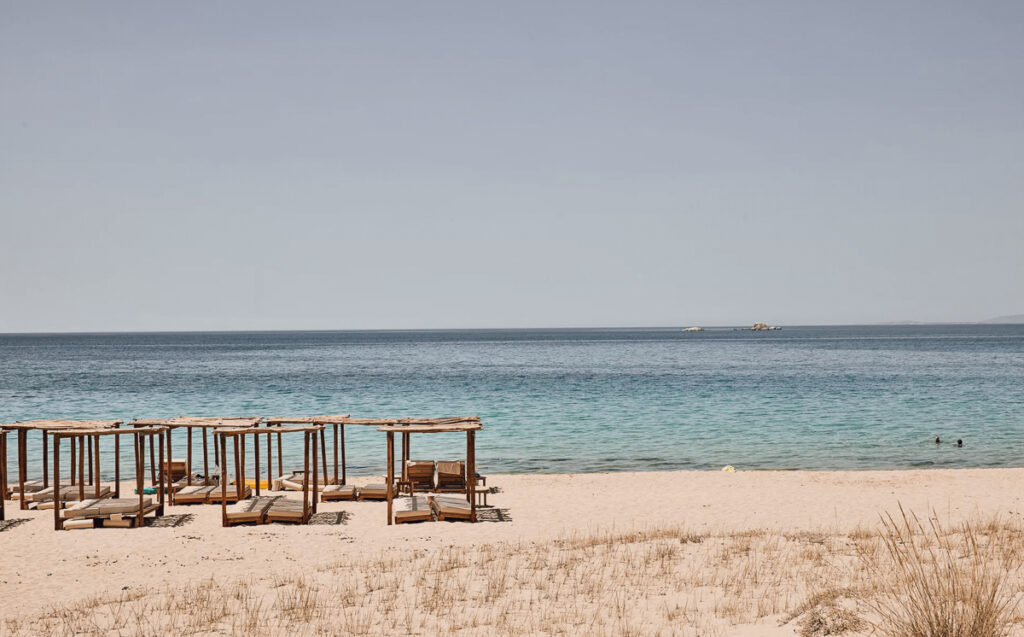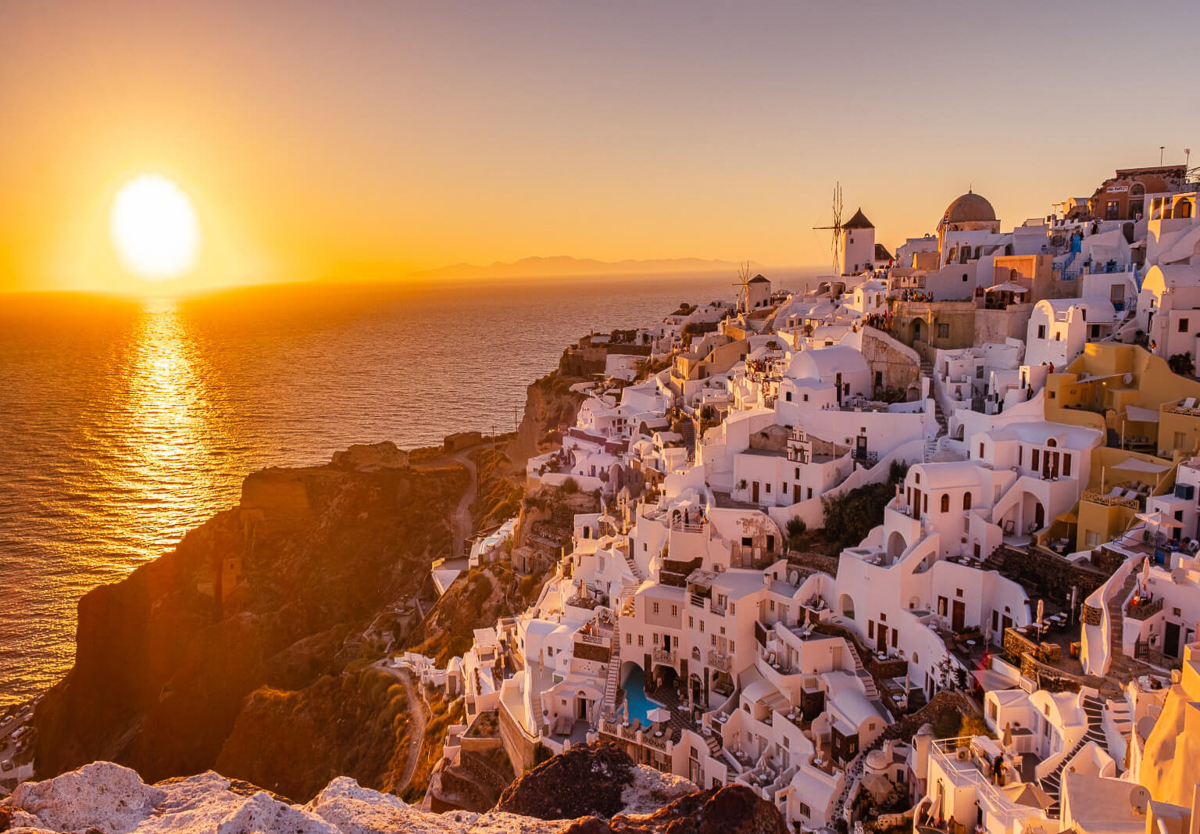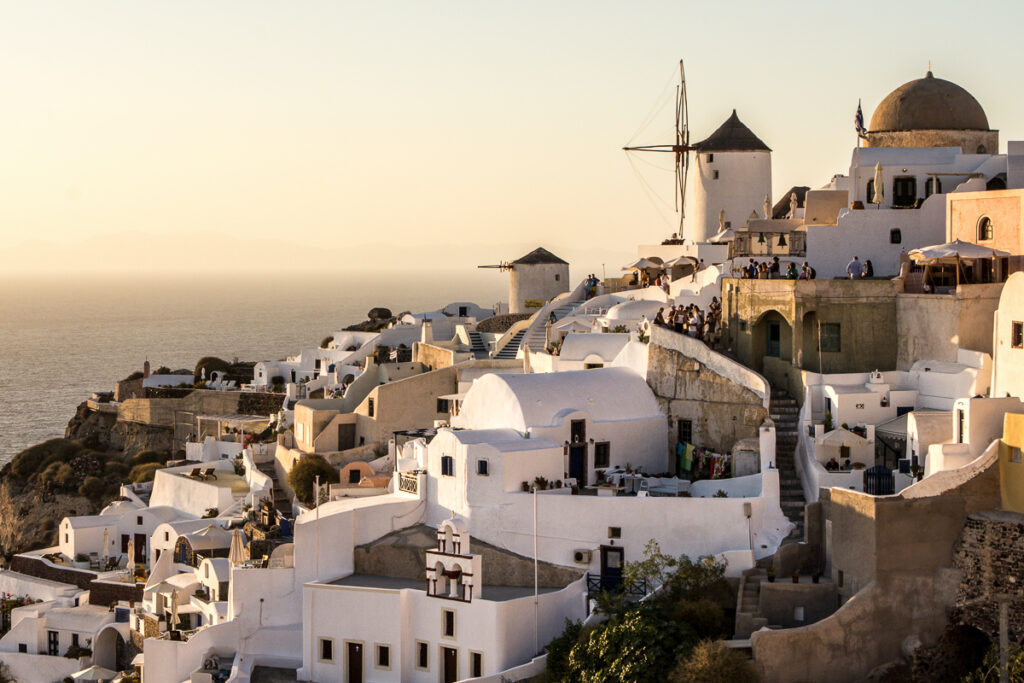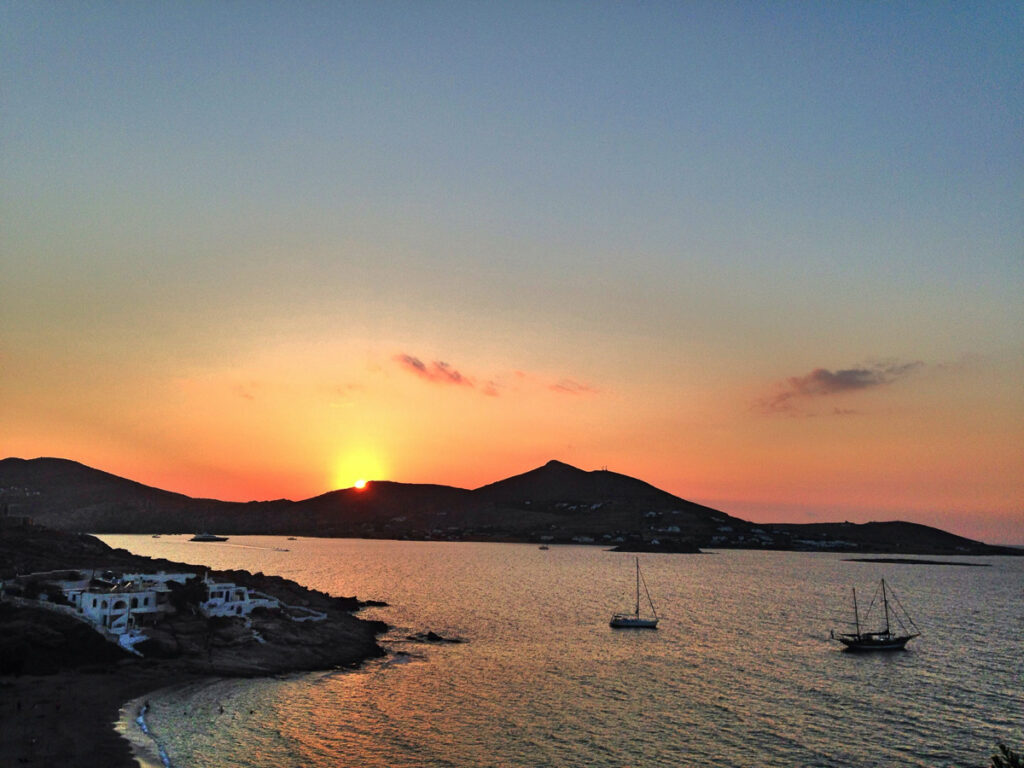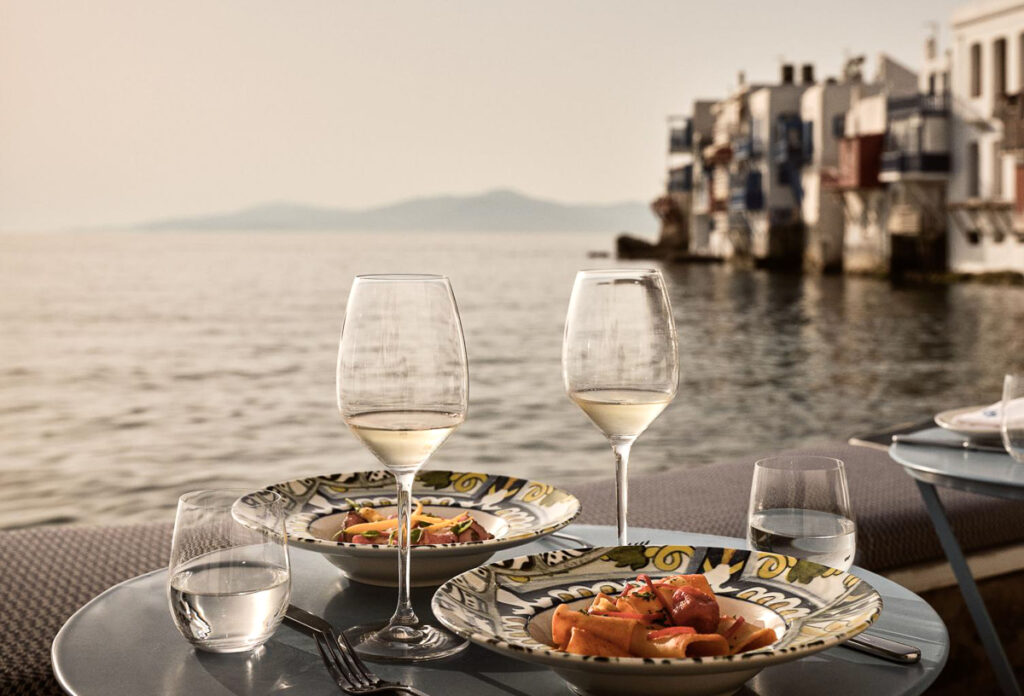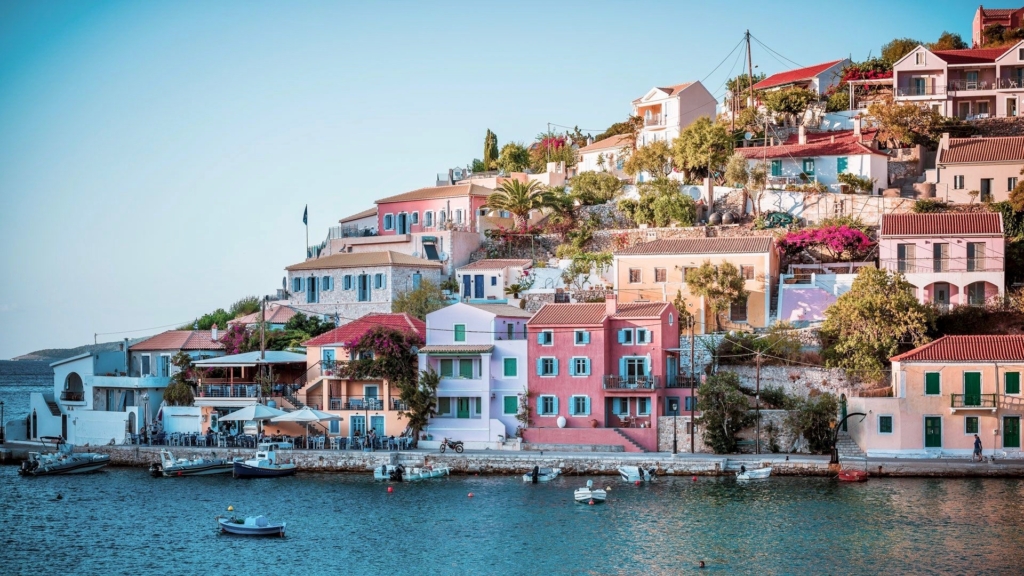
Under the Radar Greek Islands to Book for 2026 

Greek islands under the radar

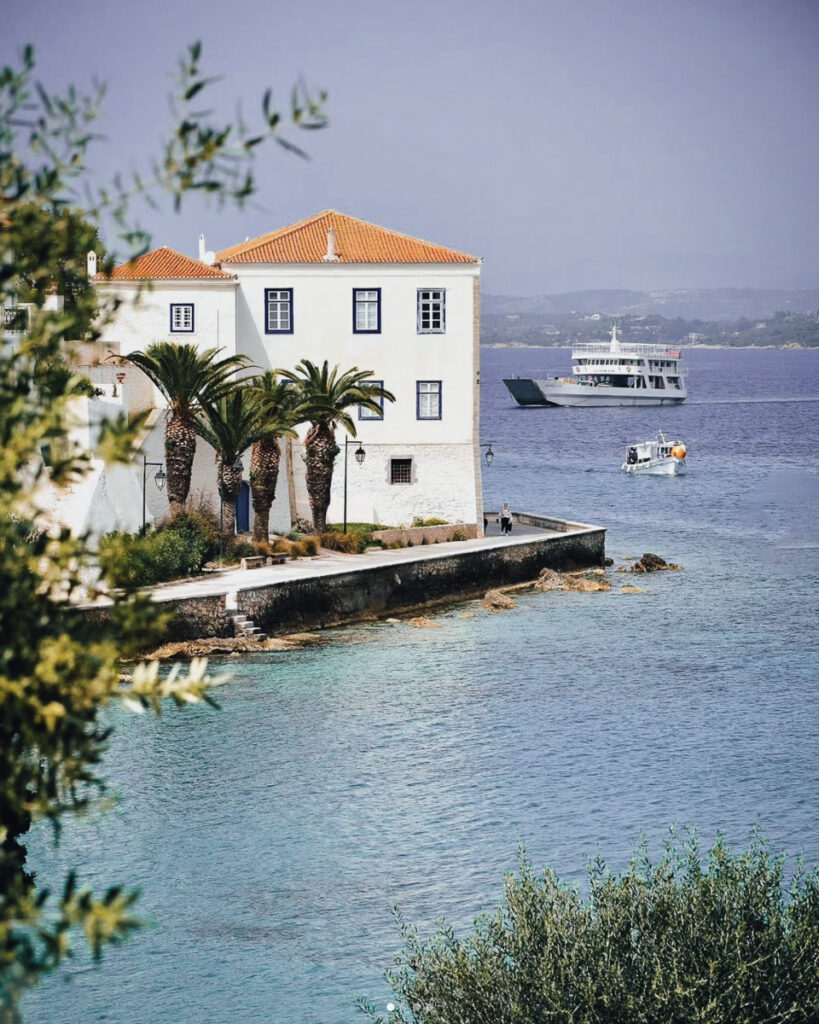
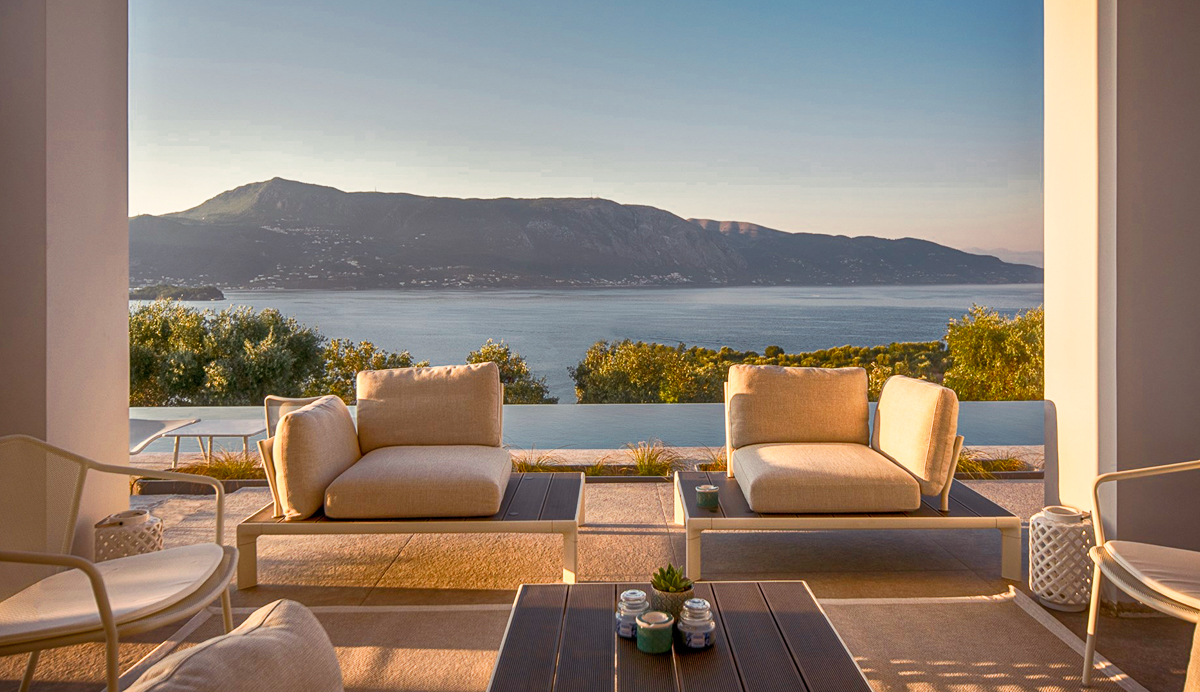
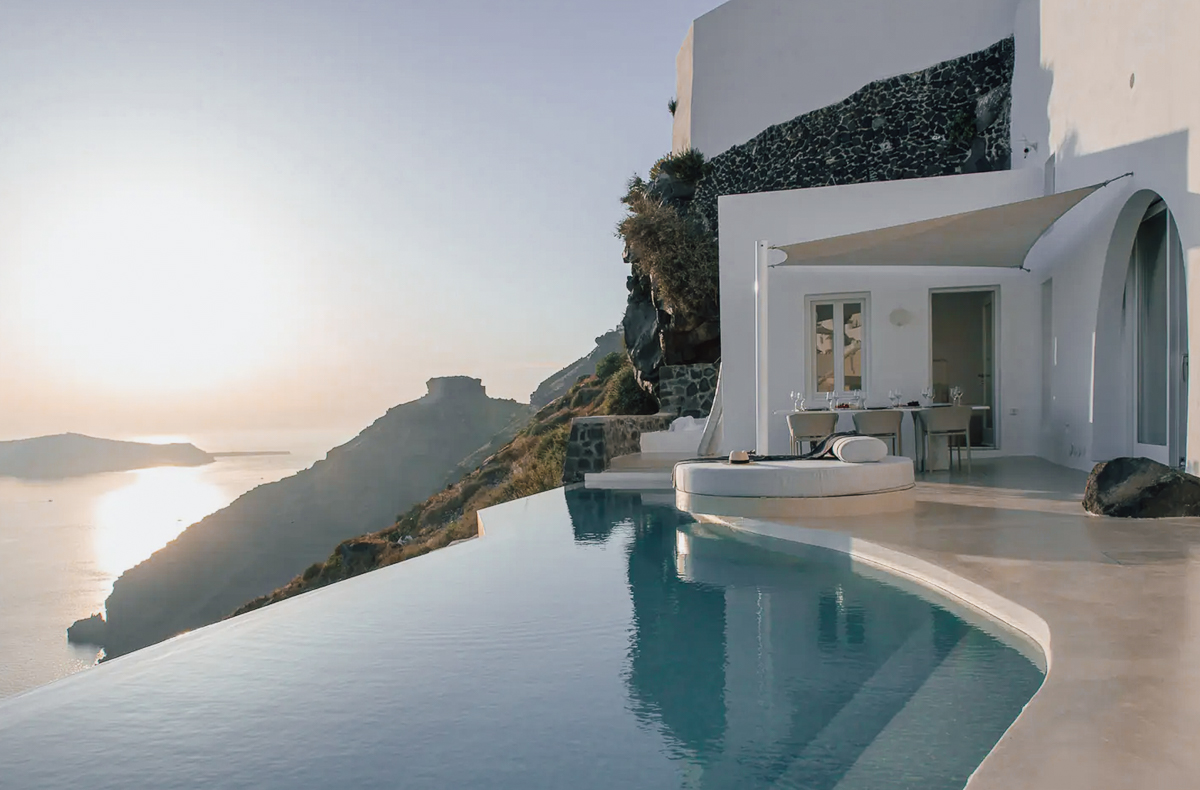
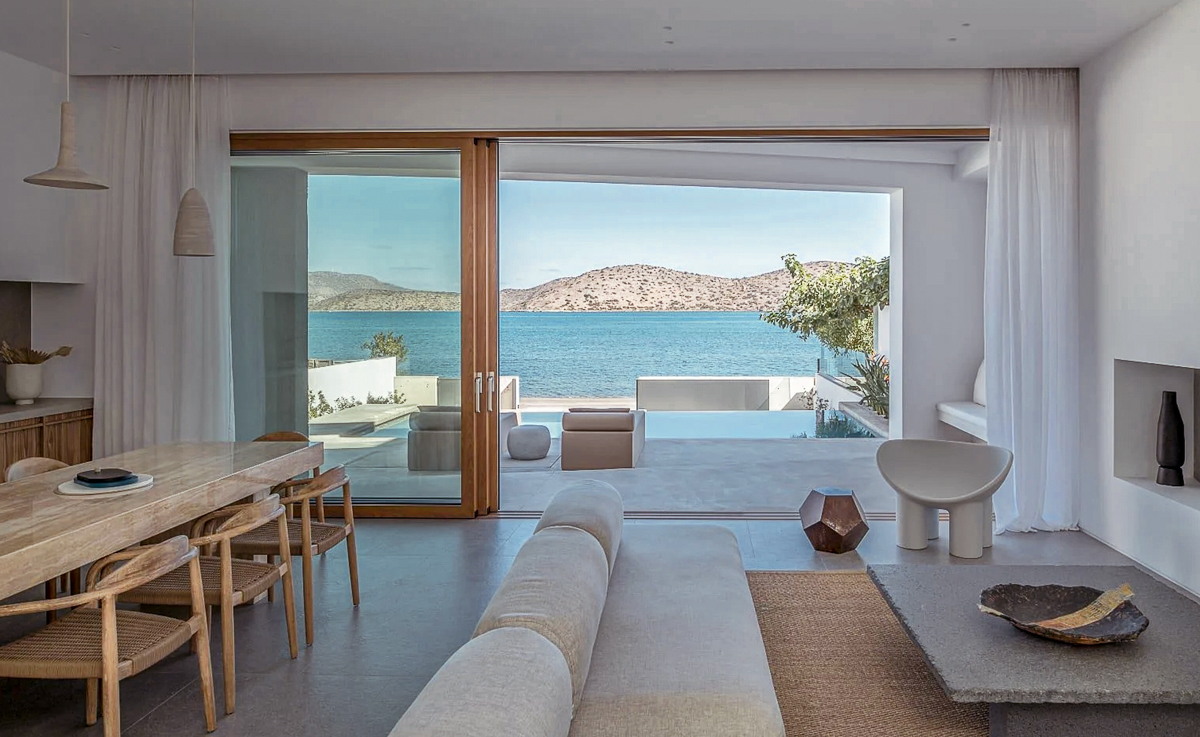
Discover six under-the-radar Greek islands to book for 2026, from Koufonisia and Ikaria to Ithaca and Fournoi, for a quieter summer in Greece.

Right now, people are deep in planning their summer in Greece, and the conversation has shifted slightly. It’s less about the obvious islands and more about finding places where you don’t need to rush. Not necessarily remote or unknown, but somewhere that hasn’t been completely shaped around demand.

Travellers seem to want a different kind of trip this year and it doesn’t include making a lot of reservations in advance, or a pressure to “do” everything, instead there is an interest in islands where you can still find a good taverna without much searching, be able to swim at a quiet beach, and move through a place without feeling like you’re following a schedule.
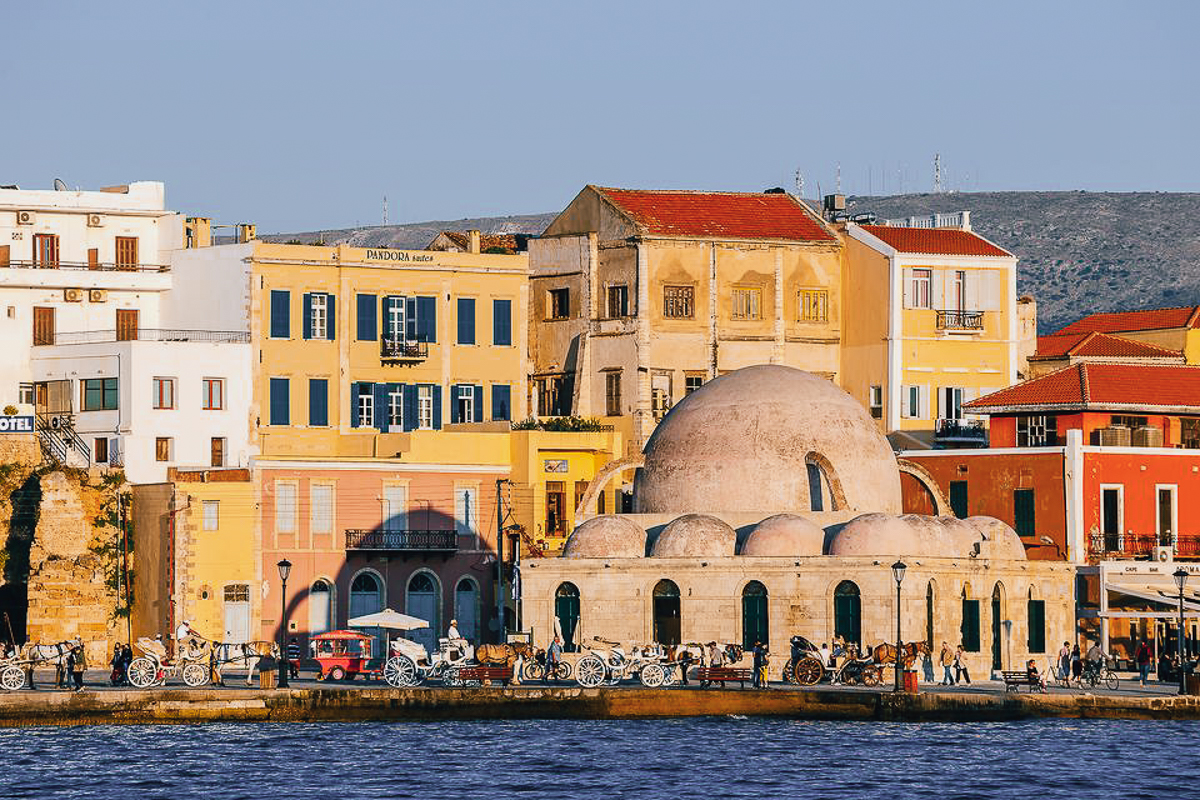
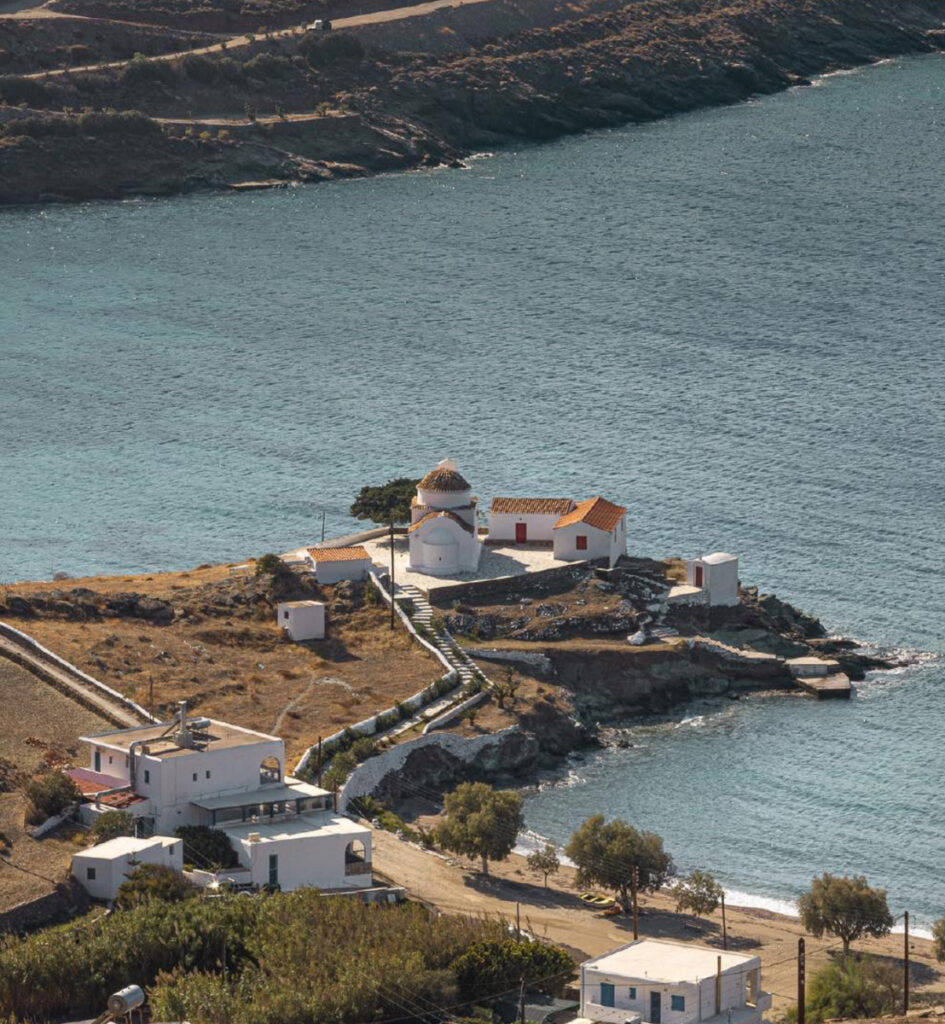
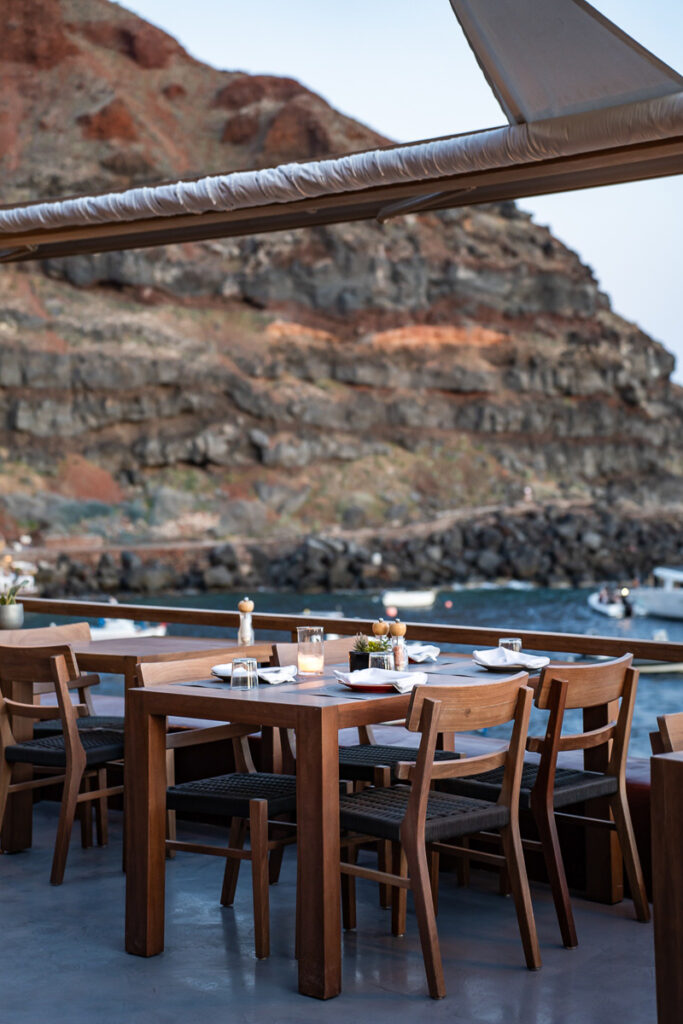
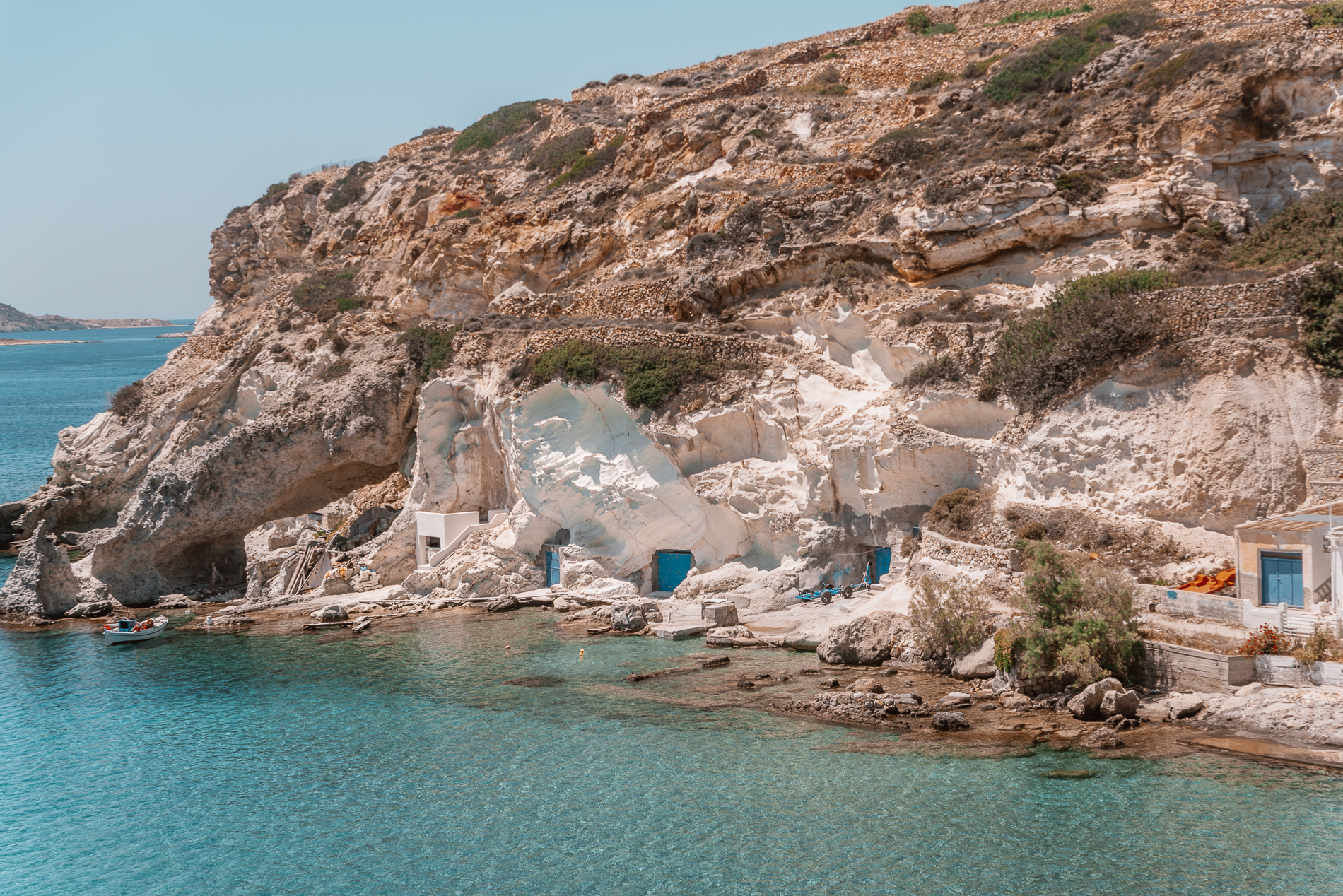
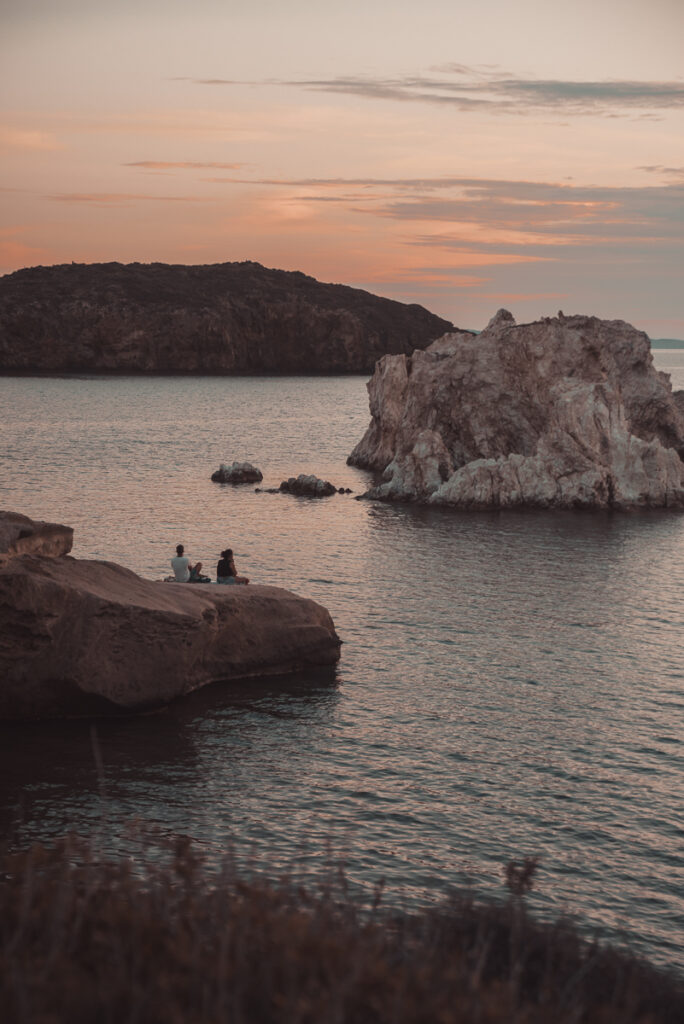
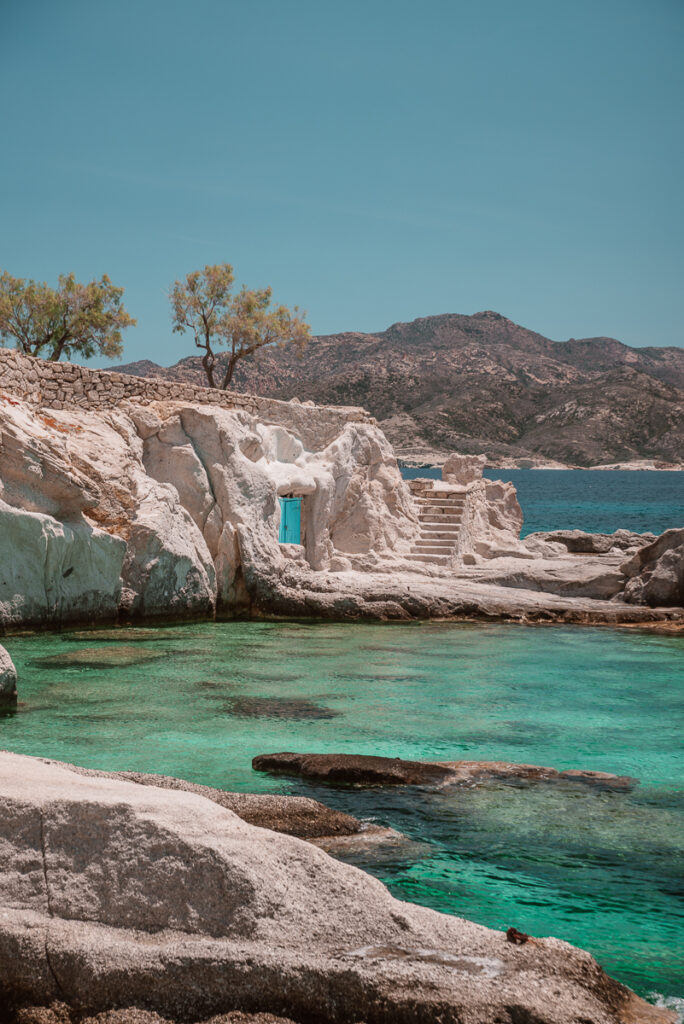
The six islands below sit comfortably in that space. Koufonisia, Amorgos, Ikaria, Karpathos, Fournoi and Ithaca all have their own following, but they haven’t tipped into something predictable. Yes, they take a little more effort to get to, but that tends to shape the experience in the best way. What you get in return is a side of Greece that feels more authentic.
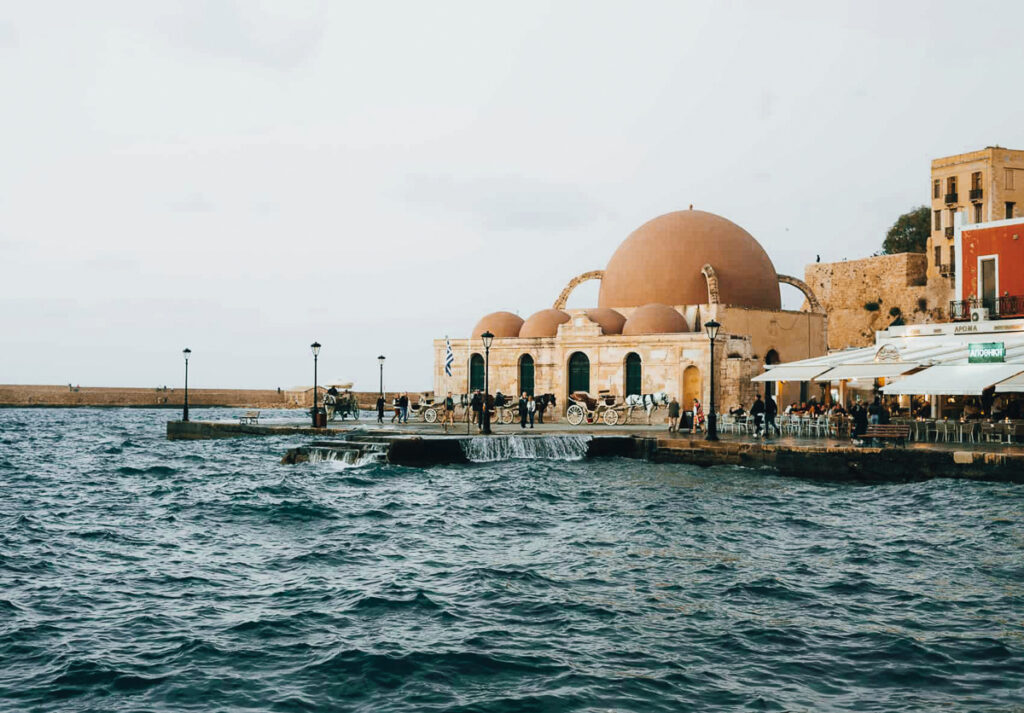
Koufonisia

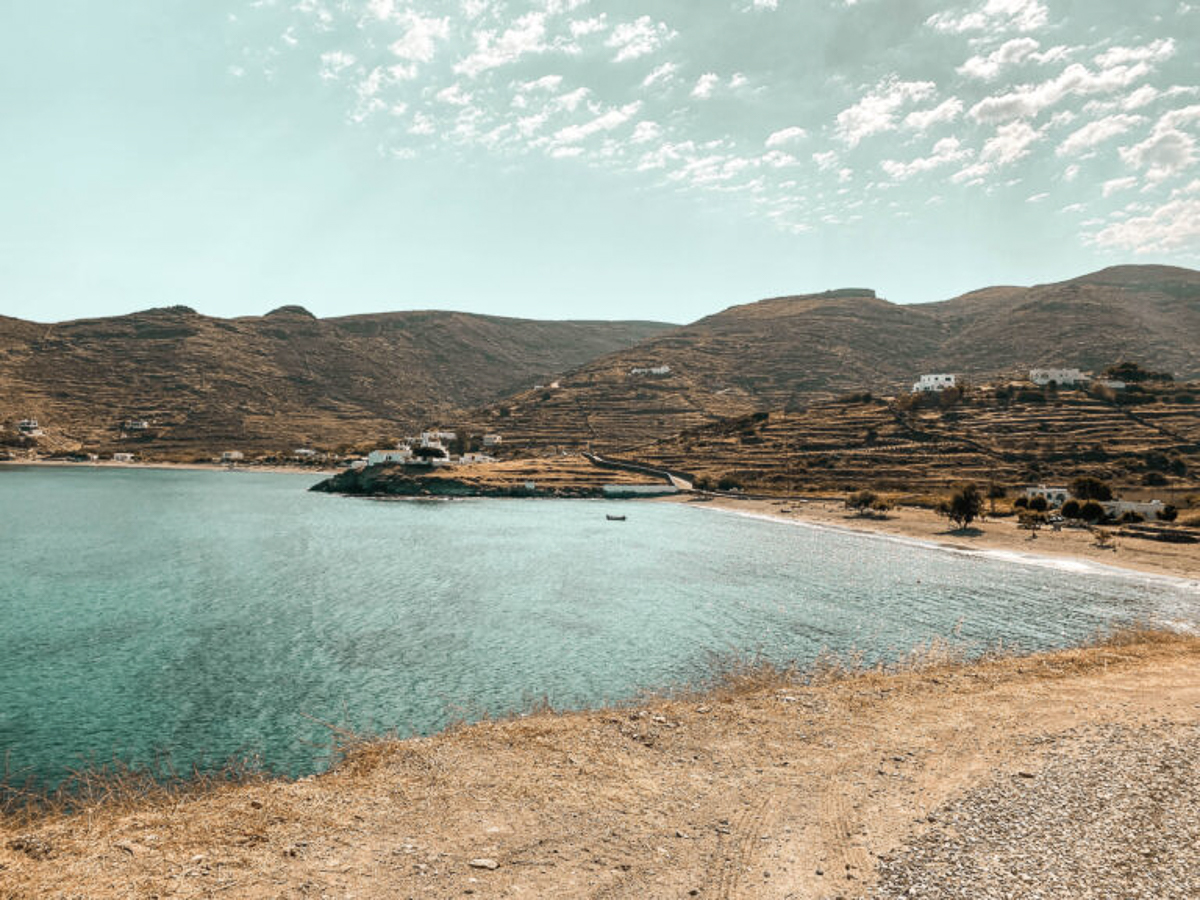
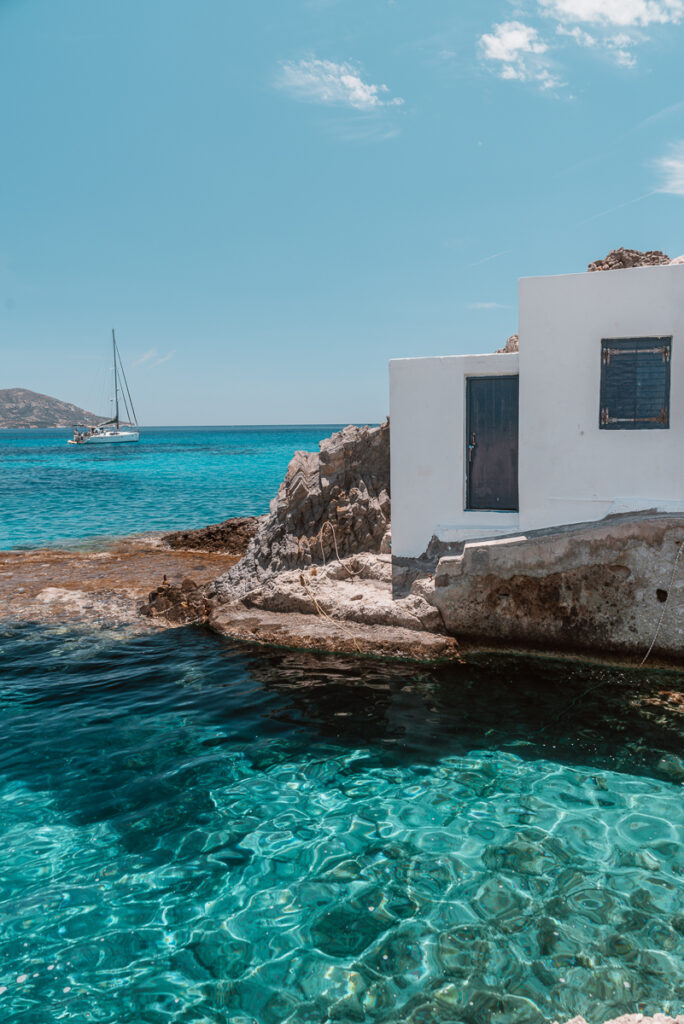
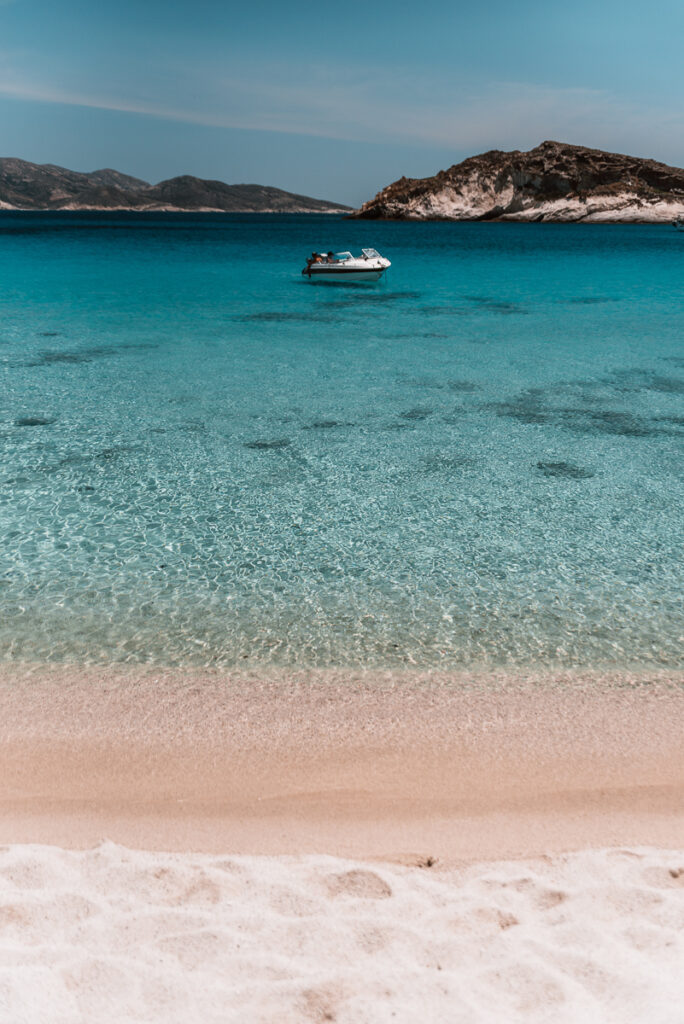
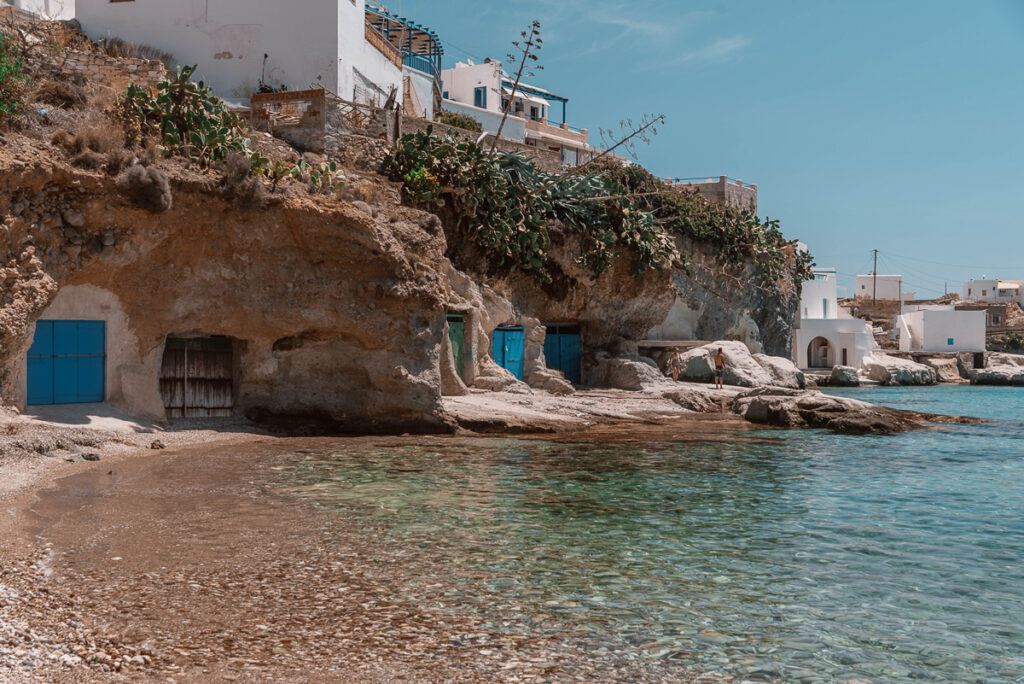
A short ferry from Naxos, this is one of those places where everything feels close from the moment you arrive. The main village sits right on the water, and from there a coastal path runs east, linking a string of beautiful beaches including Pori, Fanos and Italida, each one easy to reach on foot and edged by the kind of clear, shallow water that keeps people here most of the day.

There’s very little structure to how time is spent. You swim, you stop, you eat, and then you move on again. Lunch tends to mean grilled fish or octopus at places like Laska, Aneplora or Neo Remezo, where the menu follows what’s come in that morning. Evenings gather around the harbour and into Chora without much planning, with a small rotation of bars and tavernas carrying things through. For drinks, stop by TZET, an all-day restaurant and bar known for its cocktails, strong wine list and aperitif selection.

Amorgos

Further out in the Cyclades, getting here already sets a different tone. The coastline is steeper, more exposed, and the water shifts into a deeper blue. Beaches like Agia Anna and Mouros are less about the sunbeds and beach bars and more about the swim itself, the clarity, and the sense of space around you.

The Hozoviotissa Monastery remains the island’s defining landmark, set directly into the rock face, it definitely deserves a visit either early morning or in the afternoon. A late lunch might mean slow-cooked goat or local cheeses at To Limani tis Kyra Katinas or a longer evening meal at Apospero. Afterwards, Pegalidi is a good place to settle in for a quiet drink as Chora carries on at its usual unhurried pace.

Ikaria

Reaching Ikaria takes a bit more effort, and that distance shows in how the island operates. It’s large, mountainous, and spread out, with villages that feel self-contained and a coastline that changes character as you move around it. Armenistis and Evdilos are the easiest bases, while places like the Therma Springs and the small coastal village of Gialiskari give a better sense of the island beyond its better-known spots. Although Ikaria has become increasingly popular because of its Blue Zone status, it still doesn’t feel like a touristy island.

What defines Ikaria is how social it is. The panigiria, village festivals with music, food and wine, are part of everyday life and often run well into the early hours. Meals tend to be shared and unstructured, built around local wine, legumes, greens and fresh vegetables, with little sense of time shaping the evening. Thea’s Inn in Nas is known for fresh local cooking, while Artemis is a good spot to end the day over food and wine at sunset. For a great day of wine tasting and local produce visit Karimalis Estate.

Karpathos

Set between Crete and Rhodes, this is where the Aegean starts to feel less familiar. The coastline moves between open stretches and enclosed bays like Apella and Kyra Panagia, where the water is strikingly clear and backed by steep hills. Getting there takes a bit of commitment, with winding roads and long descents shaping the journey as much as the beaches themselves.

In the north, Olympos still holds onto its own way of doing things, shaped by years of isolation. You’ll notice it in the architecture, in the language, and in the food. Dishes like makarounes, handmade pasta with caramelised onion and cheese, appear alongside slow-cooked meats and local produce, with tavernas across the island keeping things rooted in what’s been done here for years. Places we return to include Athera Meze, Folia, Taverna Akropolis and Stefana Café and Restaurant for traditional dishes with views over the sea.

Fournoi

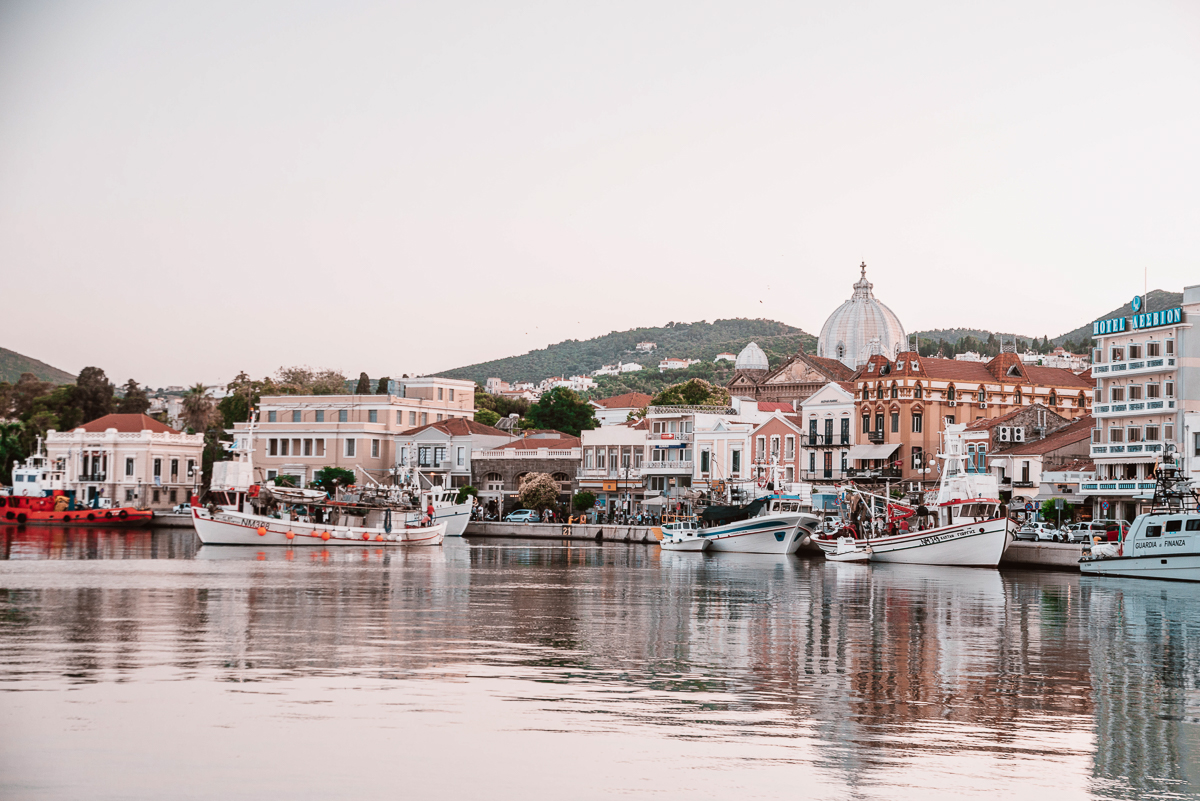
Tucked quietly between Samos and Ikaria, Fournoi remains one of the lesser-known islands in the eastern Aegean. Most people arrive by ferry, often on their way somewhere else, but many end up staying longer than planned. Life centres around the harbour, where fishing boats come and go throughout the day and a handful of tavernas line the waterfront.

The coastline is scattered with quiet coves and beaches reached by short drives or on foot, where most days are spent between the sea and long lunches by the water. Food is a big part of why people return. At Restaurant Nikos, seafood arrives straight from the boats moored nearby, while Miltos takes a slightly more modern approach to Greek cooking without losing the simplicity the island does so well.

Ithaca

Just off Kefalonia, the landscape shifts almost immediately, becoming greener, softer and more enclosed. The island is shaped by small bays and coves, with Vathy at its centre, wrapping around the harbour. From there, Kioni and Frikes offer smaller pockets of activity, each with a handful of tavernas and easy access to the water.

Known as the homeland of Odysseus, Ithaca has a slower, more understated feel than many of its Ionian neighbours. Most days are built around swimming off rocks or heading to places like Gidaki Beach, followed by long lunches that carry on without much interruption. Taverna To Steki keeps the focus on fresh fish and simple dishes, while Dona Lefki is worth arriving at just before sunset.

Book your ferry tickets for the Greek islands here. 

Main Image by Averta 


All brands are carefully handpicked by our editors. We may earn a commission if you purchase through affiliate links on our site.


Best Places to Eat and Drink in Sifnos 2026

Eat and drink Sifnos 2026

Discover the best places to eat and drink in Sifnos in 2026, from traditional tavernas and beachfront restaurants to wine bars, bakeries and late-night spots across the island.

Sifnos is known for its good food. This is the Cycladic island where chickpeas become something worth travelling for, capers turn up everywhere from salads to stews, and clay pots still matter as much as clever plating. It’s seasoned, layered, and deeply local, but there is also a sharper edge to the dining scene now, with a new generation of chefs giving the island’s traditions a more modern pull.

Its reputation is not accidental. Sifnos was the birthplace of Nikolaos Tselementes, the chef and writer whose name became shorthand for Greek cookbooks, and the island still carries that culinary confidence today. Revithada, the slow-baked chickpea stew traditionally cooked overnight in clay pots, remains one of its defining dishes, alongside mastelo, lamb or goat cooked with wine and dill, and revithokeftedes, the island’s beloved chickpea fritters.

As the island begins to open up for the 2026 season- with many of its restaurants and bars returning from May- we’re sharing our favourite places to eat and drink in Sifnos just in time. From long lunches by the water to late-night drinks in Apollonia, these are the best places to eat and drink in Sifnos in 2026.

Where to Eat in Sifnos 

Cantina

Tucked below Kastro on a rocky edge, Cantina is one of the island’s most sought-after tables. The setting is hard to beat- right on the water, with the lights of Kastro rising above- but it’s the food that keeps it booked out. The kitchen leans into hyper-local, seasonal produce with a minimal-waste philosophy, delivering a menu that is thoughtful. Tip: Book ahead.

Loggia

Set in Kastro, Loggia brings a more contemporary energy to the island’s dining scene. It moves easily from early evening drinks into dinner, with a strong wine focus, music-led atmosphere and plates designed to share. Best time is during sunset, and stay for an extra glass- it’s one of the island’s more atmospheric evening spots.

Bostani

Found within the gardens of Verina Astra, Bostani has become a standout for its farm-to-table approach. Much of the cooking is shaped by the land around it, with local produce and Sifnian flavours given a more refined treatment. 

Omega-3

Set on Platis Gialos beach, Omega-3 is one of Sifnos’ most talked-about restaurants, known for its seafood-led menu and modern take on Greek flavours. The focus is on fresh fish and shellfish, often prepared simply but with a sharper, more contemporary edge than a traditional taverna. 

Pelicanos

Sister to Cantina, Pelicanos sits on Faros beach and has a more laid-back, all-day feel. It works best as part of a longer outing- arrive for a swim, settle in for lunch, and stay as the afternoon rolls on. The menu follows a similar approach, with an emphasis on fresh, seasonal ingredients in a relaxed, beachside setting.

To Steki

On Platis Gialos beach, To Steki is a classic taverna that hasn’t tried to reinvent itself. Expect traditional dishes, generous portions and a steady stream of regulars who return each year. It’s reliable, straightforward and exactly what you want from a seaside Greek taverna.

Nus

This eatery represents the more modern side of Sifnos dining, with a menu that reworks Greek flavours in a lighter, more contemporary way. It’s a more polished setting, offering something different from the island’s traditional tavernas while still staying grounded in local ingredients.

To Tsikali

Set directly on Vathi beach, To Tsikali is one of the island’s long-standing, family-run tavernas. It’s known for traditional Sifnian cooking, with much of the produce sourced locally- think revithada, slow-cooked meats and house-made cheeses. 

Captain George

Set down in the small bay of Seralia, just below Kastro, Captain George is one of those understated seaside tavernas where the setting does most of the work. Tables sit right by the water, with a simple menu focused on seafood and classic Greek dishes. 

Cayenne

A long-standing favourite on the island, Cayenne offers a Mediterranean-leaning menu with a slightly modern edge. It draws a loyal crowd each summer and strikes a good balance between refined and relaxed, making it a dependable choice for dinner.

NOS Restaurant

Set within the NOS hotel in Faros, this is one of the more contemporary dining setups on the island. The kitchen focuses on local produce and a sharing-style menu, with an emphasis on modern Greek cooking in a more refined setting. It works well for both lunch and dinner if you’re after something more elevated.

Perivoli

Tucked into Artemonas, Perivoli is another one of the more modern restaurants on the island. The setting is slightly elevated, with a menu that balances Mediterranean flavours and careful presentation. It’s a good option if you’re after something more considered.

Mosaico

Located in Artemonas, Mosaico is a relaxed meze-style restaurant with a varied menu designed for sharing. It’s known for its laid-back atmosphere and mix of small plates, making it an easy choice for a casual dinner with a group.

Maiolica

In Platis Gialos, Maiolica brings a more design-led feel to the Sifnos dining scene. The menu leans modern Mediterranean with Greek influences, focusing on seasonal ingredients and clean, well-executed dishes. It works well for a longer lunch after a swim, or dinner right by the water. 

Iliovasilema 

Located in the north of the island near Cherronissos, Iliovasilema is best known for its elevated position and sunset views. The menu is traditional and locally focused, but it’s the setting (especially at golden hour) that makes it worth the trip.

Taverna Drakakis

Right in the centre of Apollonia, Drakakis is one of those places that’s always busy and for a good reason. A long-standing favourite, it serves classic Greek dishes in a lively courtyard setting that feels distinctly local. Expect generous plates, familiar flavours and a crowd that builds as the night goes on.

Where to Grab Dessert in Sifnos

Theodorou Pastry Shop

In Artemonas, Theodorou is one of Sifnos’ classic stops for traditional sweets, with a history dating back to 1933. It’s especially known for amygdalota, pasteli, loukoumi, kourabiedes and other old-school island treats made in the family tradition.

Betty’s Bakery

Set on Faros beach, Betty’s Bakery is a low-key stop for sourdough bread, pastries, coffee and easy takeaway bites. It’s especially good before a beach day, with simple breakfast options, cakes and sandwiches that work well on the go.

Kitrino Podilato 

Set in Artemonas, Kitrino Podilato is one of the island’s best-known patisseries, with a pretty courtyard and a broad mix of sweets. Come for loukoumades, homemade ice cream, pavlova, cheesecake and coffee. 

Gerontopoulos Sweet Shop

In Apollonia, Gerontopoulos is a traditional sweet shop with a long local history and a strong reputation for amygdalota, biscuits, candied fruit, local honey and other edible treats to take home.

Tratamento 

In the centre of Apollonia, Tratamento is a casual stop for homemade ice cream, along with crepes, waffles and other sweet options. It’s an easy place to drop in after dinner, especially if you’re in the main town. 

Where to Drink in Sifnos 

Kavos Sunrise

Located in Kastro, Kavos Sunrise is one of the island’s more distinctive bars, known for its Cuban-inspired character, rum-based cocktails and views over the sea. 

Botzi 93

In Apollonia, Botzi 93 is a long-running bar that moves from coffee and brunch earlier in the day to aperitifs and cocktails at night. It’s a good central option for drinks, with a terrace setting and a more classic island nightlife feel. 

Lost Bay

Set on Platis Gialos beach, Lost Bay is a beach bar/restaurant with cocktails, food and music right by the water.

Paralia

Set in Agia Marina in Kamares, Paralia is a favourite of ours for daytime drinks and easy sunsets by the water. It won’t open for the 2026 season as it undergoes a refresh, but it’s firmly on our list to revisit when it returns in 2027.


Main Image of Cantina by @vengio

Patmos 2026: Where to Swim, Eat, Drink and Discover Culture

Patmos island guide 2026

Patmos is one of the most captivating islands in the Aegean, where crystalline beaches, understated nightlife, and exceptional food come together with a sense of ease that’s hard to replicate elsewhere.

While getting there can require some effort, the island rewards you with a feeling of calm, beauty, and authenticity that feels increasingly rare. It has largely sidestepped the heavy development seen on other Greek islands, and with it, the crowds that tend to follow.

Without a doubt, you need to visit the Monastery of St John the Theologian, where he wrote the Apocalypse, and also wander Chora. It’s essential to explore early in the morning or later in the evening in summer, when the light softens and the streets begin to empty. Spend time getting lost in the ancient alleys of the citadel, noticing the mix of grand houses, small chapels, and unexpected views that open up as you walk. There’s a lived-in feel to it all, rather than something preserved purely for visitors, which is what makes it so compelling.

If you’re visiting in early to mid-July, the Aegean Film Festival adds another dimension to the island. Now over 15 years running, it brings independent cinema and contemporary filmmakers to Patmos, with screenings and events set in open-air locations across the island. It’s low-key but well curated, with a mix of films, talks, and informal gatherings that tend to spill into long evenings. You might find yourself watching something under the stars, then staying on for a drink as conversations carry on around you. 

From here, the best way to experience Patmos in 2026 is to move between sea, village and table, allowing the island to unfold naturally. Arguably the island’s most stunning beach, Psili Ammos is well worth the effort it takes to reach it. A 30-minute hike leads you to a wide stretch of sand and open sea. Start early in the morning to avoid the heat, or alternatively, hike in the early afternoon and stay for sunset, uninterrupted by the noise of the more lively parts of the island. Do not skip lunch at the beach taverna (the omelette is a must) and don’t forget to bring cash.

Back on the other side of the island, Atmos captures the essence of the Patmian lifestyle in a way that feels both stylish and relaxed. It’s a refined yet unpretentious space that celebrates natural materials like marble, cement and wood, set against the backdrop of sand, sun and water. It’s the kind of place where spontaneous gatherings unfold, where family and friends come together to eat and drink, sharing stories well into the afternoon.

For something quieter, head back into Chora and step into Andreas Kalatzis Art Gallery. Tucked into the narrow streets, it feels like a hidden sanctuary. The gallery showcases a thoughtful mix of local and international artists, with an emphasis on painting and sculpture. Its intimate, almost domestic setting encourages slow looking, while the contrast between contemporary works and Chora’s historic surroundings adds to its quiet, contemplative atmosphere.

As the light begins to soften, make your way up towards Prophet Elias. Taking the winding road up to this mountaintop monastery reveals one of the island’s most breathtaking sunset views. Sit on the steps and watch the light fade over the Aegean, a simple but memorable moment that captures the stillness of Patmos.

Mornings on the island are best kept simple. Right on the Skala waterfront, Aetherion is a mellow spot for a coffee or an easy breakfast while watching boats drift in and out. The menu leans fresh and light, with options that suit the slower pace of island mornings.

When it comes to aperitivo time or a relaxed evening in Skala, stop by Ginger Bar. Overlooking the port, it’s the perfect place for a gin and tonic or a cold beer as the island begins to wind down. The atmosphere is easy yet lively, with music that builds gently into the night and a crowd that blends locals and visitors. Go just before sunset to secure a good spot and stay as the lights of the harbor slowly take over.

Dinner is a beautiful time on the island and at Beneto’s, dining is as much about atmosphere as it is about food. With sweeping views, exceptional service and an easy, elegant vibe, it’s ideal for a long summer dinner. Book ahead, try the crab bao bun, and ask about the daily menu, which often features excellent fresh fish and veggies from the owner’s garden. 

For some more organic produce éla! is set in a serene valley on the north side of Patmos and blends organic farming, seasonal dining and a passion for natural wines. The setting is rustic with pinewood tables, vineyard views and a terrace that looks out across the farm, creating a sense of connection to the land that defines the experience.

And just when the island feels entirely calm, it shifts again. Nightlife in Chora centres around the square, before continuing in Skala and beyond. For something more intimate and after-hours, Kasbah brings a different energy. Known for its late-night crowd and DJs, it’s the kind of place where the night begins in the early hours, adding another layer to Patmos that many don’t expect.

How to get to Patmos 

The easiest way to reach Patmos from Athens is by ferry from Piraeus. There is no airport on the island, so flying is not an option. Ferries run regularly throughout the week, with both conventional and high-speed options available. The journey takes between 7 to 9 hours depending on the route, and many travellers opt for an overnight ferry to make the most of their time on the island.

You can purchase tickets here. 

Main image by Forno Patmos 


All brands are carefully handpicked by our editors. We may earn a commission if you purchase through affiliate links on our site.

Best Greek Islands for a Girls Trip in 2026

Greek islands girls trip

There’s a reason the Greek islands keep coming up when you’re planning a girls trip with friends.

It’s not just the beaches or the weather, but how easy everything feels once you’re there. Slow mornings, long lunches, and nights that tend to stretch a little further than expected.

Some islands naturally lend themselves to that kind of trip. The ones where you drift between beach to lunch, drinks to dinner, with enough happening around you, but still enough time to properly catch up. 

We’ve pulled together our favourite choice of islands that feel made for a girls’ trip, ones we return to with our besties time and time again. Think good food, a few standout spots for drinks, and the kind of setting that makes the whole trip feel like a proper break. The type of holiday where getting ready for dinner is half the fun, where one drink turns into three, and no one’s really checking the time.

So gather your friends, pack the pieces you’ve been saving, and plan a few days of sun, sea, and long evenings by the Aegean. This is the kind of trip you’ll be talking about with your besties well after summer ends.

Mykonos

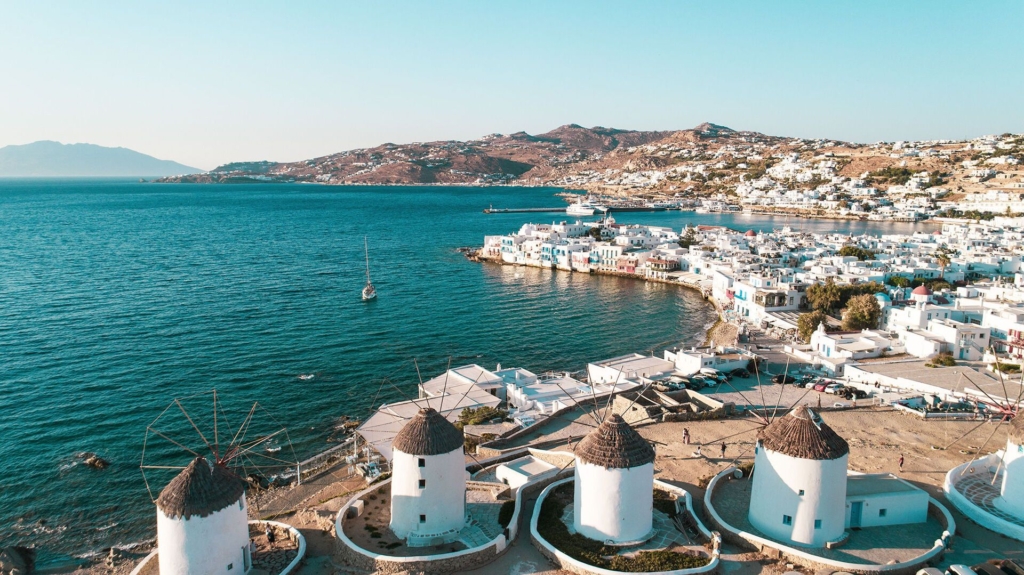
If you’re planning a girls trip in Greece, this is usually where the conversation starts. Mykonos has built its reputation on that mix of beach, music, and nights that don’t really follow a schedule. Mornings tend to start slowly, by the water, before making your way into Mykonos Town for a wander through the narrow streets and a bit of shopping. You’ll likely stop along the way, a drink in hand in Little Venice, and pause again by the windmills for photos, almost without planning to.

By late afternoon, things begin to pick up. Beach clubs fill, music carries, and the mood shifts. Drinks roll into dinner, and dinner rarely ends there. Scorpios and Alemagou are two of the places that define that side of the island, drawing a crowd that’s there to stay out. It’s lively, social, and one of the few places where putting a lot of thought into what you’re wearing for the evening feels part of it.

Paros

This is the kind of island you settle into quickly, where plans feel almost unnecessary. You move from beach to lunch without watching the time, and by early evening you’re back in Naoussa, getting ready with that familiar pre-dinner buzz, deciding where to go as you go. The harbour is where it all comes together, with tables filling gradually and a steady flow between restaurants, bars, and small boutiques.

Days might take you to Kolymbithres, with its curved rock formations and smaller coves, or Santa Maria when you feel like something more open and social. Antiparos is always there for an easy change of scene, especially for a slower afternoon. Back in Naoussa, evenings tend to centre around the harbour, starting with a drink along the waterfront before settling in somewhere for dinner. Later, Barbarossa spills out into the square, Sommaripa fills up quickly, and Medusa carries on into the early hours. It’s social, a little polished, and feels like the kind of place where everyone is out at the same time.

Tinos

This is where things slow down slightly, and it feels more grounded, which is exactly what we need with our girls sometimes. It’s an island where food shapes the day, with a growing number of restaurants that focus on local produce and thoughtful cooking. You might start the morning slowly, take a drive through villages like Pyrgos, then find yourself settling into a long girls lunch by the sea that ends up taking most of the afternoon.

There’s no rush to move on. A swim might follow, or a slow return back into town as the light softens. Evenings in Tinos Town are low-key but full, with people moving between wine bars and small restaurants. For something with a bit more energy, Three Donkeys and Prickly Bear are where you’ll likely end up later on, without it ever feeling like a big night out.

Sifnos

If you and your friends tend to plan your day around where you are eating next, this one is an easy choice. In Sifnos, everything seems to orbit around the table, and you fall into a rhythm of deciding where to go next, booking one place while you’re still sitting at another. Mornings are relaxed, often spent between beaches like Vathi and Platis Gialos, with stops along the way for coffee, a cheese board, or something sweet.

By evening, Apollonia begins to fill, its narrow streets guiding you from one place to the next. You’ll likely choose somewhere as you walk, order a few dishes to share (Cantina is a must), and stay longer than expected once everything arrives at the table. Later, a drink feels like a natural extension of the night. Kouvanos in Kastro and Loggia are both good places to end up, especially when no one’s quite ready to leave.

Hydra

A slower pace sets in almost immediately when you arrive in Hydra. With no cars on the island, everything centres around the harbour, and the day tends to unfold on foot. It’s quieter, but never still, with a steady flow of people moving between swims, local boutiques, and places to eat along the water.

You might spend the afternoon dipping in and out of nearby rocky spots, then make your way back to your hotel to get ready as the light begins to change. By early evening, the harbour fills again, and drinks stretch out as the sun drops. Hydronetta is one of the best places to catch the sunset, while Amalour is where you might head later for something stronger. It’s easy and suits a quick trip from Athens, where not much needs to be planned.

Corfu

The feel here is different from the Cycladic islands, as Corfu is shaped by its mix of influences and a more layered setting. The Old Town sets the tone, with its Venetian buildings, wide squares, and arcades that make it easy to spend time without rushing. Around Liston Square there is a Parisian vibe, and a coffee can easily turn into an aperitif as the day moves into evening.

Beyond the town, there’s plenty to explore, from swims at Canal d’Amour to slower afternoons along the coast. Back in the centre, the night can take different directions. A drink at Cavalieri Roof Garden is hard to pass up as the sun sets over the Old Town and fortress, while Imabari pulls you closer to the water, where you can move between cocktails and a swim straight off the deck. It’s the kind of place that suits a group of friends, where one night might start dressed up in town, and the next ends barefoot by the sea, with music, another round of drinks, and no real rush to leave.

Getting There

Most of these Greek islands are easily connected by ferry, with regular routes running from Athens and between the islands themselves, making it simple to combine a few stops into one trip. For those short on time, flights are also an option. Mykonos and Paros are both well connected by air from Athens, while Corfu, being further afield in the Ionian, is often easiest to reach by plane. 

Main image by Capucinerqllrt


All brands are carefully handpicked by our editors. We may earn a commission if you purchase through affiliate links on our site.

Best Greek Islands for Easter 2026

Greek islands Easter

Easter is one of the best times to be on the Greek islands, just before summer arrives when everything is reopening and everyone is ready to celebrate.

The weather is warm enough to sit outside, ferries are running regularly, and there’s a sense of people returning, opening houses, checking in on neighbours, and getting ready for the long weekend ahead. 

Across the islands, preparations build through the week, bakeries full from early morning, churches being readied, small towns gathering for services and processions that everyone takes part in. Visitors aren’t watching from the sidelines, you are there, in the middle of it, whether that’s standing in a village square at midnight on Saturday or being invited to stay a little longer at Sunday lunch.

Here, our team has rounded up ten Greek islands where Easter feels especially memorable, places where traditions are still part of everyday life, and where spending a few days over the Easter long weekend gives a real sense of the island beyond summer.

Patmos 

Set high above Chora, the Monastery of Saint John shapes the island’s skyline and, during Easter, it’s an extra special place to visit. Patmos is one of the most important pilgrimage sites in Greece, and Holy Week is marked with ceremonies that are beautiful to be a part of. On Holy Thursday morning, the Washing of the Feet takes place in the square below the monastery, drawing a quiet crowd. By Friday evening, the epitaphios is carried through the narrow streets of Chora, and on Saturday night, people gather outside the monastery walls for the Resurrection service, candles lighting up the square as the words “Christos Anesti” (Christ is Risen) pass through the crowd.

Spring is an enjoyable time to explore Patmos, as the landscape is green, the walking paths are clear, and you can move easily between Chora, Skala and Grikos without the heat or the summer crowds. Days tend to fall into a natural pattern, mornings out along the coastal paths or through the hills, afternoons back in town, and evenings shaped by the services and gatherings around them. Spending Easter here gives you access to both the atmosphere of the week and the space to experience the island at a slower, more comfortable pace.

Getting there: From Athens, Patmos is reached by ferry from Piraeus, with journeys taking around 7 to 9 hours depending on the route and whether you opt for a high-speed or conventional service. It’s a longer crossing, but part of the appeal, as arriving into Skala by sea feels entirely in keeping with the island.

Chios

In Vrontados, just outside Chios town, Easter takes on a very different scale. On Holy Saturday night, two neighbouring parishes, Agios Markos and Panagia Erithiani, face off in what locals simply call the rocket war. From early evening, thousands of handmade rockets are fired across the hillside, aimed at each other’s church towers, lighting up the sky in a way that feels chaotic but is in fact carefully organised. It’s loud, crowded, and unlike anything else in Greece, drawing people from across the island who return each year to watch from rooftops, terraces, or the slopes above.

Beyond that night, the island settles into a quieter pace, Good Friday in villages like Mesta is peaceful, with processions moving through narrow medieval streets, while in the south, Easter preparations unfold among the mastic groves that define this part of Chios. Spring is a particularly good time to be here, when the countryside is lush and the temperatures are comfortable enough to explore on foot. You can walk between villages, visit places like Nea Moni or the abandoned settlement of Anavatos, and still make it back in time for the evening services. Easter gives structure to the visit, but it’s the contrast between the intensity of Saturday night and the rest of the island that makes Chios stand out.

Getting there: From Athens, Chios is easily reached by a short domestic flight of around 45 minutes, or by ferry from Piraeus, which typically takes between 7 and 9 hours depending on the service.

Corfu

On Corfu, Easter is felt as much in the streets as it is in the churches. The old town, with its Venetian facades and wide esplanade, becomes the setting for a series of processions that unfold across the week. On Good Friday, the epitaphios moves through the town accompanied by the island’s philharmonic bands, their music carrying through the narrow streets and across Spianada Square. By Saturday morning, attention turns to the procession of Saint Spyridon, the island’s patron saint, before the atmosphere shifts again for one of Corfu’s most well-known traditions.

At around 11am on Holy Saturday, balconies across the old town fill with people ready to throw large clay pots into the streets below. The sound is immediate and unmistakable, echoing through the centre as fragments scatter across the pavements. It’s a custom that draws crowds each year, but it still feels local, with families returning to the same spots to watch or take part. Between the services and celebrations, you can head inland towards Mount Pantokrator or follow coastal paths before returning in time for the evening, when the town fills again for the Resurrection.

Getting there: From Athens, Corfu is best reached by a short domestic flight of around 1 hour. There are also ferry options via the mainland, and these involve a longer journey with a transfer. 

Santorini

By Easter, Santorini has begun to open up again, but it still feels far removed from the intensity of summer. The caldera is clear, the air is crisp, and villages like Pyrgos take on a different kind of presence once Holy Week begins. On Saturday night, the entire village is outlined in light, with thousands of small lanterns placed along pathways, rooftops and the old castle walls. As the Resurrection service ends, the lights remain, stretching across the hillside while fireworks mark the moment from above, drawing people from across the island.

Outside of that evening, there’s a quieter side to Santorini that’s easier to access at this time of year. You can move between villages without crowds, walk sections of the caldera path in comfortable weather, and spend time in places that feel more residential than seasonal. Easter Sunday centres around long lunches, often shared across extended families, with tables set out for dishes like slow-cooked lamb, fava and local sweets. It’s a good moment to experience the island without the usual pace, with just enough activity around it to make the trip feel relaxed rather than rushed.

Getting there: From Athens, Santorini is easily reached by a short flight of around 45 minutes, or by high-speed ferry from Piraeus, which typically takes between 2 and 5 hours depending on the service.

Tinos

This Cycladic island has a strong association with pilgrimage, centred around the Church of Panagia Evangelistria in the main town, but Easter here is far more low-key than the summer months might suggest. The focus shifts to the island’s villages, where Holy Week is marked in smaller churches and across local communities that keep tradition alive year round. In places like Pyrgos, Volax and Tripotamos, preparations unfold steadily, with churches decorated by hand and evenings given over to services that draw people together. 

Good Friday is one of the most memorable moments to be on the island, when the epitaphios moves through narrow stone alleys, often passing beneath arches and through squares that feel unchanged. Spring is an ideal time to explore Tinos more widely, with its network of old stone paths connecting village to village across the hills. You can set out in the morning, walking between terraced landscapes and marble workshops, and still make it back in time for the evening services or a long Sunday table. It’s an island that rewards a slower paced visit, and Easter gives you a clear way into it.

Getting there: From Athens, ferries depart mainly from Rafina and take between 1 hour 50 minutes and 3 hours 45 minutes, depending on the service, with frequent daily connections making it an easy island to access.

Sifnos

Many people come to Sifnos for the food, and over Easter you see exactly why. On the lead-up to Sunday, kitchens across the island are busy preparing dishes that are tied closely to the occasion, most notably mastelo, lamb or goat slow-cooked in clay pots with wine and herbs. Bakeries turn out sweet breads and pastries unique to the island, and by the time Easter Sunday arrives, tables are set for long, generous lunches that tend to include extended family, neighbours and whoever else happens to be around.

Beyond the food, the week is marked by a series of smaller, local traditions spread across the island. In Kamares, the epitaphios is carried along the waterfront and, in some cases, placed onto a small boat to continue its route by sea, a detail that feels particular to the island. Spring is an especially good time to be here, with mild weather that makes it easy to walk between villages or follow the old footpaths across the hills. You can spend the day out exploring and then come back for the evening services, with the celebrations fitting naturally around the island’s pace. 

Getting there: From Athens, Sifnos is reached by ferry from Piraeus, with high-speed services taking around 2.5 to 3 hours. 

Hydra

With no cars on the island, everything centres around the harbour in Hydra, where stone mansions, small galleries and working boats sit side by side. Over Holy Week, the town gathers gradually, with services held in the churches around the port and people moving easily between them. On Good Friday evening, the epitaphios is carried through the streets and down to the harbour, where it is taken into the sea.

Spring is one of the best times to be here, when you can head out towards Mount Eros or follow coastal routes on foot, returning to the harbour as the day winds down. Easter Sunday brings a more relaxed mood, with long lunches and the Burning of Judas taking place in the afternoon, accompanied by music and fireworks. It’s an easy island to navigate over a few days, with enough happening around the weekend to make it all feel worthwhile.

Getting there: From Athens, Hydra is reached by ferry from Piraeus, with high-speed boats taking around 1.5 to 2 hours. 

Syros

This beautiful Cycladic island stands apart during Easter for the way its Orthodox and Catholic communities mark the week side by side. In Ermoupoli, the island’s grand harbour town, services take place across both traditions, with processions moving through different parts of the town before meeting in the centre. On Good Friday, the epitaphios from multiple parishes is carried through the streets, converging in Miaouli Square in a moment that feels specific to Syros. Above the town, in Ano Syros, the Catholic cathedral of Saint George looks out over the island, while below, churches like Agios Nikolaos host their own services across the week.

Spring is an ideal time to be here, when the neoclassical town is easy to explore on foot and you can move between Ermoupoli and Ano Syros during the day, or head further out to the island’s villages and coastal areas, without the heat or summer crowds. Easter brings a steady sense of activity, with services, gatherings and long Sunday lunches shaping the days, but there’s still plenty of space to take in the island at your own pace.

Getting there: From Athens, Syros is easily reached by a short flight of around 35 minutes, or by ferry from Piraeus, which takes between 2 and 4 hours depending on the service.

Chania

In Chania, Easter is spread across the city and its surrounding villages, with traditions that feel closely tied to daily life in Crete. In the old town, churches like Trimartiri and Agios Nikolaos prepare for Holy Week with the epitaphios carried through the streets on Good Friday, accompanied by local bands. Beyond the centre, villages mark the week in their own way, from small services to open-air rituals, with preparations beginning days earlier as homes, churches and squares are readied.

Spring is one of the best times to be in this part of Crete, when the temperatures are mild enough to explore beyond the city. You can spend the day moving between the old town, the Akrotiri peninsula or nearby villages, where local bakeries and markets are busy in the lead-up to Sunday. Easter itself is shaped by long meals, gatherings and smaller customs that vary from place to place, from the burning of Judas to local celebrations that continue into the following days. It’s a time when the region feels active without being crowded, offering a fuller picture of Chania beyond the summer season.

Getting there: From Athens, Chania is easily reached by a short flight of around 45 minutes. There are also overnight ferries from Piraeus to Chania (Souda port), which take around 8 to 9 hours and arrive early in the morning.aster 

Spetses

Easter on Spetses has a sense of occasion to it, with the harbour and surrounding streets gradually filling as the week unfolds. Services take place each evening across the island’s main churches, but Good Friday is when everything comes together, with processions moving through the town and meeting near the centre, candles lighting the way as hymns carry through the streets. On Saturday night, each parish marks the Resurrection in its own way. Some are lively, with fireworks and crowds gathering outside, while others are quieter, including the service held at the monastery, where the setting is more reflective.

By Sunday, the mood shifts again. The town settles into long lunches before people return to the seafront in the evening for the Burning of Judas, accompanied by fireworks over the water. Spring is an ideal time to be on the island, when the pine-covered hills are green and the temperatures are comfortable enough to explore on foot or by bike. You can spend the day moving between beaches, forest paths and the old town, returning to the harbour as things begin again in the evening. It’s a well-balanced place to spend the long weekend, with enough energy around Easter to make it feel lively and memorable. 

Getting there: From Athens, Spetses is reached by ferry from Piraeus, with high-speed services taking around 2 to 2.5 hours. 

Book your ferry tickets for the Greek islands here. 

Main image by @cristiter 


All brands are carefully handpicked by our editors. We may earn a commission if you purchase through affiliate links on our site.

Greek Islands in the 1950s: Robert McCabe Exhibition in Paros

Robert McCabe Exhibition Paros

A new exhibition opening in Paros this spring offers a rare look at the Greek islands long before tourism reshaped them.

From March 28 to September 30, the Environmental and Cultural Park of Paros will present Memories from the Aegean, an exhibition of photographs by acclaimed American photographer Robert A. McCabe. Hosted at the Porto Aoussa Art Space in Naoussa, the exhibition brings together 82 photographs taken across the Aegean between the 1950s and the late 1970s.

The images were selected by McCabe himself together with curator Costas Vidakis and form a powerful record of the islands at a time when daily life remained closely tied to local traditions.

McCabe first arrived in Greece in 1954 while studying at Princeton University. The trip marked the beginning of a lifelong connection with Greece, and over the following years he travelled widely throughout the Aegean, photographing island communities, landscapes and the everyday scenes that defined them.

His striking photographs show a Greece that feels very distant from the one visitors encounter today. Fishermen returning from the sea with their catch, women pausing in the doorways of stone houses, and children gathering in village courtyards- these are simple, unposed moments, but together they form a portrait of traditional Greek island life.

Some of the most vivid images capture places that have since become some of the most visited destinations in the Mediterranean. In McCabe’s photographs, Mykonos and Santorini appear as small island communities, with quiet harbours, empty lanes and whitewashed houses standing against the stark Cycladic landscape. 

Over the decades, McCabe’s work has been shown in leading museums and institutions, including the Acropolis Museum, the Museum of Cycladic Art and the Benaki Museum. Today his photographs are widely regarded as an important visual record of post-war Greece and the Greek islands before the arrival of modern tourism.

Seen together, the images in Memories from the Aegean offer something increasingly rare, which is a clear view of the islands before their transformation into global travel destinations.

For visitors spending time in Paros this summer, it is also a reminder of how recently that change took place.

Exhibition Details

Memories from the Aegean–  Photographs by Robert A. McCabe
Date: March 28 – September 30, 2026
Address: Porto Aoussa Art Space, Naoussa, Paros
Opening: Saturday, March 28, 7pm
Admission: Free

Planning a Multi-Stop Trip to Greece: How to Combine Islands and Mainland

multi stop trip to Greece

Greece rarely works as a single-stop trip. Athens warrants several days, while the islands draw travellers out to sea. Then there’s the mainland, where mountain roads and archaeological sites sit far from ferry ports.

Combining them makes sense, but only if the route is realistic. Long transfer days can eat into time quickly, especially in summer when queues build at ports and popular ruins. 

A well-planned multi-stop trip to Greece should flow geographically: start in Athens, move north or south on the mainland, then cross to the islands in a logical sequence. 

Boutique Rentals and Urban History in Athens

Athens is more than just a gateway airport; it’s where the itinerary needs to anchor itself. Most visitors base themselves near Syntagma, Plaka, or Koukaki, which makes sense for a first visit. From Syntagma Square, it’s an easy walk down Ermou Street to Monastiraki, passing street musicians and the constant shuffle of shoppers. An early visit to the Acropolis is advisable. By 10 am, lines for the Parthenon lengthen, and temperatures rise. Entry at opening time avoids both.

Plaka’s narrow lanes fill quickly with tour groups, especially around Adrianou Street. A short climb into Anafiotika, tucked beneath the Acropolis rock, offers a quieter detour. Whitewashed houses and tight stairways feel almost island-like. For better food options, head beyond the immediate perimeter of Monastiraki Square.

Accommodation shapes the experience. Instead of standard hotels, many travellers choose to stay in private holiday villas in Greece, particularly when beginning or ending a group itinerary in Athens. Properties in neighbourhoods such as Mets or Pangrati provide additional space while remaining within easy taxi distance of the centre. Once the Acropolis Museum and Ancient Agora are covered, travel north towards Delphi by car or organised transfer, a journey of around two and a half hours.

Ancient Ruins and Mountainous Landscapes in Delphi

The road to Delphi climbs steadily through central Greece. Olive groves begin to thicken as Mount Parnassus comes into view. Delphi itself sits above a valley that drops towards the Gulf of Corinth. The archaeological site is layered into the hillside, which means visitors walk uphill past the Treasury of the Athenians and on towards the Temple of Apollo. Proper footwear is recommended, as stone surfaces can be slick.

Arriving early helps here, too. Coaches tend to reach the site mid-morning. The theatre, positioned high above the sanctuary, offers a wide view across the valley and usually fewer people once the initial rush settles. The museum next door is worth lingering over, especially for the Charioteer of Delphi, which many visitors rush past.

Many travellers base themselves in the small modern town below the site or in nearby Arachova. The latter, perched higher in the mountains, has stone houses and narrow streets that feel distinctly different from the islands. From Delphi, the route can swing back towards Athens to connect with a ferry from Piraeus, or continue west towards the Peloponnese depending on how ambitious the itinerary is. For multi-island itineraries, routing back through Athens streamlines logistics.

High-Speed Ferries and Iconic Sunsets in Santorini

Piraeus port is busy in the summer. Arriving at least an hour before departure avoids last-minute stress, especially with luggage. High-speed ferries to Santorini take around five hours, though conditions can make the crossing choppy. Seats are airline-style and assigned, so there’s less chance of standing than many expect.

Santorini’s first impression is the caldera edge above Fira. White buildings stack vertically, and cruise ship passengers pour into the lanes by late morning. Staying just outside Fira or in Imerovigli offers easier access without constant foot traffic. The cliff path walk from Fira to Oia takes approximately three hours. An early start helps avoid heat and congestion near Oia, where the route narrows.

Sunset in Oia draws serious crowds. By 6 pm, viewing spots along the castle ruins are shoulder-to-shoulder. Walking a little further along the path towards quieter stretches gives a clearer view without standing in a tight pack. Santorini works best as a two- or three-night stop before continuing by ferry to Naxos. The journey is short, often under two hours, and connections are frequent in peak season.

Traditional Villages and Emerald Waters in Naxos

Naxos has a more grounded character than Santorini. The ferry docks beside the Portara, the monumental marble doorway that stands alone on a small islet. Crossing over at sunset is typically busy but rarely chaotic. Chora, the main town, is built around a Venetian kastro. When it’s time to eat, head towards the residential streets for more traditional menus and fewer day-trippers.

Hiring a small car for a day opens up the interior. Villages like Apiranthos sit in the hills, built with stone and narrow passages. The drive passes olive groves and grazing goats. On the coast, Agios Prokopios and Agia Anna offer long stretches of sand with clear water. Even in August, there’s space to spread out if visitors walk a little further from the main access points.

From Naxos, flights back to Athens are short, around 40 minutes, and often easier than returning by ferry if onward international travel is involved. Alternatively, continuing west to Crete by ferry links the Cyclades with a larger island experience.

Venetian Architecture and Coastal Charm in Chania

Chania, on Crete’s north-west coast, combines layers of history with access to dramatic landscapes. The old Venetian harbour curves around a lighthouse, and the backstreets shift between Ottoman and Venetian architecture. Waterfront streets become congested by evening, while the interior of the old town offers quieter surroundings and more moderately priced shops.

The Municipal Market sits slightly inland and is a good orientation point. From there, it’s easy to navigate towards the harbour or out to the bus station for trips further west. Samaria Gorge, located in the White Mountains, is a full-day hike and requires an early start. Buses coordinate with the trailhead, though tickets can sell out in peak season.

Balos Lagoon and Elafonissi Beach lie further afield. Reaching them involves either long drives or organised boat trips. Travel times in Crete are frequently longer than expected, as mountain roads reduce average speeds. Chania works best with at least three nights to allow for one inland excursion and one coastal day. From here, flights connect back to Athens or directly to several European cities, making it a practical final stop.

Ready to map out your Greek odyssey?

Combining mainland Greece with island stops isn’t complicated, provided the itinerary follows a logical sequence. Athens anchors the history. Delphi adds depth beyond the capital. Santorini delivers drama, Naxos balances it with space, and Chania broadens the picture with Venetian layers and Cretan landscapes. The key lies in moving in a geographical arc rather than zigzagging across the map. Ferries link the Cyclades efficiently, flights shorten longer returns, and a short mainland drive introduces a different side of the country.

Wine Lover’s Guide to the Greek Islands 2026

best Greek islands for wineries

Discover the best wineries in the Greek islands for 2026 with our insider guide to the top vineyards, wine tastings and cellar doors worth visiting.

There is something quietly intoxicating about drinking wine at its source- not in a tasting room off a highway, but on a beautiful island where vines cling to volcanic soil, sea mist settles over terraces at dusk, and harvest rituals are a part of local life. Across the Greek islands, winemaking is less an industry and more an inheritance. Indigenous grape varieties (some found nowhere else in the world) thrive in landscapes sculpted by wind, salt and sun, producing bottles that are as expressive and distinctive as the islands themselves.

For the discerning traveller, this is where Greece reveals a different layer of sophistication. Beyond the stunning beaches and whitewashed villages lies a compelling wine culture- intimate estate tastings, architectural wineries overlooking the Aegean, cellars carved into volcanic rock, and family-run vineyards where stories are poured as generously as the wine.

If you’re planning your 2026 Greek island getaway and want to include wine tasting as part of the experience, this guide is for you. From crafting a dedicated wine itinerary or simply seeking the best wineries in the Greek islands to elevate your escape, these eight islands offer some of the most memorable tasting experiences in the Mediterranean.

Samos

Set in the northeastern Aegean, Samos is a verdant island where quiet beaches, pine-covered slopes and charming villages make it one of Greece’s most rewarding destinations for travellers who want both beauty and authenticity. The island’s lively ports and hillside hamlets allow visitors to explore, from the ancient ruins of the Heraion and the tunnel of Eupalinos to windswept fishing coves and olive groves that scent the air. With lively local markets, excellent seafood tavernas and welcoming guesthouses, Samos feels like a place where you can settle in for a few days and uncover its many delights at a slow pace.

But it is wine that truly defines Samos’s cultural imprint. The island’s steep, terraced vineyards and cooling sea breezes provide ideal conditions for the Muscat Blanc à Petits Grains grape, long celebrated for producing wines of exceptional aromatic intensity, balance and complexity. Samos’s sweet Muscat wines have held a star reputation for centuries, their legacy carried by cooperatives and family producers alike, and more recently complimented by dry and modern interpretations that show another side of this venerable island terroir.

Top Wineries

Hatziioannou Winery– A family-run estate in the hills near Mytilinioi, Hatziioannou’s is focused on organic expressions of the island’s treasured Muscat grape. Their wines celebrate both tradition and precision, with naturally sweet and dry versions that highlight aromatic lift, saline minerality and a purity of fruit that reflects the local soils. Visits include a tour of the vineyards and winery, often guided by the winemakers themselves, and a tasting of several handcrafted wines paired with regional fare.

Metaxa Liknon– More than just a winery, Liknon is the Samos home of the House of Metaxa, set among centuries-old Muscat vineyards on the slopes of Mount Ambelos. Here, visitors can learn about the long connection between this island and the iconic Greek spirit, explore vineyards and cellars integrated into the landscape, and enjoy guided tastings that reveal both the influence of terroir and the craftsmanship of the Metaxa tradition.

Nopera Winery– A boutique producer that has helped put Samos’s contemporary wine scene on the map, Nopera blends respect for heritage with a forward-thinking approach to viticulture and winemaking. Using organic practices and minimal intervention techniques, the winery makes elegant, sweet wines alongside dry Muscat expressions that are nuanced and expressive, capturing the complexity of Samos’ varied terroirs.

Crete

As Greece’s largest island, Crete is a land of contrasts, where rugged mountains meet golden beaches and sleepy villages sit alongside vibrant towns. Beyond its stunning landscapes, the island offers a rich cultural tapestry, from Minoan archaeological sites and Venetian fortresses to bustling local markets and coastal tavernas serving fresh seafood. For travellers, Crete is a place where you can combine history, nature and gastronomy with endless opportunities for exploration and relaxation.

And when it comes to Crete’s wine scene, it is as varied as its terrain. Sun-drenched plateaus, cool mountain foothills, and fertile valleys provide ideal conditions for a wide range of indigenous grapes. Varieties like Vidiano, Liatiko, Kotsifali and Dafni have been cultivated for centuries, producing wines that are aromatic, textured and full of character. A new generation of Cretan winemakers is embracing organic and low-intervention techniques, blending tradition with innovation to create wines that reflect the island’s heritage while appealing to modern palates.

Top Wineries

Manousakis Winery– Nestled in the foothills of the White Mountains near Chania, Manousakis blends native and international varieties to produce robust, Mediterranean-style wines. Their organic Romeiko blends and expressive Syrah showcase the versatility and character of western Crete. The intimate winery offers tastings and tours that highlight both the local terroir and the innovative approach that has brought Crete’s wines to an international audience. It is also a fantastic spot to enjoy local cuisine, with a menu featuring traditional Cretan dishes such as Kaltsounia, Dakos salad, as well as Gemista, and Soutzoukakia- making a visit here both a wine and culinary experience.

Lyrarakis Winery– Located near Heraklion, Lyrarakis is a family-run estate dedicated to reviving rare indigenous grapes such as Dafni, Plyto and Melissaki. Their wines are expressive and aromatic, highlighting the unique heritage and terroir of Crete. Tastings at the estate offer visitors a chance to explore both traditional techniques and contemporary interpretations of these native varieties.

Domaine Paterianakis– This hillside estate near Melesses produces elegant expressions of Vilana and Kotsifali that are balanced, precise and reflective of the island’s diverse microclimates. Visitors can enjoy immersive tastings in a setting that blends modern design with the natural beauty of the surrounding vineyards.

Santorini

This famous Cycladic island is without doubt the crown jewel among Greek wine islands, a place where centuries‑old vines spread across volcanic soil and the sea‑infused air seems to sharpen every grape. The island’s dramatic caldera cliffs and sweeping views of the Aegean make it a destination in its own right, but for wine lovers its true allure lies in the character and quality of the wines it produces. Black‑soiled vineyards trained in the traditional kouloura basket style sit alongside whitewashed villages, and tastings here are as much about place as they are about the glass in your hand.

The island’s hero variety is Assyrtiko, known for its steely acidity, citrus notes and unmistakable minerality that pairs beautifully with seafood dishes. Equally iconic is Vinsanto, the amber‑hued dessert wine made from sun‑dried grapes and layered with flavours of fig, honey and spice. While there are many vineyards worth visiting, each offering its own interpretation of Santorini’s terroir, the island remains a compelling stop for any wine‑centred Greek escape.

Top Wineries

Venetsanos Winery– Built dramatically into the cliffs above the caldera, Venetsanos is one of Santorini’s best‑known wineries and a favourite for visitors seeking both striking views and well‑structured wines. The estate produces beautifully balanced Assyrtiko that reflects the mineral intensity of its volcanic soils, alongside sweet Vinsanto that speaks to the island’s long winemaking history. 

Estate Argyros– A fourth‑generation estate that blends heritage with modern winemaking, Estate Argyros is celebrated for refined, mineral‑driven Assyrtiko and age‑worthy Vinsanto. The winery places a strong emphasis on low‑intervention techniques and hand‑harvested fruit, resulting in expressive wines that are as elegant as they are distinctive. 

Santo Wines– Overlooking the sea in an amphitheatrical setting, Santo Wines offers panoramic views alongside a broad range of volcanic wines that reflect the diversity of the island’s terroirs. Their signature Assyrtiko is a standout, and for those curious about something different the Santo Sparkling brings a modern twist to Santorini’s winemaking. The tasting experience here pairs well with the scenery, making it a popular stop for both seasoned oenophiles and curious travellers.

Domaine Sigalas– Located on the scenic plain of Oia, Domaine Sigalas is one of Santorini’s most influential producers and has played a key role in elevating the island’s wine reputation globally. The estate focuses on premium expressions of Assyrtiko and other local varieties, crafting wines that balance tradition with thoughtful innovation. 

Lemnos

Set in the northern Aegean, Lemnos is a captivating island where volcanic soils, sea breezes and gently rolling hills have shaped a wine culture that stretches back to Homeric times. Beyond the vineyards, the island offers a mix of sandy beaches, traditional villages and archaeological sites, giving visitors a sense of both history and authenticity. Its slow pace and understated charm make Lemnos an ideal destination for travellers seeking a wine experience off the usual tourist track, where every visit feels personal and grounded in local tradition.

The island is defined by two standout grape varieties: Muscat of Alexandria, which produces fragrant, aromatic whites, and the ancient red Limnio, offering spicy, earthy reds with distinctive character. Today, a new generation of winemakers is honouring this legacy, adopting organic and low-intervention techniques that capture the unique terroir while crafting wines that feel modern and expressive.

Top Wineries

Ktima Chatzigeorgiou– Situated in Karpasi, Ktima Chatzigeorgiou is a historic estate that has long championed the Muscat of Alexandria grape. The winery produces expressive whites with fragrant aromatics alongside bold reds such as Cabernet Sauvignon that reflect both the volcanic soils and the care of the winemakers. Tastings at the estate give visitors insight into the island’s history and the craftsmanship behind each bottle.

Savvoglou Tsivolas Winery– This winery is dedicated to organic viticulture, offering a portfolio of wines that highlights the island’s native varieties. Their Limnio reds are vibrant and nuanced, while the delicate sweet wines showcase the aromatic potential of Muscat grapes. 

Tinos

Once a hidden gem, Tinos has emerged as one of Greece’s most exciting wine islands, where wild granite landscapes and a new generation of visionary winemakers define its character. Beyond the vineyards, the island offers a rare combination of stark natural beauty, whitewashed villages, and intimate cultural experiences, from wandering cobbled streets to discovering hidden chapels perched above the sea. For travellers seeking a wine-focused escape that is both inspiring and off the beaten path, Tinos offers a seamless blend of scenery, heritage, and craftsmanship.

The island’s vineyards thrive in the rocky, sun-drenched terrain, producing wines that are expressive, terroir-driven, and often cultivated organically or biodynamically. Assyrtiko, with its citrus and floral notes, and Mavrotragano, whose deeply flavorful, “black and crispy” character translates into structured, intense reds, are the stars of Tinos’s vineyards. T-oinos winery, among others, allows visitors to taste these varieties while exploring the history of winemaking on the island, including ancient wine presses that speak to a tradition going back thousands of years.

Top Wineries

T-Oinos– A pioneer of fine wine on Tinos, T-Oinos produces bold, mineral-rich Assyrtiko and structured Mavrotragano with precision and elegance. The estate’s minimalist design compliments the island’s rocky landscape, creating an almost monastic atmosphere for tastings. Their wines have gained a devoted following across Europe for their purity, balance, and distinct expression of Tinos’s terroir.

Vaptistis Winery– This boutique winery focuses on low-intervention winemaking to craft elegant, aromatic wines from Malagousia, Assyrtiko, and other Cycladic varieties. Each bottle reflects the island’s unique soils and microclimates, resulting in wines that are balanced, pure, and expressive of local character. Visits offer intimate tastings in a setting that emphasises both craftsmanship and location.

Volacus– Set among massive granite boulders, Volacus produces small-batch wines with meticulous care and soul. Their Assyrtiko stands out for its texture, salinity, and precise reflection of Tinos’s distinctive terroir. The winery’s thoughtful approach combines the ruggedness of the landscape with refined winemaking techniques, making each tasting a memorable experience.

Paros

Slowly gaining recognition as one of the Cyclades’ most compelling wine destinations, Paros is where organic vineyards and low-intervention winemaking celebrate both tradition and terroir. Beyond the vineyards, the island impresses with its pretty villages, narrow alleys, and pristine beaches. Visitors can explore historic churches, all-day bars, and seaside tavernas, making Paros an island that pairs relaxed exploration with immersive wine experiences.

The island’s signature grapes, Monemvasia and Mandilaria, thrive in Paros’s mineral-rich soils and maritime climate. Monemvasia produces crisp, aromatic whites, while Mandilaria yields robust, structured reds, both reflecting the understated elegance of the island. A new generation of winemakers is building on Paros’s heritage, blending traditional techniques with sustainable practices to create expressive, terroir-driven wines that appeal to travellers seeking unique flavour in every sip.

Top Wineries

Moraitis Winery– A fourth-generation family estate, Moraitis is dedicated to organic farming and the revival of rare indigenous grape varieties. Their Monemvasia whites are vibrant and aromatic, while the Mandilaria reds are supple and expressive, capturing both the island’s soils and the influence of the surrounding sea. Visitors can enjoy tastings in the sun, paired with local cheeses from neighbouring Naxos, for a true sense of Cycladic terroir.

Asteras– A boutique winery that blends traditional methods with sustainable practices, Asteras crafts wines that are elegant, balanced, and reflective of Paros’s unique landscape. Their Mandilaria reds and white blends offer nuanced expressions of the island’s terroir, showcasing minerality, freshness, and character. Tastings at Asteras are intimate and thoughtfully guided, giving visitors a great connection to the land and its wines.

Kefalonia

With its dramatic mountains, verdant valleys, and hidden coves, Kefalonia is the Ionian’s captivating wine island. Beyond the vineyards, the island offers a rich blend of natural beauty and culture, from quaint villages with pastel-coloured houses to secluded beaches framed by limestone cliffs. Exploring Kefalonia means discovering both its striking landscapes and its warm, welcoming communities, making it a perfect destination for travellers who want wine paired with authentic Greek island life.

The island’s vineyards are defined by the Robola grape, producing crisp, mineral-driven whites with bright acidity, and by Mavrodaphne, offering rich, traditional Ionian reds. Small family-run estates carry forward centuries-old techniques, ensuring that each bottle reflects the volcanic soils, cool mountain breezes, and unique character of Kefalonia. These wineries combine heritage and innovation to produce wines that are both expressive and unmistakably local.

Top Wineries

Gentilini & Sclavos– These two historic family-run wineries are renowned for their handcrafted Robola whites, capturing the mineral intensity and freshness of Kefalonia’s volcanic soils. Each estate maintains a commitment to tradition, producing wines that are precise, aromatic, and expressive of the island’s unique terroir. Tastings offer visitors an intimate glimpse into the centuries-old practices that define Ionian winemaking.

Haritatos Estate– A boutique winery that blends tradition with modern techniques, Haritatos produces elegant Robola and Mavrodaphne wines. Their expressions balance richness with minerality, reflecting both the volcanic terroir and the winemakers’ meticulous attention to detail. Visits include guided tastings that highlight the subtleties of each wine and the story of Kefalonia’s winemaking heritage.

Rhodes

With its endless coastline, medieval old town, and gently rolling vineyards, Rhodes is an island where history and wine intertwine. Beyond its famous beaches and ancient castles, the island’s villages, olive groves, and hilltop wineries offer a glimpse into centuries of local culture. For travellers, Rhodes provides a layered experience: exploring its heritage, sampling its cuisine, and discovering wines that reflect both the island’s past and its evolving winemaking scene.

The island’s vineyards are defined by two standout grapes. Athiri produces crisp, aromatic whites, while Mandilaria yields bold, structured reds. Rhodes’ winemaking tradition stretches back to antiquity, and today a combination of family estates and modern producers continues to craft wines that balance heritage with innovation. Each bottle offers a taste of the island’s terroir, shaped by sun, sea, and centuries of cultivation.

Top Wineries

CAIR Winery– Established in 1928, CAIR is one of Greece’s oldest wineries, combining tradition with modern techniques. The estate is renowned for its sparkling wines produced using the traditional method, alongside still wines such as the acclaimed Rodos 2400 and Chevalier de Rhodes reds. Visits include tastings that highlight both the precision of the winemaking and the rich character of Rhodes’ grapes.

Alexandris Winery– Located in the village of Embona on the slopes of Mount Ataviros, Alexandris Winery has been producing wine since 1968. Specialising in the Athiri grape, the estate crafts wines that are aromatic, fresh, and expressive of Rhodes’s unique terroir. Guests can enjoy guided tastings and tours that provide insight into both the vineyard practices and the island’s long winemaking heritage.

Main image by Manousakis Winery 

Kos: A Place for People Who Like to Roam

Kos travel

Kos sits in the Dodecanese, looking across at the Turkish coast. It isn’t a massive island, but it manages to pack a fair amount of variety into a relatively small space.

People often associate it with heavy tourism, yet once you leave the main strip, the atmosphere shifts completely. It is flat in the north, mountainous in the south, and known primarily for how easy it is to traverse on two wheels. There is a distinct lack of urgency here. Visitors won’t find themselves rushing from site to site, because the island encourages a slower, more deliberate pace of exploration.

The Layers of History in Kos Town

Walking through the capital feels like stepping through several centuries in a few blocks. The harbour is dominated by the Castle of the Knights of Saint John, a fortification built to control the sea passage. Just a short walk away stands the ancient Agora, where ruins of temples sit open to the sky, often with cats sleeping on the warm stones. It is an interesting mix of Italian rationalist architecture and ancient Greek remnants.

The Plane Tree of Hippocrates is another spot people gravitate towards. Legend says the father of medicine taught students here, though the current tree is a descendant of the original. It is held up by scaffolding now, looking tired but dignified. Nearby, the Roman Odeon has been restored to a point where visitors can sit on the marble steps and get a sense of the acoustics without needing much imagination. The structure remains in impressive condition.

Accommodation Options and Practicalities

Where visitors choose to sleep usually dictates the tone of the trip. Kos Town is convenient for those who want access to history and ferries to Turkey. Hotels here range from older, family-run establishments to newer boutique renovations. Staying in outlying villages like Mastichari offers a slower holiday, typically preferred by those avoiding late-night noise. Prices are generally reasonable compared to islands like Santorini, making it accessible for varied budgets.

For travellers specifically looking for value, there is a solid market for affordable Kos package holidays that bundle flights and lodging. These are often concentrated around the resorts in Psalidi. While all-inclusive resorts are plentiful, self-catering apartments are widely available for those who prefer buying breakfast from a local bakery. Booking in advance is standard advice, yet even last-minute arrivals in the shoulder seasons of May or October can usually find decent availability without overpaying significantly.

Navigating the Cycle Paths and Roads

One of the first things anyone notices arriving in Kos Town is the number of bicycles. It isn’t just a tourist gimmick; the terrain, particularly around the northern coast, is flat enough to make cycling a genuine transport option. A dedicated cycle lane runs right along the waterfront, stretching out towards Psalidi, and it gets heavy use from locals commuting as well as visitors. Renting a bike is straightforward and usually costs very little for the day, making it very easy to beach hop.

For those heading further afield, local KTEL buses are reliable enough. They depart from the station near the castle and connect the main town to villages like Mastichari. Schedules change with the seasons, so checking printed timetables pinned at stops is wiser than relying on apps. If driving is preferred, the main road running down the island’s spine is well-paved and simple to navigate. Parking is typically free, though finding spaces in town takes patience.

Leaving the Coast for the Mountains

While the coastline draws crowds, the interior offers a different perspective. Mount Dikeos rises in the centre, and tucked into its slopes is the village of Zia. It has become a popular stop for sunset viewers, meaning the main street gets busy. However, walking just a few minutes up the hill away from the tavernas reveals pine forests and a quieter environment. The air feels cooler here, distinct from the humidity found at sea level.

Further west, the landscape becomes more barren. The village of Kefalos sits high on a ridge overlooking the bay, separated from the resort area below. It retains a working-village feel, with narrow streets not built for modern rental cars. Exploring the ruins of the castle above Kefalos provides a clear view of the island’s tail stretching into the Aegean, a vantage point that gives a real sense of the island’s geography. The view rewards the short hike.

Finding Space on the Beaches

The beaches vary significantly depending on which side of the island one visits. Tigaki and Marmari on the north coast are long, sandy stretches with shallow waters. These areas are prone to the meltemi wind, which is a relief in July but can whip sand around in late August. It is spacious enough that finding a spot away from the organised sunbeds is rarely difficult. The water here tends to be churned up, but swimming is safe.

Down on the southern coast, the water is generally calmer. Paradise Beach is the famous one, though it often lives up to its reputation for being crowded. A distinct experience is found at Therma Beach, near the eastern tip. Here, hot volcanic springs flow directly into the sea. It is a pebble beach, and sitting where the hot water mixes with the cool seawater is a strange, therapeutic experience. The heat is surprisingly intense.

Is Kos Worth the Trip for the Restless Traveller?

Kos manages to be several things at once without feeling disjointed. It serves as a beach destination, a historical site, and a functional Greek island where local life continues alongside tourism. The ability to cycle from a Roman ruin to a beach bar in twenty minutes gives it a unique accessibility. It doesn’t demand much from visitors other than a willingness to adjust to the heat and the wind. For anyone looking for a place that balances downtime with exploration, it works well. It rewards curiosity without requiring intense planning, leaving plenty of room to simply roam about.

Our Complete Travel Guide to Heraklion 

Travel Guide Heraklion

Discover our complete travel guide to Heraklion, the vibrant capital of Crete where ancient history meets contemporary island life. 

Often overlooked for Crete’s more romantic coastal towns, Heraklion reveals its charm in layers, from the grandeur of its archaeological treasures to its thriving food scene and easy access to the island’s heartland. With the island’s main airport, nearby wineries, and some of Greece’s most important museums and ruins, this dynamic port city is both a cultural gateway and a strategic base for exploring Crete.

Heraklion’s past unfolds in a fascinating blend of influences- Byzantine churches stand beside Venetian mansions and Ottoman fountains, while the waterfront features colourful fishing boats and lively tavernas. Wander through the pedestrianised old town, where narrow lanes open onto sunlit squares, or escape to the Minoan palace of Knossos just beyond the city limits. 

Between its storied past and spirited modern energy, Heraklion offers a true taste of Crete- authentic, unexpected, and endlessly captivating.

Perfect for…

Curious travellers with a love of history, gastronomy, and culture, also for those who want to pair days of archaeological discovery with evenings spent dining by the sea and soaking up the city’s spirited charm.

See + Do in Heraklion 

Palace of Knossos– Step into the world of Minoan civilization at Europe’s oldest Bronze Age archaeological site. Wander through the restored ruins, vivid frescoes, and labyrinthine halls that inspired the myth of the Minotaur.

Heraklion Archaeological Museum– One of Greece’s most important museums, this remarkable collection of Minoan art and artifacts offers an illuminating glimpse into Crete’s ancient soul.

Venetian Fortress (Koules)– Standing guard over the old harbour, this 16th-century fortress is a striking symbol of Venetian rule. Climb to the top for sweeping views across the sea, especially magical at sunset.

Morosini Fountain (Lion’s Fountain)– A lively landmark in the heart of the old town, this ornate Venetian fountain is surrounded by cafés, boutiques, and buzzing street life, it’s perfect for people-watching with a freddo espresso in hand.

Heraklion Market– Immerse yourself in local life at the city’s bustling central market. Browse stalls brimming with Cretan cheeses, herbs, olive oils, and sweet treats, this is a sensory feast for food lovers and souvenir hunters alike.

Cretaquarium– Discover the rich marine life of the Mediterranean at this impressive aquarium, home to hundreds of species from sharks and sea turtles to colourful reef fish. A great stop for families or marine enthusiasts.

Day Trip to Matala– A scenic hour’s drive from Heraklion, this bohemian beach town is famous for its cliffside caves once inhabited by 1960s hippies. The golden sands and turquoise waters make for an idyllic day by the sea.

Historical Museum of Crete– Journey through the island’s layered history- from the early Christian period to modern times- via engaging exhibits, artwork, and multimedia displays.

Agios Titos Church– This elegant Byzantine church, with its serene courtyard and graceful arches, offers a peaceful retreat in the centre of the city and a glimpse into Heraklion’s spiritual heritage.

Natural History Museum of Crete– A fascinating stop for nature lovers, this museum celebrates the island’s biodiversity, with immersive exhibits showcasing its unique flora, fauna, and geological wonders.

Eat + Drink in Heraklion 

Coffee + Brunch

Kafeneio Karampoutze– Tucked away in a quiet historic alley, this cosy kafeneio captures the essence of old Heraklion. Sip a strong Greek coffee and sample homemade pastries as locals chat over backgammon- a slice of authentic Cretan life.

Central Park Café– A lively downtown spot known for its excellent coffee and creative breakfast dishes. From freshly squeezed juices to indulgent pancakes, it’s a favourite among locals looking for a vibrant start to the day.

Kirkor– An Heraklion institution since 1922, Kirkor is beloved for its bougatsa- flaky filo pastry filled with sweet custard or cheese, best enjoyed with a traditional Greek coffee on the side.

Mare– This stylish seaside café-bar offers laid-back sophistication with a view. Order an omelette or avocado toast, paired with smooth Dimello coffee, and watch the morning light dance across the harbour.

Nyktari Bakery– A local favourite for freshly baked bread, sweets, and traditional Cretan treats. Grab a lychnarakia or kalorizika to go- perfect for an easy breakfast before a day of exploring.

Lunch…

Ippokampos– Set right by the old harbour, this beloved seaside taverna pairs fresh seafood with great views. Order the orzo with seafood or mussels- best enjoyed with a glass of crisp white wine and the Aegean breeze.

Avli– Tucked inside a leafy courtyard, Avli serves up creative Cretan cuisine rooted in local, seasonal ingredients. Highlights include fava beans with onion jam and pork paste, or rooster with noodles and mizithra cheese. While the menu leans toward meat, there are plenty of vibrant vegetarian options, too.

Sir Parafigos– A refined yet relaxed choice near the harbour, Sir Parafigos combines modern Mediterranean flair with Cretan soul. Chef Emy Marantou crafts dishes from organic, high-quality produce- think skioufichta pasta with prawns and a hint of cognac- paired beautifully with an impressive international wine list.

Elia & Diosmos– Bright, breezy, and wonderfully local, this charming eatery celebrates traditional Cretan cooking at its best. Try the deconstructed moussaka or the snails simmered in vinegar, olive oil, and rosemary- dishes that capture the island’s rustic heart.

Thigaterra– A chic concept spot where you can eat, drink, and shop local flavours in one go. It’s ideal for a light lunch, a wine tasting, or to pick up Cretan products before heading home.

Dinner…

Peskesi– This farm to table eatery is a pioneer of Cretan gastronomy, Peskesi celebrates the island’s culinary heritage through organic, locally sourced ingredients and time-honoured recipes. 

Herb’s Garden– Perched atop the Lato Boutique Hotel, this rooftop restaurant offers creative Mediterranean cuisine with a side of panoramic city and sea views. 

The Walls– Overlooking Heraklion’s Venetian fortifications, The Walls is a refined gastrotaverna where Chef Maniadakis crafts dishes that surprise and delight. Expect inventive combinations like crab-, duck-, and sea bream-stuffed samosas or potato rösti with mizithra cheese. 

7 Thalasses– A standout for seafood lovers, signature plates include grilled shrimp with thyme, fava with marinated octopus and capers, and anchovies in apple vinegar- all showcasing the island’s love affair with the sea.

Sweets…

Mia Zoi Loukoumades– Treat yourself to Crete’s take on the classic Greek doughnut- crisp, golden, and drenched in honey, with a dusting of cinnamon or crushed nuts. 

Phylossophies– Honouring a century-old family tradition, Phylossophies hand-rolls delicate phyllo daily and sources ingredients from small Cretan producers. 

Aretousa Cretan Handmade Delicacies– Famous across the island, Aretousa’s xerotigana and anevata pastries are local favourites. 

Savoidakis Bakery– A household name in Heraklion, Savoidakis tempts with its display of traditional kaltsounia, flaky pies, and an ever-changing selection of cakes and sweet treats.

Cocktails + Wine 

Manitu Sunset Bliss– A cosmopolitan rooftop bar offering sweeping sunset views, inventive cocktails, and a stylish setting for a romantic evening.

Toucan– Tropical rooftop vibes in Eleftherias Square, serving high-quality cocktails in a relaxed atmosphere.

Xalavro Open Bar– Modern bar in the old town with an open kitchen, creative cocktails, and a lively, culinary-focused experience.

Swing Thing– For cocktail enthusiasts who appreciate bold, expertly crafted drinks in a fun, energetic setting.

Daf Winery– Family-run in the foothills of Dafnes, this winery reflects over a century of dedication to Cretan viticulture.

Douloufakis– Renowned for its Vidiano vertical tastings, this family-owned winery highlights one of Crete’s most celebrated white grapes.

Scalarea Estate (Boutari)– Just 15 minutes from the city, this state-of-the-art estate offers tastings amid lush vineyards and an immersive journey through Crete’s wine history.

Discover

Best Beaches in Heraklion

Ammoudara – A long, sandy stretch just west of the city, perfect for sunbathing, swimming, and water sports, with cafés nearby.

Chelidoni Beach- Small and secluded and crystal clear blue water.

Agia Pelagia – A charming seaside village with crystal-clear waters, ideal for families and snorkelling enthusiasts.

Kouremenos – A quieter, more remote beach to the east, popular with surfers and those seeking a peaceful escape- just keep in mind it’s around a 2.5 hour drive from Heraklion centre. 

Karteros – An organised beach east of the city, lively and favoured by locals for sun, sand, and sea.

Best view…

Is from Knossos Archaeological Site at Sunset. Explore the ruins in the late afternoon when the golden light illuminates the Minoan palace. With fewer crowds, it’s a magical, contemplative moment that perfectly captures Crete’s ancient allure.

Take home…

Bring a taste of Crete back with you: fragrant olive oil, dried herbs like oregano and thyme, local wines, handmade ceramics, and traditional sweets such as paximadia and spoon sweets. Stop by Kaminaki Delicatessen or Traditional Products Vourgiali for last-minute shopping.

For a truly unique keepsake, book a visit to Studio Paradissi, where artist Eleni Psyllaki crafts striking posters inspired by Cretan culture and history- perfect for a one-of-a-kind souvenir.

Where to stay in Heraklion…

Stay in the city center for easy access to museums, restaurants, and nightlife, or opt for nearby seaside resorts like Agia Pelagia for a beach-focused getaway. You can also stay a bit further out, about 30 minutes from the city at some boutique hideaways. 

Where to sleep…

Rocca A Mare – Perched dramatically on a headland, Rocca a Mare offers a modern luxury escape where sea views dominate every perspective. Part of Accor’s Handwritten Collection, the hotel combines contemporary elegance with an understated wellness ethos, making it a standout on the Heraklion coastline. Designed by WOBI Stylianidis Hatziyiannakis Architects, the 36 rooms and suites offer full or partial views of the Aegean, each blending natural wood textures with black accents for a warm, sophisticated aesthetic. The hotel’s crown jewel is the rooftop Rocca Cloud, a sun-drenched space featuring a 20-meter pool and loungers that look out over the glittering Mediterranean. Food at Rocca Bistro leans into seasonal, local ingredients with a Mediterranean focus, whether you’re after a leisurely brunch, a relaxed cocktail, or a full dinner experience. Guests can maintain their fitness routine in the fully equipped gym, host intimate business gatherings in the conference space for up to 50 people, or soon, unwind in the hotel’s forthcoming spa.

Rocca a Mare’s location means guests are never far from the cultural and gastronomic offerings of Heraklion, yet the resort feels like a world apart, a place where cliffside walks and infinity pools provide the perfect counterpoint to the city buzz. Every detail, from the room layouts to the dining experience, has been curated to maximize the spectacular natural surroundings, making it a must-stay for travellers seeking both contemporary style and a touch of coastal serenity.

Pnoé Breathing Life – Just outside Heraklion, Pnoe is a debut adults-only retreat designed for mindful rejuvenation, where the principles of Life, Vitality, and Presence shape every aspect of the guest experience. The architecture nods to Crete’s dramatic Minoan heritage while remaining modern and airy, with open-plan layouts that fill the property with sunlight. Pastel pinks, soft greys, and whites intermingle with gently swaying grasses in the landscaped gardens, creating a serene, private-club atmosphere. Arrival immediately signals the brand’s ethos: scented hand towels and iced strawberry tonics infused with sarantavotano, a traditional 40-herb blend, offer an olfactory and taste introduction to the island’s heritage. Greek-modernist suites provide sanctuary, each designed with relaxation in mind, featuring hammams, saunas, and spaces that encourage reflection and slow living.

The retreat’s philosophy is simple yet transformative: guests are invited to disconnect from everyday pressures and reconnect with themselves and nature. Hammams and saunas provide deep relaxation, while quiet courtyards and terraces let you linger in the ever-present Cretan breeze. Every element, from architecture to aromatherapy, has been chosen with intention, making Pnoe not just a place to stay, but a curated experience of wellness and mindful luxury. For travellers seeking a slower pace, heightened senses, and a touch of understated design, this serene hideaway is the ultimate Heraklion escape.

Acro Suites – Perched on a headland with spectacular sea views, this luxury resort blends contemporary cool with wellbeing. Enjoy private infinity pools, cliffside walks, and uninterrupted views of the glittering Mediterranean.

Aquila Atlantis Hotel – With a rooftop pool and panoramic harbor views, it’s perfect for city stays with a touch of glamour.

Amirandes – A family-friendly seaside haven, with sea-facing suites, multiple restaurants, an Ayurvedic spa, and classic Grecian décor. 

Essentials

Getting there…

By Air- Heraklion International Airport (Nikos Kazantzakis) is well connected to major European cities and domestic destinations.
By Sea- Ferries connect Heraklion port with Piraeus (Athens), Santorini, and other Cycladic islands.

Best time to visit Heraklion…

April to October offers warm, sunny weather perfect for sightseeing and beach days, with May, June, and September being especially pleasant and less crowded.

Ideal time to stay…

Around 4 to 6 days allows enough time to explore the city, visit archaeological sites, and enjoy nearby beaches without rushing.

Getting around

To explore beyond Heraklion, rent a car or scooter for easy access to nearby villages and beaches. Public buses link the city with main beaches and surrounding towns, while walking is the best way to navigate the city centre, especially the charming historic old town.


All brands are carefully handpicked by our editors. We may earn a commission if you purchase through affiliate links on our site.

Complete Travel Guide to Kea 

Travel Guide to Kea

Discover our complete travel guide to Kea, including where to eat, drink, stay and swim around this beautiful Greek island. 

Kea, also known as Tzia, is one of the Cyclades’ best-kept secrets- just an hour from Athens, it offers a completely different pace of life. With its stone-built villages, walking trails, ancient sites and crystal-clear waters, the island blends culture, nature and relaxation without the crowds. 

From the hillside charm of Ioulida to hidden coves and long, lazy lunches by the sea, Kea is a reminder of how simple and authentic a Greek island escape can be.

Perfect for…

A peaceful retreat for nature lovers, couples, and families who enjoy hiking, history and calm beaches. With its laid-back atmosphere and charming seaside bars, Kea is ideal for anyone seeking raw Cycladic beauty.

See + Do 

Ioulida Castle (Kastro) – Take a serene evening walk through the charming alleys of Ioulida, the island’s capital, and reach the remnants of the Venetian castle. From here, enjoy panoramic views of the surrounding hills and the shimmering Aegean Sea.

Ioulida Windmills – Discover the traditional windmills near Ioulida, a picturesque reminder of the island’s past. Some have been restored and now serve as cultural spots, offering a glimpse into Kea’s history and charm.

Swim and Relax at Kea’s Beaches – Kea is home to beautiful beaches such as Koundouros, Gialiskari, and Otzias. Whether you prefer sandy shores or quiet coves, you’ll find the perfect spot to swim in crystal-clear waters and unwind under the Greek sun.

Archaeological Museum of Kea – Located in Ioulida, this museum houses artifacts from prehistoric to classical times, offering a fascinating insight into the island’s long history.

Alekos Fassianos Museum – Art lovers will enjoy this museum dedicated to the works of renowned Greek painter Alekos Fassianos, featuring a vibrant collection of his iconic paintings.

Lion of Kea (Paleokastro) – Perched on a hill, this ancient 6th-century BC stone lion is a short hike away and rewards visitors with sweeping views of the island and Aegean Sea, which is a must for photography enthusiasts.

Traditional Villages – Explore the quiet villages of Korissia, Vourkari, and Pisses. Each offers charming streets, local tavernas, and peaceful spots to escape the crowds.

Hiking Trails – The island’s network of trails links villages, hidden beaches, and ancient ruins, perfect for nature lovers and those who enjoy scenic, off-the-beaten-path walks.

Eat + Drink

Coffee + Brunch 

En Lefko – A stylish spot in the heart of Ioulida, En Lefko blends traditional and modern flavors, with freshly baked goods, healthy brunch options, and excellent coffee. 

Panorama – Perched on a hilltop with stunning views, Panorama Kea is the perfect place to start your day with fresh coffee, a homemade breakfast, and a side of island serenity.

O Filakias – This casual café serves homemade orange pie, waffles with homemade ice cream, super bowls, and excellent coffee, all accompanied by a great view.

Lunch…

Steki – Tucked away on the path to the Lion in Ioulida, To Steki offers authentic Greek and Mediterranean dishes by a chef with 35 years of experience, using home-grown and local ingredients like goat in lemon sauce and rabbit in beer.

Ta Poularakia – This family-run taverna is a go-to for grilled meats and mezedes. Rustic, hearty, and ideal for meat lovers seeking unfussy, flavour-packed dishes.

O Paparounas  –  A local favourite and one of Kea’s top foodie spots. Dine on the shaded terrace, chat with longtime regulars, and soak up the island’s authentic atmosphere.

O Faros – A favourite on Kea’s main port, Faros serves freshly prepared Greek meals in the healthiest and most authentic way, overlooking the waterfront.

I Piatsa  – At the centre of Ioulida, this taverna buzzes with locals at all hours. Bright orange walls and blue shutters frame a cosy space that feels like stepping into yiayia’s kitchen.

Dinner…

Seirios – A seaside gem in Vourkari, Seirios serves fresh seafood with a creative twist in an elegant setting.

Cousteau All-Bay Stories – Known for its fusion cuisine and modern Cycladic décor, Cousteu offers inventive dishes and signature cocktails in a stylish atmosphere.

Zerât – Located on the shore of Koundouros beach, Zerât serves contemporary Greek cuisine in a modern setting.

Lygaria Farm and Kitchen – Set on a serene farm, Lygaria offers seasonal, farm-to-table meals made with ingredients grown on site.

Sweets…

Tyrakeion – A charming cheese shop and deli in Ioulida, known for its local cheeses, gourmet products, and unique, creamy ice creams made with fresh, island-sourced ingredients and unexpected flavours.

Korissos – Beyond coffee and loukoumades, Korissos delights with homemade bougatsa, kataifi, and galaktoboureko, all crafted with care.

Drinks…

Sunset Bar Resto Aigis – A must-visit lounge at AIGIS Boutique Hotel in Vourkari, offering signature cocktails, fine dining, and unforgettable sunset views over the Aegean.

Abourkouna Wine Bar – Nestled in Ioulida, this natural wine haven features over 100 Greek labels, from rare varietals to biodynamic stars, paired with small dishes and cheese platters.

Balcony – A vibrant cocktail bar with a bold spirit, ever-changing drinks list, and unforgettable signature cocktails.

Beach Bars

Eora Beach Bar– Just steps from the water, Eora blends laid-back luxury with craft cocktails, freshly made seafood, and sharing plates, all set under a dappled woven roof.

Bond Beach Club – A sophisticated shorefront spot offering Mediterranean-Asian inspired dishes, soft neutral tones, and a buzzy beach atmosphere perfect for soaking up the sun.

Local flavours…

Kea is known for its expertly preserved pork with herbs, called Loza, and a variety of distinctive local cheeses. Try the soft yet tangy Kopanisti, as well as XinoXirotiri (dry cheese), and Ladotyri (cheese preserved in extra-virgin olive oil). The island’s thyme-covered landscape also produces rich, aromatic honey, a product of local beekeeping that remains both a tradition and a profession.

Discover

Best beaches…

Gialiskari – A small, organised sandy beach near Korissia, perfect for a quick swim and a coffee at the nearby beach bar.

Koundouros – One of Kea’s most popular beaches, with golden sand, crystal-clear waters, and lively beach bars for a fun day by the sea.

Vroskopos – A sheltered bay on the southwestern coast, known for some of the clearest waters on the island.

Sykamia – A remote, unspoiled beach surrounded by wild scenery, ideal for those seeking peace and natural beauty.

Xila – Enclosed by steep rocky cliffs on the northwestern coast, Xila offers a secluded setting with crystal-clear waters and dramatic landscapes.

Best View

Pano Kastro Viewpoint – A short walk from Ioulida, this viewpoint offers sweeping panoramas of Kea’s coastline and the Aegean Sea, perfect for sunrise or sunset photography.

Local Gem…

Tucked away on Kea’s southwestern coast, Ancient Karthaia rewards adventurous travelers with history and breathtaking scenery. Accessible by hiking marked trails or by boat, this once-thriving city features well-preserved ruins, including an ancient theatre, temples, and city walls from the 6th century BC, all with stunning views of the Aegean.

Ultimate Day Trip

Combine a boat trip with a visit to the ancient site of Karthaia, and spend the day hiking, exploring, and diving at nearby Poles Beach, just steps from the ruins.

Make Sure You Take Home

Bring back Kea thyme honey, artisanal ceramics, Xinotiri cheese, and handmade herbal soaps and oils from local boutiques in Ioulida.

Where to stay…

We recommend staying in Ioulida, the island’s charming capital, to wander its picturesque alleys, visit quaint shops, and soak up its lively yet relaxed atmosphere. This central location also offers easy access to Kea’s cultural sites and hiking trails. Alternatively, consider a seaside stay in Vourkari, a beautiful fishing village just 15 minutes by car, ideal for those seeking a peaceful retreat with cozy tavernas and stunning sunset views.

Where to sleep…

Keos by the Sea – A tranquil seaside retreat with modern, cozy apartments and stunning sea views. Perfect for waking up to the sound of waves and enjoying peaceful evenings on a private balcony.

Agrikea Farm Stay Hotel – Nestled in the countryside, Agrikea offers an eco-friendly escape with stone-built suites, a relaxing pool, and panoramic island views, it’s ideal for travellers seeking total tranquility.

Kea Retreat – A boutique hotel dedicated to yoga retreats, it features minimalist rooms, sea views, farm-to-table food, a pool, and direct sea access.

One&Only Kea – A luxury 5-star resort with private pool villas set above a spectacular stretch of beach.

Porto Kea Suites – Situated by Korissia beach, this stylish hotel features elegant rooms, a beautiful pool area, and close proximity to the port and local tavernas, perfect for a beachfront stay.

Essentials

Getting there…

By sea,  ferries from Lavrio Port near Athens take about an hour. Kea is one of the easiest Cycladic islands to reach, making it ideal for a quick getaway.

Best time to go… 

May to September offers warm, sunny weather perfect for swimming, hiking, and exploring traditional villages. June and September are particularly pleasant, with even fewer crowds.

Ideal time to stay

Around 3–5 days is enough to enjoy beaches, charming villages, and some hiking without feeling rushed.

Getting Around

Rent a car or scooter, for the best way to explore Kea’s hidden beaches, remote villages, and scenic trails at your own pace. Otherwise, a limited but convenient public bus connects Korissia, Ioulida, and popular beaches during summer, providing an affordable option for getting around.


All brands are carefully handpicked by our editors. We may earn a commission if you purchase through affiliate links on our site.

Complete Travel Guide to Ios

Travel Guide to Ios

Discover our complete travel guide to Ios, as we share where to eat, drink, stay and play when visiting this Cycladic island.

Tucked between Santorini and Naxos, Ios is a sun-drenched Cycladic gem, where youthful energy meets timeless island charm. Once famed for its buzzing beach scene and nightlife, it’s now redefining itself as much more than a party hotspot. Golden sands stretch into crystal waters, hiking trails wind through rugged landscapes, and whitewashed villages reveal a slower, soulful rhythm of the Aegean- inviting visitors to explore and connect with its cultural roots.

Whether you’re seeking cultural discovery or carefree days by the sea, Ios is the kind of island that surprises you at every turn and makes you want to stay just a little longer! 

Perfect for… 

Τravellers seeking a blend of Cycladic charm and vibrant summer energy. Whether you’re into lazy days on golden beaches, hiking ancient trails with sweeping sea views, exploring fascinating archaeological sites, or enjoying lively nights in Chora’s cobbled alleys, Ios offers a little bit of everything. It’s ideal for solo adventurers, groups of friends seeking both relaxation and discovery, and couples looking to have fun. 

See + Do 

Panagia Gremiotissa- Perched on the highest point of Chora, it’s not just the most iconic church of Ios but also a symbol of protection and island identity. Built in the 18th century, it stands out with its whitewashed elegance, classic blue dome, and breathtaking views over the Aegean. Sunset here is magical, with golden light washing over the rooftops of Chora and the sea beyond. 

The Gaitis–Simossi Museum– Inaugurated last September, atop the hill of Tsoukalariá- with panoramic views of Chora and the port- it’s the realisation of a long-held vision dedicated to honouring the artistic legacy of painter Yiannis Gaitis and sculptor Gabriella Simossi. Designed by their daughter Loretta Gaitis and Jacques Charrat, the 1,600 m² complex contains two buildings: one showcasing Gaitis’s iconic “little people” throughout his career, and the other dedicated to Simossi’ luminous sculptures, all harmoniously integrated into the Cycladic landscape using marble and stone.

Skarkos Prehistoric Site– The site is impressively preserved, revealing a planned urban settlement with stone houses, paved streets, and intricate dry-stone walls. Skarkos is a model of sustainable archaeological tourism and has won European awards for its sensitive restoration. It’s an open-air museum where history feels alive, and the spiral layout of the site adds an almost hypnotic charm.

Odysseas Elytis Theatre– Named after Greece’s Nobel Prize–winning poet, this open-air marble theatre is a modern homage to ancient Greek architectural ideals. Built in 1997 in the area of Tsoukalaria, just above Chora, the theatre blends harmoniously into the landscape and offers a panoramic view of the Aegean. Designed by German architect Peter Haupt, it can host over 1,000 spectators and is the cultural heart of Ios, hosting concerts, plays, and festivals. 

Windmills of Chora – The windmills of Ios are among the island’s most photogenic landmarks, standing proudly along a ridge above Chora. Once used for grinding grain, these 12 cylindrical structures- some restored, some in ruins- are now cherished relics of the island’s rural past. By day, they offer a charming backdrop to strolls through town; by night, when beautifully lit, they become a dreamlike sight, glowing softly above the Cycladic rooftops. 

“A Journey to Ios” Exhibition– Held at the historic Varinou House in Chora and organised by the Municipality of Ietians, it presents a captivating collection of photographs by the German photographer and graphic artist Christian Diner, who came to Ios in the early 1960s and fell in love with its raw beauty and unfettered spirit. Through his analogue Nikon and Hasselblad prints, the exhibition captures intimate portraits of island life, local artisans, sunlit landscapes, and moments of simplicity and freedom. It is curated by his daughter, Anina, and Athanasia Psaraki, and serves as a poetic tribute to the Mediterranean light, the stone-built Cycladic architecture, and the vibrant humanity of Ios.

Diaseli Traditional Cheesery– A family-run farm and museum, nestled at one of the highest points of Ios, where visitors can discover the island’s authentic cheese-making heritage. Since 1922, the Haros family has crafted artisanal cheeses from their goats and sheep, which graze on Ios’s wild herbs, giving each bite a unique Cycladic flavour. A visit includes a guided tour of the stone-built museum with traditional tools, followed by a rich tasting of 8-9 cheese- such as the spicy local skotyri, aged graviera, and the wine-aged Inosperitis– paired with honey, jams, local wine, and house-made liqueur. Blending history, taste, and heartfelt hospitality, Diaseli is more than a dairy, it’s one of the island’s most memorable cultural and gastronomic experiences.

Eat + Drink 

Kabouris Restaurant- A heartfelt embodiment of Greek island cuisine, serving generous flavours, genuine hospitality and soulful dishes. 

La Buca– A family-run Italian restaurant in Chora since 1981, its famous for classic Neapolitan-style pizzas, al dente pasta, and seafood-infused dishes served in a warm, inviting atmosphere. 

Drakos Taverna– Perched at the end of Mylopotas Beach since the 1960s, they deliver excellent seafood, including grilled octopus, lobster spaghetti, and cuttlefish- while the relaxed sea‑breeze setting enhances the experience

Katogi- With a modern twist on Greek cuisine, complete with charming décor, it’s perfect for a Greek style tapas night. 

Grandma’s- Set on the terrace of Liostasi Boutique Hotel, this restaurant offers stunning sea views, candlelight vibes and delicious dishes prepared by executive chef Alkiviadis Papadopoulos. 

Kafeneio Nios– A charming, family-run kafenion in Chora that offers homemade breakfast, Greek coffee by day, and light dishes or cocktails in the evening, often accompanied by live music.

Koukoutsi- If you are searching for something sweet, head to Koukoutsi for some crepes or waffles.

Nightlife…

Valsamo– Renowned for its chill-out music and intimate setting, this is a haven for those seeking a more personal, elevated evening experience. Just off the main thoroughfare, it provides outdoor seating that overlooks the charming streets of Chora.  

Jar Bar- With thoughtful drinks, an inviting vibe, and heartfelt hospitality, it’s no surprise that many feel it’s a must to their Ios getaway.

Click – The setting strikes the perfect balance between lounge elegance and relaxed vibe – ideal for those seeking a more sophisticated evening rather than the rowdier bar scene. 

Slammer Bar – A legendary party hotspot, this cave-like, stone-vaulted nightclub pulses with a mix of rock, disco, and cheeky nostalgia. Its signature Slammer Shot ritual – don a helmet, down tequila, then take a playful tap with a crate or skateboard- caps the experience with a branded t-shirt reward. 

Escobar– A lively nightclub located in the heart of Chora, famous for its “rave-in-a-cave” atmosphere. Open late, Escobar offers a unique and unforgettable nightlife experience right in the centre of the island.

Bulldog– Established in 2002, it has become a popular destination for both locals and visitors seeking a vibrant nightlife experience.The bar is known for its extensive cocktail menu, featuring exotic concoctions and exclusive shots that cater to a diverse clientele.

Shush Bar– The island’s only silent disco features vibrant neon lighting and three music channels to choose from, guests can dance the night away while enjoying the novelty of a silent party. The bar is known for its lively atmosphere, friendly staff, and fun activities like the infamous punching bag challenge.

Local Flavours + Delicacies… 

Try Tsimetia, zucchini flowers stuffed with rice and local kefalotyri cheese, Matsi, a handmade pasta, and Mermitzeli, a traditional orzo dish cooked with local meat. Ladenia is always a good idea, as is Kalasouna, an open onion pie made with tangy xinomyzithra cheese. Karpouzenia is also on most menus -known locally as mosenta– a delicate watermelon pie baked in a shallow tray with sesame seeds and flour. 

Discover 

Best beaches…

Mylopotas Beach– The island’s most famous beach, just a short drive from Chora. It’s long, sandy, and lively, with beach bars, water sports, and sunbeds. Great for swimming, socialising, or just soaking in the sun.

Manganari Beach– A paradise at the southern tip of the island, Manganari is quieter, with shallow waters and a dramatic landscape.Ideal for families or anyone seeking a more peaceful experience. The beach is split into smaller coves, giving it a secluded feel.

Agia Theodoti Beach– Located on the north-eastern coast, this is a tranquil option, great for a calm swim and a more local atmosphere. The surrounding hills and clear waters create a beautiful, unspoiled setting.

Psathi Beach– On the eastern side of the island, Psathi is a quiet and often windy beach, popular among surfers. It’s also near ancient ruins, offering a mix of nature and history.

Kalamos Beach- Remote and wild, Kalamos is perfect for those who want to escape the crowds. You’ll need a car or scooter to reach it, but the untouched scenery surrounded by rocky cliffs and crystal-clear sea make it worthwhile.

Koumbara Beach– Close to the port, Koumbara is known for its great sunsets and relaxed beach bars. The water is calm, and there are good food options nearby- ideal for an easy beach day close to town.

Watch the sunset… 

Panagia Gremiotissa Church- This little white church with the blue dome on the hilltop offers panoramic views over the town and the Aegean, making it one of the most romantic spots.

Odysseas Elytis Theatre– An open-air stone theatre just above Chora, few people know about it, so it’s quiet, with a perfect vantage point.

Path to the Windmills– The row of traditional windmills above Chora looks especially magical at golden hour. The twelve remaining windmills, some beautifully restored and others more weathered by time, offer a striking backdrop for photos and videos. These traditional windmills operated until the 1960s are powered by the island’s strong winds. Their sails and wooden mechanisms once turned massive millstones that ground wheat, barley, and corn into flour, feeding not only Ios but also neighbouring islands.

Alma Sunset Bar & Suites– A refined yet laid-back terrace bar, Alma offers cocktails, wines, and non-alcoholic drinks with an amphitheatre-style layout and a breath-taking view over the Aegean, and even an infinity pool if you fancy a dip at sundown.

Ios Club – Sunset Dining Bar- A legendary spot since 1968, Ios Club delivers sunset views paired with classical or Balearic music while you enjoy cocktails and Mediterranean-Greek dishes.

Garden of Ios– This hidden, tranquil gem is set in a lush garden offering magical sunset views and signature cocktails crafted with wild-harvested Cycladic botanicals and international spirits.

Pathos Club & Restaurant– Slightly outside Chora, Pathos is a luxe lounge with sunset backdrops, music events, and even a massive marble-tiled infinity pool with VIP areas -ideal for a stylish and vibrant evening.

Where to shop…

Votsalo Concept Store– A stylish concept store offering a curated selection of clothes, accessories, sunglasses and watches. Perfect for the latest pieces, and designer finds.

Chic by Fay– A boutique showcasing modern fashion, jewellery, and accessories with a chic, contemporary vibe. Ideal for travellers looking for elegant pieces to elevate their wardrobe.

Join the Dots– A creative space featuring handmade jewellery, accessories, and artisan gifts. Great for finding one-of-a-kind treasures inspired by Greek designers. 

Where to stay… 

Chora (Ios Town)– The island’s lively capital, full of narrow streets, bars, restaurants, and nightlife. Perfect for travellers who want to be in the heart of the action, couples or groups who enjoy nightlife, and easy access to shops and tavernas. Accommodation here includes boutique hotels, guesthouses, and small luxury stays.

Mylopotas Beach– The most popular beach area, with golden sand and crystal-clear waters. Ideal for families and groups looking for beachside convenience, water-sports enthusiasts, and those who want a mix of relaxation and beach bars. Accommodation options include resorts, large hotels, private pools, and beachfront suites.

Agia Theodoti & Psathi– Quieter areas on the northern and western coasts. Great for couples seeking romantic escapes, travellers who want peace and privacy, and those who prefer boutique-style or luxury stays. Accommodation consists mostly of villas, boutique hotels, and luxury suites.

Where to sleep… 

Giannema- Nestled in a privileged, sheltered location with sweeping views over Mylopotas, this retreat offers a stunning main pool, private plunge pools, expansive suites, and serene terraces for unforgettable sunsets.

Liostasi Hotel & Suites Perfect for luxury seekers and couples, offering a spa, fine dining, cinema, chic design, and stunning views.

Levantes Ios Boutique Hotel- A stylish Cycladic retreat perched above Mylopotas, offering designer suites, many with private pools, breathtaking Aegean views, and serene island elegance.

Essentials 

Getting there…

The island is well-connected by ferry from Athens (Piraeus and Rafina ports) as well as from nearby Cycladic islands such as Santorini, Naxos, Paros, and Milos. The quickest route (for island-hopping) is via Santorini -just a 40-minute high-speed ferry ride- making it easy to combine the two islands in one trip. From Piraeus, ferries take between 4 and 7 hours depending on the vessel type. SeaJets can get you to Ios in just 4 hours and 15 minutes, making it one of the fastest ways to reach the island from Athens. 

Best time to go…

Late May to early July and September are ideal. The weather is warm, the sea is perfect for swimming, and the island isn’t as crowded. Avoid peak August unless you’re there to party (hard!)

Ideal time to stay…

You can see the essentials in 3 days, but 5-7 days gives you time to explore beaches and archaeological sites at a slower pace.

Getting around…

Ios is not entirely walkable, especially if you’re staying outside Chora. Buses connect major areas like Chora, Mylopotas, and the port. For more freedom, renting a scooter, ATV, or car is highly recommended. Taxis are available but limited.

Many thanks to the Municipality of Ios for their generous hospitality, to Gianemma for the accommodation, Seajets for the tickets, and to CK Strategies for expertly coordinating the trip.

All Images By Polina Paraskevopoulou ©


All brands are carefully handpicked by our editors. We may earn a commission if you purchase through affiliate links on our site.