6 Stunning Cycladic Islands to Visit in 2026 

best Cycladic islands

Whether you’re planning well ahead or simply dreaming of a Cycladic summer that feels a little different this time around, these are the islands worth putting on your radar for 2026.

As the year begins to take shape, travellers are already looking beyond the usual Cycladic heavyweights and planning summer escapes that feel more considered, less crowded, and quietly memorable. While islands like Mykonos, Santorini, Milos, and Paros continue to dominate travel wish lists, the Cyclades remain far richer and more diverse than the headline names suggest.

For those willing to look a little further (or simply travel a little smarter) there are islands that still deliver the whitewashed beauty, crystalline waters, and relaxed pace the Cyclades are known for, without the crowds. These are places where life moves at a relaxed pace, lunches stretch long into the evening, and the sense of authenticity feels intact.

From understated fishing villages and refined food scenes to dramatic landscapes and swim-from-the-rocks beaches, we’ve curated six stunning Cycladic islands to visit in 2026 that offer something more subtle, soulful, and rewarding. Think Kimolos, Sifnos, Koufonissia, Folegandros, Andros, and Kythnos, each island confident in its identity, and all the better for it.

Kimolos

This beautiful island has a quiet self-assurance that feels increasingly rare in the Cyclades, as it doesn’t compete for attention and is all the more compelling for it. Often overlooked for its better-known neighbours, Kimolos appeals to travellers who are drawn to places that reveal their character gradually, through simple daily rituals and a strong sense of community.

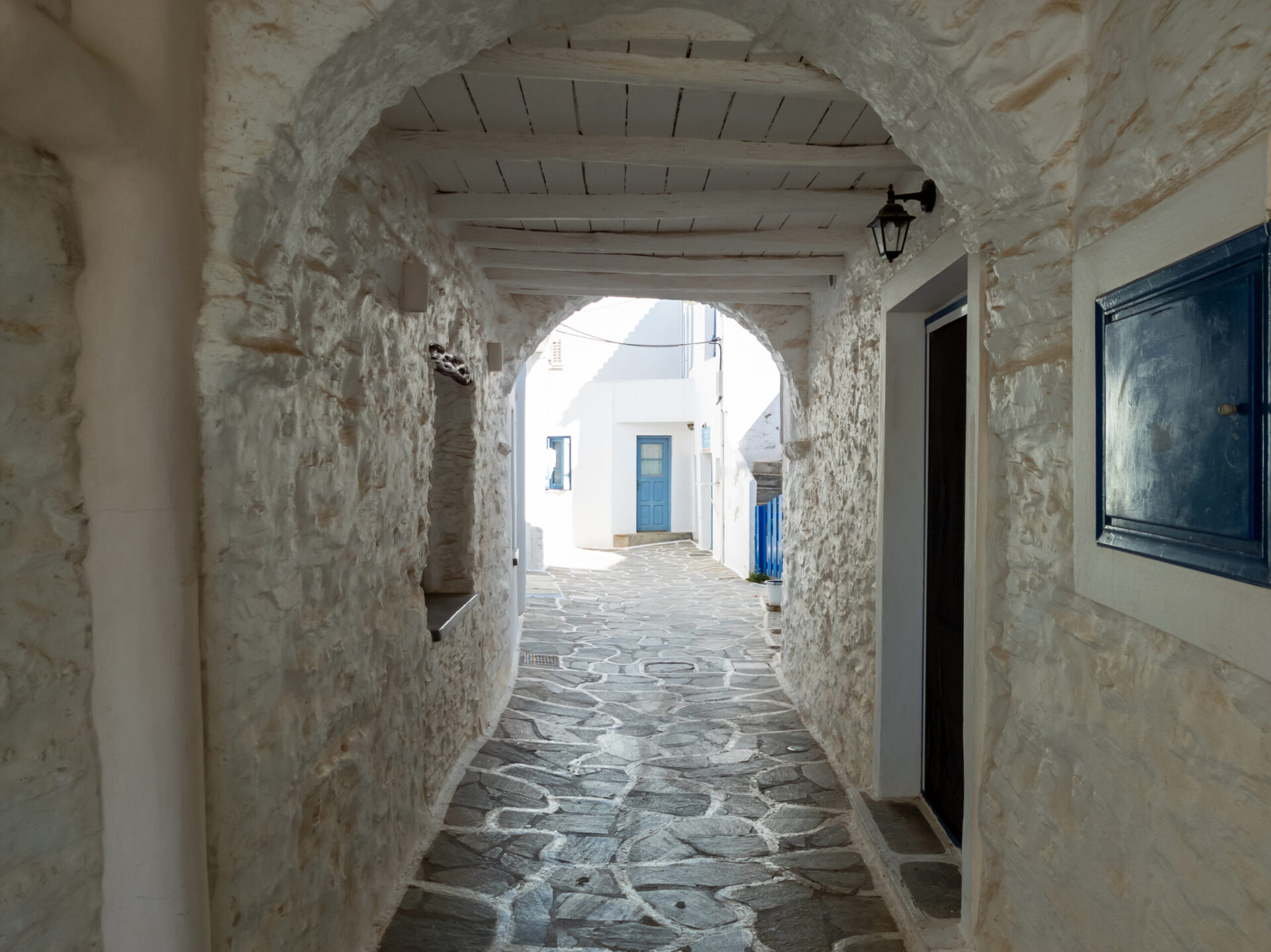
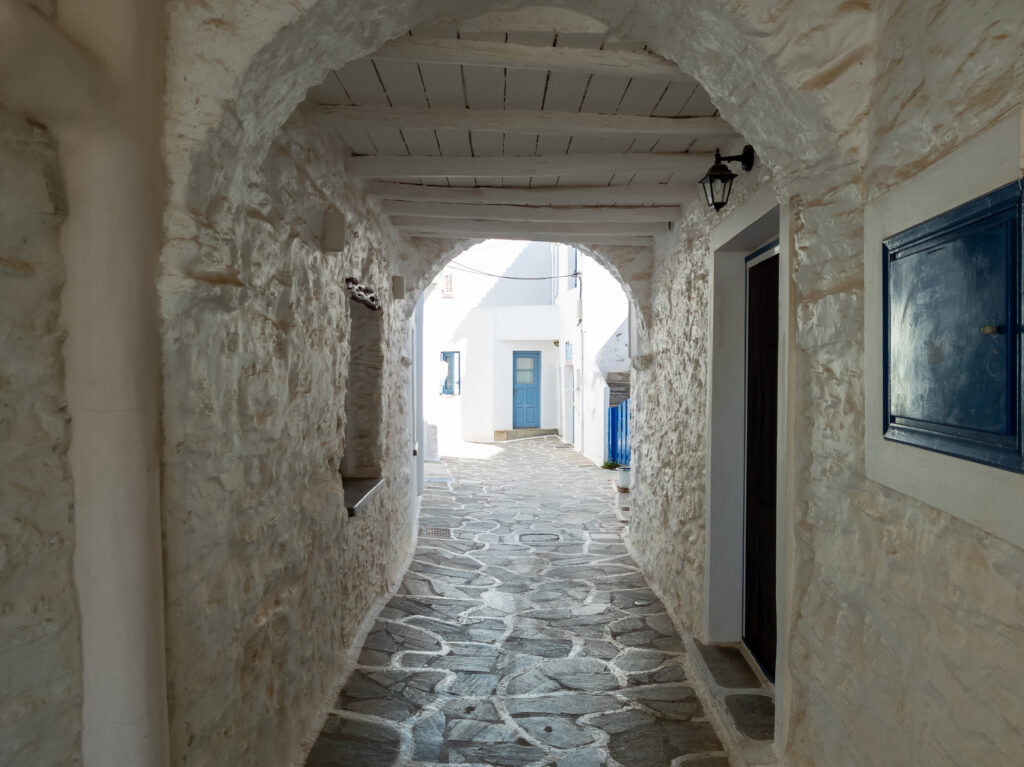
The island’s main village, Chorio, is composed of soft white houses, stone pathways, and layered histories, culminating in Messa Kastro, where homes are built around the remnants of a medieval fortress and everyday life continues without ceremony. There is nothing staged about the setting, just a lived-in elegance shaped by time, light, and wonderful locals.

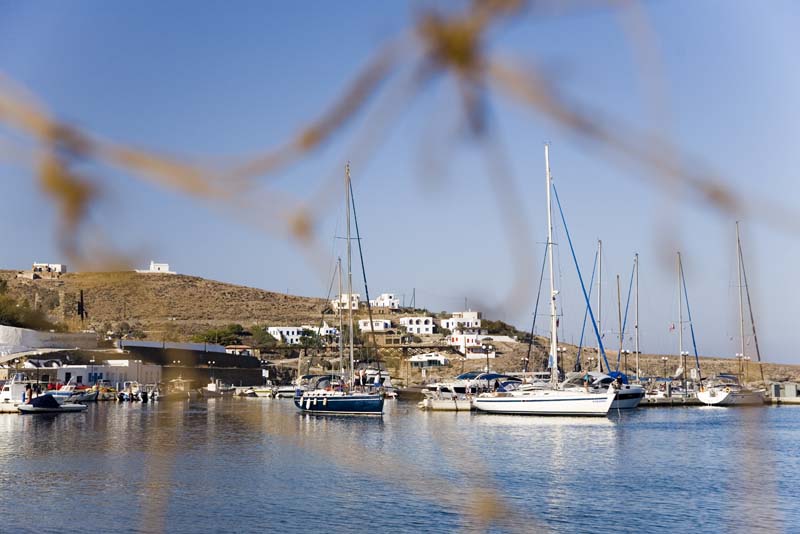
Along the coast, Kimolos reveals another side, with volcanic formations meeting clear, gently shifting waters and a shoreline featuring small coves and fishing harbours where brightly painted boats still define the landscape. Dining here is unpretentious yet deeply considered, with family-run tavernas serving dishes that reflect both season and sea, often prepared by the same hands that have cooked for the village for decades.

For those seeking an island that favours atmosphere, authenticity, and a certain understated grace, Kimolos feels less like a discovery and more like a place you were meant to find.

Sifnos

Long associated with good taste, this breathtaking Cycladic island has a way of making refinement feel simple, with food, design, and tradition woven seamlessly into everyday life. It attracts travellers who value depth and detail and are drawn by an atmosphere that feels natural and inviting.

Apollonia, the island’s capital, sets the tone with its cobbled lanes, blue-domed churches, and understated boutique hotels, creating a setting that is both elegant and timeless. As evening approaches, the village takes on a gently social energy, with tables filling along narrow cliffside streets and menus that balance creativity with tradition.

The island’s food culture is shaped by a long-standing respect for ingredients and technique, resulting in dishes that are simple in structure but rich in character, so it comes as no surprise that Sifnos is one of Greece’s most popular islands for foodies.

Beyond its culinary reputation, the island reveals another side, with walking paths linking villages, beaches defined by natural form rather than design, and hotels that favour intimacy and romance over scale. It is a destination that rewards those who love to explore, offering a version of the Cyclades that feels entirely its own.

Koufonisia

If you are looking for a Cycladic experience that feels both intimate and invigorating, Koufonissia is your island, as the landscape encourages movement and the sea is never far from view. Life here unfolds outdoors, shaped by coastal paths, open horizons, and a pace that feels perfect for a relaxing summer getaway.

From Chora, walking trails trace the island’s rugged edges towards Pano Meria, passing low stone walls, wind-shaped terrain, and viewpoints that open suddenly onto the Aegean. These routes are less about challenge than immersion, inviting slow exploration and rewarding those who prefer to experience an island on foot, with the itinerary for the day dictated by light and weather rather than set schedules.

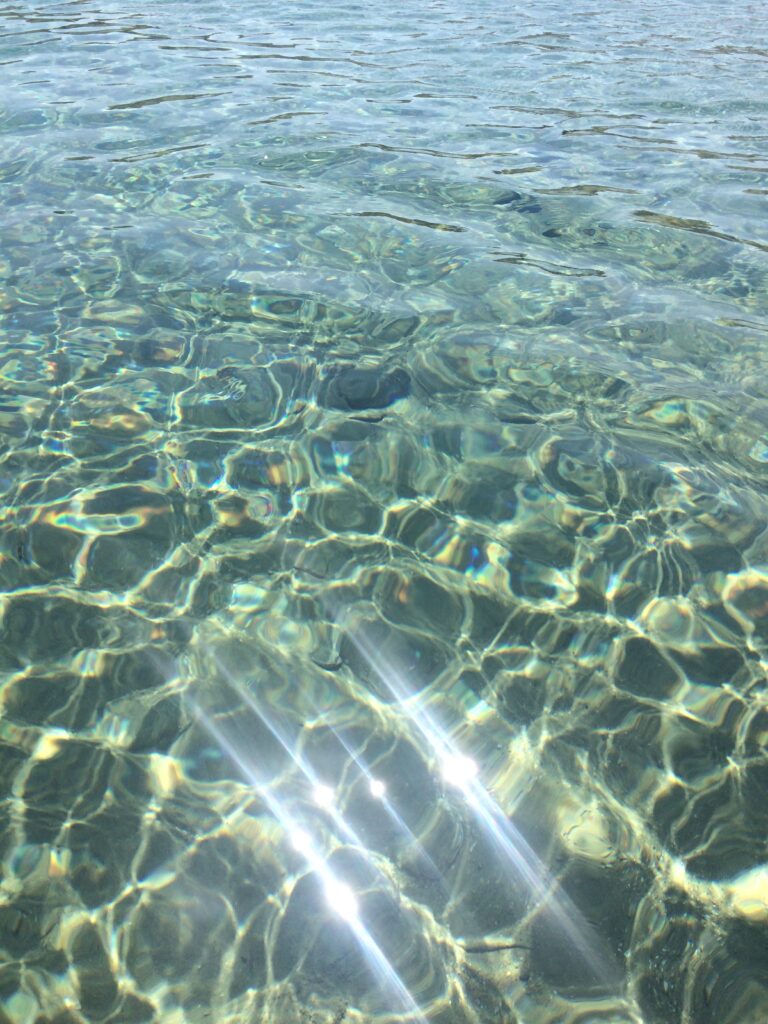
The water surrounding Koufonissia is among the clearest in the Cyclades, with reefs and rocky inlets creating ideal conditions for swimming, snorkelling, and long hours spent in the sea. Beaches such as Panagia and Detis are defined by pale sand and translucent shallows, encouraging long swims that stretch well into the afternoon.

As the day softens, the island reveals another layer, best experienced from the water, with small boats circling sea caves, hidden coves, and the tiny islets that frame the coastline. Evenings tend to be informal and casual, marked by sunset drinks by the sea and a sense of being pleasantly removed from anything unnecessary.

Folegandros

There is something cinematic about arriving on Folegandros, an island that feels suspended between land and sea, where daily life unfolds at a quiet pace and simplicity is treated as a must. It appeals to travellers who are drawn to raw beauty and those who appreciate places that reveal their magic without obvious persuasion.

Chora, the island’s dramatic capital, sits high above the Aegean and unfolds across a series of interconnected squares, each with its own character and vibe, where cafés, tavernas, and low-lit bars spill gently into the evening. Days here are shaped by long coffees, pleasant conversations, and slow walks through whitewashed lanes filled with churches and quiet corners that feel untouched by time.

Above the village, a winding path leads to the Church of Panagia, set on a commanding clifftop site that has long held spiritual significance, offering sweeping views across the sea and a sense of perspective.

When it comes to beaches, don’t expect long stretches of sand or organised rows of sunbeds, instead you will find clear, pebbled coves such as Katergo, Ambeli, and Livadaki, where the water is exceptionally clean and the mood perfectly chilled. Folegandros is not an island of abundance, but of intention, offering a Cycladic experience highlighting local island life and a bohemian edge that’s infectious.

Andros

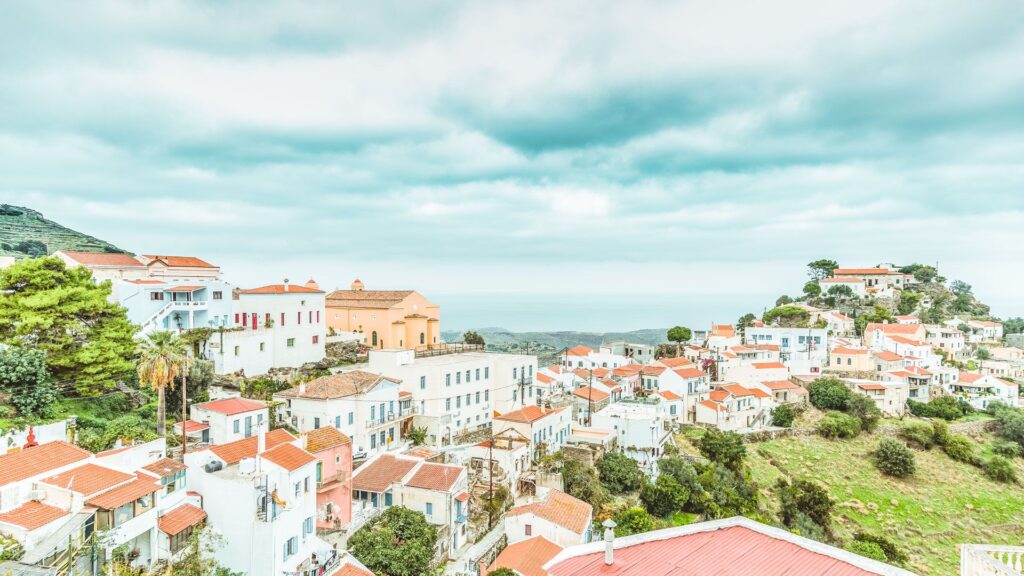
This is one of the Cyclades’ most multifaceted islands, where dramatic landscapes unfold far beyond the familiar white-and-blue coastal frame. Mountain ranges divide the land into distinct pockets of character, revealing lush valleys, freshwater springs, and stone-built villages that feel closer to mainland Greece than other islands nearby.

A network of well-marked walking paths weaves through the interior, connecting old settlements, monasteries, and hidden waterfalls, and making the island particularly appealing outside the peak summer months, when its cooler climate and green terrain come into their own. With so many villages to choose from, they are all filled with tavernas that lean towards seasonal, farm-driven cooking, often shaped by what is grown, foraged, or produced locally, reinforcing the island’s strong connection to land as well as sea.

The capital, Chora, carries an unexpected elegance, shaped by the island’s long maritime history and the legacy of influential shipping families who left behind neoclassical mansions, cultural institutions, and a sophisticated atmosphere. Marble-paved streets reveal small pleasures at every turn, from low-key bars and thoughtful dining spots to a charming open-air cinema.

The coastline is equally varied, with windswept northern beaches offering expansive stretches of sand and raw beauty, while the south presents calmer waters, relaxed beach bars, and traditional fish tavernas. Andros offers an island experience that feels layered, generous, and endlessly revealing, even after weeks of exploration.

Kythnos

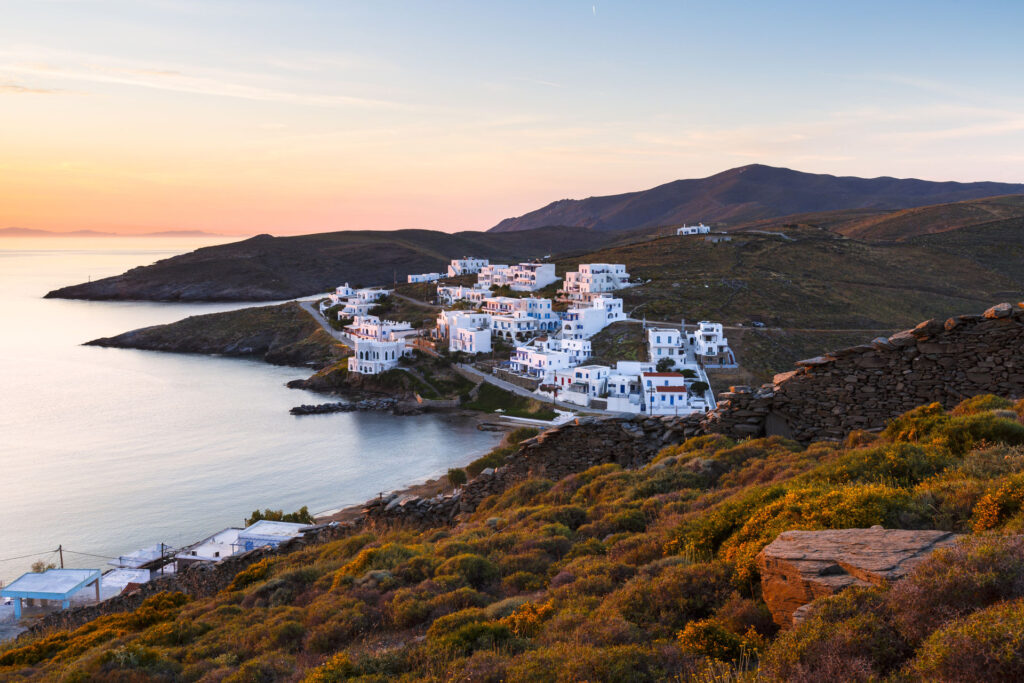
Despite its proximity to Athens, Kythnos remains one of the Cyclades’ most quietly lived-in islands, a place where summer unfolds at a pleasing pace and visitors blend easily into local life. The island has never positioned itself as a destination in the conventional sense, and this is precisely its appeal, with agriculture and fishing continuing to shape daily life long after the ferry departs.

Mesaria, the island’s modest capital, offers a glimpse into local rituals, with simple cafés, low-key tavernas, and an atmosphere that feels refreshingly uncurated. Time here is spent unhurriedly, often structured around the sea, conversation, and the slow passage of the day rather than ticking off lists. 

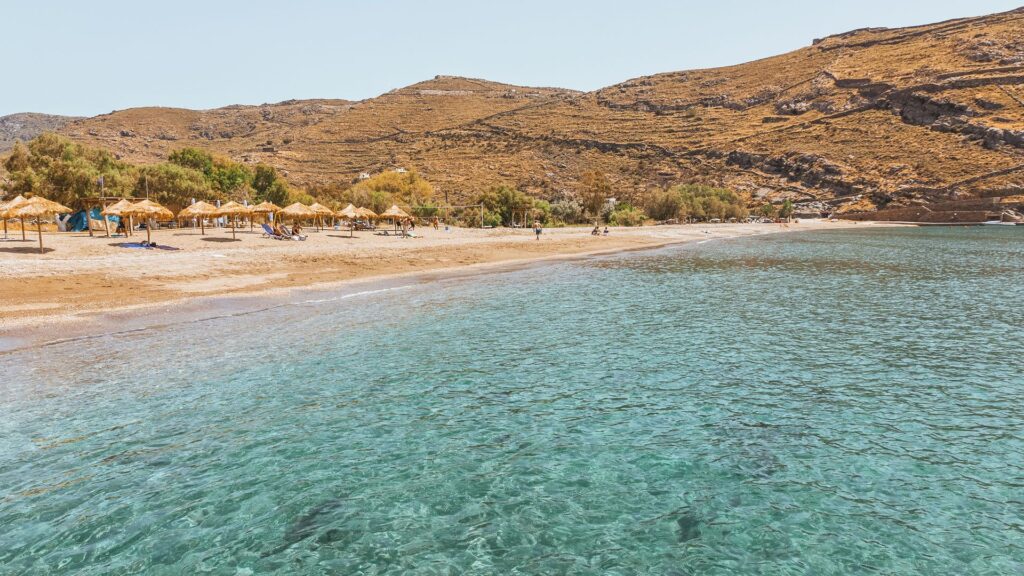
The coastline stretches generously, revealing an impressive variety of beaches that shift in mood depending on location and wind. Kolona is the island’s most recognisable natural formation, a narrow ribbon of sand linking Kythnos to a small islet, with clear water on both sides and a sense of openness that feels uniquely Cycladic. Elsewhere, beaches near the port offer a good, quick swim, while more remote spots in the south and west invite solitude and long, uninterrupted hours by the water.

In the north, Loutra introduces another dimension to the island, with naturally warm springs that have been used for centuries and continue to draw those seeking rest and restoration. Kythnos is an island of balance, offering a Cycladic experience that feels grounded, generous, and rewarding, especially for travellers who appreciate simplicity and authenticity over scene.

Cycladic Islands FAQ: Travel Tips for 2026

What is the best way to get to the Cycladic islands from Athens?

Most Cycladic islands are easily reached by ferry from Athens’ Piraeus or Rafina ports. Ferries range from high-speed options taking 2–4 hours to conventional ferries for a slower, scenic journey. Some islands, like Andros and Kythnos, are also accessible by short domestic flights from Athens International Airport. Booking early is recommended during the summer months.

When is the best time to visit the Cyclades?

The ideal window is May to early October. These months offer warm, sunny weather, lively villages, and more accessible hotels and tavernas. August can be crowded on popular islands, so for a more relaxed, authentic experience, plan for late spring or early autumn.

What should I know about the Cycladic winds?

The Cyclades are famous for the Meltemi, strong north winds that usually blow from mid-June through August. While they cool the islands during hot days, they can affect ferry schedules and some beaches. If you’re sailing, swimming, or sunbathing, check local forecasts and consider sheltered beaches when the wind is strong.

What should I not forget to pack for a trip to the Cyclades?

A hat, sunglasses, and sunscreen for sun protection. Comfortable walking shoes are essential for cobbled streets and village trails. A light jacket or shawl is useful for windy evenings, and snorkel gear for those who love divining into the water. 

Main image by Polina Paraskevopoulou ©


All brands are carefully handpicked by our editors. We may earn a commission if you purchase through affiliate links on our site.

Best Greek Island Day Trips from Athens

We’ve rounded up our top five Greek Island day trips from Athens for 2024!  

The allure of Athens is undeniable. Filled with history, culture, and culinary delights on every corner, you could easily spend weeks in the capital and still have lots more to explore. But for those searching for a quick Greek island escape, there are several options easily accessible by ferry. 

So whether you’re looking for a memorable day trip or the next destination to continue your SS24 Greece holiday, these spots are all within two hours of Athens. 
Hydra

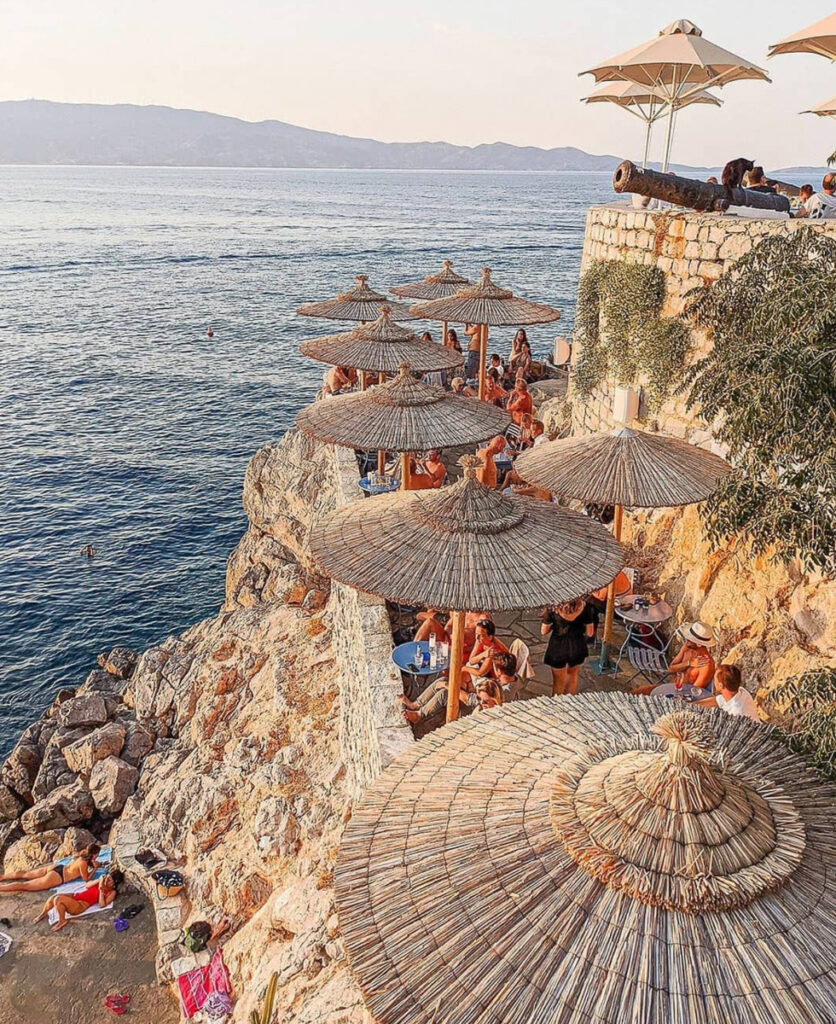
If you want to spend some time in a cosmopolitan and chic setting, Hydra is the perfect choice. Known for its vibrant arts scene, the island attracts artists, designers, writers, and musicians from all around the world. Think striking stone-built houses, quaint narrow cobblestone streets, secluded coves, and a rugged coastline perfect for a quick dip! Visitors can also spend the day exploring the town’s beautiful waterfront promenade while enjoying some fresh seafood and local wine at one of the many restaurants or all-day bars.

Ferry tips: Ferries to Hydra from Athens depart from the port of Piraeus and take around 1.5 hours with high-speed services. 
Andros

If you’d like to explore a more authentic side of the Cycladic islands, Andros is the ideal place! Featuring stunning beaches, secluded waterfalls, and picturesque villages, it’s an ideal location for swimming, hiking, and eating! Keep in mind it’s a huge island (the second largest of the Cyclades), so if you are only planning on spending a day, we recommend you head straight to the Chora where you can explore the neoclassical mansions, museums, cafes, restaurants and bakeries. Neiborio Beach is located on the left side of town just a few metres from the main street – so you can easily fit in a swim before departing! 

Ferry tips: Ferries from Athens to Andros depart from Rafina Port and take around 1 hour with the high-speed services.
Kea

If you love rugged landscapes and a relaxed atmosphere, Kea should be at the top of your list! Retaining its authentic charm, Kea is the closest Cycladic island to Athens and one of the most popular among locals looking for a quick island escape. Spend the day enjoying local cuisine and the island’s lovely delicacies, then make your way over to Sikamia beach for a refreshing swim before catching the sunset at the main town of Ioulida, which overlooks the Aegean. 

Ferry tips: Ferries to Kea from Athens depart from the port of Lavio and take around 1 hour. 
Aegina

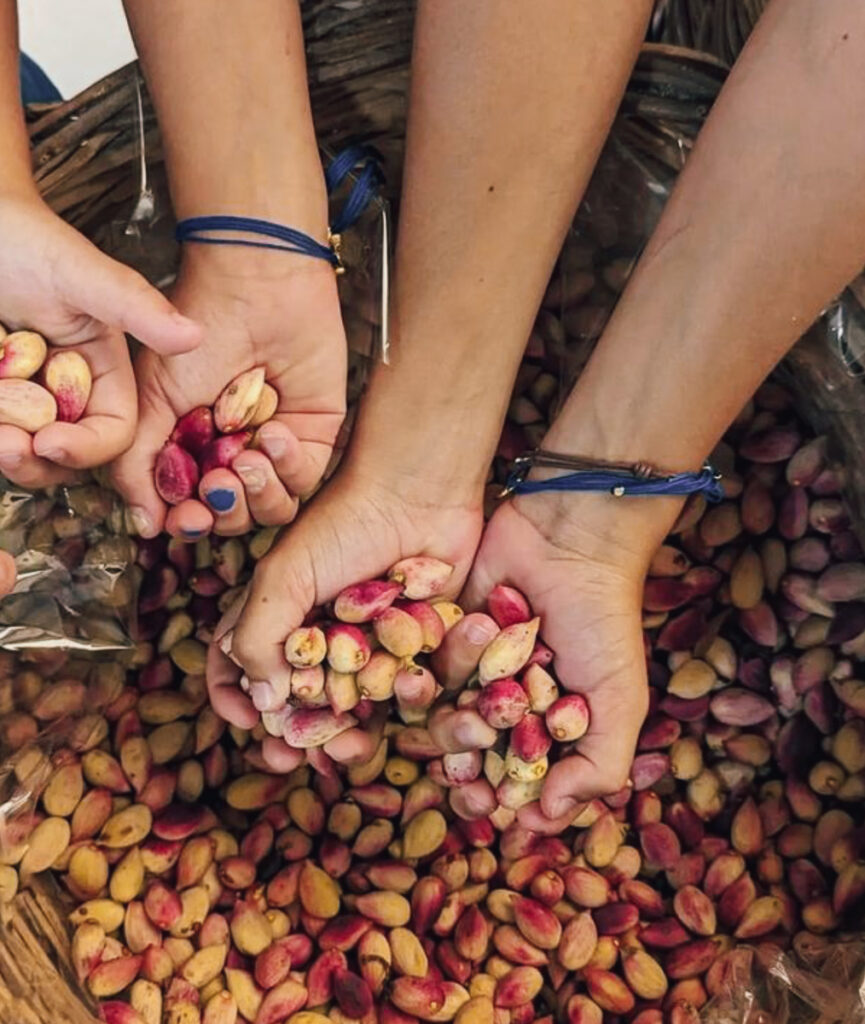
With up to 30 ferries crossing per day from Athens to Aegina, this is by far one of the most popular day trips from the capital! Aegina is ideal for those looking for a jam-packed day filled with good food, great swimming, and impressive ancient monuments along the way. Known for its wonderful landscapes and traditional villages, Aegina is also home to the sanctuary of Aphaia, one of the best-preserved ancient temples in Greece, which offers breathtaking views of the entire island. And don’t leave before you get your hands on some of the locally grown pistachios – known as some of the best in the world! 

Ferry tips: The ferry from Athens to Aegina leaves from the port of Piraeus and takes around 40 minutes on the high-speed ferry. 
Kythnos

Slowly becoming more and more well-known thanks to its beautiful beaches, impressive hiking trails, and relaxing atmosphere, Kythnos is a great island to explore traditional Cycladic architecture, Byzantine churches, and cobblestoned alleyways that are perfect for an afternoon stroll. Make sure you swim at Kolona or Agios Sostis Beach before heading over to the Castle of Oria where you can take in the stunning views of the Aegean Sea! And also try some of the local seafood – it’s as fresh as it gets! 

Ferry tips: Travel from Athens to Kythnos by ferry from the port of Piraeus or Lavrio – the high-speed ferries will get you there in around 1.5 hours. 

Featured Image Courtesy of YFES Kythnos
The “Other Cyclades”: Kea and Kythnos

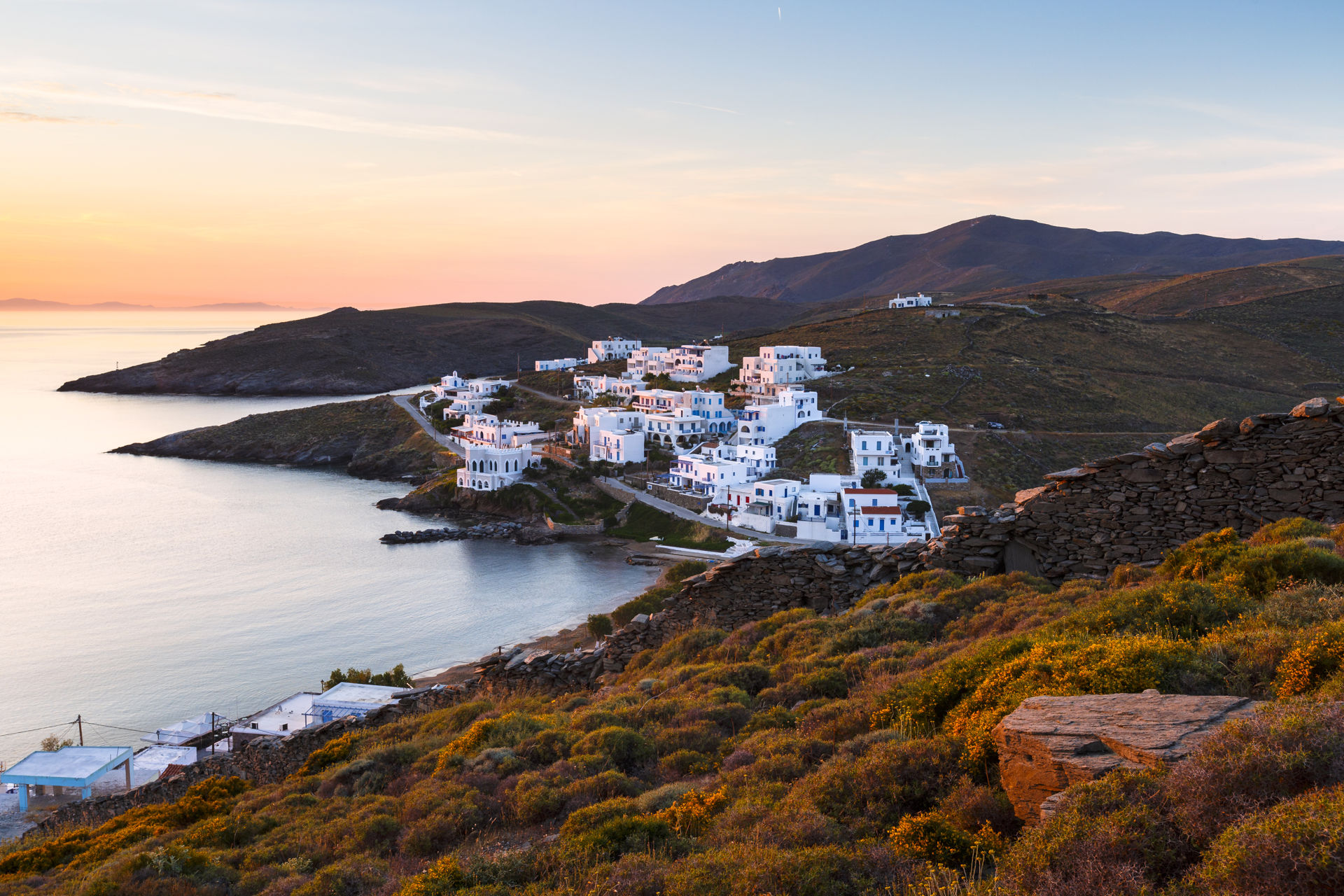
Take a break from Mykonos, Santorini and Paros, and take in the must-see spots of Kea and Kythnos- two Cycladic islands that have long been favoured holiday escapes for Greek locals in-the-know.  

Stop 1: Kea

An hour’s ferry ride from Athens’ Lavrio port, Kea’s rugged, rocky terrain is in stark contrast to its sparkling blue Aegean waters. The most popular beaches on the island Koundouros and Koundouraki boast incredibly inviting pristine waters that will keep you going back in for more. The beaches of Spathi and Xyla subscribe to the saying that “nothing good ever comes easy”, and are well worth the 10-15 minutes of bumpy dirt track to get there. Most beaches on Kea offer sunbeds at around 20-25 € per set, but also have plenty of space for those with their own umbrellas.

The ancient archaeological site of Karthaia is located on the southeastern side of the island and can be accessed via a 45 min rocky walking path. The walk is rewarded by impressive ancient acropolis remains, perched rather majestically on the sea and makes for the perfect post-hike swim. Mythology says that the Lion of Kea (located near the town of Ioulida) was created by Zeus in response to the pleas of the island locals who were troubled by the muses. The lion’s impressively lifelike features make it worth visiting, particularly in the early evening when the summer sun is a little more forgiving. 

All this swimming and hiking will no doubt work up an appetite, and Filippas psistaria in Korrisia is known for the best grilled meat on the island (try their lamb paidakia)9 Kores sits on the small beach of Vourkari and offers excellent fresh seafood (try their mussels steamed in wine). Steki tou Kalofagadon in Ioulida is your quintessential taverna with an excellent array of traditional cooked dishes like mince-stuffed zucchini topped with avgolemono sauce.

Stop 2: Kythnos

After a blissful few days on Kea, jump on the one-hour ferry ride to nearby Kythnos. While you’ll probably never get to see all of Kythnos’ 99 beaches, Kolona beach is its crowning beauty and a hot favourite of the super yacht crowd (insider tip: due to its open landscape, Kolona is best visited on a low-wind day). After deciding which side of the sand bar you’ll rest on, take a dip in the crystal waters and then make your way up to the church for a birds-eye view of Kolona in all its glory. Nearby Apokrousi beach is another stunner, while the seaside town of Kanala is a sweet little spot for a quiet afternoon dip. Hamsa beach bar is located near the port and offers a relaxing all-day beach bar experience.

The small town of Dryopida and its characteristic sokakia are lined with tiny cafes and restaurants and make for a lovely morning stroll. While there, step into the folklore museum, which is a beautifully restored traditional home of Kythnos.

Chora is where the island gathers in the evening and has no shortage of food and drink options. To Steki tou Ntetzi will scratch your Greek taverna itch with excellent grilled meats (try their pork kontosouvli) while Margiora offers a modern take on Greek food (try the watermelon and beetroot salad) with an exciting cocktail list and range of Greek wines.

Explore Kythnos Like a Local

Welcome to Kythnos! Not sure how I can describe in a few hundred words an authentic Greek island, its beauties, its tastes and smells but also all the other senses it engages you with- from the moment the boat door opens and you inhale an aroma mixture of thyme, fennel, sage with salt and sea air- but I will try to convey all the love I have for this place, through the following.

By Julia Vagiani 

The island is only accessible by two ferry routes. One from Piraeus which takes about three hours, and another from Lavrion port which is less than two hours. You can also visit Kythnos direct from other nearby islands in the Cyclades. The closest airport is Athens, which is only 30 minutes from Lavrion port. Of course, you can rent a yacht or a speed boat, even a helicopter if your budget allows since there is a helidrome on the island.

Kythnos has come under the spotlight over the last few years, thanks to the advantages of proximity, natural quiet beaches, relaxing landscape, and picturesque villages. 

Where to Stay

The accommodation proposals are still growing due to the popularity of the island and it strives to provide availability in the high season months but also over time for all budgets. Prices and offerings range from traditional houseshotelssuites, and villas, or private studios and apartment rooms- there really is a wide range to choose from.

What to Do

Activities are developing and visitors are able to go kayaking, do yoga on the beach or in private, go island hopping with speed boats or sail around the island with a yacht, enjoy some hikingscuba, snorkelling, or take pottery classes.

Where to Swim

Kythnos has approximately 100 beaches formed like a surrounding lace that creates shores, coves, bays and hidden tiny beaches that can be explored- from organised with beach bars to literally tranquil “deserted feel like” points, that can’t be seen from above. Others are accessible by car, some by boat or by foot, from white irregular pebbles, crispy sand with tamarisk trees to cast a shadow or totally bare for those who can’t get enough of the Greek sun!

Just the view of the rocky surrounding, the sun peeking through, the whiter whites, the browns and greys, glowing metallic blue, crystal clear transparent turquoise blue waters, one can find at least one beach to call his favourite. The most famous beach on the island, Kolona, which took its name from the shape of the wide sand beach that divides the sea in two and connects the island with the island of Agios Loukas, is crowded with boats that visit from spring to autumn; it remains as a highlight attraction.  

Apokrousi beach is one of the longest beaches with armirikia (tamarisk) trees that offer shade, a couple of beach bars one on the side and another in the middle of the beach, and two tavernas to serve your appetite if you decide to stay all the way till the mesmerizing sunset. The road allows access for all types of cars and motorcycles and that makes it very attractive, especially for the last swim before you catch the return ferry!

Where to Eat

Bars & cafes are in every town the island has from your arrival at the port, going to Chora café bar or brunch, or arriving at Loutra, try having a café on the beach or a delicious waffle with ice cream. 

Eating on the island is an exploration in itself. From having breakfast at traditional kafenio (coffee shop) eating pies (cheese pie with fresh eggs, local cheese and fennel) and kolopi (horta/green vegetable pie), buy handmade pasteli (sesame and honey-sweet) and amigdalota (soft, rose-scented almond cookies) to delicious desserts, fresh fish, Mediterranean seafood, traditional taverns with handmade products of their own production and breeding, to the most modern restaurants with gastronomic and gourmet suggestions, Kythnos covers all tastes!

Not to be missed, the delicious taste of local lemon juice pork, the remarkably unforgettable red sauce goat, ambelofasoula (green long been salad) which you could sense the chlorophyll tingling your mouth, (saliagous) snails cooked in onion red sauce, a plate of the famous sfougato a kind of small cheese ball croquette made with local cream cheese – and of course the caparosalata (caper salad mash) a mouthful of gourmet in its most simple form!

What to See 

Visit Panagia (Holy Mother) Kanala church, which is the patron saint of Kythnos to worship, light a candle in her icon which is considered miraculous and admire the temple and the location. Other churches and chapels can be visited, especially if your visit falls on a celebration of a saint and the local panigiri (festivity) it’s worth going and mixing with the locals, to enjoy the traditional music, dances, food and wine offered.

Katafiki cave is believed to be one of the biggest caves in Greece and was first encountered in the 1830s. It has unique and interesting stalagmites and rock formations. Till 1939, it was used as an iron mine and locals used it to keep food cool, but also as a place of gathering and celebrations. Located in Driopida, it’s worth visiting if you find it open to the public.

In Chora, you will find the Folklore Museum, in a traditional house with an extensive collection of the traditional setting of how households, clothes, furniture and significant folk-art objects. The exhibits provide an idea of life in the past and have historical significance.

Buy your gifts to take back home to your friends from handmade wood art objects, to sublime cosmetics or buy a jar of local thyme honey and other gifts, but most important take back the calm and rest you have captured, tell your friends about Kythnos, show off your amazing tan and those pictures you took!

For more information and details about the island head to Your Kythnos  

Images by Julia Vagiani ©