Greece rarely works as a single-stop trip. Athens warrants several days, while the islands draw travellers out to sea. Then there’s the mainland, where mountain roads and archaeological sites sit far from ferry ports.
Combining them makes sense, but only if the route is realistic. Long transfer days can eat into time quickly, especially in summer when queues build at ports and popular ruins.
A well-planned multi-stop trip to Greece should flow geographically: start in Athens, move north or south on the mainland, then cross to the islands in a logical sequence.
Boutique Rentals and Urban History in Athens
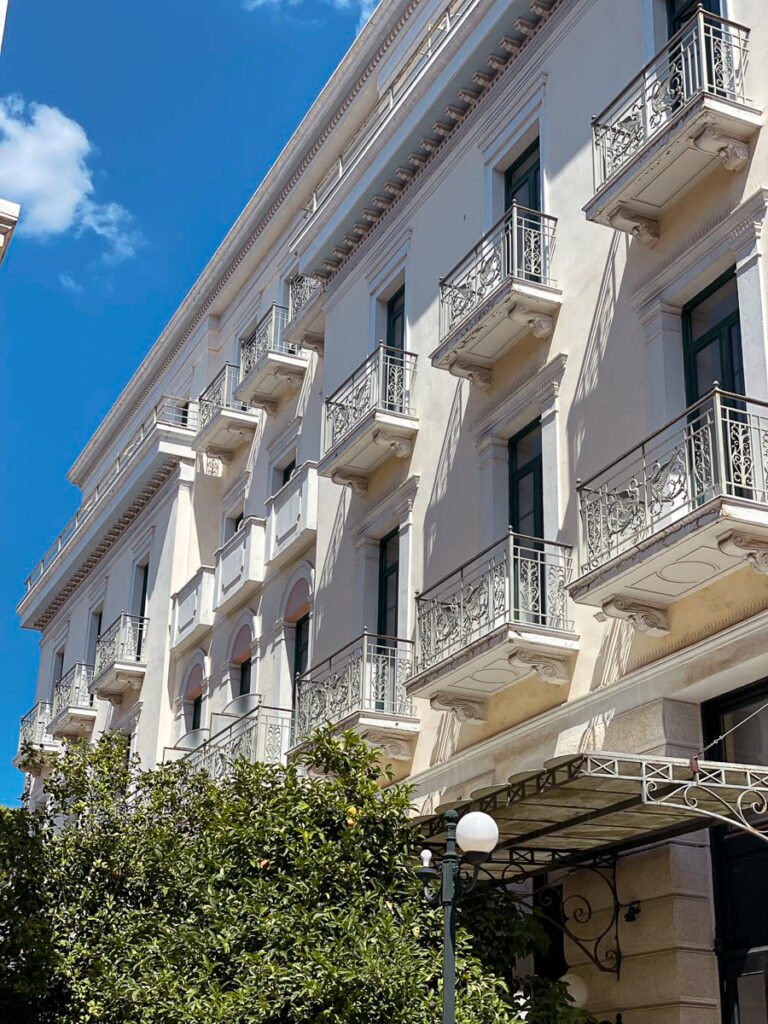
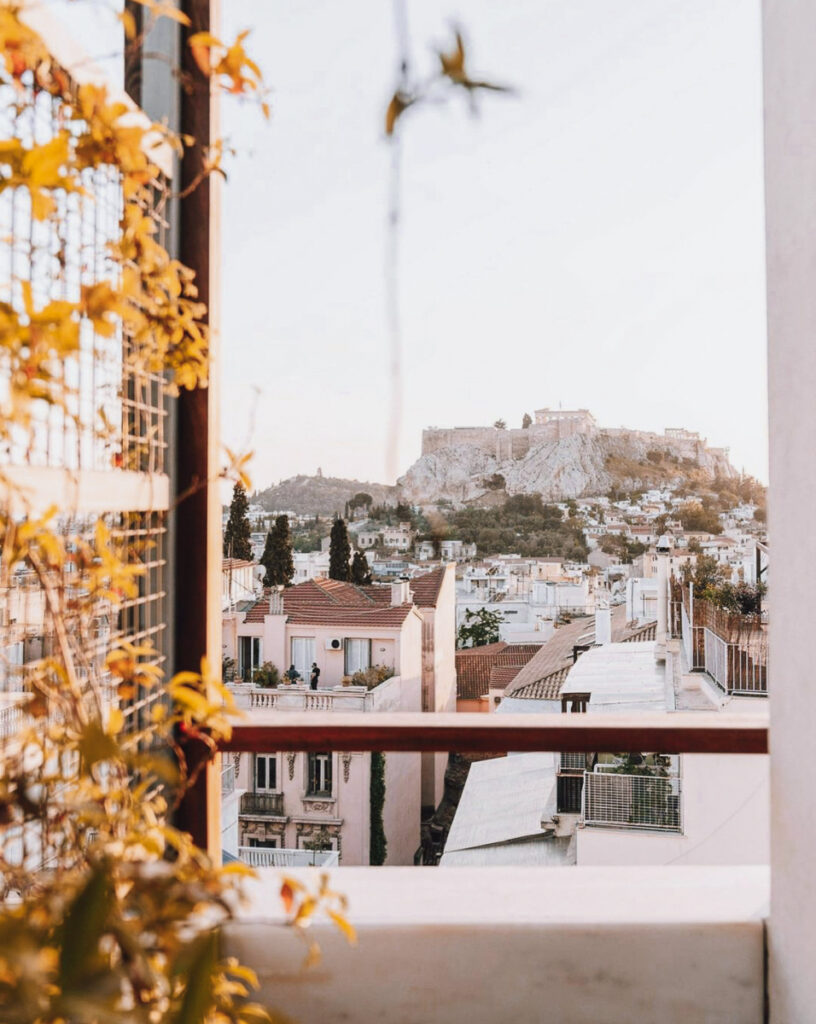
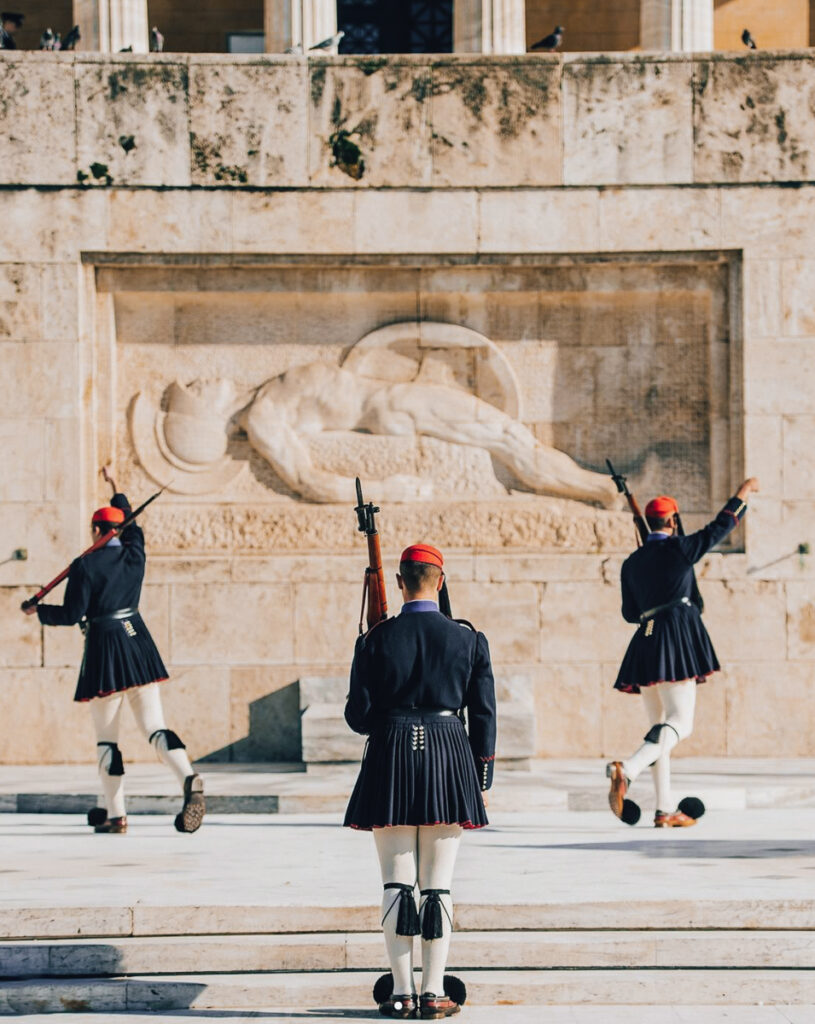
Athens is more than just a gateway airport; it’s where the itinerary needs to anchor itself. Most visitors base themselves near Syntagma, Plaka, or Koukaki, which makes sense for a first visit. From Syntagma Square, it’s an easy walk down Ermou Street to Monastiraki, passing street musicians and the constant shuffle of shoppers. An early visit to the Acropolis is advisable. By 10 am, lines for the Parthenon lengthen, and temperatures rise. Entry at opening time avoids both.
Plaka’s narrow lanes fill quickly with tour groups, especially around Adrianou Street. A short climb into Anafiotika, tucked beneath the Acropolis rock, offers a quieter detour. Whitewashed houses and tight stairways feel almost island-like. For better food options, head beyond the immediate perimeter of Monastiraki Square.
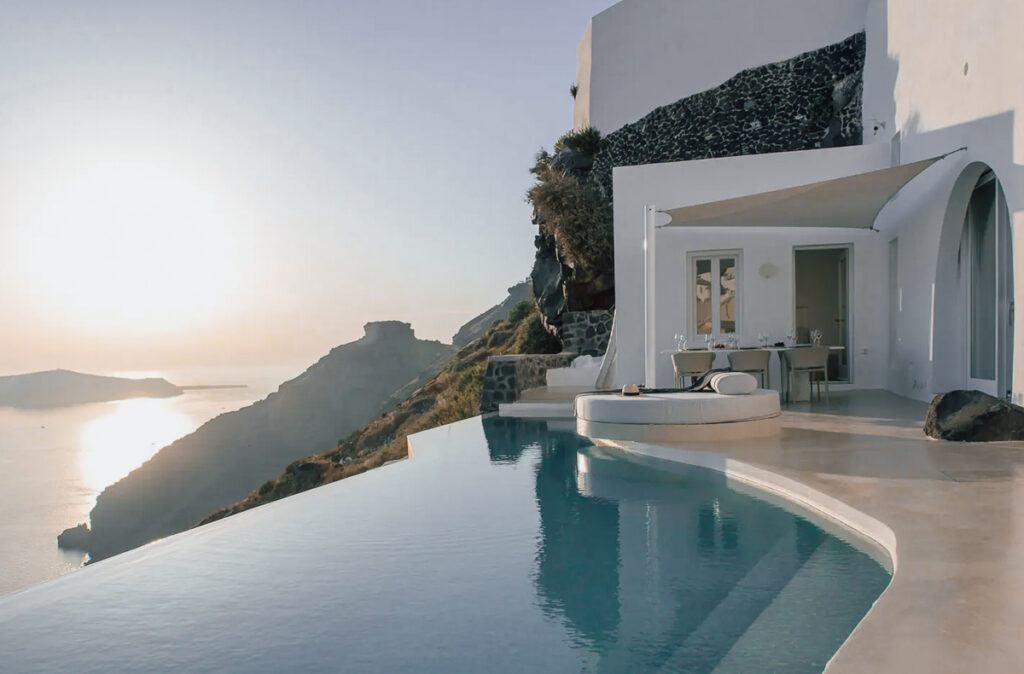
Accommodation shapes the experience. Instead of standard hotels, many travellers choose to stay in private holiday villas in Greece, particularly when beginning or ending a group itinerary in Athens. Properties in neighbourhoods such as Mets or Pangrati provide additional space while remaining within easy taxi distance of the centre. Once the Acropolis Museum and Ancient Agora are covered, travel north towards Delphi by car or organised transfer, a journey of around two and a half hours.
Ancient Ruins and Mountainous Landscapes in Delphi
The road to Delphi climbs steadily through central Greece. Olive groves begin to thicken as Mount Parnassus comes into view. Delphi itself sits above a valley that drops towards the Gulf of Corinth. The archaeological site is layered into the hillside, which means visitors walk uphill past the Treasury of the Athenians and on towards the Temple of Apollo. Proper footwear is recommended, as stone surfaces can be slick.
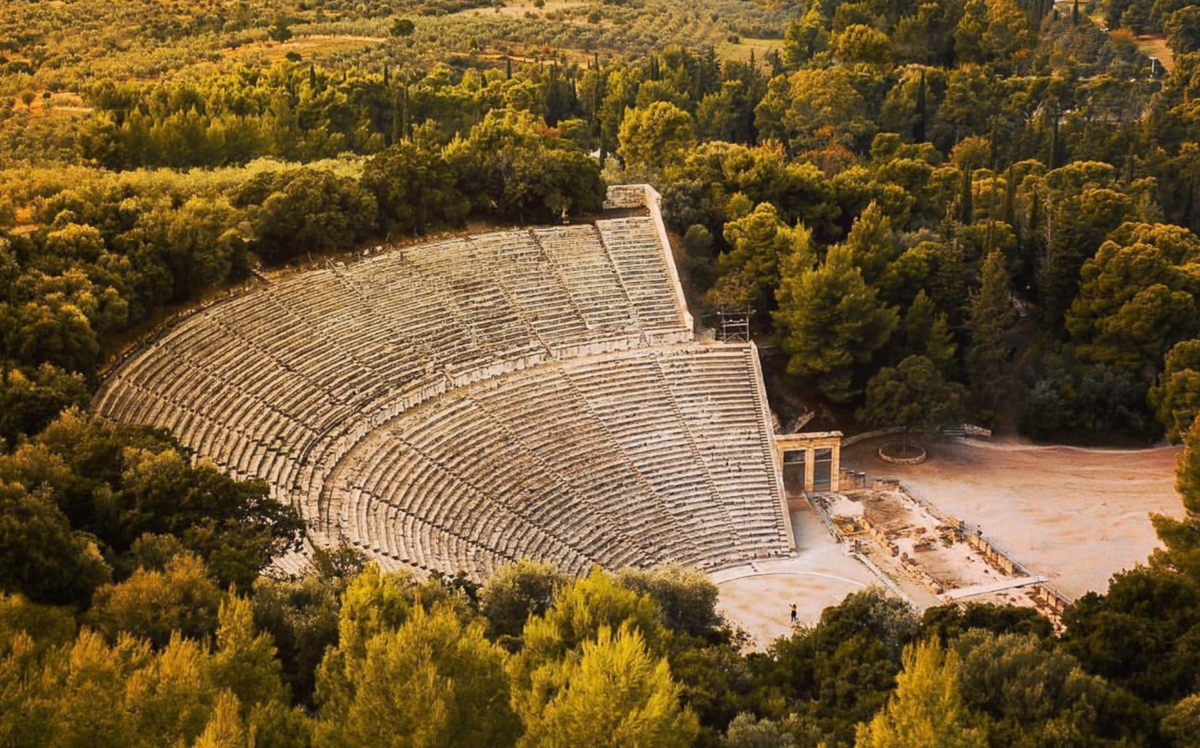
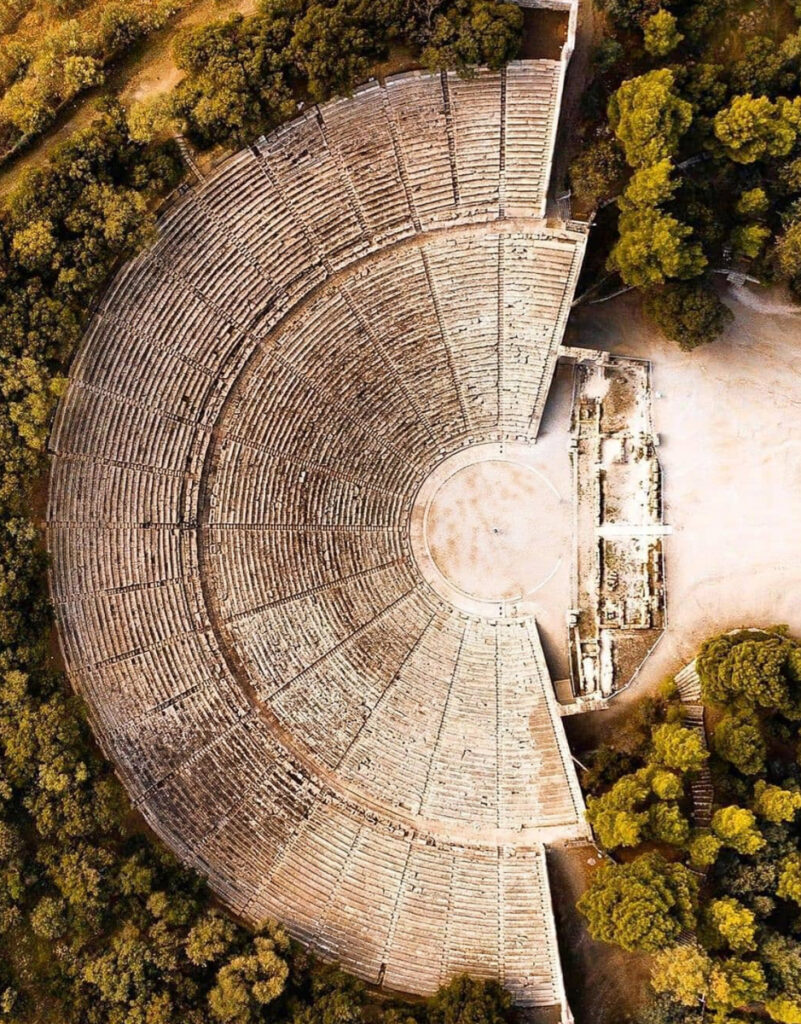
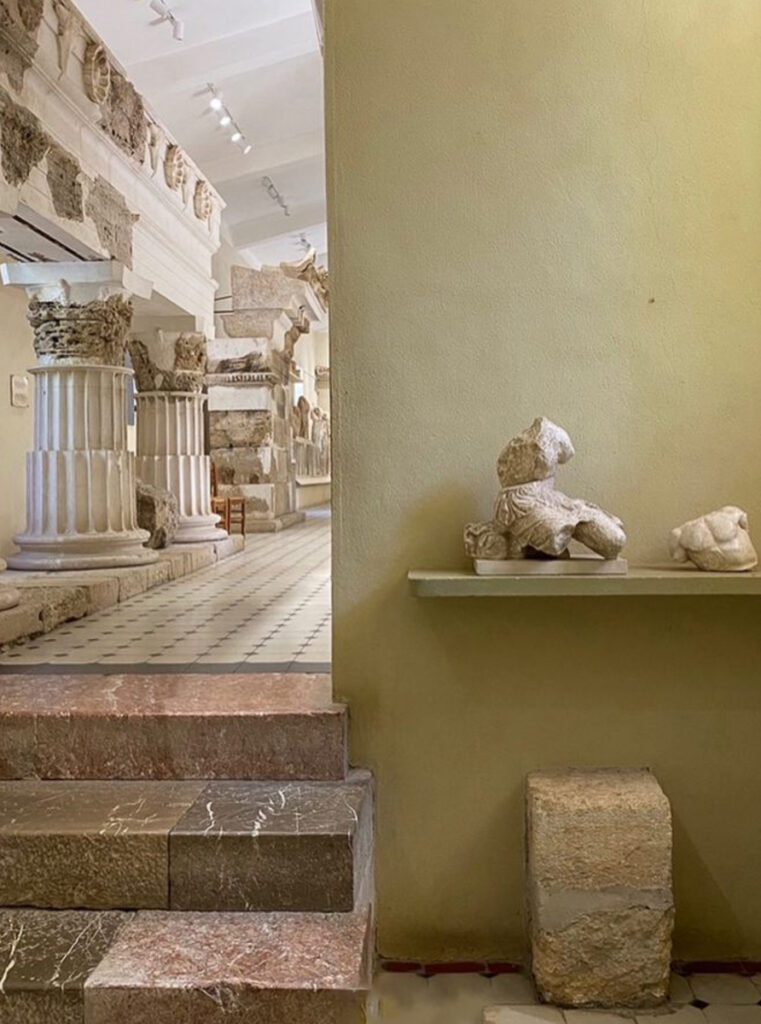
Arriving early helps here, too. Coaches tend to reach the site mid-morning. The theatre, positioned high above the sanctuary, offers a wide view across the valley and usually fewer people once the initial rush settles. The museum next door is worth lingering over, especially for the Charioteer of Delphi, which many visitors rush past.
Many travellers base themselves in the small modern town below the site or in nearby Arachova. The latter, perched higher in the mountains, has stone houses and narrow streets that feel distinctly different from the islands. From Delphi, the route can swing back towards Athens to connect with a ferry from Piraeus, or continue west towards the Peloponnese depending on how ambitious the itinerary is. For multi-island itineraries, routing back through Athens streamlines logistics.
High-Speed Ferries and Iconic Sunsets in Santorini
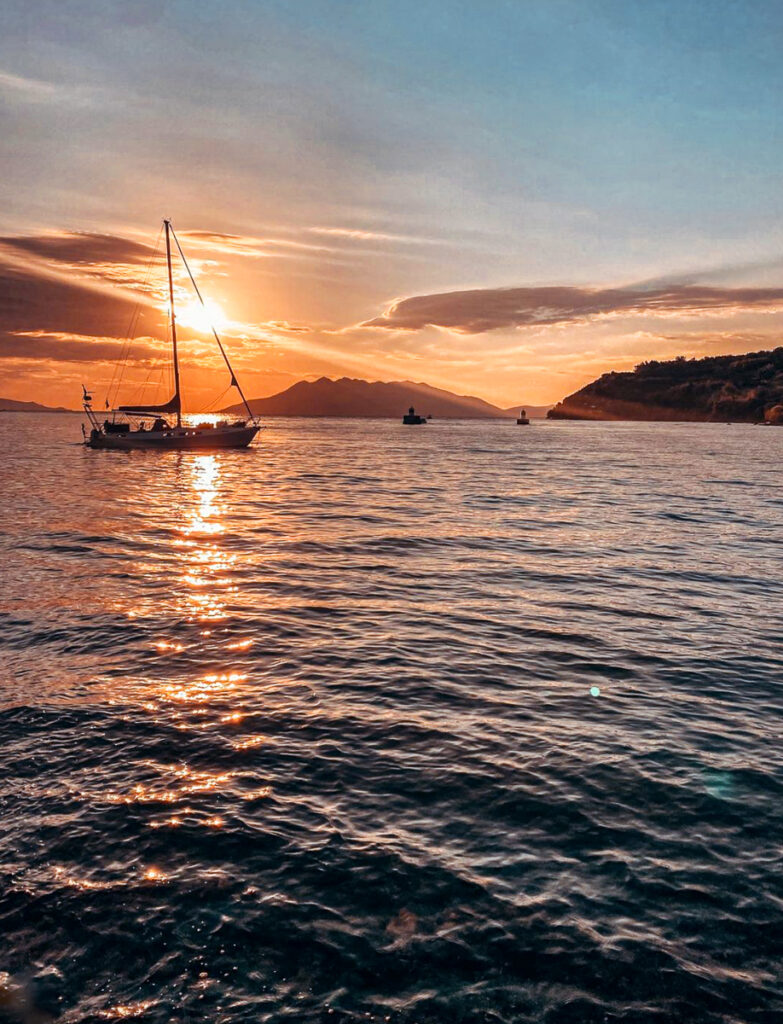
Piraeus port is busy in the summer. Arriving at least an hour before departure avoids last-minute stress, especially with luggage. High-speed ferries to Santorini take around five hours, though conditions can make the crossing choppy. Seats are airline-style and assigned, so there’s less chance of standing than many expect.
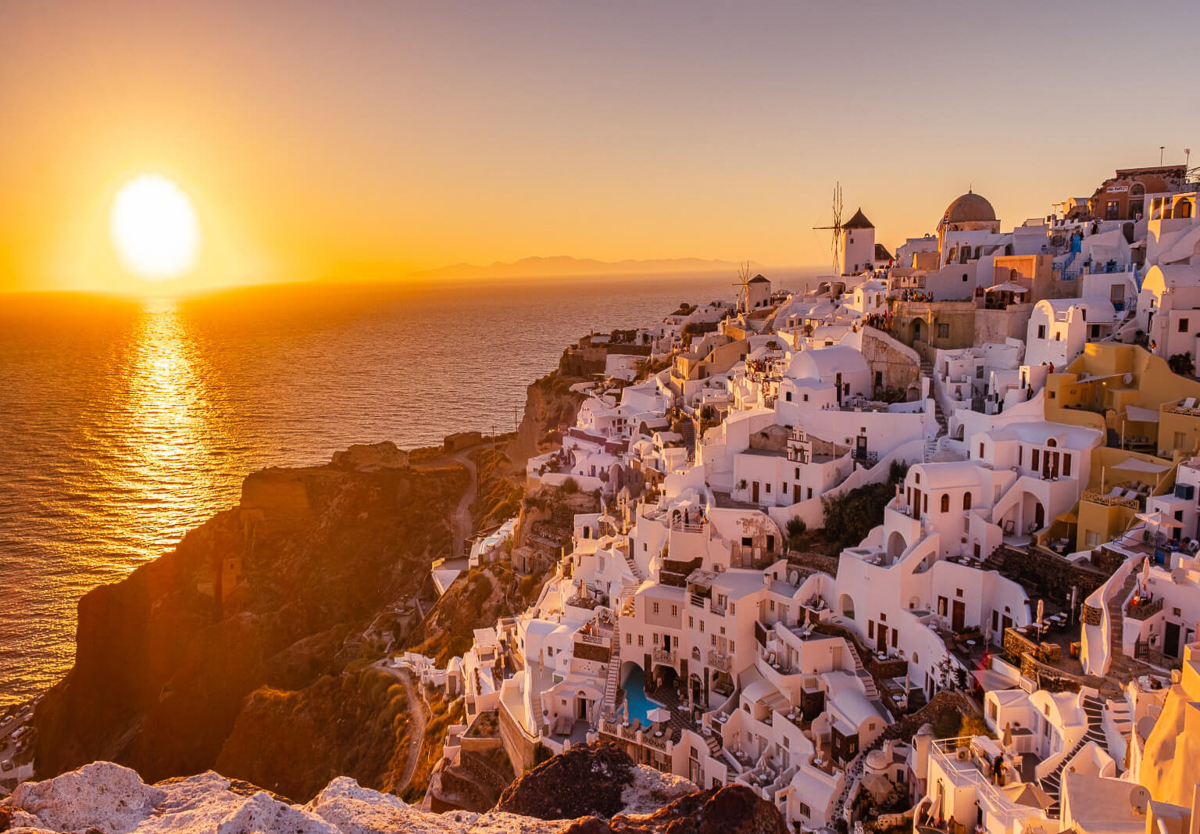
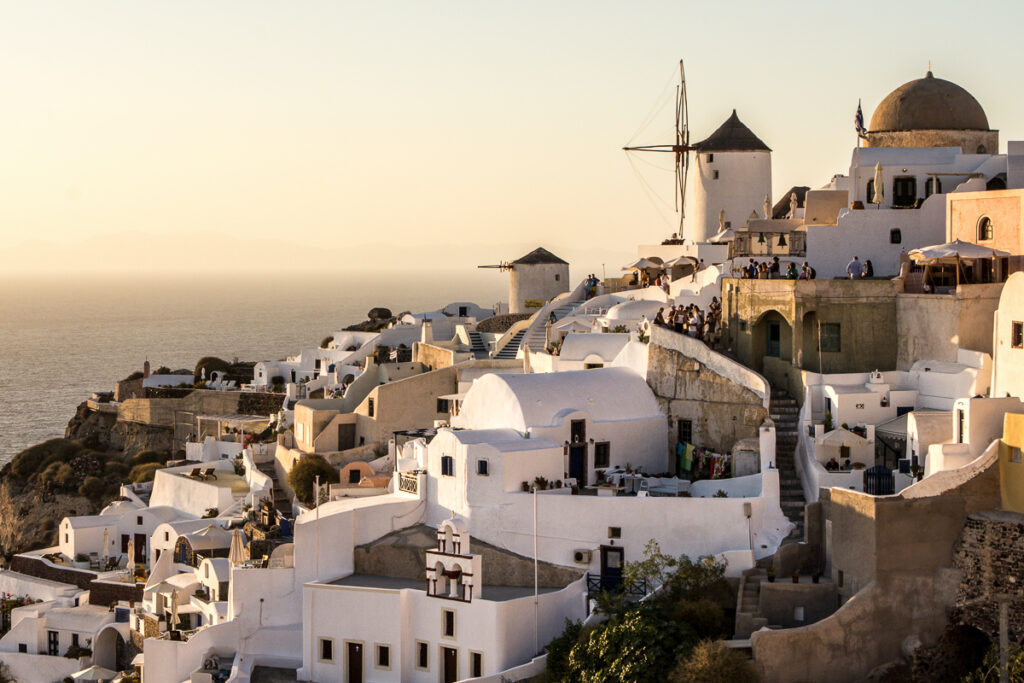
Santorini’s first impression is the caldera edge above Fira. White buildings stack vertically, and cruise ship passengers pour into the lanes by late morning. Staying just outside Fira or in Imerovigli offers easier access without constant foot traffic. The cliff path walk from Fira to Oia takes approximately three hours. An early start helps avoid heat and congestion near Oia, where the route narrows.
Sunset in Oia draws serious crowds. By 6 pm, viewing spots along the castle ruins are shoulder-to-shoulder. Walking a little further along the path towards quieter stretches gives a clearer view without standing in a tight pack. Santorini works best as a two- or three-night stop before continuing by ferry to Naxos. The journey is short, often under two hours, and connections are frequent in peak season.
Traditional Villages and Emerald Waters in Naxos
Naxos has a more grounded character than Santorini. The ferry docks beside the Portara, the monumental marble doorway that stands alone on a small islet. Crossing over at sunset is typically busy but rarely chaotic. Chora, the main town, is built around a Venetian kastro. When it’s time to eat, head towards the residential streets for more traditional menus and fewer day-trippers.
Hiring a small car for a day opens up the interior. Villages like Apiranthos sit in the hills, built with stone and narrow passages. The drive passes olive groves and grazing goats. On the coast, Agios Prokopios and Agia Anna offer long stretches of sand with clear water. Even in August, there’s space to spread out if visitors walk a little further from the main access points.
From Naxos, flights back to Athens are short, around 40 minutes, and often easier than returning by ferry if onward international travel is involved. Alternatively, continuing west to Crete by ferry links the Cyclades with a larger island experience.
Venetian Architecture and Coastal Charm in Chania
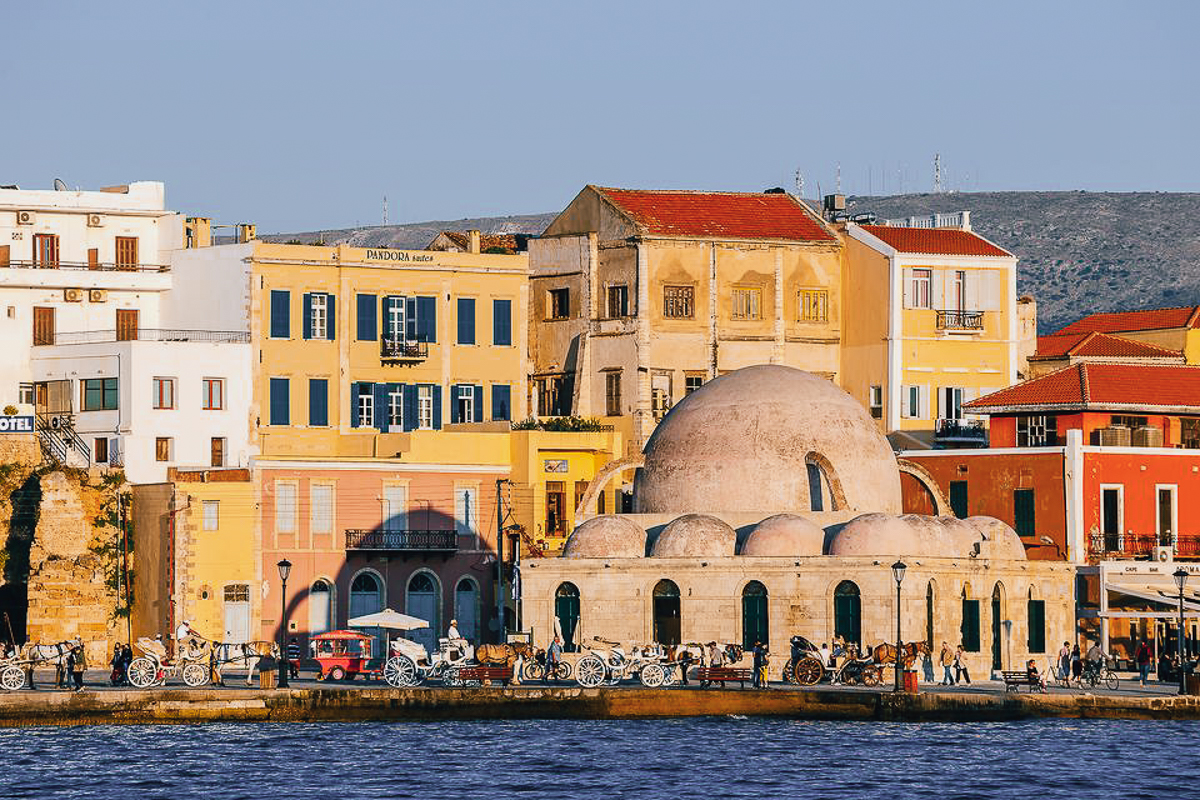
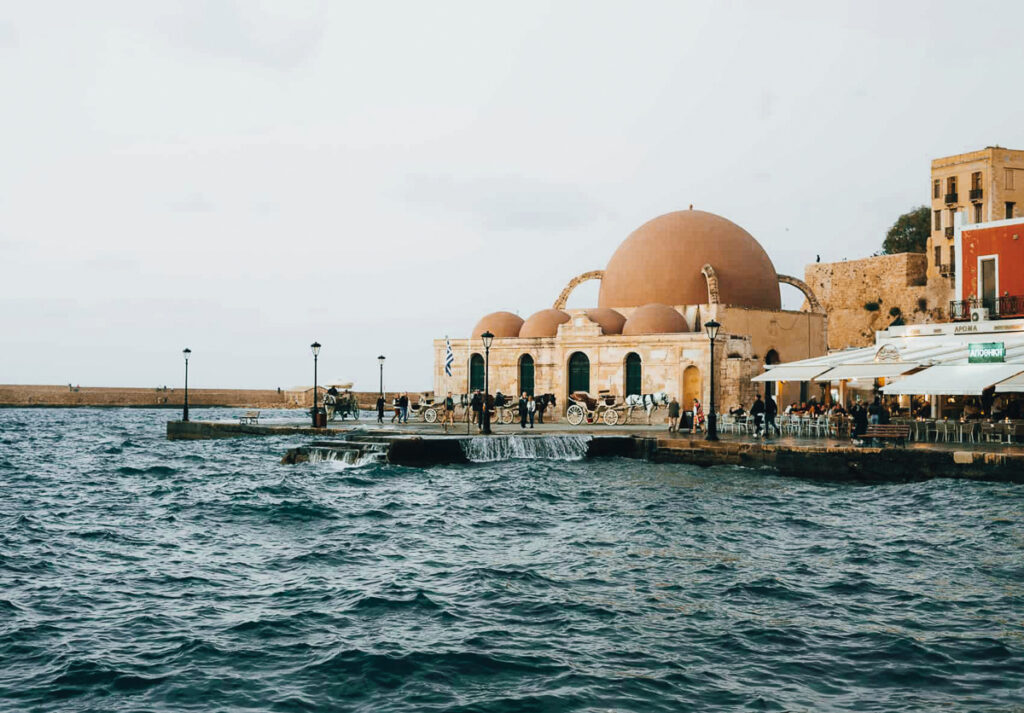
Chania, on Crete’s north-west coast, combines layers of history with access to dramatic landscapes. The old Venetian harbour curves around a lighthouse, and the backstreets shift between Ottoman and Venetian architecture. Waterfront streets become congested by evening, while the interior of the old town offers quieter surroundings and more moderately priced shops.
The Municipal Market sits slightly inland and is a good orientation point. From there, it’s easy to navigate towards the harbour or out to the bus station for trips further west. Samaria Gorge, located in the White Mountains, is a full-day hike and requires an early start. Buses coordinate with the trailhead, though tickets can sell out in peak season.
Balos Lagoon and Elafonissi Beach lie further afield. Reaching them involves either long drives or organised boat trips. Travel times in Crete are frequently longer than expected, as mountain roads reduce average speeds. Chania works best with at least three nights to allow for one inland excursion and one coastal day. From here, flights connect back to Athens or directly to several European cities, making it a practical final stop.
Ready to map out your Greek odyssey?
Combining mainland Greece with island stops isn’t complicated, provided the itinerary follows a logical sequence. Athens anchors the history. Delphi adds depth beyond the capital. Santorini delivers drama, Naxos balances it with space, and Chania broadens the picture with Venetian layers and Cretan landscapes. The key lies in moving in a geographical arc rather than zigzagging across the map. Ferries link the Cyclades efficiently, flights shorten longer returns, and a short mainland drive introduces a different side of the country.
Discover our complete travel guide to Andritsaina, as we explore this historic Peloponnesian mountain town’s culture, cuisine, natural beauty, and must-see attractions.
Set high in the mountains of Ilia, near the borders of Arcadia and Messinia, Andritsaina is a charming town shaped by stone, forest and history. It is a unique place where daily life still gathers in the plateia (square) beneath tall plane trees and conversations stretch long past a single coffee.
Built amphitheatrically on the slopes of Mount Minthi, its stone mansions and narrow cobbled lanes reflect a past when this was a thriving commercial and intellectual centre, later becoming a stronghold during the Greek War of Independence. That layered history is still visible today, and thankfully it has not been altered to suit tourism.
Tucked into the western Peloponnese, this beautiful spot deserves more than a passing stop en route to the Temple of Apollo Epicurius at Bassae or Ancient Olympia. To stay a few days is to understand Andritsaina properly- mornings that begin with church bells and local shopkeepers lifting their shutters, afternoons spent tracing old stone paths between neighbourhoods, and evenings in a handful of family-run tavernas where the menu reflects the season. The 19th-century Nikolopouleios Library, one of the oldest in Greece, anchors the town’s long intellectual tradition, while the 1724 Trani Fountain continues to flow in the main square- a reminder that this has always been a meeting place as much as a mountain outpost.
For me, Andritsaina is also personal. It sits close to my father’s village, and I return often, especially on Fridays, when the weekly market draws farmers down from surrounding hills with crates of greens, local cheeses and honey. It is then that the town feels most alive, yet still unpolished and authentic. This is not a luxury destination in the conventional sense- do not expect boutique hotels or anything fancy- but there is richness here in landscape, in heritage and in the generosity of its people that offers a deeper, more enduring kind of reward for those willing to spend the time.
Perfect for…
Those who are drawn to layered history, mountain landscapes and places where daily life continues independent of tourism.
See + Do in Andritsaina
Trani Fountain
Built in 1724, the Trani Fountain remains one of the most significant surviving monuments in Andritsaina and among the oldest dated fountains in the Peloponnese. Its three stone arches, carved inscription and steady mountain water place it firmly within the craftsmanship tradition of the 18th century, when public fountains were essential civic works. Set beneath the plane trees in the main square, it continues to function as both a practical water source and a natural gathering point.
Nikolopouleios Library
Founded in the 19th century through a donation by benefactor Agathofron Nikolopoulos, the Nikolopouleios Library is one of Greece’s most important regional libraries, housing more than 40,000 volumes. Its collection includes rare early editions such as a 1516 printing of Strabo’s Geographica, an 18th-century edition of Homer’s Iliad, and significant Byzantine legal texts including Exabiblos. More than a display of rare books, it reflects the intellectual ambitions of a mountain town that once held national cultural weight.
Folklore Museum of Andritsaina
Housed in a restored 19th-century mansion, the Folklore Museum documents everyday life in the region from the early years of the modern Greek state through the early 20th century. Its collection of more than 4,000 objects (including textiles, tools, household items and traditional dress) offers a grounded understanding of rural Peloponnesian life.
Church of Agios Nikolaos
Located within the town centre, the Church of Agios Nikolaos serves as one of Andritsaina’s principal parish churches. Like many churches in the region, it reflects post-Byzantine architectural traditions, with a dome, bell tower and a richly detailed iconostasis inside. It remains an active place of worship and an integral part of community life.
Church of Saint Therapon
This striking 18th-century stone church is dedicated to the town’s patron saint, Agios Therapon. Perched on the hill above the village, it’s reached by a stepped pathway that rewards the climb with sweeping views over Andritsaina and the surrounding Arcadian landscape.
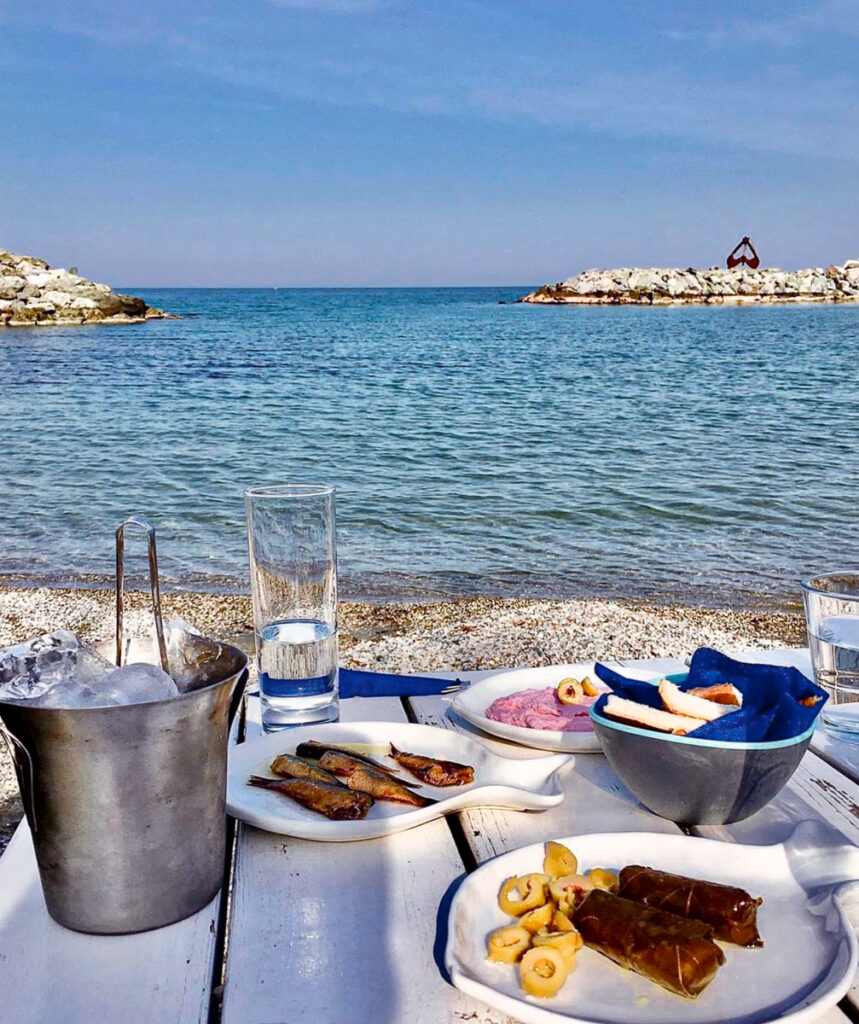
Eat + Drink in Andritsaina
Kokkinos Mylos- An all-day café-bar that anchors the square, Kokkinos Mylos shifts with the seasons. In winter, tables cluster around the warm fireplace; in summer, it extends outdoors beneath the plane trees, becoming a natural meeting point from morning coffee through to evening drinks.
Epikourios Apollon- This long-standing café is a reliable stop for breakfast or a simple midday pause. Free-range eggs fried in local olive oil and warm bread served with traditional handmade jams form the basis of a morning meal that feels rooted in the region.
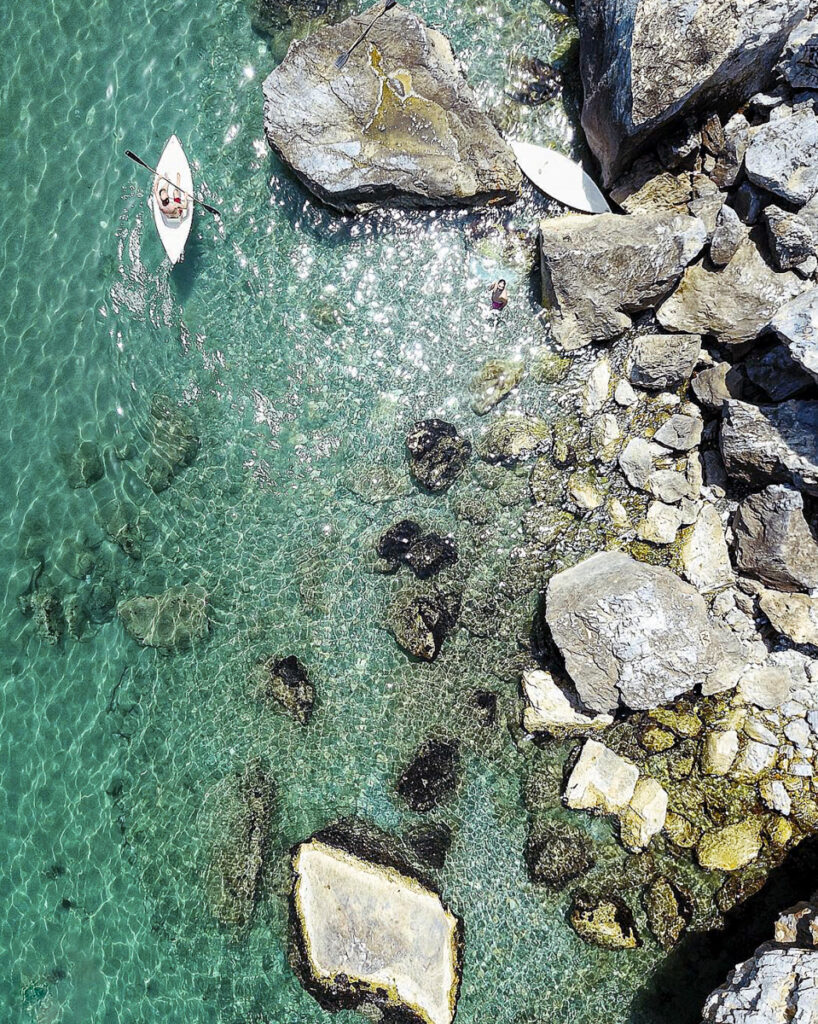
To Petrino- A traditional taverna focused on well-executed local staples. Expect kontosouvli, biftekia and slow-cooked dishes alongside vegetable plates such as stuffed tomatoes, boiled wild greens and zucchini, all prepared using local ingredients.
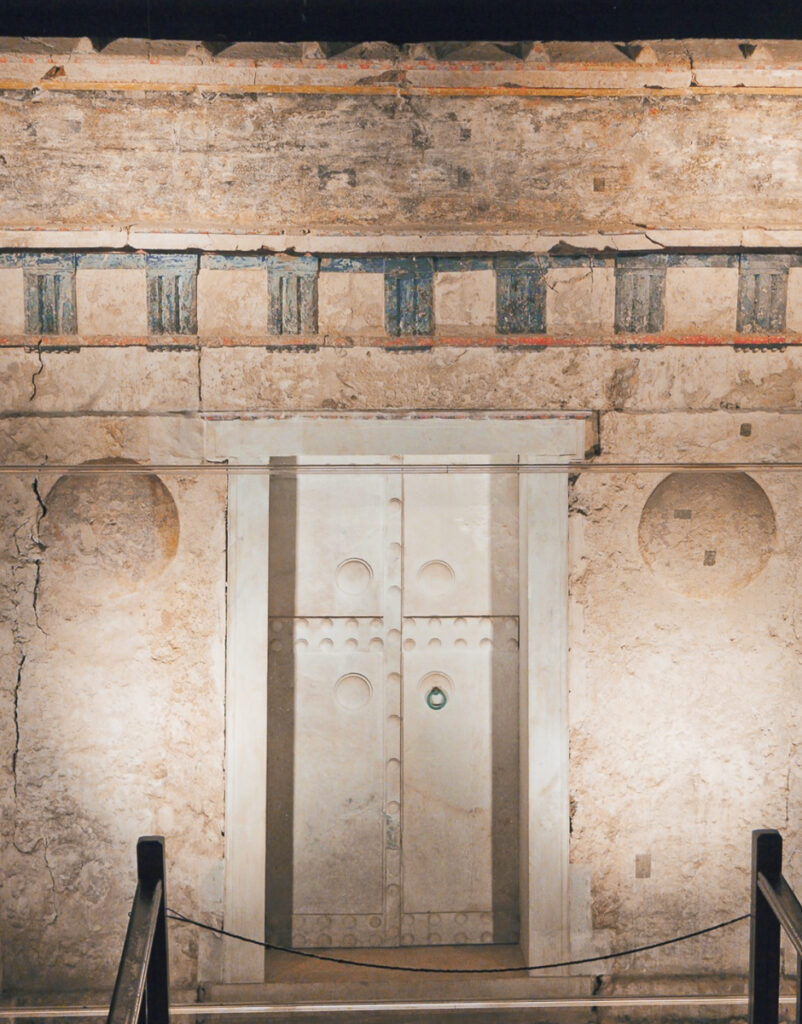
Syntages Magirikis- With a handwritten menu that changes according to what the family produces, Syntages Magirikis reflects a farm-to-table approach long before it became a phrase. Smoked pork with honey, chickpeas baked slowly, rooster in red sauce with handmade pasta and cheeses made from their own milk define the kitchen.
Markogianni Winery- About 40 km from Andritsaina, Markogianni Winery has been producing wines since 1982, combining organic vineyards with traditional and modern methods. Tastings offer a glimpse into their red, white and rosé wines, as well as tsipouro made from grape pomace, all served in a relaxed, family-run setting.
Local Produce to Try…
Honey– A local beekeeper produces mountain honey that reflects the flora of the surrounding hills, known for its depth and clarity.
Olive Oil & Olives– Pressed locally, the olive oil is robust and peppery, forming the backbone of nearly every dish served in town.
Cheeses & Cold Cuts– Feta, myzithra and regional gruyère-style cheeses remain staples, while the local butcher produces traditional sausages scented with leek, orange and mountain herbs, along with smoked and cured meats rooted in long-standing preservation methods.
Hilopites– Traditional egg pasta made by small-scale producers in the area, typically served with slow-cooked meat or simple tomato-based sauces.
Tsipouro- A must-try in Andritsaina, distilled locally from grape pomace and often served with small plates of cheese, olives and cured meats. It reflects a long-standing tradition and the care of local producers, offering a taste of the region’s character in every sip.
Discover
What’s close by…
The Temple of Apollo– Located at Bassae, about 20 km south of Andritsaina, this is one of the most extraordinary ancient sites in Greece. Designed in the mid‑5th century BC, it combines Doric, Ionic and Corinthian elements in a single structure and is recognised as a UNESCO World Heritage Site.
Alfeios River– The Alfeios (Alpheus) is the longest river in the Peloponnese, flowing from the Arcadian highlands westwards to the Ionian Sea. From Andritsaina, the nearest point along the river is around 25 km northwest, where its broad valley and clear waters have shaped the region’s landscape for millennia.
Neda Waterfalls & Gorge– Named for the nymph Neda, the Neda River cuts a dramatic gorge between the mountains of Elis and Messenia, culminating in a series of waterfalls. The main access point is roughly 35 km southwest of Andritsaina, and the site is popular for walking and swimming in natural pools.
Dafnoula– Just 12 km north of Andritsaina, the village of Dafnoula sits on the banks of the Alfeios River and offers a quiet, off‑the‑beaten‑path glimpse of rural life. The surrounding area includes old bridges and traces of Roman-era structures, making it a pleasant compliment to the region’s better-known historical sites.
Lake Kaiafas & Thermal Springs– About 40 km west, Lake Kaiafas is a coastal lagoon known for its pine-fringed shores and thermal springs. It’s a tranquil spot for a stroll or a brief soak in the warm mineral waters after exploring the mountains and gorges inland.
Don’t leave Andritsaina until you…
Step inside To Paradosiakon, the local traditional grocery store that opened in 1930 and has long been a landmark in Andritsaina. Here you will find regional products including herbs, pasta, cheeses, honey, tsipouro, wine and liqueurs, alongside a selection of handmade souvenirs, icons and small artisanal objects- a perfect reminder of a visit to this mountain town.
Stay in Andritsaina
MiTerra Cozy Apartments- Offers a stay that blends comfort and hospitality, complete with a sun terrace, garden, and free WiFi.
Myrto Guesthouse-A one-bedroom apartment with a balcony and private entrance, overlooking a quiet inner courtyard, its tiled floors and thoughtful design make for a comfortable and simple stay in the heart of Andritsaina.
Theisoa Old Little House-Features one bedroom, one bathroom, and outdoor spaces including a garden and terrace. Guests can relax while enjoying garden views in a peaceful setting.
ZenTerra Country House- Located about 15 minutes from Andritsaina, ZenTerra offers 4 bedrooms, 2 bathrooms, and an infinity pool with panoramic views.
Essentials
Getting There– Andritsaina is accessible by car or bus. From Athens, it’s about 3.5–4 hours via the Olympia Odos (A8/E65). From Kalamata, the drive takes roughly 2–2.5 hours along the scenic mountain roads.
Best Time to Visit– Spring is ideal, with mild temperatures, blooming landscapes, and fewer crowds. Late summer and early autumn also offer warm weather without the high-season bustle.
Ideal Time to Stay– Plan for at least two to three days to explore the town, nearby gorges, waterfalls, and historic sites at a relaxed pace.
Getting Around– A car is recommended to reach nearby natural and historic sites, though the town itself is compact and walkable. Local taxis and occasional buses are available but limited.
Discover Greece’s most captivating weekend escapes from Athens.
Looking for the perfect weekend getaway from Athens? From tranquil coastal towns and serene mountain retreats to ancient sanctuaries and windswept islands, these destinations are all just a few hours away yet feel worlds apart from the city. Each has been chosen for its distinctive character and natural beauty, offering travellers the chance to slow down, immerse themselves in culture, and return home feeling truly refreshed.
Whether your ideal escape involves wandering archaeological sites, strolling along hidden coves, or hiking shaded forest trails, these Athens weekend escapes balance scenery, history and a sense of adventure. Designed for long weekends or short breaks, the journey itself is part of the experience, inviting discovery, quiet indulgence and a deeper appreciation for Greece beyond the obvious.
Ancient Olympia – Patras – Galaxidi
This westbound route unfolds as a seamless dialogue between antiquity, contemporary life and quietly refined coastal living. The journey begins in Ancient Olympia, where time slows among sacred ruins, ancient stadiums and olive groves that stretch toward the horizon. Walking the site in the early morning or late afternoon feels almost meditative, setting a contemplative rhythm that carries naturally into the road ahead.
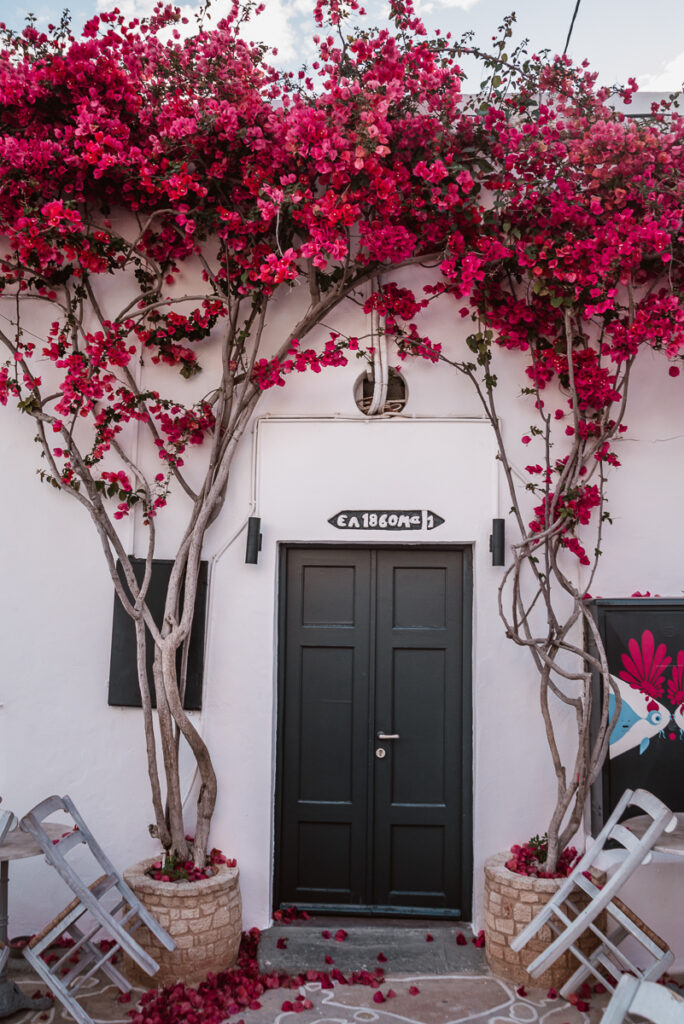
From here, the landscape shifts and the pace subtly lifts as you arrive in Patras, a lively port city where neoclassical façades give way to a modern café culture framed by the sea. A short stop here adds contrast and energy- urban, social and very local- before the route continues north, crossing the impressive Rio–Antirrio Bridge and leaving the city behind.
The journey finds its natural conclusion in Galaxidi, a quietly elegant harbour town that feels preserved in time. Once a prosperous maritime centre, its stone lanes, neoclassical mansions and calm waterfront invite slow walks, thoughtful meals and evenings shaped by changing light rather than schedules. Here, unhurried luxury reveals itself through atmosphere and authenticity, making Galaxidi the perfect final note to a weekend escape that values depth over distance.
Getting there: From Athens, Ancient Olympia is approximately a 3.5-hour drive via Corinth and Tripoli. Patras is just under 1.5 hours from Olympia by car, while Galaxidi can be reached from Patras in around 2 hours, crossing the Rio–Antirrio Bridge. This route is ideal for a self-drive weekend escape from Athens, allowing for scenic pauses and a naturally unfolding sense of place.
PatrasGalaxidi
Mount Parnitha
So close to Athens and yet entirely removed from its tempo, Mount Parnitha offers the rare luxury of proximity paired with genuine escape. As the highest mountain in Attica, its fir forests, shaded trails and cool mountain air create a setting for slow mornings and restorative walks, where red deer and other wildlife move quietly through the trees. This is a destination chosen not for spectacle, but for the subtle pleasure of breathing deeper and letting the pace of the city fall away.
Well-marked paths wind through ravines and forest clearings, leading to panoramic viewpoints and discreet mountain refuges where time is measured by light rather than schedules. Whether for a long walk or an overnight stay, Parnitha invites a reset that feels both grounding and quietly invigorating, living proof that some of the most rewarding weekend escapes from Athens lie closer than expected.
Getting there: Mount Parnitha is around 45 minutes to one hour by car from central Athens.
Limeni – Monemvasia
Few routes in southern Greece feel as emotionally charged as the journey between Limeni and Monemvasia, where elemental landscapes and layered history unfold at a measured pace. In Limeni, stone tower houses descend directly into translucent waters, creating an atmosphere of raw elegance and quiet intensity. Days are shaped by swims from the rocks, simple seafood by the sea and long pauses under the sun.
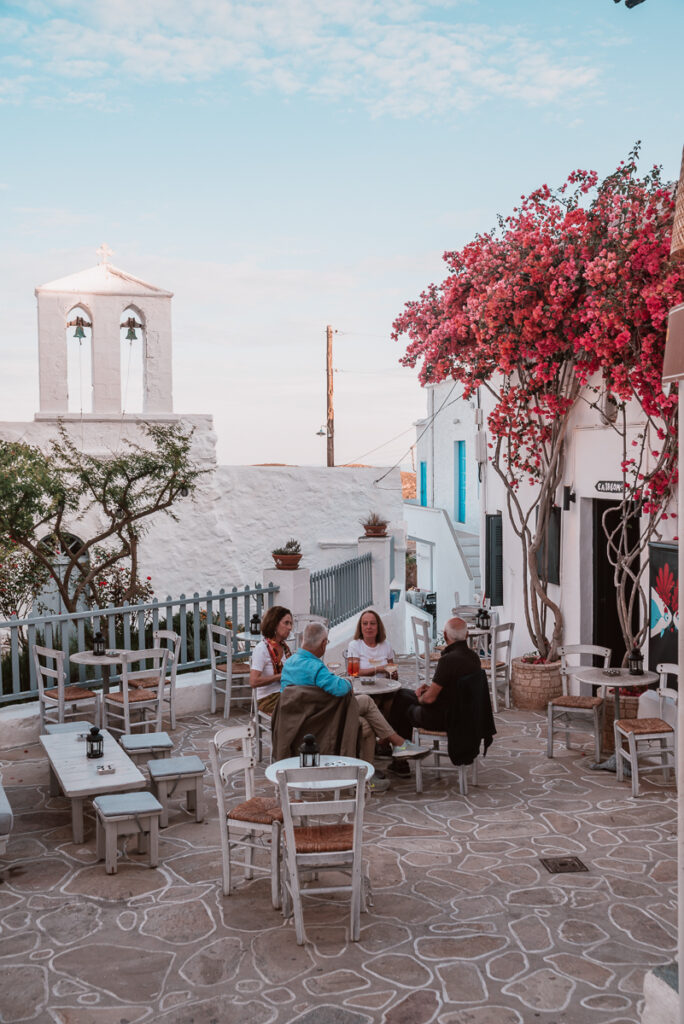
From the coast, the road leads east toward Monemvasia, rising dramatically from the sea like a vision carved from stone. Within its medieval walls, labyrinthine alleys, Byzantine churches and candlelit tavernas invite an unhurried step into the past, while panoramic views over the Myrtoan Sea reward those who stay until dusk. Together, Limeni and Monemvasia form a journey defined by contrast- coastal stillness and architectural drama- offering a weekend escape from Athens that will leave you wanting more.
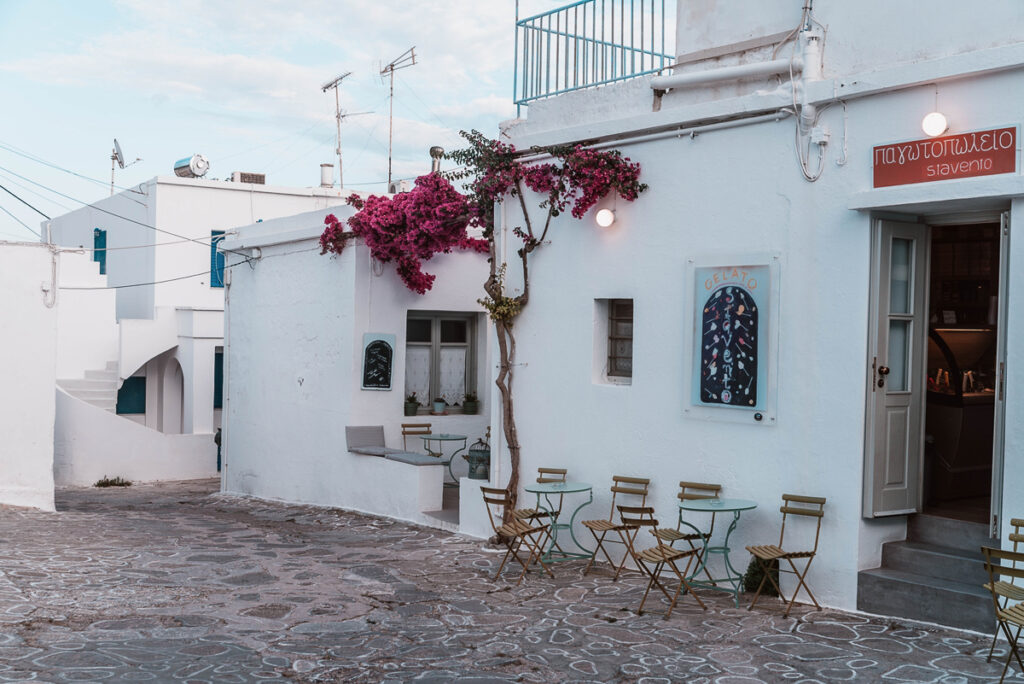
Getting there: From Athens, Limeni is around 3.5 hours by car via Corinth, Tripoli and Sparta. Monemvasia lies approximately 1.5 hours further east, making this an ideal long-weekend road trip through the southern Peloponnese, where the journey itself becomes part of the experience.
LimeniMonemvasia
Chelmos – Kalavryta
A retreat of rare serenity, the Chelmos–Kalavryta region reveals a quieter, more introspective side of the Peloponnese. Kalavryta’s stone houses, historic rack railway and intimate guesthouses create an atmosphere of low-key sophistication, while the surrounding landscape encourages a slower pace and a deeper sense of connection to local life.
Rising above the town, Mount Chelmos opens onto sweeping views, forested trails and a clarity of light that feels especially restorative in the cooler months. Days unfold between walks in nature, fireside moments and the gentle drama of the Vouraikos Gorge, which is best experienced by rail, as the train winds its way through cliffs and ravines. It’s a weekend shaped by stillness, nature and understated comfort, ideal for travellers seeking calm without isolation.
Getting there: Kalavryta is approximately 2.5 hours from Athens by car via Corinth and Diakopto. For a more memorable approach, drive to Diakopto and continue by the historic rack railway through the Vouraikos Gorge, one of the most scenic train journeys in Greece.
Delphi
Nestled on the slopes of Mount Parnassus, Delphi is one of Greece’s most breathtaking archaeological sites and a perfect destination for history lovers seeking a weekend escape from Athens. In antiquity, it was considered the centre of the world and home to the famed Oracle of Apollo, where pilgrims came for guidance for centuries. Walking among the Temple of Apollo, the ancient theatre, the stadium, and city-state treasuries, the winter light and crisp mountain air lend the ruins a mystical aura, making the stones feel alive with history.
No visit is complete without exploring the Delphi Archaeological Museum, which houses masterpieces such as the Charioteer of Delphi. For food and drink, Telescope Café offers panoramic views for coffee, while Taverna To Patriko Mas and Epikouros Restaurant are excellent spots for a leisurely lunch.
Getting there: Delphi is around 2 hours 20 minutes by car from Athens or about 3 hours by bus, making it an ideal destination for a day trip or long weekend.
KalavrytaAncient Olympia
Syros
Cultured and quietly distinguished, Syros is the Cycladic island that balances urban energy with serene seclusion. Ermoupoli, with its neoclassical architecture, historic theatre and lively dining scene, offers a cosmopolitan pulse year-round. And beyond the town, secluded coves and gentle beaches invite slower moments, making it an ideal destination for a long weekend of thoughtful exploration and calm.
This getaway is less about escape and more about experiencing life with nuance- where light, sea and architecture combine to leave a lasting impression of place and time.
Getting there: Syros is easily reached by ferry from Piraeus 2–2.5 hours by fast ferry, with daily departures year-round. Alternatively, a short 35-minute flight from Athens lands directly in Ermoupoli.
All brands are carefully handpicked by our editors. We may earn a commission if you purchase through affiliate links on our site.
Kos sits in the Dodecanese, looking across at the Turkish coast. It isn’t a massive island, but it manages to pack a fair amount of variety into a relatively small space.
People often associate it with heavy tourism, yet once you leave the main strip, the atmosphere shifts completely. It is flat in the north, mountainous in the south, and known primarily for how easy it is to traverse on two wheels. There is a distinct lack of urgency here. Visitors won’t find themselves rushing from site to site, because the island encourages a slower, more deliberate pace of exploration.
The Layers of History in Kos Town
Walking through the capital feels like stepping through several centuries in a few blocks. The harbour is dominated by the Castle of the Knights of Saint John, a fortification built to control the sea passage. Just a short walk away stands the ancient Agora, where ruins of temples sit open to the sky, often with cats sleeping on the warm stones. It is an interesting mix of Italian rationalist architecture and ancient Greek remnants.
The Plane Tree of Hippocrates is another spot people gravitate towards. Legend says the father of medicine taught students here, though the current tree is a descendant of the original. It is held up by scaffolding now, looking tired but dignified. Nearby, the Roman Odeon has been restored to a point where visitors can sit on the marble steps and get a sense of the acoustics without needing much imagination. The structure remains in impressive condition.
Accommodation Options and Practicalities
Where visitors choose to sleep usually dictates the tone of the trip. Kos Town is convenient for those who want access to history and ferries to Turkey. Hotels here range from older, family-run establishments to newer boutique renovations. Staying in outlying villages like Mastichari offers a slower holiday, typically preferred by those avoiding late-night noise. Prices are generally reasonable compared to islands like Santorini, making it accessible for varied budgets.
For travellers specifically looking for value, there is a solid market for affordable Kos package holidays that bundle flights and lodging. These are often concentrated around the resorts in Psalidi. While all-inclusive resorts are plentiful, self-catering apartments are widely available for those who prefer buying breakfast from a local bakery. Booking in advance is standard advice, yet even last-minute arrivals in the shoulder seasons of May or October can usually find decent availability without overpaying significantly.
Navigating the Cycle Paths and Roads
One of the first things anyone notices arriving in Kos Town is the number of bicycles. It isn’t just a tourist gimmick; the terrain, particularly around the northern coast, is flat enough to make cycling a genuine transport option. A dedicated cycle lane runs right along the waterfront, stretching out towards Psalidi, and it gets heavy use from locals commuting as well as visitors. Renting a bike is straightforward and usually costs very little for the day, making it very easy to beach hop.
For those heading further afield, local KTEL buses are reliable enough. They depart from the station near the castle and connect the main town to villages like Mastichari. Schedules change with the seasons, so checking printed timetables pinned at stops is wiser than relying on apps. If driving is preferred, the main road running down the island’s spine is well-paved and simple to navigate. Parking is typically free, though finding spaces in town takes patience.
Leaving the Coast for the Mountains
While the coastline draws crowds, the interior offers a different perspective. Mount Dikeos rises in the centre, and tucked into its slopes is the village of Zia. It has become a popular stop for sunset viewers, meaning the main street gets busy. However, walking just a few minutes up the hill away from the tavernas reveals pine forests and a quieter environment. The air feels cooler here, distinct from the humidity found at sea level.
Further west, the landscape becomes more barren. The village of Kefalos sits high on a ridge overlooking the bay, separated from the resort area below. It retains a working-village feel, with narrow streets not built for modern rental cars. Exploring the ruins of the castle above Kefalos provides a clear view of the island’s tail stretching into the Aegean, a vantage point that gives a real sense of the island’s geography. The view rewards the short hike.
Finding Space on the Beaches
The beaches vary significantly depending on which side of the island one visits. Tigaki and Marmari on the north coast are long, sandy stretches with shallow waters. These areas are prone to the meltemi wind, which is a relief in July but can whip sand around in late August. It is spacious enough that finding a spot away from the organised sunbeds is rarely difficult. The water here tends to be churned up, but swimming is safe.
Down on the southern coast, the water is generally calmer. Paradise Beach is the famous one, though it often lives up to its reputation for being crowded. A distinct experience is found at Therma Beach, near the eastern tip. Here, hot volcanic springs flow directly into the sea. It is a pebble beach, and sitting where the hot water mixes with the cool seawater is a strange, therapeutic experience. The heat is surprisingly intense.
Is Kos Worth the Trip for the Restless Traveller?
Kos manages to be several things at once without feeling disjointed. It serves as a beach destination, a historical site, and a functional Greek island where local life continues alongside tourism. The ability to cycle from a Roman ruin to a beach bar in twenty minutes gives it a unique accessibility. It doesn’t demand much from visitors other than a willingness to adjust to the heat and the wind. For anyone looking for a place that balances downtime with exploration, it works well. It rewards curiosity without requiring intense planning, leaving plenty of room to simply roam about.
Discover our complete travel guide to Heraklion, the vibrant capital of Crete where ancient history meets contemporary island life.
Often overlooked for Crete’s more romantic coastal towns, Heraklion reveals its charm in layers, from the grandeur of its archaeological treasures to its thriving food scene and easy access to the island’s heartland. With the island’s main airport, nearby wineries, and some of Greece’s most important museums and ruins, this dynamic port city is both a cultural gateway and a strategic base for exploring Crete.
Heraklion’s past unfolds in a fascinating blend of influences- Byzantine churches stand beside Venetian mansions and Ottoman fountains, while the waterfront features colourful fishing boats and lively tavernas. Wander through the pedestrianised old town, where narrow lanes open onto sunlit squares, or escape to the Minoan palace of Knossos just beyond the city limits.
Between its storied past and spirited modern energy, Heraklion offers a true taste of Crete- authentic, unexpected, and endlessly captivating.
Perfect for…
Curious travellers with a love of history, gastronomy, and culture, also for those who want to pair days of archaeological discovery with evenings spent dining by the sea and soaking up the city’s spirited charm.
See + Do in Heraklion
Palace of Knossos– Step into the world of Minoan civilization at Europe’s oldest Bronze Age archaeological site. Wander through the restored ruins, vivid frescoes, and labyrinthine halls that inspired the myth of the Minotaur.
Heraklion Archaeological Museum– One of Greece’s most important museums, this remarkable collection of Minoan art and artifacts offers an illuminating glimpse into Crete’s ancient soul.
Venetian Fortress (Koules)– Standing guard over the old harbour, this 16th-century fortress is a striking symbol of Venetian rule. Climb to the top for sweeping views across the sea, especially magical at sunset.
Morosini Fountain (Lion’s Fountain)– A lively landmark in the heart of the old town, this ornate Venetian fountain is surrounded by cafés, boutiques, and buzzing street life, it’s perfect for people-watching with a freddo espresso in hand.
Heraklion Market– Immerse yourself in local life at the city’s bustling central market. Browse stalls brimming with Cretan cheeses, herbs, olive oils, and sweet treats, this is a sensory feast for food lovers and souvenir hunters alike.
Cretaquarium– Discover the rich marine life of the Mediterranean at this impressive aquarium, home to hundreds of species from sharks and sea turtles to colourful reef fish. A great stop for families or marine enthusiasts.
Day Trip to Matala– A scenic hour’s drive from Heraklion, this bohemian beach town is famous for its cliffside caves once inhabited by 1960s hippies. The golden sands and turquoise waters make for an idyllic day by the sea.
Historical Museum of Crete– Journey through the island’s layered history- from the early Christian period to modern times- via engaging exhibits, artwork, and multimedia displays.
Agios Titos Church– This elegant Byzantine church, with its serene courtyard and graceful arches, offers a peaceful retreat in the centre of the city and a glimpse into Heraklion’s spiritual heritage.
Natural History Museum of Crete– A fascinating stop for nature lovers, this museum celebrates the island’s biodiversity, with immersive exhibits showcasing its unique flora, fauna, and geological wonders.
Eat + Drink in Heraklion
Coffee + Brunch
Kafeneio Karampoutze– Tucked away in a quiet historic alley, this cosy kafeneio captures the essence of old Heraklion. Sip a strong Greek coffee and sample homemade pastries as locals chat over backgammon- a slice of authentic Cretan life.
Central Park Café– A lively downtown spot known for its excellent coffee and creative breakfast dishes. From freshly squeezed juices to indulgent pancakes, it’s a favourite among locals looking for a vibrant start to the day.
Kirkor– An Heraklion institution since 1922, Kirkor is beloved for its bougatsa- flaky filo pastry filled with sweet custard or cheese, best enjoyed with a traditional Greek coffee on the side.
Mare– This stylish seaside café-bar offers laid-back sophistication with a view. Order an omelette or avocado toast, paired with smooth Dimello coffee, and watch the morning light dance across the harbour.
Nyktari Bakery– A local favourite for freshly baked bread, sweets, and traditional Cretan treats. Grab a lychnarakia or kalorizika to go- perfect for an easy breakfast before a day of exploring.
Lunch…
Ippokampos– Set right by the old harbour, this beloved seaside taverna pairs fresh seafood with great views. Order the orzo with seafood or mussels- best enjoyed with a glass of crisp white wine and the Aegean breeze.
Avli– Tucked inside a leafy courtyard, Avli serves up creative Cretan cuisine rooted in local, seasonal ingredients. Highlights include fava beans with onion jam and pork paste, or rooster with noodles and mizithra cheese. While the menu leans toward meat, there are plenty of vibrant vegetarian options, too.
Sir Parafigos– A refined yet relaxed choice near the harbour, Sir Parafigos combines modern Mediterranean flair with Cretan soul. Chef Emy Marantou crafts dishes from organic, high-quality produce- think skioufichta pasta with prawns and a hint of cognac- paired beautifully with an impressive international wine list.
Elia & Diosmos– Bright, breezy, and wonderfully local, this charming eatery celebrates traditional Cretan cooking at its best. Try the deconstructed moussaka or the snails simmered in vinegar, olive oil, and rosemary- dishes that capture the island’s rustic heart.
Thigaterra– A chic concept spot where you can eat, drink, and shop local flavours in one go. It’s ideal for a light lunch, a wine tasting, or to pick up Cretan products before heading home.
Dinner…
Peskesi– This farm to table eatery is a pioneer of Cretan gastronomy, Peskesi celebrates the island’s culinary heritage through organic, locally sourced ingredients and time-honoured recipes.
Herb’s Garden– Perched atop the Lato Boutique Hotel, this rooftop restaurant offers creative Mediterranean cuisine with a side of panoramic city and sea views.
The Walls– Overlooking Heraklion’s Venetian fortifications, The Walls is a refined gastrotaverna where Chef Maniadakis crafts dishes that surprise and delight. Expect inventive combinations like crab-, duck-, and sea bream-stuffed samosas or potato rösti with mizithra cheese.
7 Thalasses– A standout for seafood lovers, signature plates include grilled shrimp with thyme, fava with marinated octopus and capers, and anchovies in apple vinegar- all showcasing the island’s love affair with the sea.
Sweets…
Mia Zoi Loukoumades– Treat yourself to Crete’s take on the classic Greek doughnut- crisp, golden, and drenched in honey, with a dusting of cinnamon or crushed nuts.
Phylossophies– Honouring a century-old family tradition, Phylossophies hand-rolls delicate phyllo daily and sources ingredients from small Cretan producers.
Aretousa Cretan Handmade Delicacies– Famous across the island, Aretousa’s xerotigana and anevata pastries are local favourites.
Savoidakis Bakery– A household name in Heraklion, Savoidakis tempts with its display of traditional kaltsounia, flaky pies, and an ever-changing selection of cakes and sweet treats.
Cocktails + Wine
Manitu Sunset Bliss– A cosmopolitan rooftop bar offering sweeping sunset views, inventive cocktails, and a stylish setting for a romantic evening.
Toucan– Tropical rooftop vibes in Eleftherias Square, serving high-quality cocktails in a relaxed atmosphere.
Xalavro Open Bar– Modern bar in the old town with an open kitchen, creative cocktails, and a lively, culinary-focused experience.
Swing Thing– For cocktail enthusiasts who appreciate bold, expertly crafted drinks in a fun, energetic setting.
Daf Winery– Family-run in the foothills of Dafnes, this winery reflects over a century of dedication to Cretan viticulture.
Douloufakis– Renowned for its Vidiano vertical tastings, this family-owned winery highlights one of Crete’s most celebrated white grapes.
Scalarea Estate (Boutari)– Just 15 minutes from the city, this state-of-the-art estate offers tastings amid lush vineyards and an immersive journey through Crete’s wine history.
Discover
Best Beaches in Heraklion
Ammoudara – A long, sandy stretch just west of the city, perfect for sunbathing, swimming, and water sports, with cafés nearby.
Chelidoni Beach- Small and secluded and crystal clear blue water.
Agia Pelagia – A charming seaside village with crystal-clear waters, ideal for families and snorkelling enthusiasts.
Kouremenos – A quieter, more remote beach to the east, popular with surfers and those seeking a peaceful escape- just keep in mind it’s around a 2.5 hour drive from Heraklion centre.
Karteros – An organised beach east of the city, lively and favoured by locals for sun, sand, and sea.
Best view…
Is from Knossos Archaeological Site at Sunset. Explore the ruins in the late afternoon when the golden light illuminates the Minoan palace. With fewer crowds, it’s a magical, contemplative moment that perfectly captures Crete’s ancient allure.
Take home…
Bring a taste of Crete back with you: fragrant olive oil, dried herbs like oregano and thyme, local wines, handmade ceramics, and traditional sweets such as paximadia and spoon sweets. Stop by Kaminaki Delicatessen or Traditional Products Vourgiali for last-minute shopping.
For a truly unique keepsake, book a visit to Studio Paradissi, where artist Eleni Psyllaki crafts striking posters inspired by Cretan culture and history- perfect for a one-of-a-kind souvenir.
Where to stay in Heraklion…
Stay in the city center for easy access to museums, restaurants, and nightlife, or opt for nearby seaside resorts like Agia Pelagia for a beach-focused getaway. You can also stay a bit further out, about 30 minutes from the city at some boutique hideaways.
Where to sleep…
Rocca A Mare – Perched dramatically on a headland, Rocca a Mare offers a modern luxury escape where sea views dominate every perspective. Part of Accor’s Handwritten Collection, the hotel combines contemporary elegance with an understated wellness ethos, making it a standout on the Heraklion coastline. Designed by WOBI Stylianidis Hatziyiannakis Architects, the 36 rooms and suites offer full or partial views of the Aegean, each blending natural wood textures with black accents for a warm, sophisticated aesthetic. The hotel’s crown jewel is the rooftop Rocca Cloud, a sun-drenched space featuring a 20-meter pool and loungers that look out over the glittering Mediterranean. Food at Rocca Bistro leans into seasonal, local ingredients with a Mediterranean focus, whether you’re after a leisurely brunch, a relaxed cocktail, or a full dinner experience. Guests can maintain their fitness routine in the fully equipped gym, host intimate business gatherings in the conference space for up to 50 people, or soon, unwind in the hotel’s forthcoming spa.
Rocca a Mare’s location means guests are never far from the cultural and gastronomic offerings of Heraklion, yet the resort feels like a world apart, a place where cliffside walks and infinity pools provide the perfect counterpoint to the city buzz. Every detail, from the room layouts to the dining experience, has been curated to maximize the spectacular natural surroundings, making it a must-stay for travellers seeking both contemporary style and a touch of coastal serenity.
Pnoé Breathing Life – Just outside Heraklion, Pnoe is a debut adults-only retreat designed for mindful rejuvenation, where the principles of Life, Vitality, and Presence shape every aspect of the guest experience. The architecture nods to Crete’s dramatic Minoan heritage while remaining modern and airy, with open-plan layouts that fill the property with sunlight. Pastel pinks, soft greys, and whites intermingle with gently swaying grasses in the landscaped gardens, creating a serene, private-club atmosphere. Arrival immediately signals the brand’s ethos: scented hand towels and iced strawberry tonics infused with sarantavotano, a traditional 40-herb blend, offer an olfactory and taste introduction to the island’s heritage. Greek-modernist suites provide sanctuary, each designed with relaxation in mind, featuring hammams, saunas, and spaces that encourage reflection and slow living.
The retreat’s philosophy is simple yet transformative: guests are invited to disconnect from everyday pressures and reconnect with themselves and nature. Hammams and saunas provide deep relaxation, while quiet courtyards and terraces let you linger in the ever-present Cretan breeze. Every element, from architecture to aromatherapy, has been chosen with intention, making Pnoe not just a place to stay, but a curated experience of wellness and mindful luxury. For travellers seeking a slower pace, heightened senses, and a touch of understated design, this serene hideaway is the ultimate Heraklion escape.
Acro Suites – Perched on a headland with spectacular sea views, this luxury resort blends contemporary cool with wellbeing. Enjoy private infinity pools, cliffside walks, and uninterrupted views of the glittering Mediterranean.
Aquila Atlantis Hotel – With a rooftop pool and panoramic harbor views, it’s perfect for city stays with a touch of glamour.
Amirandes – A family-friendly seaside haven, with sea-facing suites, multiple restaurants, an Ayurvedic spa, and classic Grecian décor.
April to October offers warm, sunny weather perfect for sightseeing and beach days, with May, June, and September being especially pleasant and less crowded.
Ideal time to stay…
Around 4 to 6 days allows enough time to explore the city, visit archaeological sites, and enjoy nearby beaches without rushing.
Getting around…
To explore beyond Heraklion, rent a car or scooter for easy access to nearby villages and beaches. Public buses link the city with main beaches and surrounding towns, while walking is the best way to navigate the city centre, especially the charming historic old town.
All brands are carefully handpicked by our editors. We may earn a commission if you purchase through affiliate links on our site.
From the Peloponnese to Crete- discover the most beautiful hotels to visit in Greece during autumn with our guide to stays.
Greece is full of remarkable hotels that feel especially alluring in autumn, from historic estates and mountain retreats to sleek, seaside escapes. Across the country, landscapes take on a golden glow, ancient streets are quieter, and the season’s softer light makes every setting feel cinematic. These carefully chosen hotels offer the perfect backdrop for autumn, where design, comfort, and a connection to the surrounding environment come together effortlessly.
From the food and interiors to the location and stories behind each property, we’ve rounded up the places we love to check in to when the air turns cooler. Imagine evenings by the fire with a glass of local wine, long lunches that stretch into afternoon aperitifs, and strolls that take you from village streets to sweeping coastlines without the summer crowds. These are the stays that capture Greece at its most timeless- elegant, atmospheric, and unforgettable in autumn.
Manna Arcadia
Set within the fir forests of Mount Mainalo, Manna Arcadia transforms a 1929 sanatorium into a striking mountain retreat. Its neoclassical architecture is paired with interiors of chestnut wood, rattan, and linen, creating a warm, timeless atmosphere that feels perfectly attuned to autumn. The impressive restaurant serves soulful dishes that elevate local produce into modern Greek comfort food, while the sleek bar offers an exclusive collection of whiskies and artisanal spirits. Days here might be spent hiking through the surrounding forest, visiting nearby stone villages, or simply unwinding in the sauna before drinks on the deck overlooking the ponds. It’s a sanctuary of design, nature, and gastronomy- one that captures the essence of Greece’s mainland in the cooler months.
A: Korfoxylia, Magouliana
Kinsterna Hotel
Near the medieval citadel of Monemvasia, Kinsterna is a restored 13th-century Byzantine mansion surrounded by olive groves, vineyards, and citrus trees, which take on a golden glow in autumn. Its fifty-one rooms blend historic details- think stone fireplaces and timber ceilings- with modern comforts and sweeping views over the Aegean, ideal for crisp-season morning and sunsets. The spring-fed pool and serene spa offer a restorative escape, while hands-on experiences such as olive harvesting, bread-making, and beekeeping immerse guests in the seasonal rhythms of the land. Dining celebrates autumnal abundance, with Restaurant Mouries highlighting local produce and traditional recipes, while Taverna Linos serves rustic wood-fired fare beside the old olive press. With its rich sense of history, atmospheric setting, and seasonal connection to the surrounding landscape, Kinsterna is an unforgettable Peloponnesian retreat for autumn.
A: Agios Stefanos, Monemvasia
The Bold Type Hotel
Set within a 19th-century mansion, The Bold Type marries historic charm with contemporary luxury at the heart of the city. Its design plays with colour across three floors- brick-red nods to the ancient theatre, cobalt references the original house, and green compliments the lush courtyard, while fine walnut, restored marble, and artisanal furnishings create a sophisticated atmosphere. The hotel’s Mediterranean garden and soaring public spaces make it easy to unwind while staying connected to the city’s cultural pulse. Dining here is a sensory experience, with inventive Greek and Mediterranean dishes served al fresco, from squid-ink calamari to beef carpaccio tartare, perfectly paired with contemporary cocktails. Beyond the hotel, historic landmarks of Patras, such as the Medieval Castle and the Roman Odeon are just steps away, while curated events and exhibitions enrich every stay. In autumn, the softened city light and quieter streets make exploring these ancient streets especially rewarding, with the hotel offering a serene base in the midst of history.
A: Paleon Patron Germanou 10, Patras
The Tanneries
Set on a secluded waterfront, The Tanneries is a minimalist boutique retreat that artfully preserves its industrial past as a tannery while offering modern luxury. Its 20 suites are flooded with natural light, many framing sweeping sea views, and interiors blend concrete, marble, glass, and wood for a clean, contemporary aesthetic. Dining at Periplous Seaside Restaurant celebrates Cretan tradition with a modern twist, from brunch cocktails to sunset aperitivos by the water. The hotel’s spa and wellness facilities feature a heated indoor pool, multisensory treatments, and a custom-designed gym, inviting both indulgence and rejuvenation. Beyond the hotel, Chania’s mountains, national parks, and charming villages make for memorable day trips, with autumn offering crisp air, quieter trails, and golden light over the coastline. Whether relaxing by the jacuzzi, strolling the shore, or exploring historic sites, The Tanneries combines design, gastronomy, and nature in perfect harmony.
A: Vivilaki 19, Chania
Stoes Boutique Hotel
Nestled just steps from the Byzantine Castle, Stoes Boutique Hotel blends historic charm with contemporary design. Housed in a late-19th-century mansion, its exposed stone walls, checkerboard floors, and high ceilings honour the past, while velvet seating, chic chandeliers, and modern bathrooms bring a fresh, stylish edge. Rooms range from cloister-like retreats with minimalist touches to expansive suites featuring Chesterfield sofas, decorative-tiled bathrooms, and private balconies with city views. Guests can start the day on the sunlit terrace before exploring Ioannina’s atmospheric streets, or enjoy local flavours at the hotel’s all-day restaurant and bar. Autumn colours add a soft touch to the castle and surrounding streets, making city strolls particularly enchanting. With its balance of old-world architecture, contemporary comforts, and prime location, Stoes offers a refined base for discovering this historic corner of Greece.
A: Christou Efthimiou 11, Ioannina
All brands are carefully handpicked by our editors. We may earn a commission if you purchase through affiliate links on our site.
Discover our complete travel guide to Kea, including where to eat, drink, stay and swim around this beautiful Greek island.
Kea, also known as Tzia, is one of the Cyclades’ best-kept secrets- just an hour from Athens, it offers a completely different pace of life. With its stone-built villages, walking trails, ancient sites and crystal-clear waters, the island blends culture, nature and relaxation without the crowds.
From the hillside charm of Ioulida to hidden coves and long, lazy lunches by the sea, Kea is a reminder of how simple and authentic a Greek island escape can be.
Perfect for…
A peaceful retreat for nature lovers, couples, and families who enjoy hiking, history and calm beaches. With its laid-back atmosphere and charming seaside bars, Kea is ideal for anyone seeking raw Cycladic beauty.
See + Do
Ioulida Castle (Kastro) – Take a serene evening walk through the charming alleys of Ioulida, the island’s capital, and reach the remnants of the Venetian castle. From here, enjoy panoramic views of the surrounding hills and the shimmering Aegean Sea.
Ioulida Windmills – Discover the traditional windmills near Ioulida, a picturesque reminder of the island’s past. Some have been restored and now serve as cultural spots, offering a glimpse into Kea’s history and charm.
Swim and Relax at Kea’s Beaches – Kea is home to beautiful beaches such as Koundouros, Gialiskari, and Otzias. Whether you prefer sandy shores or quiet coves, you’ll find the perfect spot to swim in crystal-clear waters and unwind under the Greek sun.
Archaeological Museum of Kea – Located in Ioulida, this museum houses artifacts from prehistoric to classical times, offering a fascinating insight into the island’s long history.
Alekos Fassianos Museum – Art lovers will enjoy this museum dedicated to the works of renowned Greek painter Alekos Fassianos, featuring a vibrant collection of his iconic paintings.
Lion of Kea (Paleokastro) – Perched on a hill, this ancient 6th-century BC stone lion is a short hike away and rewards visitors with sweeping views of the island and Aegean Sea, which is a must for photography enthusiasts.
Traditional Villages – Explore the quiet villages of Korissia, Vourkari, and Pisses. Each offers charming streets, local tavernas, and peaceful spots to escape the crowds.
Hiking Trails – The island’s network of trails links villages, hidden beaches, and ancient ruins, perfect for nature lovers and those who enjoy scenic, off-the-beaten-path walks.
Eat + Drink
Coffee + Brunch
En Lefko – A stylish spot in the heart of Ioulida, En Lefko blends traditional and modern flavors, with freshly baked goods, healthy brunch options, and excellent coffee.
Panorama – Perched on a hilltop with stunning views, Panorama Kea is the perfect place to start your day with fresh coffee, a homemade breakfast, and a side of island serenity.
O Filakias – This casual café serves homemade orange pie, waffles with homemade ice cream, super bowls, and excellent coffee, all accompanied by a great view.
Lunch…
Steki – Tucked away on the path to the Lion in Ioulida, To Steki offers authentic Greek and Mediterranean dishes by a chef with 35 years of experience, using home-grown and local ingredients like goat in lemon sauce and rabbit in beer.
TaPoularakia – This family-run taverna is a go-to for grilled meats and mezedes. Rustic, hearty, and ideal for meat lovers seeking unfussy, flavour-packed dishes.
O Paparounas – A local favourite and one of Kea’s top foodie spots. Dine on the shaded terrace, chat with longtime regulars, and soak up the island’s authentic atmosphere.
O Faros – A favourite on Kea’s main port, Faros serves freshly prepared Greek meals in the healthiest and most authentic way, overlooking the waterfront.
I Piatsa – At the centre of Ioulida, this taverna buzzes with locals at all hours. Bright orange walls and blue shutters frame a cosy space that feels like stepping into yiayia’s kitchen.
Dinner…
Seirios – A seaside gem in Vourkari, Seirios serves fresh seafood with a creative twist in an elegant setting.
Cousteau All-Bay Stories – Known for its fusion cuisine and modern Cycladic décor, Cousteu offers inventive dishes and signature cocktails in a stylish atmosphere.
Zerât – Located on the shore of Koundouros beach, Zerât serves contemporary Greek cuisine in a modern setting.
Lygaria Farm and Kitchen – Set on a serene farm, Lygaria offers seasonal, farm-to-table meals made with ingredients grown on site.
Sweets…
Tyrakeion – A charming cheese shop and deli in Ioulida, known for its local cheeses, gourmet products, and unique, creamy ice creams made with fresh, island-sourced ingredients and unexpected flavours.
Korissos – Beyond coffee and loukoumades, Korissos delights with homemade bougatsa, kataifi, and galaktoboureko, all crafted with care.
Drinks…
Sunset Bar Resto Aigis – A must-visit lounge at AIGIS Boutique Hotel in Vourkari, offering signature cocktails, fine dining, and unforgettable sunset views over the Aegean.
Abourkouna Wine Bar – Nestled in Ioulida, this natural wine haven features over 100 Greek labels, from rare varietals to biodynamic stars, paired with small dishes and cheese platters.
Balcony – A vibrant cocktail bar with a bold spirit, ever-changing drinks list, and unforgettable signature cocktails.
Beach Bars…
Eora Beach Bar– Just steps from the water, Eora blends laid-back luxury with craft cocktails, freshly made seafood, and sharing plates, all set under a dappled woven roof.
Bond Beach Club – A sophisticated shorefront spot offering Mediterranean-Asian inspired dishes, soft neutral tones, and a buzzy beach atmosphere perfect for soaking up the sun.
Local flavours…
Kea is known for its expertly preserved pork with herbs, called Loza, and a variety of distinctive local cheeses. Try the soft yet tangy Kopanisti, as well as Xino, Xirotiri (dry cheese), and Ladotyri (cheese preserved in extra-virgin olive oil). The island’s thyme-covered landscape also produces rich, aromatic honey, a product of local beekeeping that remains both a tradition and a profession.
Discover
Best beaches…
Gialiskari – A small, organised sandy beach near Korissia, perfect for a quick swim and a coffee at the nearby beach bar.
Koundouros – One of Kea’s most popular beaches, with golden sand, crystal-clear waters, and lively beach bars for a fun day by the sea.
Vroskopos – A sheltered bay on the southwestern coast, known for some of the clearest waters on the island.
Sykamia – A remote, unspoiled beach surrounded by wild scenery, ideal for those seeking peace and natural beauty.
Xila – Enclosed by steep rocky cliffs on the northwestern coast, Xila offers a secluded setting with crystal-clear waters and dramatic landscapes.
Best View…
Pano Kastro Viewpoint – A short walk from Ioulida, this viewpoint offers sweeping panoramas of Kea’s coastline and the Aegean Sea, perfect for sunrise or sunset photography.
Local Gem…
Tucked away on Kea’s southwestern coast, Ancient Karthaia rewards adventurous travelers with history and breathtaking scenery. Accessible by hiking marked trails or by boat, this once-thriving city features well-preserved ruins, including an ancient theatre, temples, and city walls from the 6th century BC, all with stunning views of the Aegean.
Ultimate Day Trip…
Combine a boat trip with a visit to the ancient site of Karthaia, and spend the day hiking, exploring, and diving at nearby Poles Beach, just steps from the ruins.
Make Sure You Take Home…
Bring back Kea thyme honey, artisanal ceramics, Xinotiri cheese, and handmade herbal soaps and oils from local boutiques in Ioulida.
Where to stay…
We recommend staying in Ioulida, the island’s charming capital, to wander its picturesque alleys, visit quaint shops, and soak up its lively yet relaxed atmosphere. This central location also offers easy access to Kea’s cultural sites and hiking trails. Alternatively, consider a seaside stay in Vourkari, a beautiful fishing village just 15 minutes by car, ideal for those seeking a peaceful retreat with cozy tavernas and stunning sunset views.
Where to sleep…
Keos by the Sea – A tranquil seaside retreat with modern, cozy apartments and stunning sea views. Perfect for waking up to the sound of waves and enjoying peaceful evenings on a private balcony.
Agrikea Farm Stay Hotel – Nestled in the countryside, Agrikea offers an eco-friendly escape with stone-built suites, a relaxing pool, and panoramic island views, it’s ideal for travellers seeking total tranquility.
Kea Retreat – A boutique hotel dedicated to yoga retreats, it features minimalist rooms, sea views, farm-to-table food, a pool, and direct sea access.
One&Only Kea – A luxury 5-star resort with private pool villas set above a spectacular stretch of beach.
Porto Kea Suites – Situated by Korissia beach, this stylish hotel features elegant rooms, a beautiful pool area, and close proximity to the port and local tavernas, perfect for a beachfront stay.
Essentials
Getting there…
By sea, ferries from Lavrio Port near Athens take about an hour. Kea is one of the easiest Cycladic islands to reach, making it ideal for a quick getaway.
Best time to go…
May to September offers warm, sunny weather perfect for swimming, hiking, and exploring traditional villages. June and September are particularly pleasant, with even fewer crowds.
Ideal time to stay…
Around 3–5 days is enough to enjoy beaches, charming villages, and some hiking without feeling rushed.
Getting Around…
Rent a car or scooter, for the best way to explore Kea’s hidden beaches, remote villages, and scenic trails at your own pace. Otherwise, a limited but convenient public bus connects Korissia, Ioulida, and popular beaches during summer, providing an affordable option for getting around.
All brands are carefully handpicked by our editors. We may earn a commission if you purchase through affiliate links on our site.
Discover our complete travel guide to Ios, as we share where to eat, drink, stay and play when visiting this Cycladic island.
Tucked between Santorini and Naxos, Ios is a sun-drenched Cycladic gem, where youthful energy meets timeless island charm. Once famed for its buzzing beach scene and nightlife, it’s now redefining itself as much more than a party hotspot. Golden sands stretch into crystal waters, hiking trails wind through rugged landscapes, and whitewashed villages reveal a slower, soulful rhythm of the Aegean- inviting visitors to explore and connect with its cultural roots.
Whether you’re seeking cultural discovery or carefree days by the sea, Ios is the kind of island that surprises you at every turn and makes you want to stay just a little longer!
Perfect for…
Τravellers seeking a blend of Cycladic charm and vibrant summer energy. Whether you’re into lazy days on golden beaches, hiking ancient trails with sweeping sea views, exploring fascinating archaeological sites, or enjoying lively nights in Chora’s cobbled alleys, Ios offers a little bit of everything. It’s ideal for solo adventurers, groups of friends seeking both relaxation and discovery, and couples looking to have fun.
See + Do
Panagia Gremiotissa- Perched on the highest point of Chora, it’s not just the most iconic church of Ios but also a symbol of protection and island identity. Built in the 18th century, it stands out with its whitewashed elegance, classic blue dome, and breathtaking views over the Aegean. Sunset here is magical, with golden light washing over the rooftops of Chora and the sea beyond.
TheGaitis–Simossi Museum– Inaugurated last September, atop the hill of Tsoukalariá- with panoramic views of Chora and the port- it’s the realisation of a long-held vision dedicated to honouring the artistic legacy of painter Yiannis Gaitis and sculptor Gabriella Simossi. Designed by their daughter Loretta Gaitis and Jacques Charrat, the 1,600 m² complex contains two buildings: one showcasing Gaitis’s iconic “little people” throughout his career, and the other dedicated to Simossi’ luminous sculptures, all harmoniously integrated into the Cycladic landscape using marble and stone.
Skarkos Prehistoric Site– The site is impressively preserved, revealing a planned urban settlement with stone houses, paved streets, and intricate dry-stone walls. Skarkos is a model of sustainable archaeological tourism and has won European awards for its sensitive restoration. It’s an open-air museum where history feels alive, and the spiral layout of the site adds an almost hypnotic charm.
Odysseas Elytis Theatre– Named after Greece’s Nobel Prize–winning poet, this open-air marble theatre is a modern homage to ancient Greek architectural ideals. Built in 1997 in the area of Tsoukalaria, just above Chora, the theatre blends harmoniously into the landscape and offers a panoramic view of the Aegean. Designed by German architect Peter Haupt, it can host over 1,000 spectators and is the cultural heart of Ios, hosting concerts, plays, and festivals.
Windmills of Chora – The windmills of Ios are among the island’s most photogenic landmarks, standing proudly along a ridge above Chora. Once used for grinding grain, these 12 cylindrical structures- some restored, some in ruins- are now cherished relics of the island’s rural past. By day, they offer a charming backdrop to strolls through town; by night, when beautifully lit, they become a dreamlike sight, glowing softly above the Cycladic rooftops.
“A Journey to Ios” Exhibition– Held at the historic Varinou House in Chora and organised by the Municipality of Ietians, it presents a captivating collection of photographs by the German photographer and graphic artist Christian Diner, who came to Ios in the early 1960s and fell in love with its raw beauty and unfettered spirit. Through his analogue Nikon and Hasselblad prints, the exhibition captures intimate portraits of island life, local artisans, sunlit landscapes, and moments of simplicity and freedom. It is curated by his daughter, Anina, and Athanasia Psaraki, and serves as a poetic tribute to the Mediterranean light, the stone-built Cycladic architecture, and the vibrant humanity of Ios.
Diaseli Traditional Cheesery– A family-run farm and museum, nestled at one of the highest points of Ios, where visitors can discover the island’s authentic cheese-making heritage. Since 1922, the Haros family has crafted artisanal cheeses from their goats and sheep, which graze on Ios’s wild herbs, giving each bite a unique Cycladic flavour. A visit includes a guided tour of the stone-built museum with traditional tools, followed by a rich tasting of 8-9 cheese- such as the spicy local skotyri, aged graviera, and the wine-aged Inosperitis– paired with honey, jams, local wine, and house-made liqueur. Blending history, taste, and heartfelt hospitality, Diaseli is more than a dairy, it’s one of the island’s most memorable cultural and gastronomic experiences.
Eat + Drink
Kabouris Restaurant- A heartfelt embodiment of Greek island cuisine, serving generous flavours, genuine hospitality and soulful dishes.
La Buca– A family-run Italian restaurant in Chora since 1981, its famous for classic Neapolitan-style pizzas, al dente pasta, and seafood-infused dishes served in a warm, inviting atmosphere.
Drakos Taverna– Perched at the end of Mylopotas Beach since the 1960s, they deliver excellent seafood, including grilled octopus, lobster spaghetti, and cuttlefish- while the relaxed sea‑breeze setting enhances the experience
Katogi- With a modern twist on Greek cuisine, complete with charming décor, it’s perfect for a Greek style tapas night.
Grandma’s- Set on the terrace of Liostasi Boutique Hotel, this restaurant offers stunning sea views, candlelight vibes and delicious dishes prepared by executive chef Alkiviadis Papadopoulos.
Kafeneio Nios– A charming, family-run kafenion in Chora that offers homemade breakfast, Greek coffee by day, and light dishes or cocktails in the evening, often accompanied by live music.
Koukoutsi- If you are searching for something sweet, head to Koukoutsi for some crepes or waffles.
Nightlife…
Valsamo– Renowned for its chill-out music and intimate setting, this is a haven for those seeking a more personal, elevated evening experience. Just off the main thoroughfare, it provides outdoor seating that overlooks the charming streets of Chora.
Jar Bar- With thoughtful drinks, an inviting vibe, and heartfelt hospitality, it’s no surprise that many feel it’s a must to their Ios getaway.
Click – The setting strikes the perfect balance between lounge elegance and relaxed vibe – ideal for those seeking a more sophisticated evening rather than the rowdier bar scene.
Slammer Bar – A legendary party hotspot, this cave-like, stone-vaulted nightclub pulses with a mix of rock, disco, and cheeky nostalgia. Its signature Slammer Shot ritual – don a helmet, down tequila, then take a playful tap with a crate or skateboard- caps the experience with a branded t-shirt reward.
Escobar– A lively nightclub located in the heart of Chora, famous for its “rave-in-a-cave” atmosphere. Open late, Escobar offers a unique and unforgettable nightlife experience right in the centre of the island.
Bulldog– Established in 2002, it has become a popular destination for both locals and visitors seeking a vibrant nightlife experience.The bar is known for its extensive cocktail menu, featuring exotic concoctions and exclusive shots that cater to a diverse clientele.
Shush Bar– The island’s only silent disco features vibrant neon lighting and three music channels to choose from, guests can dance the night away while enjoying the novelty of a silent party. The bar is known for its lively atmosphere, friendly staff, and fun activities like the infamous punching bag challenge.
Local Flavours + Delicacies…
Try Tsimetia,zucchini flowers stuffed with rice and local kefalotyri cheese, Matsi, a handmade pasta, and Mermitzeli, a traditional orzo dish cooked with local meat. Ladenia is always a good idea, as is Kalasouna, an open onion pie made with tangy xinomyzithra cheese. Karpouzenia is also on most menus -known locally as mosenta– a delicate watermelon pie baked in a shallow tray with sesame seeds and flour.
Discover
Best beaches…
Mylopotas Beach– The island’s most famous beach, just a short drive from Chora. It’s long, sandy, and lively, with beach bars, water sports, and sunbeds. Great for swimming, socialising, or just soaking in the sun.
Manganari Beach– A paradise at the southern tip of the island, Manganari is quieter, with shallow waters and a dramatic landscape.Ideal for families or anyone seeking a more peaceful experience. The beach is split into smaller coves, giving it a secluded feel.
Agia Theodoti Beach– Located on the north-eastern coast, this is a tranquil option, great for a calm swim and a more local atmosphere. The surrounding hills and clear waters create a beautiful, unspoiled setting.
Psathi Beach– On the eastern side of the island, Psathi is a quiet and often windy beach, popular among surfers. It’s also near ancient ruins, offering a mix of nature and history.
Kalamos Beach- Remote and wild, Kalamos is perfect for those who want to escape the crowds. You’ll need a car or scooter to reach it, but the untouched scenery surrounded by rocky cliffs and crystal-clear sea make it worthwhile.
Koumbara Beach– Close to the port, Koumbara is known for its great sunsets and relaxed beach bars. The water is calm, and there are good food options nearby- ideal for an easy beach day close to town.
Watch the sunset…
Panagia Gremiotissa Church- This little white church with the blue dome on the hilltop offers panoramic views over the town and the Aegean, making it one of the most romantic spots.
Odysseas Elytis Theatre– An open-air stone theatre just above Chora, few people know about it, so it’s quiet, with a perfect vantage point.
Path to the Windmills– The row of traditional windmills above Chora looks especially magical at golden hour. The twelve remaining windmills, some beautifully restored and others more weathered by time, offer a striking backdrop for photos and videos. These traditional windmills operated until the 1960s are powered by the island’s strong winds. Their sails and wooden mechanisms once turned massive millstones that ground wheat, barley, and corn into flour, feeding not only Ios but also neighbouring islands.
Alma Sunset Bar & Suites– A refined yet laid-back terrace bar, Alma offers cocktails, wines, and non-alcoholic drinks with an amphitheatre-style layout and a breath-taking view over the Aegean, and even an infinity pool if you fancy a dip at sundown.
Ios Club – Sunset Dining Bar- A legendary spot since 1968, Ios Club delivers sunset views paired with classical or Balearic music while you enjoy cocktails and Mediterranean-Greek dishes.
Garden of Ios– This hidden, tranquil gem is set in a lush garden offering magical sunset views and signature cocktails crafted with wild-harvested Cycladic botanicals and international spirits.
Pathos Club & Restaurant– Slightly outside Chora, Pathos is a luxe lounge with sunset backdrops, music events, and even a massive marble-tiled infinity pool with VIP areas -ideal for a stylish and vibrant evening.
Where to shop…
VotsaloConcept Store– A stylish concept store offering a curated selection of clothes, accessories, sunglasses and watches. Perfect for the latest pieces, and designer finds.
Chic by Fay– A boutique showcasing modern fashion, jewellery, and accessories with a chic, contemporary vibe. Ideal for travellers looking for elegant pieces to elevate their wardrobe.
Join the Dots– A creative space featuring handmade jewellery, accessories, and artisan gifts. Great for finding one-of-a-kind treasures inspired by Greek designers.
Where to stay…
Chora (Ios Town)– The island’s lively capital, full of narrow streets, bars, restaurants, and nightlife. Perfect for travellers who want to be in the heart of the action, couples or groups who enjoy nightlife, and easy access to shops and tavernas. Accommodation here includes boutique hotels, guesthouses, and small luxury stays.
Mylopotas Beach– The most popular beach area, with golden sand and crystal-clear waters. Ideal for families and groups looking for beachside convenience, water-sports enthusiasts, and those who want a mix of relaxation and beach bars. Accommodation options include resorts, large hotels, private pools, and beachfront suites.
Agia Theodoti & Psathi– Quieter areas on the northern and western coasts. Great for couples seeking romantic escapes, travellers who want peace and privacy, and those who prefer boutique-style or luxury stays. Accommodation consists mostly of villas, boutique hotels, and luxury suites.
Where to sleep…
Giannema- Nestled in a privileged, sheltered location with sweeping views over Mylopotas, this retreat offers a stunning main pool, private plunge pools, expansive suites, and serene terraces for unforgettable sunsets.
Liostasi Hotel & Suites– Perfect for luxury seekers and couples, offering a spa, fine dining, cinema, chic design, and stunning views.
Levantes Ios Boutique Hotel-A stylish Cycladic retreat perched above Mylopotas, offering designer suites, many with private pools, breathtaking Aegean views, and serene island elegance.
Essentials
Getting there…
The island is well-connected by ferry from Athens (Piraeus and Rafina ports) as well as from nearby Cycladic islands such as Santorini, Naxos, Paros, and Milos. The quickest route (for island-hopping) is via Santorini -just a 40-minute high-speed ferry ride- making it easy to combine the two islands in one trip. From Piraeus, ferries take between 4 and 7 hours depending on the vessel type. SeaJets can get you to Ios in just 4 hours and 15 minutes, making it one of the fastest ways to reach the island from Athens.
Best time to go…
Late May to early July and September are ideal. The weather is warm, the sea is perfect for swimming, and the island isn’t as crowded. Avoid peak August unless you’re there to party (hard!)
Ideal time to stay…
You can see the essentials in 3 days, but 5-7 days gives you time to explore beaches and archaeological sites at a slower pace.
Getting around…
Ios is not entirely walkable, especially if you’re staying outside Chora. Buses connect major areas like Chora, Mylopotas, and the port. For more freedom, renting a scooter, ATV, or car is highly recommended. Taxis are available but limited.
Many thanks to the Municipality of Ios for their generous hospitality, to Gianemma for the accommodation, Seajets for the tickets, and to CK Strategies for expertly coordinating the trip.
Discover the best Greek islands in August where locals go to enjoy authentic summer escapes and traditional celebrations.
While much of Greece swells with international visitors in August, there are still pockets where the crowd is more Greek than global- this is where ferries arrive to reunions of extended families and village squares are filled with locals. These are the islands Athenians and islanders themselves retreat to for summer, as they are a blend of low-key beauty, great food, and celebrations that feel authentic.
If you happen to be in Greece on August 15, one of the most important dates in the Greek calendar, marking the Dormition of Panagia (Virgin Mary), you’ll see these communities at their peak, with processions, church services, and feasts that spill into the night.
This week across Greece, you are guaranteed ferries are full, beaches are packed, and the air is thick with heat and anticipation. Away from the tourist hotspots though, Greeks head to islands where summer feels grounded, familiar, and beautifully real- places where the joy of the season blends with tradition. On each of these, the Feast of Panagia is celebrated with a fervour that’s as moving as it is unforgettable!
Naxos
A land where rugged mountains meet endless beaches, Naxos feels timeless yet alive. It’s a place that rewards those who seek both authentic culture and natural beauty.
Why locals love it…
The largest of the Cyclades, Naxos is as much defined by the scent of mountain herbs as its long, sandy beaches. It offers a rare sense of wholeness, think fertile valleys, timeless villages, and a food culture that draws chefs from Athens during the quieter months. Locals return for this balance, as it’s lively enough to feel festive, yet calm enough to find a secluded stretch of sand.
Local tradition…
At the heart of Naxos’ August 15 celebrations is the village of Filoti, where the Church of Panagia Filotitissa becomes the focal point for one of the Cyclades’ most cherished feasts. The village square transforms into an open-air banquet of roast meats, local cheeses, and wine, which is accompanied by music and dancing that lasts well into the night.
Local tip…
Arrive early in Filoti to secure a spot, then hang out with locals as the festivities unfold into the early hours.
Ikaria
Known for its famously slow pace of life, Ikaria is where time seems to stretch and unwind. But come August, the island pulses with vibrant energy as traditional panigiria and village festivals take over.
Why locals love it…
Ikaria’s panigiria are legendary, drawing locals and visitors alike to dance side by side, fuelled by roast goat, red wine, and live violin. Afternoons are lazy, with long swims at Seychelles Beach or Livadi followed by a siesta to prepare for nights that last until dawn.
Local tradition…
On August 15, numerous villages honour Panagia with panigiria, the largest taking place in Lagada (Raches). Thousands gather for huge feasts and circle dances that continue until sunrise, embodying the island’s famed spirit of community and celebration.
Local tip…
If you stumble upon a panigiri (no doubt you will) don’t hesitate to join- it’s the fastest way to get a sense of what this island is all about.
Tinos
Tinos is a study in contrasts- where sculptors carve marble villages against a backdrop of pristine beaches. Beneath its artistic surface lies a spiritual heart that draws pilgrims and food lovers alike.
Why locals love it…
Known widely for its religious pilgrimage, Tinos is equally prized for its culinary scene, featuring farm-to-table tavernas and vineyards perched on windswept terraces. Locals cherish the balance between soulful tradition and refined gastronomy.
Local tradition…
At the centre of the island’s August 15 celebrations is the Church of Panagia Evangelistria in Tinos Town- the focal point of Greece’s largest Dormition feast. Pilgrims arrive on foot, some even on their knees, journeying from the port to the church, as the island bursts into colour with processions, church bells, and the scent of incense.
Local tip…
Plan to experience the evening procession; it’s an atmospheric blend of faith, music, and communal warmth unlike anywhere else in Greece.
Amorgos
With dramatic cliffs and impossibly blue waters, Amorgos feels like a step back in time. Its villages, largely untouched by high-season gloss, offer a soulful retreat where nature and tradition reign supreme.
Why locals love it…
Greeks favour Amorgos for its raw beauty and strong sense of community. The island’s rugged landscape is balanced by warm villages that have preserved their timeless character and spirit.
Local tradition…
August 15 sees vibrant celebrations in the village of Chora at the Church of Panagia Hozoviotissa. Perched dramatically on a cliff, the monastery’s feast spills into the town below, accompanied by music, raki, and traditional pastries. The monastery itself is a striking vision, clinging to the rock face high above the Aegean Sea.
Local tip…
Make time to visit the monastery before the feast, as the views alone are unforgettable, and the evening celebrations capture the island’s heart perfectly.
Paros
This Cycladic island balances vibrant energy with serene hideaways. It’s a destination where lively harbours meet quiet coves, offering both social spark and a more quiet retreat.
Why locals love it…
Despite its growing international appeal, Paros remains a favourite for Athenians in August. Locals appreciate its blend of lively harbours, stylish boutique hotels, and tucked-away beaches, making it a place where familiar faces are never far.
Local tradition…
August 15 celebrations centre in Parikia at the historic Church of Panagia Ekatontapiliani, one of Greece’s oldest and most significant churches. Following the liturgy, the harbour is illuminated by boats lit with flares, and fireworks light up the night sky as the town transforms into a jubilant festival.
Local tip…
Secure a spot along Parikia’s waterfront in the evening to witness the stunning boat procession and fireworks display, this truly is an unforgettable highlight of the island’s summer.
Andros
Just a short ferry ride from Athens, Andros offers a refreshing blend of coastal charm and verdant inland beauty. It’s an island where sprawling beaches meet tranquil villages shaded by ancient plane trees and flowing springs.
Why locals love it…
Andros is the go-to escape for Athenians seeking both lively seaside spots and peaceful countryside retreats. With over 30 beaches ranging from organised stretches like Batsi to untamed shores such as Vitali and Zorgos, there’s a perfect spot for every mood.
Local tradition…
The iconic Panagia Thalassini, is a chapel perched at Chora’s harbour entrance and is a beloved Andrian landmark. On August 15, the Assumption is marked with island-wide processions, lively feasts, and music that carries from the Panachrantos Monastery to smaller village churches, uniting communities in celebration.
Local tip…
Begin your day with fresh cheese pies in Chora before heading out to explore the island’s diverse beaches.
Kythira
Perched closer to the Peloponnese than the Cyclades, Kythira has a distinct charm all its own. With cascading waterfalls, Venetian fortresses, and seaside tavernas, it’s a quietly captivating island that rewards those who explore beyond the usual.
Why locals love it…
Many visitors return because of family roots and a deep connection to the island’s natural beauty and history. Days are spent chasing waterfalls in Mylopotamos, exploring castles, and lingering over leisurely lunches, while nights come alive barefoot at Kapsali, where the sea nearly laps at your table.
Local tradition…
The Monastery of Panagia Myrtidiotissa stands as Kythira’s most important pilgrimage site, home to a revered icon of the Virgin Mary. Although the major feast occurs in September, August 15 is marked by a solemn service and the closing of a 15-day fasting period.
Local tip…
End your day with a glass of Kythira’s famous Fatourada liqueur- citrusy, spiced, and utterly local.
Serifos
Just a short ferry ride from Athens, Serifos remains a quietly cherished escape for locals seeking tranquility without losing style. Its rugged landscape is dotted with serene beaches and charming villages that retain a genuine Cycladic spirit.
Why locals love it…
In August, Serifos offers peaceful shores like Psili Ammos and Vagia alongside a proud local community. The island’s mid-August panigiri at Panagia Skopiani is a highlight, where music, dancing, and local wine create an intimate, authentic celebration that lasts till the early morning.
Local tradition…
Both Panagia Skopiani and the village of Panagia host a three-day festival around August 15, serving traditional dishes like chickpea soup and roasted goat, accompanied by sweets and dancing that last into the small hours.
Local tip…
Spend a morning exploring the old mines at Mega Livadi, then relax on golden sands as the evening breeze cools the day.
Kythnos
Nestled in the southeastern Cyclades, Kythnos is a quiet island with a rich spiritual heartbeat. It’s a place where unspoiled beaches meet intimate villages, offering a genuine escape from the typical tourist trail.
Why locals love it…
Locals cherish Kythnos for its authentic island life- from its warm, welcoming communities to its rugged landscapes and peaceful bays. The island’s pace invites visitors to slow down and connect deeply with tradition.
Local tradition…
The focal point of the August 15 celebrations is the Church of Panagia Kanala in the village of Kanala. A procession of the sacred icon takes place through the village streets, followed by a poignant re-enactment of its discovery at the pier, before the night unfolds with music, dancing, and communal feasting.
Local tip…
Make sure to arrive at the pier with the procession, as the ceremony and atmosphere create a truly moving experience.
From Mykonos to Crete, and Athens Riviera to lesser-known islands, our editors have curated the ultimate guide to Greece’s most captivating beach bars.
This isn’t about the glitz and glamour of champagne cabanas or DJ-driven daybeds. While yes, some of these spots might offer a touch of luxury, we’re celebrating the unpolished allure of Greek summer- places where the breathtaking views steal the show, and all you need is a chilled rosé and a shaded table to unwind.
Some are tucked into quiet coves, others spill onto some of the country’s most beautiful beaches- but all share that rustic Greek summer magic, where the Aegean does most of the talking and the atmosphere feels as natural as the setting.
Paralia | Sifnos
Set along Kamares Beach, Paralia captures a nostalgic kind of summer- striped deck chairs, barefoot freedom, and a rhythm dictated entirely by the sun. The setup is simple: order at the canteen-style counter and find a spot among the wooden tables or loungers facing the bay. The all-day atmosphere shifts naturally from coffee to cocktails, with easy-going food and a playlist that never overwhelms. The cocktail list, curated by Tasos Korakis, includes both classic and low-alcohol options, plus a few house specials worth returning for.
Hydronetta | Hydra
Tucked into the rocks just below Hydra’s old town, Hydronetta is more sea platform than sandy beach, and that’s part of its charm. Swimmers dive straight into deep blue waters before settling in at sun-faded tables shaded by straw umbrellas. The setting is minimalist but striking, with waves crashing just metres away and golden hour turning everything copper. Come for a swim, a spritz, and don’t leave until you watch the sun sink behind the Peloponnese.
Alemagou | Mykonos
If you’re after laid-back luxury with a bohemian twist, head to Alemagou on the windswept shores of Ftelia. This off-the-radar gem blends Cycladic charm with minimalist cool- think gourd-shell lighting, rustic pergolas, and a natural palette that melts into the golden sand. Days here drift from languid beach hangs to sundowners at the cliffside lounge, where perfectly curated sets and cocktails mark the island’s most magical hour.
La Grotta Beach Bar | Corfu
Built into a rocky cove near Paleokastritsa, La Grotta has been drawing summer crowds since the 1960s. Accessed by a long set of stone steps, it opens out onto a tucked-away bay where you can swim, cliff-jump, or sip a cocktail while gazing at the glowing water below. Evenings here are something special- music drifts out over the sea, and the vibe shifts from sun-drenched to cinematic. It’s not trying to be fashionable, but somehow it is- we call it a Corfu classic, that’s been reimagined for a new generation.
Sorokos Bar | Koufonisia
Right on the sand in Koufonisia, Sorokos feels like the kind of place you would only find if someone told you about it. Afternoons are all about lazy swims and iced coffee in the shade, while after dark, the energy shifts with summer tracks and a well-curated cocktail list. The setting is simple but atmospheric- nothing flashy, just a bar that knows what it’s doing.
Ciel | Syros
Set just above the water’s edge in Ermoupoli, Ciel serves up Greek and Mediterranean dishes all day alongside a generous wine list and a lineup of polished cocktails. The crowd (who come early to grab a sunbed) is mixed- locals, artists, and in-the-know travellers, all giving it an energy that feels grounded and quietly stylish. From morning swims to sunset apéritifs, it’s a place that fits into your day however you need it to.
Kalypso Beach | Crete
Hidden in a small inlet near Plakias in Rethymno, Kalypso feels more like a private cove than a public beach. The water here is a vivid, cinematic blue- ideal for snorkelling or just floating with a drink in hand. There’s a beach bar carved into the rock, offering fresh juices, icy beers, and snacks under the shade of tamarisk trees. It’s low-key and slightly rugged, in a good way.
Tinos Surf Lessons Beach Bar | Tinos
Set on the golden curve of Kolymbithra, this low-fi beach bar is an ode to Tinos’ creative spirit. A vintage camper van doubles as the bar, while woven mushroom-shaped umbrellas and handmade wooden tables give the place a playful, distinctly local feel. It’s run by a team of surf instructors, artists, and island regulars, making it feel more like a gathering spot than a commercial enterprise. Don’t expect frills- just a good craft beer, refreshing cocktail, and a sense of calm.
Kavos Lounge Bar | Skyros
Perched above a rocky cove, Kavos is all about levels- dive into the sea from one terrace, climb back up for cocktails on another. The setting is cinematic, with clear waters below and sweeping views of the coastline beyond. The bar serves classic drinks with a Greek twist (try the ouzo spritz) and light summer dishes that don’t compete with the heat. It’s casual but curated- a place where you can lose track of time, which is what summer is all about.
Limanakia Vouliagmenis Bar | Athens Riviera
Wedged between the cliffs just south of Athens, Limanakia is less of a beach and more of a scene. During the day, locals sunbathe on the rocks and dive into deep, clear water; by sunset, the bar comes alive with music, drinks, and city dwellers chasing a sea breeze. The setting is wild and unmanicured, which only adds to its appeal. Cocktails are straightforward, served with a side of Athenian attitude. If you want a taste of the capital’s Riviera without the gloss, this is it!
The Cabana Beach Bar | Paros
Overlooking the calm waters of Parikia Bay, The Cabana Beach Bar strikes a balance between sophistication and ease. Whitewashed cabanas and rattan accents give it a crisp, coastal feel, while the menu leans toward fresh, modern Greek fare and refined cocktails. It’s low-key during the day and then shifts into something more sultry after dark. Paros may be having a moment, but this spot still feels like a quiet find.
Tortuga | Naxos
Tortuga is more than a beach bar- it’s a fully formed design statement. Located on the sands in front of Naxian on the Beach, its bamboo structures, cactus-lined pathways, and warm neutral palette set a calm, considered tone. Days stretch out under canopied loungers; evenings begin with creative cocktails and a fresh take on Mediterranean dining. It’s striking, but intentionally downplayed- a place where everything has been thought through, but nothing feels overdone.
Imbari | Corfu
Set just beneath Corfu’s Old Fortress, Imabari is a beach spot that captures the island’s cosmopolitan edge. It opens early with smooth coffee service and calm views across the Ionian, then shifts into long, late lunches and laid-back vibes as the sun starts to drop. The space is all clean lines, natural light, and subtle nods to Corfu’s Italian past- think sun-faded tones, aperitivo culture, and a rhythm that never feels rushed.
Bikini | Spetses
Bikini may be small, but it knows how to set a scene. Tucked above the old port of Spetses, its part cocktail bar, part terrace restaurant, and part pre-party institution. Mornings are quiet, with iced coffees and sea views; by night, the music gets louder, the lights lower, and there’s a good chance someone will end up dancing barefoot on a table. The drinks list is compact but clever, and the crowd skews international, stylish, and ready to stay late.
Le Jardin | Kalamata
Hidden behind stone walls in the heart of Kalamata, Le Jardin is a cocktail bar with tropical flair and a sharply curated drinks list. Think tiki classics reimagined with local ingredients- like melon and mint with gin, or a citrusy spin on a Mai Tai. The space is filled with marble, greenery, and earthy tones, creating an atmosphere that’s both grounded and unexpected.
Teloneio | Limeni
Perched right by the water in Limeni, Teloneio is a two‑story stone restaurant and bar that blends fluidly into its seaside setting. The vibe is cinematic: diners can sunbathe on a private swim deck, sip cocktails as the light changes, or enjoy a sunset feed with the sea lapping just below. It’s a place that feels stylish and immersive without being showy.
Discover the best of Salamina with our travel guide- exploring where to go, what to see, and what to taste at this under-the-radar island escape.
Just a short ferry ride from Athens, Salamina (or Salamis) weaves together ancient legacy- think Euripides and the decisive Battle of Salamis- with laid-back seaside charm and a surprisingly lush landscape.
It may not feature on your typical island-hopping lists, but that’s precisely the appeal. Salamina offers tranquil beaches, hidden coves, excellent diving spots, and an authentic, lived-in atmosphere untouched by mass tourism. Add to that a growing number of welcoming tavernas and local eateries, and you’ve got the perfect slow-travel destination for those who prefer to wander off the beaten path.
Perfect place for…
A relaxed weekend escape close to Athens, ideal for couples or families craving sun, sea, and simplicity.
Must See + Do
While Salamina isn’t one of Greece’s largest islands, it offers more than enough to fill a long weekend. Hike along scenic trails that lead to tiny hillside chapels, wander through pine forests, or discover quiet coves perfect for a swim.
History lovers should visit the ancient theatre and the Archaeological Museum, as well as explore ruins and monuments that span from the prehistoric era to the Greek Revolution. Spring is especially rewarding, when the island’s natural beauty comes alive- think rare birds, flowering trails, and peaceful, crowd-free beaches.
Local Tip: Into diving? The Salamina Diving Centre is open year-round and offers access to wrecks and underwater archaeological sites.
Cultural hotspots…
Salamina’s rich history reveals itself in layers, from ancient ruins to revolutionary landmarks. Scattered across the island are archaeological sites and monuments dating from prehistoric times to the Greek War of Independence- each offering a glimpse into its storied past.
Ancient City of Salamis– Predating Homer, this ancient city is tied to the legendary hero Ajax and the pivotal Battle of Salamis in 480 BC, where the Greek fleet defeated the Persians. It’s a powerful reminder of the island’s central role in shaping Greek history.
Archaeological Museum of Salamis– Housed in a former school, this compact but fascinating museum showcases artifacts from the Late Neolithic through to the Roman and Early Christian periods. Expect beautifully preserved ceramics, sculptures, and finds from local digs.
Churches of Agios Minas & Agios Dimitrios– These historic churches feature sculptural works by Giannoulis Halepas, one of Greece’s most celebrated neoclassical sculptors. They blend spiritual atmosphere with artistic heritage.
Cave of Euripides– Tucked into the hills of Peristeria, this ten-chambered cave is believed to have been a retreat for the great tragedian Euripides. It offers both historical intrigue and panoramic sea views.
Lykopoulos Lighthouse– At the southern tip of the island, this striking stone lighthouse overlooks Kolones Bay. It’s one of the most beautiful examples in Greece and a perfect spot for sunset gazing.
Church of Saint John Kalyvitis– Dating to the 10th century, this small Byzantine-era church is a peaceful stop steeped in spiritual and architectural history. It’s a lesser-known gem that rewards curious visitors.
Holy Monastery of Faneromeni– This seaside monastery dedicated to the Virgin Mary is a tranquil haven with ornate frescoes and serene courtyards. It’s a popular pilgrimage site and a beautiful example of monastic architecture.
Naval Station of Salamis– As the largest naval base in Greece, the Naval Station plays a key role in the country’s maritime defence. Though largely restricted to the public, its presence reflects the island’s ongoing strategic importance.
Euripidean Theatre- Built in 1993 on Patris Hill, this open-air theatre pays homage to Euripides, who once lived on the island. Today, it hosts summer plays, concerts, and cultural events under the stars.
Windmills of Agios Nikolaos Hill– Perched above the sea, these photogenic windmills are a favourite at golden hour. Climb the hill at sunrise or sunset for sweeping views and a taste of old-world charm.
Angelos Sikelianos House– Once the seaside home of poet Angelos Sikelianos, this humble house reflects his deep connection to the natural and spiritual world. Though not always open to the public, it’s a poignant stop for lovers of Greek literature.
Eat + Drink
Coffee + Brunch…
Belair All Day Café-Bar– Start your morning right by the water with eggs any style, freshly squeezed juice, and sea views that set the tone for a slow island day.
Phyllo Bougatsa House– A must for pastry lovers- this local favourite serves up both sweet and savoury bougatsa alongside seriously good coffee. Perfect for a grab-and-go breakfast or a casual morning stop.
Koulourades– Home to the classic Thessaloniki-style koulouri, including versions filled with chocolate spread, they are best enjoyed warm and with a strong Greek coffee.
Lunch…
Ouzeri o Kakias– Arguably the top seafood taverna on the island, Kakias is a local institution near the waterfront. Enjoy grilled octopus or cuttlefish ink risotto in a relaxed setting with friendly service and sea views.
Ouzeri Paralia– A modern take on the traditional ouzeria, Paralia blends urban flair with a beachfront location. The seafood meze, shrimp giouvetsi, and perfectly grilled sardines are standouts.
To Thinio– A low-key gem right on the water, To Thinio focuses on fresh, locally sourced seafood and classic island flavours. Try the squid ink risotto or catch-of-the-day, served with simplicity and soul.
Pefko Restaurant– Casual and welcoming, Pefko offers a wide range- from seafood pasta and grilled meats to burgers and ice-cold Alpha beers. A laid-back lunch spot ideal for families or bigger groups.
Dinner…
Psithyroi Gefseon– The island’s most gourmet offering, Psithyroi Geuseon leans into refined flavours and elevated plating. Signature dishes include the standout steak and beef liver with caramelised onions.
Chontro Alati– A modern taverna with a creative twist, Chontro Alati offers a well-rounded menu to suit all tastes. Don’t miss the barley with shrimp- simple, fresh, and full of flavour.
Porto Leone– This laid-back spot serves ouzo and generous seafood meze right by the water. The crab pasta is a local favourite, best enjoyed with the sound of waves in the background.
Votsalakia Restaurant– A classic beachside taverna with front-row seats to the sea, Votsalakia is loved for its no-frills charm. Grab a table by the pebbles and order the signature fried calamari.
Sweets…
Begnis Patisserie- The must-visit pastry shop on Salamina, famed for its wide selection and the most aromatic carrot cake you’ll ever taste.
Pame Pagoto- Offers delicious ice cream and crepes, perfect for a refreshing treat.
Sparrow Coffee and Sweets- Known for its fluffy, satisfying pancakes, they also make a great coffee.
Sweet Day– Serves up classic baklava and other traditional Greek sweets with authentic flavour.
Drinks…
Rouky Music Bar-Café– The island’s go-to rock bar, Rouky brings a lively, alternative vibe to Selinia Beach with its music and laid-back energy.
Sense Cocktail Bar– Chill out with cocktails and uninterrupted sea views at this relaxed beachfront spot.
Anemos Café Cocktail Bar– A popular seaside hangout, Anemos combines a mellow atmosphere with well-crafted drinks and a front-row view of the water.
Vegera All Day Bar– From morning coffee to late-night cocktails, Vegera blends café, bistro, and bar energy with an easygoing crowd and an all-day menu.
Paralio– Set on Agios Georgios beach, Paralio is known for its stylish setup and some of the best seaside cocktails on the island.
Mojo Nightclub– For those looking to keep the night going, Mojo is Salamina’s go-to spot for dancing and DJ sets.
Local Flavours…
Platetsi– A traditional olive oil-based pie with a crispy crust and soft interior, often filled with feta, tomatoes, or olives- a Salamina staple.
Kougoulouari– A homemade pastry filled with sweet pumpkin and raisins, typically enjoyed around the holidays but delicious year-round.
Moustokouloura– Spiced biscuits made with grape molasses, perfect for pairing with coffee or as a sweet souvenir to take home.
Discover
Best Beaches…
Batsi– On the island’s north side, this sandy beach sits at the foot of a pine-covered mountain beside a traditional settlement. Expect crystal-clear waters and a peaceful, local vibe.
Kaki Vigla– Found in the south, this unorganised beach boasts raw natural beauty and exceptionally clear waters- perfect for a quiet escape.
Iliakti– A small, pebbled beach on the western coast with shallow blue waters. It’s unorganised and ideal for those seeking a simple, serene swim.
Selinia– A pretty, organised beach in the namesake village on the eastern side of the island. Quiet and sandy, it’s great for relaxed sunbathing close to town.
Kanakia– One of Salamina’s best beaches, Kanakia is reached via a scenic forest path also suited to cycling. Located in the southwest, it offers clear waters and views of Aegina.
Agios Nikolaos– A hidden gem in Peristeria, this “secret beach” resembles a natural pool. With emerald waters and a pebbled shore, it’s completely unorganised and wonderfully secluded.
Psili Ammos– An organised beach with soft sand and shallow waters, Psili Ammos is ideal for families and located on the island’s northern coast.
Best View…
For a glimpse of old Salamina, stroll along Faneromenis Avenue to the seaside home of poet Angelos Sikelianos. With its whitewashed walls and blue-trimmed windows, it’s especially striking at sunset, when the sky glows red and orange above the sea.
Local Gem…
In the hillside town of Selinia, just 15 minutes from the port, you’ll find a hidden stone amphitheatre with mosaic detailing and sweeping views. It’s a magical sunset spot and a place where you can really senseSalamina’s old-world beauty.
Ultimate Daytrip…
Hop on a short ferry to nearby Aegina, where ancient temples, pistachio groves, and charming harbourside cafés await. It’s the perfect cultural add-on to your island escape.
Where to Sleep…
Aianteion Bay Luxury Hotel & Suites– Nestled in Aiándion, this family-run hotel offers a cozy atmosphere with direct beach access, a sun terrace, and lush gardens- perfect for a relaxed, seaside stay.
Villa Aelia Luxury Maisonette– A complete villa featuring a sun-drenched terrace and verdant garden, ideal for those seeking privacy and comfort in a home-like setting.
Ethereal Oasis Penthouse– Spacious and bright, this three-bedroom penthouse boasts a terrace, balcony, and patio with sweeping sea and mountain views- perfect for longer stays.
Make Sure You Take Home…
In Salamina town, don’t miss Evexia, a charming store specialising in organic and traditional Greek products. Stock up on treasures like thyme from Volos, mountain tea from Mount Olympus, honey from Argos, and sweets to bring a taste of the island back home.
Essentials
Getting There…
The easiest way to reach Salamina is via the 24/7 ferry from Perama port in Piraeus. Frequent departures every 15 to 30 minutes make it a quick 15-minute ride, perfect for spontaneous trips. Tickets are currently available only at the port offices, so buying them just before departure is simple and convenient.
Best Time to Go…
Spring and summer are ideal for a weekend getaway or a day trip, with September offering a quieter atmosphere that still welcomes visitors warmly.
Ideal Time to Stay…
Plan to spend 2 days to fully soak in the island’s relaxed pace and key sights.
Getting Around…
Salamina town is easily explored on foot thanks to its compact size. For venturing further afield, taxis or renting a car provide flexibility. Alternatively, cycling is a wonderful option- especially along scenic routes like the Kanakia to Agios Nikolaos Monastery path- with several local bike rental shops available.
A refined retreat where thoughtful design, local flavours, and meaningful connections offer a deeper way to experience Crete.
There are places that offer a welcome escape; others draw you into a world of their own. Phāea Blue, a quietly luxurious hotel on Crete’s northeast coast, gracefully balances both. Nestled between ancient olive groves and the cobalt waters of the Mirabello Gulf, this private estate sits perfectly between the fishing village of Plaka and the refined harbour town of Elounda, gazing across to Spinalonga Island, which has recently been nominated for UNESCO World Heritage status, a poignant reminder of the island’s rich, layered history.
With its soft-toned suites, considered architecture, and olivewood tables set with handmade ceramics, Phāea Blue captures a quiet, refined elegance that feels both natural and intentional. A driftwood walkway leads down to a private white-pebble beach, where secluded sun decks framed by native plants invite moments of quiet reflection. It’s a rare place where time slows, the salt air mingles with the subtle scents of wild herbs, and evenings dissolve into the gentle rhythm of waves lapping against the shore.
Inside, the design is a conversation between contemporary Mediterranean freshness and Cretan tradition. Soft linens, natural stone, and handcrafted textures coexist with sculptural furnishings by Greek artisans such as ceramicists Melina Xenaki and Kallia Panopoulou, marble atelier Onentropy, and porcelain craftsman Thomais Kontou. The owners’ grandmother’s handwoven textiles add a thread of family heritage, while original art pieces by Philippos Theodorides enrich the spaces.
The lobby, curated in collaboration with the Benaki Museum, one of Greece’s most esteemed cultural institutions, embodies this ethos of heritage and modernity. Its collections offer a subtle cultural narrative, allowing guests to feel not just welcomed but connected to a broader Greek story. Here, every detail is intentional, inviting guests to experience Crete through layers of history and craftsmanship.
Phāea Blue’s suites open onto gardens featuring indigenous herbs and lush greenery, each room a private sanctuary filled with natural light and gentle sea breezes. For those seeking privacy and space, the villa offers a heated pool and interiors that blend custom Greek design with a lived-in warmth, more home than hotel.
Central to the Phāea experience is a deep respect for place and community, embodied most vividly in its culinary offerings. The acclaimed Anthós restaurant offers a fresh and contemporary take on Greek cuisine, driven by the rhythms of the land and sea. The menu celebrates local, seasonal ingredients, such as wild greens, heirloom tomatoes, and traditional specialties such as the signature Gamopilafo- rice cooked with goat broth and Anthotyros cheese.
The Phāea Farmers Feast, led by Executive Chef Giannis Kalivretakis, is held in the estate’s organic garden, and it’s more than dinner- it is a ritual. Guests handpick the day’s ingredients alongside local farmers and the chef, then gather around a communal table to share food prepared through an ancient Cretan earth-cooking tradition. This elemental method infuses dishes with the soil’s essence, deepening the connection between land, food, and people.
Phāea Blue sources its produce with care: bio extra virgin olive oil pressed by the Phāea Farmers; free-range eggs from Elia Village farm in Heraklion; artisanal cheeses, traditional Staka butter and sheep’s yogurt from Lassithi; cured meats from nearby villages- the kitchen tells stories of the island’s heritage through every ingredient.
The hotel’s commitment to conscious hospitality extends beyond the table. The Phāea Plan Bee initiative nurtures pollinator-friendly gardens, creating a sanctuary for bees essential to the island’s biodiversity.
Wine tastings beneath the shade of a centuries-old carob tree offer another sensory layer- native Greek varietals paired with local cheeses and mezze, savoured slowly, with the sea breeze as accompaniment.
Then there’s the caique. The estate’s beautifully restored wooden boat is available for private sunset cruises- a nod to the slow-travel traditions of Greece’s seafaring past. With an aperitivo in hand and Spinalonga in silhouette, it’s easy to forget what day it is.
It’s this unhurried rhythm, this sense of being both grounded and gently transported that defines Phāea Blue’s unique hospitality. Rooted in philoxenia, the Greek art of wholehearted welcome, it feels less like a stay and more like being embraced by a home shaped by tradition, care, and soul. Barefoot mornings by the garden, the olive tree scent carried on a breeze, and warm local smiles make it feel both personal and authentic.
Founded by sisters Agapi and Costantza Sbokou, second-generation hoteliers with a vision to redefine Greek hospitality, Phāea Blue is a place where light itself seems to paint every moment. It is a sanctuary that invites guests to slow down, connect with the island’s soul, and discover a timeless Crete.
Though perfectly suited for the vibrancy of summer, Phāea Blue equally welcomes visitors in the warm, peaceful months, when the weather is still perfect, crowds thin and days soften.
No matter the season, Phāea Blue is more than an escape, it’s a chance to restore your sense of how travel should feel.