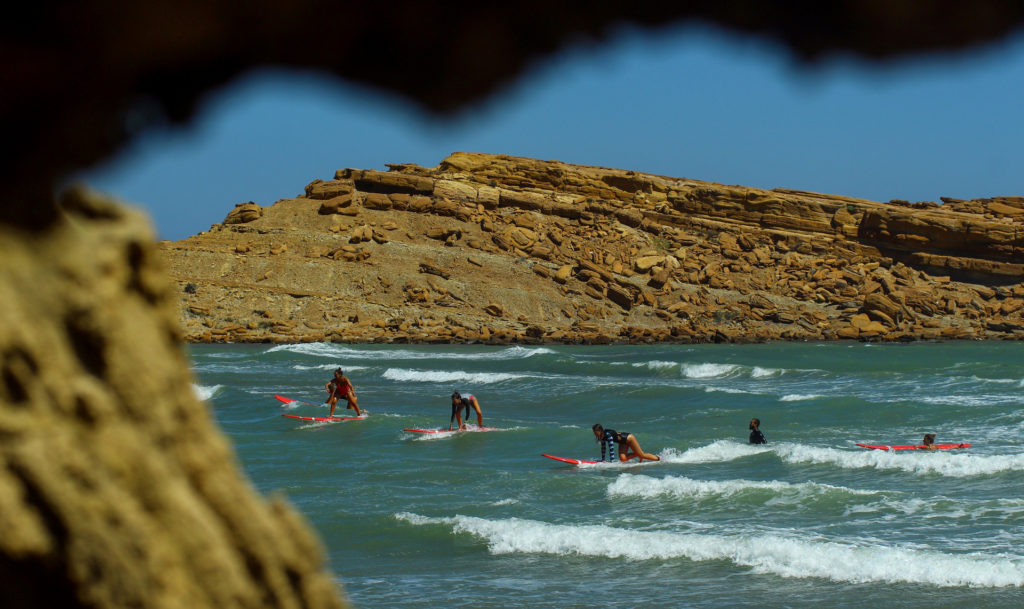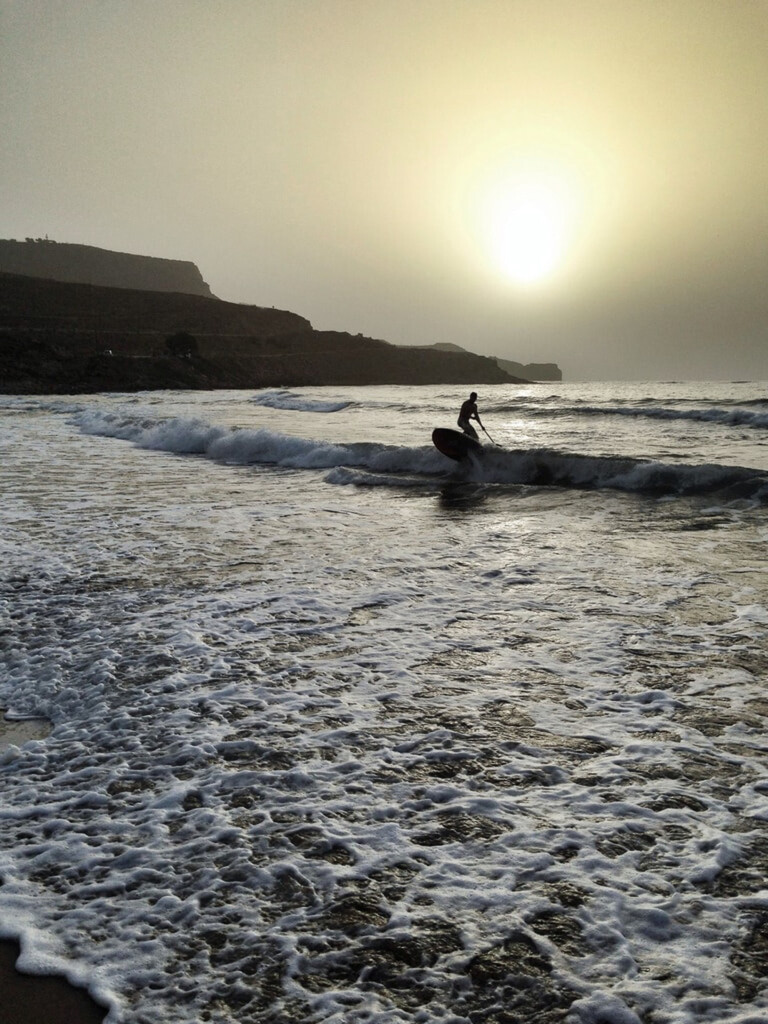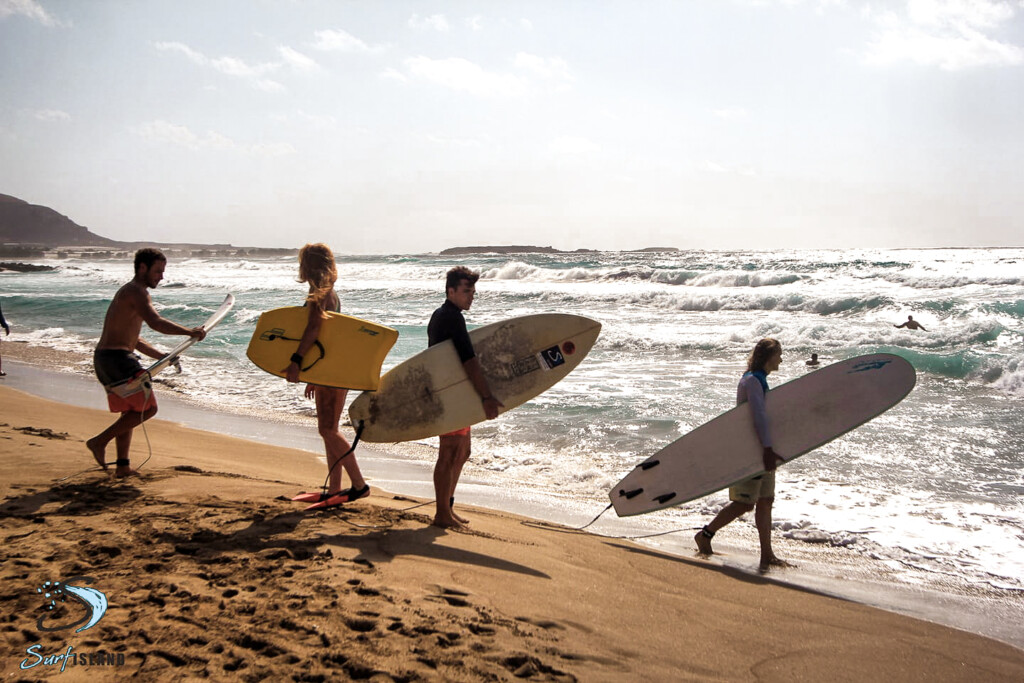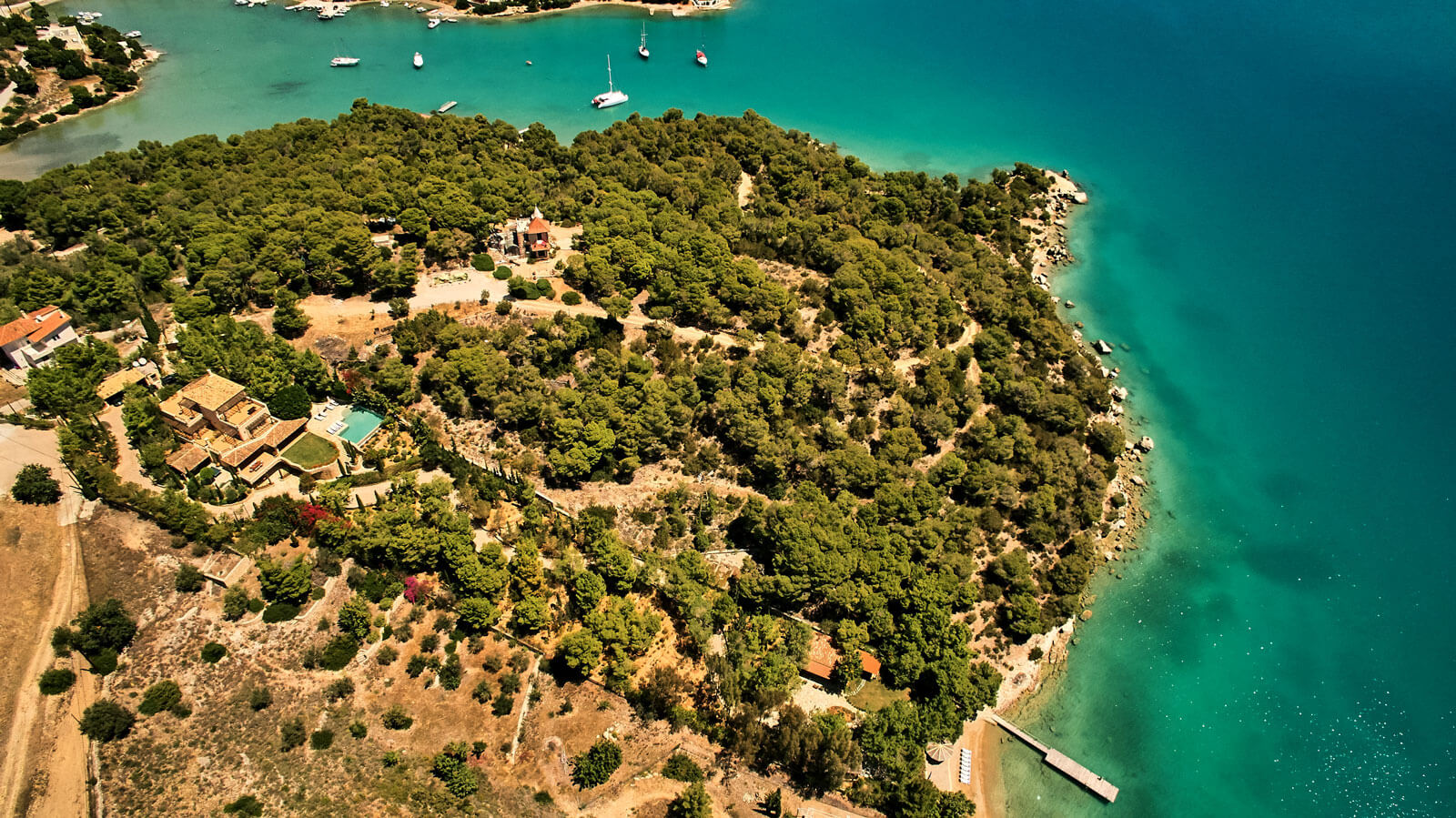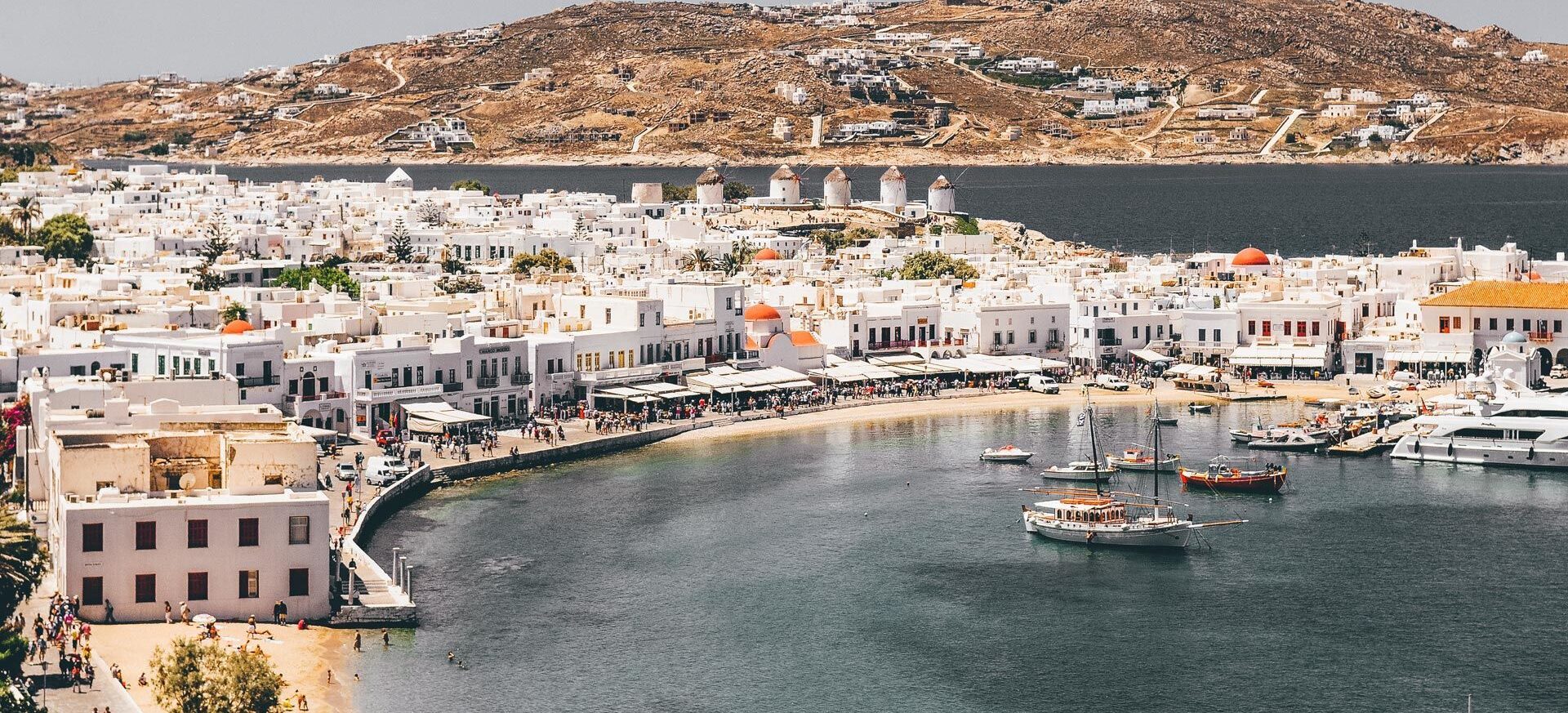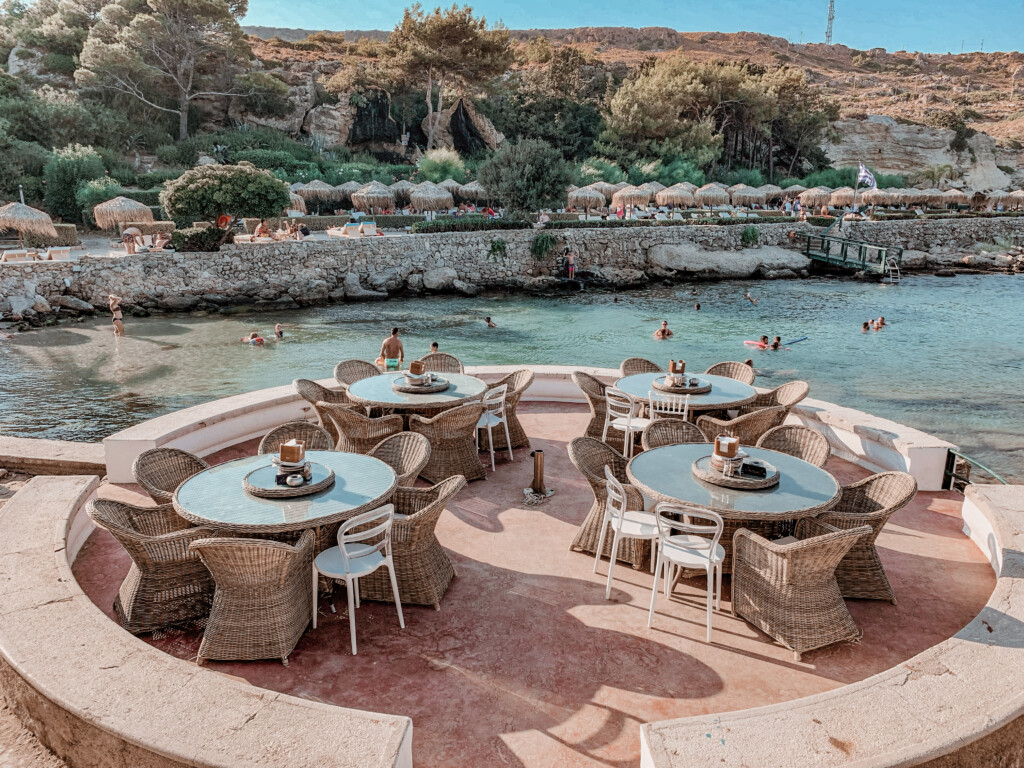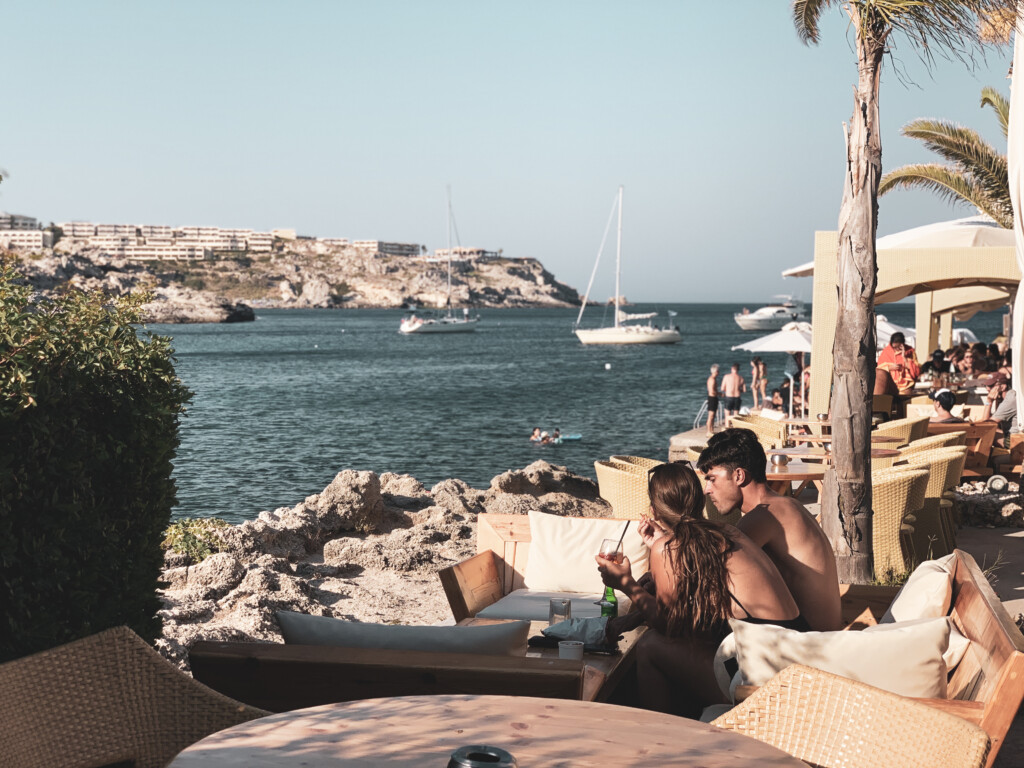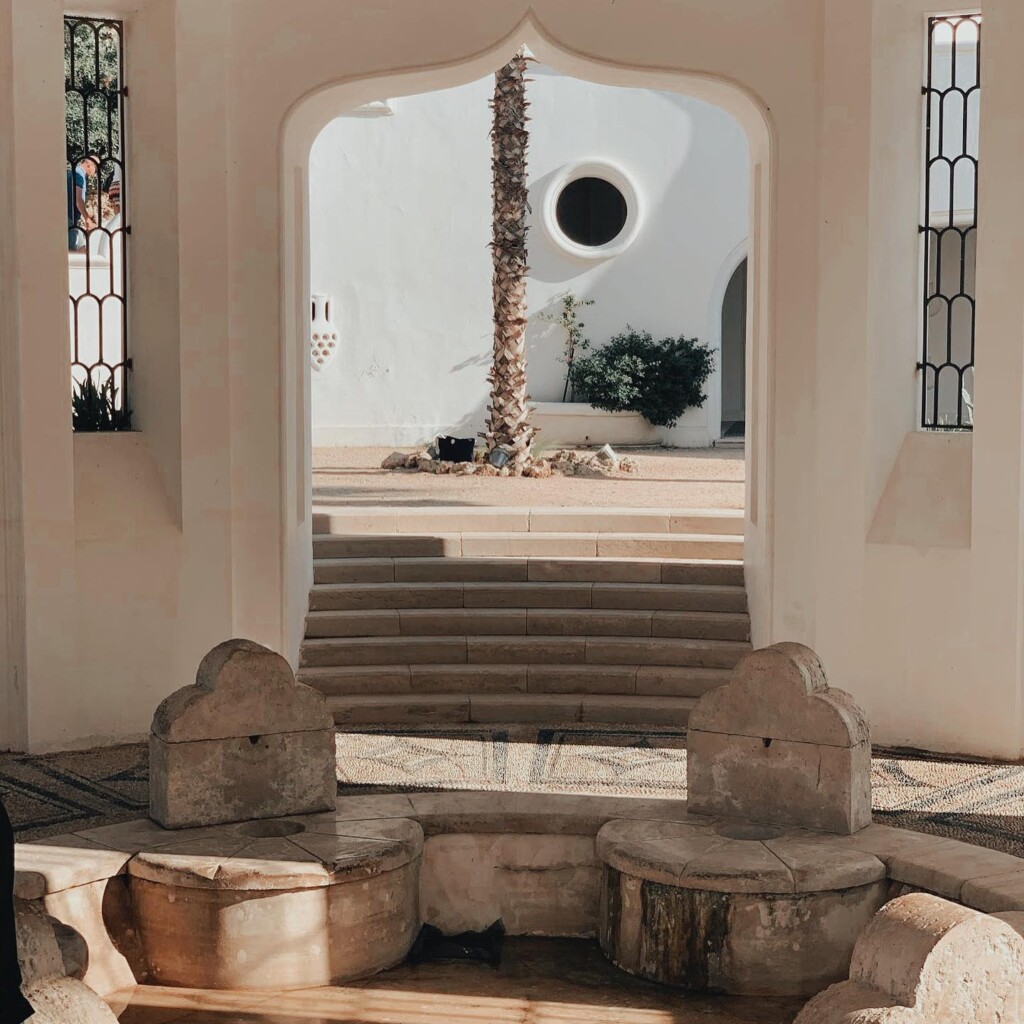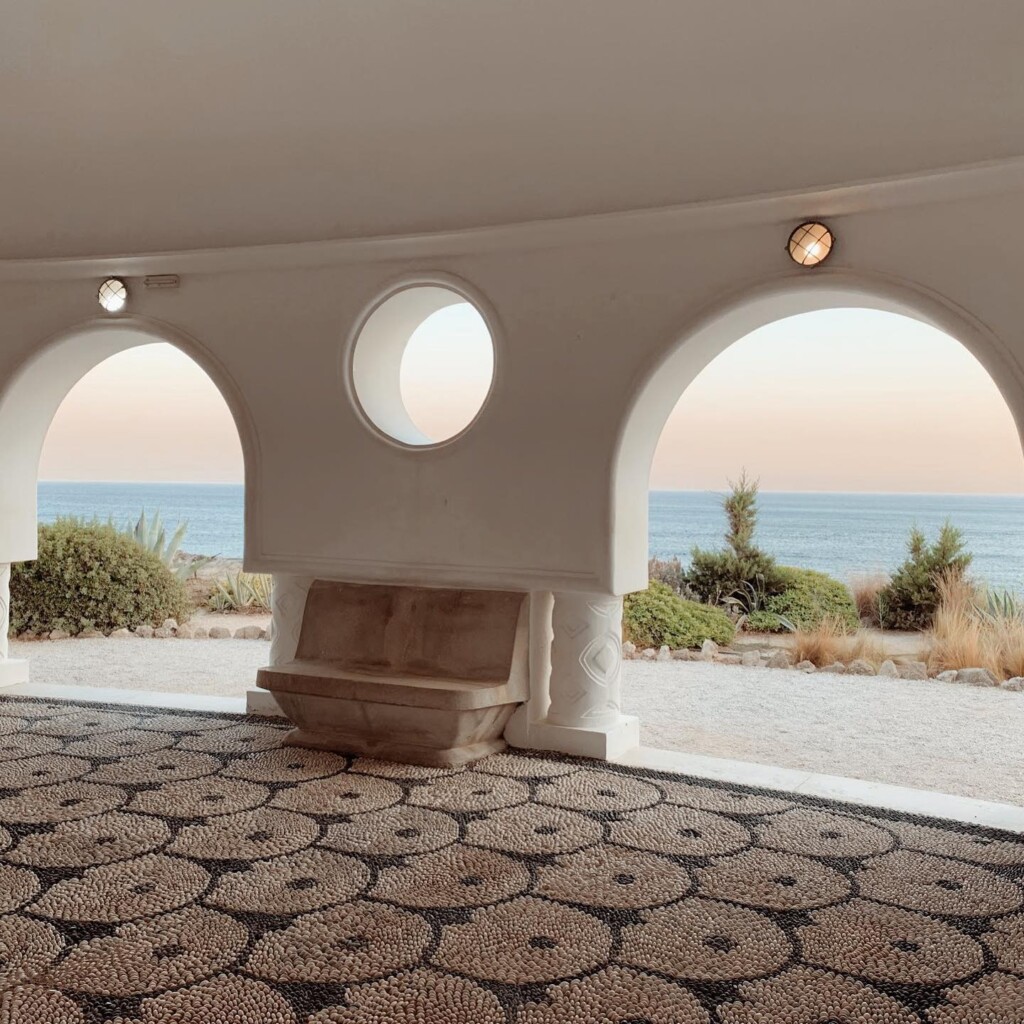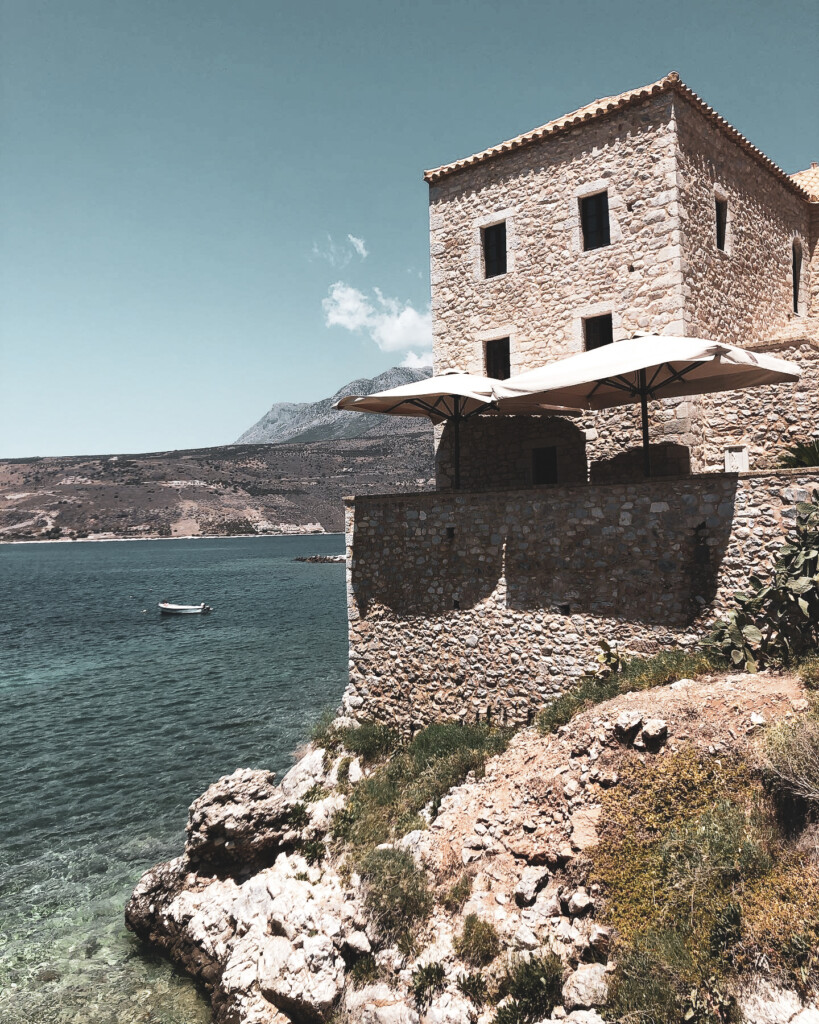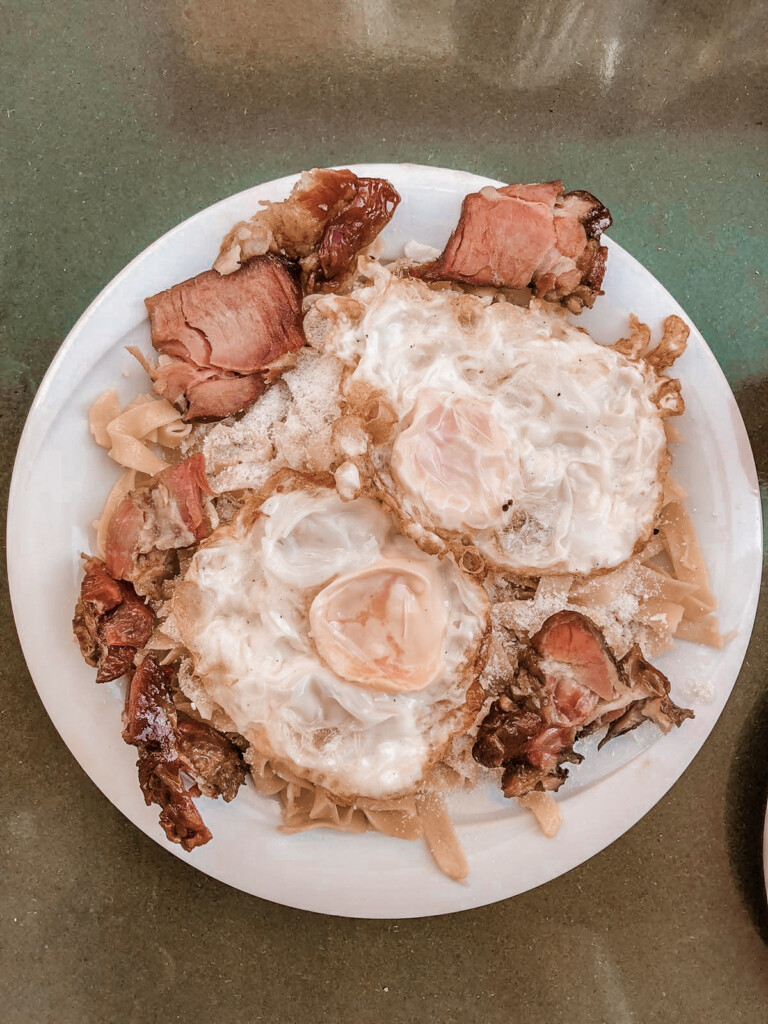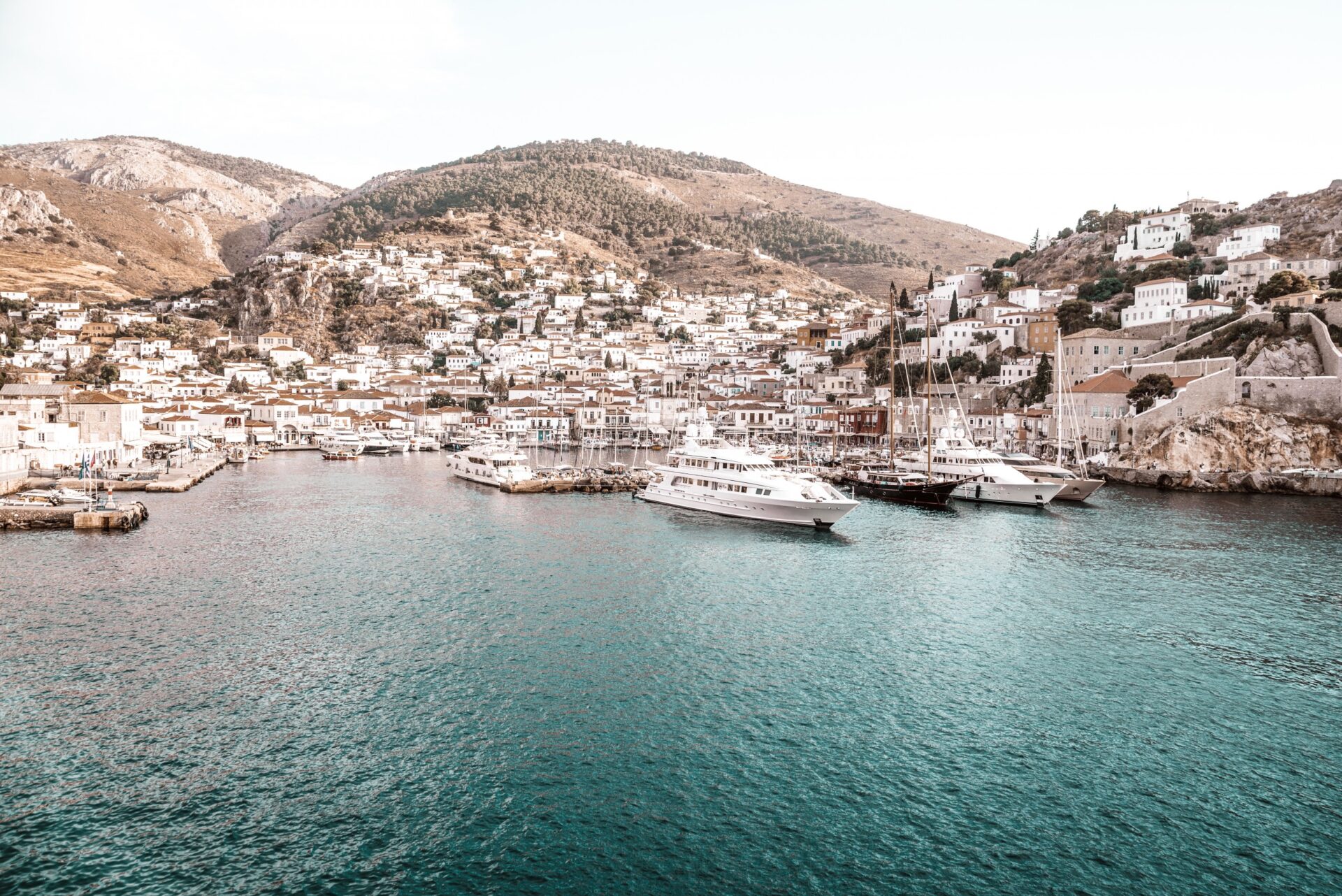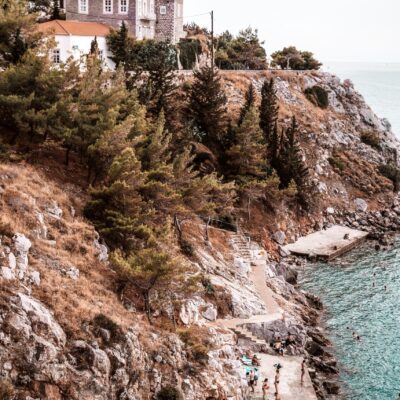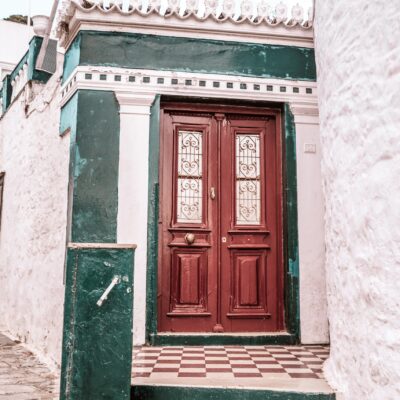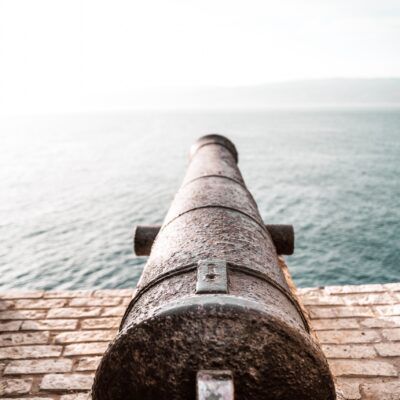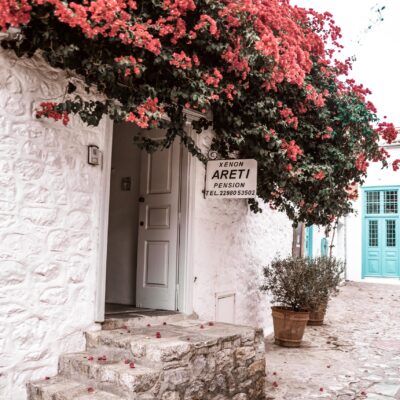
Philhellene photographer Mark Wilman, creator of a successful six-year project and book ‘Discovering The Beauty of the Cyclades’ describes his first trip with Milos.
Mark’s project has been presented by the British Embassy in Greece, the Greek Embassies in Rome and Tel Aviv and the Aquarium of Milan. His evocative photography and writing transport you to the heart of the Cycladic culture, landscapes and colours. And if you want to experience it for yourself, he is available to offer photographic tours. This personal story about Milos is the fourth in a narrative series created by him especially for IN+SIGHTS GREECE that will run over the next few weeks.
Discovering the Beauty of Milos
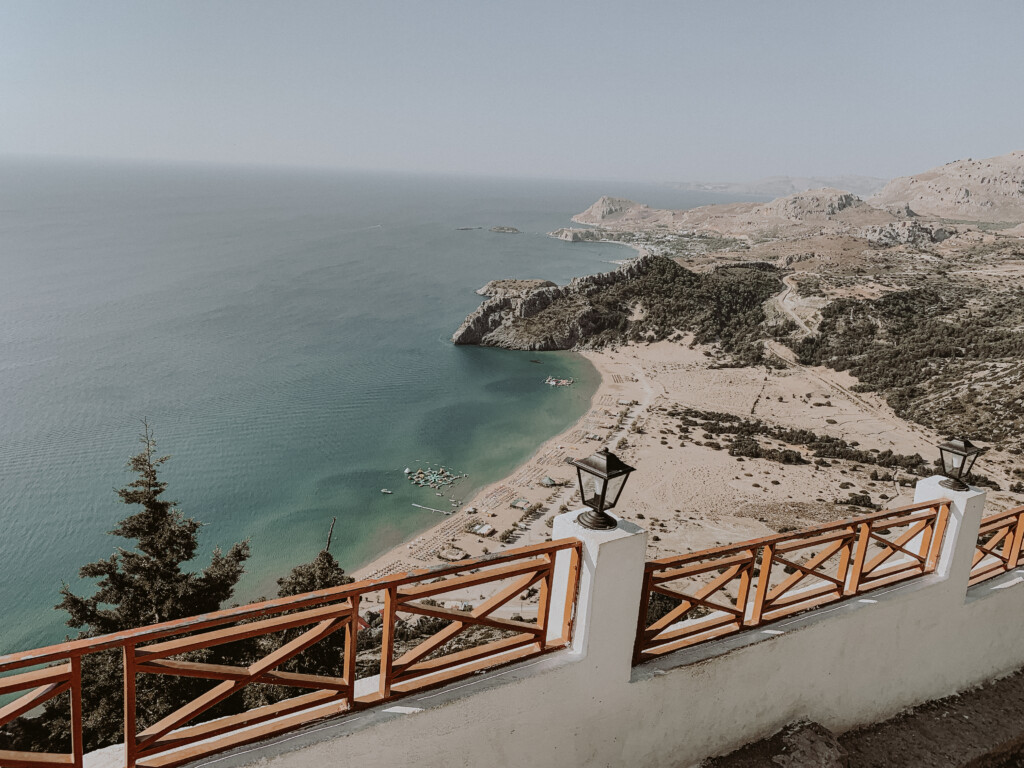
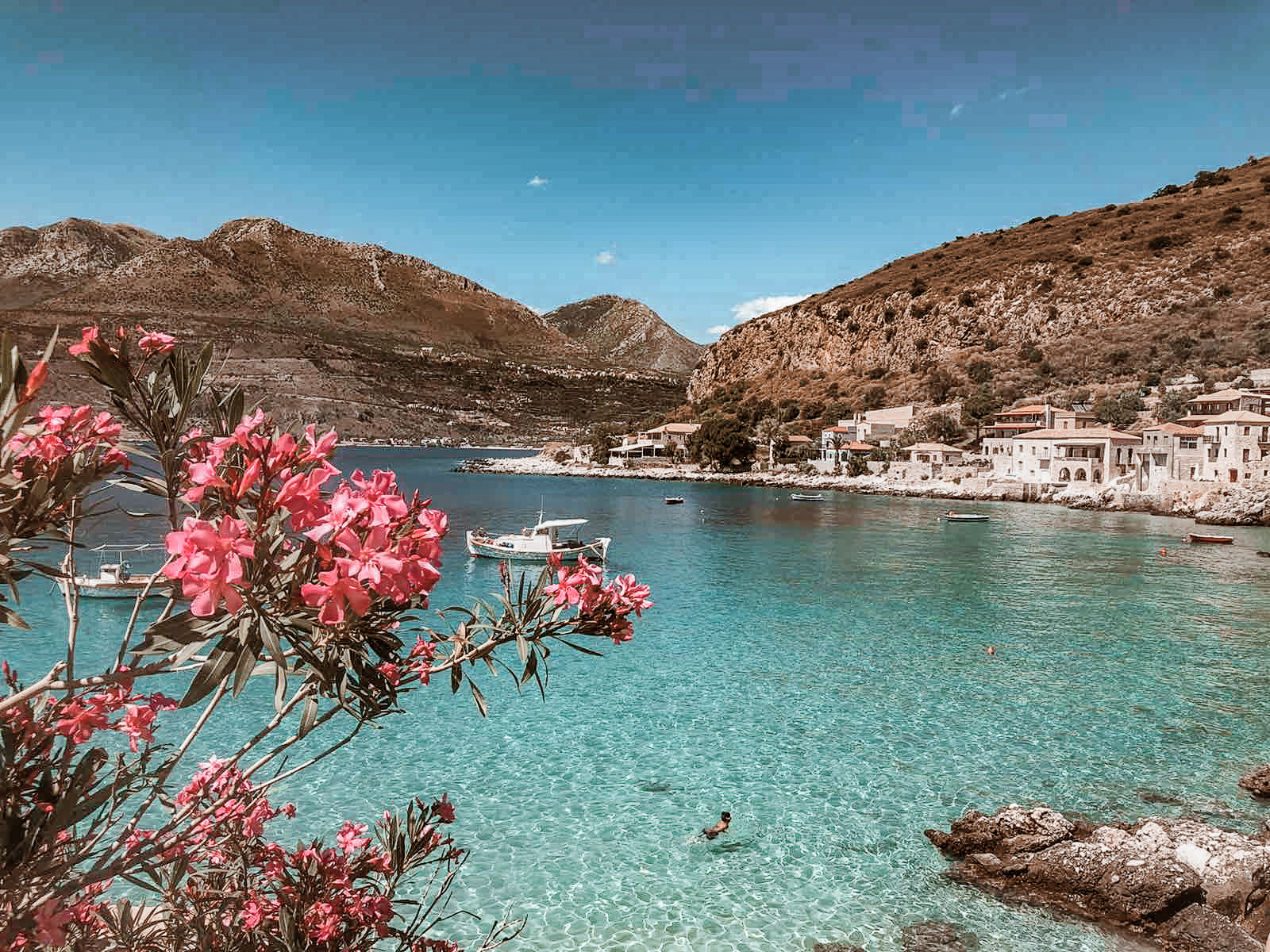
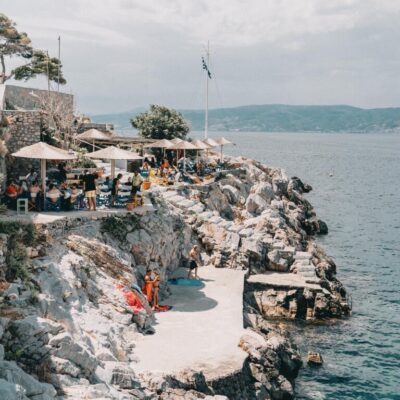
Too tough on the car, too rough on the tyres, that’s the west of Milos. The sun in my face, I drove at a pace so slow it went on for hours. Lonely but lovely Agkathia bay as far away as it is; twice I was there under the glare, standing where once there were flowers.
It really is a beautiful place and next time I’ll stay for longer. For some reason it’s been a late afternoon arrival both times, and the road does take that much effort.
I finned my way to Sykia cave along from Agios Ioannis, its miniature beach is well out of reach to most of its passersby, and its hole in the roof is natural proof of beauty under the sky. When I got there, people did stare, wondering “No boat?” I stayed for a while offering a smile, but then they were gone, by a mile. The location is simply amazing with its entrance through a rockface into an interior bay that has its own beach, and that skylight view through the hole overhead.
Along the way to Kleftiko, the arch in the sea in the south, the road played a joke so there was no hope of getting to where I’d planned. To the right I steered, then a left appeared which led me back … to the sand.
I didn’t try that one again though it was an enjoyable trip along the coast on an unpaved road that was under construction at the time.
One place I’m enchanted by is this enormous rock with its humpback form separate from Milos by only a few miles. I’ve walked and climbed and crawled through mines there looking for clues from the past; the air was cold, the tracks were old, but bold was I in the dark.
Erimomilos, or Antimilos, is the isle of my dreams for fishing. It’s so far away but maybe one day… Until then I’ll just go on wishing.
Thessaloniki, Greece’s second-largest city is a place where history, culture, hospitality, and gastronomy meet. It’s a destination that caters to all and will definitely satisfy any taste.
Even though 48 hours is not enough to fully experience the beauty of Greece’s co-capital, the guide below highlights the best things you can do during a weekend getaway or a few days’ stay.
DAY 1
Morning
Kick-start your day by trying the most popular delicacy in Thessaloniki, the ‘bougatsa’ pastry, which consists of cream, cheese, or minced meat between the different phyllo layers. Thessaloniki has the best’ bougatsa’ I have ever tried. Make sure to visit Yannis at Mitropoleos Street to enjoy this slice of heaven. It’s a small, local pastry shop, always serving fresh bougatsa and other delicacies.
Then, head over to Aristotelous Square, the most central part of the city. Olympion, one of Thessaloniki’s cultural landmarks is also a must-visit.
After your morning coffee and bougatsa, it’s time to explore! Start with visiting Kapani and Modiano, traditional markets, where merchants used to arrive from the Mediterranean. The markets are still vibrant to this day, giving this part of the city the essence of a bygone era.
Louloudadika is another stop you have to make. It means ‘flower area’ in Greek and got its’ name from the florists that gathered here. There are plenty of restaurants and cafes and you will come across the old Ottoman baths called ‘Yahudi Hamami,’ and are now used to host cultural exhibitions.
Aristotelous Square
Olympion
Midday
Go to Aficionados restaurant in the Kalamaria suburb to get a taste of excellent cuisine; Mediterranean flavours with sophisticated twists, it’s set in a beautiful, renovated historic villa.
Afternoon
Walk down Nikis Street, one of the main strips, and have a coffee in one of the many cafes overlooking the sea. Café Nikis 35is one of my favourites, as it’s a laid-back place where the locals go.
Later on, continue walking on Nikis Street, towards the famous White Tower, which was once used for the city’s fortification, and is now a museum.
Aficionados
Aficionados
Early Evening
If you are still up for some more strolling, continue walking at Nea Paralia until you reach ‘Ompreles,’ the beautiful piece of art made by Greek artist Georgios Zogolopoulos. At the golden hour, it looks mesmerising – don’t forget to take a photo!
Make sure to try one more delicacy that will excite your taste buds; ‘trigona.’ It’s a local specialty that consists of layers of phyllo filled with cream and folded into a triangle shape. Elenidis in Dimitriou Gounari street has the best trigona in Thessaloniki!
Late night
The word ‘night’ in Thessaloniki is well-connected to the area of Ladadika, where the nightlife pulse beats. Ladadika is full of tavernas that serve excellent food accompanied by live music and bars where you can continue afterwards, for drinks and cocktails.
Elenidis
Ompreles
DAY 2
Morning
Start your day by buying a ‘koulouri‘ from a street vendor, the famous bread ring covered in sesame, and get ready for some exploring.
Wander around the most picturesque area of Thessaloniki, Ano Poli; approximately a 20-30 min walk from Aristotelous Square. Ano Poli is located on the highest point of the city, in Agios Dimitrios, and is a place that escaped the devastating 1917 fire. Get lost in the little alleys and travel back in time while taking in the peaceful atmosphere and beautiful views.
Nearby lies the UNESCO World Heritage Site Agios Nikolaos Orfanos Church and also, the Trigonion Tower.
If you are a culture aficionado, then pay a visit to the Teloglion Foundation of Art. Created in 1972, the Museum showcases works of significant Greek and European artists of the 19th and 20th centuries and a library that features a variety of books.
Alternatively, you can visit the Museum of Byzantine Culture, the Archaeological Museum of Thessaloniki, where you can find artifacts, mosaics, and sculptures, or the Macedonian Museum of Contemporary Art.
When in Thessaloniki, it’s worth enjoying pleasant walks by the sea. Start from Pier A, also known as ‘Apothikes,’ where old warehouses serve as venues for the Thessaloniki Film Festival. There, you can also visit the Thessaloniki Cinema Museum and Museum of Photography. If you wish to take a quick break, go to Kitchen Bar, a café-restaurant overlooking the sea.
Agios Nikolaos Orfanos
Ano Poli
Midday
For some delicious fish bites, head to the suburb of Kalamaria for lunch. There are plenty of tavernas offering great food. Alternatively, go to Duckrestaurant, a family-owned place that serves excellent food, has lovely décor and an open kitchen.
Afternoon
Head back to the city and go to Diatiriteo or Enohes for a Greek coffee or Frappe. They’re retro, amazingly cute, and I’m sure you are going to love their vibe.
Duck
Enoches
Early Evening
You must have learned by now that food in Thessaloniki plays a crucial role, and you simply have to taste everything! One more thing you should try is ‘tsoureki’- the sweet yeast bread- and more specifically, ‘tsoureki’ from Terkenlis, one of the oldest and most popular places in the city. If you are into chocolate, then take the tsoureki that is filled with chocolate. There are plenty of other options for you to choose from.
Later on, and if you love fashion, head to Tsimiski, Mitropoleos, and Proxenou Koromila streets, the main shopping streets.
Late night
Being in Thessaloniki and not enjoying a night out is a shame. Valaoritou Street is vibrant, with plenty of bars offering creative cocktails and drinks.
The city of Thessaloniki is a lovely place with amazing people, delicious food, and rich history. Enjoy your time here!
At an altitude of 1,413m and only an hour’s drive from central Athens, Parnitha, Attica’s highest mountain, offers a green and gratifying getaway from urbanity, as well as magnificent panoramic views of Attica from above.
Throughout the week, but especially during the weekend, the 30,000-hectare natural expanse becomes an idyllic haven for anyone seeking fresh air and adventure sports.
Bring along a picnic and find a lovely spot to relax and soak up the views, maybe even spot some eagles, owls, vultures or falcons (there are 133 bird species here) or another animal (49 types of mammals including deer, foxes, squirrels, badgers, and hares) and definitely plenty of beautiful greenery (with over 1,100 species of flora – of the 6000 species that grow nationwide).
Hiking Mt Parnitha
Hiking Mt Parnitha
images Tripingr
Otherwise enjoy the national park of Parnitha by being more active and organising yourself by taking part in any of the activities that take place there. Parnitha’s mountain shelters are a great way to start. Bafi Refugeoffers accommodation, food, and a great variety of activities for people of all ages such as hiking, night hiking, mountain biking on Parnitha and nearby Tatoi, Cave exploration, and other activities.
Flabouri Refugeis another great place to stay and enjoy a great variety of activities and events. The Refuge organises various kinds of hikes as well as educational walks in which visitors can learn about flora, mushrooms, and orienteering. They also have events centred around storytelling, music, and games for all ages. The Flabouri Shelter also organises action-adventure sports like climbing, canyoning and mountain biking.
image Mpafi Refuge
For hiking the less known eastern part of the mountain is suggested by hiking adventurers if you’d like to enjoy a greater variety of landscapes. There are marked trails on the mountain but you can also contact organisations like Trekking Hellas for organised excursions. Trekking Hellas organise activities on the mountain that include hiking, rock climbing, mountain biking and even voluntary clean-ups. Climb Greece also organise excellent climbing experiences on the mountain. To get a solid understanding of a hiking experience on Parnitha, we suggest you read this blog account by Olympus Mountaineering.
Mt Parnitha is also a favourite action location for runners, both groups, and individuals. Every October the Parnitha Lake Run takes place at Beletsi Lake, at the foothills of Parnitha. Six and 10km races take place on October 20th in this particularly scenic spot.
Other popular running races that take place annually on Parnitha are the Salomon Mountain Cup, the Arma Parnithas and the Alpamayo Pro Trailrace.
Philhellene photographer Mark Wilman, creator of a successful six-year project and book ‘Discovering The Beauty of the Cyclades’ describes his first encounter with Kythnos.
Mark’s project has been presented by the British Embassy in Greece, the Greek Embassies in Rome and Tel Aviv and the Aquarium of Milan. His evocative photography and writing transport you to the heart of the Cycladic culture, landscapes and colours. And if you want to experience it for yourself, he is available to offer photographic tours. As a child, the Londoner with Caribbean blood went to Kythnos as one of his first Cycladic island experiences, described here. This personal story about Kythnos is the next in a narrative series created by him especially for IN+SIGHTS GREECE that will run over the next few weeks.
Discovering the Beauty of Kythnos
The pleasurable but potent scent of yellow Phlomis Fruticosa, or Jerusalem Sage, on the path from port Merichas up to the main road, (which at a height of 200m bisects the island from this point all the way down to Agios Dimitrios), contrasts decisively with the pungent odour of Humulus Lupulus, or hops, a ubiquitous crop of prime importance to Kythnos.
The June sea, electric blue this late spring, forms an ever-larger segment of panorama behind the steepening incline. Massive spiders’ webs are an eyesight test the whole way along. Piperi Islet comes into view, as does the Spartan north of Serifos, the path now a track, setting the downward pace at a speed less than comfortable, feet moving almost beyond control.
Agios Nikolaos church in the far corner of Skylou Beach is perfectly white though un-Cycladic, with its smart terracotta roofing, the water gushing at its facade fresher than cool.
Orias Castle, past the secluded seaside village of Loutra, with its bold historical personality, is reached over scenery that heads high into the north-western corner. Perched well above Gialoudi and Sklavos Bays, it served as the isolated capital until 1617. Legend has it that it was overrun after a young woman heavy with child approached the entrance begging to be admitted; the watchman’s daughter opened the gate for her and at the same time – unwittingly – also for the foreign aggressors hiding nearby.
Exploring the castle on its acutely slanting exterior offers insights into the inhabitants’ lives, the island of Kea directly in front of their homes last inhabited long ago. There’s a feeling that voices and echoes remain trapped in the wall’s corners, eager to tell their tales, whisper their fears, if only they had the chance. This castle was a place of drama easily felt.
See Mark’s Kythnos page by clicking here: markwilman
Greece is a dream destination for couples looking to explore a country offering magical scenery, amazing outdoor activities, as well as magnificent archaeological sites, cultural attractions and gastronomical delights- making it the ultimate travel experience with a partner.
Local lovebirds George and Julie from Ioannina in Northern Greece, who are the creators of the website travellers.gr, explore Greece all year round and share their wonderful adventures together on their popular blog.
The Travellers recently spoke with IN+SIGHTS GREECE about the places they believe other twosomes from around the world would also appreciate and admire!
What makes Greece a great place for couples to visit?
Greece is a paradise for every traveller and that’s not an exaggeration. For nature lovers, there are endless mountains, forests and rivers with incredible beauty. For those who love the sea and the Greek summer, Greece has about 6000 islands and picturesque spots. What definitely makes Greece a unique destination compared to other countries is the hospitality and simplicity of the locals, but also of course the unique traditions and history of each place.
Santorini is known as the most romantic Greek island. What other islands do you think are ideal for couples?
There’s no denying Santorini is a standout and no one leaves from there untouched. But our favourite islands apart from Santorini are Nisyros, Leipsoi, Koufonisia, Serifos and Alonissos.
Where do you love to go in in Autumn & Winter?
Greece is a unique destination all year round and in Autumn, the destinations we enjoy are mountainous ones that bring us closer to nature. Near Ioannina, where we live, is Zagorochoria which has around 52 villages and each has something unique to offer, with a range of mountains, rivers, forests and stone bridges. In winter we definitely like snow and we climb to another altitude. From ski resorts to traditional settlements in the mountains, our favourite destinations are Paleos, Agios Athanasios in Pella, and Kastoria.
What are some of your favourite road trips?
Road trips are our favourite type of travel in Greece and abroad and there are four that we have singled out. For Summer: 1. Peloponnese (Patra-Kalavrita-Nafplio-Monemvasia-Gythio). 2. Central Greece (Karpenisi-Nafpaktos-Galaxidi-Arachova) For Winter: 1. Macedonia (Kastoria-Prespes-Paleos Agios Athanasios-Loutra Pozar-Kavala) 2. Thessaly (Meteora-Trikala-Pertouli-Elati-Lake Plastira).
Where in Greece have you not been yet that you want to explore next?
We would definitely like to visit several places in the Peloponnese and with so many islands to see, the next on our bucket list are: Skyros, Milos and Folegandros.
Some great activities for couples when visiting Greece?
The ones we recommend are horseback riding at the river Acheron, rafting on the river Voidomatis in Zagorochoria, hippodrome at Lake Plastira, mountain climbing at Mount Olympus, paragliding in Lefkada and scuba diving in Kefalonia.
Greek dishes/delicacies that you recommend?
If you come to Greece for the first time, you should definitely try moussakas, traditional Epirus pies, traditional Greek salad, spetsofai (Greek sausage and peppers), tzatziki, gemista (stuffed vegetables), spoon sweets, and of course souvlaki.
Any tips for couples planning a trip to Greece?
The only advice we have, which of course applies to every holiday, is to be in a good mood, have an appetite for new adventures and savour every moment!
Wandering around the castle of Monemvasia, in the Prefecture of Laconia, which happens to be the birthplace of famous Greek poet Yiannis Ritsos, feels like a journey to the past, to places and times we have only read and heard about.
Spartan nobles, Romans, Turks, and Venetians are some of the former inhabitants and their presence has remained strong throughout the centuries. Churches, fountains, hammams, and wealthy merchants’ homes are still standing within the cobblestones of the castle as well as small wooden arched doors reminiscent of the land of Hobbits.
Today, the Castle of Monemvasia is one of the most beautiful in the world, with a fairytale atmosphere and romantic vibe.
What you need to know before you arrive
Cars are not allowed in the Castle; you have to park outside and find your hotel on foot. And there are no ATMs here either but you will find some in Gefira, the new part of Monemvasia.
Getting there
The distance from Athens is about 285 km (about 3.5 hours). The shortest and easiest route from Athens to Monemvasia is the one following the A7 motorway that crosses Corinth and Tripoli. In Tripoli, you take the exit for Sparta (sign “Sparta without tolls”) and as soon as you reach Sparta you take the Sparta ring road and follow the signs to Monemvasia. When you enter the new city of Monemvasia, continue on the main road, cross the bridge that leads to the Castle and you will find yourself at the gate of the mythical Castle.
If you have the time (and enjoy driving), there is another option, much longer (about 5 hours from Athens) but it’s a journey of scenic beauty, and you will even cross a gorge. Immediately after Corinth, you need to follow the picturesque seaside route that passes through Argos, Astros, and Leonidio and continues through the traditional mountain villages of Kosmas and Geraki until you reach Vlachiotis, Molasses and finally Monemvasia.
Where to stay & Getting Around
I would strongly recommend staying in the Castle -even though it’s a little bit more pricey- here is where you will experience the magic. Cars are not allowed in the castle, so you have to explore it all on foot.
Best time to visit
All-year-round. Summer is considered the most touristy season but for me, the ideal season to visit is spring. If you want to enjoy the place in peace and quiet, go during winter.
Where to sleep
Kellia Guesthouse is a listed building, right on the recently renovated Chrysafitissa Square, and the house where the Greek poet Yiannis Ritsos was born.
Casa Rodanthi right at the entrance of the castle offers sea views and elegant décor.
Casa Rodanthi
Kellia Guesthouse
Where to eat
Matoula, great value since 1950, is renowned for its freshly cooked fish.
Kanoni for fresh fish with nice views from its terraces.
Saitior Tsaiti, is a fried pie typical of the Laconia region with local goat’s cheese and fresh herbs.
Where to drink
Malvasia Café is an impressive spot away from the crowds- perfect for zen moments. And head to Enetiko Café & Cocktail Bar where you should order the Mediterranean breeze cocktail.
Discover history
The Castle Town of Monemvasia was constructed in the Medieval Times. From the 10th century, it started to become an important trade and maritime center. Then in the mid-12th century, the city bravely resisted the Norman and Arab invasions. However, another effort of invasion by William Villehardouin, lead to the defeat of the town in 1249. Ten years after this, Michael Paleologus imprisoned Villehardouin, who recovered his freedom by taking the side of the Byzantine rule, helping them to regain the fortresses of Monemvasia, Mystras, and Mani. Unfortunately, its development attracted pirates. In 1419, the Venetian invasions caused the decline of the Byzantine Empire. The Venetians handed the city over to the Turks in 1540 and later returned in 1690 for a period of 25 years. After a second Ottoman occupation, Monemvasia was the first city to be liberated by the Greeks during the War of Independence in 1821.
Colourful alleys of the Castle
Top activities
Apart from total relaxation, a top (real) activity in Monemvasia during autumn and spring is hiking. There are many old footpaths in this region that lead to tiny chapels, small settlements, and hilltops with a breathtaking view of the sea.
Where to shop
Edodimopoleio Honey Shop was created by a group of olive oil producers, famous for their honey wine. They offer free tastings of all their products, so you can try and then shop. They also own the “Monemvasia Cosmetics” company, with aromas of prickly pear, myrtle and cyclamen, and other amazing local goods.
What to see…
the Church of Elkomenos Christos, dedicated to “Christ in Pain”. It was built in the 13th century by Byzantine Emperor Andronicus.
The Archaeological Museum of Monemvasia is housed in a Muslim mosque opposite the church of Christ Elkomenos. It was constructed in the 16th century by the Turks, as a mosque, then became a public building, a prison, a coffee shop and today it hosts the archaeological collection.
The church of Panagia Chryssafitissa, built on the edge of the rock in the 17th century.
Malva Gallery, where you will discover paintings by a well-known artist of the region, it’s located next to the main entrance gate of the renowned city of Μonemvasia.
The Church of Agia Sofia perched on the cliff dates to the 11th century with breathtaking views of the Aegean Sea, and when the skies are clear you can see as far as the island of Crete.
The home of Yiannis Ritsos. Outside you can see the statue of the famous poet, located near the entrance of the fortified castle.
Take a day trip to…
Monemvasia can serve as the perfect base to explore the beautiful region of Laconia by car. You can visit the small seaside village of Gerakas and the beautiful villages of Kyparissi and Plytra with crystal clear and shallow blue sea. Also, Elafonisos, is a destination on its own.
Can’t leave until…
you have a glass (or several) of PDO Monemvasia-Malvasia, a famous sweet wine produced in Monemvasia since the Middle Ages.
What happens when the unassuming but world-famous “island of Panygiria” experiences a drastic cut in tourism?
In this age of Covid-19 restrictions falling like hailstones on everyone’s lives, the Blue Zones island of Ikaria – as the rest of the country – was banned from organizing its annual community festivals. Drawing visitors by the thousands, these traditional events featuring live music, an abundance of local food and wine and dancing ‘til the early hours were originally designed to bring the community together and raise funds for local infrastructure.
image via skin_grocery
Ikaria annually hosts around 100 Panygiria over six months – from May to October– around the island. In+Sights Greece spoke with two longtime foreign locals who revealed the consequences of restrictions on their beloved island.
The Ikarian people, known as “Ikariotes” are known for being resilient, resourceful and self-sufficient. Despite being known for their social character and tight communities, they hold an allure to those who prefer to defy convention and strict authority. The spirit of freedom and embracement of life is one of their strongest features, but it comes from daily discipline and hard work.
Reiner Juring, a German who built his permanent home on the northern Aegean island in 2010, says “Ikaria is still very much as I got to know Greece in the ‘70s-‘80s. There’s relatively little tourism and there’s a strong sense of solidarity among the residents (via neighborhood help, initiatives). Agriculture plays a major role and “old wisdom” – about horticulture, cattle breeding, herbalism, natural remedies, cooking winemaking, honey harvesting and olive oil production – still presides. The landscapes are still mostly virginal, with wonderful, mainly restored old footpaths and farm paths.”
When I ask Juring about what difference the Panygiri ban made to the island this year, he says “Unfortunately, over the decades the actual scope of this custom was degraded. In the high season of July and August the Panygiria often become extremely crowded with mostly tourists, both Greek and foreign. As a result, the local spirit of communion is diluted, as are the traditions themselves, like the Ikarian Dance that many tourists don’t know how to follow properly, thus preventing the older locals in particular from moving on an over-crowded dance floor. Also, some tourists bring their own food and wine/beers/drinks which contradicts the old traditions. One of the main scopes of these events is to raise money to create local infrastructure like roads, schools, hospitals, renovations in churches and so on.” Interestingly, Juring says, this year there were far fewer tourists on the island from April – August, which offered a breather of sorts to the locals.
“There were some positive effects such as: less traffic, cleaner beaches and streets, a quieter atmosphere in the squares and in the taverns and kafeneions. Many Ikariotes found time to focus on work during the lockdown months that they would otherwise not have been able to do. As for the ban on Panygiria, neighbours got together in several villages (without the live music and dancing), one or two goats were slaughtered and people sat together in smaller groups. According to many Ikariotes, it was “like it used to be” and everyone found it very pleasant.”
However, and very importantly, he adds that the ban on the festivals has taken its toll on both the local economy and the landscape: “The meat (mostly goat meat) the rest of the food and the wine sold at Panygiria are usually obtained from local residents. So this year these people couldn’t generate their annual income. Also, every year a few hundred goats are slaughtered for the Panygiria. Without these in 2020 these goats will unfortunately contribute to the further destruction of the forest, as there are some irresponsible goatherds who don’t keep their animals fenced in as prescribed but let them roam around destroying nature. This destruction has already been documented and there are also some organizations trying to contain the damage.”
“Ikarians have a strong sense of self-sufficiency, a robust and communal spirit that honours solidarity and a tradition in each home of owning a goat, or a few chickens and growing a food garden,” says Ursula Kastanias, who moved to Ikaria in 1986 from her native Switzerland and married a local man, with whom she runs the charming ΠU giftshop in Raches village. “But with such a huge reduction in tourism other areas of our livelihood have been hit, because maybe we have potatoes and meat from our back yard but you can’t pay bills with those,” she says.
For many years, Kastania has been running the very successful German language blog Ursula’s Ikaria, through which she has managed to raise 25,000-30,000 euros from foreign donations to help her local community in Raches mountain village. “Through the site, in which I write about Ikaria, I’ve raised money for heating in schools, the local hospital, the fire brigade and the Sports Association. These are all ways to improve local life, because already things are tough here. With the situation now, we have no idea yet what the real consequences will be – will have to see what we are faced with in winter.”
One can’t help but feel that Ikaria’s people will find a way to survive this crisis too, although that does not mean that they will suffer, as will people globally whose economic means of survivcal have been drastically or completely shut down. Still, their community spirit remains enviable in a world where individuals today are very much left to their completely solitary devices. Panygiria or not, the Ikarian people continue to live out their well-kept secret for longevity, or so I hope.
INFORMATION
Reiner Juring is the Editor of the Pure Places Website which presents German-speaking tourists with the natural and pure locations to visit around Greece. He also works as a freelance Proofreader for several German publishers.
You can find Ursula Kastanias’ store ΠU on Facebook: The store sells handmade jewellery made by her daughter and original T-shirts designed by her son as well as several other locally made items and products, all of which can be ordered online via their Facebook Page.
Philhellene photographer Mark Wilman, creator of a successful six-year project and book ‘Discovering The Beauty of the Cyclades’ describes his first trip on Ios.
Mark’s project has been presented by the British Embassy in Greece, the Greek Embassies in Rome and Tel Aviv and the Aquarium of Milan. His evocative photography and writing transport you to the heart of the Cycladic culture, landscapes and colours. And if you want to experience it for yourself, he is available to offer photographic tours. As a child, the Londoner with Caribbean blood went to Ios on his first Cycladic island experience, described here. This personal story about Ios kicks off a narrative series created by him especially for IN+SIGHTS GREECE and will run over the next few weeks.
Discovering the Beauty of Ios
The journey from Piraeus was thirteen hours on the Elli, arriving at Ios in the middle of the night. It was July 1974, warm and windy. There was light from only a single lamppost but the small hotel was easy to see behind the quay. The owner’s daughter was there. Tanned with short blonde hair, about thirty, and athletic, she didn’t look European and spoke no English, but she could see we were dying of thirst and within minutes had brought up chilled water in unusually shaped jugs, like glass footballs with necks extra long.
Ios Port Bay
Next morning early, I left my mother and three younger sisters sleeping to explore the beach near the port. Within a few days, I’d deeply cut the exterior of my right knee on a broken bottle pointing upwards under the sand playing goalkeeper and had to be stitched up in the village hospital, though not by the island doctor who was in Naxos delivering his child. There was no anesthetic so my focus on the ceiling 5 metres above was rather intense, a grip between my teeth. Forty years later, waiting to speak to the mayor about my photography at his office on the rear side of the building, I looked upwards whilst sitting in the reception and gasped, finally.
Tris Klisies Bay
The taste of wild oregano on a pizza from a small place in a semi-dark alleyway behindthe port one evening is still memorable today, as it will be everyday. It was explosive and made me feel alive, very aware of my surroundings from that moment on. The stitches came out, Dad arrived and freediving began.
My father was a serious scuba diver involved in managing the British Sub Aqua Club in London. He liked to encourage me to keep going deeper, in my nice orange fins.We’d walk over rugged hillsides unavoidably scratching legs on sharp thorns for much of the way to get to rocky bays on the exposed western side with new Greek friends, one of whom was the doctor on holiday who’d kindly closed the wound, another was an able spear-fisherman.
My sisters and I learned to say: “Ena, thio, tria … ena, thio, tria …” as far as a hundred, over and over, especially on our trips up the steep ancient path to the Ios Club for sunsets with Haendel, Beethoven and Mozart, and back. The boat trips to Manganari were always memorable, so beautiful was this bay with its five beaches.
This is the origin of my experiences in the Cyclades. We were there the next year doing it again, and again two years later, and then lots of other times, though just me by then, mostly.
There’s something magical about the largest of the Ionian islands, which still remains pure and protected from mass tourism. Read on for our Complete Guide to Kefalonia.
While visiting again last year, we realised what makes this place so special is the pride locals take in keeping their island clean, fresh, modern, yet warm and inviting- all while allowing its natural charm and authenticity to shine through.
Getting There & Getting Around
Visitors can fly from Athens to Argostoli in just under an hour. If you prefer a ferry, keep in mind there are no direct ferries from Athens to Kefalonia. Options are to either leave from Patras, which is around a 2.5-hour drive from Athens and then take a ferry from the port of Patras to Sami (around 3.5 hours), otherwise, drive to Kyllini, in the Peloponnese (roughly 3.5 hours) from Athens and then take the ferry from Kyllini to the port of Poros (approx. 1.5 hours).
The island is fairly large and the best way to see it is by driving around. There are regular buses that can transport you to the main beaches and major sites- but we highly recommend hiring a car.
Fiskardo
Where to stay
Argostoli is the main town where you will find the majority of restaurants, bars, and shops, it’s the ideal base- especially for first-timers. Lassi is a great spot for families who want to be footsteps away from the beach. Lixouri in the Paliki Peninsula is a quiet and quaint fishing town- a good spot if you are after a chilled vibe and not-so-busy beaches. Assos is a pretty seaside village that will steal your heart, while Fiskardo is the glamorous and upmarket part of Kefalonia with trendy boutiques and bars.
Where to sleep
For a well-priced and modern hotel in the heart of Argostoli, Mouikis is ideal. Also in the centre of town is Kefalonia Grand, which offers a nice boutique experience. White Rocks Hotel in Lassi is perfect for a seaside stay, and for a more luxurious and holistic experience, Emelisee Nature Resortin Fiskardo is a stunning choice. If you prefer an adults-only retreat, check into F Zeen, which offers an upscale stay with an emphasis on health and wellbeing.
F Zeen Retreat
F Zeen Retreat
Where to eat
If you are after a quick bite check out Ladokolla, which serves freshly grilled meat slowly cooked over charcoal. For an authentic tavern experience in the heart of Argostoli, we recommend Tzivras, which has been a local favourite since 1933. Also in the centre of town, try Ampelaki, Captains Table, and Palia Plaka, which all serve Kefalonian dishes and delicacies. NefeliAnait in Assos is perfect for a late lunch by the water, while the famous Alexandros Restaurant in Myrtos is where celebrities go for authentic Greek food. If you are making your way over to Lixouri, check out Zefki and S’Anamena Karvouna. For a great dessert experience, you can’t go passed Spathis Bakery, which is renowned for the best sweets in town, and for a quick coffee or waffle, Cinnamon Café in Argostoli is ideal.
What to eat
The Kefalonian kitchen is most famous for its pies including Bakaliaropita (salted cod pie), Ktadopita (Octopus pie), Tiropita (cheese pie using local Kefalonian cheese), and the most popular by far is the Kreatopita (meat and rice pie.) Cheese lovers rejoice as the Kefalonians make their own variety of Feta, Mizithra (ricotta style), and Kefalotiri (a hard full-fat cheese). This Ionian isle also produces good wines and is most famous for its Robola, a locally produced fruity variety. When it comes to desserts definitely opt for the Karidopita (syrup-soaked walnut cake) or Amygdalopita (almond cake) and take home some Mandoles (sugared almonds with a red coating) and Pastokidono (a quince with roasted almonds and honey).
Where to drink
To get a taste of local wines under one roof, head to Oinops Wine Bar in Argostoli. For a delicious cocktail in town try Platanos, Kafepoleion, K63, or Bee’s Knees. And if you visit Fiskardo check out Le Passage, Theodora’s Café, and The Fish Bar, which are all great spots to grab a drink.
Where to swim
You really are spoilt for choice here and Myrtos, the most famous beach in Kefalonia definitely deserves to be seen up close, however, keep in mind it gets very windy so it may not be ideal swimming conditions on the day. For the perfect swim, Antisamos and local favourite Petani (with the most amazing little tavern) is where to go. For families with young kids, we recommend Platis Gialos, Makris Gialos, and Lassi, which all boast clear and shallow waters. If you want to stay away from the crowds head to Gradakia and Xi Beach (with picture-perfect orange sand). And you can’t leave without having a dip in the most stunning emerald waters of Assos– this bay is pure bliss!
Petani Beach
Myrtos Beach
Discover History
At the Archaeological Museum in Argostoli, you can find pieces from the Hellenistic and Roman period. Then head across the street to the Municipal Theatre, which is one of the oldest in Greece. In Lixouri, check out the Iakovatios MuseumandLibrary, which has many rare books and manuscripts, and the Nautical Museum located in Fiskardo is also full of ancient treasures.
Must visit villages
Makriotika Village is close to Agia Efthimia and has beautiful gardens and views of the mountains and sea (here you will find a few family-run taverns serving authentic local flavours). Livathos also offers magical views and insights into local customs and traditions. Also add Kourkoumeleta, Keramies, Karavados, and Kaligata to your list- where you will find a bell tower of the 18th Century, that is dedicated to Panagia (Virgin Mary.)
Sacred Sites… Visit Agios Gerasimos Monastery where you can discover the caves where the Patron Saint of the island once lived.
The Monastery of Panagia Lagouvarda is a well-known holy site where harmless snakes appear with a black cross on their head and are believed to perform miracles. The Monastery of Agios Andreas, which has been turned into a museum housing Byzantine icons is also very much worth a visit.
Can’t leave until…
Feeding the Caretta caretta turtles in Argostoli, watching a film at the open-air Anny Cinema, checking out The Bookmark bookstore, taking a boat ride through Melissani Cave, and having lunch at En Kefalinia Organic Farm, where all dishes are made using seasonal produce from the family farm.
Spring and early Autumn are the ideal times to explore the lush Zagori region of Epirus, although winters there are magical too. Time to get planning!
image @travel_torild
The cooler months of summer and the entire autumn-winter period is the perfect time to travel to northwestern Greece to the mountainous Zagori region, made up of 46 scenic villages. Here you can relish the antique allure of homogenous, beautifully maintained traditional architecture surrounded by verdant landscapes in a fresh alpine environment. The architectural style is chiefly one of stone and wood houses with dark grey slate roofs throughout all the villages, with a few mansions that were once homes to illustrious Greeks. The carefully preserved architectural beauty of this region is a unique feat for Greece, where unfortunately a lot of traditional architecture has been replaced with cement monstrosities.
Zagori (which in Slavic means ‘beyond the mountains) is an ideal place for a tranquil retreat: with an abundance of spectacular natural surroundings, whether you’re a parent, lover, hiker, artist, rafting fanatic or cultural explorer, there innumerable pleasures including culture, sightseeing and great food. Zagori is separated into western, eastern and central parts and is surrounded by other stunning Epirus regions like Ioannina, Arta and Tzoumerka.
The Most Unmissable Villages
You’ll need a car to get around, but once you reach the villages it’s best to park and walk around to get a real sense of the ambience.
At Vitsa, in the western side of Zagori, admire the mansions that once were home to some notable Greek historical figures. Zagori is also known for its beautiful stone bridges, so when in Vitsa, go to the Misios double-arched bridge. Vitsa is the most touristically developed of the villages and there you’re likely to find some of the most favourable dining options. One place famous in the whole of Zagori (and Greece) not to miss is Kanela kai Garyfalo (Cinnamon and Clove) which centres on the wonderful mushroom varieties the owners cultivate themselves.
Zagora
Located in the Vikos-Aoos National park are Zagori’s popular villages (western region) of Mikro and Megalo Papingo. The two are connected by a trail along which you’ll pass the Rogova and Ovires lakes, where you can even stop for a dip. Visit the churches of St George, of Archangel Michael and Gabriel and the Kallineos School.
Situated between Papingo and Kleidonia village is the Voidomatis river, where you can go on an organised rafting adventure or enjoy a swim on calmer days.
At Monodendri, walk along cobblestone roads lined with old stone houses and visit the Rizario Centre of Handicrafts, which showcases folk art like embroideries. Don’t miss out on the 15th-century Monastery of Agia Paraskevi nearby.
Vikos Gorge
One of the Zagori region’s main attractions is the 20km-long Vikos gorge, surrounded by the Pindos mountains and considered to be the deepest in Europe. This is ideal for hikers, climbers and even just those who want to take in amazing, sweeping panoramic views of Zagori’s lush nature. During the six-hour trek through the gorge enjoy lovely views and seeing over 1,500 plant-species growing wild. Vikos is within Aoos-Vikos National park, a 126 sq km area of outstanding natural beauty.
In eastern Zagori you’ll find two beautiful villages that have a soundtrack of running waters. In Tristeno explore three passages that snake between the hills and are traversed by streams. Visit the 19th Century watermill and the 18th Century steeple of the St Georgios church. At Greveniti you can try the locally farmed trout, the Vardas river and the nearby Monastery of Votsas, said to have been built by Byzantine emperor Konstantinos IV Pagonatos in the 7th century.
At amphitheatrically-built Dilofo see the wonderful Markropoulou mansion. Nearby are the stone bridges of Kokkori and Plakida.
On the slopes of Mount Timfi, you’ll find Tsepelovo, located in central Zagori, where you can visit the beautiful Monastery of St Nicholas. Also in the central zone is Kipi, known for its triple-arched stone bridges and very appealing to adventure sports lovers because of its mountains ideal for climbing, hiking and biking and its two rivers of Bagiotikos and Vikakis. For beautiful architecture in this area visit the village of Koukouli, where you can admire grandiose mansions and pretty fountains.
Where to Stay and Eat
At each of Zagori’s villages, you’re guaranteed to find charming, cosy and well-run B&Bs or even boutique hotels, often located in beautifully renovated old mansions or traditional houses. Try the village food, sit in the squares and kafeneions with the locals to sip Greek coffee or raki and eat a homemade dessert.
Greek Prime Minister Kyriakos Mitsotakis, on Friday, 21st of August, 2020, declared the start of preliminary work on the ‘Hellinikon Project,’ a long-delayed development at the prime seaside site just west of Glyfada.
The PM hailed the start of work as a major step in the implementation of what he described as “possibly the largest project in the Mediterranean.” After his brief speech on-site, bulldozers began pulling down one of the more than 200 abandoned buildings.
The development of the 620-hectare (1,500-acre) old airport site was sold to a consortium led by Greek Lamda Development, which has planned an 8 billion-euro investment, including a park, housing, shopping areas, a marina, hotels and a beach that will be freely accessible.
Mitsotakis said the development would lead to the creation of 80,000 jobs and the project would be environmentally friendly and guarantee access for all residents of the wider Athens region.
“Today we make a start, but there is a long road ahead of us,” Mitsotakis said, noting that it could take 10 years for the development to be completed.
“It will be a modern, ecological project that is friendly towards the environment,” Mitsotakis said. “A project that will symbolise the new Greece, as I believe we all envisage it.”
Across thousands of years of history, Greece has been written about as a healing place. Here, Gina Varela writes about the mind-body-soul health benefits of a country she loves so much.
Gripped in fear for months, segregated from friends and family, watching the livelihoods and stability of many of those close to us teeter perilously, we cannot deny the considerable toll this sudden, enforced suspension from life has had on our health – mental and physical.
Greece, an exemplary example of abiding lockdown law, now offers a heavenly haven to those worn-down and weary, looking to replenish their depleted vitamin D and experience a sliver of what life used to be before the madness.
As a half-caste Greek, raised in the Southern Hemisphere, Greece has been a cure for all kinds of ills for me. My body breathes a sigh of relief, allergies, asthma, and a vague melancholy disappear. My soul soars free in the azure sky the second I set foot on Greek soil. Whether I’m buoyant in the Aegean Sea, standing on powerful ley lines at Ancient sites, eating nourishing food that’s all kinds of comfort, or bathed in moonlight relishing in the incomparable feeling of the warm night air on my sun-kissed skin. Greece has always gifted me a harmony, a resonance. Like so many Philhellenes and the Diaspora, the world over, Greece is my happy, healing place.
Our health and well-being are our responsibility, and it’s becoming increasingly important to turn down the cacophony of fear-mongering we are now subjected to daily. We have an incredible secret weapon, a multi-layered shield for the body – our immune system. Shifting the focus to calming our minds and fortifying this intricate, hard-working armour will help us keep things in perspective and brave the calculated risk of exposure to this mysterious virus.
Ancient Greek, Hippocratic ‘wisdom healing’ focuses holistically on food and herbs to nourish mind, body, and soul, bringing equilibrium to the body’s systems that keep us healthy. The best defense for fighting off any virus is strengthening our immune system and keeping our inner world positive. Negative thoughts create an imbalance in our bodies, and while most predictions for late 2020 could not be described as cheery, it’s up to us to substitute some of that fear with a little faith. To enjoy some semblance of our former lives while we still can. To bask in the sunshine, swim in the sea, and feed our body the nutrient-rich foods and immune-stimulating herbs so it may perform at its best.
The Sea
‘Thalassotherapy’ activates the body’s healing mechanisms, it clears bronchitis, relieves asthma, and eases arthritis. Swimming in the sea stimulates the parasympathetic system for rest and repair and for the more New Age among us cleanses the aura. It floods us with dopamine and serotonin (vital in keeping us happy and depression at bay) while the minerals and trace elements have antibacterial and antimicrobial effects. With one of the longest and friendliest coastlines globally (almost 16.000km), there is plenty of towel space for those preferring physical distance.
The Sun
Greece has no shortage of sunny days – 300 every year approximately. Anybody who has lived in the UK or an equally gloomy climate will be familiar with SAD, Seasonal Affective Disorder, and how tough it is to stay chirpy and healthy when you don’t feel the warmth of the sun for days, sometimes weeks on end. Hippocrates prescribed ‘Heliotherapy’ to treat a myriad of diseases. Immune cells have vitamin D receptors, and our susceptibility to respiratory illnesses increases when we are deficient in the vitamin.
Medicinal Herbs
Incorporating some of the bountiful curative herbs and spices used for millennia will strengthen our shield and help keep us fighting fit.
Rigani | Oregano Oil~ this effective immune booster exhibits antiviral activity against respiratory infections.
Fliskouni | Wild Mint~ Improves the respiratory system and helps smokers clean their lungs.
Tsai Vounou | Mountain Tea~ immune-stimulating, and beneficial for the upper respiratory tract. Relieves lung congestion and reduces excessive inflammation. It has also been proven to help prevent and reverse Alzheimer’s.
Krokos | Saffron~ Supercharges immunity and helps fight depression.
Greek Medicine states Man is essentially a product of Nature and the natural environment. Health is living in harmony with Nature, and disease results when this harmony and balance are upset. Come and give yourselves a reset.
“The natural forces within each of us is the greatest healer of disease” ~ Hippocrates.