Complete Guide to Elafonisos

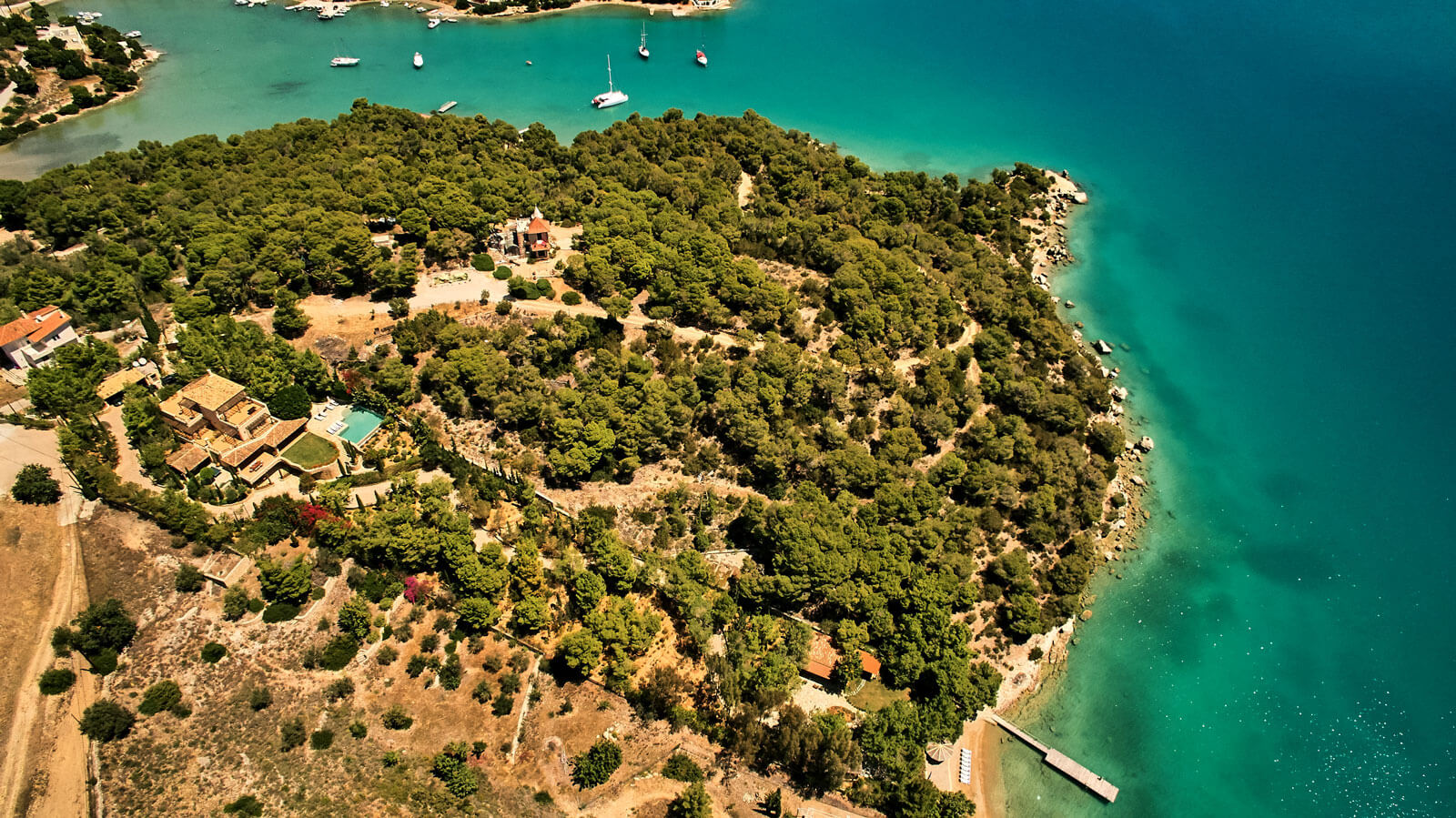
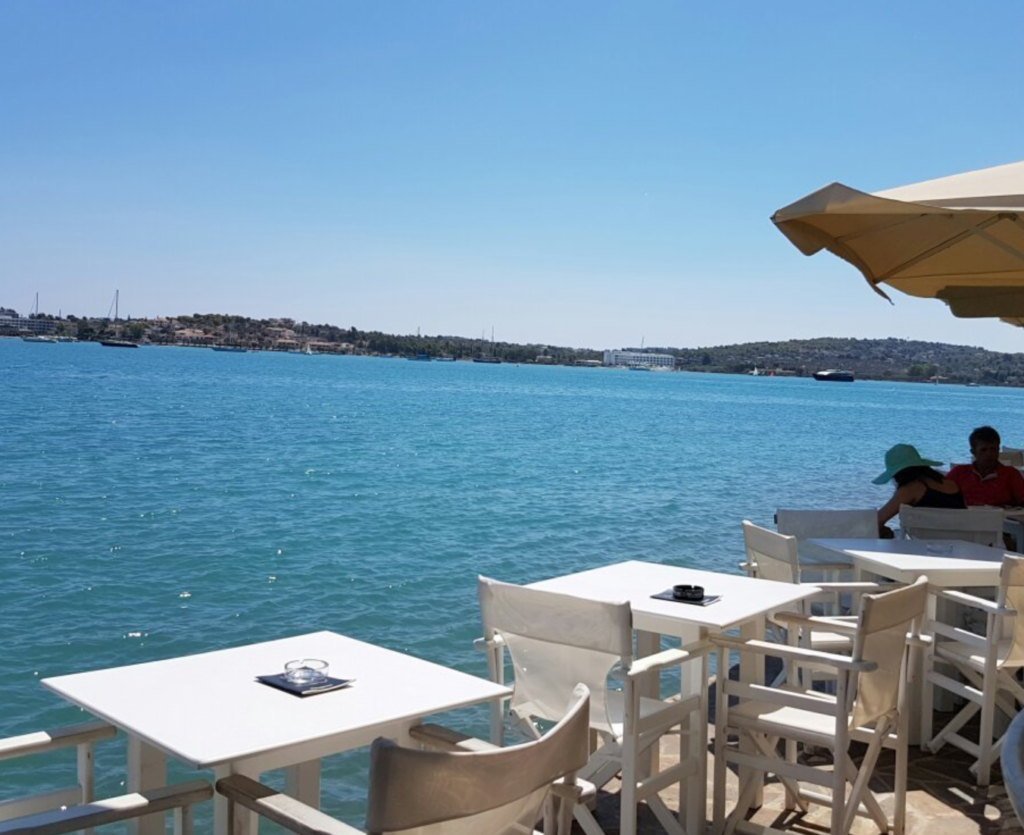
Don’t expect any major sightseeing, must-sees, or special activities in Elafonisos. This tiny island that’s like a little piece of paradise is the destination to spend endless hours on the beach, taste fresh Greek food, and a place where you can truly relax. To sum it up, there is no room for stress on Elafonisos!  

What you need to know before you arrive

-There is only one gas station on the island with prices up to 20% above the rest of Greece. 

-There is no bank branch on the island, only two ATMs for withdrawing money (in fact, one operates only during the summer months).

-The only pharmacy on the island is located in the port of Chora (tel. 2734 061363). 

Getting there

You can reach Elafonisos either by car or bus. There is only one access to Elafonisos, from the port of Pounta, near Neapolis in southern Peloponnese. You should follow the route to Tripoli and Sparti, then you reach Monemvasia and finally Molaous region. From Pounta, you can get into the ferry in your car and in 10 minutes you will step foot on Elafonisos. 

Where to stay- Either in Chora or on Simos beach.

Tips for getting around

Transportation in Chora is by foot. On the contrary, you need a car or motorbike for the beaches, as there is no public transportation on the island. Alternatively, you can take a taxi. There are two taxis in Elafonisos. Mr. Giannis (tel. 0030 6983065066) usually takes the transportations from Athens to Elafonisos and vice versa. For transportation within Elafonisos, you can call 0030 6951484989. 

If you are fit you can also rent a bike, since the farthest asphalt point from Chora, is at 6 km.

Best time to visit

During summertimeJuly is the best month, in my opinion, because, there is enough life on the island. Mid-September because the beaches are not so crowded, the weather is good and the prices reasonable. If possible, avoid August because that’s the peak season for all Greek Islands. Even then, Elafonisos feels way less crowded than other islands.

Climate- Elafonisos has a typical Mediterranean climate. The summers are hot and dry, and the temperature is mild in the winter.

Where to sleep 

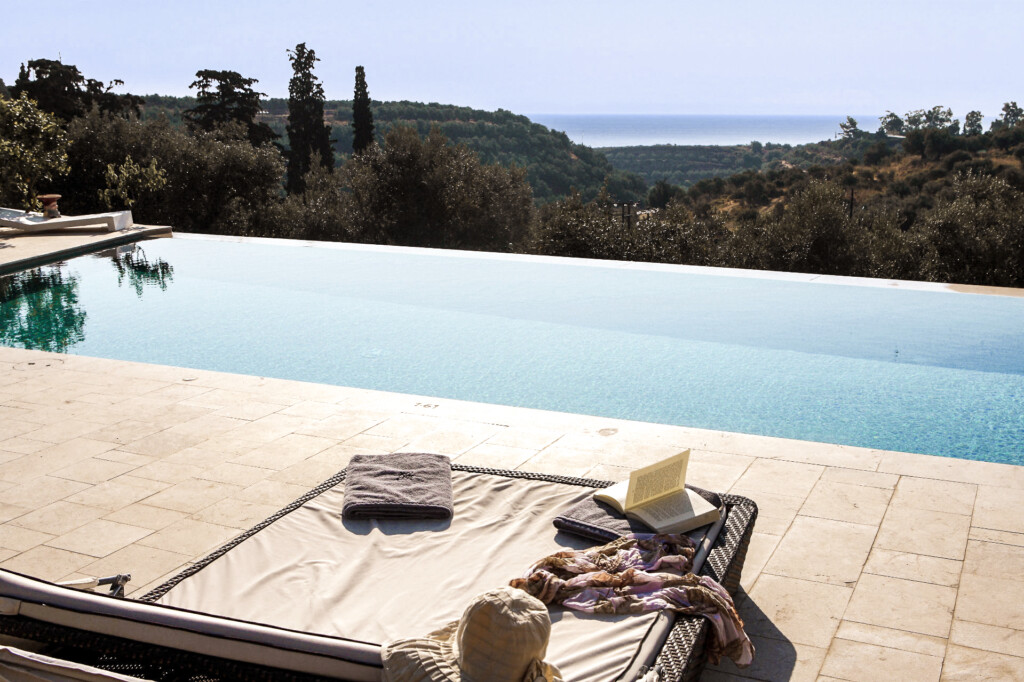
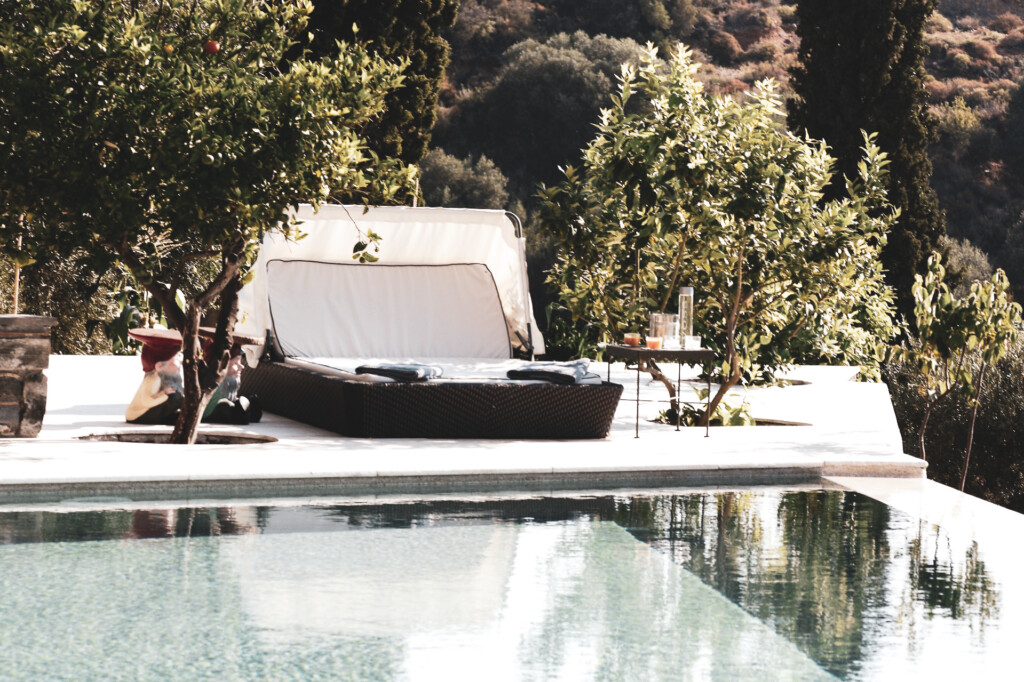
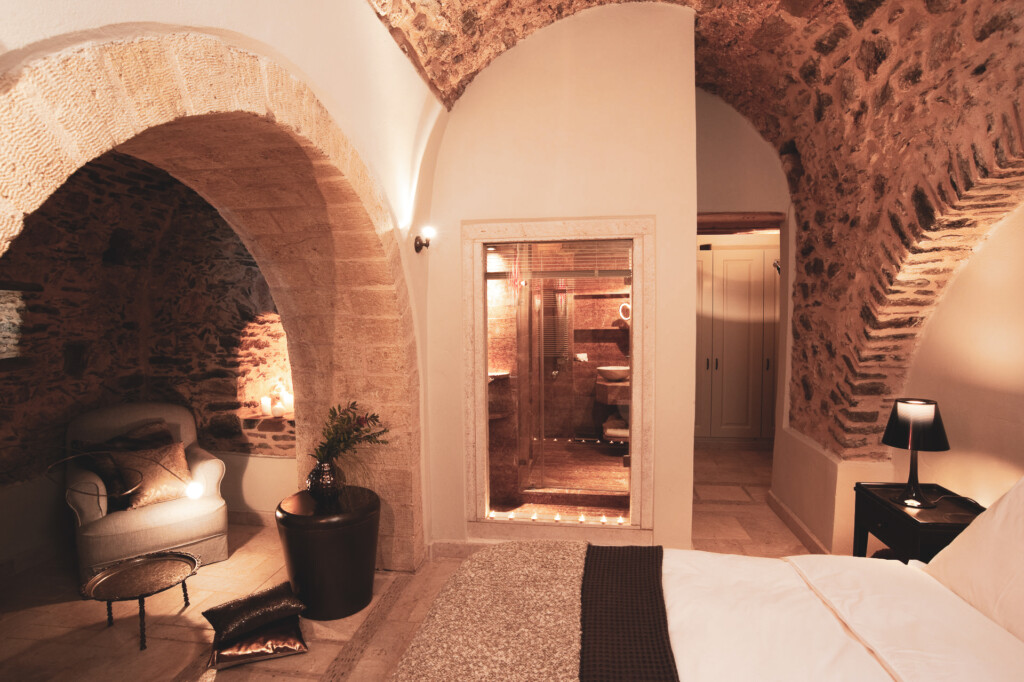
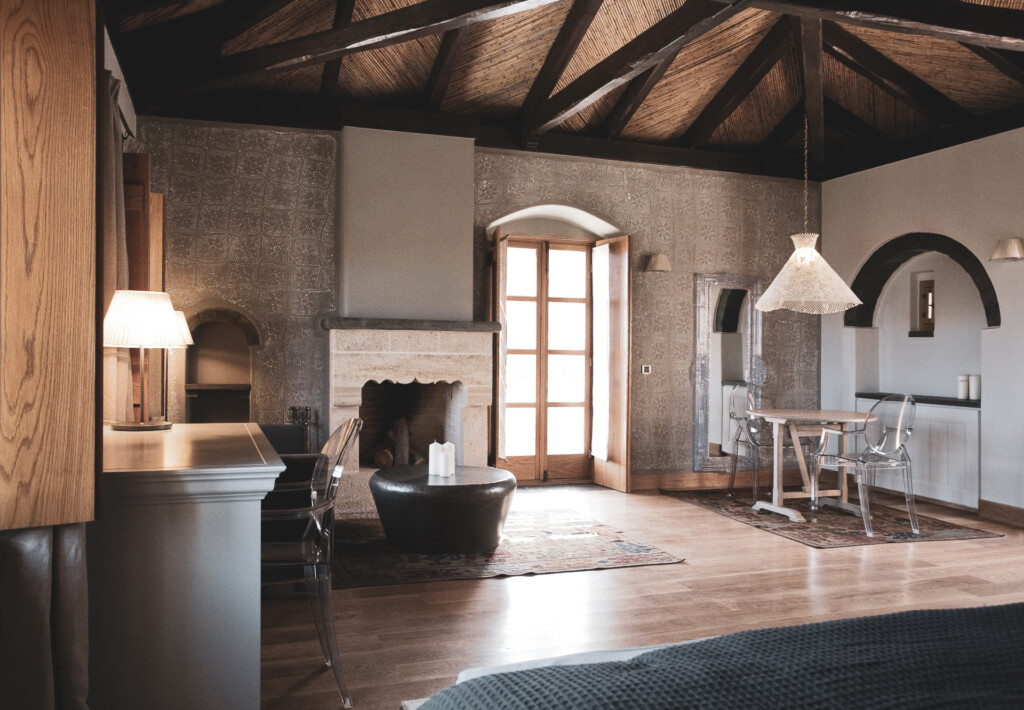
Capari Suites enjoys a privileged location in the greenest part of Elafonisos, offering beach and mountain views. It also has a swimming pool. 

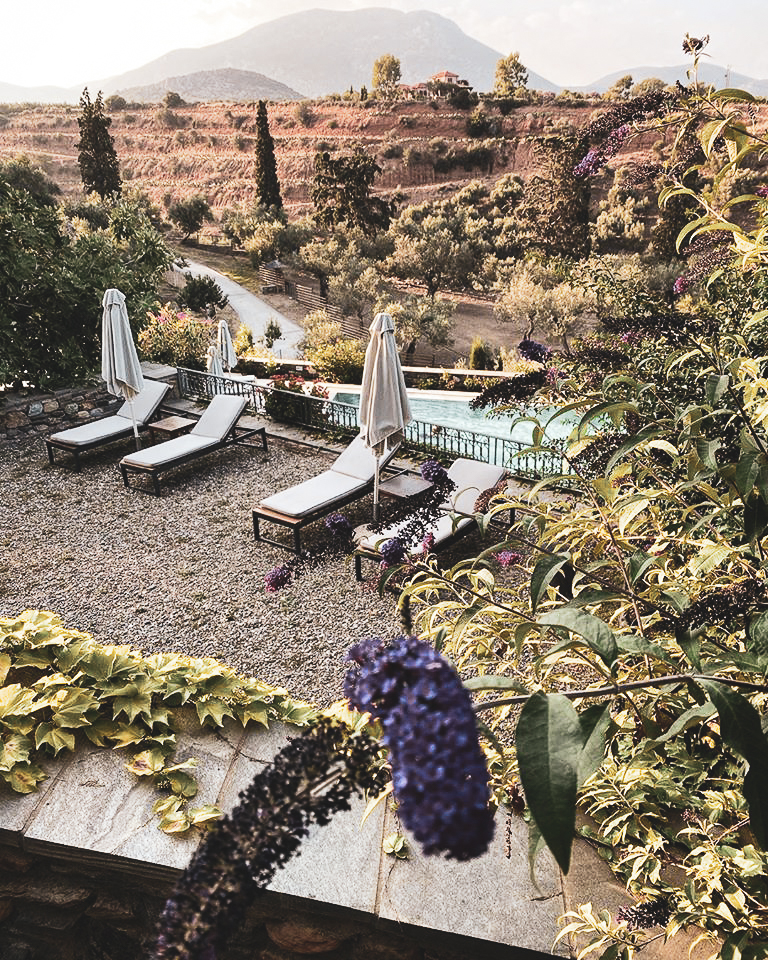
-The stone-built Elafonisos Resort is located at a distance of 500m from the beach. It also has a swimming pool.

-Faros family hotel is ideal if you want to stay in Chora. The owner is very friendly and the prices even “friendlier”. 

-If you are into camping or just don’t want to leave Simos Beach, you can stay at Simos Camping Elafonisos. Located right on the beach, it provides all the necessary facilities, including restaurants and bars.

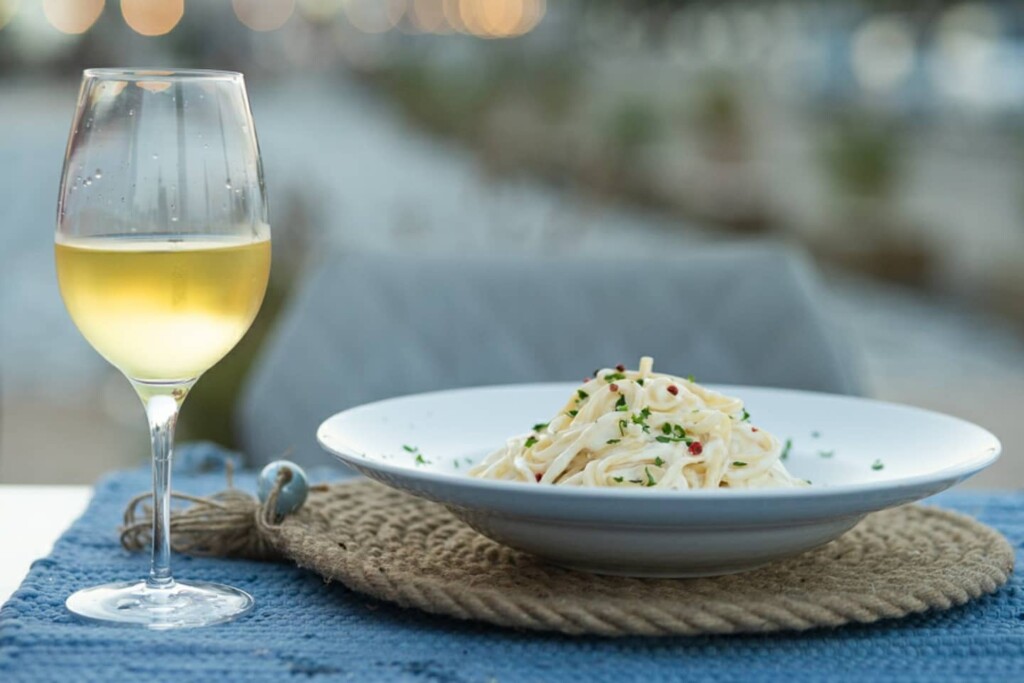
Where to eat Antonis Tavera, next to the picturesque fishing boats, you can taste delicious dishes with fresh fish and exquisite seafood, based on traditional recipes with local virgin olive oil, cooked with care from the mother of the owner. 

Quarter, an Italian restaurant on the coastal road with pizza made in a wood-burning stove with fine handmade dough and fresh handmade pasta.

The Butcher’s Grill for delicious souvlaki, a variety of meats, and ribeye.  

For typical Greek souvlaki also try Trakena.

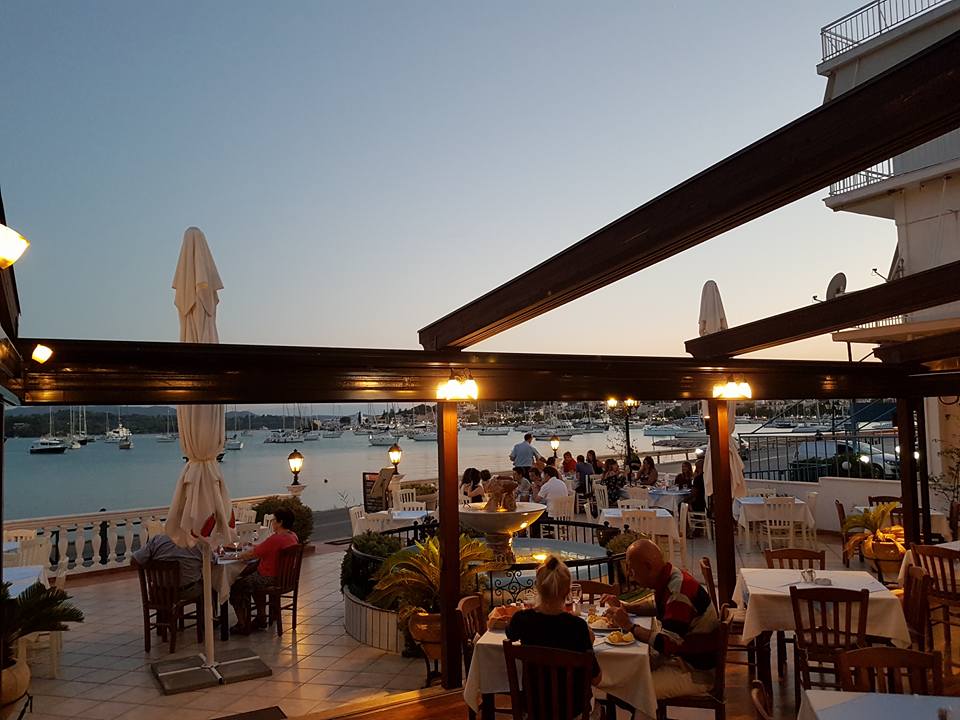
Ta nisia tis Panagias, is a traditional restaurant with a terrific view and a gorgeous sunset. We recommend the shrimp spaghetti, fish soup, or rooster in red sauce. 

What to eat- The fresh fish is abundant on the island and especially lobster, which is a local specialty and is cooked in various ways at the tavernas of the island.

Where to drink

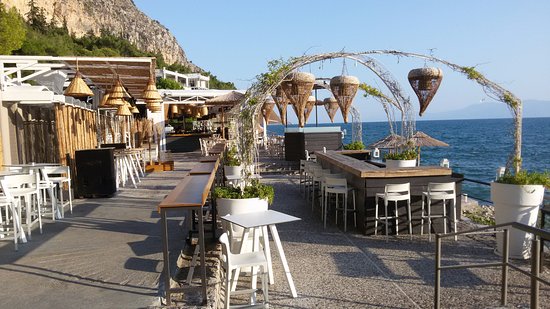
Stin Akri, an all-day café-restaurant with delicious breakfast and brunch options during the day and tasty cocktails at night. It is located opposite the church-a landmark of Elafonisos.  

Where to swim 

-Simos is the most famous beach in Elafonisos. And not by chance. Located on the southern side of the island, Simos with its exotic waters and the vast golden sand seems like paradise on earth. Part of this beach is naturist.

-The bay of Lefki is found on the way to Simos, on the southern side of the island. -Sarakiniko is a large bay with soft sand and crystal water. It is located next to the popular Simos beach.

-Kalogeras is a nice beach near Kontogoni Cape. It has crystal water and part of a submerged ancient town is found close to this beach.

-Kontogoni, a long beach on the northern side of the island, close to the port.

-Ta Nisia tis Panagias, a similar scenery to Simos with sand dunes and turquoise waters. From there you can see the islets ta nisia tis Panagias (Greek for Virgin Mary islands) that gave name to the beach. 

-Pavlopetri beach is on the coast of Laconia facing Elafonisos rather than on the island itself. Located a stone’s throw from Pounta Port, it’s super easy to visit either before taking the ferry to Elafonisos or on your way back from the island. Apart from crystal clear waters and endless stretches of golden sand, this beach offers visitors the unique opportunity to swim among the ancient ruins of the oldest submerged city in the world.

-The seabed between Pavlopetri Islet and the homonymous beach is dotted with an ancient settlement’s ruins dating back to 2800 BC. The remains of this ancient city are visible with basic snorkelling gear.

Discover history  The first historical examples of the culture of Elafonisos are very old, because of the oldest submerged state in the world, Pavlopetri. The important position of Elafonisos was an advantage for pirates and barbarians to attack the ships passing through Elafonisos and Kythira. Moreover, this position was responsible for the occupation of the island and its domination by a number of peoples such as Arabs, Franks, and Saracens.

The island took its recent form after the devastating earthquake of 375 AD, which destroyed Pavlopetri city and divided Elafonisos from the rest of the Peloponnese. The first name of the island, as it is depicted on maps of antiquity, is Onou Gnathos, which means donkey jar, apparently from the shape of the island, and today’s name due, as the name reveals, to the existence of deer on the island.

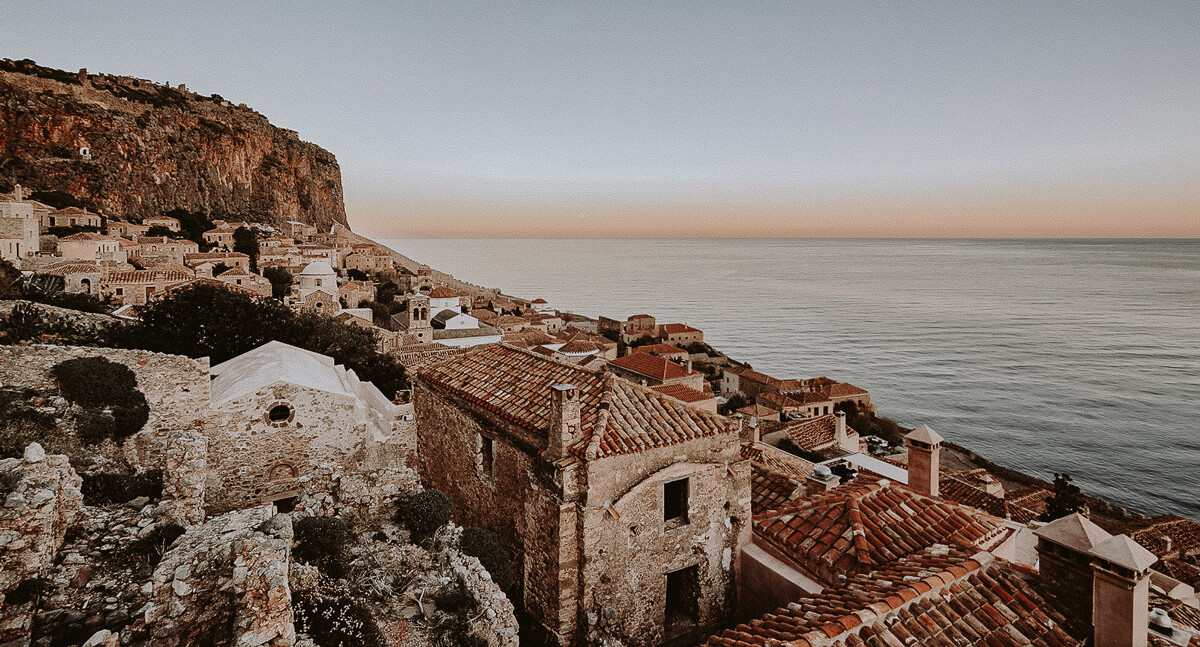
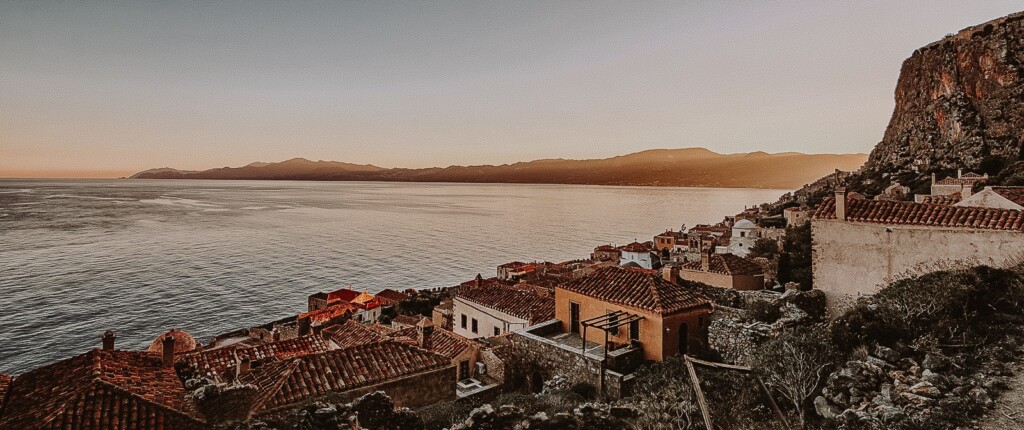
Must visit villages – Elafonisos is an hour from the castle of Monemvasia and a little over an hour from Gythion. 

Cultural traditions 

Elafonisos, despite being a small island, has many local traditions and customs. Some of the most important are: 

Feast of Saint Spyridon (Patron Saint of Elafonisos) on 12th of December. People of Elafonisos honor the protector of the island, at the Holy Temple of Saint, at the port of the island. 

Every summer during a three-day celebration, from the 6th to the 9th of July, Elafonisos honors the anniversary of its liberation (6th of July, 1850) and celebrates the religious anniversary of the inauguration of the Holy Temple of Agios Spyridon. During these days a number of events take place such as the Festival of Traditional Dances with dance groups from Greece and abroad, which started in 2016. 

During the last ten days of August, Elafonisos celebrates the feast of fishermen. The event includes local dances from dance groups, live music, and plenty of food and fish in honour of its visitors. Often there are also presentations and projections of the folklore and nautical history of the island. 

Insider tips- When there is a strong headwind, go to Lefki beach.

Ideal time to spend here? 3-4 days in order to completely relax by the beach. 

Favorite part? The exotic beach of Simos with golden sand and pure water, what else? 

What to avoid? In July and August, don’t even think of arriving without booking a room in advance. 

Top activities 

Scuba diving and snorkeling: Τhe undersea wealth is enormous and the waters remain unexplored. 

Water sports and kite: Ideal winds and points near the beaches create the perfect conditions for Elafonisos to be named as an ideal place for surf, windsurf and kite.

Hiking: Elafonisos has six hiking and three cycling routes. If there is one you should certainly experience it’s the one that starts from Chora (the port) and ends at the highest point of the island, the village of Vigla. From here you can enjoy the stunning views of Cape Tenaro, Kythira island, and Cavo-Malia. 

Where to shop 

-“Lafonisi Gift Shop” for fun summertime shopping. 

-“Dia Chiros” where Frini Manafi creates handmade jewellery and handmade interior decorations.  

-“Para thin Alos” where you can find nice men’s and women’s clothes and accessories.

What to see 

-The main church of the community is Agios Spyridonas, which is built on a tiny separate piece of land which is connected by a bridge over shallow waters to the rest of the island. –

-The church of Panagia Katonissiotissa (Assumption of Mary) built on a hill in the ruins of an old Byzantine temple in 1895. In the interior of the sanctuary, there are old hagiographies. Yοu can find tombs and another finding of Mycenaean civilization around the church. 

The Cave of Simos located next to the beach of Simos. According to the legend, the island was born from there. You can reach it through a smooth path from the road. Beware of the bats inside. 

Lake Strongyli, located on the beach of Pounta is one of the most important wetlands in the Peloponnese. During Spring you may see flamingos, reeds, mallards, and the rare, endangered species of sea cedar.

Take a day trip to

The stunning castle town of Monemvasia and the countless hidden gems of Southern Lakonia, such as Kastania Cave and Cape Maleas. A trip to Elafonisos can also be combined with Kythira, an off-the-beaten-path island off Southern Peloponnese’s coast.

What to do

-Elafonissos Town is the main village and center of activities for the island. This is where many accommodations, taverns, and shops are found. The ferry from Neapolis arrives there.

-Moreover, one of the best things to do in Elafonisos is to drive (or cycle or walk) the island’s ring road. The latter connects all villages and beaches, offering breathtaking views at every turn. It takes less than half an hour to drive the full circle.

Alternatively, you can experience the tour of Elafonisos by boat. You will have access to magical waters, otherwise inaccessible. Search for the cave of Carandrea. 

Can’t leave until

You take some underwater photos. Get a camera suited for diving pics because these emerald waters are so clear and beyond imagination. 

Special thanks to the Municipality of Elafonisos and the Mayor Mrs. Efstathia Liarou for the realisation of this press trip. 

5 Breathtaking Greek Villas to Stay at

There is an array of lovely villas scattered across Greece and to help you search, we’ve rounded up five of our favourites- from Paxos to the Peloponnese- that we think you will love as much as we do. 

Liodentra Villa, Peloponnese

These twin sister-houses set on a huge olive grove with direct access to the beach, are located in the heart of the Mani Peninsula, in the Peloponesse. A ten-minute walk from the village centre and just a stroll through the grounds from Ritsa beach, Liodentra captures the timeless charm of the area, while combining very contemporary comforts. The matching main villas, Ena and Dio (‘One’ and ‘Two’), are fully furnished with elegant and earthy décor that features character and colour.

Each has a kitchen, living room, and double bedroom on the ground floor, a sitting area and twin bedroom above, and a timber decked alfresco dining terrace overlooking the twelve metre swimming pool. The adjacent annex offers privacy for the fifth en suite bedroom, and all are air-conditioned. Perfect for two families or a group of friends.

Sleeps 10  | 5 Bedrooms | 6 Bathrooms | Swimming Pool 

Insights Greece - 5 Breathtaking Greek Villas to Stay at

Villa Alamo, Crete

With a chic and contemporary design and state-of-the-art facilities, this is a wonderful luxury villa for anyone planning a getaway to Crete. Alamo offers guests the opportunity to experience authentic rural Crete; enjoy the island’s best beaches, explore the little lanes of local villages, stroll along Chania’s harbour-front, and come home to a stunning modern design, all in a single day. In a hilltop setting with views of the sea and White Mountains, this is one of three villas that make up the small Adeste complex. A short stroll from the Venetian village of Kokkino Chorio, it is just 1.5km from the caves of unspoiled Koutalas beach and the famously atmospheric streets of Plaka, in a remarkable landscape crisscrossed with hiking trails.

The villa features indoor/outdoor living with glass walls opening onto gorgeous terraces, that boast a décor palette of chalks and clays, blues, and greens.  Each bedroom comes complete with contemporary en suite facilities and its own furnished balcony. A cool-toned sitting room adjoins a big and bright kitchen diner. And outdoor facilities include lounging and dining areas, and an inviting private pool with views down to the bay.

Sleeps 6 | 3 Bedrooms | 3 Bathrooms | Swimming Pool 

Insights Greece - 5 Breathtaking Greek Villas to Stay at

Villa Cassandra, Crete

Overlooking views of Chania’s famous lighthouse, this elegant 10-person villa is a glorious getaway on the north coast of Crete. Basking in the blues of the Aegean Sea, it’s all about the views at this upscale house in northern Crete. Just ten minutes by car from Chania’s gorgeous harbourfront, Villa Cassandra is a standout villa for 10 that combines a range of contemporary comforts with an architectural sophistication.

Along the upper levels of the house is the large master bedroom that has its own private plunge pool. Downstairs, the kitchen and dining areas come with high-end appliances, accompanied by a queen-sized double bedroom with a sofa bed and direct access to the outside pool terrace. On the lower ground floor, there are two more double bedrooms – both spacious with en suite bathrooms and views overlooking the surrounding gardens. A gym and exclusive spa area – equipped with a Turkish steam bath and sauna – complete this lower level. Outside and the private pool terrace is ideal for entertaining; with an infinity pool, furnished relaxation area, and an outdoor kitchen equipped with a pizza oven and built-in barbecue.

Sleeps 10 | 5 Bedrooms | 6 Bathrooms | Swimming Pool 

Insights Greece - 5 Breathtaking Greek Villas to Stay at

Alati Bay, Paxos

This luxurious and refined villa has direct access to a secluded beach. When you arrive at Alati Bay you are transported into a magical world with shady grounds that fan out around the impressively designed villa. Offering stunning sea views that entice you to explore the beach at the bottom of the garden, there is a sense of peace and wellbeing- ideal for those who want a quiet getaway. Services include daily maid service, cook and mid-week linen change. The villa also boasts garden gate beach access, a jacuzzi, and a private mooring buoy. 

Sleeps 14 | 7 Bedrooms | 7 Bathrooms | Swimming Pool

Insights Greece - 5 Breathtaking Greek Villas to Stay at

Ataraxia, Corfu 

A beautifully built stone-clad villa with commanding sea views and a panoramic pool overlooking magical  Avlaki Bay and Kassiopi Town, Ataraxia is the perfect place for families or friends who want to explore this Ionian island.

Wide-open vistas spread out to the majestic views, down over the olive tree-carpeted hills to the coast below, and both the interiors and the ample terraced exteriors are filled with an atmosphere of pure tranquility. Services include: Daily maid service and mid-week linen change.

Sleeps 10 | 5 Bedrooms | 5 Bathrooms | Swimming Pool

Insights Greece - 5 Breathtaking Greek Villas to Stay at


Celebrating 200 Years of Greece’s Independence

Tomorrow, March 25, 2021, marks an incredibly special day, as Greece celebrates its 200th Anniversary of Independence. 

On March 25 every year in Greece and among the diaspora, Greek Independence Day is commemorated with parades, ceremonies and celebrations- marking the country’s Revolution of 1821, against Ottoman rule. 

Celebrations may be different this year, with many events being cancelled due to restrictions, however, this historic moment is nonetheless just as important for Greece and will be honoured not only here but worldwide, as iconic landmarks across the globe are set to illuminate in blue and white. 

The year 2021 marks the bicentenary since the start of the Greek Struggle for Independence, which is a huge milestone.

Insights Greece - Celebrating 200 Years of Greece’s Independence

Festivities in Greece

March 25 is usually celebrated with rich Greek traditions and culture, including festivals with folk music, dancing and national costumes paraded around the country. From main cities to remote villages, locals celebrate this day with food and wine, with the traditional dish of the day being Bakaliaros Skordalias (fried salty cod with potato and garlic mash), which is made and served at festivals, taverns and family gatherings. 

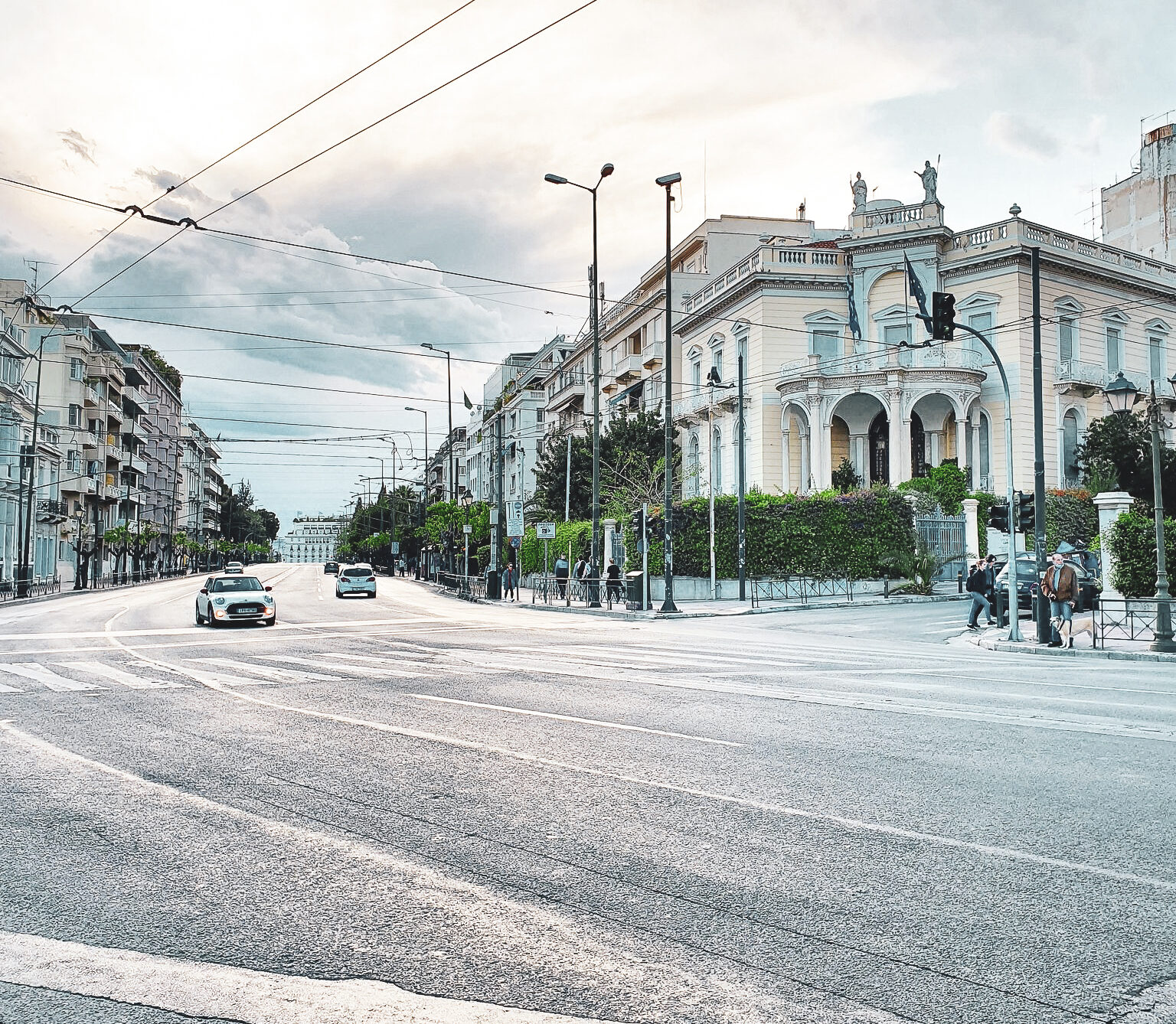
Due to the country’s current restrictions, usual parades for the general public will not take place, however, a few very special events will mark the bicentenary of the Greek War of Independence, starting from this evening, March 24. This will include a reception at the newly re-opened National Gallery of Greece with special guests given a tour of the gallery. On Thursday, Greek Independence Day, soprano Anastasia Zannis will sing the national anthem as the Greek flag is hoisted at the Acropolis site in the morning. A liturgy will follow at Metropolitan Cathedral of Athens, before a wreath-laying ceremony at the Unknown Soldier Monument at Syntagma Square.

An impressive traditional military parade will then take place in the centre of Athens and will be attended by official guests; including foreign dignitaries and royals from the UK. 

Happy Greek Independence Day, Xronia Polla! 

*Images of Evzones at Syntagma Square by IN+SIGHTS GREECE © (Copyright) 

Cruising the Historical Corinth Canal

The Corinth Canal, which separates the Peloponnese from mainland Greece, is one of the oldest and most striking manmade canals in the world; not to mention a very important navigational route that connects the Corinthian Gulf with the Saronic Gulf.  

This narrow canal where the Peloponnese begins was a key strategic and trading point in
ancient times that linked the Ionian and Aegean seas. The canal’s position in fact separates the peninsula of the Peloponnese – converting it into an island – from the Greek mainland. And, while the famous canal is quite narrow, it’s a vital lifeline for ships wanting to enter the Aegean Sea.

History of the Corinth Canal

Insights Greece - Cruising the Historical Corinth Canal

Named after the Greek city of Corinth, the Canal has steep limestone walls that soar about 300 feet from the water level to the top of the Canal but is only 70 feet wide at sea level. Ships must be narrower than 58 feet wide to transit the Canal. This small size was appropriate when the Canal was built in the late 19th century, but it is way too small for today’s cargo and passenger ships.

Facts About the Corinth Canal

Spanning a distance of 6.3 kilometres, the canal helps ships save a journey of 185 nautical miles. Before the construction of the canal, ships passing through this 
area had to endure a circuitous and a roundabout route in order to enter even the Mediterranean and the Black Seas in addition to the Aegean Sea.

Construction of the Corinth Canal

After centuries of attempts to create the canal, the Roman Emperor Nero made the first effort in 67 AD but the canal was actually completed by French engineers in 1893. The first documented ruler to propose a canal was Periander in the 7th century BC. He eventually abandoned the canal plan but built a portage road, named the Diolkos or stone carriageway. This road had ramps on either end and boats were pulled from one side of the isthmus to the other. The remains of the Diolkos can still be seen today next to the Canal.

Insights Greece - Cruising the Historical Corinth Canal

Crossing the Bridge

If you have your own car you can cross the bridge on the way to Corinth from Athens, take the exit with a sign that says “Tourist Exit” and drive over the canal to the other side. Visitors can stop and park next to the Isthmia ‘sinking’ bridge on the old National Highway, which links the Peloponnese with Athens. There are a couple of taverns close by, where you can sit and enjoy a coffee or late lunch. From here you will see the bridge submerging under the water, and then reappearing again once the vessel has sailed by. 

Visiting the Corinth Canal

This dramatic gorge is one of Corinth’s most visited spots and if you’re after an adrenalin rush, you can even bungee jump down it. The canal mostly sees the presence of small vessels, cruise ships, and yachts, as it has become one of the major tourist destinations in the country, enabling visitors to take short trips through the canal. In today’s world of mega-ships, the Corinth Canal is primarily used by small cruise ships and tour boats.

Insights Greece - Cruising the Historical Corinth Canal 

Cruising Through the Corinth Canal 

Visitors have a few options to see the Corinth Canal up close. Cruise lines with small ships transit the canal on eastern Mediterranean itineraries. Otherwise, several private companies depart from Piraeus, the port of Athens, and offer a cruise through the canal. Many cruise ships from Athens also offer a half-day excursion to the Corinth Canal; guests board buses in Piraeus for a 75-minute drive to the Corinth Canal. From there, a local tour boat takes visitors through the canal. These tours offer plenty of chances to see the canal from the top edge to the water level.

Cover image coopersontours

Visiting Mystras, the Former Byzantine Capital 

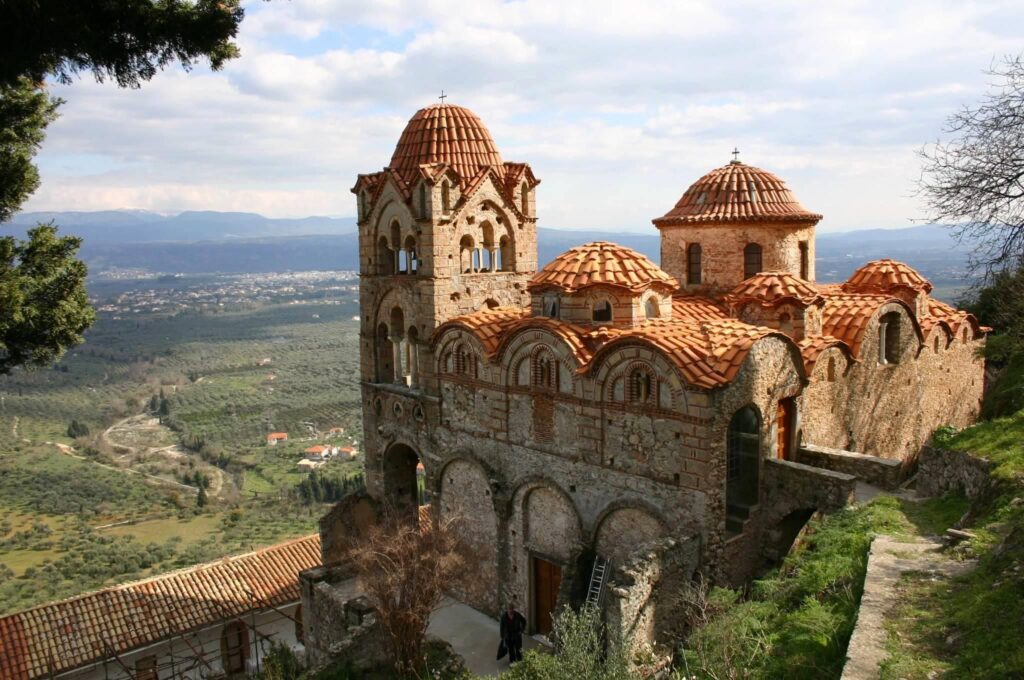
Situated at the foot of Mount Taygetos, Mystras is a truly spectacular place to visit. Spread over a steep mountainside and surrounded by olive and orange trees, this former Byzantine capital city is home to the single most compelling set of medieval ruins in Greece.

Location

The Byzantine Castle of Mystras is located on the southern side of the Peloponnese, close to Sparti Town. The Castle is surrounded by Byzantine walls and boasts an imposing palace on top of the hill. This area is famous for its Byzantine churches with impressive frescoes inside. At the foot of the hill is the modern village of Mystras, featuring traditional architecture and wonderful platies (town squares). A visit to this area can be combined with trips to nearby Monemvasia and Gythio.
Insights Greece - Visiting Mystras, the Former Byzantine Capital 
Mystras Tower @comeandiscovermani

History of the area

The Castle Town of Mystras was very strong during the Byzantine times and in the last decades of the Byzantine period, it said that it was the second most important town after Constantinople. Mystras, the ‘Wonder of the Morea’, was built as an amphitheatre around the fortress erected in 1249, by the Prince of Achaia, William of Villehardouin. Reconquered by the Byzantines, then occupied by the Turks and the Venetians, the city was abandoned in 1832, leaving only the stunning medieval ruins, surrounded by breathtaking landscape. It’s also been named as one of the most important historical sites in the Peloponnese. 

What you will find here

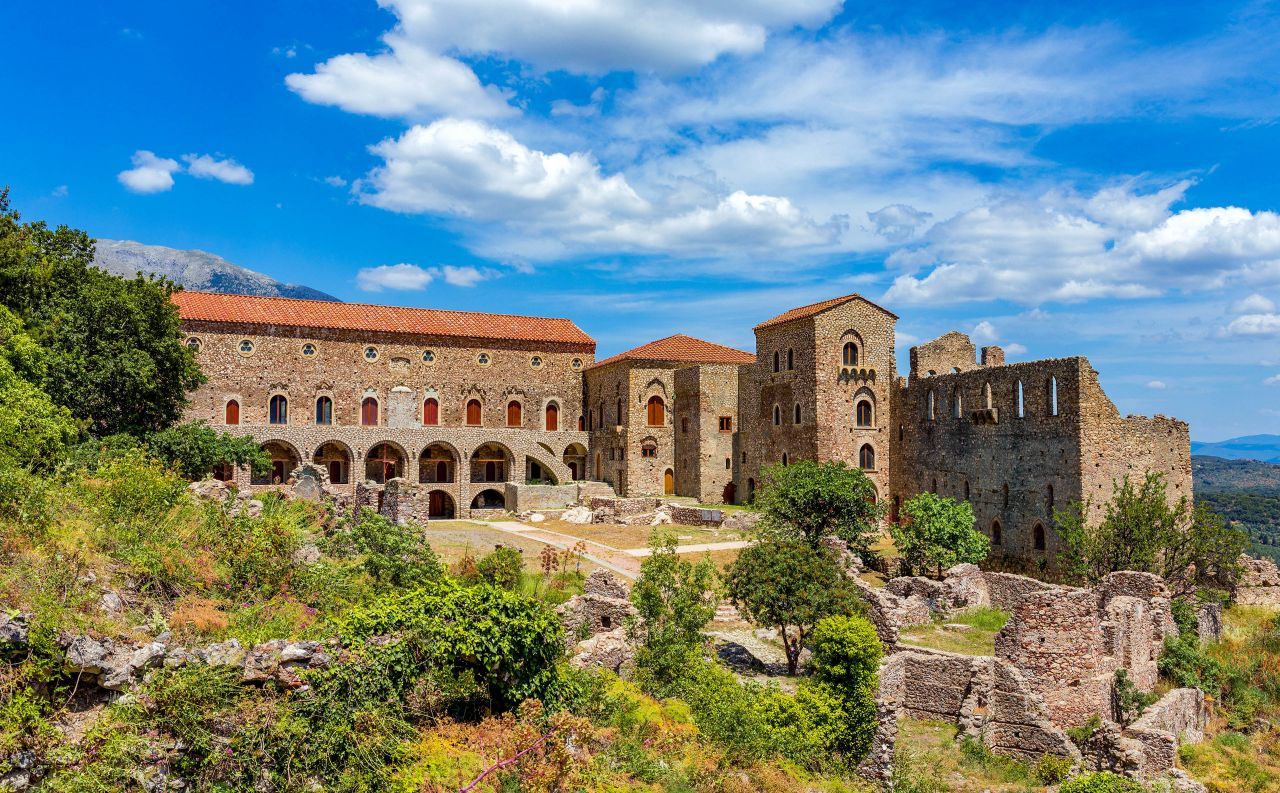
Explore the well-preserved Byzantine churches, the remains of the Palace, and strong walls. On top of the castle hill is the Palace of the Despots, as well as the many sacred Byzantine chapels with fascinating architecture and valuable frescoes. Below the Medieval Castle is a new village that has been constructed, here is where you will find many traditional hotels. This destination is also great for those who enjoy trekking, as the paths lead to many breathtaking spots.

Byzantine Churches
Insights Greece - Visiting Mystras, the Former Byzantine Capital 
Palace of Despots

The most famous churches are Agios Dimitrios, where Konstantinos Paleologos, the last Byzantine Emperor was crowned, and Agioi Theodoroi, which boasts beautiful frescoes. In the courtyard of Agios Dimitrios, you can visit the Archaeological Museum which is home to many Byzantine and ecclesiastical exhibits. In 1989, it was declared a UNESCO World Heritage Monument.

The entire Castle of Mystras is filled with amazing churches of Byzantine style but only a few of them now remain open to visitors. Our recommendations are the impressive Monasteries of Our Lady Pantanassa, and of Οur Lady Perivleptos. 

Also noteworthy is the Holy Monastery of Vrontochion and its inner church of Odigitria, which features unique architecture. And although it is quite gothic-like, it’s combined with many elements of Byzantine designs. You can also view the rich frescoes that depict the miracle of Christ, produced by the talented painters of their time in Constantinople.

Where to eat and drink

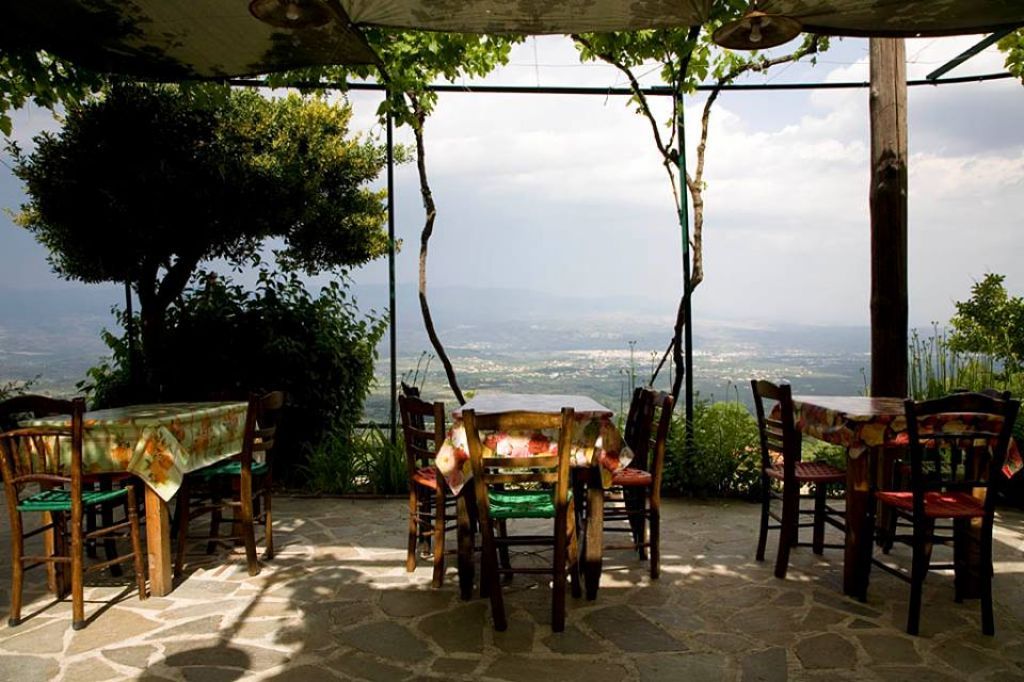
Stroll through the square of the charming villages nearby and you will come across a variety of cafes and tavernas where locals and visitors gather and catch up for a coffee, late lunch, or dinner. Some of our picks for the best traditional eateries are Chromata and Pikoulianika, where you will taste local dishes and products that are the focus of their flavourful dishes. We also recommend Ktima Skreka, Palaiologos, and O Ellinas, who use vegetables from their own farm and also produce their own variety of olive oil. 
Insights Greece - Visiting Mystras, the Former Byzantine Capital 
Chromata @greeka

For a more modern setting try Palataki and Elia, which are located at Mystras Grand Palace Resort, or make a reservation at the Gaia Restaurant, which is found at Euphoria Retreat; here you can also grab a casual bite at the Chef’s Grill, which serves high-quality meats cooked to perfection. 

What to eat

The traditional dish of the region is bouzopoula, which is roasted pork. Lakonia is also known for its pasto (cured smoked pork) and orange flavoured sausages. For some traditional sweets try the Halvas Farsallon, pasteli and you can’t leave before trying some locally grown oranges and olives, as the area is filled with both! 

Where to stay 
Insights Greece - Visiting Mystras, the Former Byzantine Capital 

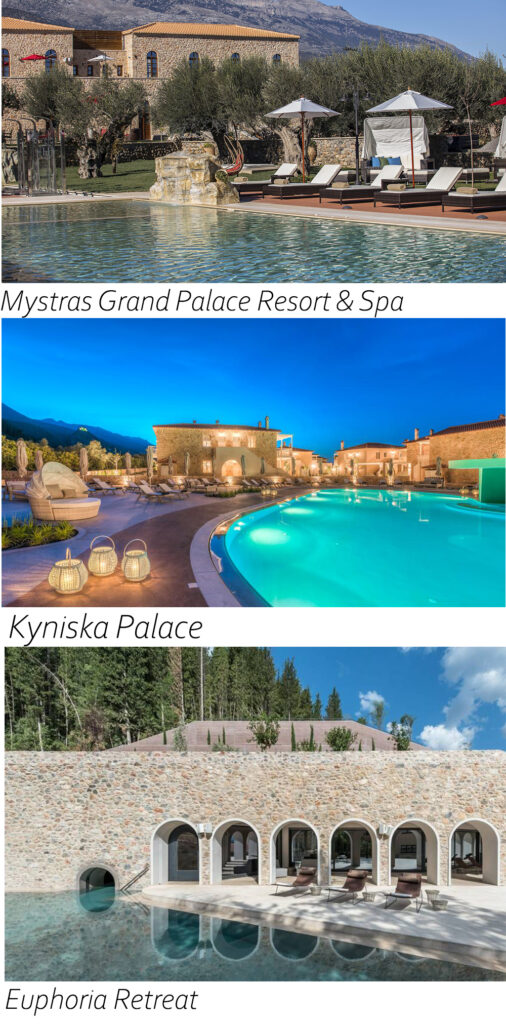
Mystras Grand Palace Resort & Spa seeks to blend harmoniously with the Laconian landscape through its stone-built lodgings interspersed with olive trees. This resort has a focus on wellbeing.

Kyniska Palace is a serene hideaway at the foothills of mountain Taygetos where nature, discreet luxury, and local myths are in perfect harmony.

Euphoria Retreat is one of Greece’s most loved hotels in the region as it’s the perfect place to relax, unwind and allow your mind and body some time to rejuvenate. 

Insider Tip: A visit here involves moderate amounts of hiking. We should also mention that the site has two entrances, one at the base of the site and another at the top (near the fortress). If you arrive by taxi from Sparta, you should ask the driver to take you to the upper entrance and from there you can walk down, rather than entering below and climbing up. Public buses travel to the site from Sparta on a daily basis. 

To get there

It is roughly a three-hour drive from Athens and there is about 50€ worth of tolls in a one-way trip. You can also drive from Kalamata in just over an hour and just under an hour from Tripoli.  

Cover image @discovergreece
Mani, Home to One of Greece’s Top Boutique Hotels

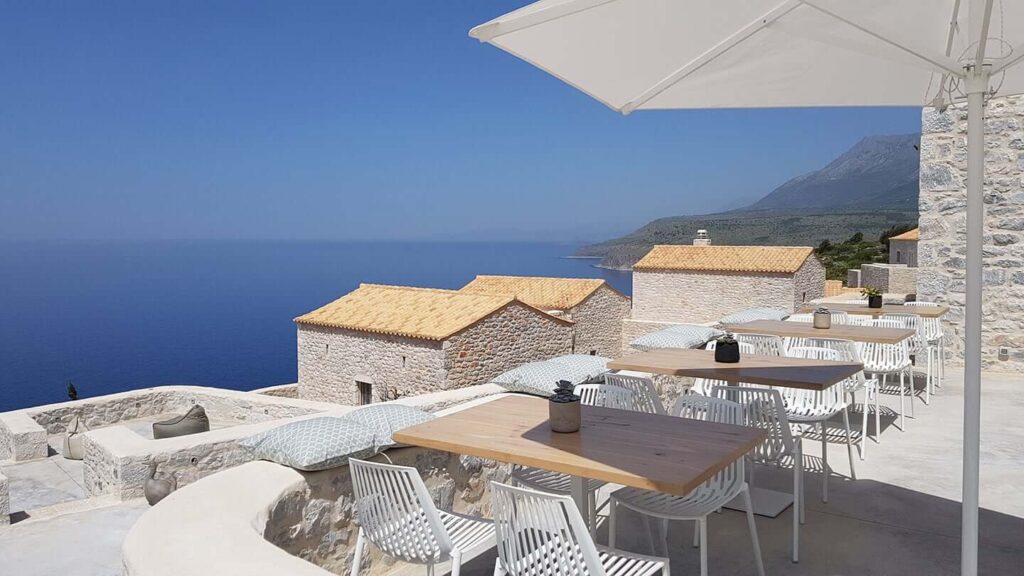
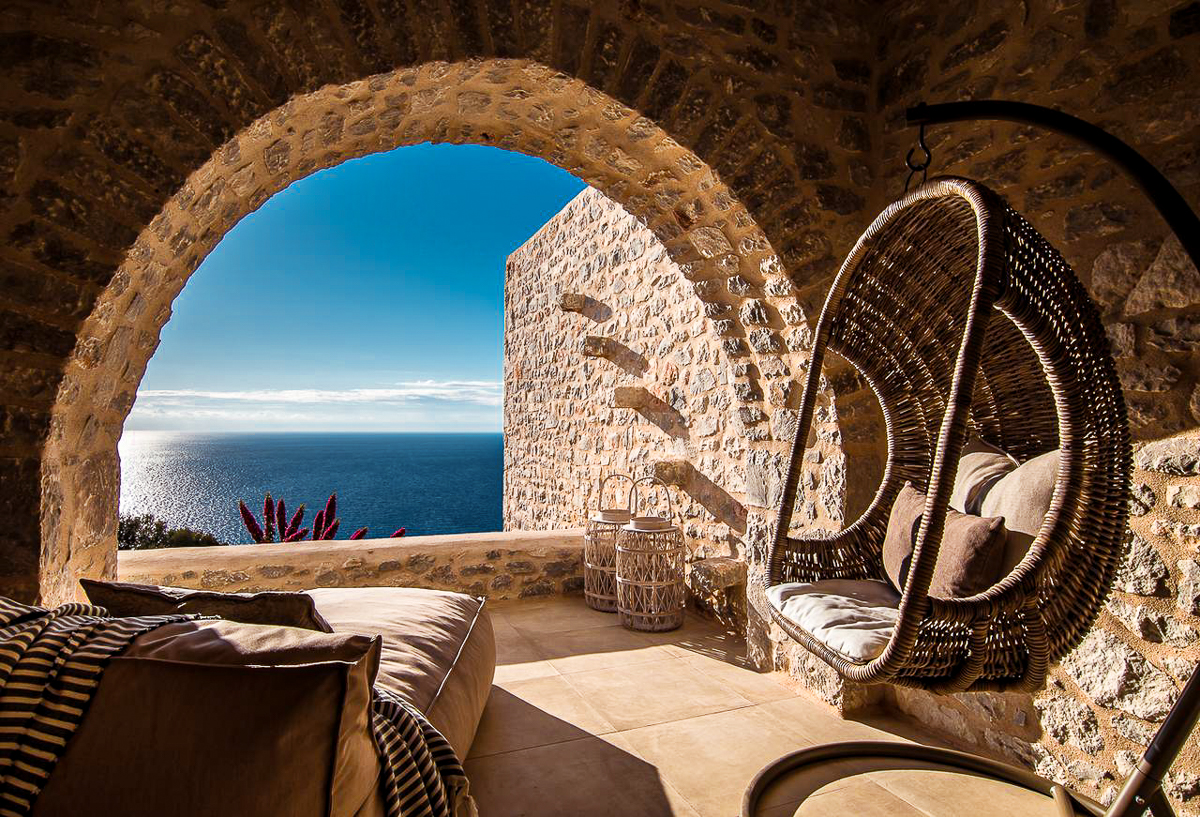
Having only recently opened its doors, Bassa Maina Villas & Suites in Mani has already managed to become one of the top boutique hotels in Greece, combining elements of traditional architecture, modern design and local culture. 

Location 

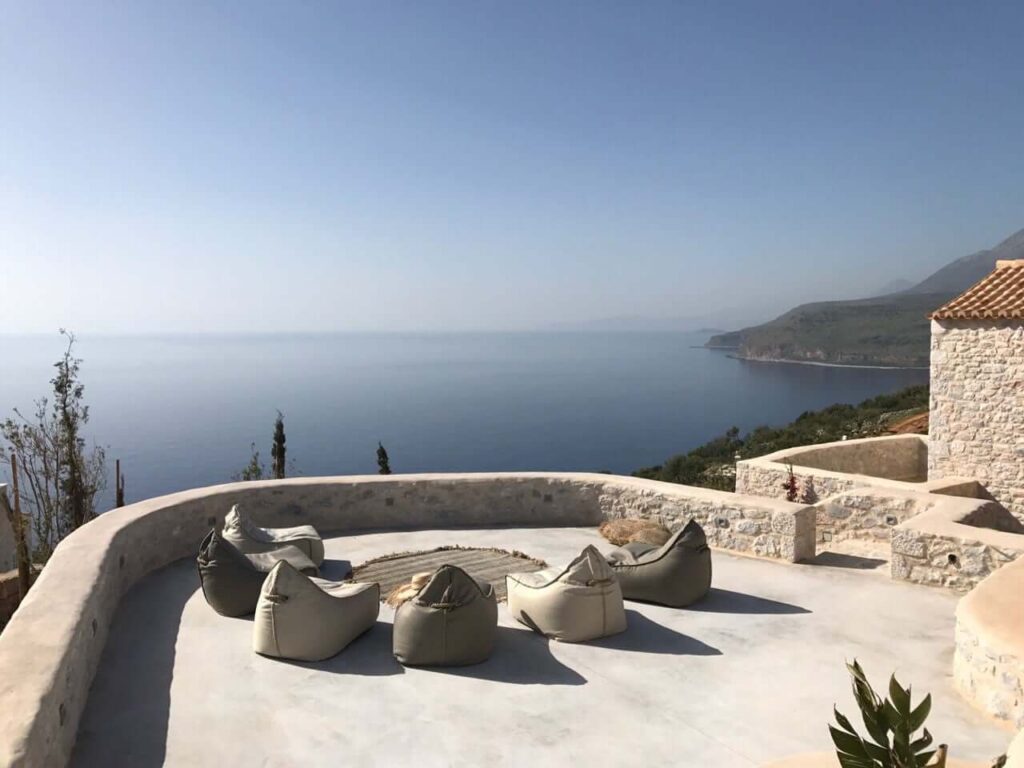
Bassa Maina is located in the middle of the three peninsulas of southern Peloponnese -the Mani peninsula. This mountainous region is incredibly beautiful, with its dreamy fishing coves, fortified villages, emerald waters, and captivating sunsets. The area where the hotel is built is located in a non-populated part of the region, approximately 2000 meters above sea level. There are many natural attractions, monuments, and villages close by, including scenic Areopoli, with the stone houses and cobblestone alleys, Limeni, with its beautiful fish taverns right by the water, and the stunning Diros Caves.

Insights Greece - Mani, Home to One of Greece's Top Boutique Hotels

Style & Character 

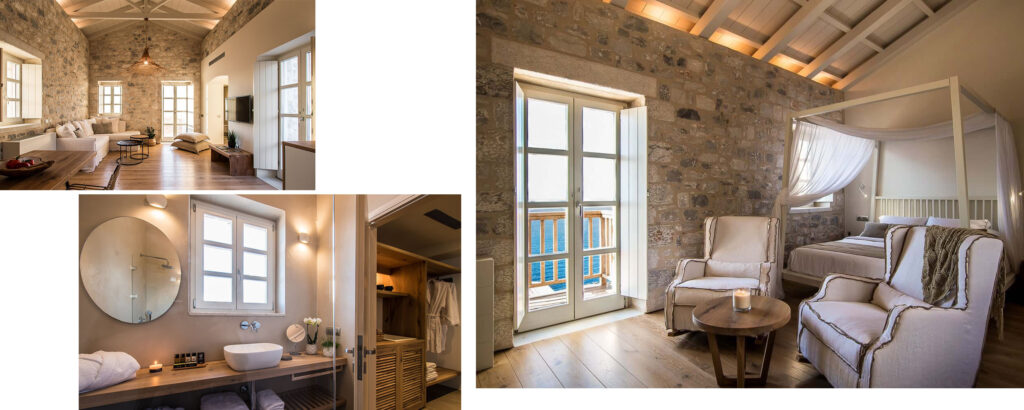
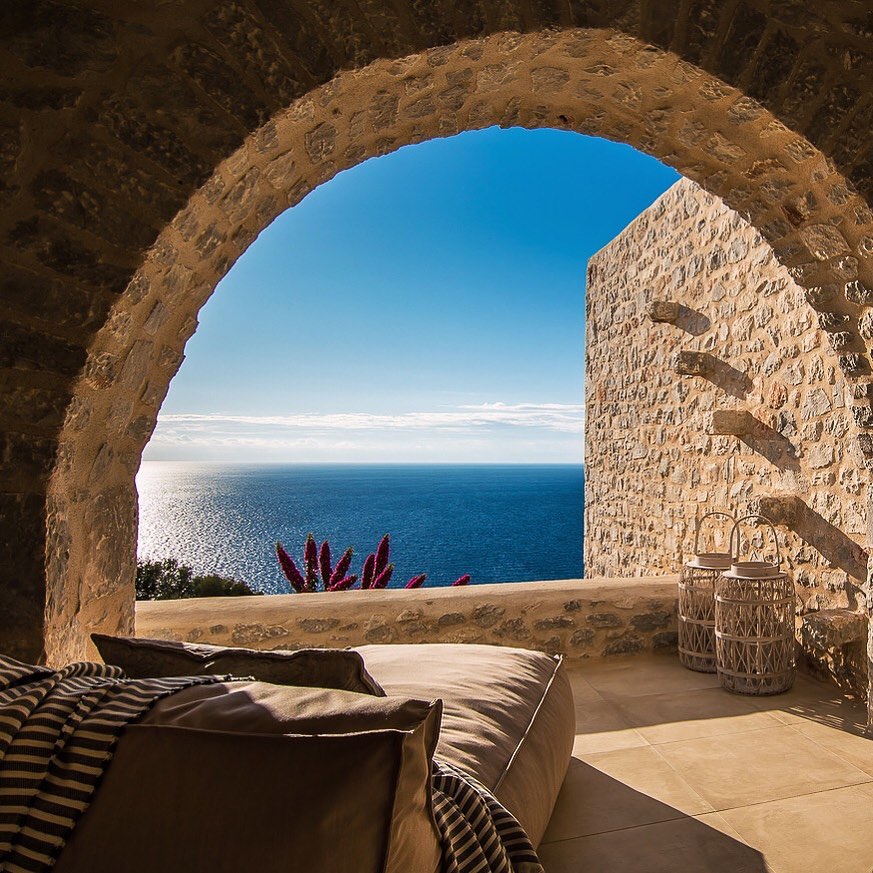
Unspoiled and brimming with rural charm, these seaside villas are where to escape if you’re looking for some downtime. The sheer beauty of the landscape that surrounds Bassa Maina gives it a serene feeling, drawing a unique setting of peace, relaxation, and much-desired calmness. Its fine architecture and chic interior design are truly impressive, while its location in a secluded area of inner Mani ensures privacy, and makes it an ideal destination all year round. 

From linen to decor, and from light fixtures to fabrics and colour schemes, everything has been carefully selected and meticulously designed to create a warm, cozy environment that inspires a deep sense of relaxation and an ability to switch off from the stresses of everyday life. 

Insights Greece - Mani, Home to One of Greece's Top Boutique Hotels

Room Types

The range of nine amphitheatrically built luxurious villas and suites, with private terraces, and a home-like ambiance allows guests to enjoy serenity and privacy without feeling disconnected. All villas and suites are built according to the local traditional architecture and have been decorated and furnished with hand-picked items, rich fabrics, and high-quality materials. The spacious rooms are cozy and make you feel as though you are in a house, not a hotel. All rooms come with unobstructed views to the Mediterranean, each one has its own layout, private terraces, exposed stone walls, beamed ceilings, comfortable beds, and designer furniture and decor, while some also include a fireplace and outdoor heated Jacuzzis. All villas have private entrances and are bathed in natural light and also feature fully equipped kitchenettes.

Insights Greece - Mani, Home to One of Greece's Top Boutique Hotels

Food & Drinks 

CROCUS, the main restaurant boasts views from its outdoor space, which is nothing short of breathtaking, while its cozy indoor lounge is incredibly inviting and warm; ideal for the colder months. Simple and authentic recipes from the Peloponnesian region are prepared here based on carefully selected local, fresh and organic ingredients. There is also a great selection of Greek wines to choose from that can accompany each dish.

Facilities

The complex includes a restaurant, bar, guest lounge with incredible sea views, a boutique conference venue for up to 50 people, a small business centre, and outdoor space in front of the restaurant that can be used for weddings and other events. 

Ideal For…

Insights Greece - Mani, Home to One of Greece's Top Boutique Hotels

A romantic weekend, a business conference, solo travellers, and anyone looking to explore the Mani region; with a desire to return to a relaxing spot each day as you feel close to nature and just a footstep away from beautiful surroundings.  

Services

  • Free parking 
  • Free WiFi 
  • Concierge service
  • Fitness Centre  
  • Luggage storage
  • Pool/beach towels 
  • Business Centre
  • Library 
  • Conference Venue 
  • Express check-in/check-out service

Exploring the Mycenaean Palace of Nestor

If you would like to explore the most well-preserved Mycenaean Palace in Greece, you should visit the Palace of Nestor, which reveals so much about the Mycenaean world and the royals that lived here during the 13th Century BC. 

Location

Nestors Palace is found on a hill known as Ano Englianos, overlooking the Bay of Navarino, in the Peloponnese. It is found 6km inland and its set on the hill offers wonderful clear views of the coastline whichever way you look. It is located in Pylia, 4 kilometers south of the village of Chora on the hill of Epano Eglianos, which is about 14 km from Pylos.

History Behind the Palace

This extraordinary palace was built in the 13th Century BC by King Nestor, son of Neleus, who holds an important position in the Homeric epics. Nestor led Pylos to the Trojan War with 90 ships and is presented by Homer as a wise old man, whose opinion was always respected by the Achaeans. The palace was almost completely destroyed in the 12th century, by fire, however baked ceramic tablets were still found after the flames with rare information on them. 

The Buildings 

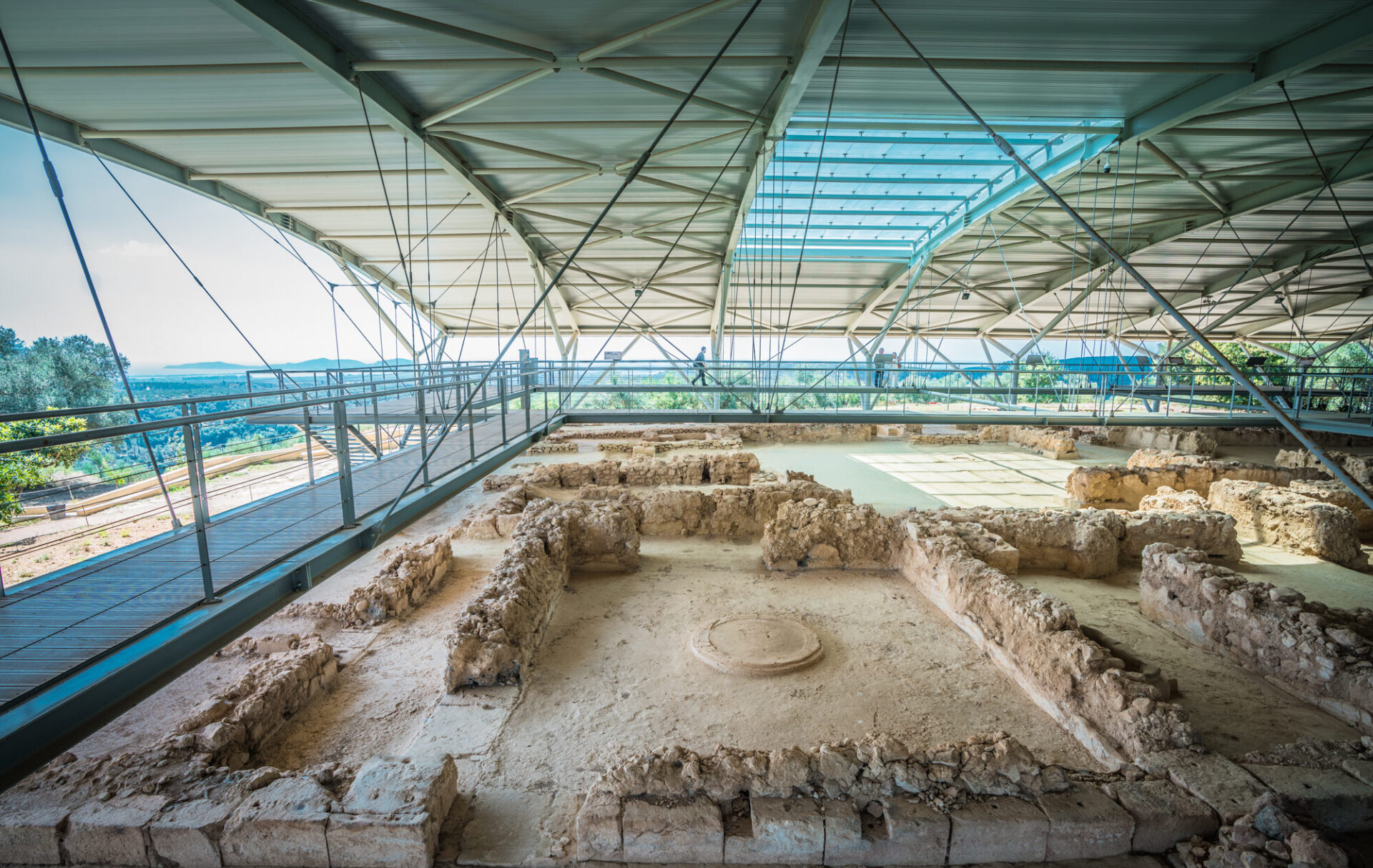
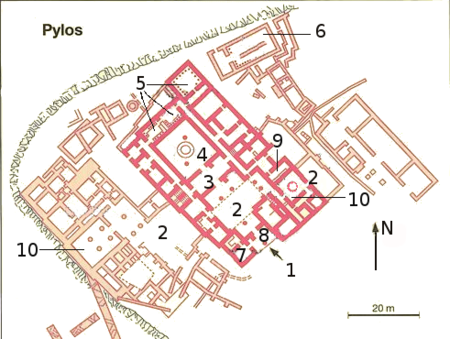
With a brand-new construction, including a new protective shelter, the Palace of Nestor permits visitors to truly experience the rich Mycenaean history. It is a complex made up of various buildings and consists of 105 ground floor apartments. It has four main buildings (central ones, wine store) and some smaller ones. The large rectangular “throne room” is considered to be the most important.

What You Will Find Here

Discover the walls of the palace, which were decorated with fine wall paintings. Very close to the palace, you will find the most impressive, largest excavated Mycenaean vaulted tomb of the area. It was built in c.1550-1500 BC. The Palace’s four buildings feature 2 levels arranged around a courtyard, including reception rooms, bedrooms, warehouses, a wine cellar, workshops, rooms for domestic servants, sewers and more.

Interesting Remains

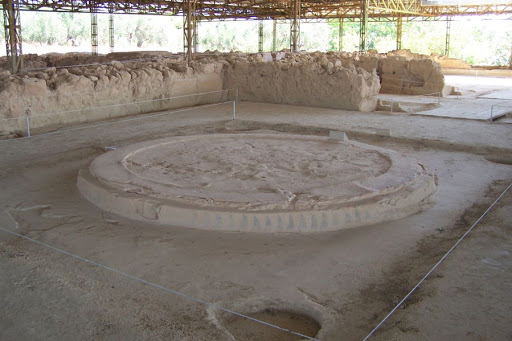
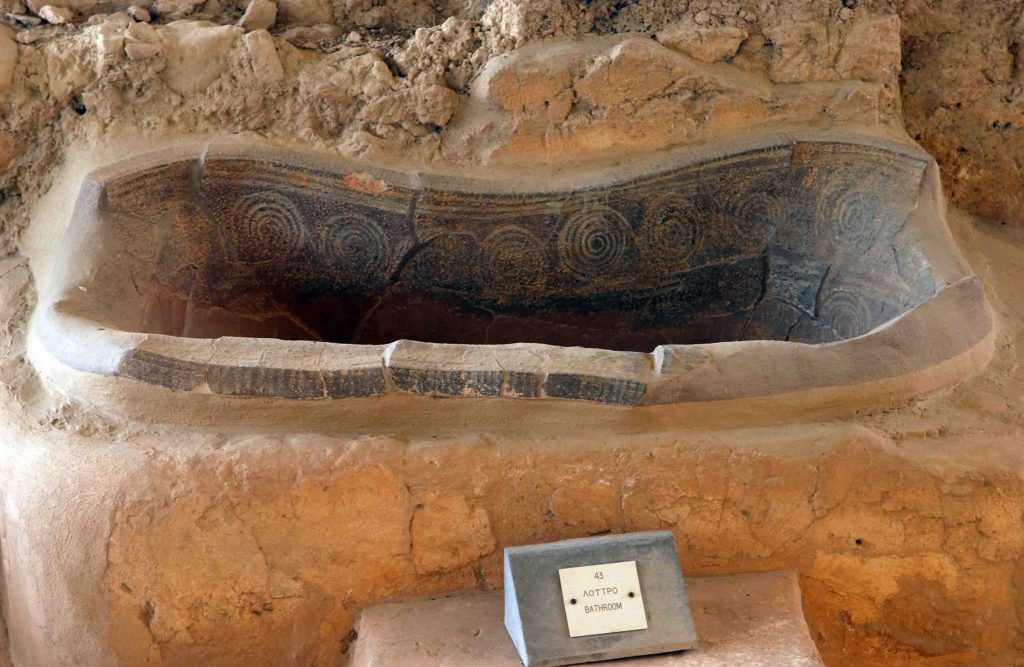
You can explore the beautifully decorated round fireplace, the throne room, and a bathroom with a bathtub, as well as seeing numerous shelves with inscriptions. As you walk through the bi-level building you will come across abundant storage spaces, private apartments, stairwells, and skylights. The halls were decorated with remarkable wall paintings, while pictorial representations also decorated the palatial floors. The approximately 1000 clay tablets in Linear B script, which were brought to light during excavations in the wider area, confirm the site’s function as a financial, administrative, political, and religious centre.

Archaeological Museum of Chora 

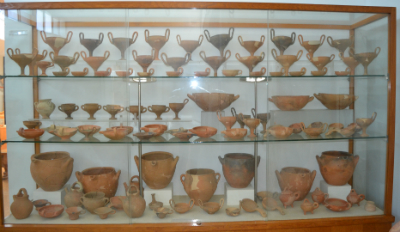
The numerous archaeological findings from the site of the Palace of Nestor are kept at the Archaeological Museum of Chora, as well as the Archaeological Museum of Messenia. Here you will find collections that focus on the Mycenaean civilization. Some permanent exhibits at the museum include old jewellery from the vaulted tombs of Peristeria of Trifylia and there are also fascinating murals with amazing battle scenes. Mycenaeans were known for their trade of perfumed oils and big jars for storing oil, which you can also view.  

A: Ethniki Odos Kiparissias Pilou, Nestor 

Cover image by Maria Theofanopoulou 

Visiting the Legendary Cave of the Lakes in Kastria 

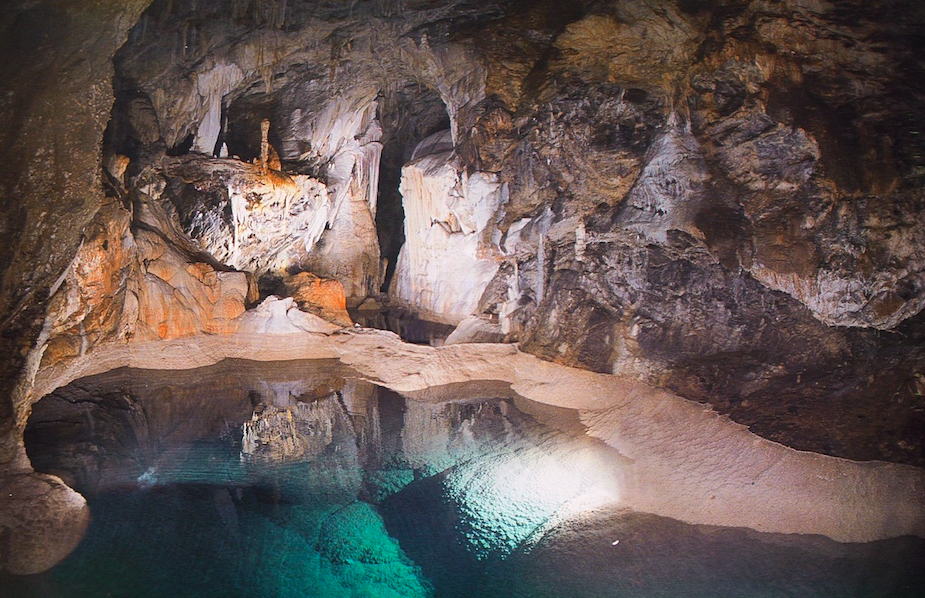
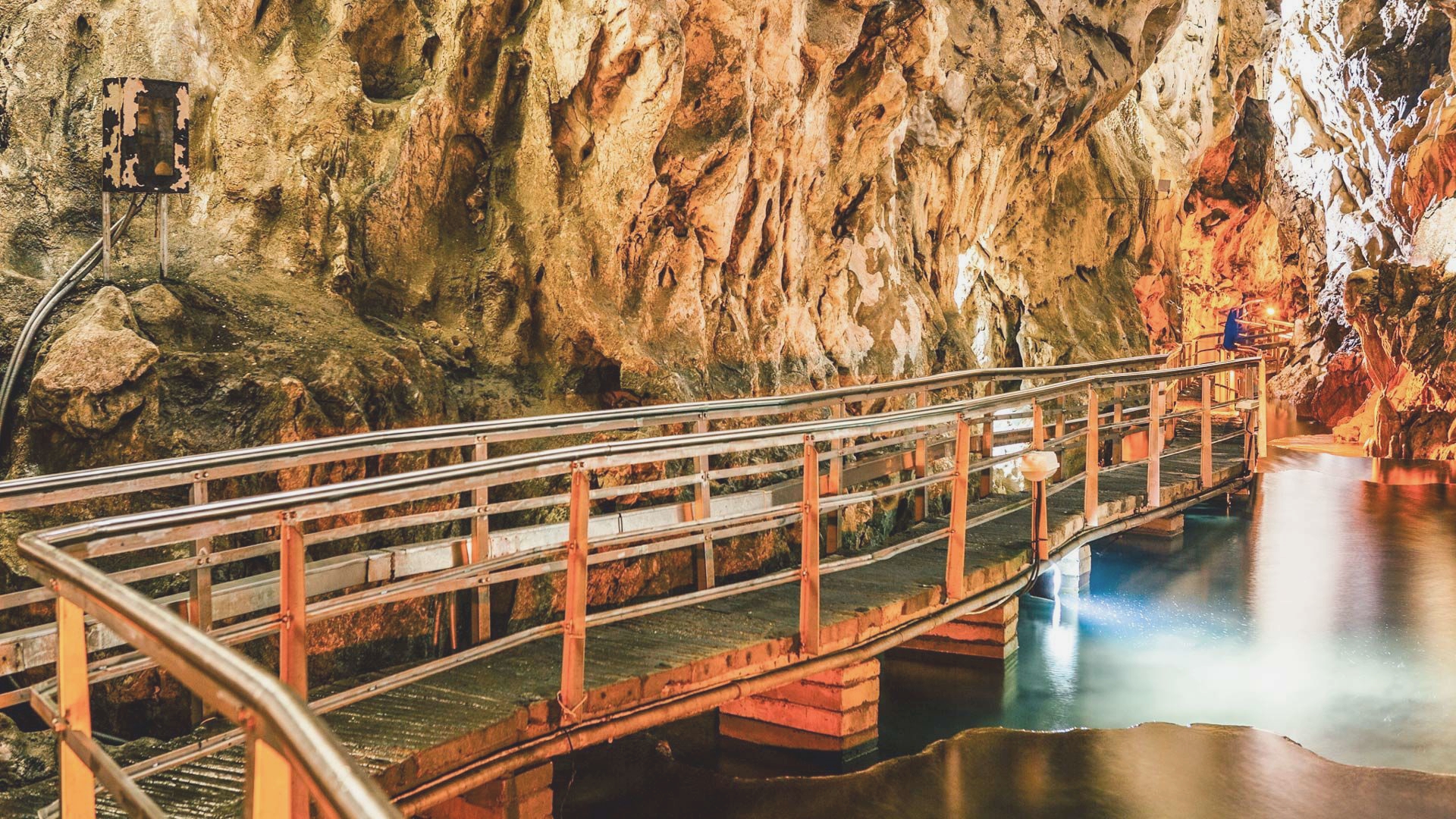
With a striking entrance and three different levels, this stunning cave looks almost otherworldly, complete with astounding galleries and unique stalactite formations.

The famous cave is found in the Kastria settlement of Achaia, 17 km from Kalavryta, a lovely mountainous town on the northern side of the Peloponnese.

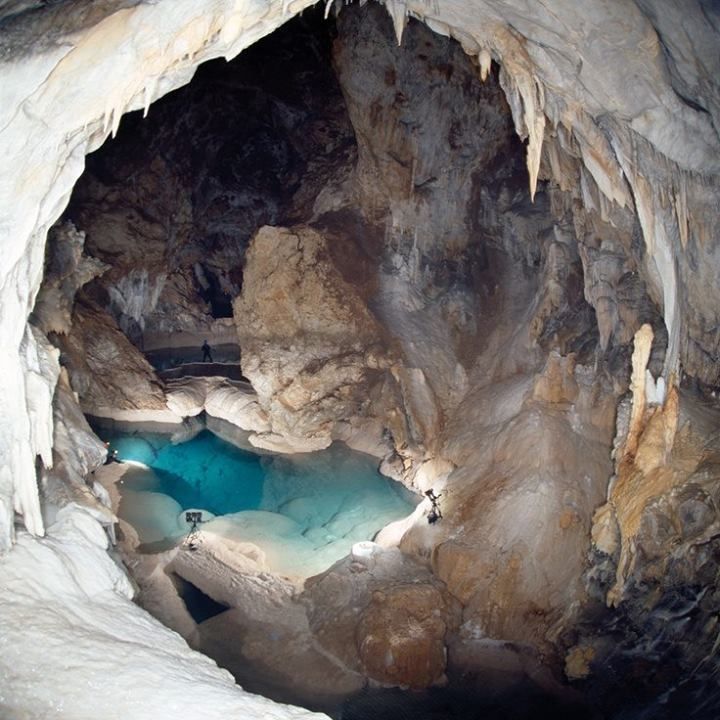
Apart from its labyrinth of corridors, its mysterious galleries, and its unexpected stalactite formations, the ‘Cave of the Lakes’ has something exclusively unique that can not be found in other well-known caves, as inside there is a string of cascading lakes forming three different levels, which is why it stands out as one of the most unique in the world.

Insights Greece - Visiting the Legendary Cave of the Lakes in Kastria 

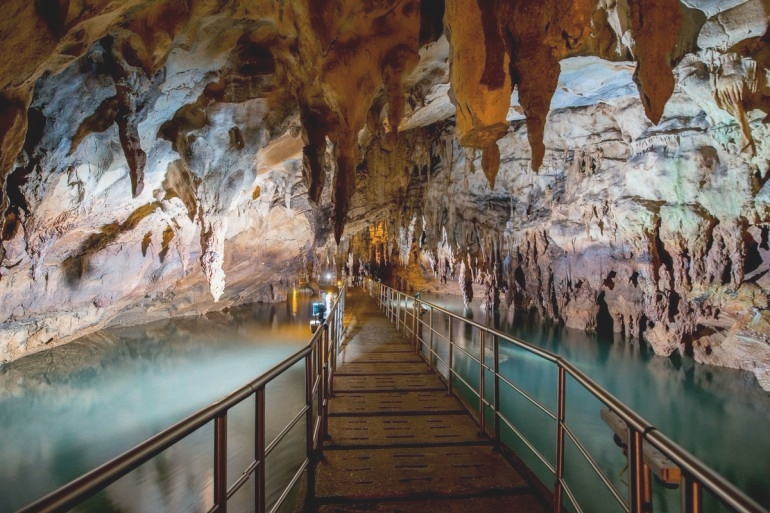
The developed part of the cave is currently 500 metres long. Visitors are able to enter the cave through an artificial tunnel that leads directly to the second floor and man-made bridges allow the passage from lake to lake. 

Being part of a secret underground river in the past, today the multi-dimensional cave has 13 cascading lakes of varying sizes, which is again a very unique feature as far as caves go. Only 500 metres are open to visitors because of the rough terrain. By the end of winter, when the ice melts, it floods the cave and creates a series of streams and waterfalls.

In summer, part of the cave dries and reveals new stalagmites formations. The natural entrance is right on the road, while there is another man-made entry a few metres away.

At the lower level human and animal fossils were discovered, including that of a hippopotamus. Scientists and historians claim that the cave was occupied 450 thousand years ago.

Insights Greece - Visiting the Legendary Cave of the Lakes in Kastria 

According to reports, findings show that man has used the cave since the Neolithic period and throughout the First and Middle Helladic to Late Helladic period, inhabited by people who were young, children, pre-teens, and young adults with a biological affinity.

Exploration is currently ongoing in the cave system and the Municipality of Kalavryta hopes that in the near future they will be able to open up more of Kastria Caves to the public.

Opening times: Winter daily from 9:30 am to 4:30 pm. Summer daily from 9:30 am to 6 pm. Note: there is a cafe at the site serving coffee and casual lunch.

Insights Greece - Visiting the Legendary Cave of the Lakes in Kastria 

Getting there 

It is situated 20 km from Kalavryta and 9 km from Klitoria village. You can take a bus from Athens to the Cave of the Lakes via Isthmos, Isthmos, and Kalavryta in around 4h and 30 m. Alternatively, you can take a train from Athens to Cave of the Lakes via Kiato, Diakofto, and Kalavryta, which takes around 5 hours. It is roughly 60km from Tripoli (about an hour’s drive) and a 2-hour drive from Corinth.

For more information visit kastriacave

Monastery of Saint John the Baptist in Arcadia

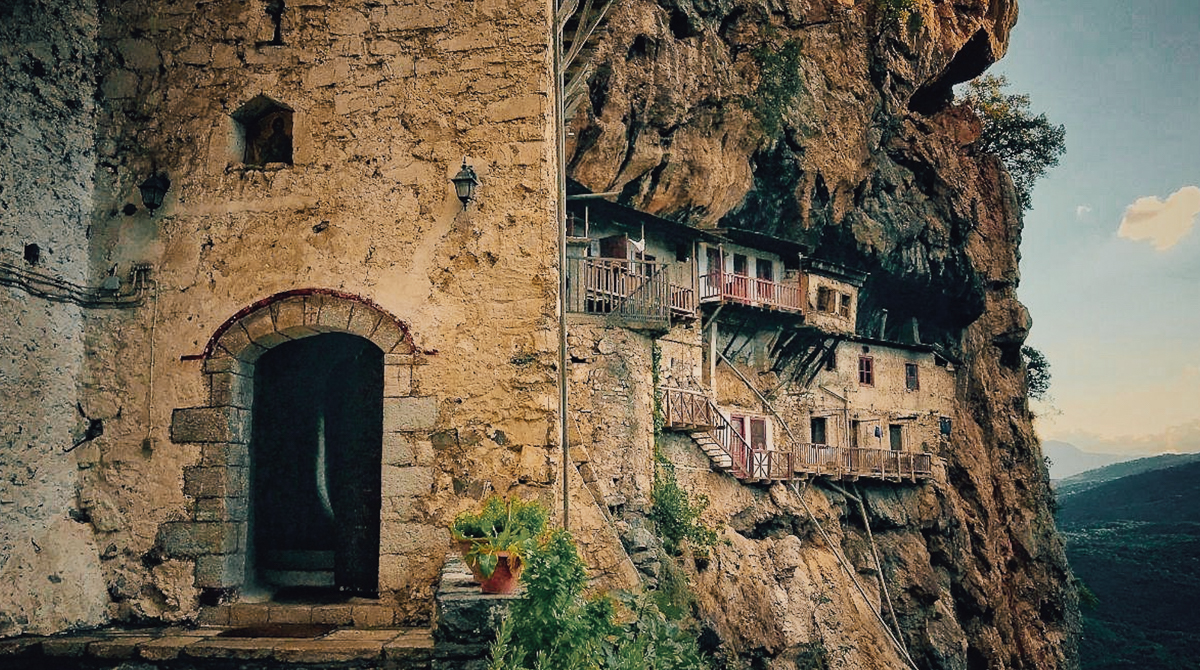
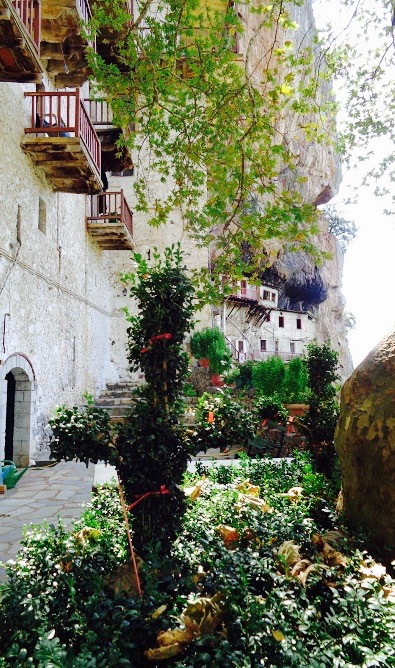
The Monastery of Saint John the Baptist (Agios Ioannis Prodromos) is also named the ‘Great Cave’ (Mega Spilaio) of Arcadia because it was built into a huge vertical rock on the east bank of Lousios Gorge by monks who lived in nearby hermitages. Thousands of pilgrims arrive here each year to explore this holy site, which offers peace, harmony and serenity.  

Location and getting there

Insights Greece - Monastery of Saint John the Baptist in Arcadia

Located near the villages of Stemnitsa and Dimitsana, the landscape is impressive and reminiscent of other holy sites in Greece, such as Meteora and Mega Spilaio. 

To arrive at the monastery, on the road from Dimitsana to Stemnitsa, turn right two kilometers before Stemnitsa and follow the signs for the monastery and Ancient Gortys. Following the signs for 6 kilometers from the turning point, you will reach the point where you must leave your car and begin a walk along a lovely 600 metre footpath.

The Church 

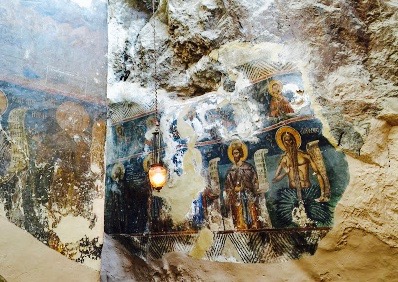
The church of Saint John the Baptist is a single-domed basilica, decorated with remarkable frescoes. Murals are also found outside the church, which are admired by all those who visit. 

The Monastery

This monastery is said to have been built in the mid 16th century, although the monks suggest its construction is much older, dating to the 12th century. Historically, the building was used as a refuge and hospital for local fighters during the Turkish occupation, due to its hidden position. From the balconies of the Monastery visitors can enjoy the splendid views of the luscious landscapes surrounding them.

What you will find here

There are workshops for painting and sewing sacred garments at the monastery and there is also an impressive collection of about 1000 historical books. The number of visitors who come here each year is huge, because apart from the spiritual journey, the monastery is built in a landscape of immense beauty, on towering cliffs, inside lush vegetation and with the Lousios River right by. Here you will be greeted by monks who show you around and offer coffee and local sweets to all their guests. 

Nature Walks

For those who love nature walks, two very beautiful paths begin at the Monastery of Saint John the Baptist. The first path heads left and takes you about 600 metres through a magnificent landscape rich in vegetation, then leads you down 200 metres to the Lousios Gorge. Here you will cross a new footbridge, and see the ruins of the monastery’s watermill, which were mentioned as early as 1630. 

The second route starts at the Monastery of Saint John, following the path to the right toward the Monastery of the Philosopher (old and new sections). About 650 metres down the path, approximately half way to the monastery, you will see a bridge linking the two banks of the Lousios. The monastery of Philosophos, located on the western side of the Lousios river gorge, is dedicated to the Assumption of the Virgin Mary. The monastery consists of two sections- the Old Monastery and the New Monastery of the Philosopher. 

Insights Greece - Monastery of Saint John the Baptist in Arcadia

Who is Saint John the Baptist?

The  Prophet and Forerunner John the Baptist is also referred to as John the Forerunner because he was the forerunner of Christ. He was an ascetic and great prophet, who baptised Christ and became one of the most revered saints in the Orthodox Church. He was later beheaded by Herod in the first century to satisfy the request of Herod’s stepdaughter, Salome, and wife Herodias. As he baptised Christ, he is the Patron Saint of godparents. January 7 is the Feast Day of Saint John the Baptist and it is also a celebration and name day of those named Ioannis or Ioanna. 

A: Arkadias, Tripoli 221 00, Greece

*Main image courtesy of Blog of Dimi © (Copyright) 

Exploring Mount Tagyetos in the Peloponnese

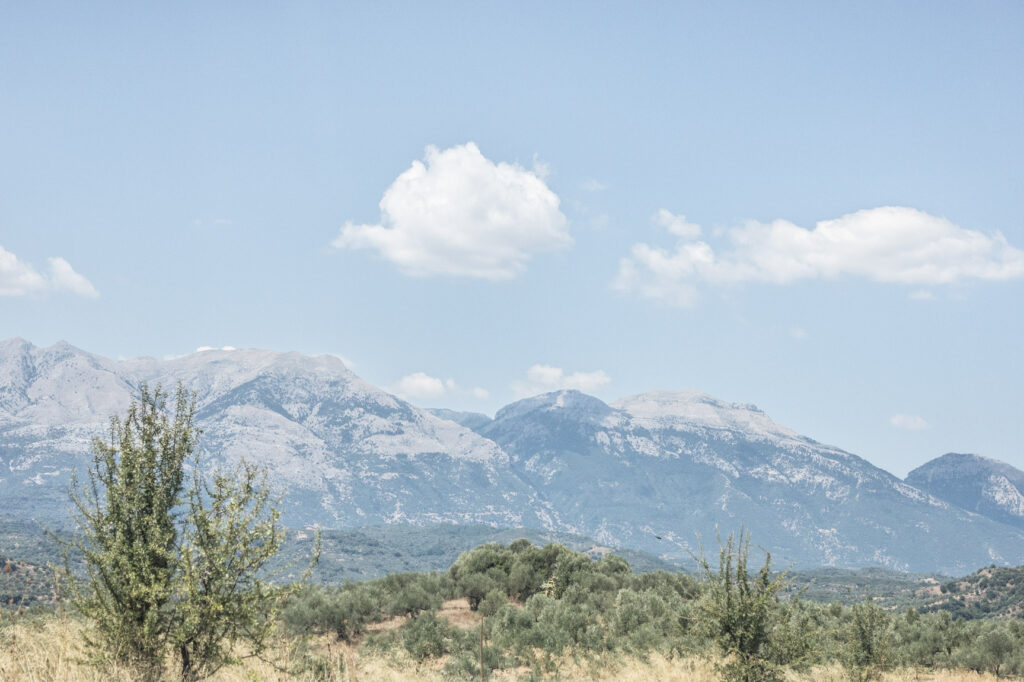
Mount Taygetos is the highest mountain in the Peloponnese and one of the highest in Greece, boasting a height of 2404 metres. It’s the perfect place to enjoy wonderful hiking routes, picturesque villages, lovely creeks and striking stone bridges. 

With lush forests covering the middle mountain zone, fragrant  phrygana shrubs sprinkled in the lower parts of the mountain, gorges and ravines shaded by plane trees, Mount Tagyetos is located on the border between the areas of Laconia and Messinia.

Prophet Elias

The highest mountain peak in the Peloponnese is named Prophet Elias and here you will find a a chapel of the same name. Every year on the 20th of July, thousands of pilgrims hike to the top and pay a visit to the church on the Feast Day of Prophet Elias. The most popular route to get to the church starts from Maganiari spring. The path to the top starts from Maganiari spring (980m altitude) and crosses the forest until the spring of Barbara.

Insights Greece - Exploring Mount Tagyetos in the Peloponnese

Vyros Gorge

One of the mountain’s most spectacular geographical features is the Vyros Gorge, which runs from the foot of Prophet Elias summit to the town of Kardamyli on the Messinian Gulf coast. Other peaks of Mount Taygetos include Sidirokastro (2340 m), Spanakaki (2024 m), Neraidovouna  (2020 m), Goupata (2031 m),  Koufovouni (1850 m) and Broken Mountain (2204 m).

The eastern slopes of the mountain form many ravines which supply water to the Evrotas River. The region is part of the Natura 2000 network of habitats and its significant infrastructure projects have been initiated for the development of mild ecotourism. in fact, Mount Taygetos has been designated as an ‘Important Bird Area’ of Greece.

Insights Greece - Exploring Mount Tagyetos in the Peloponnese

Hiking Routes

The mountain provides plenty of hiking routes which are well signposted and attract a lot of visitors throughout the year. During winter the snow makes climbing quite difficult and special equipment is necessary. One of the most rewarding experiences is reaching the top of the mountain at Prophet Elias and taking in the breathtaking view of the Peloponnese. There is also the Mystras- Taygeti – Moni Faneromenis route, which is also amazing.

Villages 

Georgitsi known as “the balcony of Taygetos”, is a village at 970 meters altitude and offers an astonishing view of Sparta. Here you will find stone houses with tiled roofs, firs and chestnut trees. Kastori village is perfect for those who love adventures as it’s great for hiking, mountain biking and canyoning. Are you can enjoy hikes through the beautiful route of the gorge of Kastoras River with the springs and the arched bridge. Also check out the chapel of Agios Loukas which is located inside a cave.

Insights Greece - Exploring Mount Tagyetos in the Peloponnese

Getting there

– One classical route to approach Taygetos is through Trypi village on the road from Sparta-Kalamata. This route is one of the most beautiful in the Peloponnese as you will be driving through a forest and the gorge of Lagkadas.
-There is also the route from Sparta to the mountainous village Anavriti. This road might be difficult for some drivers as it is close to the edge of the cliffs and not for the faint hearted.
-If you would like to head towards the northern side of Taygetos you should take the route from Mystras towards the village Kastori.

*Images by Blue Mandarin Photography © (Copyright) 

Discovering Ancient Olympia

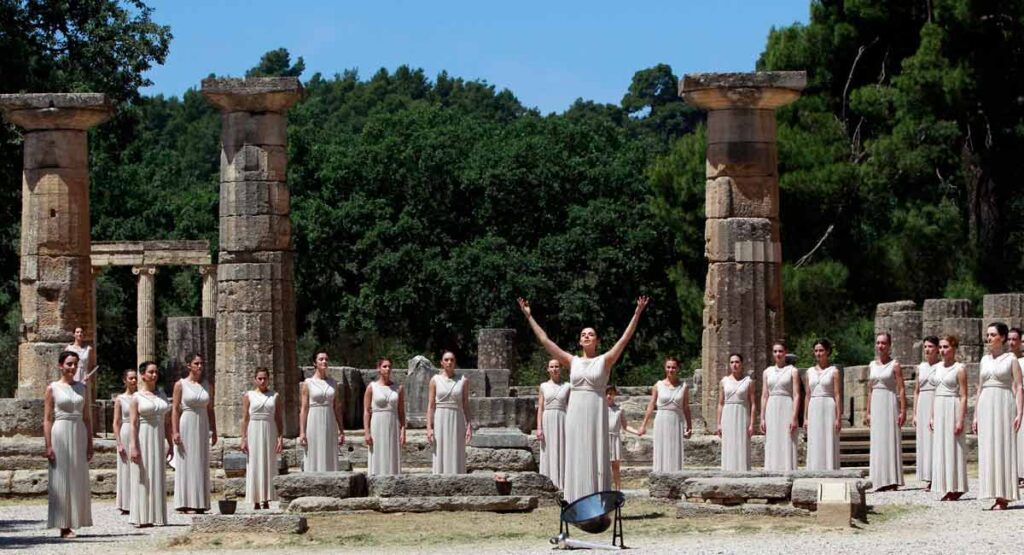
Olympia is one of the most influential ancient Greek sanctuaries, located in western Peloponnese, in Elis. In antiquity it was famous beyond the borders of mainland Greece for hosting the Olympic Games every four years, starting in 776 BC. 

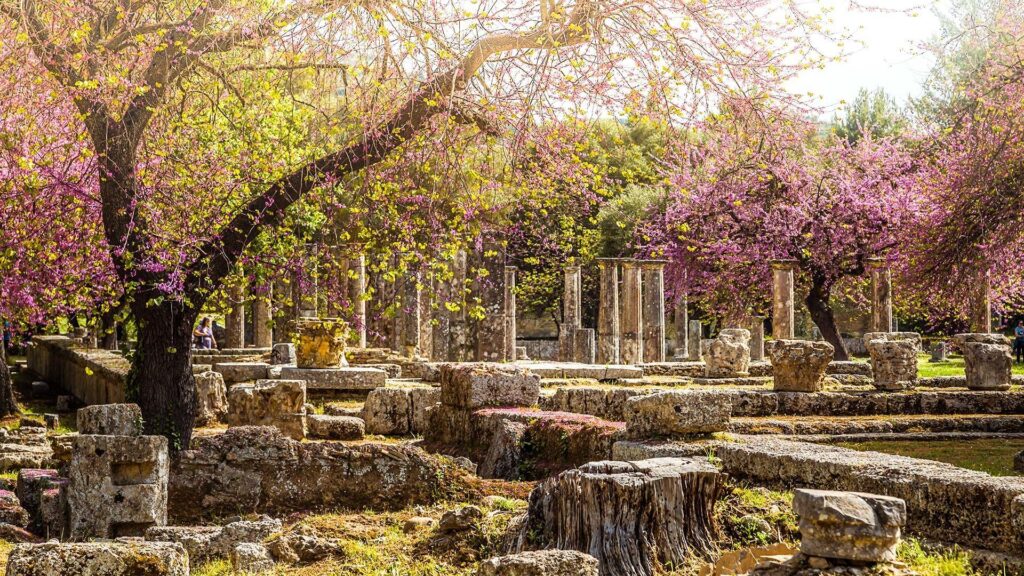
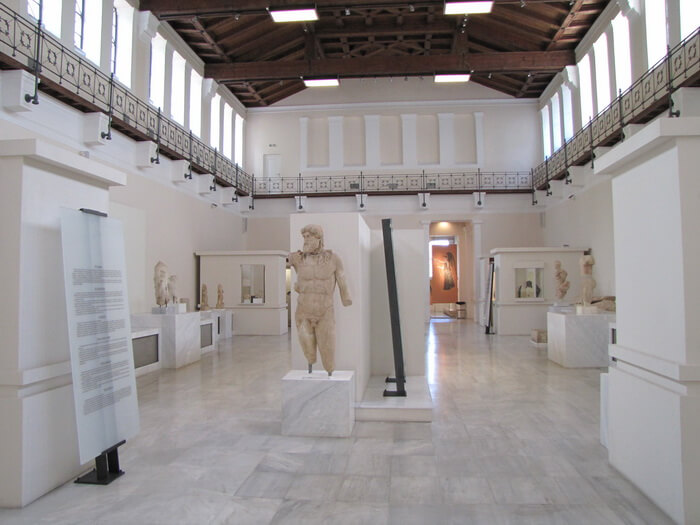
The archaeological site is located within walking distance of the modern village called Ancient Olympia and it includes ruins from Bronze Age to the Byzantine eras. The site covers an expanded area of ruins scattered among low trees, as well as the ancient stadium where the Olympics took place. An impressive array of artifacts which were unearthed during excavations are on exhibition at the nearby Olympia Museum.

The history

The site of Olympia, in a valley in the Peloponnese has been inhabited since prehistoric times. In the 10th century B.C., Olympia became a centre for the worship of Zeus. The Altis – the sanctuary to the gods – has one of the highest concentrations of masterpieces from the ancient Greek world. In addition to temples, there are the remains of all the sports structures erected for the Olympic Games, which were held in Olympia every four years beginning in 776 B.C.

The Stadium

What else you can see

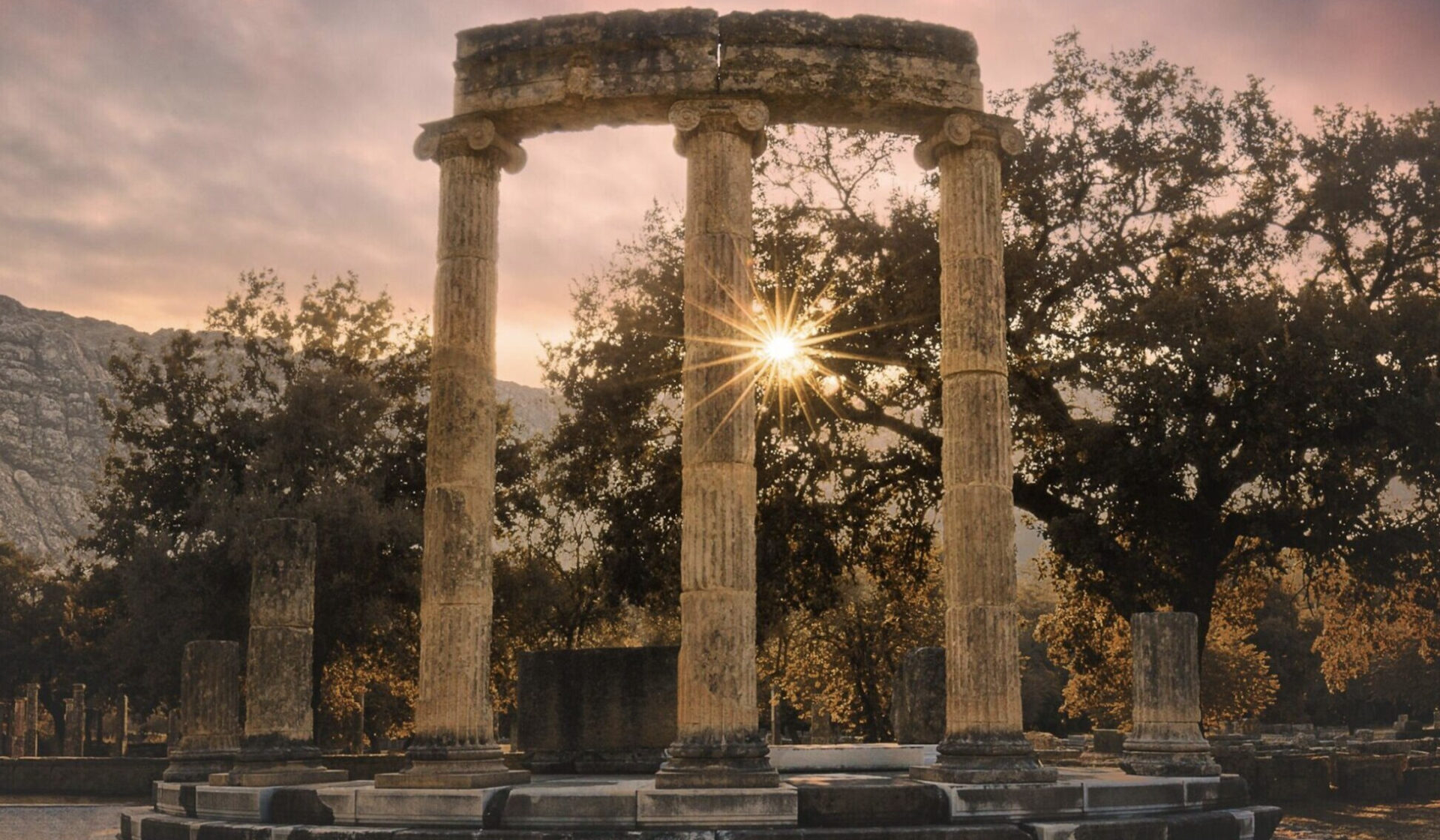
Apart from the lovely Archaeological Museum as well as a Museum of the History of the Olympic Games, the site itself, a lush valley once filled with olive trees and called Altis that was created in the 8th Century BC, is awe-inspiring. Temples, such as those of Hera and of Zeus, the circular Philippeion dedicated to the Macedonian King Philip II, the training palestras, stadiums and the Bouleuterion are all a feast for the eyes and imagination. The town of Olympia, in the region of Katakolo, Ilia, is unremarkable but cute for a touristy stroll with some pretty views.

How to Get There

By bus, you can reach Olympia from Athens via Pyrgos, the capital of the region. By car, it is 290 kilometres from Athens (about 3.5 hours). If travelling by boat, the nearests ports are Katakolo (34km), where cruise ships arrive, Killini (66km) with connection lines to and from the Ionian islands, and Patras (117km) from where you can travel to Italy by ferry.

When to Visit

Any time of the year is suitable to visit Olympia. From late April to late October, the site and Olympia museum are open daily during the daylight hours so visitors have more time to enjoy the monuments and galleries. From November 1 to March 31, tickets for the site and museums (open from 8 a.m. until 3 p.m.) are half price. In the winter, there are typically no lines.

Cover image @westerngreece
Greece Extends Lockdown to January 7  
On Monday, Greek Government Spokesperson Stelios Petsas announced that the current lockdown measures in the country will be extended through to January 7, 2021, to limit the spread of Coronavirus. 

This includes a night time curfew and a ban on travelling outside home prefectures.

According to the announcement, schools, restaurants, cafes, bars, nightclubs, taverns, courts and ski centres will resume operations as of 6am, Thursday, January 7, 2021.

What you need to know

Outside movement will continue to be allowed only for specific reasons and by sending an SMS to the five-digit mobile phone service 130 33. The night curfew from 9pm to 5am will also remain in place.

Travel to and around Greece
Also, until January 7, 2021, domestic travel will not be allowed and public gatherings will continue to be banned.
Those returning from countries abroad between Friday, December 18 and Thursday, January 7, 2021, will be required to:

  1. Submit a PLF and a negative Covid 19 test result (PCR) performed up to 72 hours before arrival.

2. Take a rapid Covid-19 test at the airport, upon entry.

3. Enter a 10-day mandatory quarantine.

*Images by Christos Ditoras

Check out more of Christos’ images here