Discover the ultimate road trip through Messinia in the Peloponnese, including the best beaches, tavernas and coastal villages in southwest Greece.
For years, summer in Greece has been framed around the islands, but Messinia makes a strong case for staying on the mainland, especially for travellers who want the sea, the food, the beauty and the ease of a Greek summer without any ferry trips or flights needed.
Set in the southwestern Peloponnese, this is one of the most beautiful regions in Greece to explore by car. Kalamata, Kardamyli, Stoupa, Koroni, Finikounda, Methoni and Pylos each have their own character, with every stop offering something different along the way. One place leads easily into the next, with olive groves, mountain roads, fishing harbours and long stretches of coastline shaping the journey in between.
With ten days or two weeks up your sleeve, you can move slowly through the region without repeating the same kind of day twice- brunch in a city square, a morning swim near Kardamyli, a coffee in Koroni, an afternoon dip near Voidokilia, dinner in Pylos. It has the variety people often travel between islands for, with the luxury of jumping into your car at your own pace and experiencing each stop for as long as you please.
My father is from this part of the Peloponnese, so these roads, villages and coastlines have always been familiar to me- mostly through family visits, sometimes for work, and simply because few places capture the kind of summer I always want to experience in quite the same way.


Kalamata
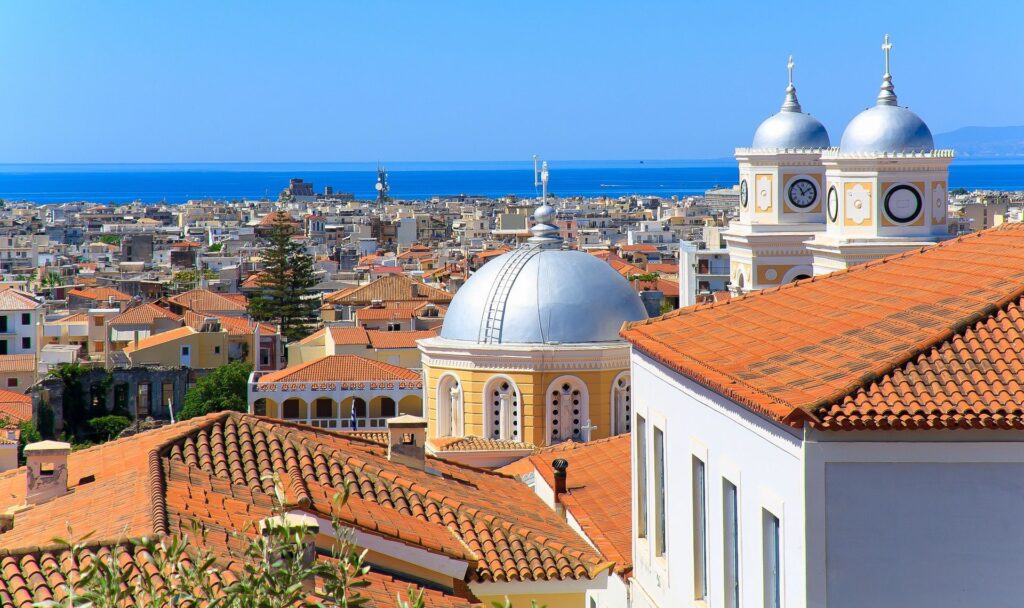
Most road trips through Messinia begin in Kalamata, partly because the drive from Athens is so straightforward at around two and a half hours, but also because the city deserves more than a few hours stop before continuing further south. For years, Kalamata was largely treated as the gateway to the rest of the region but now, it feels far more interesting than that. There are good hotels, a stronger food scene than many people expect, wine bars, cafés and a younger energy that has gradually reshaped the city over the last decade.
The first evening is best spent walking through the old town and the historic centre, where much of the city still gathers around cafés and tavernas. Around the central square and the streets leading toward the castle, newer restaurants sit alongside family-run places that have been here for years, which is exactly what makes Kalamata interesting.
Food is one of the main reasons people return here repeatedly, as it is olive oil country after all, and the cooking tends to be at its best when it stays simple. Grilled vegetables, local cheeses, seafood, slow-cooked dishes and summer salads made with local ripe tomatoes are often all you need.
In the central square, Platea takes familiar Greek flavours and adds a modern twist, while To Limeni is a reliable choice for seafood by the water. Mple Kanarini works closely with local fishermen and producers, shaping much of the menu around what is available each season, and Foino is one of the better long lunch spots in the city, with a more creative bistro approach.
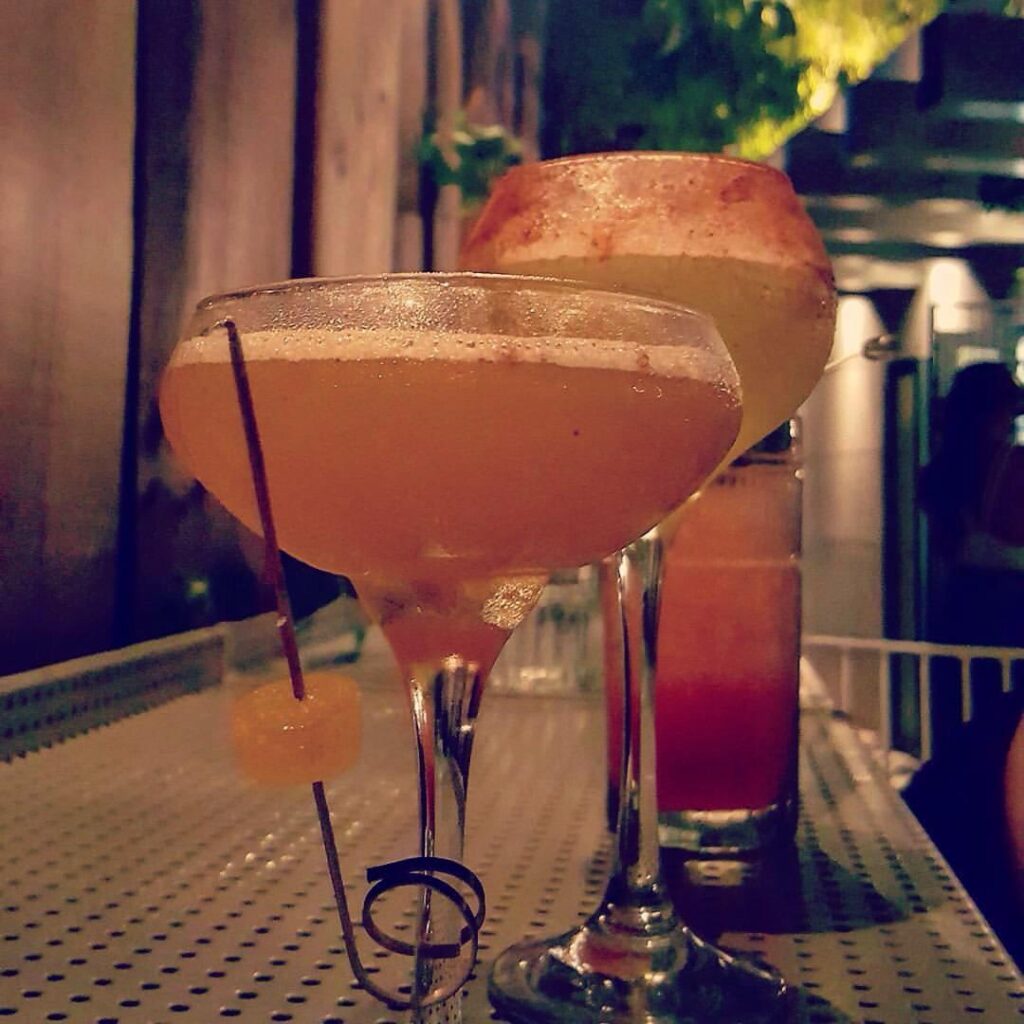
Drinks also stretch late here, particularly in summer, with Luna Lounge drawing a younger crowd for cocktails and burgers, while Kastraki, set above the city, has one of the best views across the Messinian Gulf. Sunset is the best time to visit, when the city, coastline and mountains begin to soften into the evening light.
For places to stay, there is now a good mix between boutique hotels in the centre and larger seaside properties closer to the beach. Spending at least one night here before continuing further down the Messinian coast the following morning is the best way to start your Messinian road trip.


Kardamyli
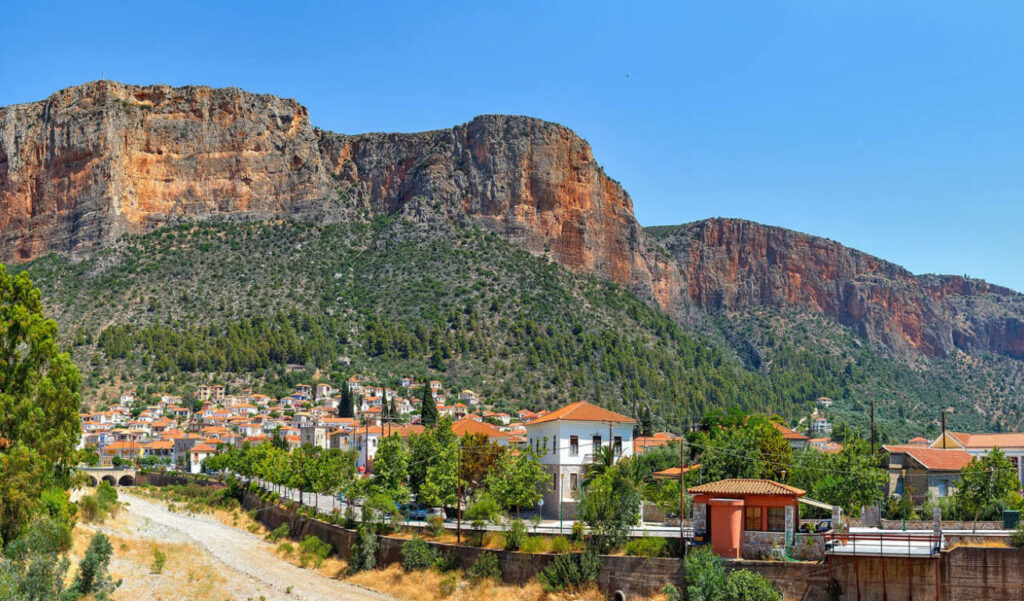
The drive from Kalamata to Kardamyli is one of the highlights of the entire route. The road curves along the coastline beneath Mount Taygetus, with the sea appearing beside you for much of the journey. There are small beaches, olive groves and stone villages scattered along the way, and by the time Kardamyli comes into view, it already feels distinctly different from Kalamata.
Writers, artists and Athenians have been returning here for decades, drawn by the landscape as much as the atmosphere itself. Kardamyli is undeniably with its stone tower houses that sit among olive trees and cypress groves, narrow alleyways that wind through the old town, and mountains that rise sharply behind the village, giving the entire area a dramatic backdrop.
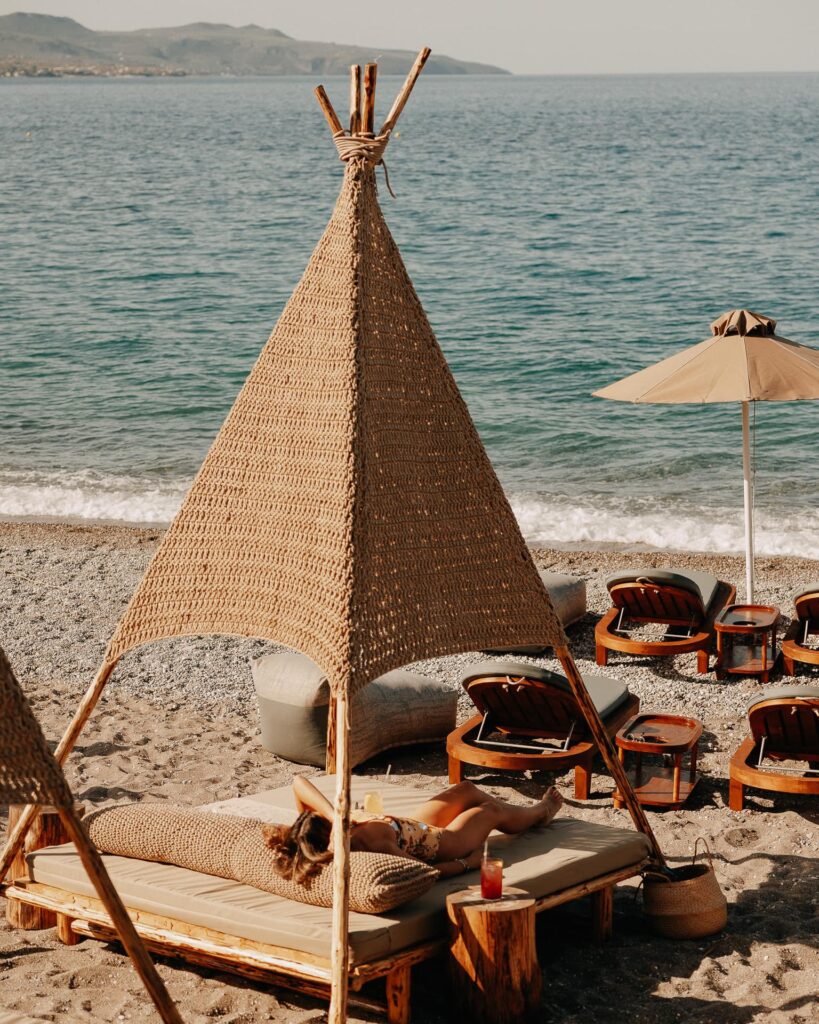
Much of Kardamyli centres around the waterfront and the main strip, where people move slowly between cafés, small shops, tavernas and the sea. The beaches around Kardamyli are part of the reason many people stay longer than planned. Ritsa Beach, directly beside the village, is the easiest spot for a daily swim, while Kalamitsi has calmer, shallow water and fine pebbles. Further along the coast, Foneas remains one of the most recognisable beaches in the region, with its large white stones, clear water and the rock sitting just offshore that people swim out to each summer.
Kardamyli is also one of the best places in Messinia to explore on foot. The old town is filled with traditional Maniot architecture, including stone-built houses, churches and narrow lanes that lead gradually uphill toward some of the village’s best views. One of the nicest walks continues beyond the old town toward Agia Sophia Church, and for those interested in the region’s history, Mourtzinos Castle offers insight into Kardamyli’s past.
Another important stop is the former home of British travel writer Patrick Leigh Fermor, who spent much of his life in Kardamyli. Hidden among olive groves overlooking the sea, the property remains one of the most admired houses in Greece and reflects the intellectual and artistic world that gathered around this coastline for decades. Visits are limited and need to be booked ahead.
Food here in summer is usually served outdoors. Gialos, set directly on Ritsa Beach, is a classic spot for seafood and traditional Greek dishes by the water. In the old town, Old Kardamyli Traditional Restaurant sits beneath the trees and is ideal for a long lunch after walking through the village, while Elies, hidden within a garden of olive trees, is especially good for meze, seafood and local dishes shared across the table.
By evening, Aquarella is one of the better places for a drink beside the sea before dinner, while Tikla Cuzina and Wine Bar has become a favourite for both food and local wine, particularly during summer when tables stay full well into the night.
There are now some very good places to stay around Kardamyli, from restored stone guesthouses to smaller boutique hotels built discreetly into the hillside. And although many people arrive intending to stay briefly, they end up reorganising the rest of their trip around a few extra days here.


Stoupa
A little further down the coast from Kardamyli, Stoupa has long been one of the classic summer villages of this part of the Peloponnese. People come here for the beaches and relaxed atmosphere- days spent by the water, evenings that begin with a swim and end several hours later at a taverna by the sea. Many families return every summer, often to the same apartments, cafés and restaurants they have known for years, giving the village a familiarity that becomes part of its appeal.
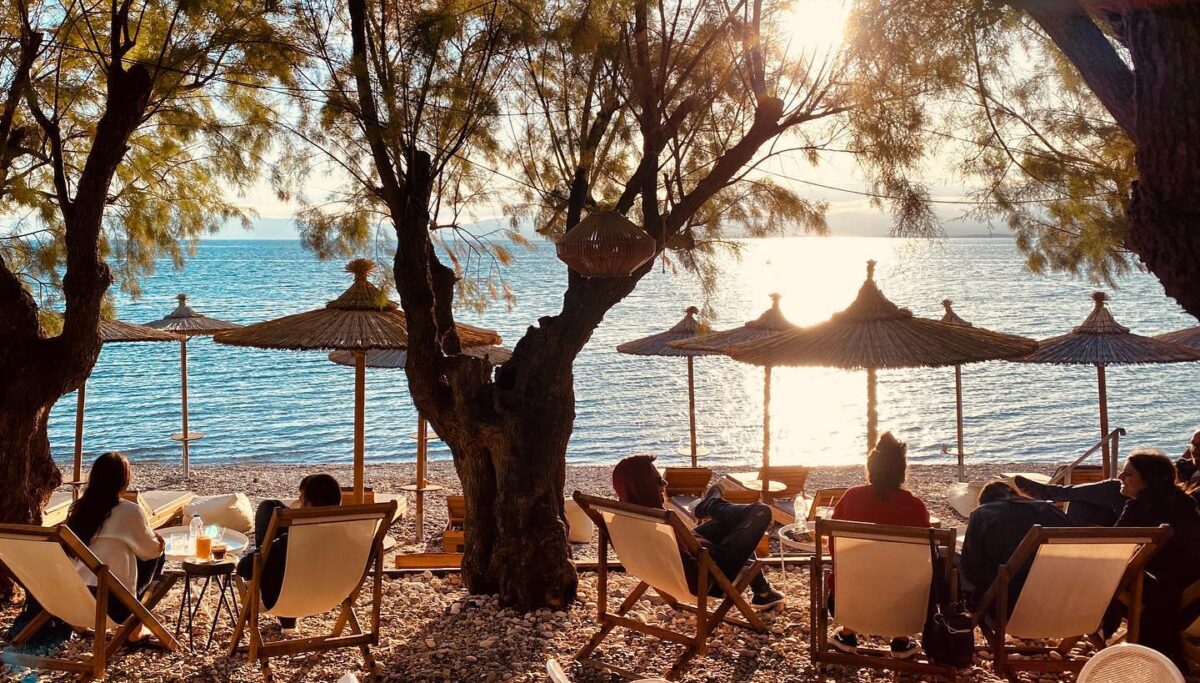
Most of life during summer centres around Kalogria Beach, where soft sand and shallow turquoise water draw people from early morning until sunset. Nearby Stoupa Beach has a busier waterfront lined with cafés, tavernas and bars, while smaller coves and swimming spots along the coast offer quieter alternatives if you feel like driving or walking a little further out.
Some of the nicest food here is still found in older family-run tavernas where seafood, slow-cooked dishes and seasonal produce shape the menu each day, however Liastres, overlooking the bay, has become one of the stronger restaurant addresses in Stoupa, with a menu that feels slightly more refined while still staying connected to local cooking and ingredients.
For drinks, Enigma sits directly on the waterfront and is one of those places people tend to drift into after the beach, when cocktails, music and the sea all seem to merge into the same evening.
Stoupa works well as part of a slower route through Messinia, especially if you want a few days lazing around the beach before continuing further down the coast.


Koroni
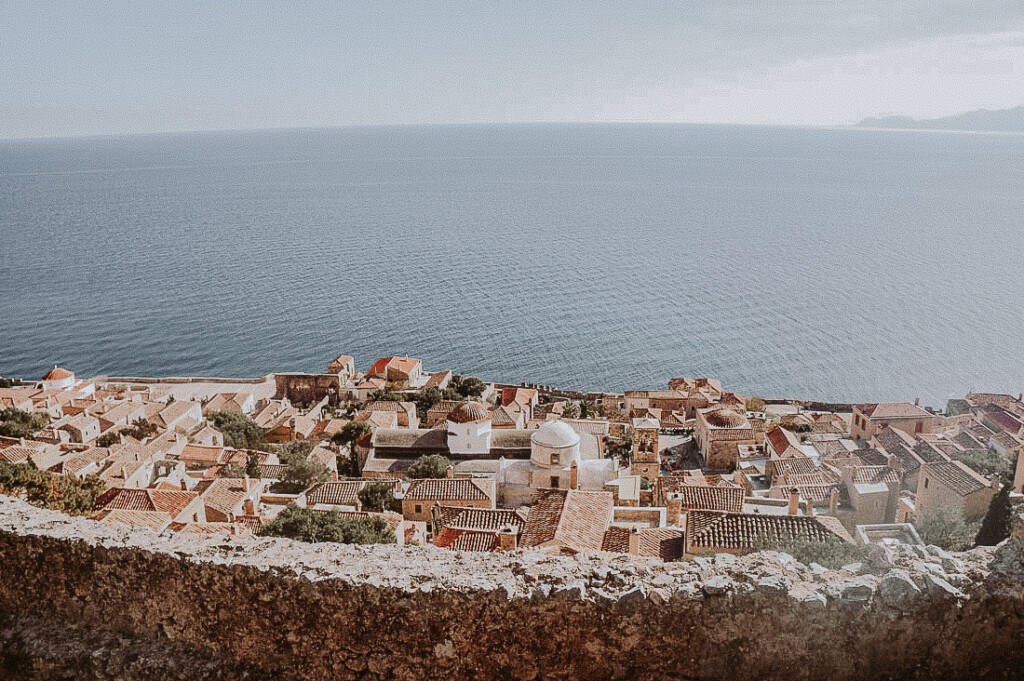
By the time the road reaches Koroni, the landscape begins to soften. The town rises gradually toward its Venetian castle, with narrow streets, old stone houses and small balconies facing out toward the harbour and sea below. From a distance, Koroni almost feels island-like, particularly late in the day when the castle, harbour and coastline all begin to catch the evening light together.
The harbour remains at the centre of everything- fishing boats move in and out throughout the day, cafés fill from early morning onwards, and by evening much of the town gathers along the waterfront for dinner.
Part of the pleasure of staying in Koroni is simply walking through it. The streets leading toward the castle wind past old houses, small shops and cafés, with glimpses of the sea appearing unexpectedly between buildings. Higher up, the views stretch across the Messinian Gulf and surrounding olive groves, while down below the harbour is filled with locals at work.
There are a few nice beaches in Koroni including Zaga Beach, directly beneath the castle, which is the easiest for a swim close to town, with calm water through much of the summer and views back toward the fortress above. Further out, Peroulia Beach has a wider stretch of sand and a quieter atmosphere that easily turns a swim into an entire afternoon by the sea.
For coffee and something sweet, Byzantino is one of the classic stops in town, particularly for traditional syrup desserts including kataifi and ekmek. Near Peroulia Beach, Peroulia Beach Restaurant has been serving fresh fish and traditional Greek dishes since the 1980s and remains one of the best places in the area for a long lunch by the water.
As the sun begins to go down, people gradually make their way back toward the harbour and the castle side of town. Theros Koroni is one of the best spots for sunset cocktails overlooking the sea, while Carina Food and Wine works well for dinner, especially if you want something slightly more contemporary alongside local wines and views across the coastline.
Koroni is the kind of place where very little needs to be planned in advance, and your days naturally fall somewhere between the beach, the harbour and casual dinners at night.


Finikounda
Further along the coast, Finikounda is more open and beach-focused, and here most of the day unfolds somewhere between the sea, the harbour and the cafés lining the waterfront. Originally a small fishing village, it has gradually grown into one of the most popular seaside stops in this part of Messinia, while still keeping the relaxed vibe people come here for in the first place.
The village itself is relatively compact, centred around the harbour and a long stretch of beach where tavernas, cafés and small bars sit directly opposite the water. Life here revolves almost entirely around the sea. Mornings begin with coffee by the waterfront, afternoons disappear at the beach, and evenings tend to start late after the heat finally begins to ease.
Some of the best beaches in Messinia sit around this stretch of coastline. Long sandy bays with shallow, warm water extend in both directions from the village, making Finikounda especially good for travellers wanting several easy beach days during the trip. Small boats leave regularly from the harbour during summer, while the coastline around Finikounda has also become popular for paddleboarding, kayaking and windsurfing.
West of Finikounda, Anemomylos-Mavrovouni Beach feels far more open than the beaches closer to the village, with a long sandy stretch backed by dunes and low greenery rather than tavernas and sunbeds. The Minagiotikos River reaches the sea here, creating a landscape that feels slightly wilder than much of the coastline around it.
This is the kind of place you come to for pure relaxation- mornings at the beach, lunch by the harbour, another swim in the late afternoon, dinner once the heat drops, and most visitors are happy to have this is on repeat for days.
For coffee, drinks or a banana and Nutella crepe beside the sea, Almiro Gliko is one of the nicest stops along the waterfront, particularly later in the day when the tables begin filling and the promenade starts getting busy.
Finikounda works especially well as part of the slower section of the route before continuing toward Methoni and Pylos, especially if you’re craving more beach time.


Methoni
As you make your way towards Methoni, the coastline begins to feel quieter again. The town is best known for its enormous Venetian castle, which stretches directly into the sea and dominates almost every view on arrival. Around the fortress, daily life continues for locals with cafés centred around the main square, fishing boats tied along the harbour and people gathering by the waterfront for a catch up once the heat begins to ease.
The striking castle was built by the Venetians and later occupied by the Ottomans- it remains one of the most impressive fortresses in Greece, particularly when viewed from the shoreline beside the town. Walking through it late in the afternoon, when the stone walls begin catching the softer evening light, gives a sense of just how important this part of the Peloponnese once was.
Directly beside the fortress, the beach here is a nice swimming spots along this stretch of Messinia. Early mornings are especially beautiful before the town fully wakes up, while later in the day the waterfront begins filling with people stopping for coffee, aperitivos or dinner overlooking the sea.
What makes Methoni memorable is the contrast between the scale of the castle and the simplicity of the town surrounding it. The streets remain quiet, most businesses are still small and family-run, and even during summer the place rarely feels overly busy.
For dinner, To Kastro has one of the best positions in town, directly facing the sea and castle. The menu focuses on traditional Greek dishes and seafood, but it is the setting, particularly at sunset, that is memorable. For something more casual, Avli Gastro Bar works well for drinks and meze in a relaxed courtyard setting.
Accommodation in Methoni tends to be smaller in scale, from guesthouses to family-run stays, which suits travellers looking for a more local and traditional experience. While many people initially come for the castle, they often end up staying for the authentic atmosphere.


Pylos
The final stop on the route is Pylos, where the coastline opens into wide bays, long sandy beaches and some of the clearest water in the Peloponnese. After the smaller villages further down the coast, Pylos feels slightly grander in scale while still remaining unmistakably Messinian in character.
The town spreads around Navarino Bay, where much of life continues to revolve around the harbour and the large plane tree-lined square at its centre.
Pylos works particularly well as a base for exploring some of the best beaches in Messinia. Voidokilia is the most famous, with its almost perfectly curved bay and shallow turquoise water, though it is best visited early or later in the afternoon during peak season. Nearby Gialova has changed considerably over recent years, with boutique hotels, restaurants and beach bars gradually reshaping the waterfront. And Divari Beach, stretching beside the lagoon, feels more open and expansive, with long stretches of sand, clear shallow water and enough space to spend an entire day between organised sunbeds and quieter sections further along the shore.
Food in Pylos ranges from long-established family tavernas through to the restaurants around nearby Costa Navarino. Katerina’s Tavern, family-run for more than fifty years, remains one of the classic addresses in town for homemade Greek dishes and fresh seafood, while Sto Steno, tucked within one of the narrower streets near the centre, is especially good for traditional cooking in a more intimate setting.
For something more elevated, Costa Navarino has significantly shifted the dining landscape of this coastline over the last decade. Barbouni, set directly on the beach, is one of the best spots for seafood and long lunches by the water, while Flame is known for grilled meats and sunset dinners overlooking the golf course.
Pylos makes a fitting final stop before the drive back to Athens, as after gradually moving along the Messinian coast, it is often the place where you can easily spend a few more days relaxing if you have the time.
All images by IN+SIGHTS GREECE ©