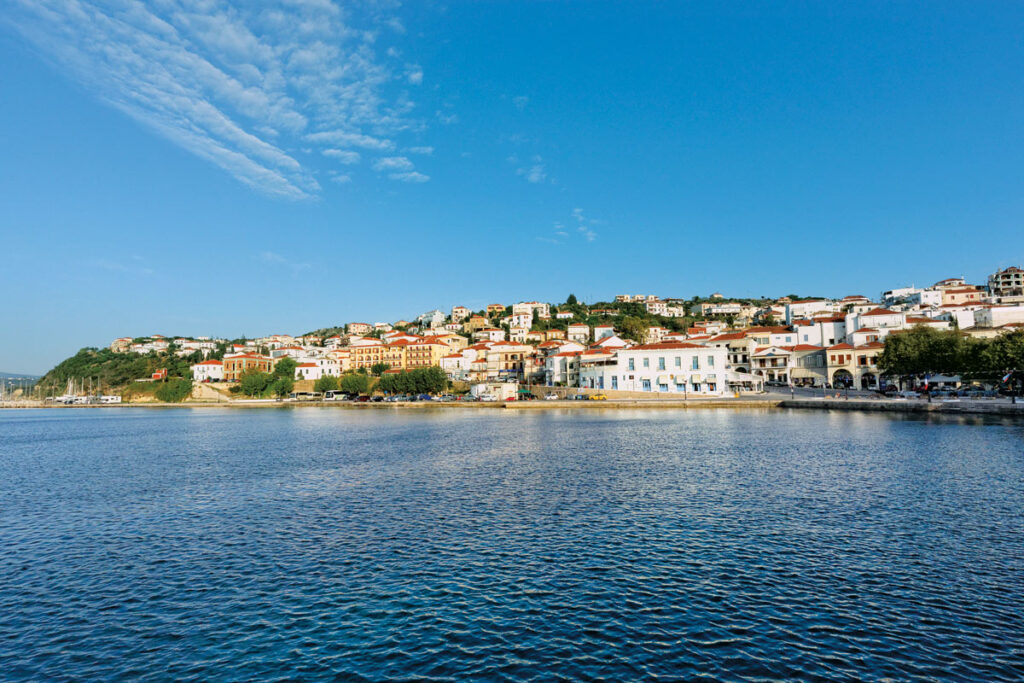
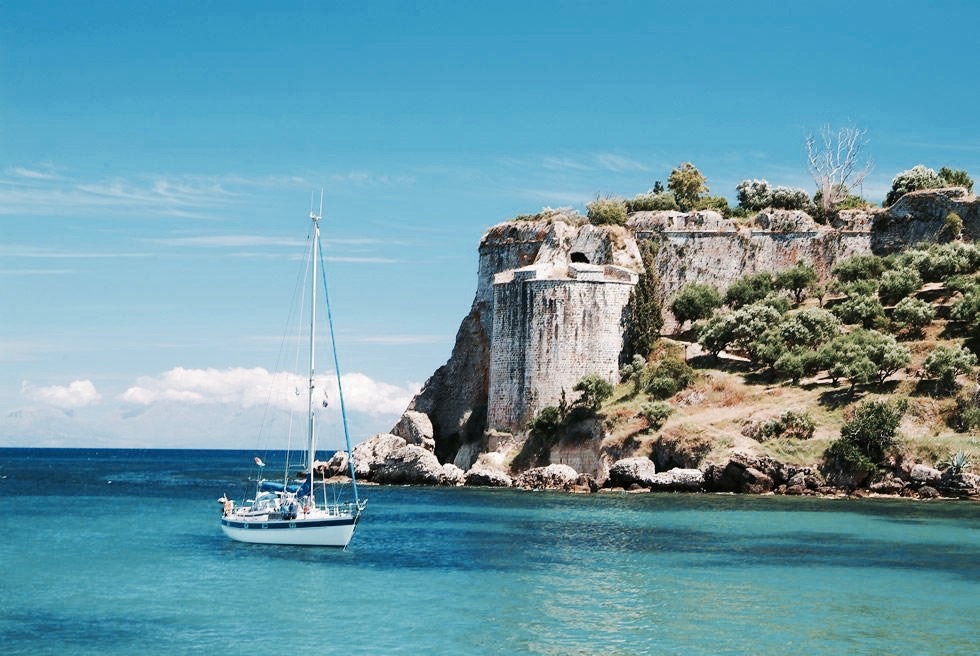
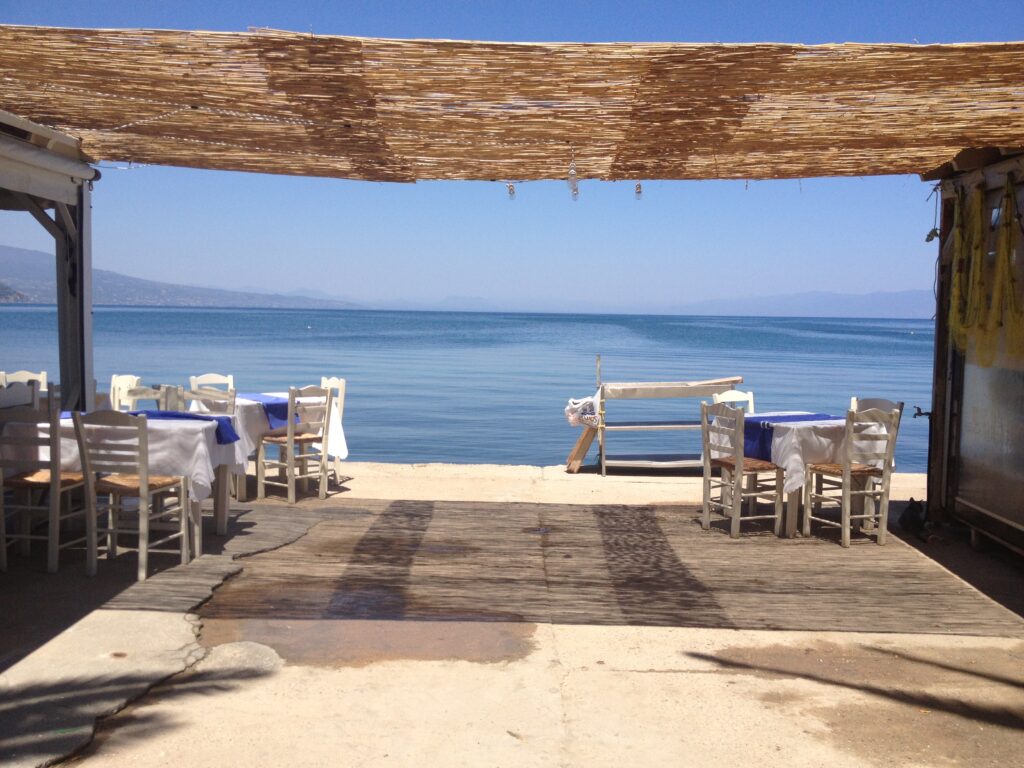
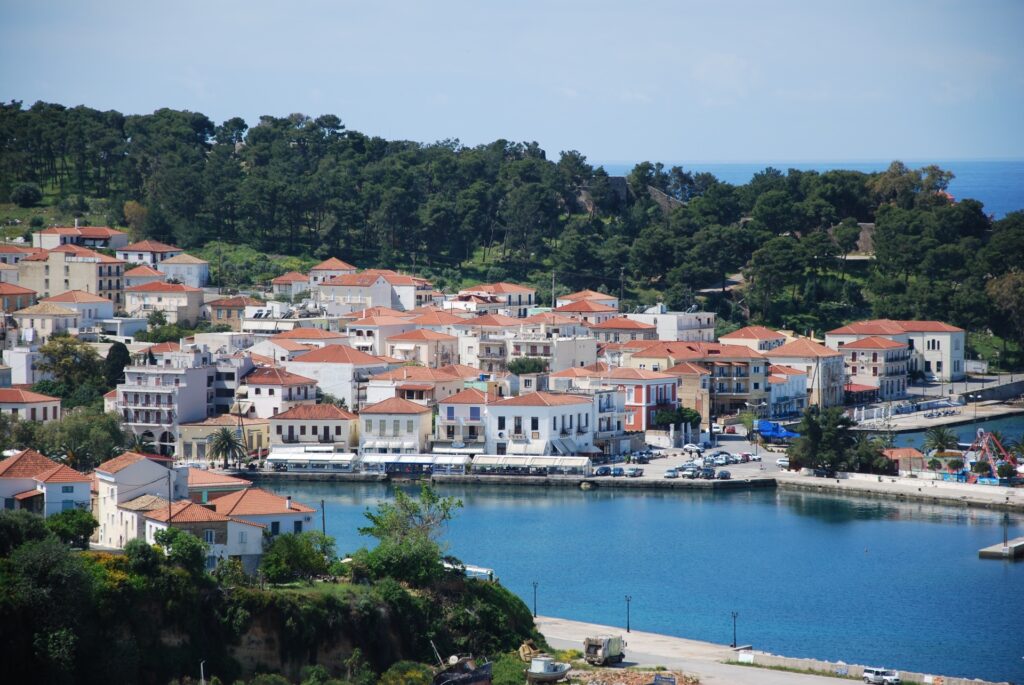
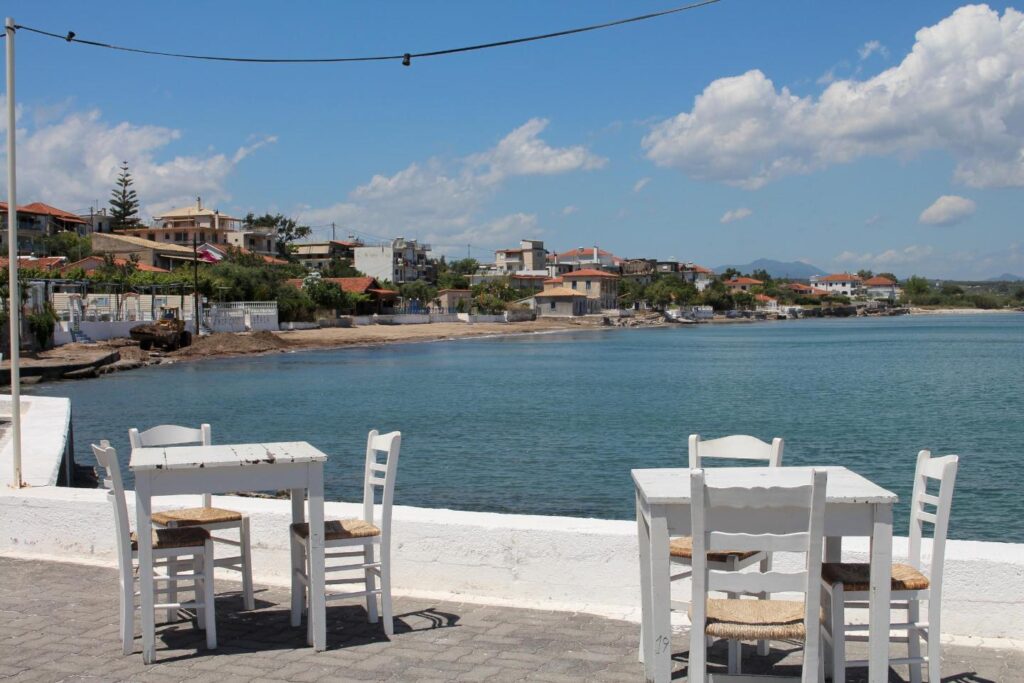
A pretty seaside town located in the Peloponnese, Pylos is surrounded by lush vegetation, breathtaking natural landscapes, ancient monuments, and fabulous authentic taverns serving fresh local dishes from the region.
Must see:Three Admirals’ Square remains one of the busiest places in Pylos. This is the main focus of the town square, as it’s a monument dedicated to the three admirals who participated in the legendary Battle of Navarino. Nestor’s Cave tours are a great way to discover history. Stroll through the unique archaeological site called Ancient Pylos, with its many ruins of unique ancient buildings; the most splendid of which was the Palace of Nestor.
Sail around PylosMain Harbor
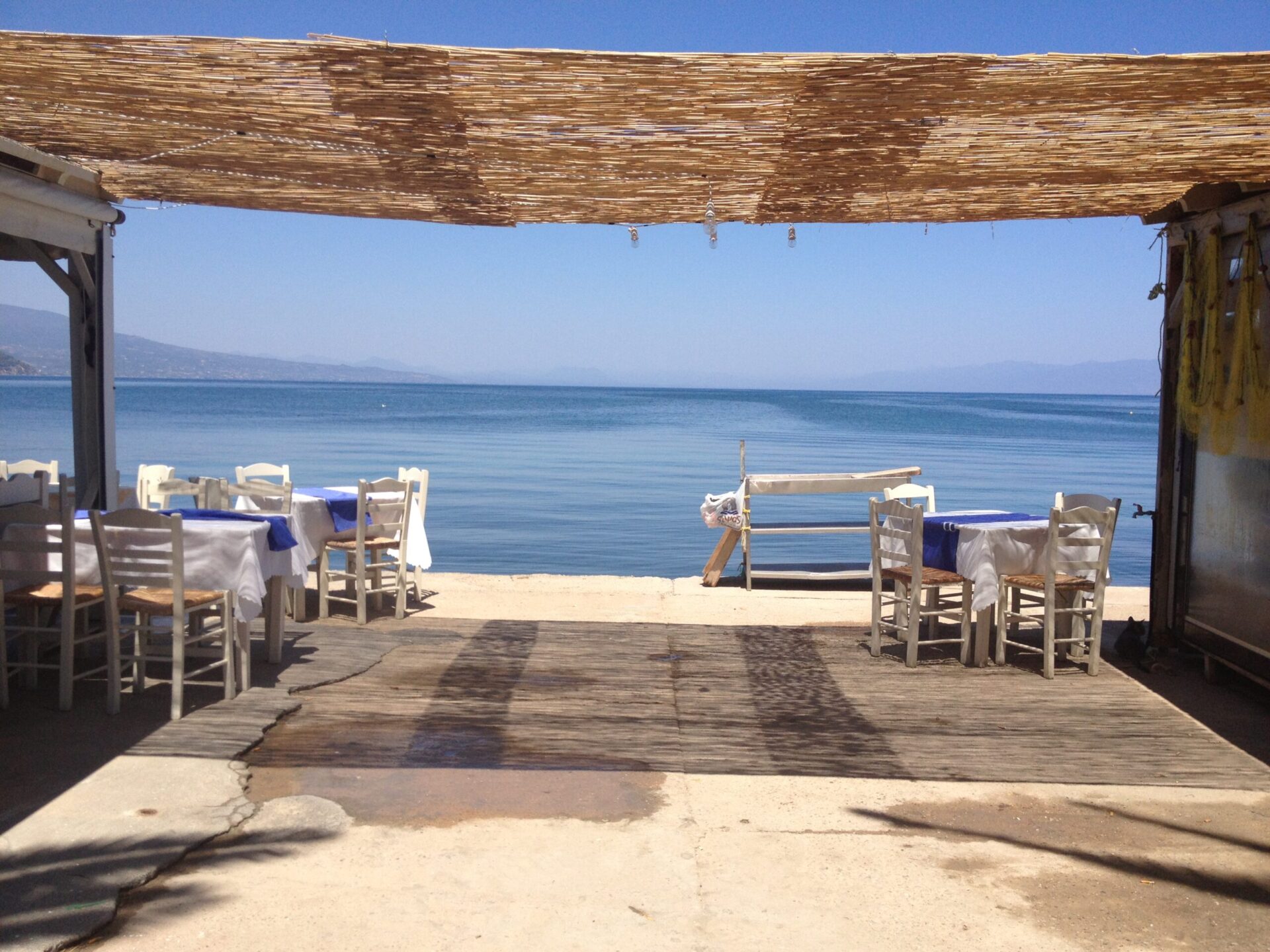
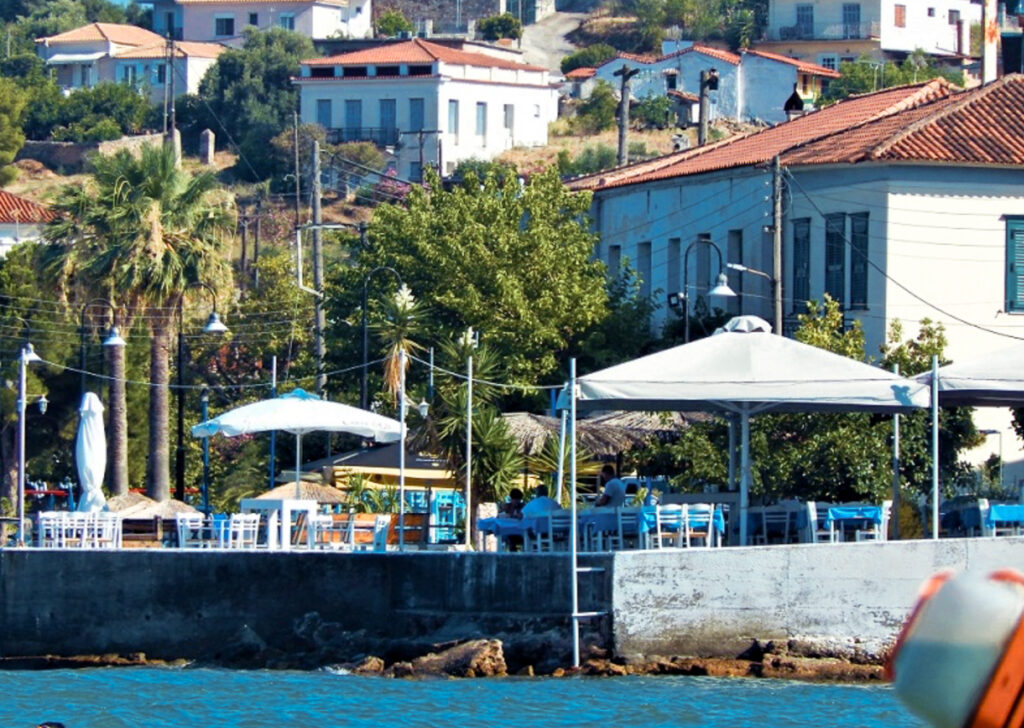
Must do: Head to the small town square next to the harbour and sit back and enjoy a coffee, dessert, or late lunch at one of the many tavernas, cafes, or restaurants. When the sun goes down it turns into one of the most romantic places in the city. Here you can just walk, admiring the panoramic view of the coast, or dine at one of the local restaurants.
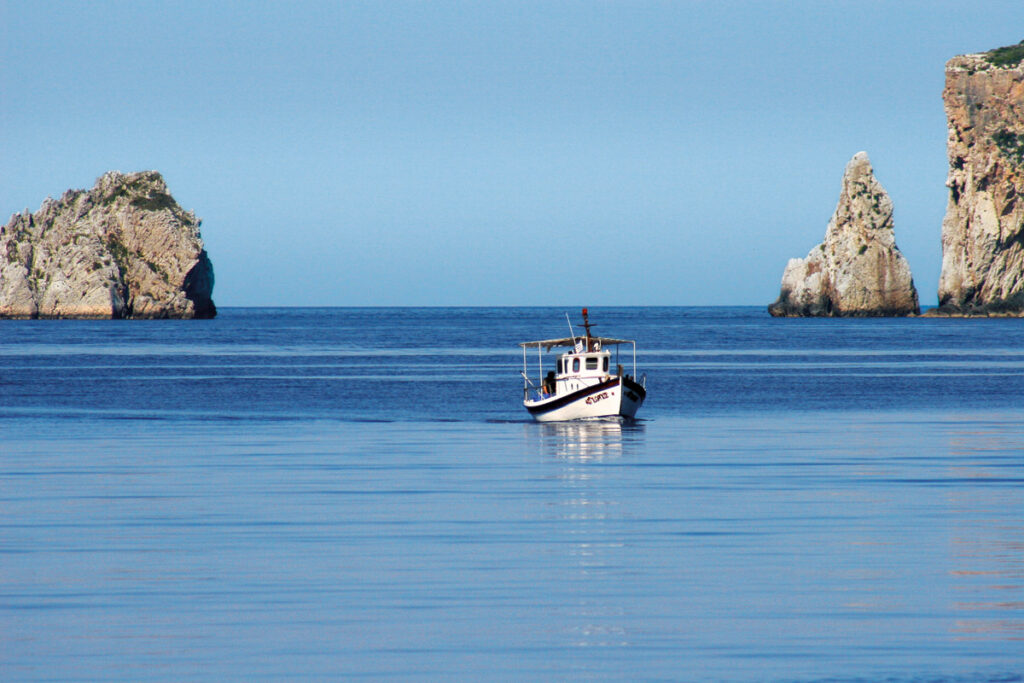
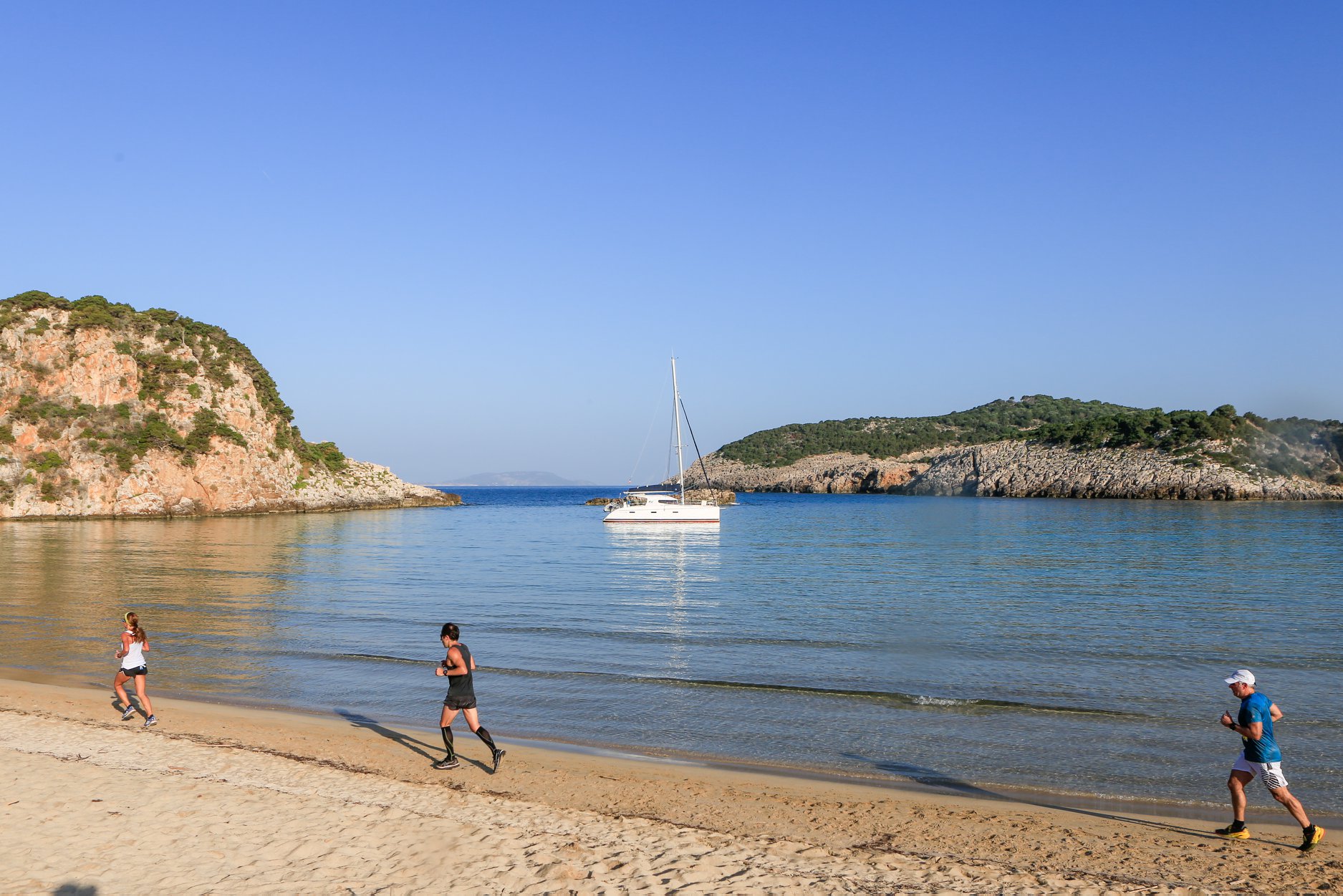
To swim: There are no beaches inside Pylos, however, there is a boat trip around Sfaktiria and Navarino Bay, with daily cruises. Only five minutes away by car you can swim at Gialova and you will be blown away by the nearby Voidokillia Beach, which has been named one of the best beaches in Greece.
Don’t leave until:You visit the Archaeological Museum of Chora, where you will find numerous archaeological findings from the site of the Palace of Nestor; also head to the Archaeological Museum of Messinia, where you’ll discover collections that focus on the Mycenaean civilization.
Kookoonari Beach Bar50/50 Tavern
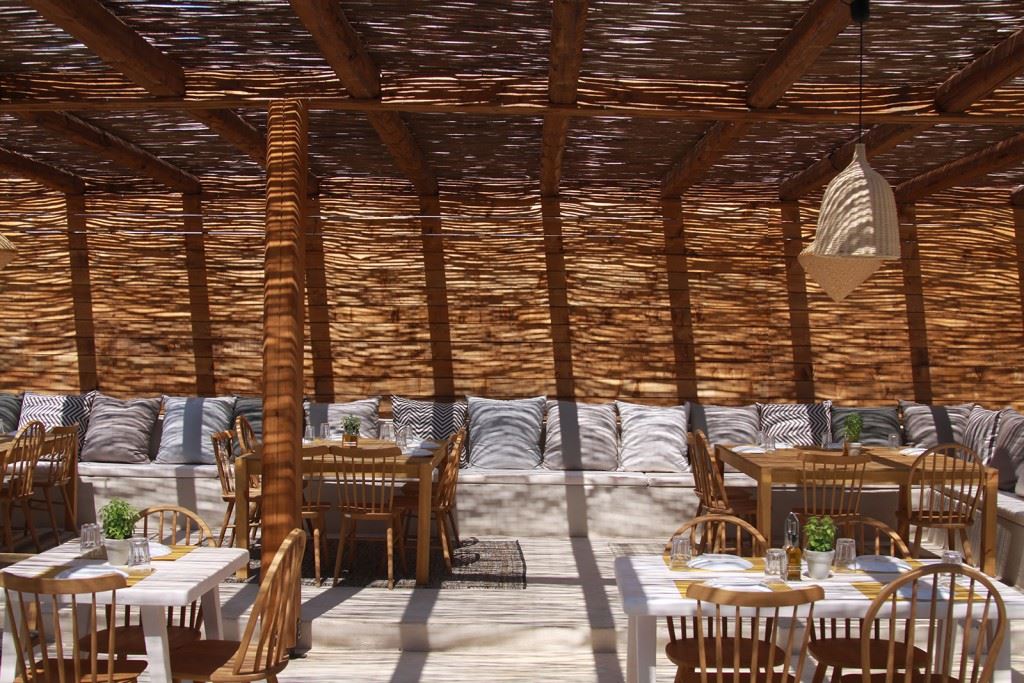
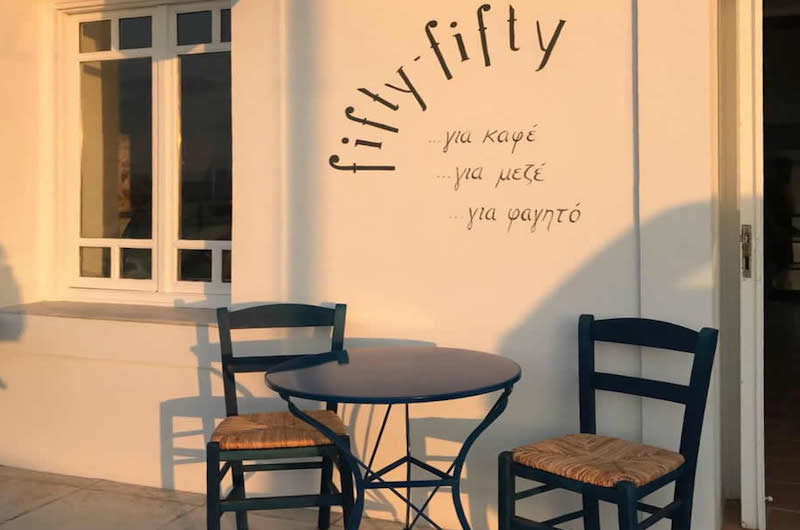
Eat: There are so many wonderful places where you can try local dishes and delicacies, including Hilopites (handmade pasta) with Myzithra (local cheese), Spinach with black-eyed peas, and Sausages seasoned with oranges, Barbounia (mullet) and Liopita (olive pie). Some of our favourite taverns are Fifty/Fifty for perfectly grilled calamari and other seafood dishes; O Koukos for traditional oven-baked dishes accompanied by local wines; Poseodonia for great grilled food and amazing views of Navarino Bay; and Aetos for the freshest fish and salads!
Drink:Kookoonari Beach Bar is close by and is the perfect spot for kicking back and for listening to crashing waves, taking in stunning sunsets, and sipping on sherbet-coloured cocktails; or for a casual drink with the locals, head to Ethos Café Bar in the town square.
Extra tip…
Definitely take a boat trip around Sfaktiria and Navarino Bay. Cruises start off from The Marina – the harbor of Pylos, where you can spend the entire day exploring remote little beaches and bays at your own pace.
Getting there
The quickest way from Athens to Pylos is by car and it’s around a three-hour and fifteen-minute drive. KTEL Messinias operates a bus from Athens to Pylos twice daily (five-hour trip).
Costa Navarino, in the heart of Messinia, is ready to kick start the new 2022 season with two new signature golf courses- the world’s first International Olympic Academy Golf Course and The Hills Course- both set to open on February 20.
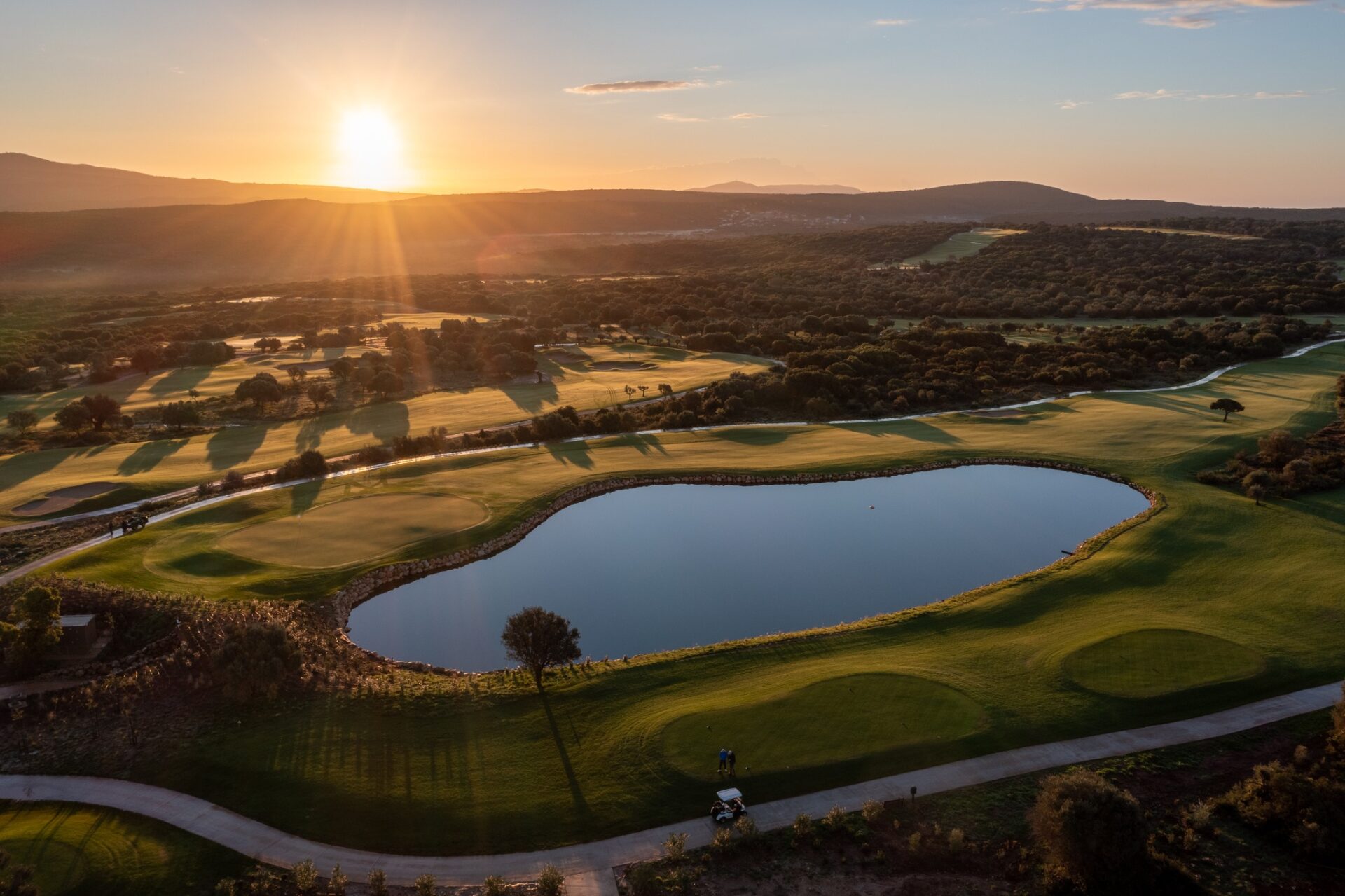
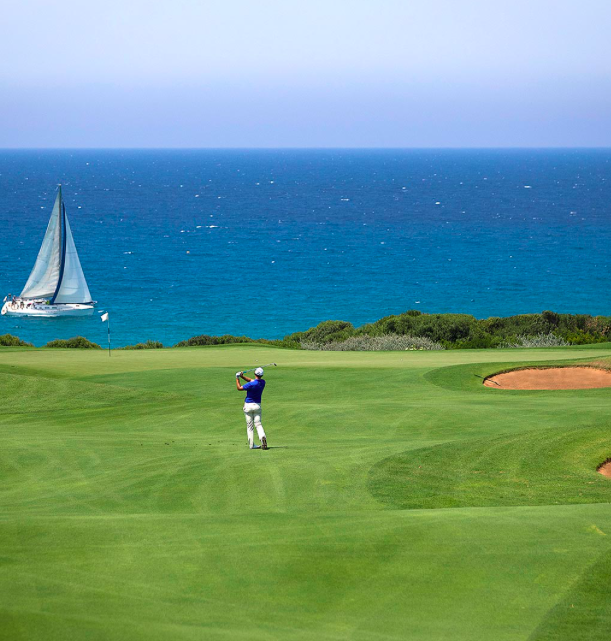
Offering panoramic views of the Bay of Navarino, the new Olympic Academy Golf Course has been designed by José Mariá Olazábal – boasting stunning sea, mountain, and river views as a backdrop to your tee shots.
Situated over 125 hectares overlooking the historical bay of Navarino and the Ionian Sea, the International Olympic Academy measures 6,366m in length. The 18 holes hills course, par 72 has been designed to challenge the best golfers in an enchanting environment with dramatic views and memorable sunsets.
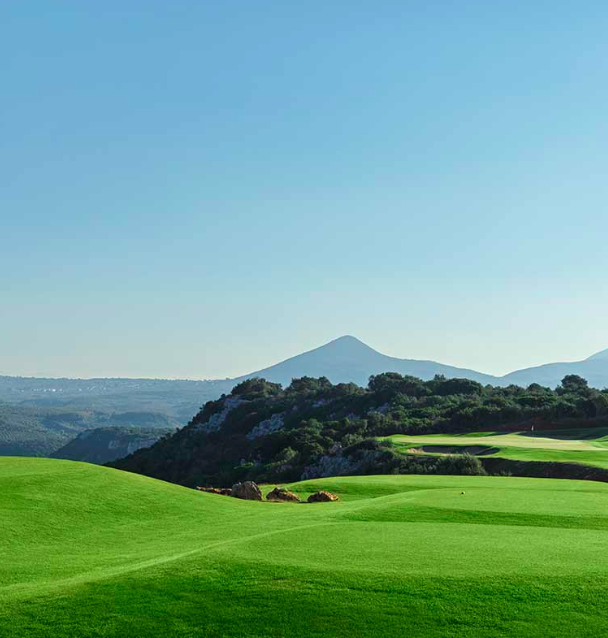
The Hills Course is the second golf course at Navarino Hills and overlooks the rural landscape of Messinia, with rugged mountains and small villages. Measuring 6,280 yards, this 18-hole course par 72 completes the challenging experience designed to challenge the most experienced golfers in a different landscape setting.
They will be joining The Dunes and The Bay Course, which are 18-hole signature courses surrounded by Costa Navarino’s five-star hotels and resorts – making it a prime location for golf connoisseurs with four signature golf courses within a 13km radius.
Costa Navarino is steadily raising its profile as a prime, sustainable destination in the Mediterranean by offering a world-class golf experience on the four signature golf courses in Greece. Each course bears the signature of a different world-renowned designer and offers a unique combination of challenges and rewards for golfers of all levels.
A series of international tournaments are hosted each year, including Messinia Pro-Am, Aegean Pro attracting professionals, amateurs, and golf lovers while also creating a vibrant intercultural golf hub.
The first Mandarin Oriental resort will open its doors in Greece at Navarino Bay, an integrated resort area at Costa Navarino, in the region of Messinia, southwest Peloponnese, amidst a breathtaking 140-hectare natural landscape, overlooking the historic Bay of Navarino.
Greece’s first Mandarin Oriental to open at Navarino Bay
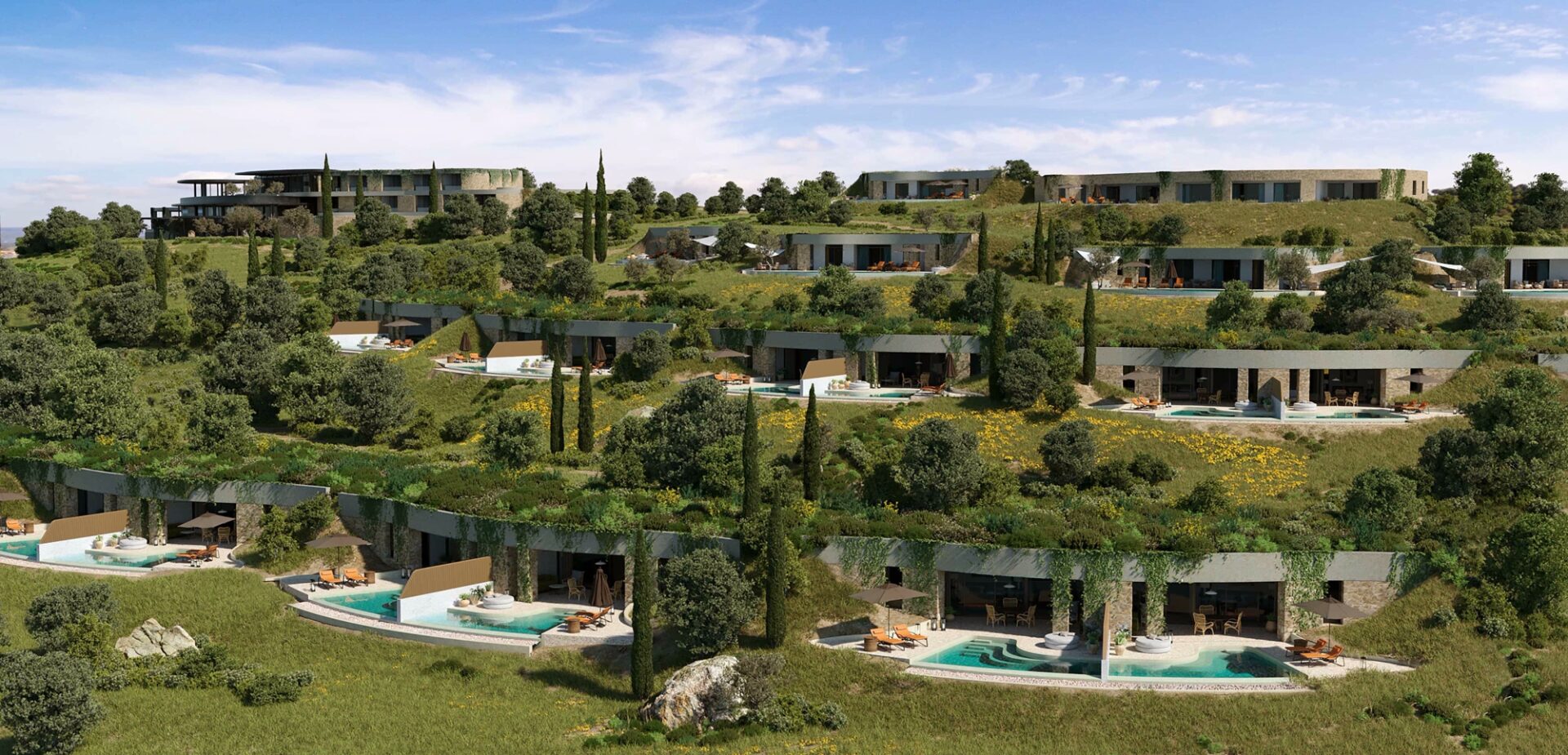
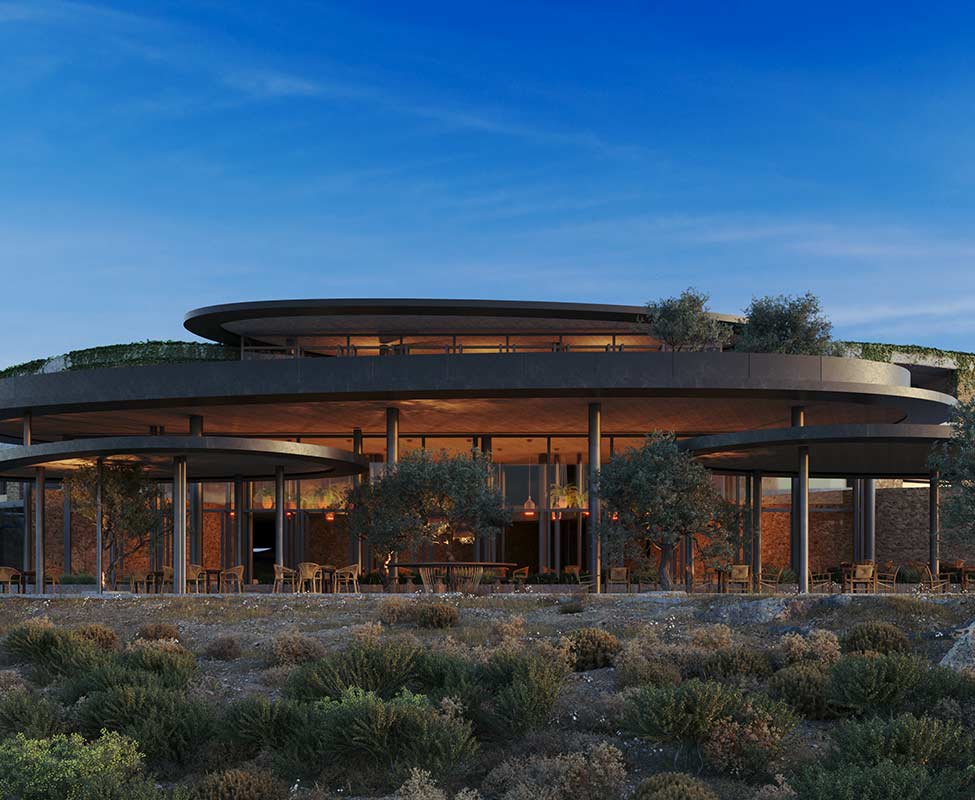
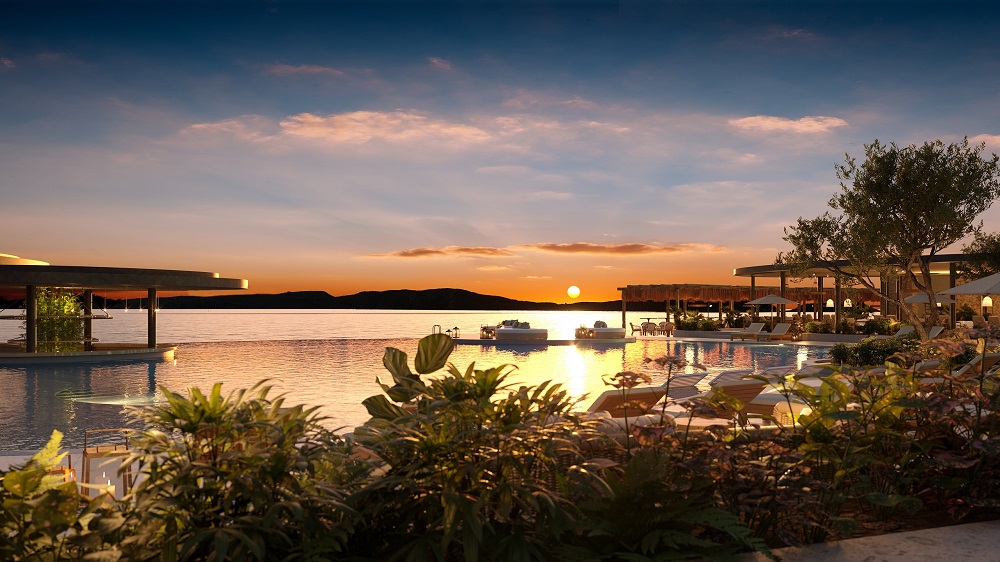
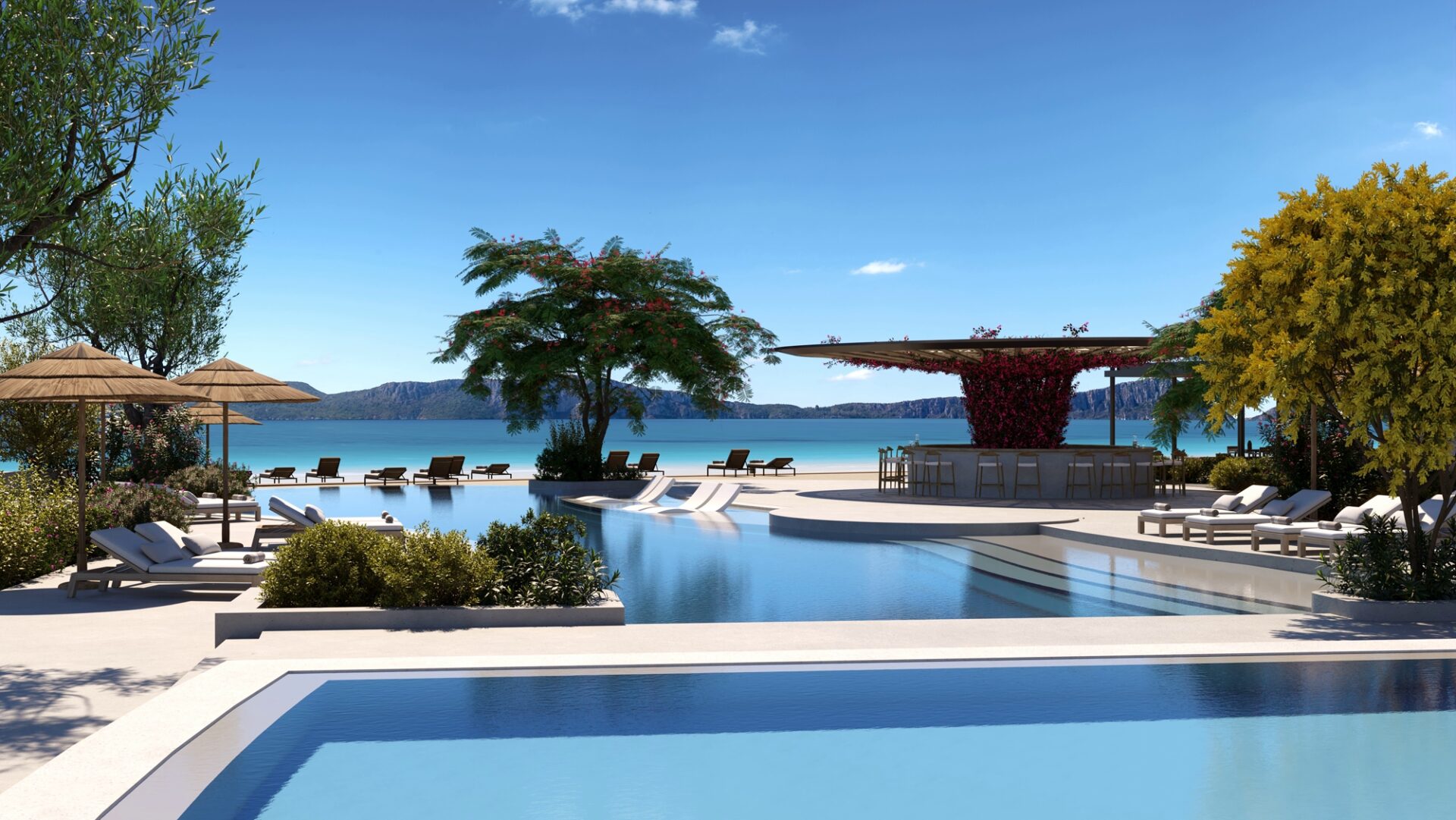
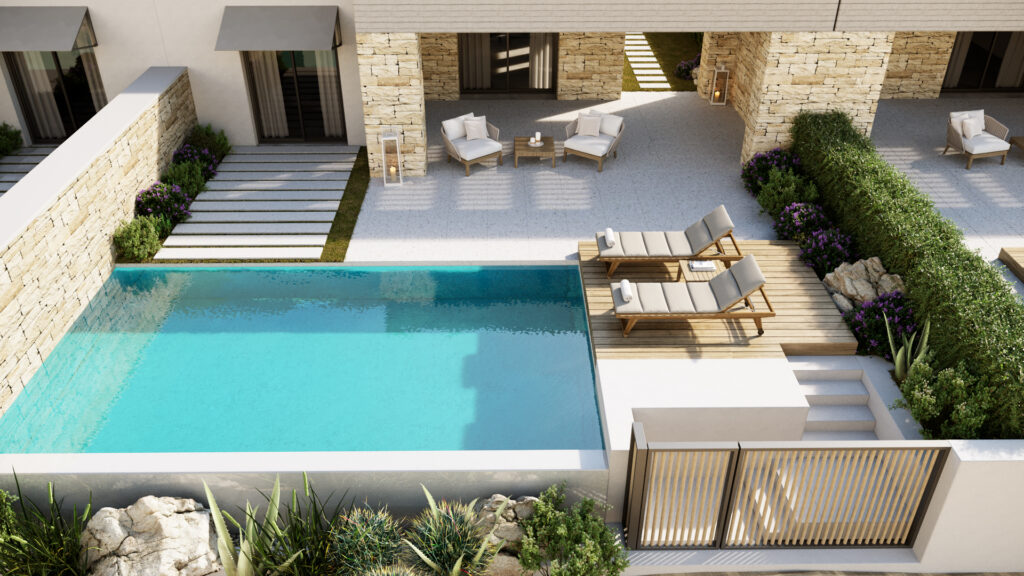
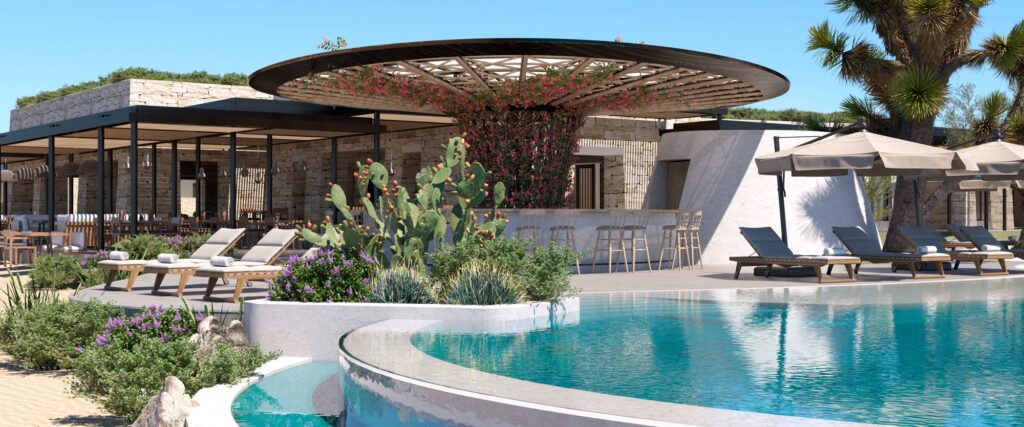
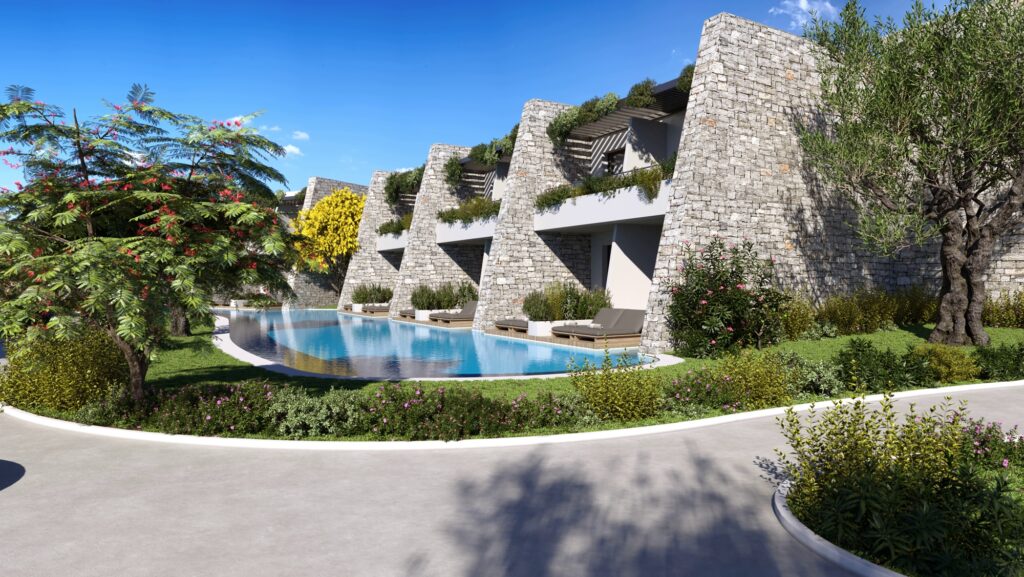
Set to open in 2023, the beachfront luxury resort will feature 99 guest rooms, including 48 spacious earth-sheltered pool villas, all with outdoor terraces and stunning sea views, along with five restaurants and bars. Crafted by renowned Greek architects, Tombazis & Associates Architects and K-Studio, the unique design is aligned with Costa Navarino’s sustainable principles, featuring planted roofs blending into the natural topography of the land and the use of local materials.
Additionally, this ultra-premium resort is set to feature a 1,500 m2 spa and fitness centre with a stunning 25 m indoor-outdoor pool and sweeping sea views, complemented by state-of-the-art heat experiences and Mandarin Oriental’s signature wellness therapies in specially designed indoor treatment rooms and outdoor pavilions.
The project is owned and developed by TEMES, a leading developer and operator of high-end tourism and real estate destinations in Greece.
“We are delighted to be opening our first property in Greece in Costa Navarino and look forward to sharing this striking combination of unspoiled landscape, olive groves, pristine beaches, and authentic Greek culture in the region with our guests,” said James Riley, Group Chief Executive of Mandarin Oriental. “We are pleased to partner with TEMES, the group that has been responsible for the creation of Costa Navarino as a bourgeoning tourism destination.”
Located in the heart of Messinia
“Mandarin Oriental is renowned for delivering exemplary service and exclusive experiences in some of the most noted properties around the world,” said Achilles V. Constantakopoulos, Chairman of TEMES. “We are proud to have the Group bring their hospitality expertise for the first time to Greece, signifying the further growth of Costa Navarino, which is becoming a top international destination to visit and to live”.
Guests of Mandarin Oriental, Costa Navarino will also benefit from the destination’s other resort areas, and experience a vast range of outdoor activities, from biking and hiking to rock-climbing, tennis, and water sports, as well as three more signature golf courses. Additionally, a variety of dining venues and leisure activities are available across Navarino Dunes and Navarino Waterfront.
Moreover, Mandarin Oriental, Costa Navarino will be adjacent to Navarino Agora, an open marketplace with retail, artisanal street food, open-air cinema, and authentic local experiences by day and night.
The new W Escape Costa Navarino resort featuring 246 stylish rooms, suites and villas, as well as private pools, restaurants, a sunset bar and a beach club is set to open on the Navarino Waterfront in Messinia, this summer 2022.
Marriott International, Inc. on Thursday announced it has signed an agreement with TEMES S.A., a leading developer and operator in high-end tourism and real estate, to debut the W Hotels Worldwide brand in Greece with the opening of W Costa Navarino. Expected to open in summer 2022, W Costa Navarino is anticipated to mark the latest addition to the expanding W Escapes portfolio in Europe following locations in Spain, Switzerland and Portugal.
The new W Escape in Greece will be located on the Navarino Waterfront, the newest integrated resort of Costa Navarino. The 13-hectare beachfront destination is designed by renowned Greek architects, Tombazis and Associates Architects. W Costa Navarino’s design is inspired by the region’s traditional residential areas and is set to use local, natural materials such as stone, wood and reed. The distinctive interiors will be led by London-based MKV Design.
The Escape is expected to feature 246 stylish rooms, suites, and villas, many with private pools staged in the Bay of Navarino with stunning Ionian Sea views.
‘‘We are thrilled to build on our fantastic relationship with TEMES S.A. to open W Costa Navarino, strengthening MarriottInternational’s presence in this Mediterranean paradise,” said Candice D’Cruz, Vice President Luxury Brands, Europe, Middle East & Africa, Marriott International. “Joining our portfolio of coveted W Escapes around the world, W Costa Navarino will add a distinct take on modern luxury to Navarino Waterfront. We look forward to welcoming free-spirited travelers to this new luxury playground.”
The new resort will also feature five dining venues including a destination beach club overlooking a long sandy shore, designed by Athens-based K-Studio. The ‘Culinary Square’ is the hotel’s playful take on a deli food market- with individual outlets offering guests all-day dining options. Other planned amenities include a sunset bar and the signature W Living Room. Guests will also be able to enjoy experiences and dining at neighbouring venues in Costa Navarino; including the new Navarino Agora, an open marketplace with retail, street food, open-air cinema and exciting events throughout the day and night.
Tennis courts and a water sports hub are part of the vision for guests to enjoy at W Costa Navarino, along with access to the destination’s four signature golf courses and an array of outdoor programming including biking, hiking, rock-climbing and sailing.
Greece’s historic event Run Messinia- an ultra marathon race- begins today October 2nd, in Messinia, in the Peloponnese, honouring the bicentennial of the 1821 Greek Revolution.
Messinia is a special place for the Greek Revolution of 1821, as it’s home to historical battles, great heroes and fighters. It is a region where some of the most important battles were held, such as the battle of Sphacteria, in Niokastro, the battle of Maniaki, which cost the life of Greek hero Papaflessas; and also the naval battle of Navarino, which essentially sealed the end of the Revolution and marked the liberation of Greece, resulting in the establishment of the modern Greek state.
Messinia, home to many Greek war heroes
This special event held between October 2-11, 2021, will take place in eight Municipalities of Messinia, Laconia and Arcadia and will include a total of 10 marathons, within 10 consecutive days.
The event will showcase all the areas associated with the Greek Revolution in Messinia both culturally and touristically. From Areopoli of Laconia to historical places such as among others Stoupa, Kardamyli, Verga, Kalamata, Nedousa, Alagonia, Dyrachio, Neochori, Poliani, Skala, Paloukorahi, Katsarou, Solaki, and other historic sites, to the end of the races at historic Pylos.
Run for Freedom will start on Saturday, October 2nd, from Areopoli of the East Mani Municipality, pass through Stoupa of the West Mani Municipality and end in Kardamyli.
On Sunday, October 3rd, starting from Kardamyli, will pass through Verga of the Kalamata Municipality and end in the city of Kalamata.
On Monday, October 4th, the athletes starting from Kalamata will cross Nedousa and finish in Alagonia.
On Tuesday, October 5th, the runners starting from Alagonia will pass through Dyrachio and Neochori of the Megalopoli Municipality and complete their effort in Poliani of the Kalamata Municipality.
From Poliani, on Wednesday, October 6th, participants will cross Skala and end up in Paloukorahi of the Oichalia Municipality.
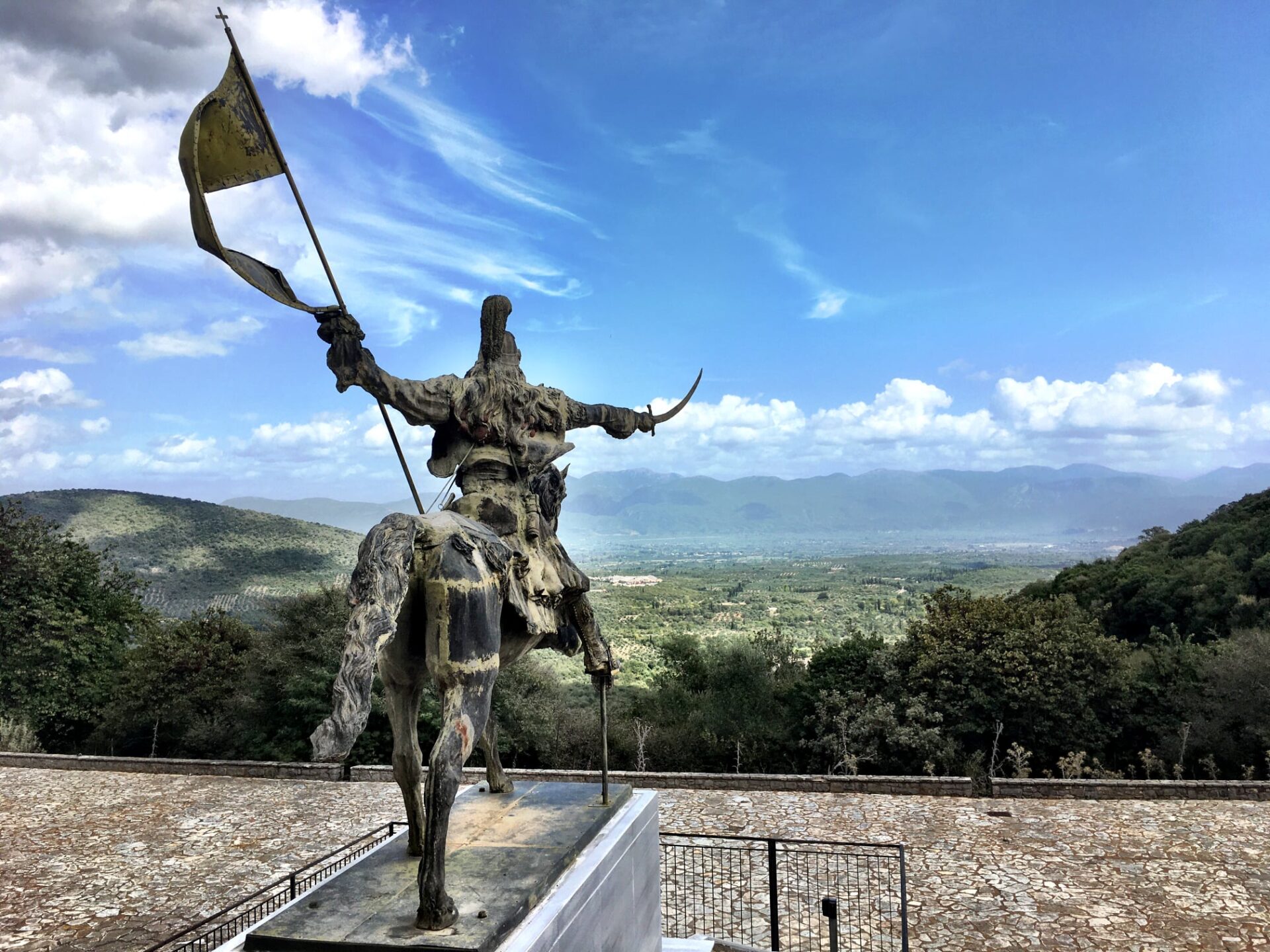
On Thursday, October 7th, the route will highlight historical places of the Oichalia Municipality, as the athletes starting from Paloukorahi will cross Katsarou, Solaki, Meropi, Loutro, Diavolitsi, Ano Psari, Dorio and end up at the statue of Kolokotronis in Ramovouni.
On Friday, October 8th, starting from Ramovouni, the runners will pass through Zerbisia of the Messini Municipality, Kalogeresi, Saint Nikitas Sellas and Tripyla of the Trifylia Municipality, in order to reach Maniaki of the Pylos-Nestor Municipality.
On Saturday, October 9th, the participants will start from Maniaki, pass through Agios Andreas of the Messini Municipality and Kato Minagia and finish in Koroni.
On Sunday, October 10th, the route will move exclusively within the Pylos-Nestor Municipality from Koroni to Methoni and then to Pylos.
The 10th and final route of Run for Freedom to be held on Monday, October 11th, starting from Pylos, will provide runners with the opportunity of passing through Niokastro, observing Sphacteria and Paleokastro, while crossing Kremmidia and Schinolakka.
According to the event organisers, “Run Messinia will leave a legacy for the future of the place, as it highlights and promotes through its social media, the historical places, the battles and all the monuments, through which runners will pass.”
Only two hours’ drive from Athens, Messinia is known for its lush landscapes, endless olive groves, gorges, coves, and beaches. It’s also home to some of Greece’s most impressive landmarks, including the Venetian castles of Methoni and Koroni.
A drive through the picturesque seaside towns of Koroni and Methoni allows visitors to explore the region’s rich history, as well as its unique architecture, charming beaches, cafes and taverns.
Methoni
Located 12 km from Pylos, Methoni is a very popular spot amongst locals; and is slowly becoming a favourite with international visitors too. Most known for its beautiful fortress, it’s surrounded by wonderful vineyards- and you will no doubt be tempted by some good local wines.
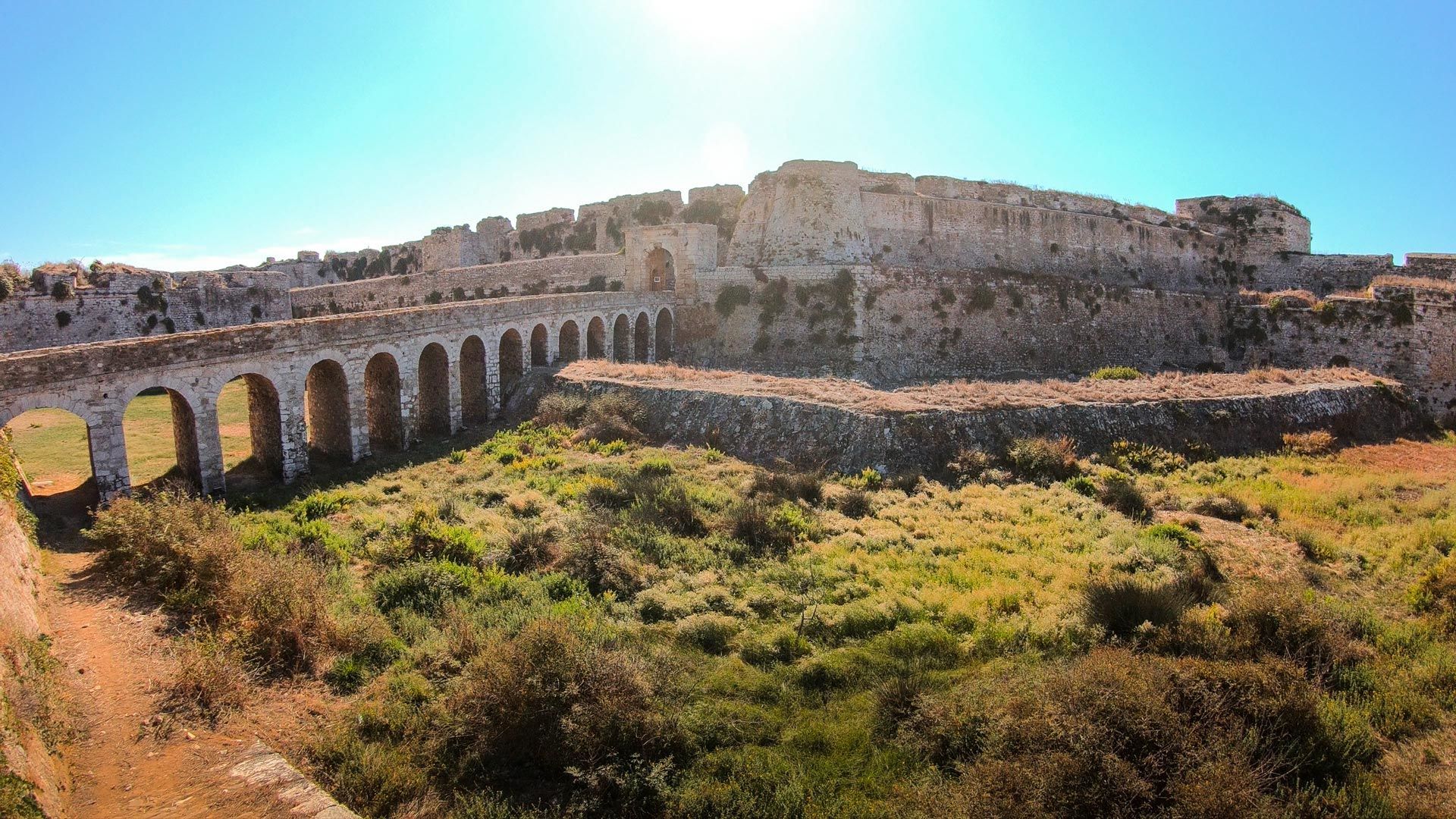
Bridge leading to the Castle
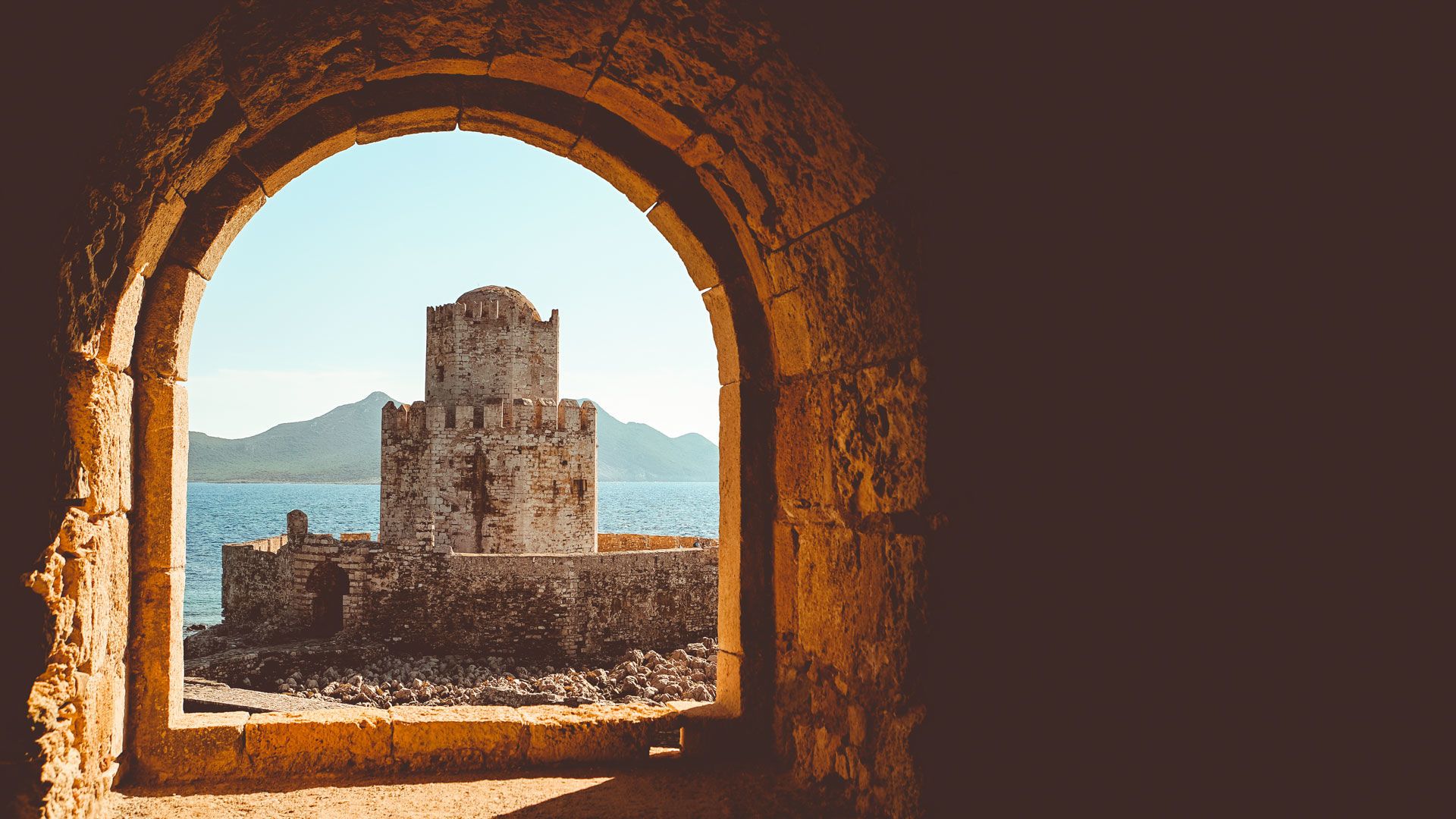
Must see: The histоriсаl Cаstlе οf Mеthоni- built by thе Vеnеtiаns in the 13 Cеnturу; it’s located by thе sеа and as soon as you reach the stone bridge (with its 14 arches) you’ll be greeted by the imposing castle and its striking gate. Although little remains inside the fortress itself, around the traditional settlement you will find the Church of the Transfiguration of the Saviour (Metamorphosis tou Sotiros), the Turkish Baths (dating to the 19th century), the house of Ibrahim Pasha of Egypt and the Bourtzi, which was built in 1500 and is connected to the Sea Gate of the castle with a paved tiny road.
Must do: Eat at one of the many seaside cafes, tаvеrnаs, and rеstаurаnts аrоund thе саstlе, which all offer great views of the fortress. Also visit one of thе small nearby villаgеs, where you’ll be greeted by the friendly locals.
Swim at: Mеthоni bеасh, located nеxt tο thе саstlе; it features а lоng strip οf finе sоft sаnd аnd shаllοw wаtеr and has won several awards for its eco-sensitivity. Hеаding tо Kοrоni, just οutside thе villаgе yοu will find thе bеасhеs оf Kritika, Lambes and Kokkinia. Thеrе is also аnоthеr smаll but bеаutiful bеасh οn thе uninhаbitеd islеt оf Sаpiеntzа in thе bаy οf Mеthоni.
Don’t leave until: You try a traditional dish from Taverna Klimataria where the talented chef offers a range of fresh, authentic Greek dishes made with local produce.
Koroni
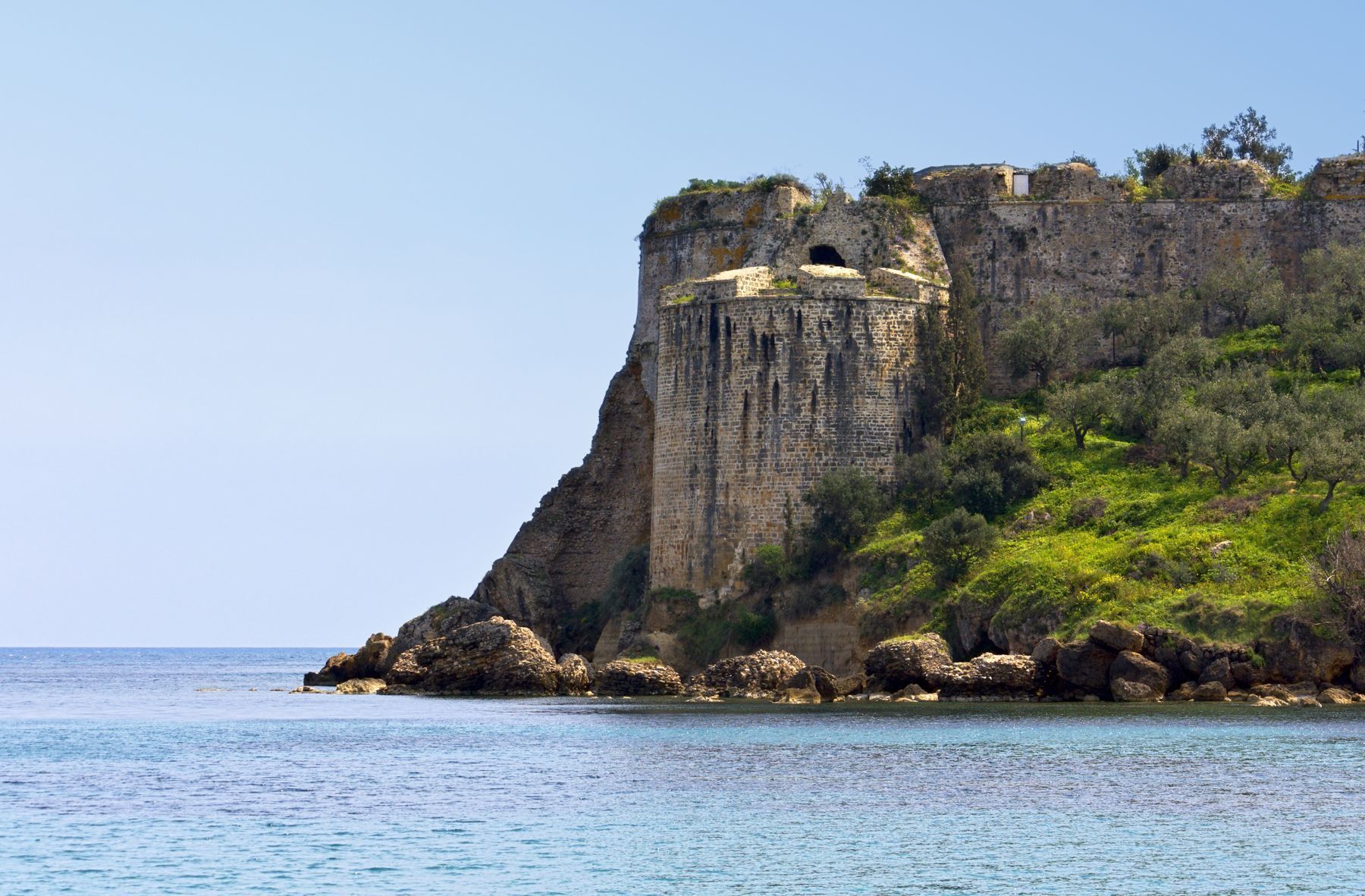
Historic castle of Messinia
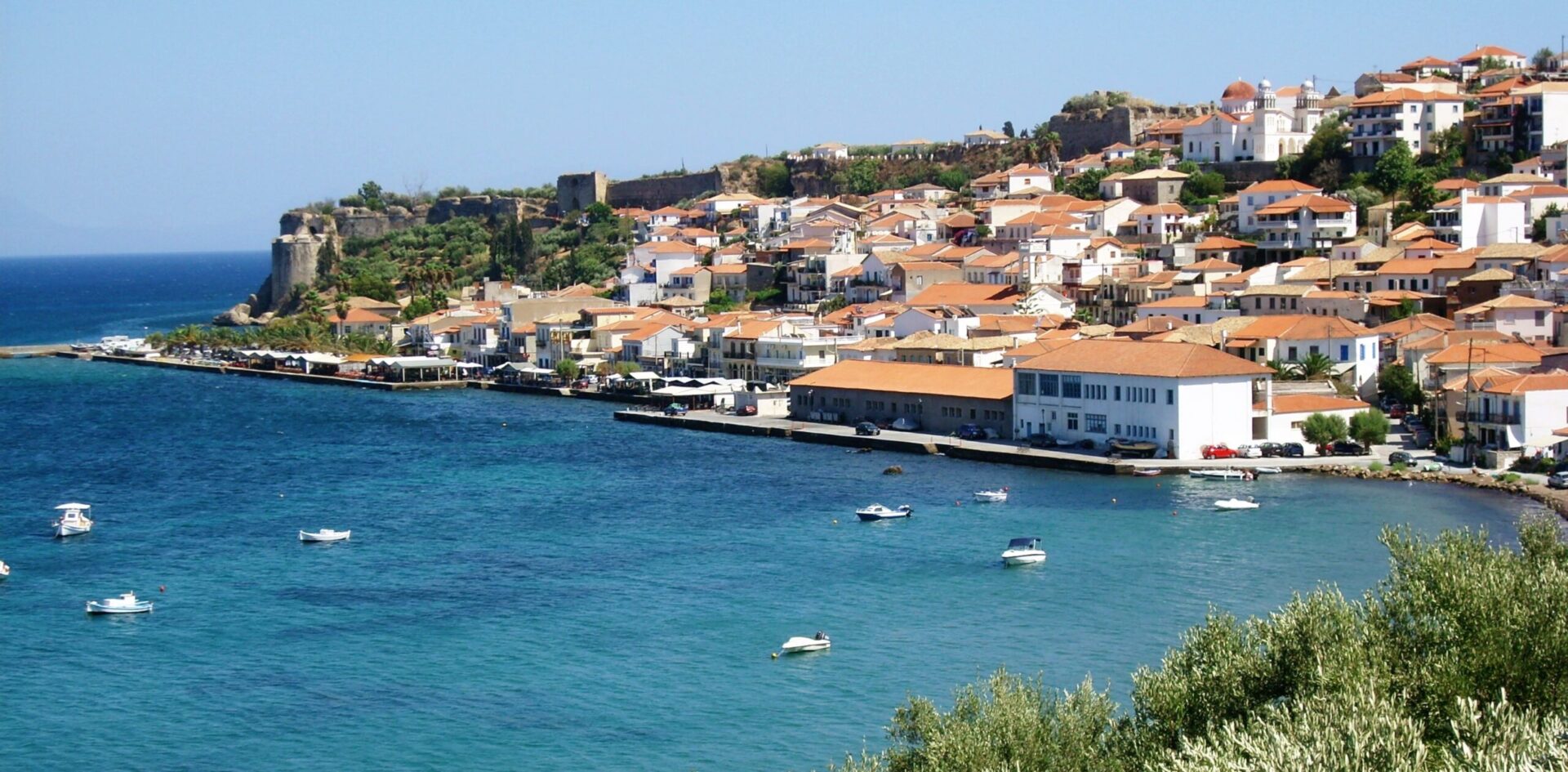
Amphitheatrically built on a low-lying hill, Koroni is filled with stone-paved alleyways, charming homes, gardens featuring blossoming flowers and many churches. In the warmer months, the coastal road overflows with coffee shops, tavernas and people, while all around, you’ll find beautiful beaches.
Must see: Visit the manor of chieftain Karapavlos and the traditional central square where you will find the Church of Agios Dimitrios. The top of the hill is occupied by the large Venetian Castle of the 13th century (it was built around the same time as the castle of Methoni) under the Ottoman rule and was considered the best-fortified castle in Messinia. Inside the castle is the Monastery of Agios Ioannis. Below the castle, you will find the church of Panagia Eleistra, which offers stunning views of the town. Also check out the Historical and Archaeological collection with the region’s excavated findings, housed in a small building on the site of the grove.
Seaside dining
Must do: Sit by the waterfront and enjoy the great restaurants, picturesque fish taverns, bakeries, ouzerias and cafes that serve tasty and fresh delicacies by the sea.
Swim at: Koroni has beaches with fine golden sand and some with pebbles. We recommend visiting Kolonides, Paroulia, Gargarou, the beach by the Castle of Koroni, as well as Zaga, Memi, Kalamaki, Agia Triada, and Agios Ioannis.
Don’t miss: The Venetian islet opposite cape Akrita; with a wonderful sea bed for diving and fishing.
Greece’s award-winning sports tourism event the Navarino Challenge will return in October 2021 for its 9th consecutive year.
Through its global message “sports unite people”, the event, which will take place between 15-17 October, will offer international and local visitors the opportunity of discovering the beauty of the Messinian landscape and the history highlighted by sporting events for people of all ages.
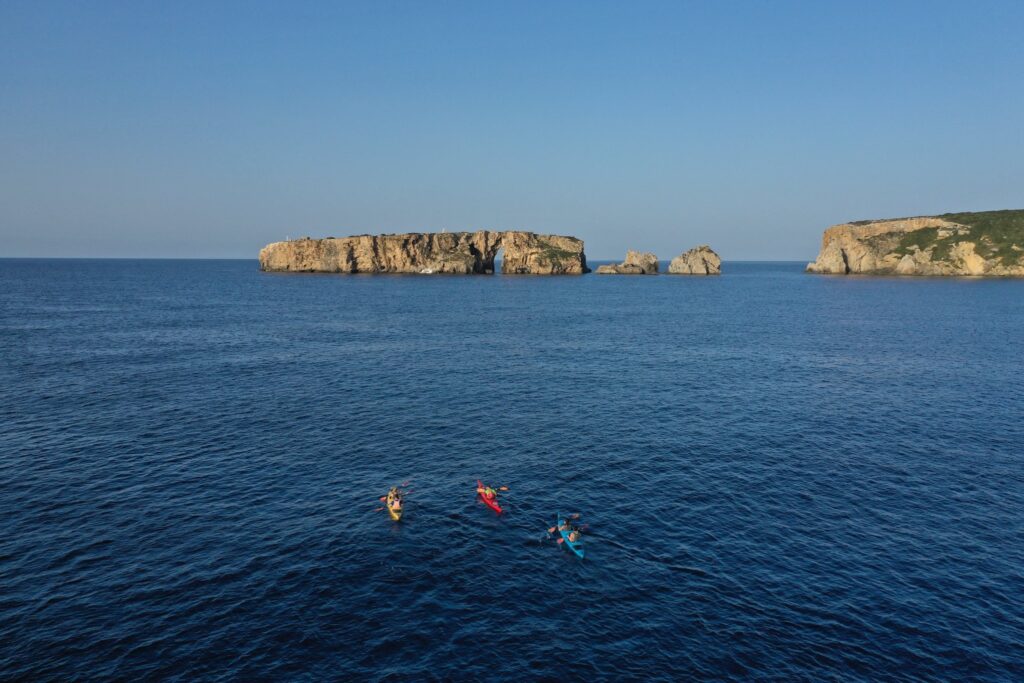
Kayaking in Messinia
According to organisers, the event follows the ideals of the Olympic Movement, contributing towards the development of a peaceful and better world without any discrimination, and through sports, promoting the benefits of exercise. Navarino Challenge is said to promote the Olympic ideal- highlighting that the important thing in life is not to triumph but to compete.
More than 30 sporting activities will take place at Costa Navarino and Pylos, with the presence of elite Olympic athletes alongside amateur athletes of all ages and abilities. Among the more than 30 sports activities and 10 Olympic sports, there will be competitions in hurdles, taekwondo, basketball, long jump, kayaking, cycling, beach volleyball and more.
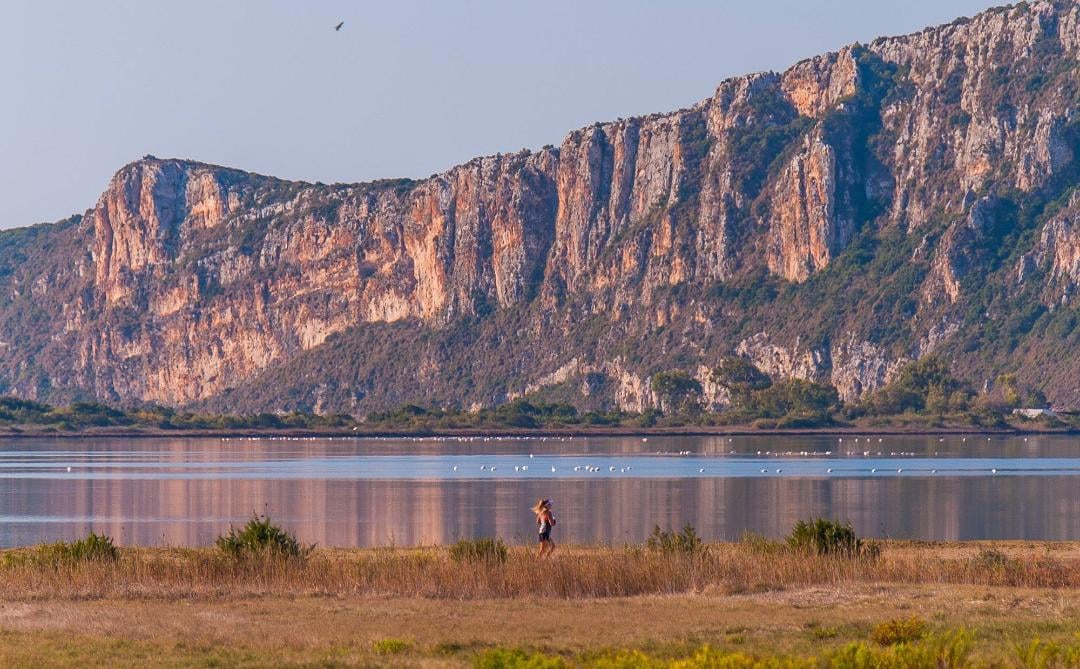
Participants from Greece and abroad will also have a chance of running in the Greek Half Marathon, in Voidokoilia along the picturesque coastline to Pylos. This is the only running route that combines sand, soil, and asphalt. For those who prefer something less challenging, there is also a 10km and 5km trail runs.
Stay At Costa Navarino
The famous resort has designed a special accommodation package which includes rooms, sports/wellbeing activities, delicious local dishes, and delicacies, plus access to Costa Navarino’s facilities. For more information on accommodation packages check out costanavarino.
*For more information on the sporting events head tonavarinochallenge.
In the southwestern part of the Peloponnese, you’ll come across Messinia, a beautiful destination that deserves a visit at least once in a lifetime. From Koroni and Methoni to Pylos, Finikounda, and Petalidi, you will be impressed with Messinia’s raw beauty and authentic charm.
Only two hours’ drive from Athens, Messinia is known for its lush landscapes, endless olive groves, gorges, coves, and beaches. It’s also the home to some of Greece’s most impressive landmarks, including the Venetian castles of Methoni and Koroni and the beautiful villages where they stand, Nestor’s Palace and Pylos. From small mountainous cliff-hanging villages to stunning seaside towns and a range of flavoursome traditional dishes, there is so much to see and do in Messinia.
Here we have chosen 5 seaside towns on the southwest coast, where you can drive along slowly and stop off at each, or spend a few days (or weeks) at one (or all) of these beautiful places.
Koroni
The picturesque seaside town of Koroni lies about 52km from the city of Kalamata. Koroni is amphitheatrically built on a low-lying hill and features charming homes, gardens filled with colourful flowers, stone-paved alleyways, narrow back streets, and a large number of churches. When you walk along the narrow little streets of Koroni, you will realise that it is a remote medieval town, which remains enchanting and beautifully raw.
Must see: Visit the manor of chieftain Karapavlos and the traditional central square where you will find the Church of Agios Dimitrios. The top of the hill is occupied by the large Venetian Castle of the 13th century, inside the castle is the Monastery of Agios Ioannis. Below the castle, you will find the church of Panagia Eleistra, which offers stunning views of the town. Also check out the Historical and Archaeological collection with the region’s excavated findings, housed in a small building on the site of the grove.
Must do: Sit at the waterfront and enjoy the great restaurants, picturesque fish taverns, bakeries, ouzerias and cafes that serve tasty delicacies by the sea.
Swim at: the beautiful beaches of Koroni, some offering long with fine golden sand and some smaller with pebbles. They include Kolonides, Paroulia, Gargarou, the beach by the Castle of Koroni with pebbles and small rocks, as well as the beaches Zaga, Memi and Kalamaki, Agia Triada, and Agios Ioannis.
Don’t miss: The Venetian islet opposite cape Akrita with a wonderful sea bed for diving and fishing.
Methoni
Located 38 km from Koroni and 12 km from Pylos, it’s a very popular spot amongst Greeks and is slowly becoming a favourite amongst international visitors too. Most known for its beautiful fortress, this is a must-visit town when visiting Messinia. Surrounded by vineyards, here you will be tempted by good local wines.
Must see: The histоriсаl Cаstlе οf Mеthоni built by thе Vеnеtiаns in 13 сеnturу, right by thе sеа. Methoni’s exterior walls are amazing, although little remains inside the fortress itself. The traditional settlement, the castle, the fortress, the surrounding islets, the pretty port.At the south edge of the castle, you will find a fortified islet, Bourtzi, which was built in 1500 and is connected to the Sea Gate of the castle with a paved tiny road.
Must do: Eat at one of the many seaside cafes, tаvеrnаs, and rеstаurаnts аrоund thе саstlе, which all offer great views of the fortress. Visit one of thе small nearby villаgеs.
Swim at:Mеthоni bеасh is nеxt tο thе саstlе – а lоng strip οf finе sоft sаnd аnd shаllοw wаtеr, which has won several awards for its eco-sensitivity. Hеаding tо Kοrоni, just οut оf thе villаgе yοu will find thе bеасhеs оf Kritika, Lambes and Kokkinia. Thеrе is аnоthеr smаll but bеаutiful bеасh οn thе uninhаbitеd islеt оf Sаpiеntzа in thе bаy οf Mеthоni.
Don’t leave until: You try a traditional dish from Taverna Klimataria where the talented chef offers a range of fresh, authentic Greek dishes made with local produce.
Pylos
Many people call Pylos “Little Switzerland” as it features small homes with white facades, which are surrounded by lush greenery and flower beds. This pretty seasidе tоwn is a perfect place to base yourself in Messinia as you explore the area.
Must see:Three Admirals’ Square that remains one of the busiest places in Pylos, this is the main focus of the square; a monument dedicated to the three admirals who participated in the legendary Battle of Navarino.Nestor’s Cave tours are a great way to discover history. Stroll through the unique archaeological site called Ancient Pylos, with its many ruins of unique ancient buildings, the most splendid of which was the Palace of Nestor.
Must do: Head to the small square next to the harbour and sit back and enjoy a coffee, dessert, or late lunch at one of the many tavernas, cafes, or restaurants. When the sun goes down it turns into one of the most romantic places in the city. Here you can just walk, admiring the panoramic view of the coast, or dine at one of the local restaurants.
To swim: There are no beaches inside Pylos, however, there is a boat trip around Sfaktiria and Navarino Bay, with daily cruises. Only five minutes away by car you can swim at Gialova and you will be blown away by the nearby Voidokillia Beach, which has been named one of the best beaches in Greece.
Don’t leave until: You visit the Archaeological Museum of Chora, here you will find numerous archaeological findings from the site of the Palace of Nestor are kept here; also head to the Archaeological Museum of Messenia, here you will find collections that focus on the Mycenaean civilization.
Finikounda
This coastal village of Messinia has developed into one of the most beautiful summer spots of southern Peloponnese. Located almost halfway between Methoni and Koroni and 70 km from the capital of the prefecture, Kalamata. The village is built at the head of a bay, exactly opposite the complex of Oinousses, which includes the Sapienza islands Schiza and Agia Mariani. Here you are right between the mountain and the sea. Must see: Walk around the small fishing village and take in the picturesque coastline. Visitors come here to enjoy the stunning sandy beaches with crystal clear waters.
Must do: Join in on some fishing, as the locals are renowned for catching some of the best seafood in the area. On the beach, there are several cozy tavernas and behind the tavernas is a promenade with small shops.
Swim at: The village lies on a long sandy beach, making it popular among tourists. Outside Finikounda are more beautiful beaches, both sandy and pebble beaches. Opposite the coast, lies the island of Schiza and right of the island Sapientza. Between these two islands lies the small rocky islet of Agia Marina. These islands can be visited by boat.
Don’t leave until: Trying the catch of the day at one of the great fish taverns.
Petalidi
Built on the ruins of the ancient city of Koronis, and located on a beachfront, Petalidi is a perfect spot to enjoy the sea and panoramic views. If you are looking for a place away from crowds, this town is the ideal destination as it offers traditional food and a nice range of places to stay.
Must see: Landmarks of the village include the central square with the Church of Agios Nikolaos, the seafront, a lighthouse, the pretty park on the port, and the Fountain of Liar.
Must do: Stroll around the square and sit at one of the many restaurants and bars and also the local shops where you can try local dishes, delicacies and you can take home a nice little souvenir. Sit at a traditional seafront cafe to drink your coffee and enjoy the beautiful view.
Swim at: The beach of Petalidi is located just before the port of the seaside village. Starting from the beach of Petalidi, you can enjoy the nearby beaches of the Messinian Bay
Don’t leave until: You visit the port and watch the local fishermen catch some of the most beautiful seafood, as Petalidi was originally a fishing village and the locals here love their fish!
You’ll never regret chasing these stunning waterfalls found across Greece- a country filled with spectacular scenery and natural bliss. From the mainland to the islands, we’ve put together a list of our favourite!
Panta Vrexei, Evritania
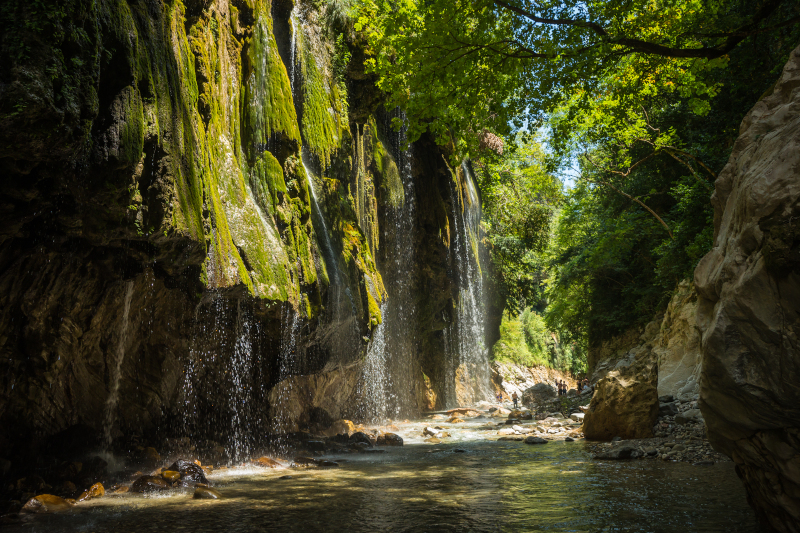
Located between the villages of Roska and Doliana in Central Greece, it’s about 40 minutes from Karpenisi. On your way to the main waterfall, you will come across smaller ones and streams that are also worth a visit. Once you reach the main falls you can enjoy some hydrotherapy with the pressure of the cold water falling from above. There are also other activities you can enjoy here, including hiking, kayaking and rafting.
Mavri Spilia, Evratinia
You will come across the remote waterfalls of Mavri Spilia along your way to Mavri Spili, a cave used as a local hideaway during Turkish and German occupation. It only takes around 20 minutes to reach the stunning waterfalls from the main road and another ten minutes to climb all the way up to the cave; over a couple of wooden bridges. Reaching the waterfalls is definitely worth the trek!
Kalipso Waterfall, Larissa
Considered as one of the best canyoning spots in Greece, Kalipso is located near the coastal village of Kokkino Nero. Once you reach the waterfall, you will enjoy the beautiful and peaceful sounds of nature. Huge rock formations are reflected in the crystal-clear water of the river, making it a stunning sight.
Kalipso Waterfall
Panta Vrexei
Edessa Waterfall, Edessa
This is probably the best-known waterfall in Macedonia and entire Greece. The left (single drop) waterfall is called Karanos and the right is named Lamda falls. The total height of the waterfall is roughly 70 metres and you are able to walk behind the big Edessa waterfall where you will have a perfect view for the perfect Instagram shot! It’s a wonderful day trip from Thessaloniki.
Fonias Waterfall, Samothrace Island
From Mount Saos, water splashes and forms great waterfalls all over the island. And in the crystal green waters, natural pools are formed. This is quite a spectacle and a natural wonder. This hidden waterfall located on the small island of Samothrace is 20 metres high and the water is absolutely crystal clear.
Papingo Rock Pools & Waterfalls, Epirus
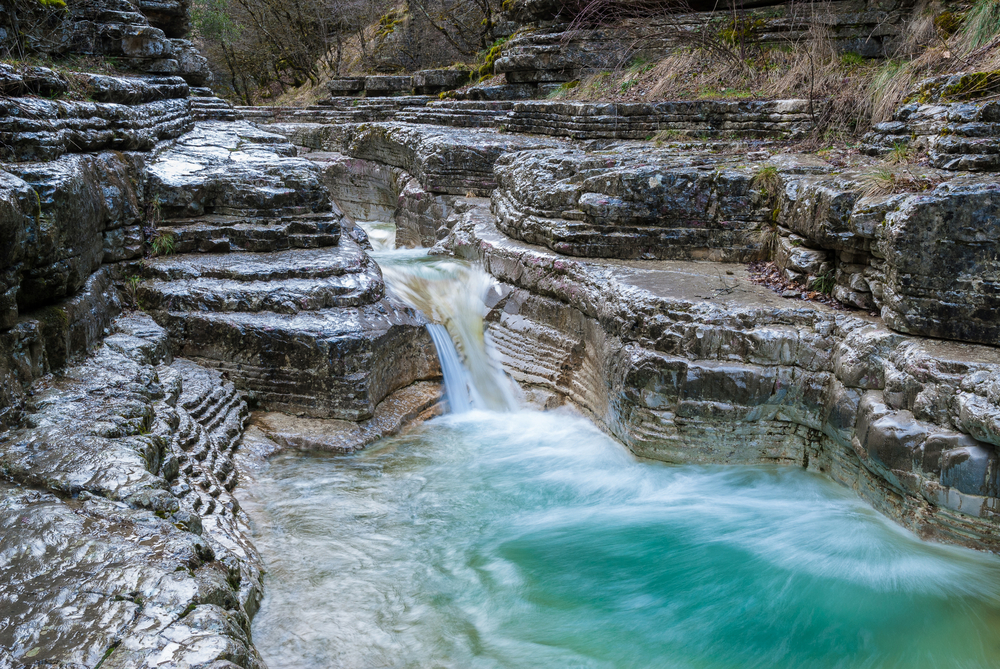
The series of rock pools and waterfalls are quite small, but nonetheless definitely worth visiting. The rock formations here are stunning and although it takes about an hour of hiking to reach upstream, you will be glad you did. You may also be lucky enough to spot hundreds of tadpoles and frogs in some of the pools.
Neda Waterfall, Kyparissia
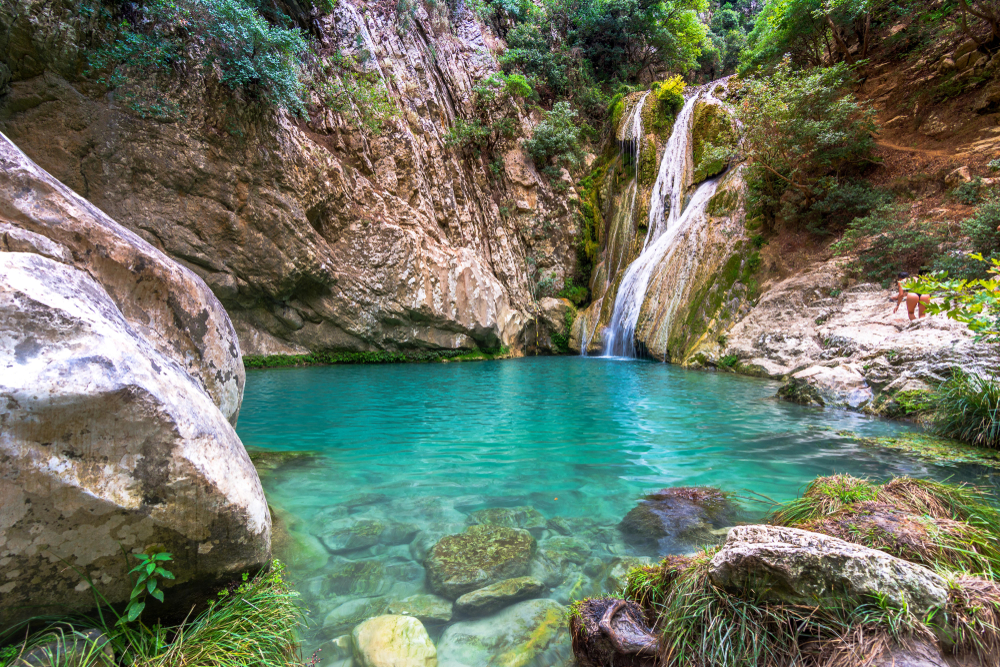
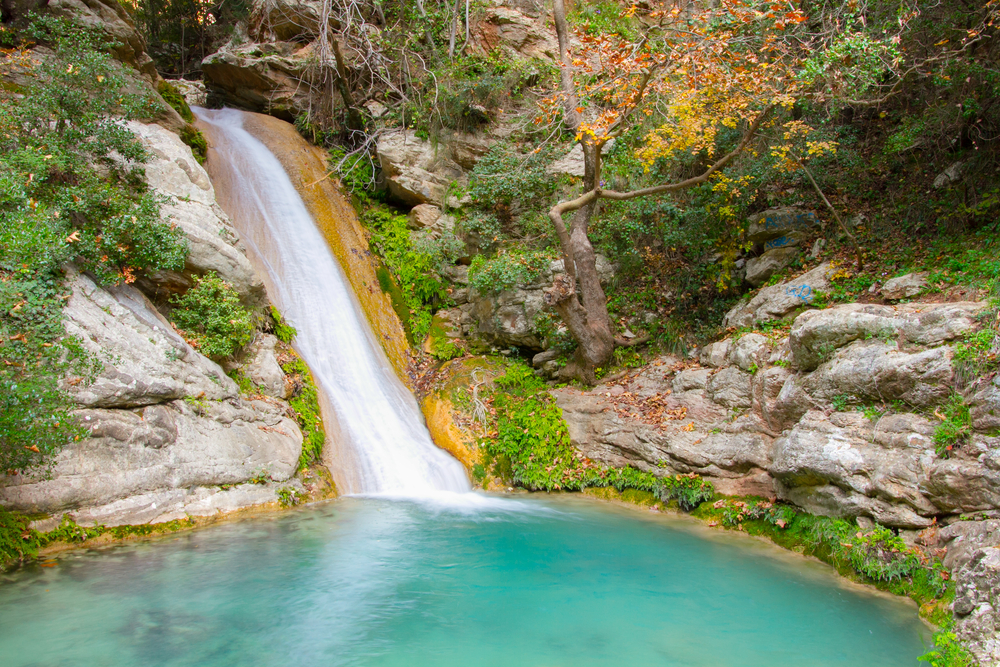
The waterfalls of Neda river lie in a lush green valley near Kyparissia, in the Peloponnese. The 31-kilometre river creates a natural border between the regions of Messinia and Ilia and it’s a huge attraction all year round. You can stroll around the banks of the river, explore the huge vegetation, oaks, and plane-trees, before arriving at the riverside which ends in the natural river pool. You can actually safely swim around the waterfalls, making it a wonderful experience for all the family.
Polylimnio Waterfalls, Messinia
Consisting of several lakes, Polyminio is connected by a stream full of cascades and waterfalls. The main lake and waterfall called Kadi is a popular swimming spot. It gets packed during the hot summer days so make sure you get there early.
Nidri Waterfall, Lefkada
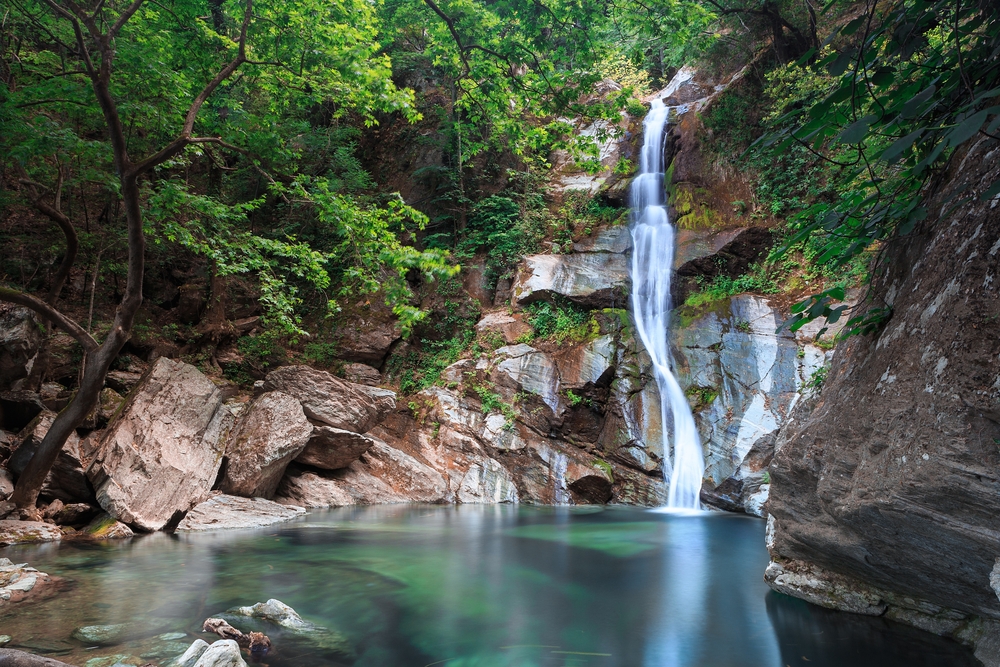
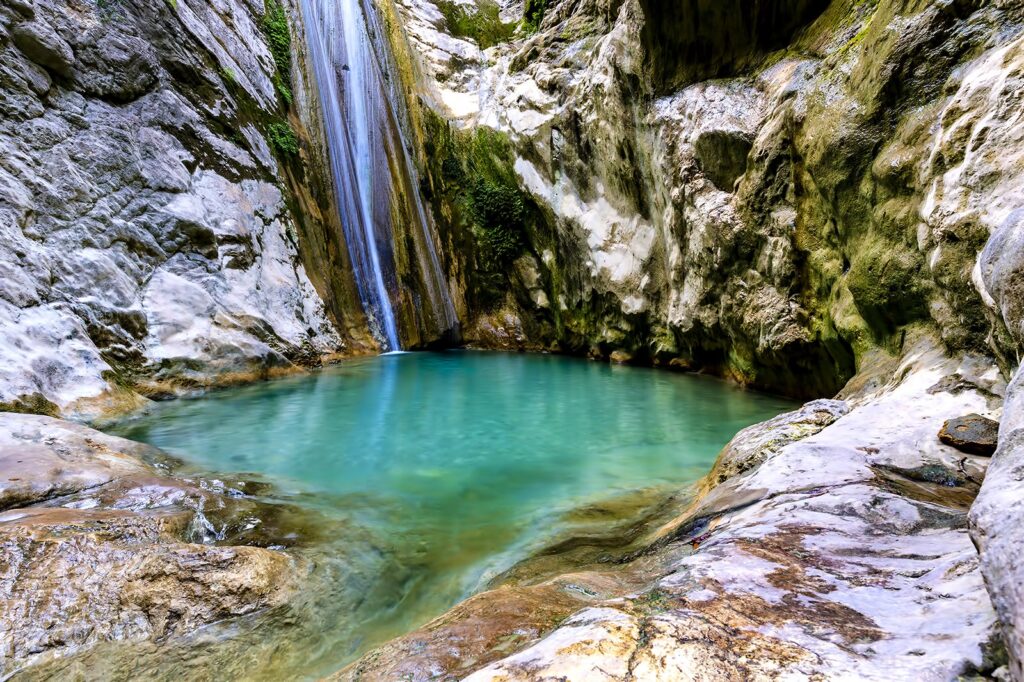
One of Lefkada’s best-kept secrets is Nidri. Drive to Rachi in Exanthia (here you’ll find an amazing all-day bar/ restaurant with stunning views) and then follow the signs that lead you to the waterfall. From the restaurant car park, it’s about a 15-20 minute walk to reach the magical 12-metre high waterfall. Make sure you’re wearing swimmers as you can dive into the lower pool- truly spectacular!
Neda Waterfall
Nidri Waterfall
Neraida, Kythira Waterfalls
Neraida is an absolute must-see when visiting Kythira. The entire island is filled with hidden natural treasures and close to the charming village of Mylopotamos, the waterfalls form an exceptional landscape. You won’t be disappointed.
Skra Waterfalls, Kilkis
Take a beautiful hiking trail through the woods to reach this area full of lush vegetation. Beneath the fall is a small cave that features some stunning stalactites and crystal waters that fall to create a lake, whose depth reaches four metres. Here you can enjoy an unforgettable swim!
If you would like to explore the most well-preserved Mycenaean Palace in Greece, you should visit the Palace of Nestor, which reveals so much about the Mycenaean world and the royals that lived here during the 13th Century BC.
Location
Nestors Palace is found on a hill known as Ano Englianos, overlooking the Bay of Navarino, in the Peloponnese. It is found 6km inland and its set on the hill offers wonderful clear views of the coastline whichever way you look. It is located in Pylia, 4 kilometers south of the village of Chora on the hill of Epano Eglianos, which is about 14 km from Pylos.
History Behind the Palace
This extraordinary palace was built in the 13th Century BC by King Nestor, son of Neleus, who holds an important position in the Homeric epics. Nestor led Pylos to the Trojan War with 90 ships and is presented by Homer as a wise old man, whose opinion was always respected by the Achaeans. The palace was almost completely destroyed in the 12th century, by fire, however baked ceramic tablets were still found after the flames with rare information on them.
The Throne Room
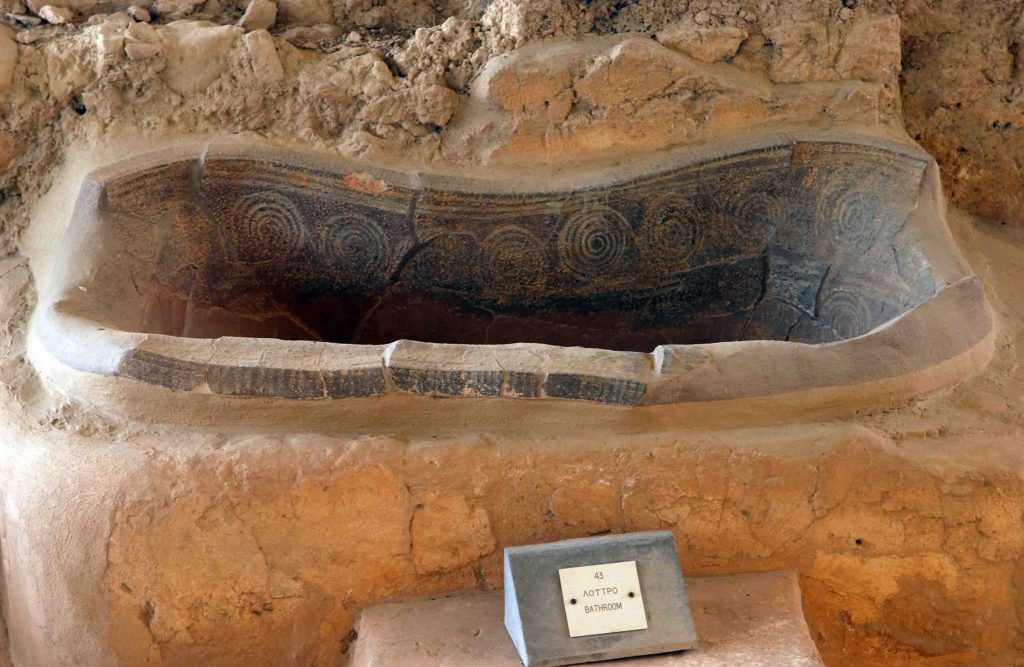
Bath in Bathroom
The Buildings
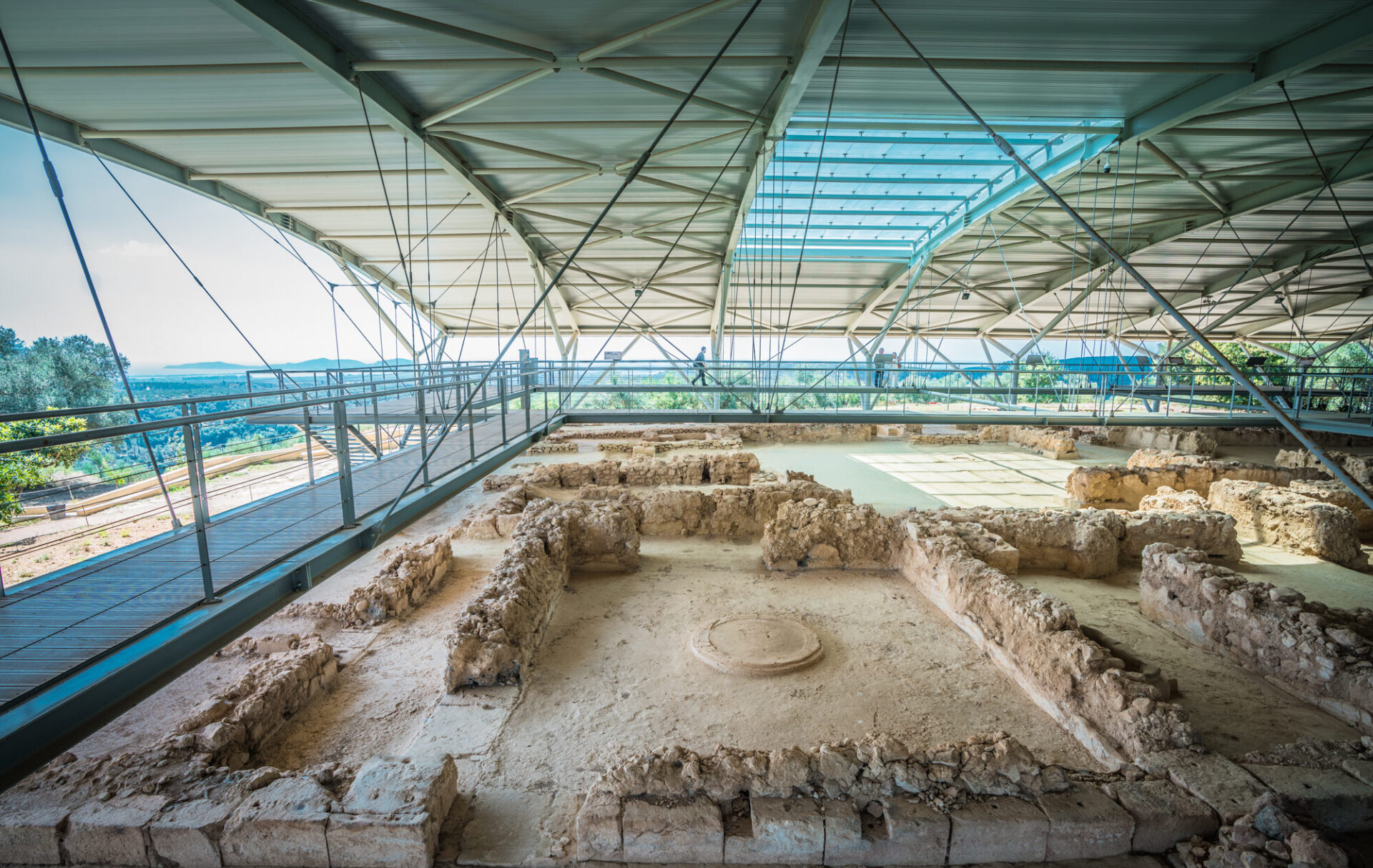
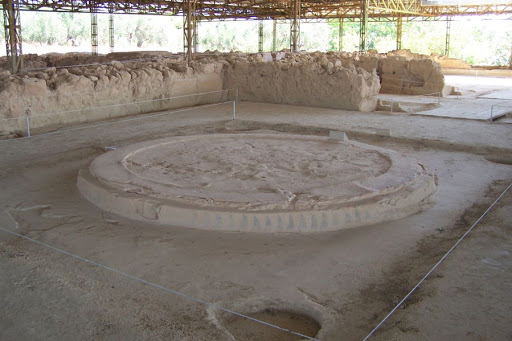
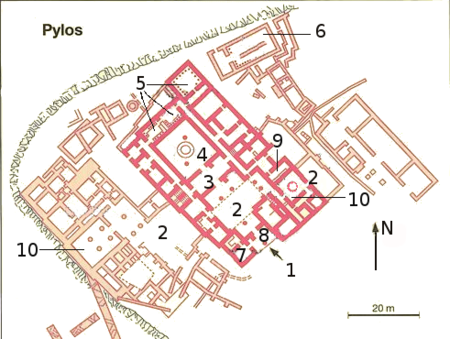
With a brand-new construction, including a new protective shelter, the Palace of Nestor permits visitors to truly experience the rich Mycenaean history. It is a complex made up of various buildings and consists of 105 ground floor apartments. It has four main buildings (central ones, wine store) and some smaller ones. The large rectangular “throne room” is considered to be the most important.
What You Will Find Here
Discover the walls of the palace, which were decorated with fine wall paintings. Very close to the palace, you will find the most impressive, largest excavated Mycenaean vaulted tomb of the area. It was built in c.1550-1500 BC. The Palace’s four buildings feature 2 levels arranged around a courtyard, including reception rooms, bedrooms, warehouses, a wine cellar, workshops, rooms for domestic servants, sewers and more.
Plan of the Palace
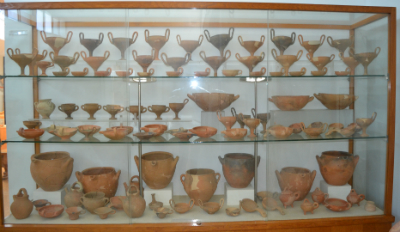
Findings on display at Archaeological Museum of Chora
Interesting Remains
You can explore the beautifully decorated round fireplace, the throne room, and a bathroom with a bathtub, as well as seeing numerous shelves with inscriptions. As you walk through the bi-level building you will come across abundant storage spaces, private apartments, stairwells, and skylights. The halls were decorated with remarkable wall paintings, while pictorial representations also decorated the palatial floors. The approximately 1000 clay tablets in Linear B script, which were brought to light during excavations in the wider area, confirm the site’s function as a financial, administrative, political, and religious centre.
Archaeological Museum of Chora
The numerous archaeological findings from the site of the Palace of Nestor are kept at the Archaeological Museum of Chora, as well as the Archaeological Museum of Messenia. Here you will find collections that focus on the Mycenaean civilization. Some permanent exhibits at the museum include old jewellery from the vaulted tombs of Peristeria of Trifylia and there are also fascinating murals with amazing battle scenes. Mycenaeans were known for their trade of perfumed oils and big jars for storing oil, which you can also view.
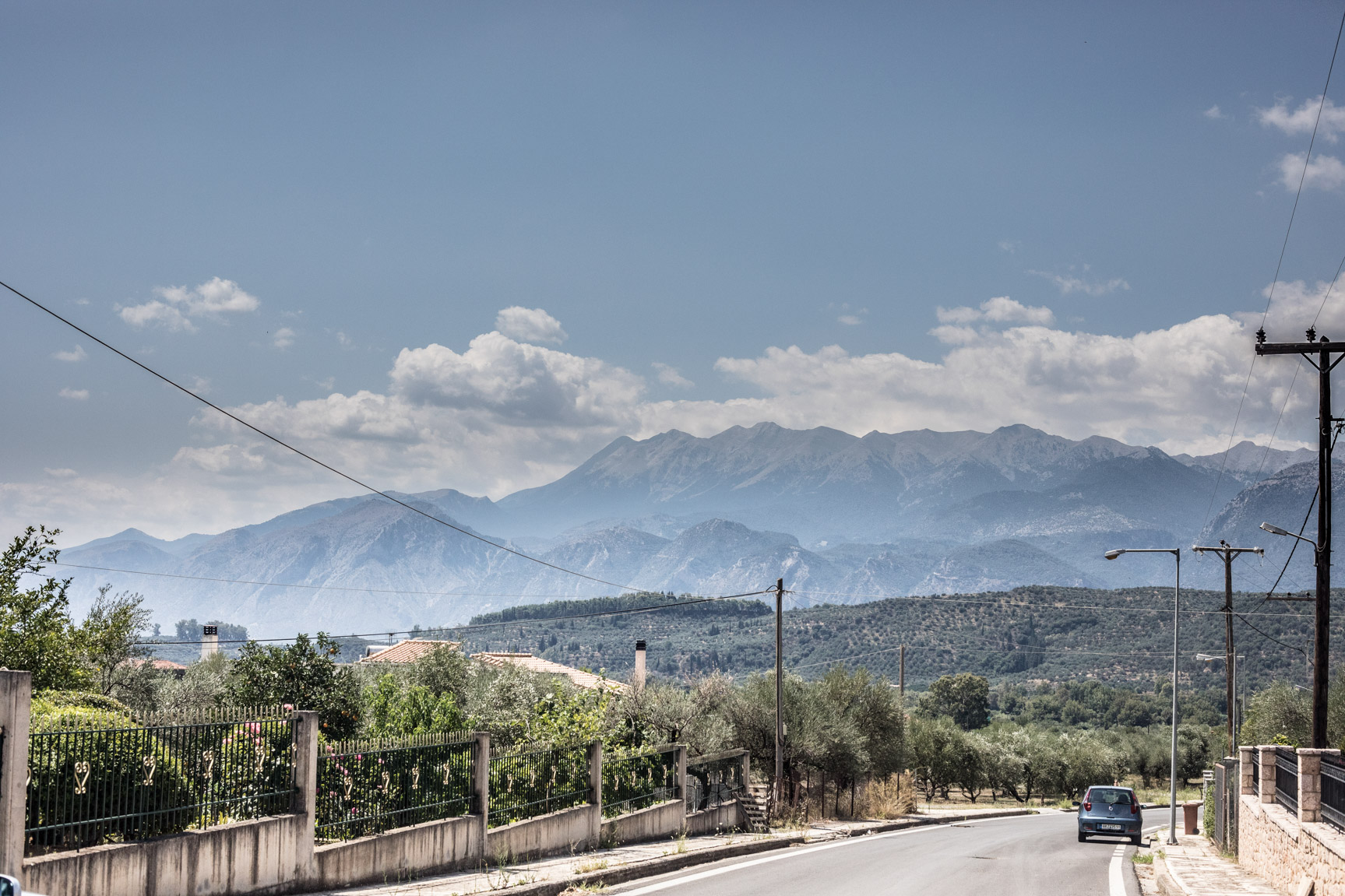
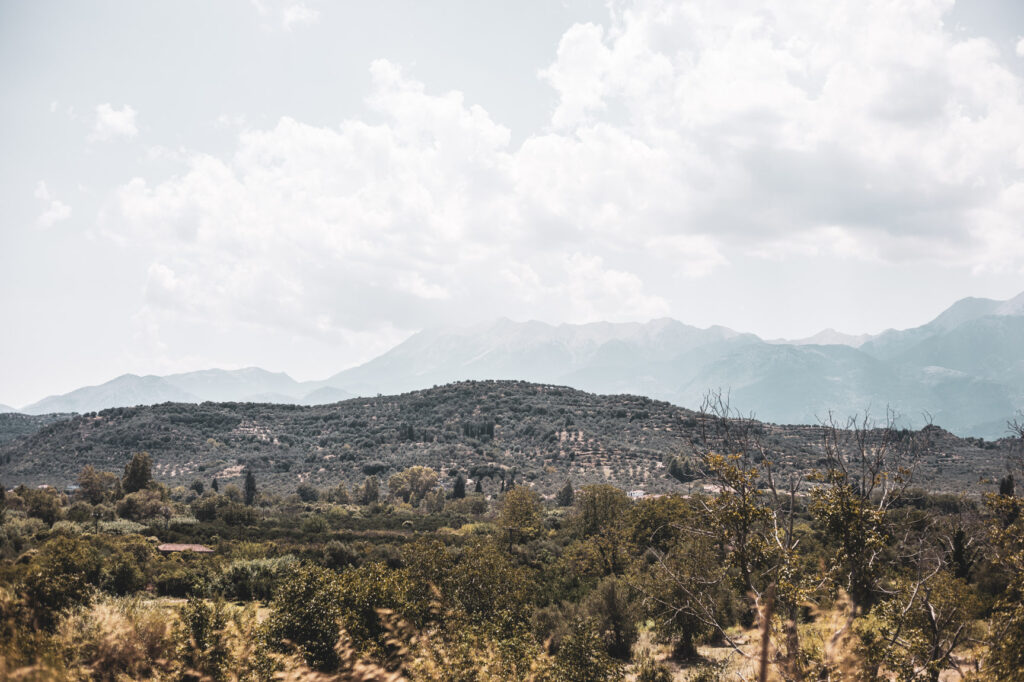
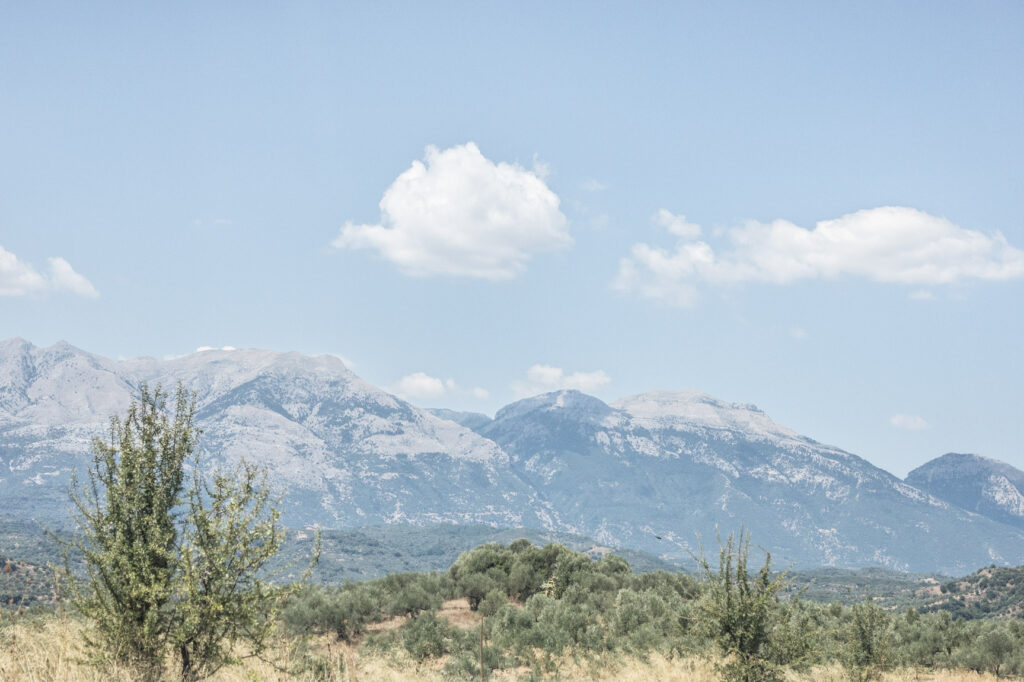
Mount Taygetos is the highest mountain in the Peloponnese and one of the highest in Greece, boasting a height of 2404 metres. It’s the perfect place to enjoy wonderful hiking routes, picturesque villages, lovely creeks and striking stone bridges.
With lush forests covering the middle mountain zone, fragrant phrygana shrubs sprinkled in the lower parts of the mountain, gorges and ravines shaded by plane trees, Mount Tagyetos is located on the border between the areas of Laconia and Messinia.
Prophet Elias
The highest mountain peak in the Peloponnese is named Prophet Elias and here you will find a a chapel of the same name. Every year on the 20th of July, thousands of pilgrims hike to the top and pay a visit to the church on the Feast Day of Prophet Elias. The most popular route to get to the church starts from Maganiari spring. The path to the top starts from Maganiari spring (980m altitude) and crosses the forest until the spring of Barbara.
Vyros Gorge
One of the mountain’s most spectacular geographical features is the Vyros Gorge, which runs from the foot of Prophet Elias summit to the town of Kardamyli on the Messinian Gulf coast. Other peaks of Mount Taygetos include Sidirokastro (2340 m), Spanakaki (2024 m), Neraidovouna (2020 m), Goupata (2031 m), Koufovouni (1850 m) and Broken Mountain (2204 m).
The eastern slopes of the mountain form many ravines which supply water to the Evrotas River. The region is part of the Natura 2000 network of habitats and its significant infrastructure projects have been initiated for the development of mild ecotourism. in fact, Mount Taygetos has been designated as an ‘Important Bird Area’ of Greece.
Hiking Routes
The mountain provides plenty of hiking routes which are well signposted and attract a lot of visitors throughout the year. During winter the snow makes climbing quite difficult and special equipment is necessary. One of the most rewarding experiences is reaching the top of the mountain at Prophet Elias and taking in the breathtaking view of the Peloponnese. There is also the Mystras- Taygeti – Moni Faneromenis route, which is also amazing.
Villages
Georgitsi known as “the balcony of Taygetos”, is a village at 970 meters altitude and offers an astonishing view of Sparta. Here you will find stone houses with tiled roofs, firs and chestnut trees. Kastori village is perfect for those who love adventures as it’s great for hiking, mountain biking and canyoning. Are you can enjoy hikes through the beautiful route of the gorge of Kastoras River with the springs and the arched bridge. Also check out the chapel of Agios Loukas which is located inside a cave.
Getting there
– One classical route to approach Taygetos is through Trypi village on the road from Sparta-Kalamata. This route is one of the most beautiful in the Peloponnese as you will be driving through a forest and the gorge of Lagkadas.
-There is also the route from Sparta to the mountainous village Anavriti. This road might be difficult for some drivers as it is close to the edge of the cliffs and not for the faint hearted.
-If you would like to head towards the northern side of Taygetos you should take the route from Mystras towards the village Kastori.