All wines get a holiday and February 16th is International Syrah Day, when wine enthusiasts worldwide celebrate Syrah, a red wine also named Shiraz- as it’s more commonly known in Australia.
The grapes are known for their deep red colour and small size. They can be round but have also been referred to as egg-shaped. Syrah has a short ripening period. When grown in the Old World it tends to be spicier, less fruit-forward, earthier, and more tannic. In New World, where it is also known as Shiraz, it tends to be “larger”, “bolder” and “jammier”, with less spice.
Syrah managed to spread to the Greek vineyard, in a relatively short time, producing wines of very high quality. This is no coincidence for producers, as Syrah is considered to thrive in the warm climatic conditions of Greece.
Greek Syrah is very close to the style of its New World counterpart, displaying a high alcoholic degree, prolonged extraction, dense structure, strong tannins, moderate acidity and sweets, and ripe aromas of black fruits and spices. It has the potential to age for many years and is often mixed with other international and local varieties; and gives very qualitative wines.
Below we will review five Greek labels that represent a range of styles and prices to suit every taste and budget.
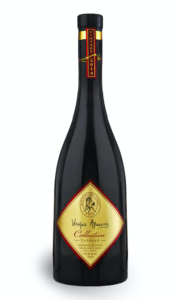
Collection by Avantis Estate
Collection Courtesy of Avantis Estate Mytikas Evia
A scarce Syrah, as the production does not exceed 1,000 bottles per year. The yield per hectare ranges from 300 -350 kilos. It’s a soft, graceful wine that offers a bouquet and palate marked by dark cherry, plum, dark chocolate, and a smidge of espresso. The acidity is balanced with the delicious fruit and the tannins are intact, leaving ample room for each to develop and flourish in an elegant finish. If there was a pedestal, surely one place would belong to the Collection. It is certainly up for the challenge of grilled roasted meat, hunt stewed red and hard yellow aged cheese.
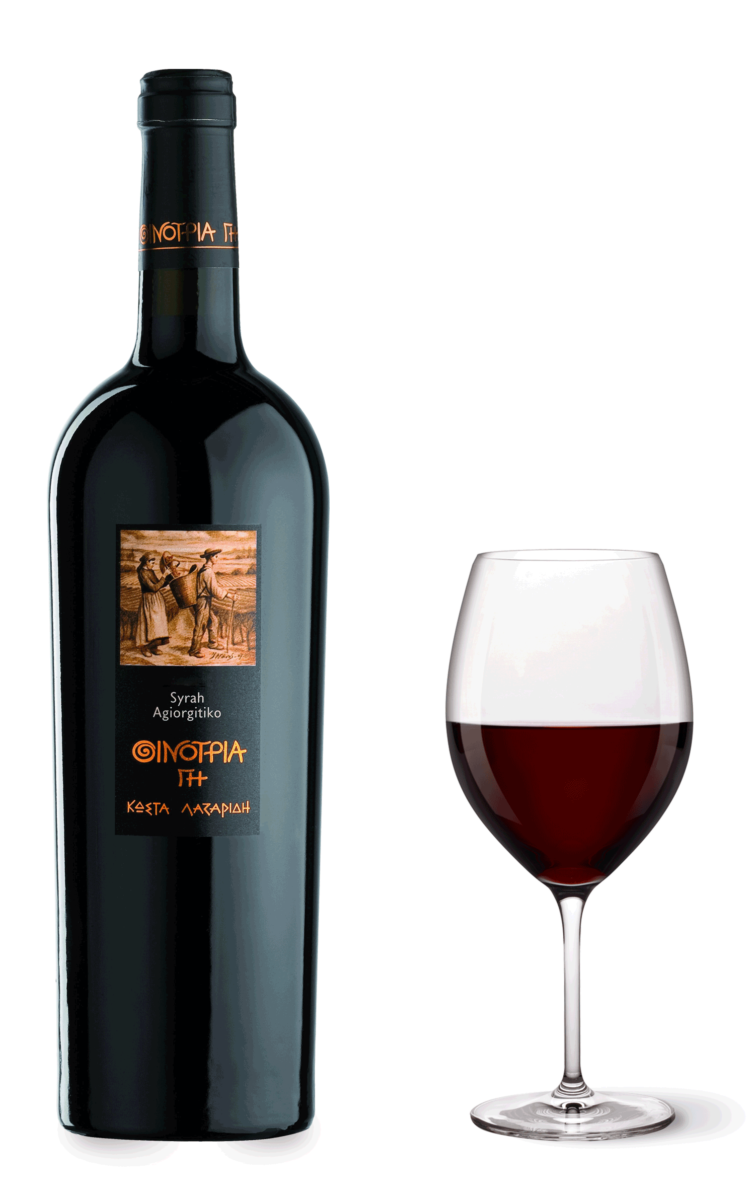
Oenotria by Domaine Costa Lazaridi
Oenotria Land Courtesy of Domaine Costa Lazaridi Kapandriti – Athens
This wine is dominated by Syrah (90%) with Agiorgitiko adding background notes. The small area yield (approximately 250kg per acre) gives enormous condensation to all levels of the wine. Intense and complex aromas of cherry, plum, vanilla, fig and chocolate. It has a rich flavor with balanced acidity and silky tannins while its finish is a very long intersession with notes of vanilla. It’s sure to add charm to a dinner, especially when paired with a beef fillet as well as with red-grilled meats.
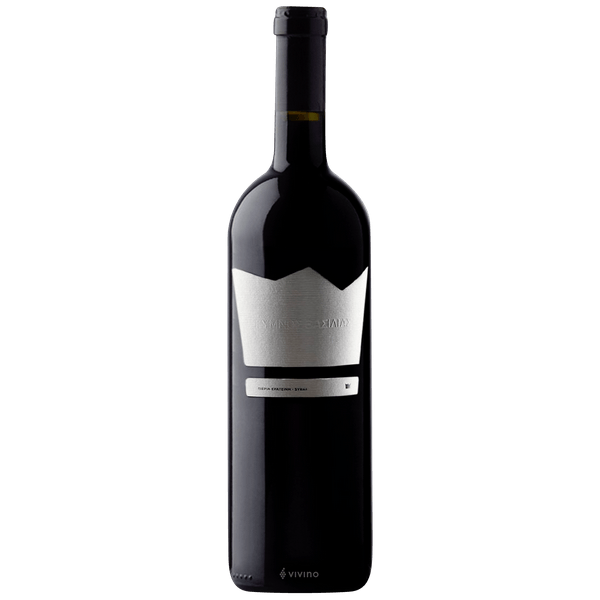
The Naked King by Pieria Winery
The Naked King Courtesy of Pieria Eratini Winery Kolindros – Pieria
Looking for a rich Syrah wine but you can’t afford to wait for it to evolve over the years? Then check out this classic, well-made wine from Pieria in Northern Greece. A blend of 85% Syrah and 15% of the rare local variety Kolindrino. The name Naked King may be very original, but the wine is not characterized by nakedness as it wears armor of condensation and exuberance. The Naked King brings to our glass intense aromas of dried fruits, fresh framboise, cassis and cranberry while sweet spices and notes of the barrel complete its complex and charming palette. Mouth saturating, very well structured and balanced. Made for rich dishes of red meat. It’s also sure to impress with foie gras.
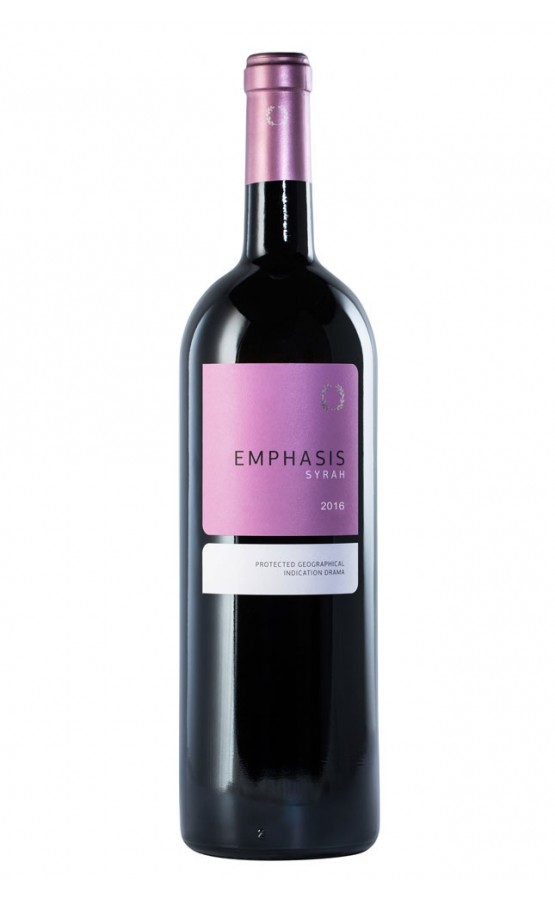
Emphasis by Pavlidis Estate
Emphasis Courtesy of Pavlidis Estate Kokinogeia – Drama
If you are looking for a solid, typical expression of Syrah variety, Emphasis is a perfect pick. It offers a bouquet and a palate of black fruits leather, thyme, black pepper, chocolate, and vanilla. High acidity, velvety tannins, long, spicy aftertaste. You’ll also appreciate that it’s easy to find and a sure shot with red fatty meats with spicy sauces or roasted lamb. So … Emphasis on Syrah!
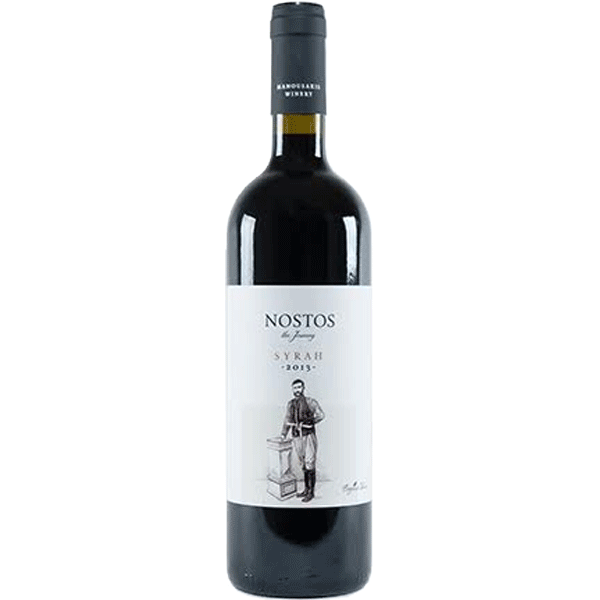
Nostos Manousakis Winery Vatolakkos – Chania
Nostos by Manousakis Winery
Nostos is a theme used in Ancient Greek literature that refers to an epic hero returning home by the sea. The return isn’t just about returning home physically but also about retaining the very virtues and qualities that characterized him before he went away. In this particular case, we have a strong and robust Syrah from the beautiful island of Crete. Its bold tannins are a good asset for long-term aging. It has an oriented personality of red and black fruits with black pepper notes. A rich must try Greek Syrah. Give it a go with grilled meats or meats with tomato-based sauces and a variety of sausages.
I hope you enjoyed reading this article as much as I enjoyed writing it. By the way, what’s your favourite Greek Syrah wine?
Feel free to share some of your own great wine picks …
For more wonderful wine explorations, follow George on Instagram @george.winestories
Valentine’s Day is a day to express love, a time to bring to the surface one’s romantic character, to forgive mistakes and write off bitter instances, and the perfect time to open a great bottle of wine! Just like love, wine can be complex, sweet, bold and refreshing. Selecting the “one” bottle out of many for the occasion is no easy task.
I have put together a list based on the name of the label, the story behind it, its trademark and finally the matching with a decadent chocolate dessert. Let’s look them through together …
“Don’t judge a book by its cover” they say or “a wine by its label” I would add! Except when it makes perfect sense to do just that — such as on Valentine’s Day. The wine itself must, of course, be good or the value of the label will be lost. But the right wine name can help brighten the mood even before the first sip.
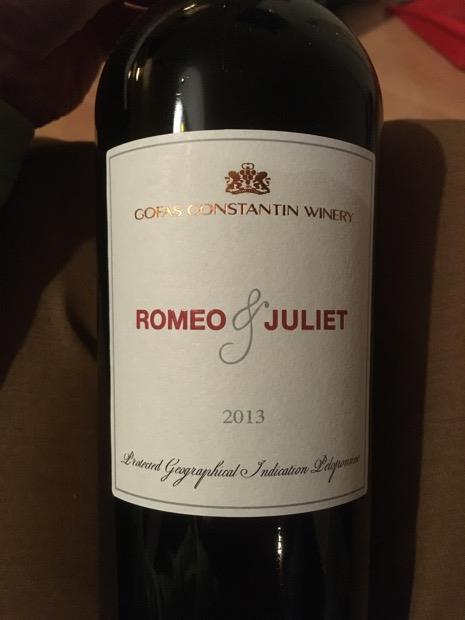
Romeo & Juliet
Romeo and Juliet, courtesy of Constantin Gofas Estate, is a red wine whose name seems tailor-made for the occasion and its taste matches it even more. In the role of Romeo, is the robust Cabernet Sauvignon, while Juliet is performed by the velvety Agiorgitiko. The final blend is 70%-30%, with Cabernet being the dominant variety. This is a complex full-bodied wine, from which we will taste plenty of juicy red fruits with an elegant touch of sweet spices, black pepper and notes of cocoa and vanilla. It will rise up to the challenge of accompanying a charcuterie platter or a steak dinner.
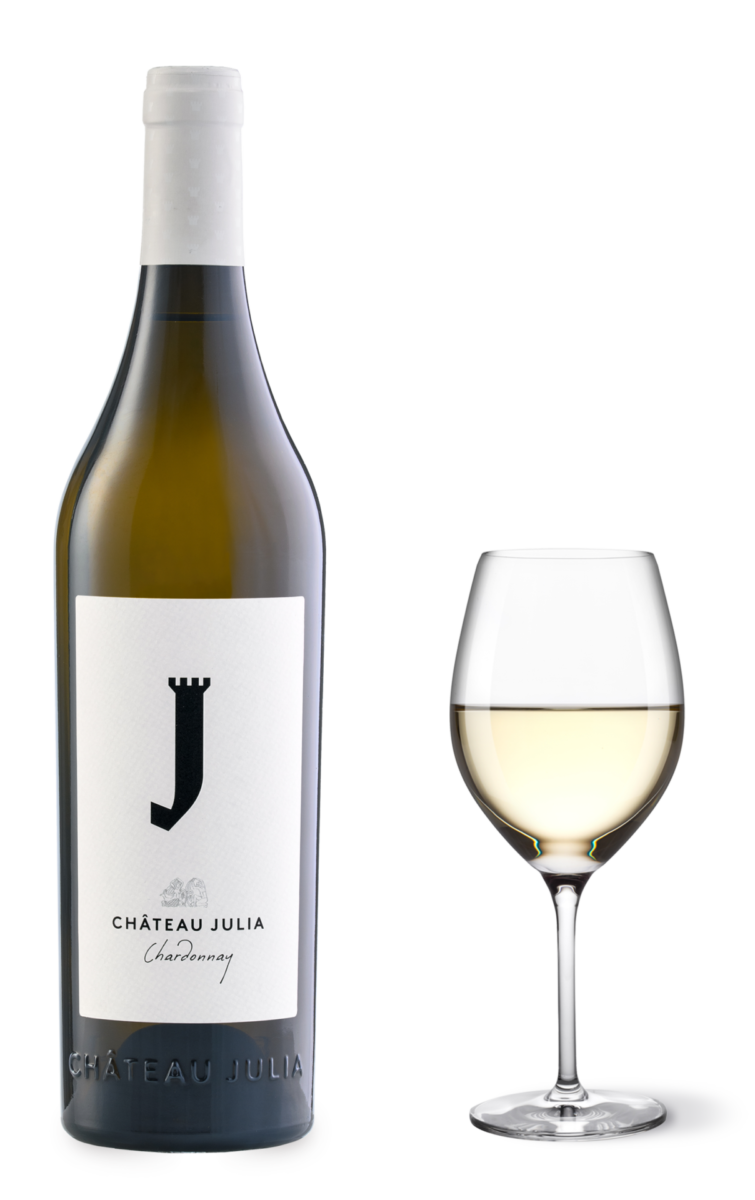
Many winemakers are dedicated to producing outstanding wines. For a number of them, the love of their lives – their wives – have played the role of support and inspiration for their enterprise of winemaking. Julia Lazaridi is one of them! The winery of Costa Lazaridi in Drama has been producing some of the best and most emblematic Greek wines for decades. Chateau Julia are some of them! Chateau Julia is a series of four wines named after the lady of the Costa Lazaridi Estate, the wife of Kostas Lazaridis, Ioulia (Julia). The series includes wines with a distinct personality, each of which has a different story of taste to tell.
Chateau Julia
I would opt for Chateau Julia Chardonnay for Valentine’s Day, because Chardonnay seems to make people relax and savor the good life. Moreover, enjoying it under the right lighting, the wine can create a mirage of suspending gems in one’s glass. Chateau Julia Chardonnay is an exceptional white wine, with an impressive structure, for every occasion! It doesn’t mature in a barrel, thus highlighting the aromas and flavors of the variety. In a glass of Chateau Julia Chardonnay, one will come across Freshness, Volume, Substance … Enjoyment… an excellent opportunity to express his or her warmest feelings to someone he/she loves. Excellent with salads, small fish, pasta, poultry and yellow cheeses.
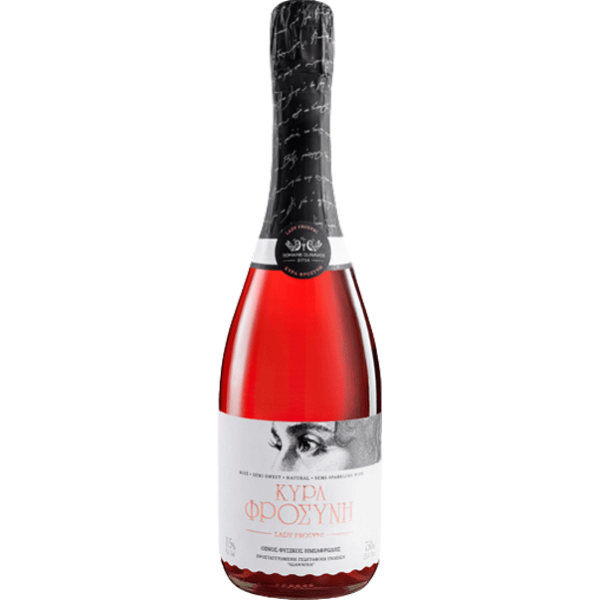
Lady Frosyne courtesy of Glinavos Estate Bubbles sets the stage for any celebration. Why not toast with your loved one with a pink bubbly called Lady Frosyne. Eyfrosyni Vasileiou (lady Frosyne) was born in Ioannina in 1773.
Lady Frosini
Her intensely erotic and turbulent life has inspired operas, plays, historical novels, popular readings, poems, folk chants, films and television series. I find that the image on the label is minimal and emotional at the same time. The content of the bottle is equally interesting as it is a blend of local varieties, the white Debina and the red Bekari. The first bubbles bring strawberry and cherry aromas to the nose, followed by sweet spices and citrus fruit jam. Its taste is rich in red fruits while the intense acidity balances with the sweetness of the fruit and grants it elegance. It is ideally combined with pasta and plates served with sweet and sour sauce. If we choose to combine it with dessert, this should be light and based on cream and fruits like a fruit tart (not chocolate).
Saint Valentine may be a myth, a story made by people for people, but the chocolate that flows a long way that day for his sake is absolutely true. There are perhaps no other combinations of flavors and tastes that can spark a more erotic atmosphere than that of rich chocolate with an appropriate wine, which speaks straight to your senses and creates an irresistible, romantic mood regardless of the season. Even more so, on Valentine’s Day.
Contrary to popular belief, wine and chocolate are a tough combination to match. Even the best-balanced wine will taste like vinegar if you drink it after eating a sweet piece of chocolate or a dessert based on chocolate. In a later article, I intend to address the ideal matching of various types of chocolate with wine.
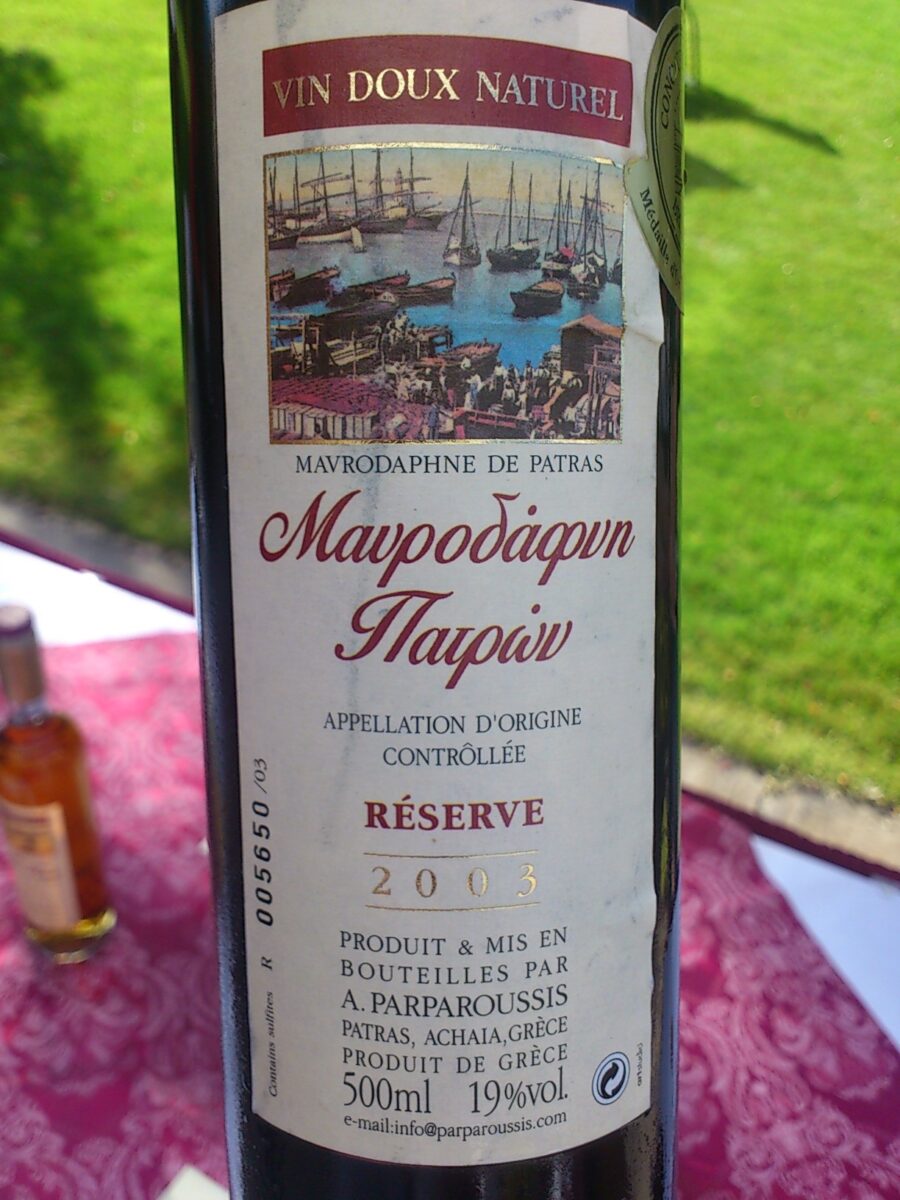
Mavrodaphne Reserve
A chocolate-based dessert may usually contain chocolate or cocoa, nuts, butter, cookies or cake, caramel, praline, etc. So, we are dealing with an exuberant dessert. Equally exuberant is the wine that we will propose. Matching equally well with most chocolate desserts, the rich and complex character of sweet Mavrodaphne best pairs with the aromas of nuts, sweet spices, dried fruits and caramel. Mavrodaphne Reserve of Parparousis Estate has a full body due to its high alcohol content and with its fine tannins, it manages to balance its sweetness. It also possesses a spicy character but it is quite smooth at the same time. Elegant & balanced, with depth and exuberance, Mavrodaphne is destined to make the perfect match for the dessert we will choose to sweeten this special day with our beloved one.
A caveat: A sweet Mavrodaphne can be massive and powerful at first sip, so, it is advisable to decant it about an hour or two before dinner and preferably pair it with a rich dessert.
I hope you enjoyed this list of wines to drink on Valentine’s Day, no matter what your plans are! If you end up grabbing any of these bottles for the occasion, please, let me know in the comments below.
For more wonderful wine explorations, follow George on Instagram @george.winestories
Nobu Hospitality, the premier luxury lifestyle brand founded by renowned chef Nobu Matsuhisa, actor Robert De Niro and film producer Meir Teper has announced its first hotel and restaurant project in Greece- the Nobu Hotel and Restaurant Santorini- set to open this spring.
Located on Santorini’s stunning Imerovigli, Nobu Hotel and Restaurant Santorini will, of course, feature the signature Nobu Restaurant, as well as a luxurious spa, fitness centre, two-level infinity pool, and five pool villas that each boasts breathtaking views of both the Caldera and Aegean Sea from its clifftop perch.
The hotel that focuses on unique Nobu food experiences will boast a modern design and stunning spaces inspired by its calm and picturesque Cycladic surroundings. The interior and poolside design will feature minimalist and sleek décor- with a touch of Japanese tradition- that is synonymous with Nobu properties worldwide.
The hotel is 20 minutes from Santorini (Thira) International Airport and sits along the famed hiking trail that runs between Oia and Fira, Santorini’s capital.
With hotels in Ibiza, London, Las Vegas, Los Cabos, and Malibu, the property in Santorini will become the 26th Nobu Hotel worldwide and the tenth in Europe.
The Christmas season is over, and January brings us to the heart of winter. What’s the antidote to a cold winter’s night? A warm bowl of soup suitably paired with a glass of Greek wine, of course!
When considering accompanying soups with wine, we often end up rejecting the idea, mainly due to the watery texture of a soup. The answer is to stop treating the issue with such skepticism and realise that a glass of wine along with our soup course will help us maximize enjoyment during our winter dinners.
So, when opting for a wine to serve with our soup, we should consider the consistency and main flavours we are putting before our mouth cavity. The density of the soup is often more important than the type of protein in it when picking the right wine.
Therefore, let’s serve wine with our most popular soups and keep in mind a few simple rules of combination.
Meat Soup
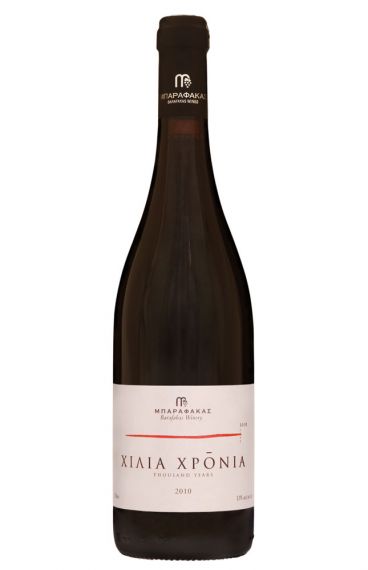
Xilia Xronia
The main ingredient of meat soup is usually beef. In this case, the greasy texture of the meat dominates the aromas of fresh tomatoes and the rest of the included vegetables. Here a red wine with soft tannins should qualify as a choice. A fresh Agiorgitiko or a Merlot would ideally accompany our soup. Personally, I would go for a blend of 60% Agiorgitiko and 40% Cabernet Sauvignon from the “Barafakas” Estate in Nemea. The name of the label is “Xilia Xronia” which means “A Thousand Years.” It is a wine with an emphasis on red fresh fruits and sweet spices such as cinnamon. A really tasty wine. It will match wonderfully with a meat soup.
Fish Soup
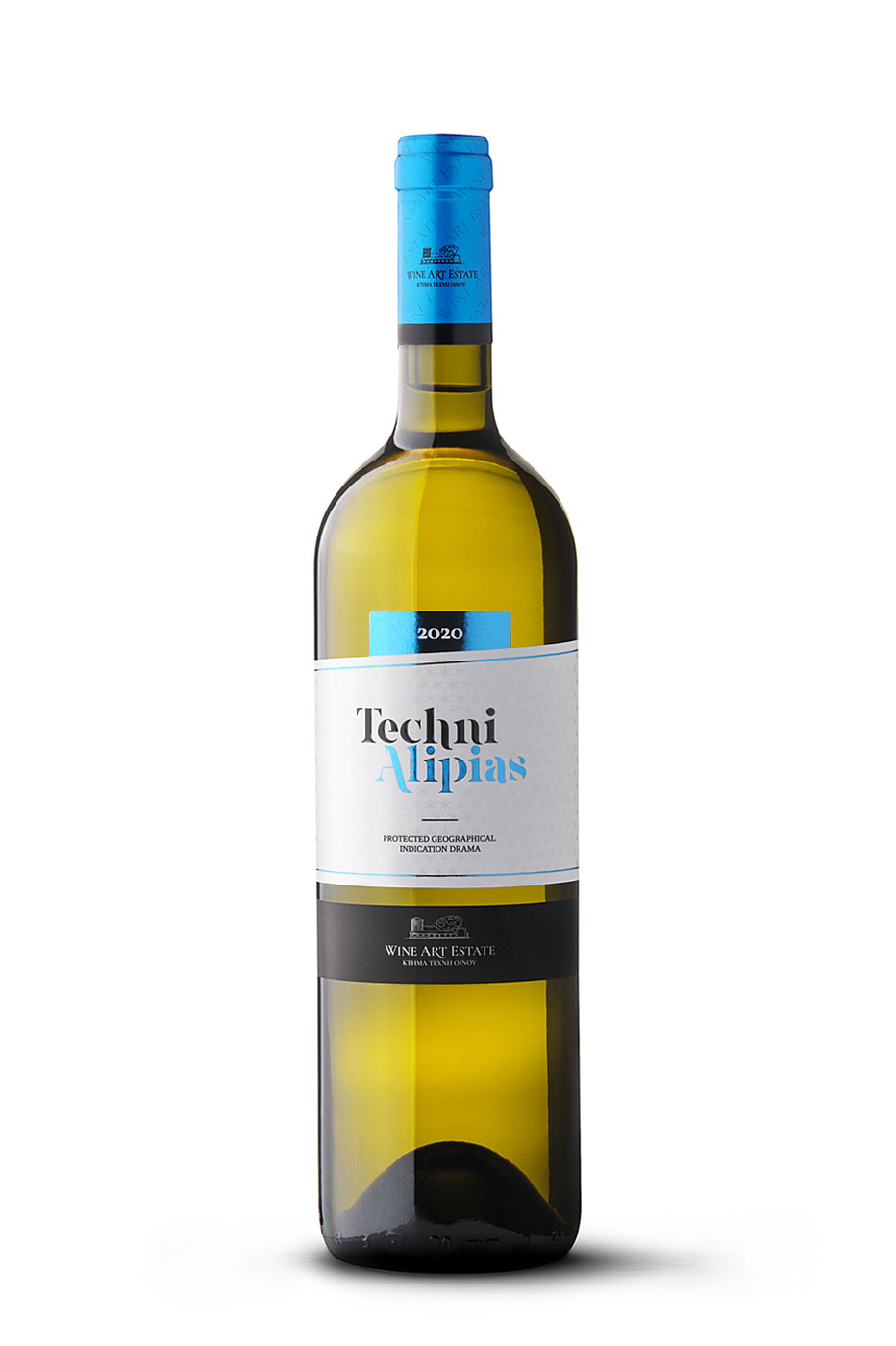
Techni Aplipias
Fish soups, where seafood aromas emerge above those of vegetables, need medium-bodied, crisp white wines with good acidities, such as Assyrtiko, Sauvignon Blanc, or Moschofilero, to match the flavours of the soup. My recommendation, in this case, would be “Techni Alipias” from “Wine Art” Estate in Drama. A blend of Sauvignon Blanc and Assyrtiko. Sauvignon Blanc adds fruity aromas and acidity while the less aromatic Assyrtiko adds body, structure, complexity and ageing potential to the blend. In terms of taste (and sales) this is the most successful blend of white varieties in Greece. Excellent wine for this kind of soup.
Chicken Soup
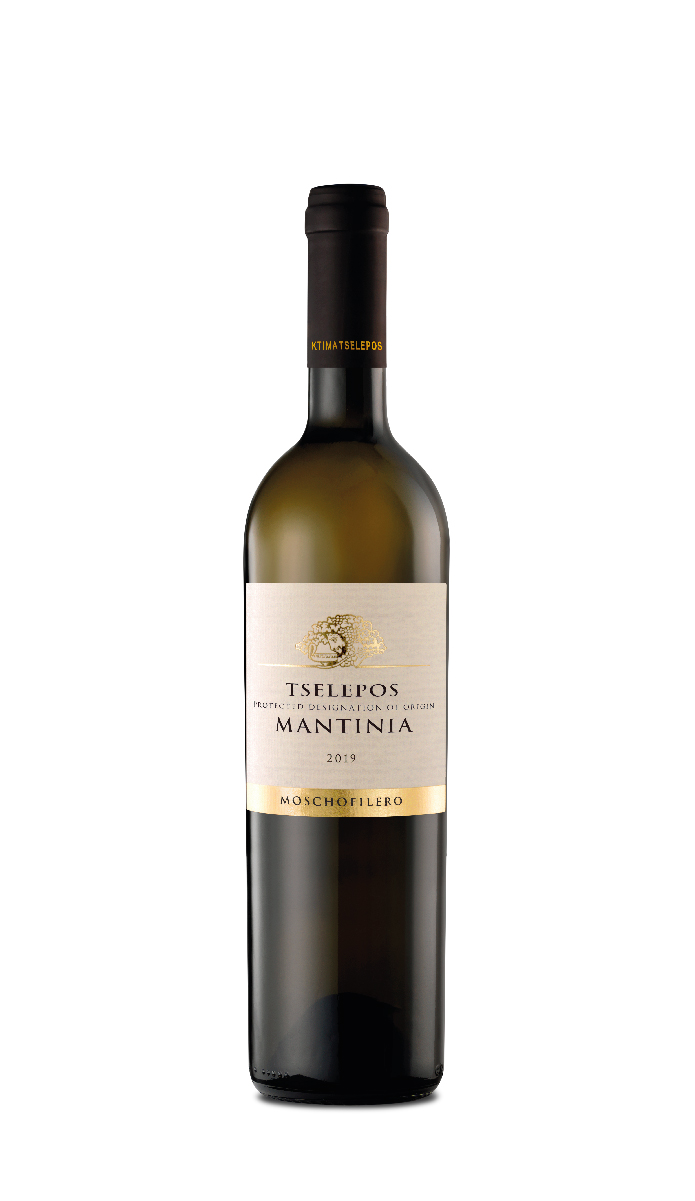
Mantineia
The soup to fix all winter ailments, while delicious and comforting to the stomach at the same time, chicken soup or chicken noodle soup, calls for aromatic, textured whites with delicious natural acidity like Grüner Veltliner or Verdelho. From the domestic varieties, we would choose a Moschofilero. One of the top and most timeless expressions of the variety is the “Mantineia” of Tselepos Estate. A Moschofilero of high aromatic intensity where aromas of citrus fruits, as well as flowers, predominate. Its intense acidity “fuels” it with freshness and “nerve”. An ideal choice to accompany chicken soup.
Vegetable Soup
Lexis Gris Sur Lie Rose
As hearty fall and winter vegetables come into season, this is a classic winter soup, and my go-to pairing here is rosé wines. I love the “Lexis Gris Sur Lie Rose” from Zacharias Winery for its tart fruit, earthy tones and bright acidity. It’s refreshing and plays off the earthy tones in the soup.
Mushroom Soup
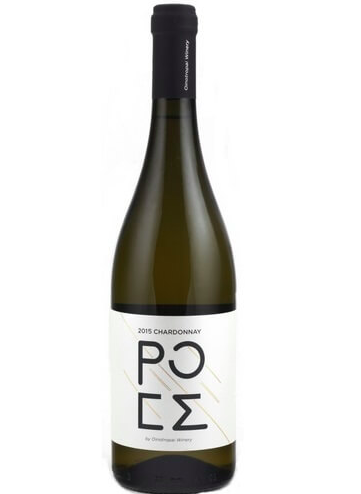
Mushroom soup is the very definition of comfort food and comes in a couple of different versions. If we decide to get closer to the tinned classic ‘cream of mushroom’ soup, it’s better to stick to the creamy character of the dish and go for an oaked Chardonnay. “Roes Chardonnay” from Oinotropai Winery is quite rich on the palate, with medium to full body, crisp acidity, buttery sense, and impressive fruit aromas.
Roes Chardonnay
It will fit perfectly with our creamy soup. Darker soups that put woody, earthy forest mushrooms at the forefront of our tongue, are best complemented by Pinot Noirs and other dark red wines that are oak-aged and have subtle, earthy tones. Pinot Noir of Dio Filoi (Two Friends) Estate fills our glasses with bright red colour. It has aromas of nuts, dried fruits with spice notes and a velvet full mouth with a long, intense aftertaste. A complete expression of the Pinot Noir variety that will ideally match the aromas of our soup.
Pumpkin Soup
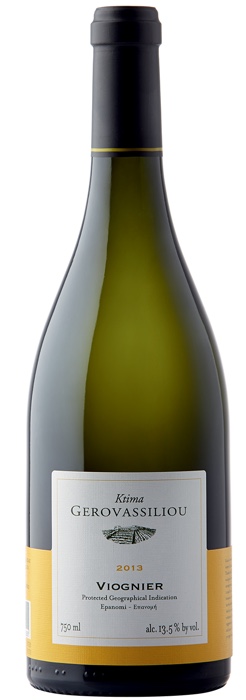
Viognier
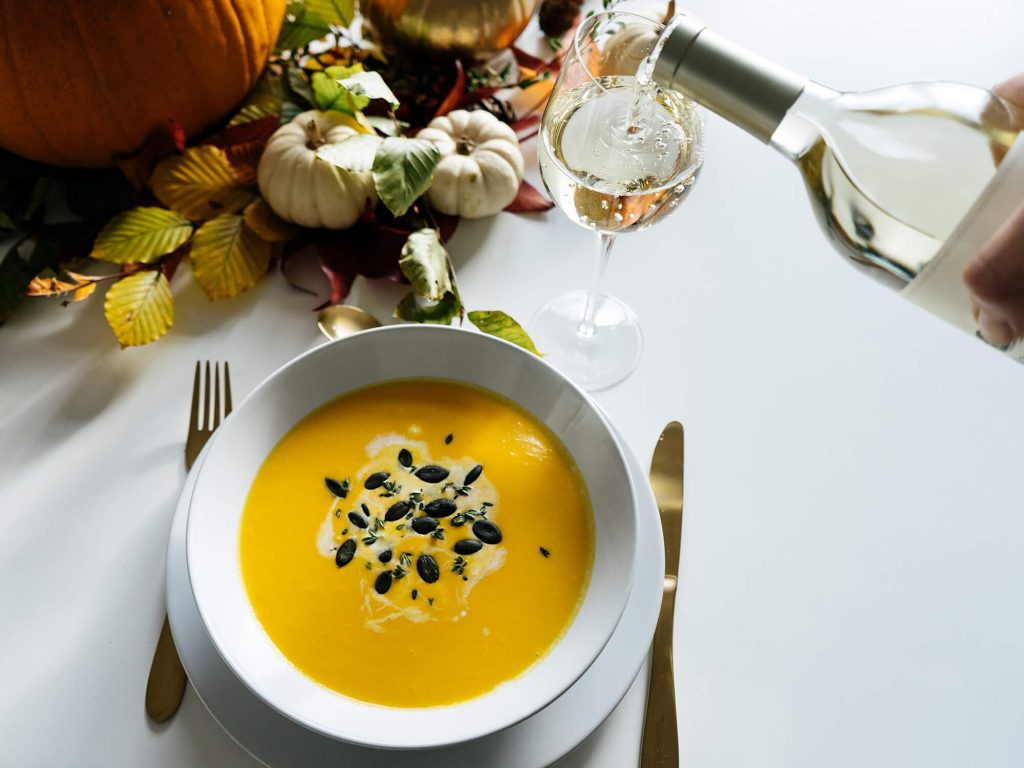
Winter is the peak season for pumpkin soup. The combination of its earthy and often sweet flavors makes this soup unique and tricky to pair with a glass of wine. Depending on the flavour profile (sweet, spicy, or both, paired or not with dense cream, garnish, etc.) some wines will do better than others. In general terms, the trick is to try to either compliment or contrast the flavours of that dish. So, think “dry” or “creamy” on the palate when it comes to wine. Here’s the place and time for an oaked chardonnay, a dry riesling, or a full-bodied Viognier. And Viognier by Domaine Gerovassiliou is perhaps the best expression of the French variety in Greece. Elegant and at the same time exuberant, it enchants anyone who tastes it! This wine features a deep lemon colour and complex aromas of apricot, butter, peach, chamomile, vanilla, brioche, bergamot, hazelnut, oak, tobacco, and white flowers. Rich mouth with full-body, discreet acidity, and intense oily sensation. Ideal wine for our dish.
Beef or Rabbit Stew
Black Daphne
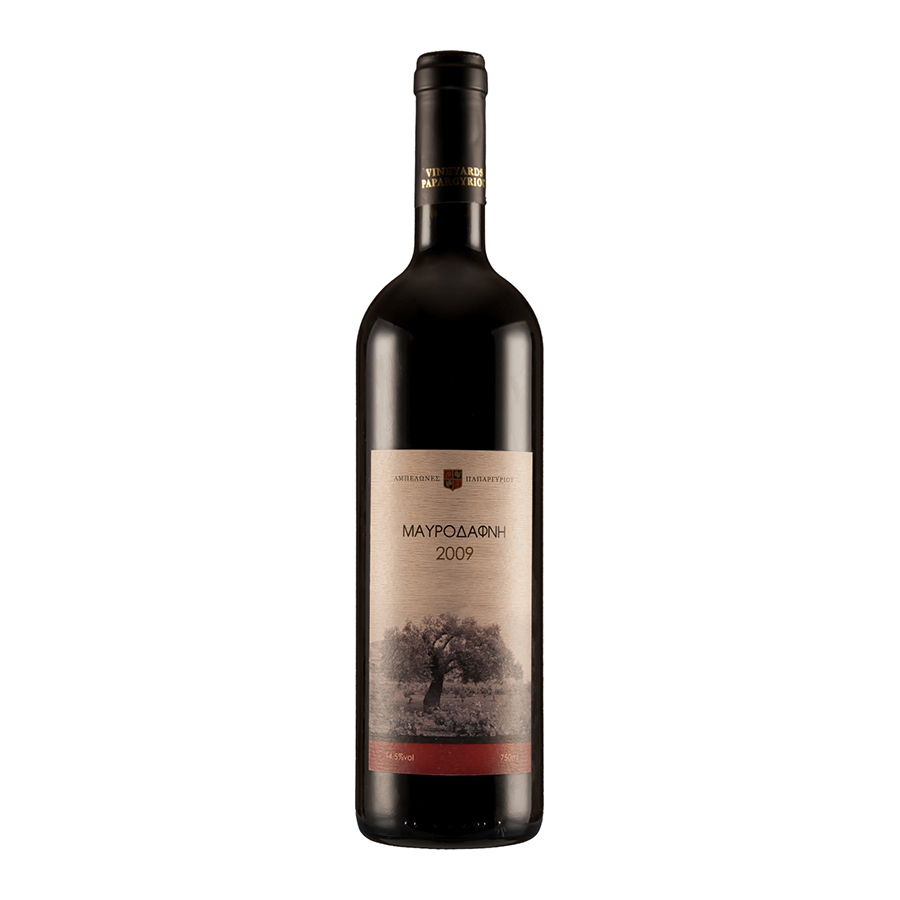
Finally, an iconic Greek winter dish. There are few meals more warming and savory than a hot bowl of beef stew. We could combine it with a bottle of Merlot or Cabernet Sauvignon, which would wonderfully pair with it. Because stew is one of my favourite dishes, I would bypass the ground rules and recommend the “Black Daphne”, a dry Mavrodaphne of Papargyriou Estate. It has a complex bouquet of sour cherry, blackberry, and plum, accompanied by cinnamon, vanilla, nutmeg, and pepper. Afterward, it carries on the palate, with unimpaired intensity and complexity. Rich body, well-rounded, moderate tannins, and balanced acidity.
The deep, mellow flavours of the stew will meld with the soft richness of the wine, and both will improve the meal’s overall taste. Their combination reminds me of a reunion with old friends.
So, there you have it – everything you need to know about pairing wine with soups. While I’ve done my best to be as comprehensive as possible, I know that you all have your own preferences and ideas when it comes to such matches. As such, I’d love to hear all about your ideas in the comments below!
For more wonderful wine explorations, follow George on Instagram @george.winestories
Set down on Papadopoulou Street, in a single-story building that resembles a warm and inviting Spanish home, this cool and casual all-day bar and restaurant in Thessaloniki has become a favourite local hangout.
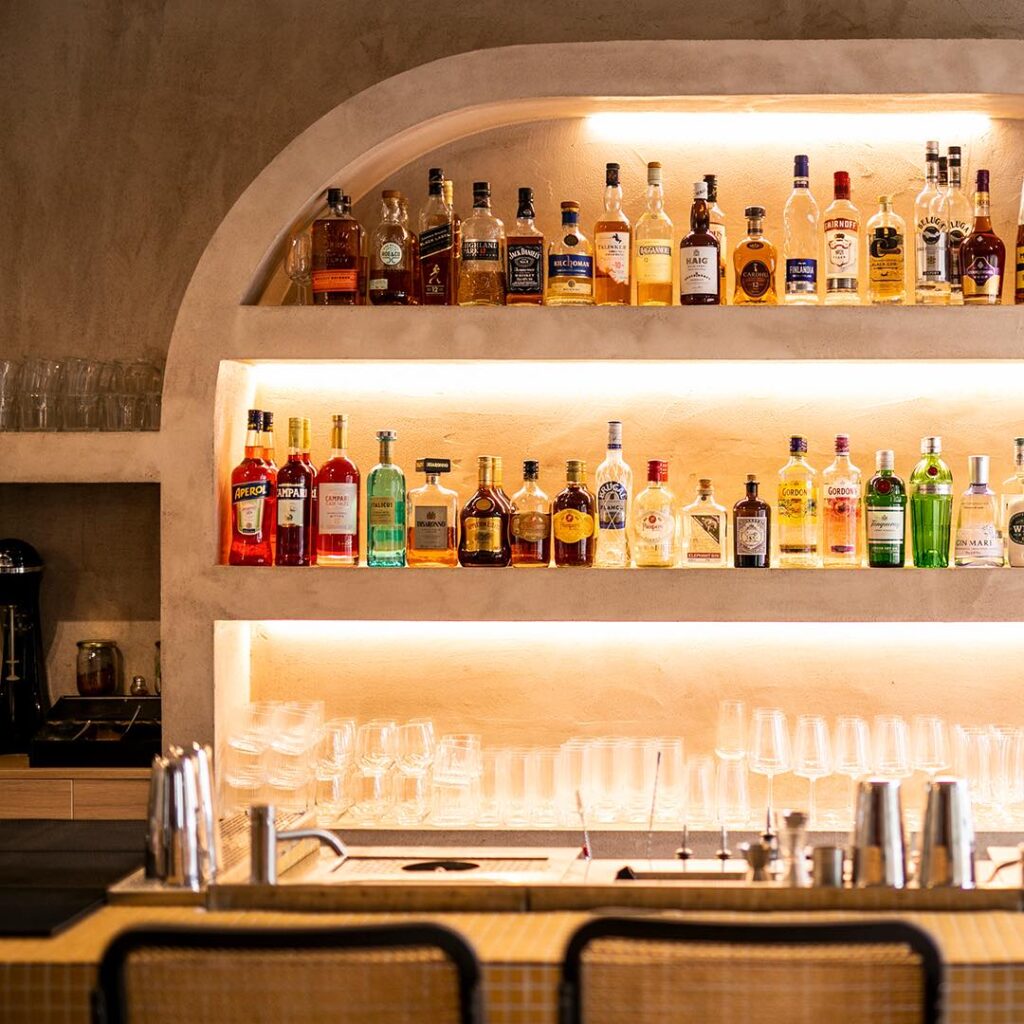
Having quietly opened its doors in the middle of last year (by the talented team from Cin Cin) Mariél has now become a popular spot in the city thanks to its amazing brunch menu, fine meats, signature cocktails, and its overall enticing Mediterranean vibe that’s best experienced in the amazing courtyard out the back.
The high-quality meat cuts feature a combination of juicy and delicious options that are cooked to satisfy each taste, and all the dishes on the menu are designed to be enjoyed with the impressive list of wines that come from Greece, Spain, Italy and other parts of the world.
If you happen to be in Thessaloniki on a Thursday evening, we highly recommend you head here for Tapas Thursdays, where you can enjoy the creative chef’s suggestions, and taste the mini bites that pair perfectly with the Spanish wines. We love the tacos with chili con Carne and the bruschetta with chorizo, sour cream and fig paste!
The weekend brunch menu is also delightful. It features Fried Eggs on porcini and guanciale cream, accompanied by fresh salad and toasted bread, as well as Tortita Legendaria with mascarpone, fresh fruit and raspberry sauce.
For lunch, you can try the light pasta dishes, which include the Fresh Stringoloni in goat trunk sauce and fresh truffle carpaccio, or the Egg Fusilli with juicy cherry tomatoes, Feta and salami.
Or, if it’s just a drink (or 2, or 3) that you’re after, behind Mariél’s bar you will find the creative and talented mixologists serving unique cocktails such as the Greek Ramos with vanilla-scented tones and fresh lemon juice, gin and Mastiha, and the Nectar, a vodka-based cocktail enriched with lime aromas.
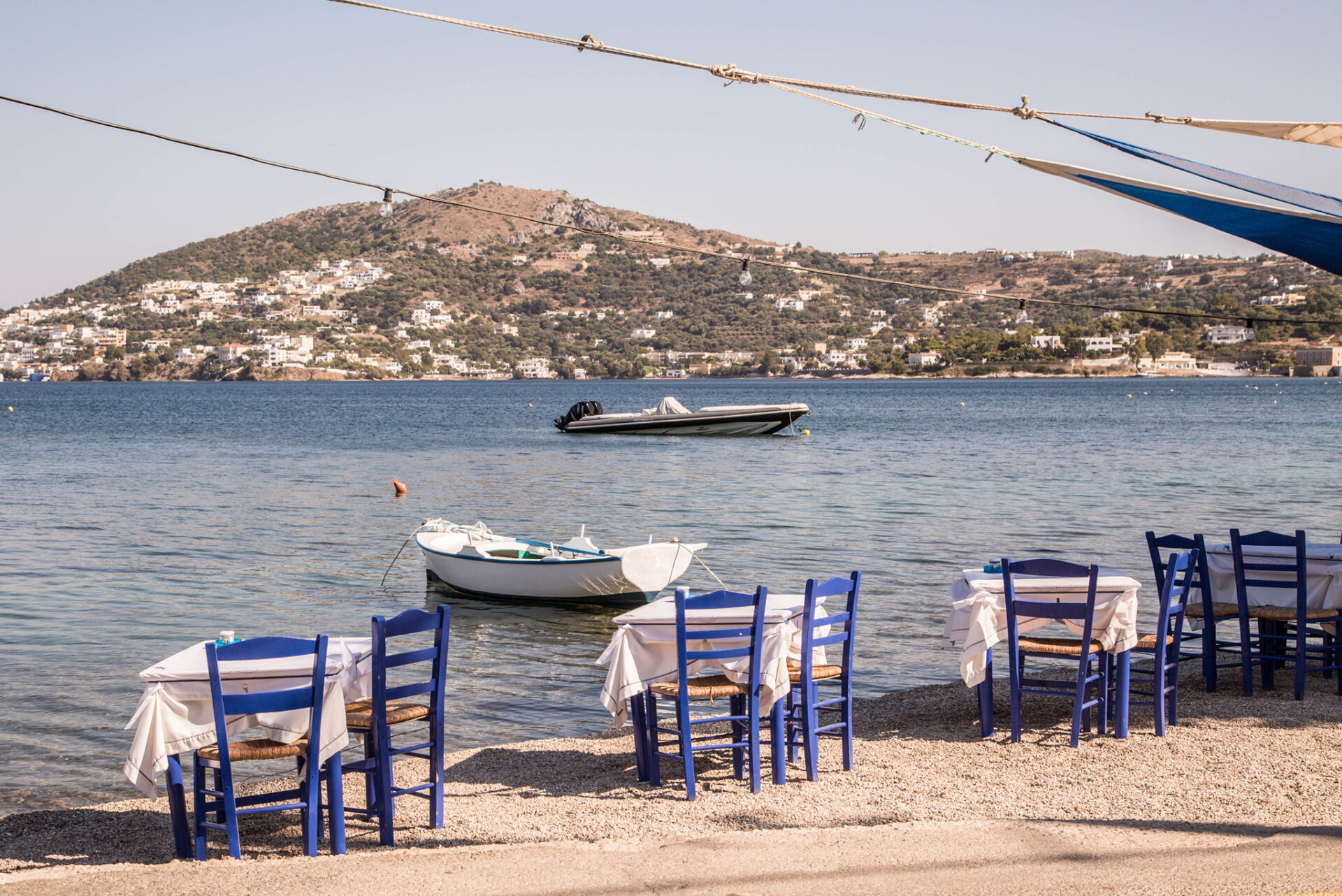
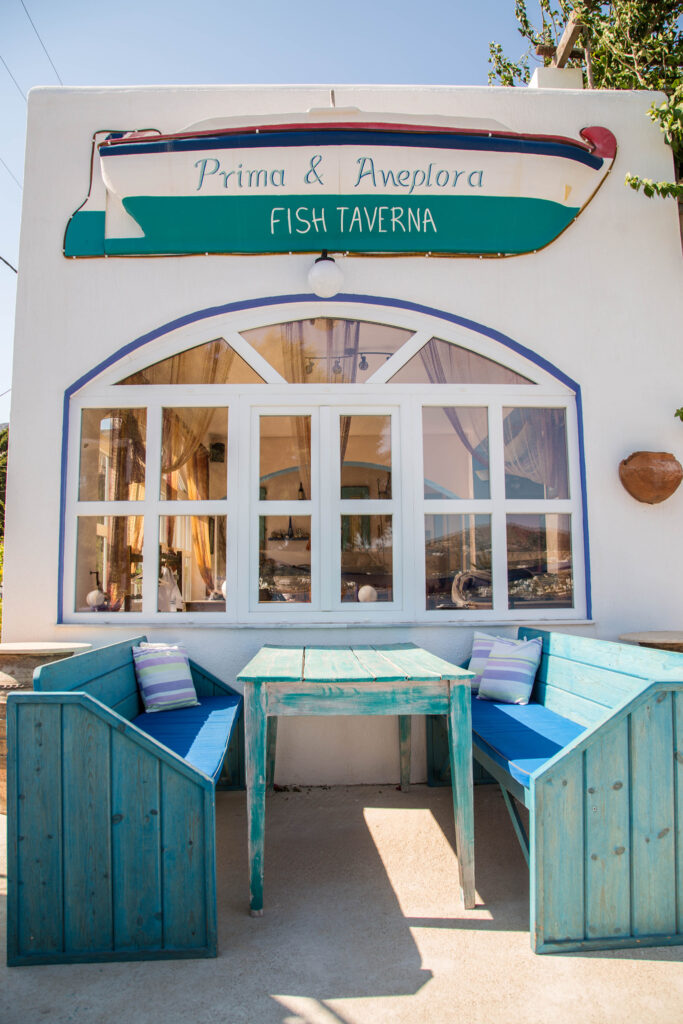
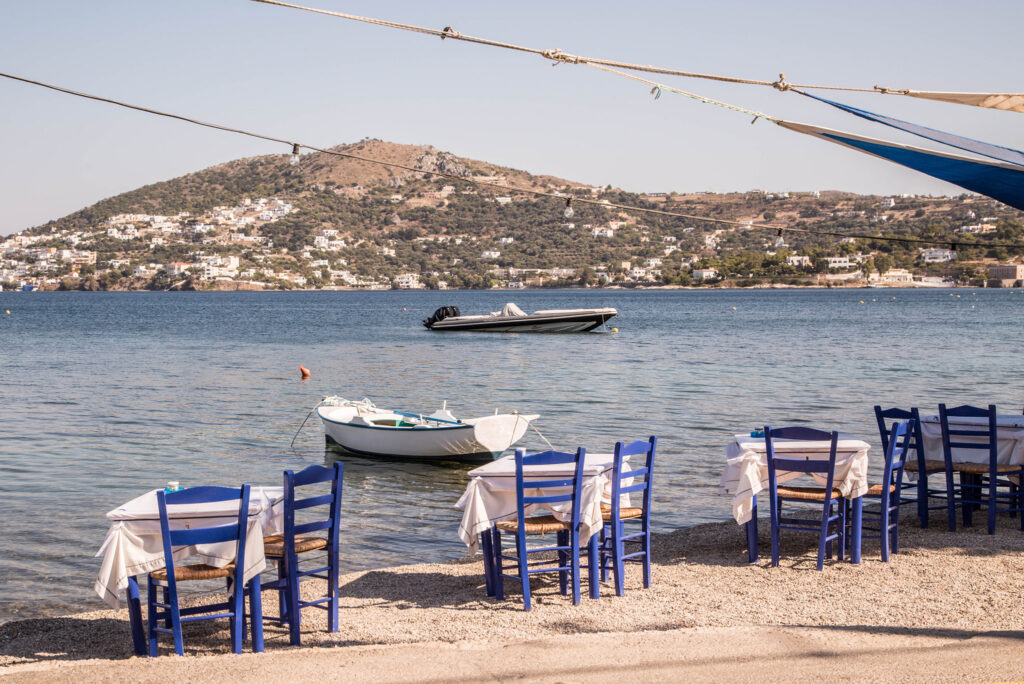
Sit with your feet in the sand at a table a mere metre away from the Aegean Sea- enjoying simple and fresh seafood dishes and a glass of homemade wine, at this lovely family-run taverna on Leros island.
Whether you are looking for a place to enjoy some mezedes and a cold beer after a long swim at the beach, or a casual dining venue to sample some delicious lobster spaghetti under the stars – “Prima & Aneplora” in Alinda village is the perfect spot.
This unique taverna is right on the water’s edge at the far end of Alinda village. Offering a predominantly seafood menu, there’s also a wide range of meat and vegetarian options for those that aren’t big on fish.
Antonis, the charming owner is a wonderful host and cook, who enjoys giving recommendations to his guests- especially when it comes to revealing the specials of the day, which are always a good option!
From delicious shrimp saganaki and grilled swordfish to soft kolokithokeftedes (zucchini fritters) and fresh horta (wild greens) drizzled with olive oil and lemon- the simple yet authentic dishes are all made from local produce.
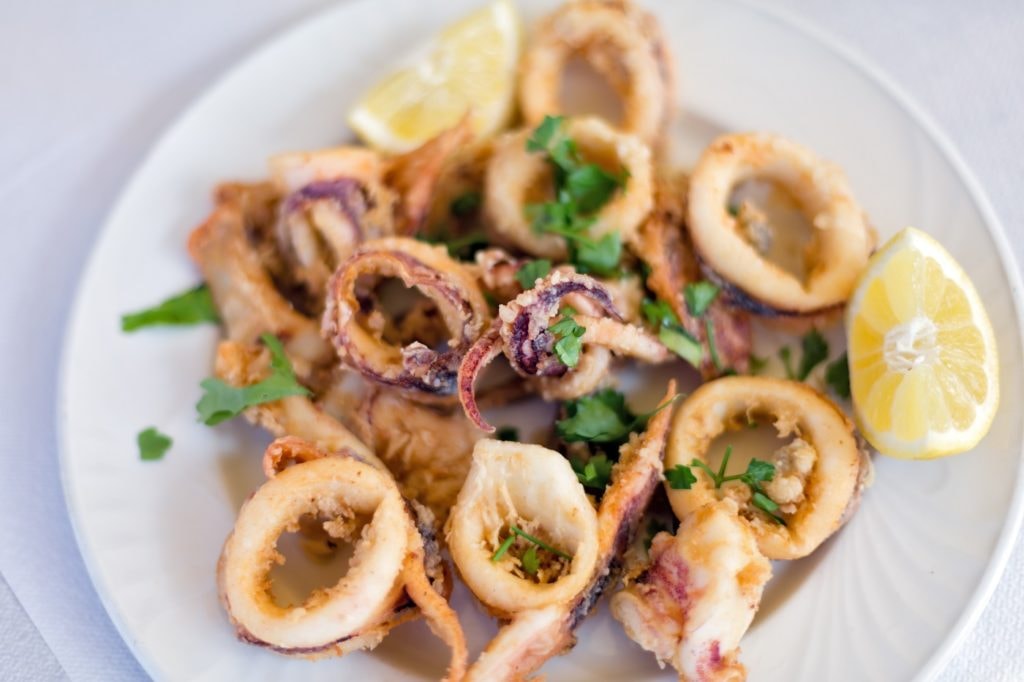
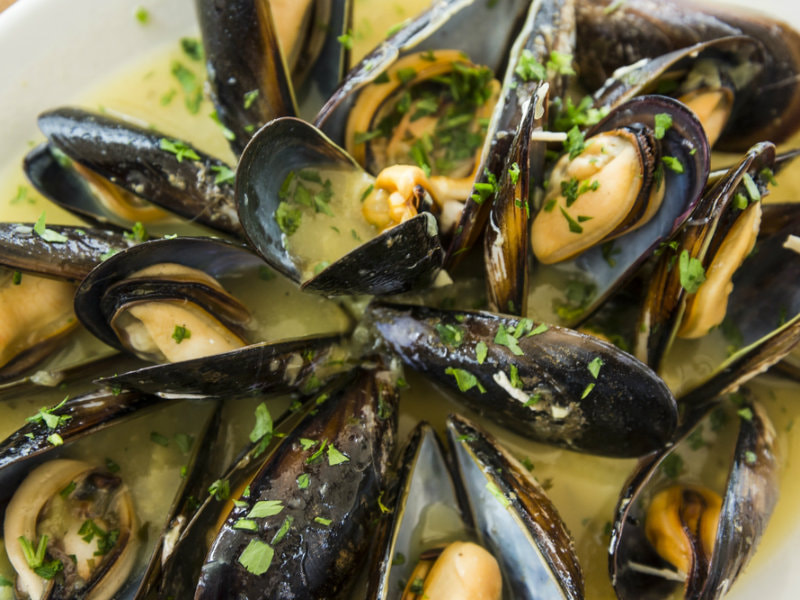
If you do like your seafood (as we do) we recommend the octopus, shrimp, mussels and calamari, which pair perfectly with a side of fava (yellow split peas puree), tiganites patates (homemade fries) and a traditional Greek salad.
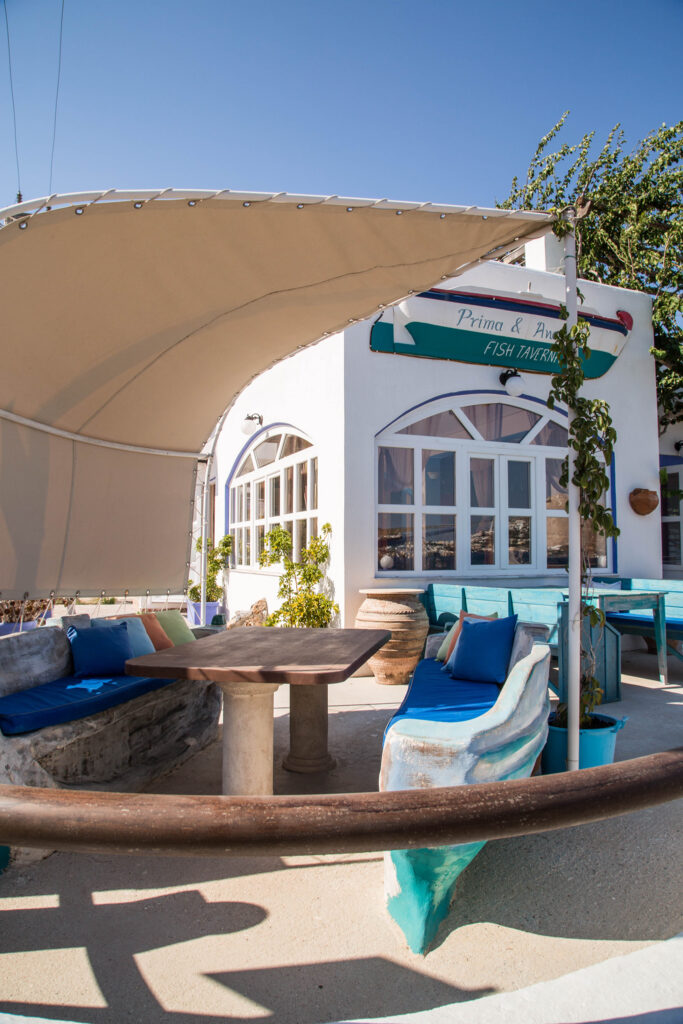
And if you plan on getting there in the evening, we suggest bringing a cardigan as it can get a little breezy, otherwise, you can also choose to eat on the terrace, which is also a nice option as the beautiful bay and castle are still in full view!
Offering a unique and laid-back atmosphere, at “Prima & Aleproma” you will experience delicious Greek island cuisine while relaxing and soaking up Lemnos’ authentic beauty.
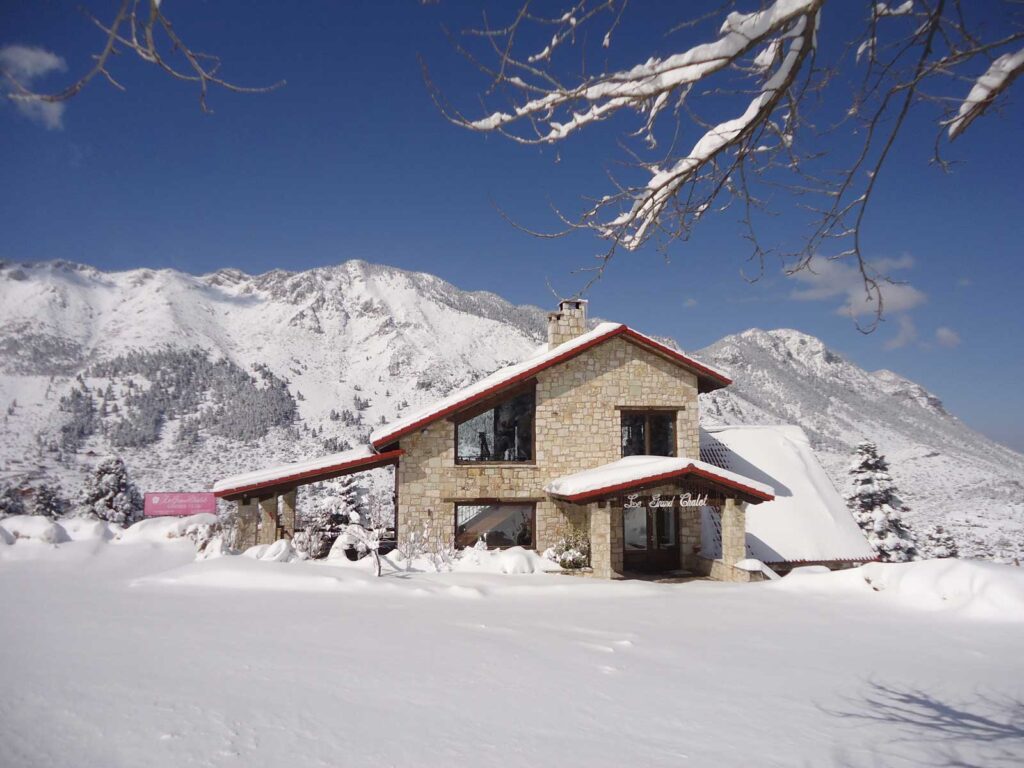
Just 15 minutes from Arachova and only two hours from Athens, Le Grand Chalet is a super cozy all-day lounge bar and restaurant located at the top entrance of charming Agoriani village.
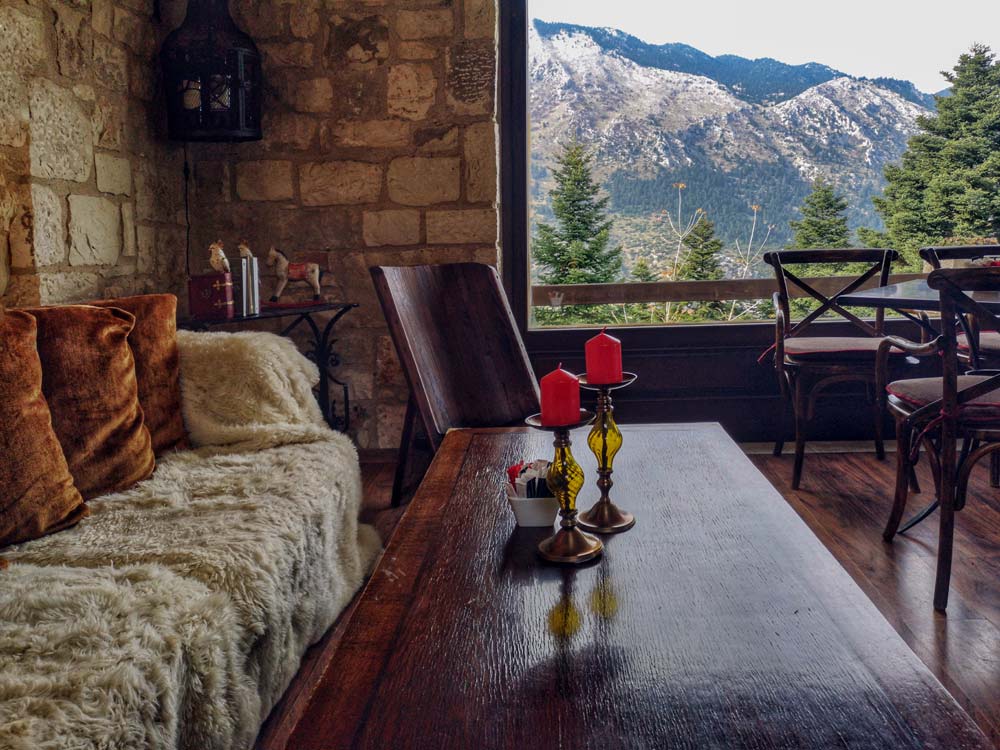
Set inside a three-storey stone and wooden chalet, the large glass windows allow guests to sit back on one of the comfy lounges, as they enjoy uninterrupted mountain views- along with a warm beverage in hand.
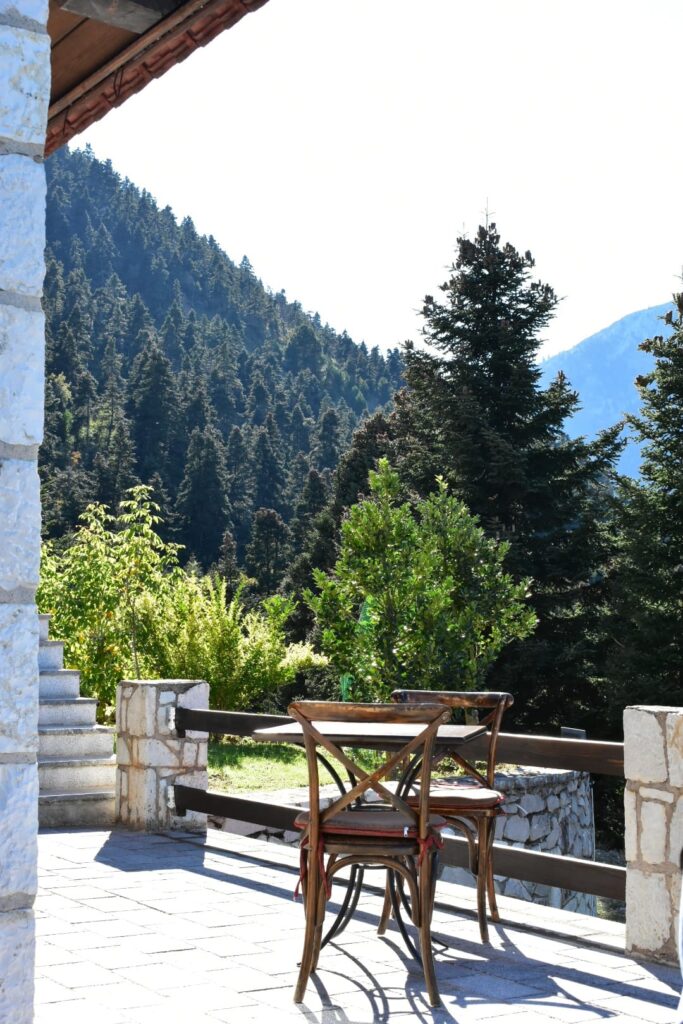
Boasting a cosmopolitan yet elegant atmosphere, here you can smell the fresh alpine air as you are surrounded by lush fir trees and the most breathtaking views of Mount Parnassus.
Located in a prominent position on a hill, you’d be forgiven for thinking you are somewhere in the Swiss Alps, as Le Grand Chalet is only metres away from the snowy peaks of Parnassus and the plain of Boeotian Kifissos. And its close proximity to popular winter destination Arachova makes it one of the busiest spots over the cooler months, as it offers a gorgeous setting to enjoy brunch, lunch, dinner, or drinks.
From coffee and hot chocolate to unique beverages created to warm you up; we suggest you try the homemade ginger liqueur, Parnassus tea, honey and lemon, or the Metaxa (Greek brandy) and honey- there’s also a deluxe cellar with a great range of local wines to choose from.
If you are after something to eat, the menu includes light options such as club sandwiches, burgers and traditional pites (pies)- through to main meals at the à la carte restaurant downstairs- where you are able to taste creative Greek dishes made from fresh and local produce.
The desserts here are also amazing- we recommend the chocolate fondue and the homemade loukoumades (Greek honey puffs) which melt in your mouth! And let’s not forget the cocktail list, which is designed to turn up the heat! Featuring Greek spirits such as Rakomelo and Tsipouro- these drinks aren’t for the faint-hearted but they’ll surely warm you up from top to toe!
From mouthwatering seafood and aromatic mountain herbs to exquisite handmade cheeses, fine cured meats and earthy organic wines, the island of Tinos has a thriving food scene that is waiting to be discovered.
Tinos, the third-largest Cycladic island is gifted with impeccable beauty and over the last few years, its proud locals have turned their attention to inviting visitors to sample their fresh produce and culinary delights. From dairy producers and beekeepers to winemakers and agro-farmers- Tinians are creating a foodie island paradise that includes fabulous culinary festivals that shouldn’t be missed!
So, if you’re heading to Tinos…here’s all you need to know about where you should eat and drink!
Best Places to Eat in Tinos
Thama is one of Tinos’ best restaurants
Agnanti Taverna: For traditional and simple (but mouthwatering) Greek food head to the village of Ktikados where you will find local Giannis Charikiopoulos serving authentic dishes that are loved by locals. (A: Exomvourgo, Ktikados)
Thama Tinos: is the modern restaurant of chef Dimitris Katrivezis, who blends the diversity of Tinos’ ingredients with his travels to create a menu mixed between traditional and innovative. (A: Stavrou Kionion Av.)
Itan Ena Mikro Karavi: named after the well-known Greek nursery rhyme, this restaurant with a beautiful internal courtyard with vines and bougainvillea (in the place of the old outdoor cinema), serves delicious modern cuisine. (A: Trion Ierarchon, Tinos Old Port)
Krok Monsieur: Set at Krokos House, here you’ll feel like you are in the courtyard of your own home, as you enjoy international dishes adapted to Greek-Tinian cuisine. It’s the perfect spot for breakfast or brunch. (A: Krokos)
Marathia: Right on the beach of Agios Fokas, this seaside restaurant serves local traditional dishes with a contemporary, creative twist. Tip: order the fish of the day. (A: Ir. Politechniou, Agios Fokos)
Spoilt for choice in Tinos | Image by Polina Paraskevopoulou
Triantaraki: is a traditional Greek kafenio, with colourful decor in a charming alleyway of Triantaros village. It offers coffee, breakfast, desserts, local drinks, mezedes and other delicious Greek assortments, a variety of Greek craft beers, and Greek wine labels. (A: Triantaros)
Pranzo: a romantic Italian restaurant that offers a selected list of excellent wines, situated by the sea, at the old port of Tinos. (A: Port Road)
Thalassaki: in the tiny port of Ormos Isternia, talented chef Antonia Zarpa has created a range of incredible Greek dishes using her innovative flair. Tip: the seafood dishes are incredible! (A: Ysternia Bay, Tinos)
Tarsanas: on the edge of the Chora coast, Antonis Gion has created a versatile menu for those who love fresh fish but don’t say no to the meat either. (A: Kazanova 5)
Agkyra: for those who love fresh fish. You can “throw anchor” in the square of Pallada. (A: Kyprion Ethnomartyron Square)
To Kentrikon: a coffee-pastry shop in Pyrgos. Taste the famous galaktoboureko (Greece’s famous custard-filled pastry). (A: Pyrgos)
Bianco Beach Restaurant | Image by Polina Paraskevopoulou
Gia.Lou: for mezedes using local products and a hit of raki (Greek spirit). (A: Frangkiskou Paximadi 14)
Antilalos: a café-bookstore in one of the most popular alleys of Chora, head here for an amazing vegan breakfast. Inside you will find a rich collection of old books. (A: Afentouli & Paksamadi)
Platanos: for traditional gourmet delights in a space that reflects all aromas of Tinos, in the square of Pyrgos. Try watermelon with feta cheese, shrimp with fried cheese, and certainly galaktomboureko. (A: Pyrgos)
Sta Fys’Aera: Located on the mountain village of Aetofolia, this is a local favourite. Great place to order lots of mezedes and share them with your family and friends. (Aetofolia, Tinos)
Bianco Beach Restaurant: set at Vourni beach, it has a lovely ambiance by the beach and sophisticated cuisine. (A: Vourni)
O Megalos Kafenes : one of the oldest traditional cafes in Tinos. Here you’ll find locals sipping on traditional Greek coffee and eating delicious homemade Greek sweets in the very pretty picturesque Platia. (A: Town Square in Pyrgos)
To Thalassaki: Set on the beach at Ormos Isternion, this seafood restaurant (psarotaverna) is a Greek classic – it’s one of the most popular spots on the island during summer, so make sure you book ahead. (A: Ysternia Bay, Tinos)
Teresa’s Grocery Store: For one of the most authentic Tinos food experiences, make your way to Teresa’s food store, which is located in the village of Myrsini. You’ll be warmly greeted by owner Teresa, who handwrites the menu each day- all based on seasonal produce. (A: Myrsini, Tinos)
What to eat in Tinos
Local delicacies of Tinos
Louza: the Greek version of the Italian prosciutto. It’s made of fillet marinated in salt and then red wine, right before being smoked and spiced. After two months of drying, louza in slices.
Tsimpites: sweet cheese pies, stuffed with cheese, eggs, sugar, vanilla, mastic, and cinnamon.
Skordoloukanika: sausages made of pork meat, marinated with garlic and sweet wine for about 4 hours.
Furtalia: an omelet with eggs, cheese, milk, parsley, skordoloukanika or syglina, salt and pepper, fried in pork grease.
Xerotigana: a fried mixture of flour, water, lemon and oil, served with cinnamon, honey and sugar.
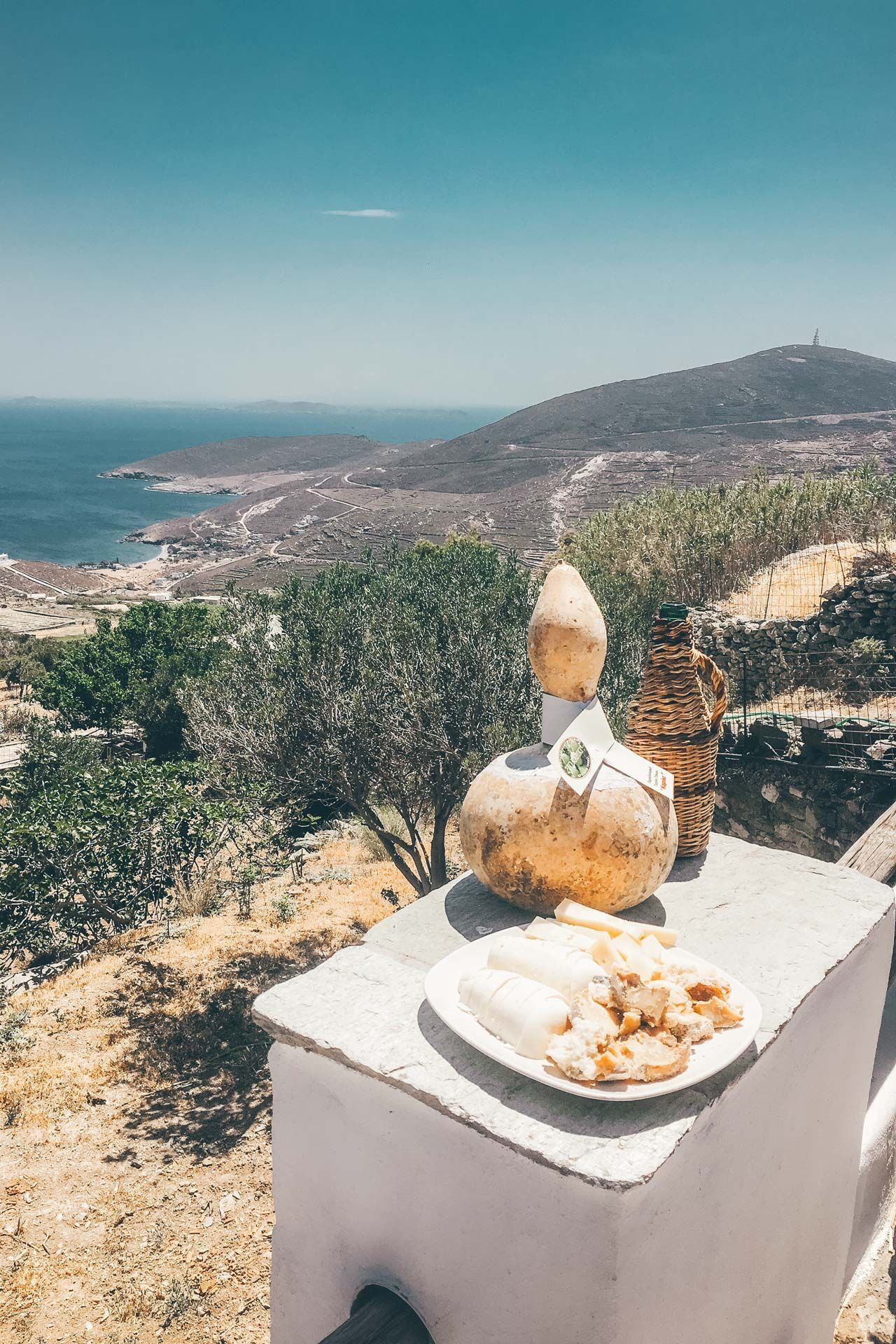
Local Cheeses: Tinos’ cheeses are well-known and exported outside the island. Try Tinos’ Graviera, Volaki, Sklavotyri or Marathouni, Kopanisti, soft cheese with a peppery flavor (a Protected Designation of Origin), Kariki (the blue cheese) and Petroma, and unsalted cheese.
Where to Drink in Tinos
Drinks by the mill | Image by Polina Paraskevopoulou
Koursaros: the oldest bar of Tinos. Since 1987, this historic bar plays rock, jazz, funk, or reggae. (A: Akti Ellis 1)
Three Donkeys: Three friends (aka the three donkeys) left Athens to create a bar in Tinos with a tiki ambiance, amazing cocktails, and uplifting vibes. (A: Taxiarchon 26)
Argonaftis Bar: Dance music by two resident DJs and several guest DJs; plus a lovely terrace overlooking the sea. (A: Taxiarchon 13)
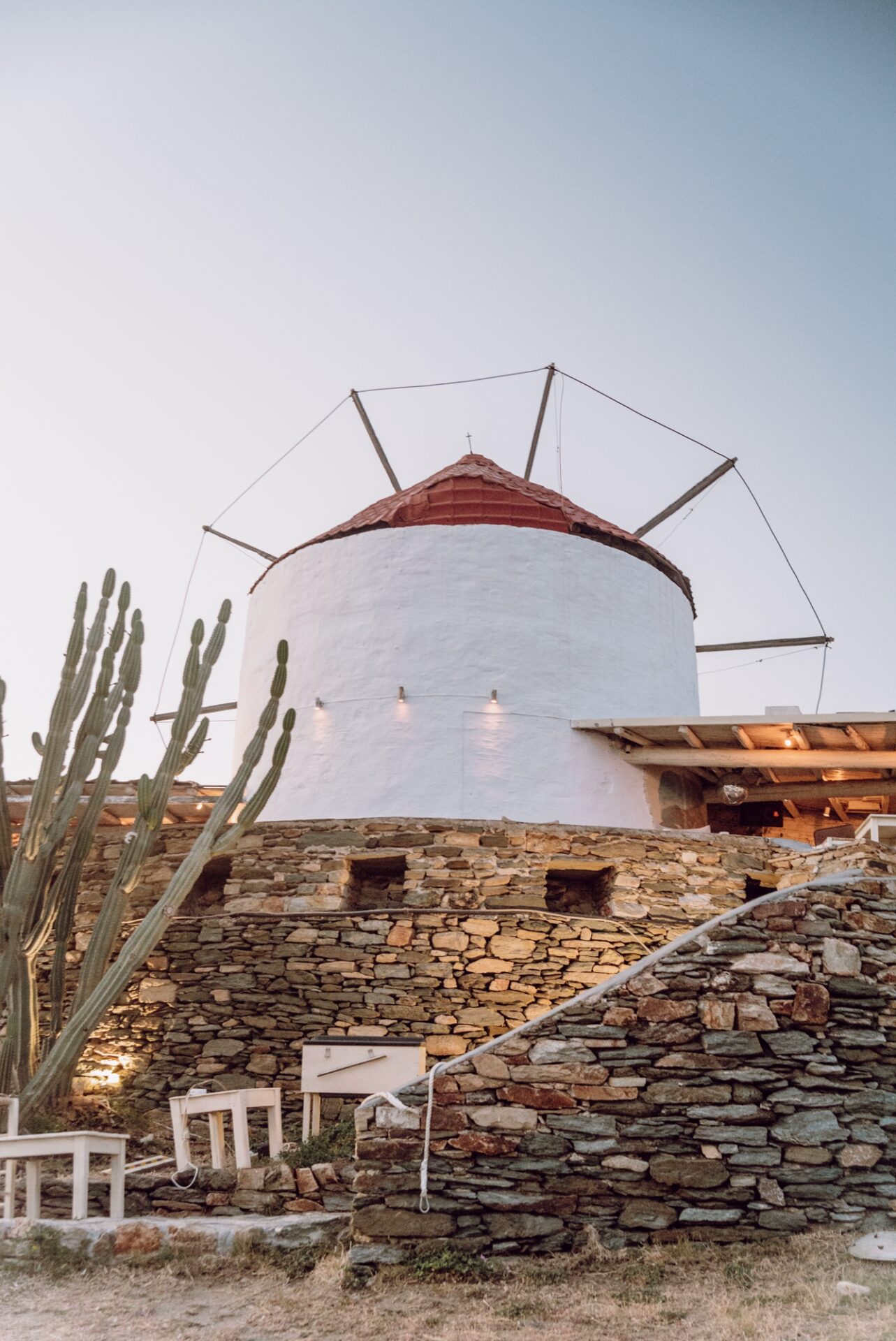
Kaktos Bar: An open-air bar with panoramic views, ideal for sunset lovers. (A: Mills of Tinos)
Prickly Bear: A new bar in Chora for savory cocktails (and breakfast as well). They also sell organic products, handmade sweets in jars, and other delicacies; plus some products of aesthetic care like bamboo toothbrushes. (A: 3 Nikolaou Gyzi)
One of the coolest beach bars in Greece
Tinos Surfing Lessons: this is the most famous beach on the island. The boho paradise for surfers. In fact, it’s a large bay with two beaches, but the highlight is the first one. Here you will find a colourful van serving cocktails and umbrellas like giant mushrooms. The waves are usually huge but it’s a must-visit beach to experience either way, in my opinion (A: Kolymbithra beach)
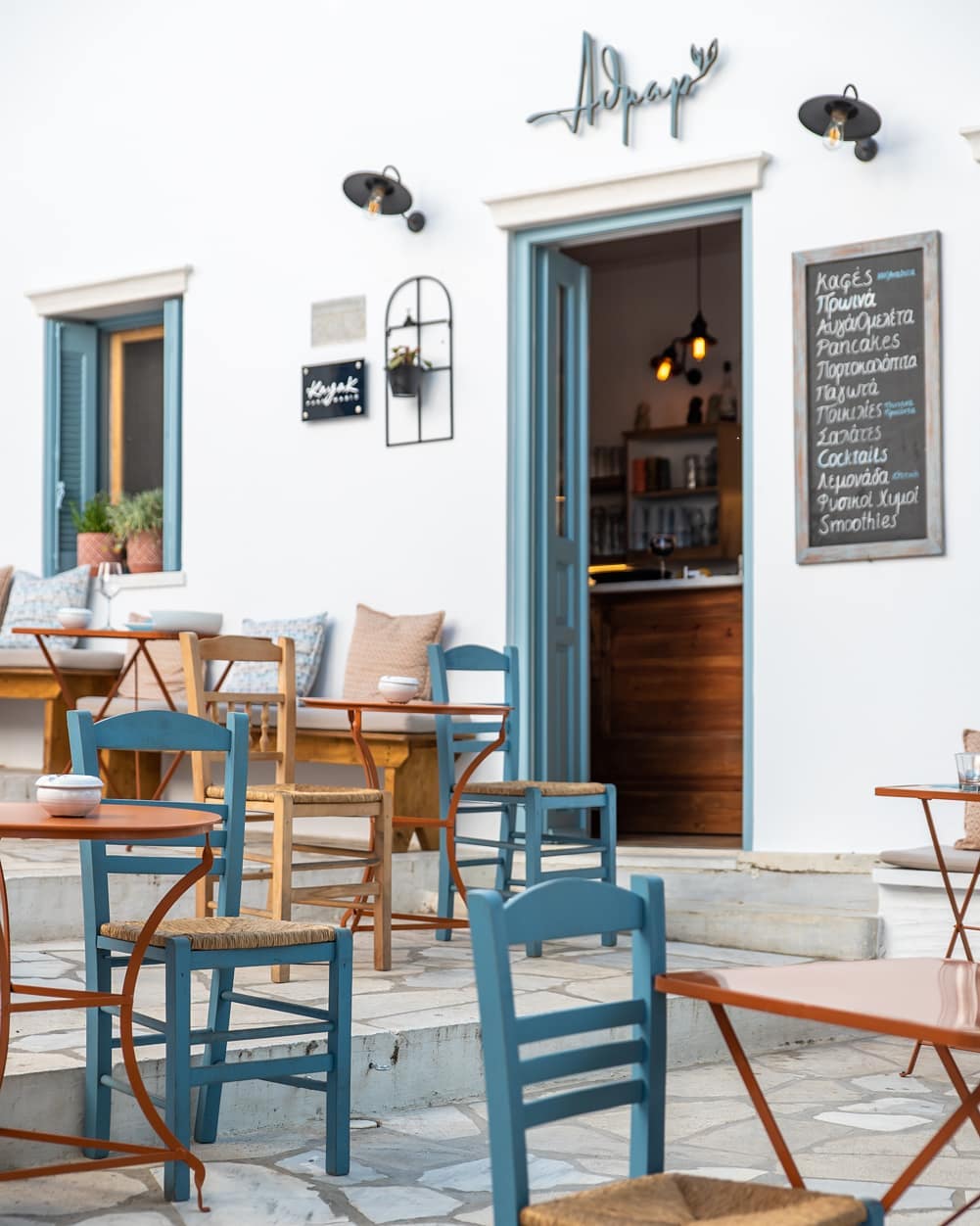
Athmar Tinos: A name inspired by its place, as Tinos is an island filled with aromatic herbs- including thyme- this beautiful cafe is located in the heart of the square in the village of Platanos. What we love is the traditional feel mixed with modern elements, creating a fresh yet authentic vibe. (A: Town Square, Platanos)
Athmar in the town square
Luma: This all-day bar is the perfect place to grab a drink from morning (champagne breakfast anyone?) till night. Serving delicious cocktails and a range of local wines- the bar menu is also great. (A: Agios Ioannis, Porto)
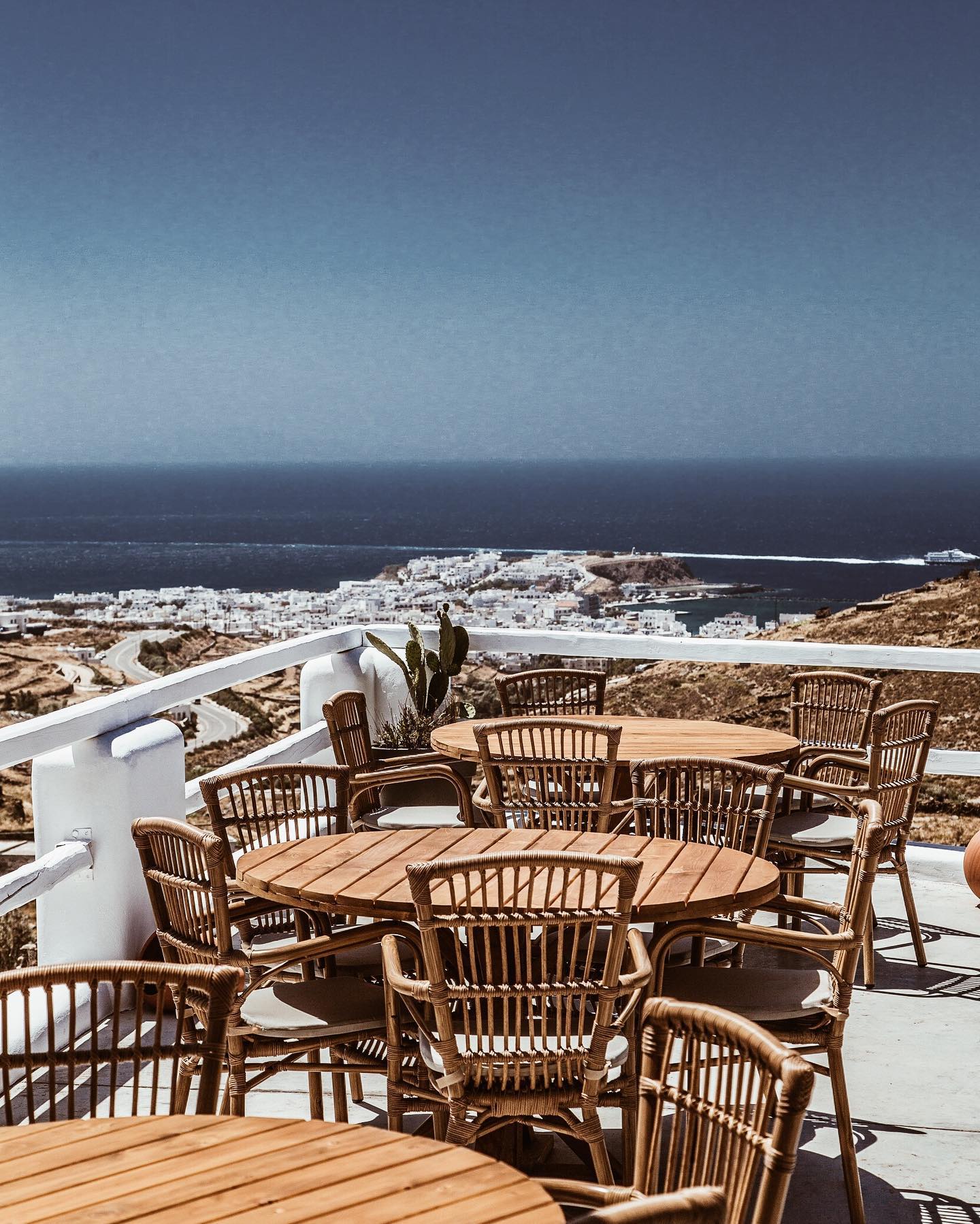
Omma: One of the newest entries to the island’s bar scene- and located just a few kilometres from Tinos Chora- Omma serves delicious cocktails and offers breathtaking views! The impressive drinks menu is based on local ingredients and it’s the perfect place to go during sunset for a casual dinner and some amazing drinks. Tip: try one of the local drops from the impressive Tinian wine list. (A: Leof. Tripotamou)
Wineries to Visit in Tinos
Omma offers an impressive local wine list
Domaine de Kalathas: Frenchman Jerome Charles Binda, a former designer and antique dealer from Paris fell in love with the Cyclades and settled with his family on the island of Tinos in 2011, where he began focusing on the extraordinary potential he sensed in the Tinian heritage grapes. There are no chemicals in the vine, no chemicals in the cellar, fermentations are spontaneous, and there are no added sulfites. Most of these vines are more than 150 years old, from varieties including native Aspro and Mavro Potamisi, Koumariano, G’durra (Kondoura or Tinian Mandilaria), and Rozaki. (A: Exomvourgo)
Volacus Wines: The organic vineyards of Volacus Wine are located around 14km from Tinos town. In the small yard at the front of the vineyard, under the shadow of a plane tree, there is always a table set with local delicacies and wine, waiting for visitors to taste. The vineyard is open for wine tasting from 1st of June until 10th of September, Wednesday to Sunday and the wines of Volacus are available in selected wine stores and restaurants. (A: Falatados Village)
Ballis Winery Tinos: Explore this historic place in Arnados, where you get a guided tour in a 670-year-old traditional winery. Walkthrough the maze-like set of tunnels while the family owners get to share with you details about the cellar’s history and vinification process; before they continue the discussion on the cellar’s terrace with a glass of wine while visitors enjoy the overwhelming view. Ballis is also a bakery that offers a fabulous dining experience; the dinner is accompanied by Ballis wine, bakery products and local varieties of cheese, herbs, and cold cuts. (Arnados, Tinos)
Wine tasting at Ballis
Vaptistis Winery: Using only indigenous Greek grape varieties that adapt perfectly to the island’s terroir, Vaptistis offers a range of reds, roses and sweet wines that can all be tested before you choose one which you prefer. (To book a private tour call +30 2283 042155)
T-OINOS Winery & Vineyards: Wine tasting here is a sensory experience, where intimate guided tastings are enhanced by the striking terroir and the captivating energy of the place. The boutique cellar door offers visitors a range of privately hosted tours and tastings. Prior bookings are required so make sure you call before you arrive. (Exomvourgo, Tinos)
Tinos Food Paths Festival
Tinos Food Paths is a wonderful culinary festival that promotes local products and traditional recipes of the island. With several festivals taking place throughout the year (celebrating the finest Tinos has to offer) the main event takes place in May each year. Here you can watch chefs from all over Greece preparing unique dishes using some of Tinos’ most famous ingredients, including artichokes, potatoes, louza, honey, just to name a few. Organised by locals and ex-pats, this amazing food festival not only celebrates Tinian delicacies and dishes but also allows visitors to experience authentic traditions, culture, and the real lifestyle of locals.
Melomakarona and Kourabiedes are by far the most popular Greek sweets during the Festive Season and no Greek Christmas dessert table is complete without either.
Here are our traditional family recipes for both Melomakarona and Kourabiedes for you and your loved ones to enjoy.
Happy Baking!
Kourabiedes Recipe
Ingredients
Greece’s favourite Christmas sweets
– 500 x grams unsalted butter – 1 x kilo self-raising flour – 200 x grams caster sugar – 2 x egg yolks and 1 egg white – 1 x cup olive oil – 3/4 x cup of Ouzo – 200 x grams chopped almonds – 1 x teaspoon baking powder – 3 x cups confectionary sugar for dusting
Method
-Spread chopped almonds on baking paper and place on a baking tray. Toast in the oven for about 10 minutes in a 150 degrees celsius oven or till lightly browned. – Add butter to a small saucepan and melt over low heat. – In a large bowl add melted butter with caster sugar and use mixmaster to mix until light and fluffy. Gradually add 1/2 cup of ouzo, olive oil, egg white, yolks and toasted almonds and mix all together for about 5 minutes on high speed. – In another bowl, combine flour and baking powder. Slowly add flour mixture to butter mixture and blend until smooth. – Roll about 2 tablespoons of dough into small balls and then start forming them into a crescent shape. – Line baking trays with baking paper and place the biscuits on paper. Bake in a 180 degrees celsius oven for about 20 minutes. – Allow biscuits to cool for about 5 minutes and then lightly drizzle some Ouzo on top of them. – Place wax paper on your working bench and then sift 1 and 1/2 cups of confectionary sugar over the paper. Transfer the biscuits onto paper and then sift the remaining confectionary sugar on top. – Allow to stand until completely cool and then store in an airtight container.
Melomakarona Recipe
Ingredients
-2 x cups olive oil
-1 x cup sugar
-1 x cup fresh orange juice
-zest of 1 orange
-1 x tablespoon vanilla sugar
-4 x tablespoons Cognac
-1 x teaspoon baking powder
-1 x teaspoon baking soda
-2 x tablespoons ground cinnamon
-1 x tablespoon ground cloves
-1 x kilos self-raising flour
-150 grams fine semolina
-chopped walnuts for garnishing
For the syrup
-3 x cups sugar
-1 x cup honey
-2.5 x cups water
-1 x cinnamon stick
Method
– In a large bowl add sugar and oil and whisk for about 7 minutes. – In a small bowl add orange juice, Cognac, baking soda, baking powder and mix well. – Pour the juice into sugar mixture and also add orange zest, cloves, cinnamon, vanilla sugar and semolina and whisk till well combined – Slowly add in flour and mix together. – Knead the dough with your hands until the dough is soft and smooth. – Begin making melomakarona into oblong shapes and place each piece on baking paper-lined trays. – Place in 180 degrees celsius (preheated) oven and bake for 20 minutes, or until melomakarona are golden brown. – In the meantime to make the syrup add all ingredients into a saucepan and boil for 6 minutes. – When melomakarona come out of the oven, place them in cooled syrup flipping them with a slotted spoon to absorb the syrup. – Place cookies on a serving platter and sprinkle with chopped walnuts.
December is the month of the year in which we count down the days. Why is that? Because it’s the month of Christmas celebrations of course, which peaks on New Year’s Eve in anticipation of the turn of the year.
Christmas in Greece, for the most part, equates with family reunions, exchanging presents and wishes, catching up (especially in urban areas) or even introducing for the first time new members to the rest of the family, such as newborn babies! All this jolly reunion culminates around the Christmas and New Year’s Day table.
Planning your Christmas table
Planning the Christmas table usually starts about a week to ten days beforehand. The number of guests will determine the size of the turkey to be picked out, as well as the quantities and variety of ingredients for the appetizers, side plates, desserts and beverages. The main characteristic of planning is abundance. Here, wasted food and the carbon footprint of the Christmas feast are never a consideration. Running out of anything that is served on the table equates to embarrassment for the host.
So let’s take a look at a Christmas menu and Greek wine list that features traditional festive season recipes.
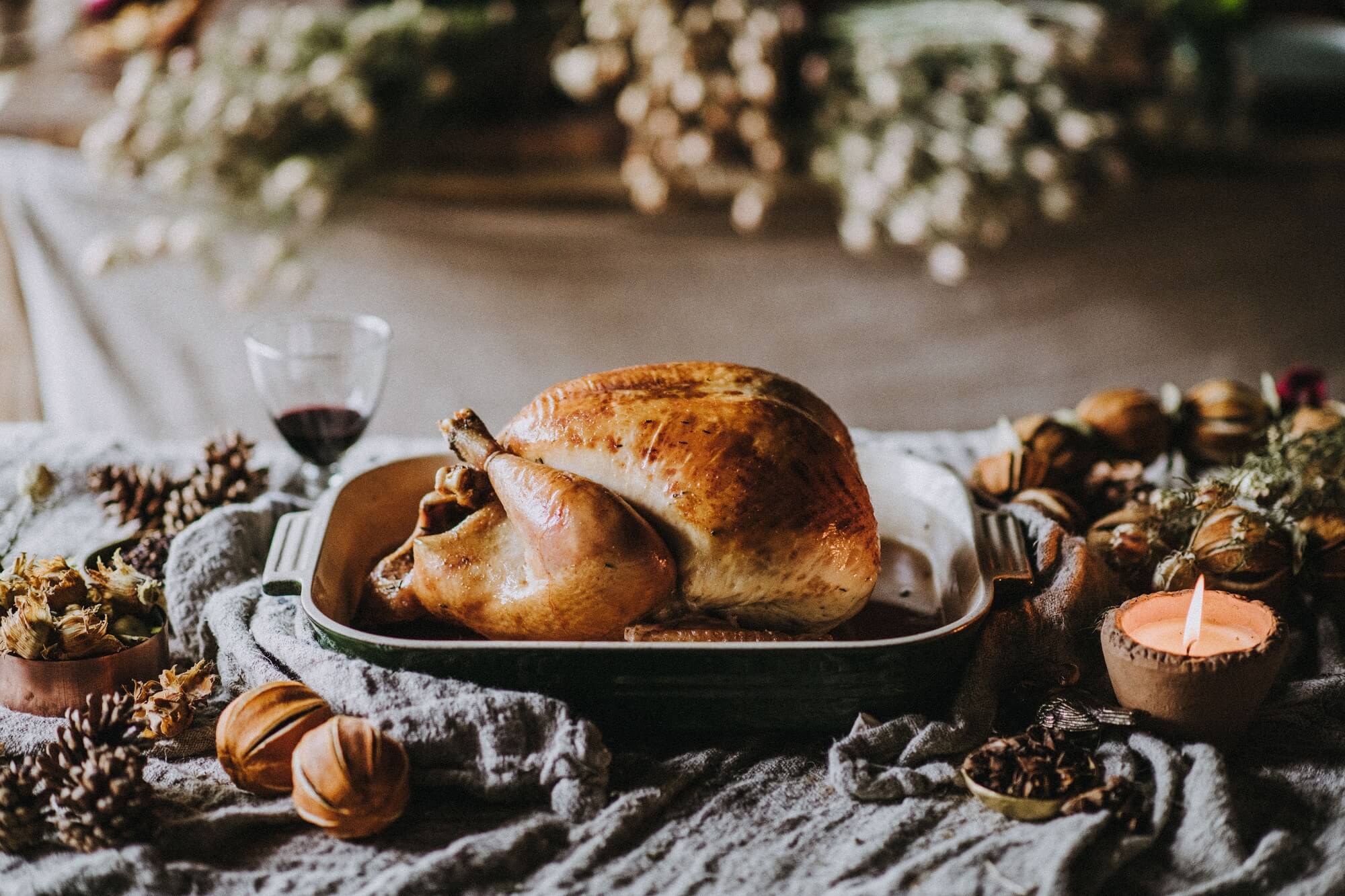
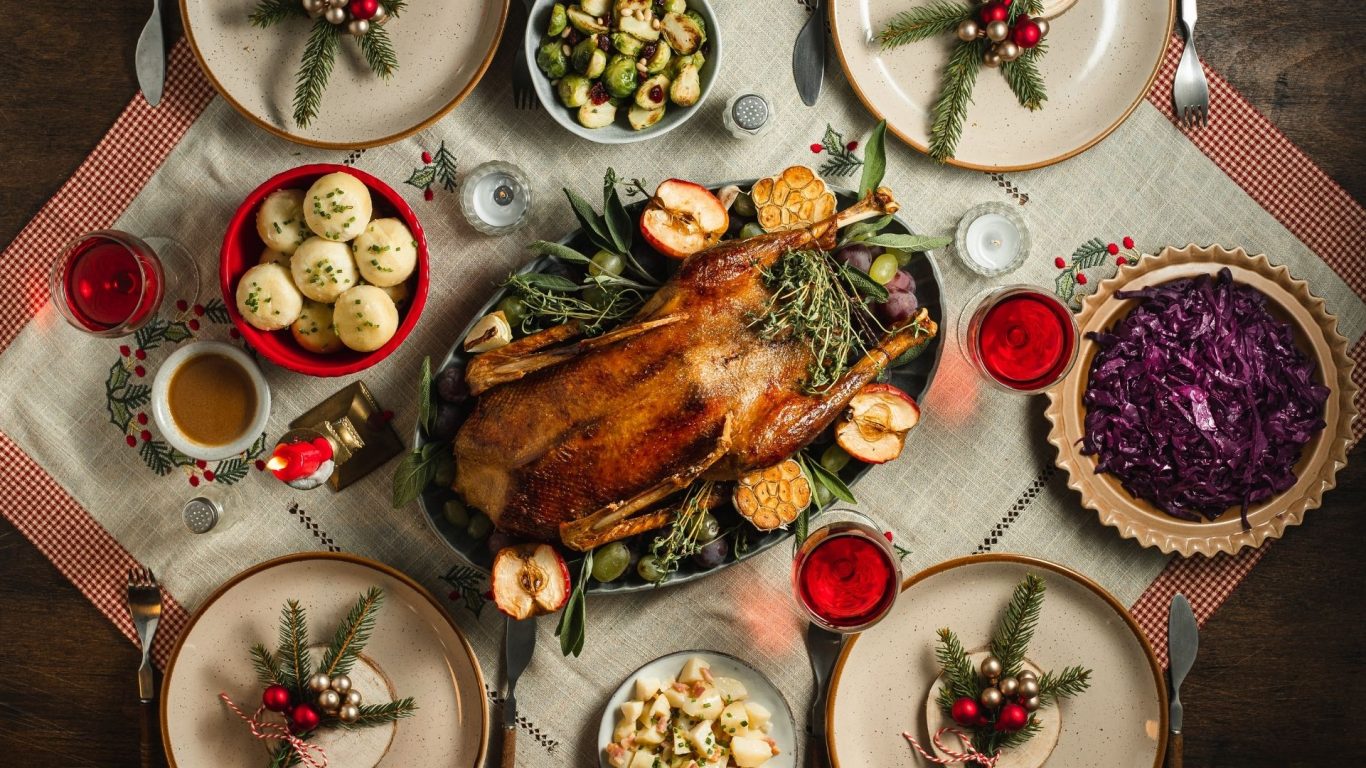
Usually, at the Christmas table, the meat of choice in Greece for the past few decades has been turkey. If the turkey is to be considered the queen of the Christmas table then of course wine should be the king. That is why the choice of wine is not to be treated lightly. Great care should be taken so that the wine chosen would not overrun the turkey’s taste, nor its flavor neutralized by it and that of the turkey’s filling. Each turkey matches a different wine, depending on the way we will prepare it and the filling we will use.
The classic grilled turkey can easily stand next to a fruity and light wine from the Nemean variety of Agiorgitiko or rosé of Agiorgitiko. If you are a friend of white wines then a barrel-fermented chardonnay will match wonderfully with the roasted turkey and will reward your taste glands.
An Agiorgitiko wine with a strong aroma of red fruits, nuts, and sweet spices is the Driopi Classic of Tselepos Estate. A very tasty wine!
Traditional turkey dinner
If a rosé wine would be our choice to accompany our roasted turkey, this could not be anything other than the Vissinokipos of The Palyvos Estate. “Vissinokipos” translates to the garden of sour cherries and this is clearly depicted in the intense aromas of sour cherry, cherry, and strawberry. It fills the mouth with a nice sense of acidity and tannins which lasts.
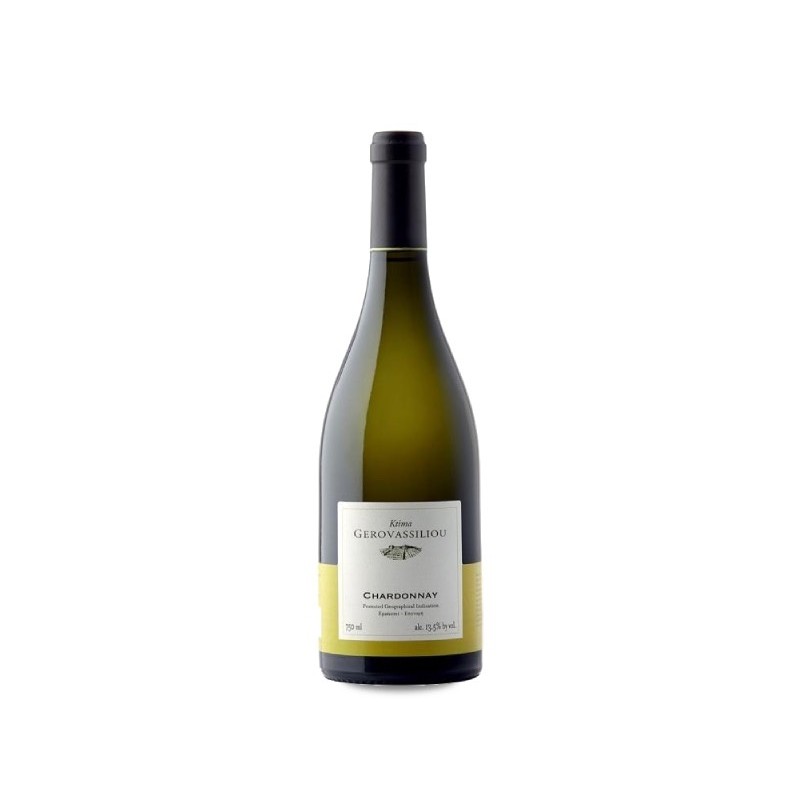
For lovers of white wines, the Chardonnay of Gerovassiliou Estate will reward them generously. With the dominant aromas of cedar and butter as well as those of citrus peel, peach, pineapple, melon and white flowers filling the background, the Chardonnay of Gerovassiliou Estate poses as an excellent choice of white wine for special occasions.
Chardonnay of Geravassiliou
If our turkey’s filling consists of dry fruits and chestnuts, then white and rosé wine should probably be excluded from our choices and we should then opt for a “soft” but at the same time rich red wine. The first that comes to mind is Merlot from Nikolou Winery. A very expressive and charming wine that offers aromas of red fruits, a discreet presence of its barrel and a sense of plenitude in the mouth.
Finally, if the turkey’s filling features minced meat inside, then we should definitely combine our bird with red wine. We would stick to the Peloponnese and specifically in Nemea; to try a very special wine from the local variety of Agiorgitiko. The “Old Vines from Papaioannou Estate” is a wine with a rich structure, it’s plentiful in aromas and taste but at the same time remains very elegant.
Alternatively, if we choose to skip over the traditional turkey for a beef fillet, then a good and safe choice would be the wines from the French variety Syrah with the characteristic aromas of sweet spices and red fruits. Greece has a variety of quality Syrah wines. An ideal wine for this occasion is the “Holy Time” of the Avantis Estate. A blend of 92% Syrah and 8% Viognier, based on the philosophy of the famous Rhone wines. It has a complex aromatic bouquet while in the mouth it is full and elegant. It would be everything you need for the Christmas fillet.
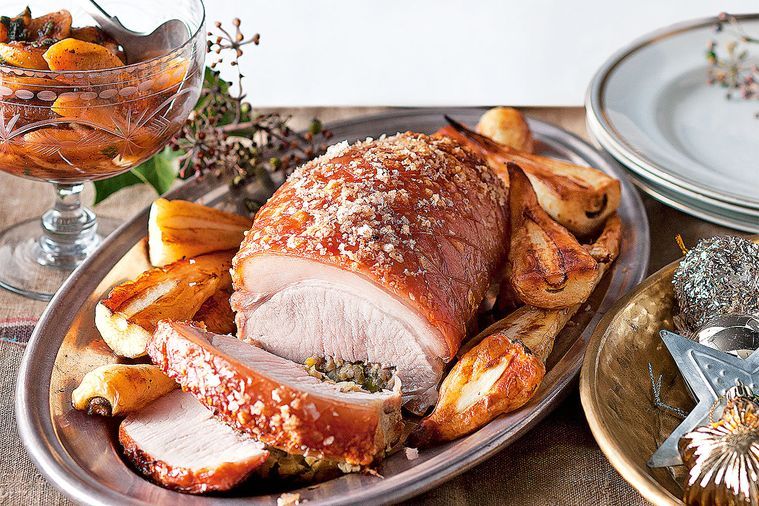
Pork roast for New Year’s Eve
For the New Year’s table, there are more meat options for the main course. Greek tradition favours pork, which ideally matches with a rich Agiorgitiko or Cabernet Sauvignon or a dry Mavrodaphne. In the latter case, we would prefer the dry Mavrodaphne of Parparousis Estate under the label of “TAOS”. It features a unique aroma of herbs and sweet fruits that is imprinted permanently on the nose, while its excellent taste makes it a superb wine.
For those who will opt for the wild version of pork, namely wild boar, then they should look for an intense wine to accompany it with an aged Xinomavro from the area of Naoussa and more specifically, “Diaporos” of the Kir Yianni Estate. A Blend of 87% Xinomavro and 13% Syrah. A rich wine with an excellent structure where red fruits dominate while 13% Syrah offers it a spicy character.
A sweet epilogue…
Sweetness in life arises from various sources. Often so, from things that we cannot touch or even explain. A good thought, a smile, an intimate smell, a pair of eyes and a hug take us to another sweet dimension.
During the holidays, the need and the mood for sweetness become even greater and is expressed through emotions or through flavours and tastes. Setting aside the emotional aspect of sweetness, during the Christmas holidays there will usually be quite a few different kinds of desserts that will satisfy our taste receptors. Nevertheless, the classical stars of Christmas desserts in Greece and of all Greek communities that keep up with their national traditions are “melomakarona” and “kourabiedes”.
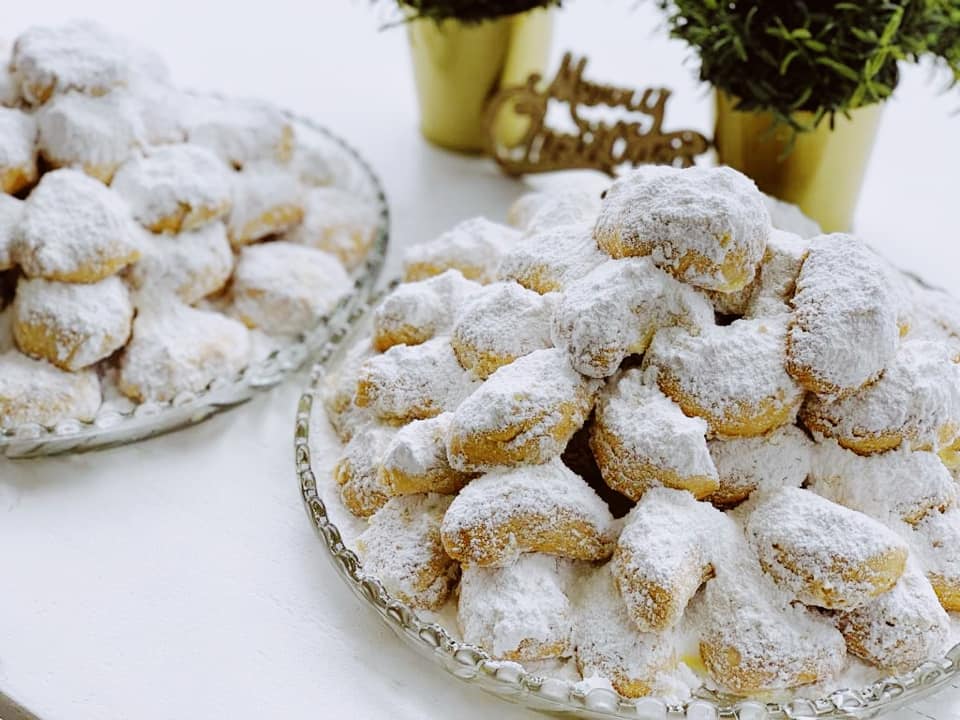
Traditional Kourabiedes
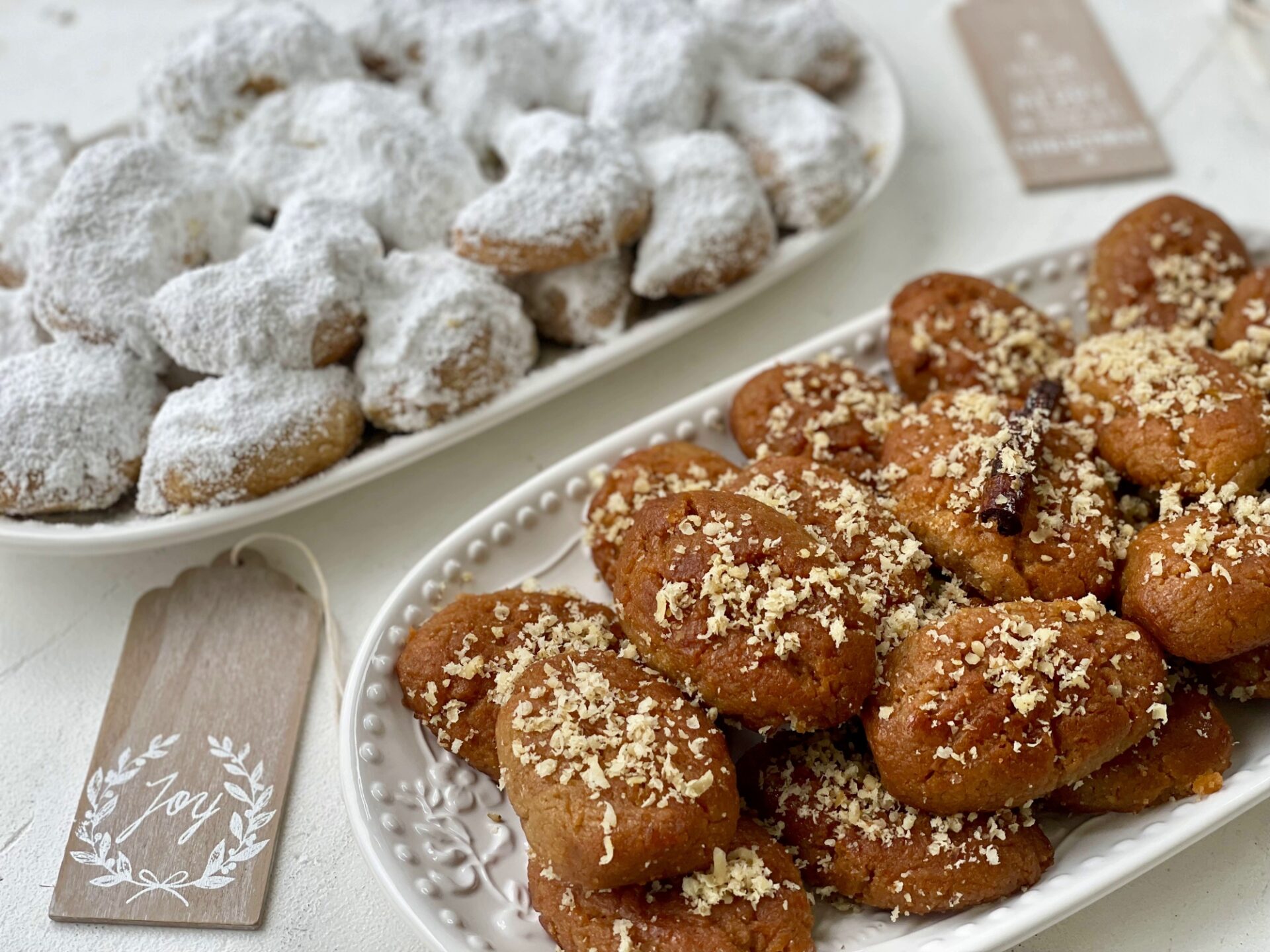
Μelomakarona are biscuits soaked in honey syrup which gives them a distinct chestnut brown colour, sprinkled with walnut crumbs and their taste resembles that of a cookie soaked in thin honey.
Kourabiedes on the other hand are a kind of butter biscuits with a more crunchy, crumbly texture on the tongue which is sprinkled with icing sugar all over.
Both melomakarona and kourabiedes appear in a modest look but if successfully prepared, they feature a more sweet taste than meets the eye.
A good combination with melomakarona would be a sweet Malagouzia and specifically the “Sweet Wishes” from the Pieria Erateini Estate, with aromas of dried fruits and honey. Kourabiedes would require a more elegant sweet wine. Samos Moschato gives away such elegant expressions and we should go for the Samos “Nectar” of the Samos Cooperative.
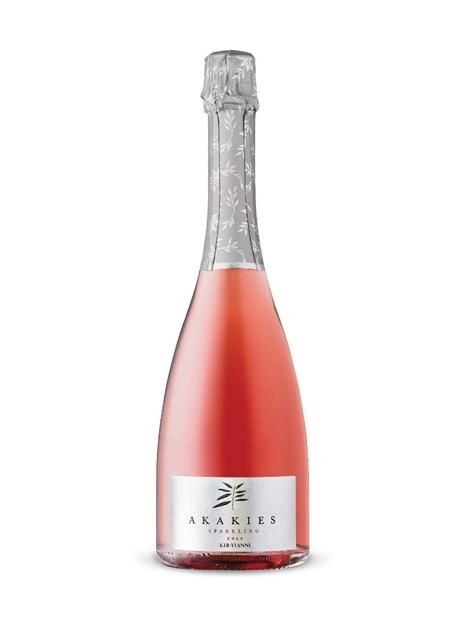
Akakies Sparkling Rose
On New Year’s Eve the Vasilopita cake, a plain traditional cake on steroids of butter, dominates the options for a dessert, leading to a semi-sweet semi-sparkling label. The “Akakies Sparkling Rose” of Kir Yianni Estate with aromas of butter, caramel and cherry will be beautifully combined with the Vasilopita.
Finally, one of the most important Greek sweet wines was awarded multiple times with worldwide recognition and acceptance. The Vinsanto 12 y.o. of Argyros Estate with an impressive look of a dark bronze hue with considerable complexity in its aromas and flavour. The aromas that stand out are those of dried plum and raisins, chocolate, coffee and roasted nuts. It has a rich velvety texture that remains persistent all over the mouth. Its acidity impresses the taster and balances the intensity of the sweetness. It is an elegant, complex and lovely wine. It will match with syrupy sweets, chocolates or chocolate tart, nuts, or even a cigar on New Year’s Eve. Those who desire a more holistic experience, ought to combine it with a plate of intense cheeses.
I hope your holiday table is full of special flavours, love, warmth and memorable wines!
For more wonderful wine explorations, follow George on Instagram @george.winestories
Hippocrates, the father of ancient Greek medicine, whose knowledge was so way ahead of its time that we’re still startled by it today, strongly advocated the use of herbs for their remarkable curative purposes.
Throughout the millennia, Greeks have passed on this know-how from generation to generation and entrepreneurial modern Greeks continue to celebrate this ancient wisdom by successfully marketing delicious and sophisticated blends in Greece and worldwide. Here we offer you a warming mini guide of the best Greek herbal teas and their many health benefits for feel-good winter living.
Dittany (Diktamo)
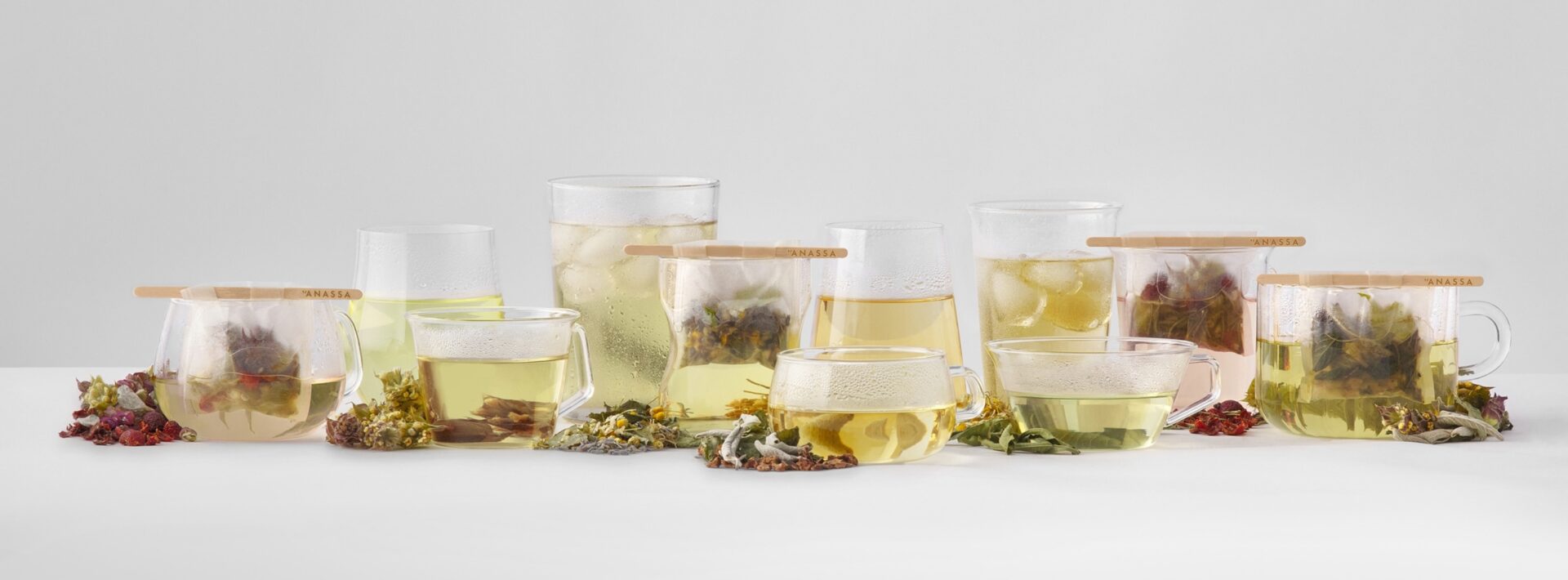
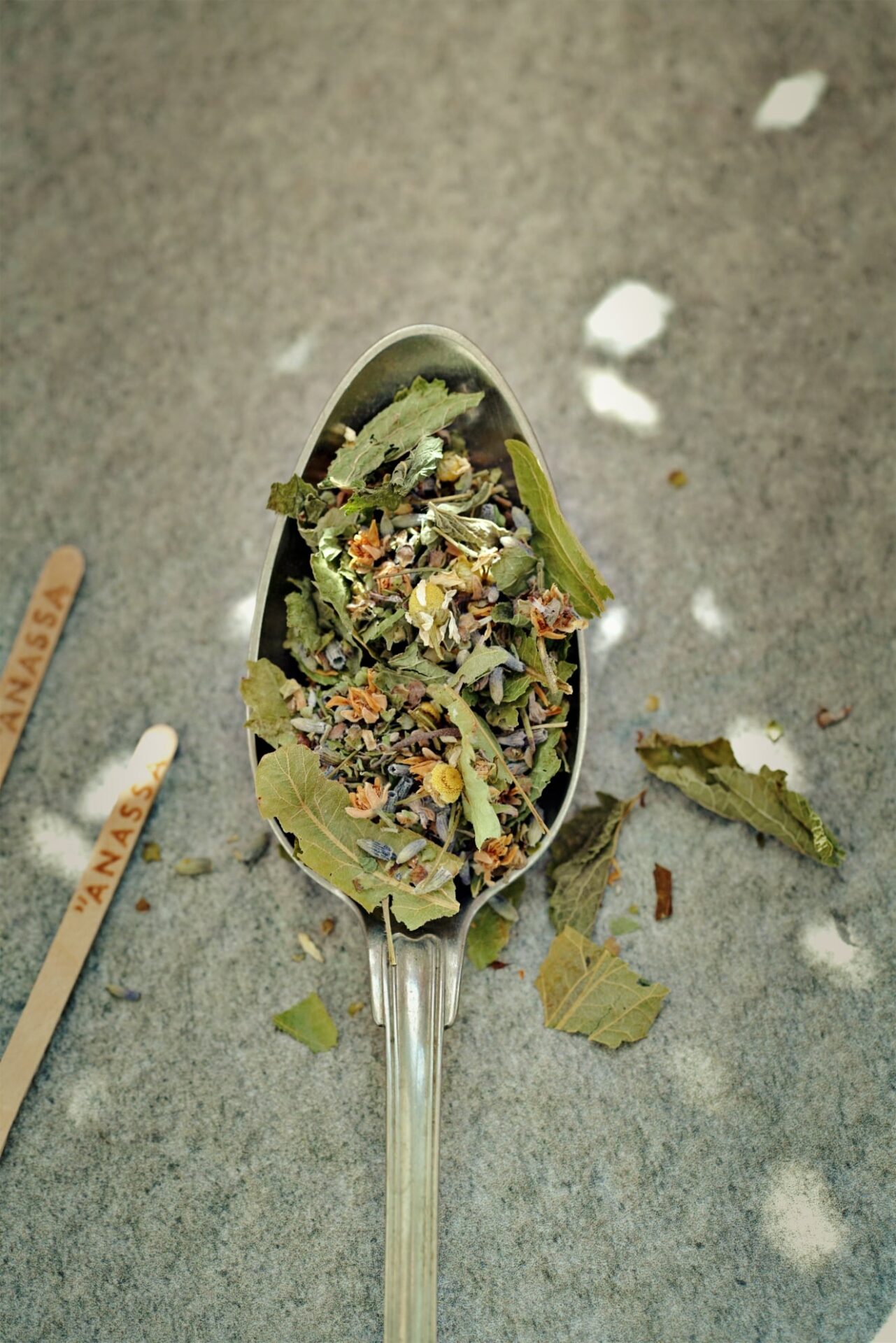
Greek herbal tea by Anassa
Originating from Crete’s Mt Dikti, and also known as eronas, which means ‘youthful love’ because it’s said to have aphrodisiac qualities that make one feel young. Diktamo is a diuretic that’s high in antioxidants, and once boiled or steeped in hot water it releases oils thought to have potent antiseptic and anti-fungal properties. Traditionally, it’s made to relieve headaches, anxiety, indigestion, stomach cramps, bloating and fever. In folk medicine, its more medical uses included giving it to patients suffering from epilepsy, kidney and gall stones, rheumatism, for wound healing (as a tincture) and to bring on menstruation.
Sage (Faskomilo)
Believed to be a herb with holy properties by the ancient Greeks, and used even today to cleanse energy, this pungent tonic tea has powerful anti-microbial and antioxidant properties. Like rosemary, it’s thought to activate focus and memory, while its anti-inflammatory properties are also considered to help boost both mental clarity and physical balance. It is also rich in Vitamin K, which helps the body absorb calcium and thus to strengthen the bones.
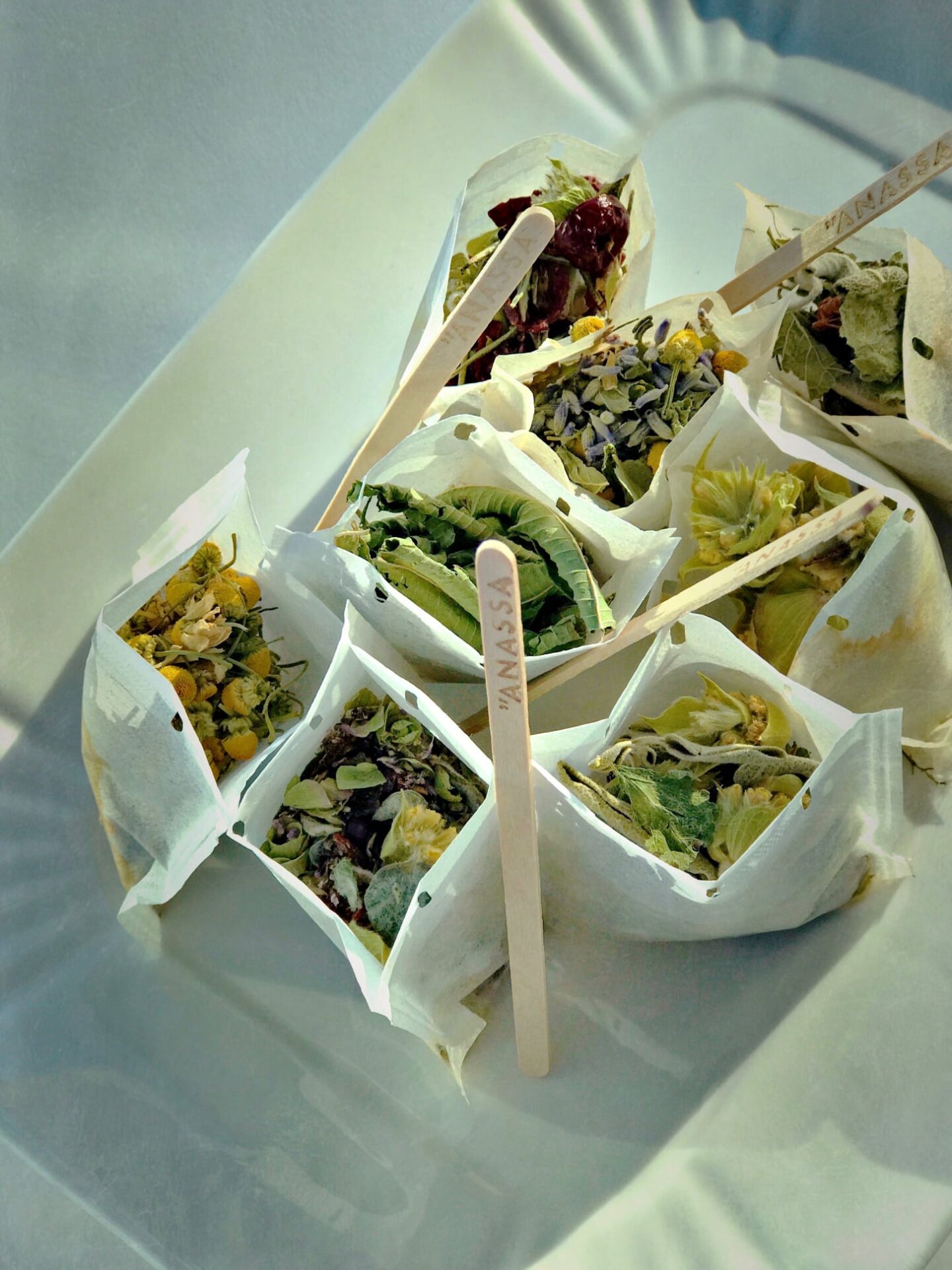
Variety of teas
Lemon Balm (Louisa) With a delicate lemony aroma, Louisa is a soothing and mood-lifting tea that came to the country in the 1700s and has been commonly grown in Greek gardens ever since. Often used alone or blended with chamomile to relieve indigestion, cramps and bloating, the herb is also considered a good friend to women because of its hormone-regulating elements. High in antioxidants, it’s ideal after a long hike (or workout) as it’s thought to help repair strained muscles.
Oregano (Rigani)
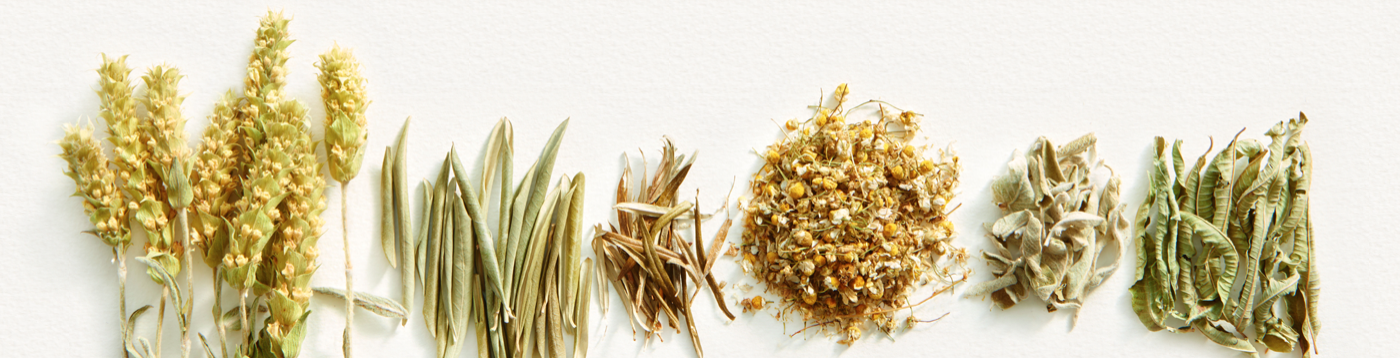
Herbs of Greece
Used by the ancient Greeks to make bridal wreaths because it represented joy, oregano is excellent for treating respiratory congestion when you’re bunged up with a cold because of its strong anti-microbial, antiseptic and anti-fungal properties. It’s also wonderful for winter immunity because of its high levels of vitamin C and iron.
Linden Flowers (Tilio)
With an intoxicatingly sweet and soothing aroma, tilio flowers are thought to offer the human organism a loving hand during times of duress, as they are believed to relieve anxiety, melancholy and a racing mind, reducing blood pressure and quietening the heart. It is also high in phytonutrients, antioxidants and flavonoids, which help counter symptoms of the common cold, soothe sore throats and reduce mucus production.
Chamomile (Hamomili)
With benefits that were lauded since antiquity, hamomili is often referred to as the golden flower because of its cure-all qualities. This is probably because chamomile has been scientifically shown to have components that are anti-inflammatory, anti-irritant, anti-microbial, antioxidant, antibacterial and antiviral! The sweet-smelling little flower tea is most commonly thought to help encourage a good night’s sleep, stomach upsets, anxiety and slight fever, but it is also used to treat an irritated eye or skin (a cotton disc can be soaked in the tea and placed on the face or body).
Klio Greek Mountain Tea
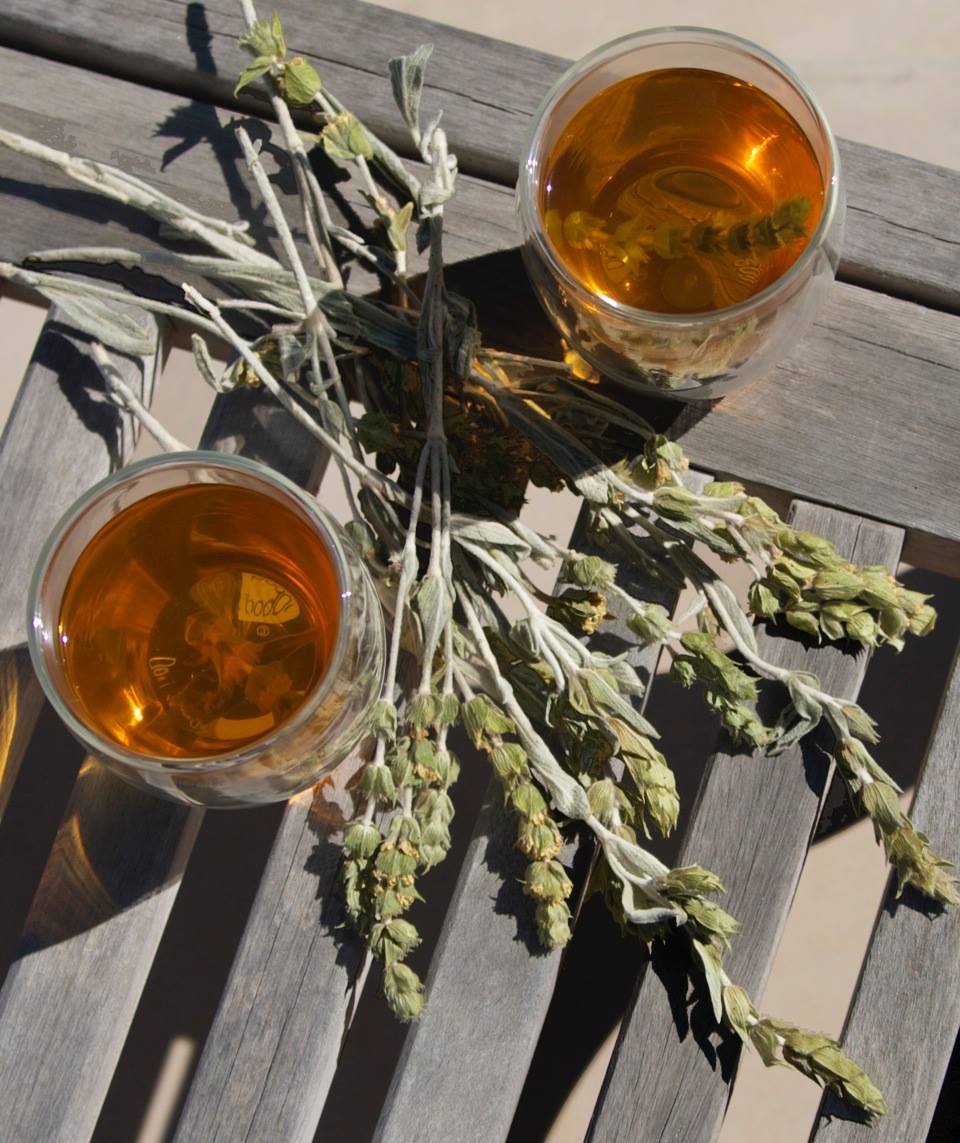
Mountain Tea (Tsai tou Vounou)
Greek Mountain Tea is made using the dried leaves and flowers of Sideritis plants (ironwort). The tea made from Sideritis is credited with easing a wide range of physical ailments and is shown to have as many antioxidants as green tea. It’s also known to boost brain function, especially as prevention and even cure for Alzheimer’s.
Tip: Use any of the above herbs to make your own oil by packing a jar with the leaves or flowers and topping it with olive oil. Place the jar ideally in a spot that gets the sun and leave it for a month, occasionally giving the jar a shake. Then strain the oil and voila! The oil can be used in food, as aromatherapy or to treat skin conditions.
Cabernet Franc Day, celebrated on December 4th each year, is an international wine day dedicated to this particular variety. Cabernet Franc is one of the major black grape varieties grown worldwide and finds itself within the top three (black) grape varieties used in wine production.
Cabernet Franc grapes are mainly grown to be blended with the Cabernet Sauvignon and Merlot in a Bordeaux style and can also be vinified alone.
It’s usually in the shadow of the iconic Cabernet Sauvignon, while many tend to liken it to Sauvignon’s feminine side. It makes a bright pale red wine that contributes finesse and lends a spicy aroma that blends with more robust grapes.
Cabernet Franc is believed to have been cultivated originally in the Libournais region of southwest France sometime during the 17th Century, although recent research shows Spain as the country of origin; and in particular the Pais Vasco region near the border of France.
Cabernet Franc is cultivated in Greece too and is found in single varietal vinifications and blends. Below we check out four prime Greek labels. Two single variety and two blends.
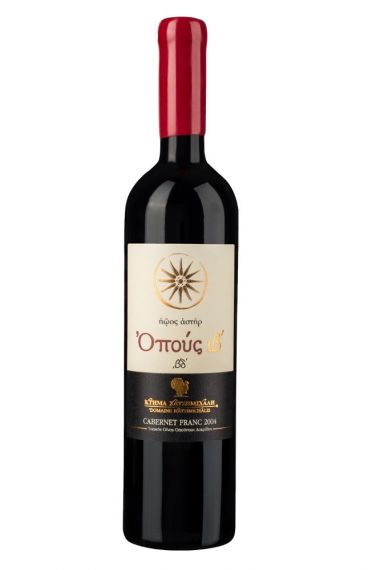
Opus IB | Domaine Hatzimichalis
Opus IB
The ethereal character of Cabernet Franc is clearly reflected in this rare bottling by Hatzimichalis Estate winery in the Valley of Atalanti in central Greece. Many consider the 2004 vintage as the top Greek red label ever released.
Whoever is lucky enough to get his lips on a glass containing this label should make sure to accompany it with a prominent recipe of red meat in order to enjoy a unique gastronomic experience.
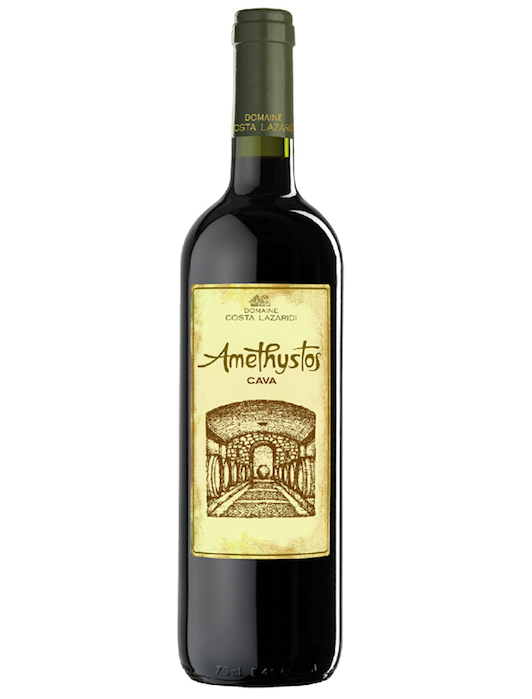
Cava Amethystos | Domaine Costa Lazaridi
Amethystos
A robust wine, dense and hedonic that can be enjoyed fresh at the current vintage of release but will reward those who decide to age it, with very special moments of pleasure. An authentic, high-level expression of Cabernet Franc.
A special wine for special moments. It would pair well with a plate of slow-cooked game accompanied with a wine sauce.
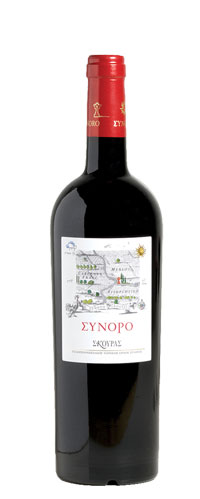
Synoro | Domaine Skouras
Synoro
Synoro means Border and its name comes from the bordering estates that are also depicted on the label. A blend of 40% Cabernet Franc, 40% Merlot, 20% Agiorgitiko.
A rich and at the same time elegant wine whose complex character seeks the complexity of slow cooking. Try it with wild boar cooked along with hot spices in the pot.
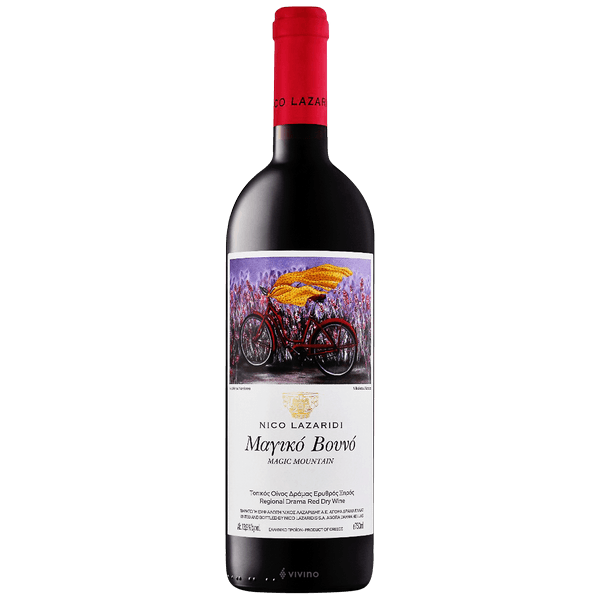
Magic Mountain | Nico Lazaridi Winery
Magico Vouno
An emblematic label of this Greek vineyard. It was one of the first if not the first premium label to be released in Greece in the late 1980s. A blend of 50% Cabernet Sauvignon and 50% Cabernet Franc.
The Magic Mountain from Nico Lazaridi is proof of the fact that classics are forever and favourites are for sometimes.
Pairs very well with slow-braised veal or a porterhouse steak.
Happy International Cabernet Franc Day to all you wine lovers out there!