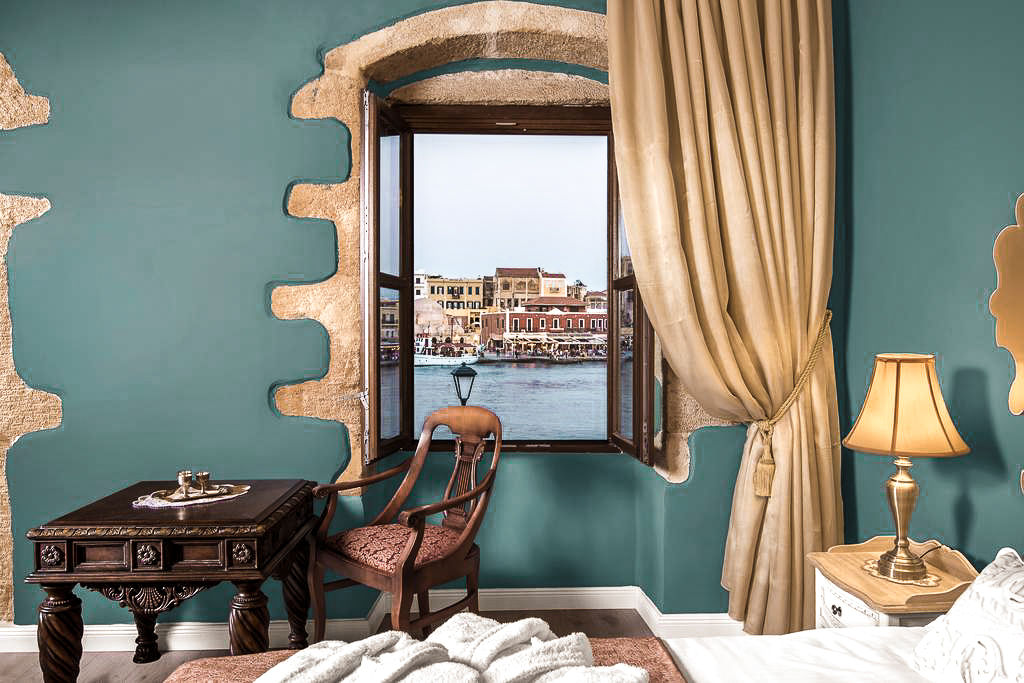
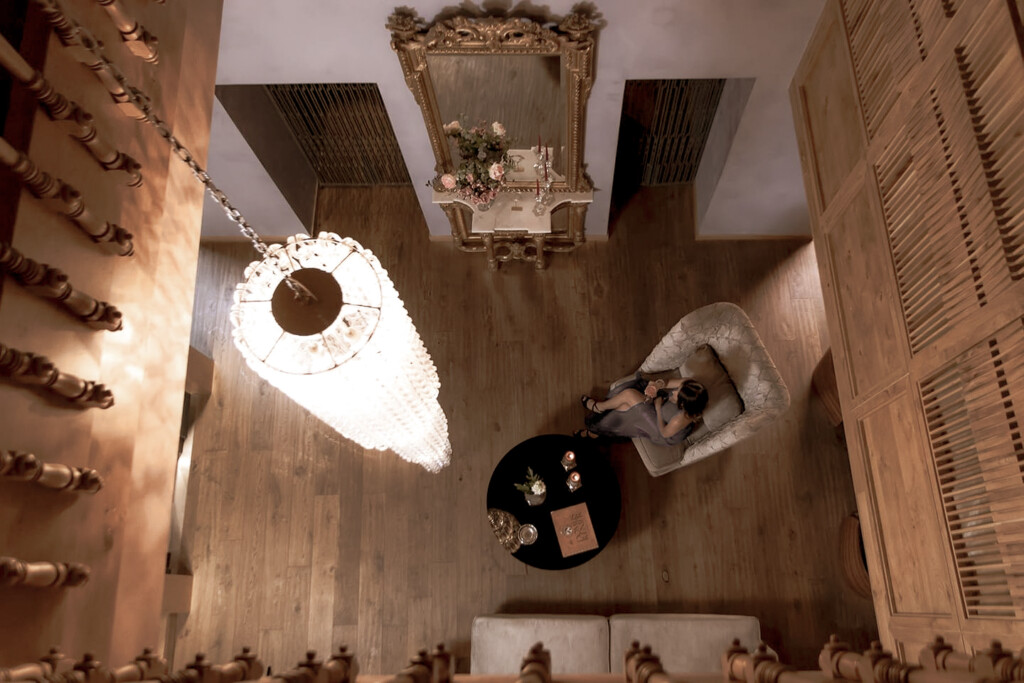
Described by international judges as a “standout project with a true sense of place”, Domes Zeen Chania was named Best Resort in Europe for 2020, at the AHEAD Awards for Hospitality, Experience, and Design.
The prestigious awards are entered and judged by leading hotel owners, developers, operators, architects, and designers from around the world; with the winners announced online two days ago.
Under the guidance of head designer Michael Schickinger (Lambs and Lions), interior stylist and designer Annabell Kutucu, and lead architect Konstantinos Karampatakis (k-studio); Domes was a collaborative project culminating in the launch of a luxurious boutique hotel that provides the perfect spot to unwind.
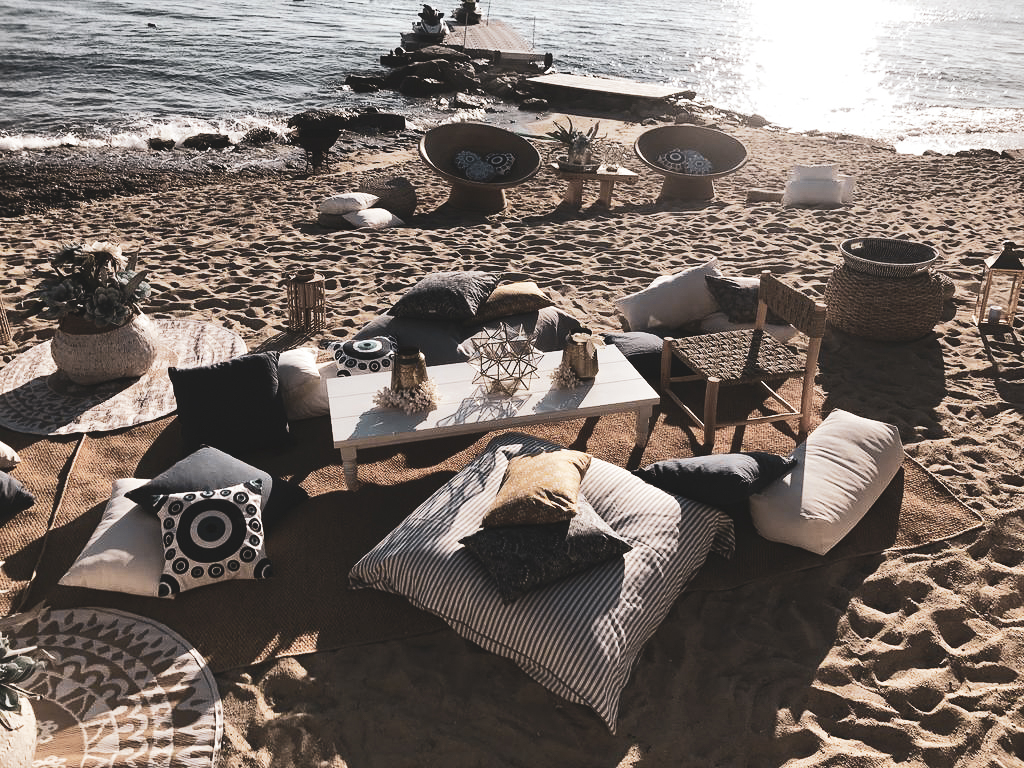
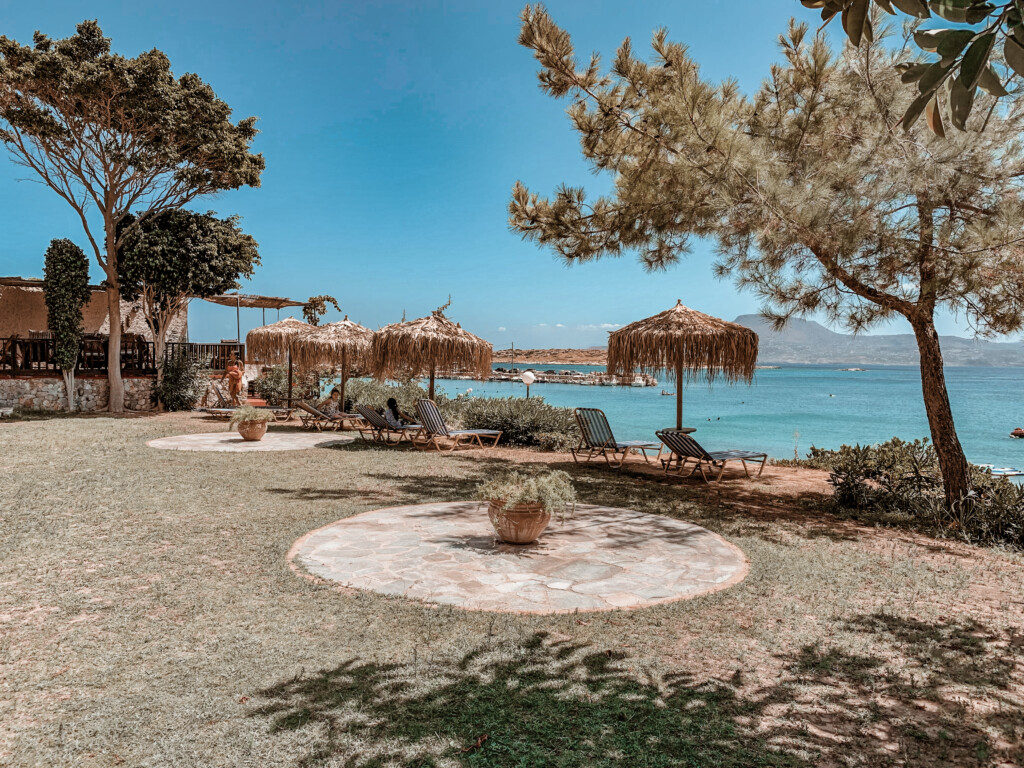
Set against an enchanting backdrop of the deep Mediterranean Sea, sandy stretches of beach, and an ancient Venetian port, Domes Zeen Chania is an ideal place to rest and reinvigorate. Here you can recuperate with yoga or an energizing massage, or take your time exploring the tropical sanctuary.
“Domes Zeen oozes warmth, charm, and personality,” announced AHEAD’s judges, adding “It has an earthy colour palette, natural textures, and neutral materials were used throughout to exude Bohemian luxury and ensure it blended effortlessly within its Cretan setting.”
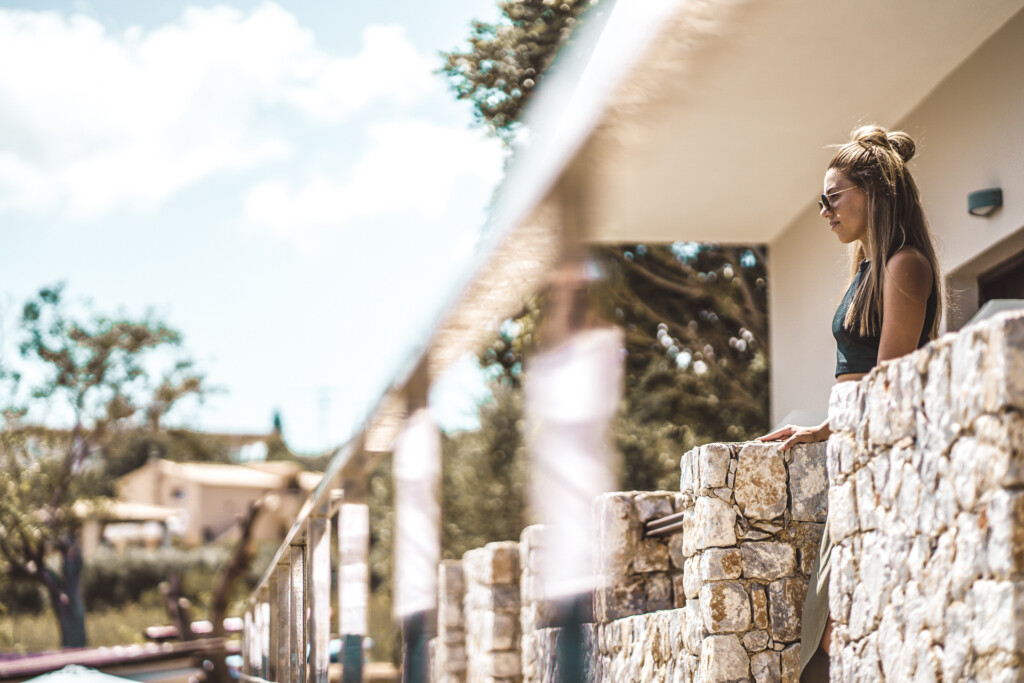
Throughout the boutique property, there are a series of soulful spaces and sanctuaries that merge minimalist mid-century modernism with sustainable design in one seamless union. The 106 handcrafted rooms feel earthy and organic, like a home away from home, opening up onto your own private terrace.
Boasting large areas for indoor and outdoor living, Domes Zeen retains privacy and seclusion, whilst maximizing the spectacular verdant and sea views.
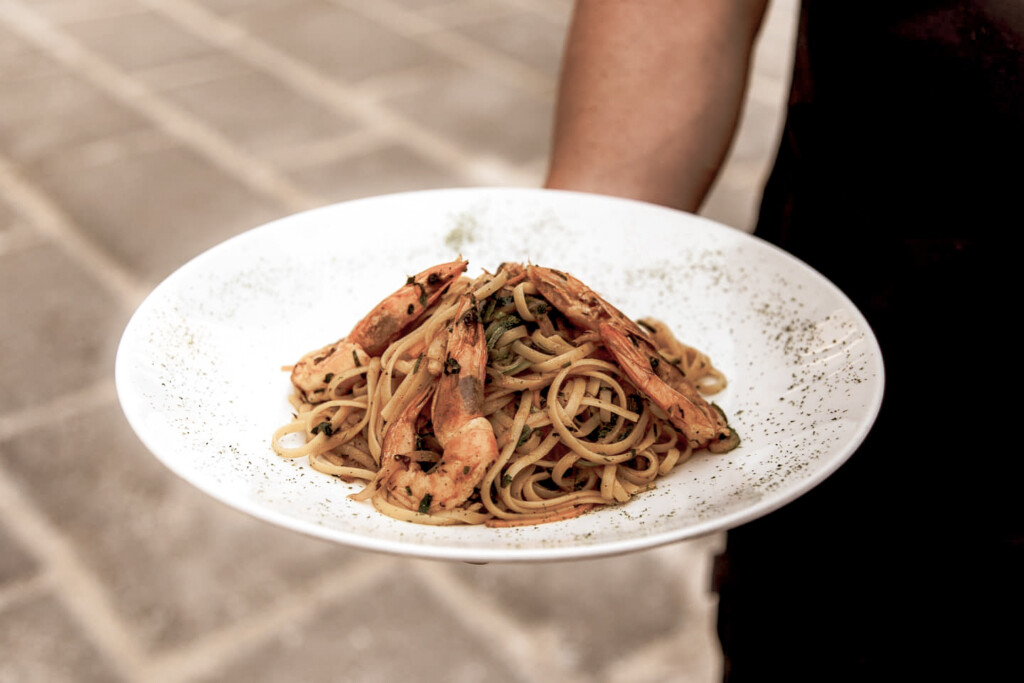
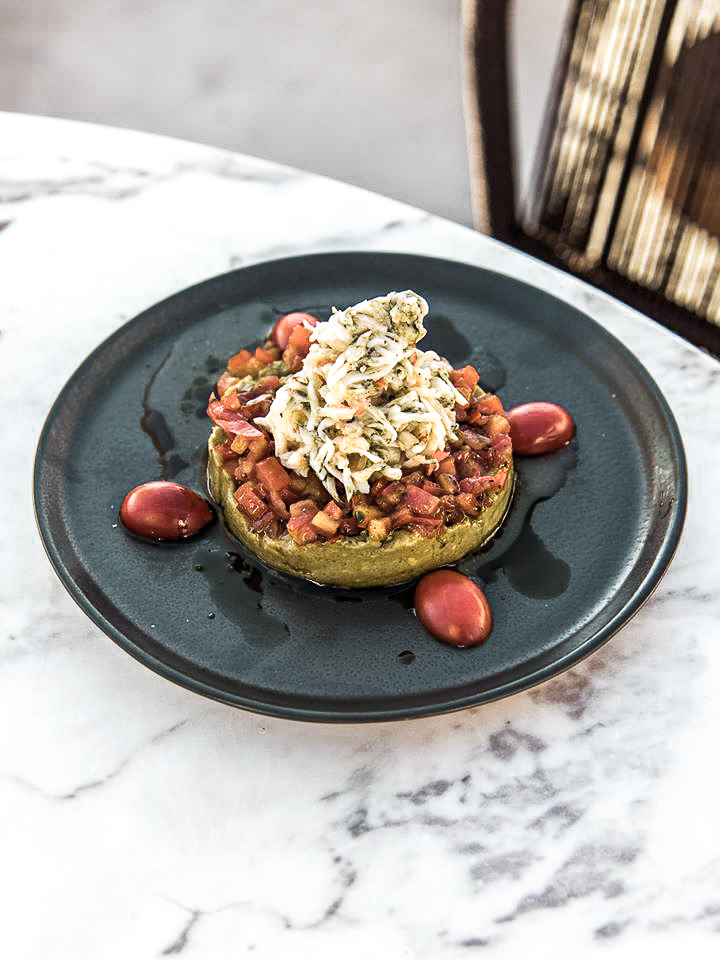
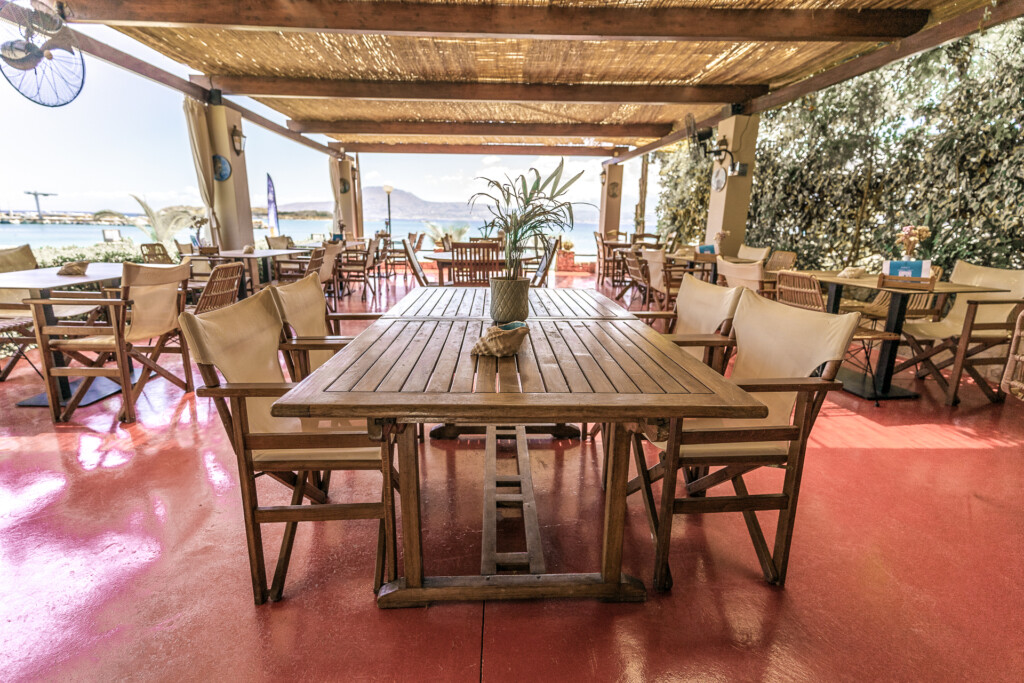
Domes also brings a duo of gourmet restaurants, a beachfront spa, and classic island experiences to the table, including cookery and ceramics classes, wine tastings, and coastal hikes. Children have just as much to look forward to, with the kids’ club offering everything from painting classes to sleepovers in a tepee.
Manousakis Winery has been producing its 100% organic wines under the brand name Nostos since 1997. The winery is situated in the village of Vatolakkos, just 15 minutes (drive) from the city of Chania.
This charming, traditional village setting is a perfect backdrop to try these award-winning Cretan wines and over the years Manousakis Winery has been holding tours and tastings for visitors from all over the world.
The philosophy of this boutique winery is to carefully cultivate the vines in order to absorb the scent-filled terroir so the flavours of the grapes combine with the herbs for an incomparable taste. Each bottle of Nostos Wines captures the character of this verdant island and the slopes of the Lefka Ori.
IN+SIGHTS GREECE recently spoke with Alexandra Manousakis, youngest daughter of owner and founder Ted, about their beautiful family winery.
Tell us about your family winery. How long has it been running and how did it all begin?
The winery started in 1993 when we first planted our organic vineyards with the international varieties of Roussanne, Grenache, Mourvedre and Syrah. In 1997 we had our first vintage. The winery was started by my father, Ted. He loved wine and wanted to make world class wine in the village he loves. Since my dad is not a viticulturist nor an oenologist he hired a fantastic team of top people in the wine industry at that time and they advised him on which grapes to plant and how to cultivate.
Tell us about your wine and what makes it so special?
Our winery started as a passion project. Therefore we are truly interested in producing the best wine we can from the best grapes. We want to showcase the Cretan Terroir which is phenomenal and to show the world that fantastic wines can and are coming out of a small place like Vatolakkos. I have to say that I love wine and particularly our wines.
How would you describe your varieties- both reds and whites?
The varieties that we work with are international varieties that have now been living here in Crete for the last 30 years. We also work strongly with the local variety called Romeiko and produce a white from that, which is a go to summer white. We experiment with some other Cretan Varieties and have seen excellent results there. We believe in low intervention for our wines which means that we like to let our vines and grapes do their thing. We now produce 12 different wines and a total of 120,000 bottles approximately per year. That might sound like a lot but we are still one of the smaller wineries on the island.
Where are your wines stocked? Are they sold internationally?
Our wines are sold in 15 different countries and you can see where in the wine section of our website. Due to different laws in different countries we can only send directly to countries within the EU.
What is your role in the company and who else in your family works with you?
I run the winery with my husband, Afshin. My father is based in Washington DC and is still involved with the winery. We are all quite involved with the production of our wines and love what we do.
Tell us about the rest of the team at Manousakis?
Since 1998, our oenologist Kostis Galanis has been head winemaker. Kostis is an amazing person as well as winemaker and together with his son, Giannis Galanis they make the wine production team. Giannis is our viticulturist and assistant winemaker. We have a wonderful team in our office as well and our tasting terrace. We firmly believe that you are only as good as your team is and we feel very happy to be working with the individuals that we do.
Describe your beautiful vineyard and the wine tours and tastings?
Our vineyards are on quite rough terrain. We have a few different vineyards in a number of locations that range from 350m above sea level to 650m above sea level. Tours of our vineyards are arranged through Uncharted Escapes, a tour agency with land rovers to be able to get around the mountains. At the winery we have our tasting terrace and
restaurant which serves traditional Cretan delicacies and where you can try all of our wines. Normally, we do tours of our winery but due to the pandemic, we did not hold tours this past summer. The tasting terrace is quite beautiful and is located in our old winery in an olive and orange tree grove. It’s quite peaceful and relaxing.
What cultural events take place at the winery?
We normally host a series of events at the winery. We’ve done art exhibitions and every weekend we have live music on our terrace. People often rent the winery for private events such as small weddings, baptisms or parties.
How has harvesting for 2020 been and are there any new wines you will be releasing for 2021?
The 2020 harvest was quite good. So far we are very pleased with the results and we are looking forward to the wines that will come of it. We are releasing a new wine in 2021! It’s a collaboration with another winery and it’s very exciting. I won’t say more yet but will make an announcement when it is ready.
What are your current opening hours are and are you open all year round?
The winery is closing the tasting terrace from November 1st and then operating by appointment only until March 15th, 2021. Typically we are open daily during the summer months but of course we don’t yet know what the 2021 season looks like.
Australian born with Greek heritage, Kelly Michelakis, founder of The Hellenic Odyssey, is a passionate home cook and travel enthusiast.
Accompanied by her photographer husband, Xenophon, they make the perfect team- sharing discoveries of authentic Greek food and travel on their social media pages and popular blog, which is reached by thousands of followers.
Having to put their 2020 culinary and travel tours on hold due to the pandemic, Kelly has turned her focus to online cooking classes, which launched a few weeks ago and has already become a worldwide hit.
Kelly is currently hosting weekly classes and sharing her beautiful and traditional Greek recipes with people from all around the globe who are keen to discover how to make authentic Greek dishes from scratch. This includes entrees such as Greek pita and dips, a variety of mains like Gemista and Pastitsio, as well as Greek sweets such as Bougatsa and Ekmek Kataifi.
With the aim of inspiring people all over the world to try Greek food and to visit Greece, Kelly recently spoke with us about living in Greece, her passion for Greek cuisine and culture, plus her love of sharing her knowledge about the origins and philosophy of Greek gastronomy.
Tellus which part of Greece are you from and when did you first visit?
I’m from the island of Crete, the largest of all the Greek islands. My family originates from Chania, the prefecture on the western side of Crete. My grandparents grew up in the region known as Keramia in the village of Kontopoula. I first visited Greece when I was eight, but I didn’t just visit. I lived there for two years in the prefecture of Heraklion, the capital city of Crete. Since then, I have been back to Greece five times.
What part of Greek culture do you connect with most?
I connect mostly with the food of Greece and the traditions and customs surrounding that- music, dance, celebrations, festivals, the land, cultivation and harvesting. Learning about how our elders lived provides great insight into our history and ensures their stories are not lost among the generations. It enables their recipes, their food and their ways to be remembered and passed on.
When did you launch The Hellenic Odyssey and what was the vision behind it?
We started The Hellenic Odyssey as a project created from the heart, driven by a passion for food and inspired by a love for travel. We launched in 2018 with the intention of providing culinary travel tours to Crete and hosting cooking classes here in Melbourne. Our vision was to continue to learn about our own culture while sharing what we love with others; Greek food and travel.
When did your passion for cooking begin and what do you love making?
It began at an early age. I remember in primary school being told that we could go to the library to borrow a book and I would find myself in the childrens’ cooking section browsing cookbooks. I love cooking sweets the most, and this too has been with me from a young age. I recently found a cookbook from 1995 that was all about classic cakes and upon browsing through the pages, I recall having baked the majority of the recipes from it (and I would have only been about 13 years old).
What are some of your favourite Greek dishes and as a ‘foodie’ what regions in Greece do you enjoy visiting?
My favourite would have to be Cretan and they include Dakos, Boureki, and Kaltsounia. I think Crete is a foodie haven but so too are many other islands and regions such as Naxos, Santorini, the Peloponesse (Kalamata), Athens and Thessaloniki of course! There is such a diverse range of foods and the flavours vary on what that region is known for. The island of Chios for example has its mastiha while Corfu features a lot of Kumquat liqueur.
How would you describe the Greek gastronomy scene in 2020 and what do you think people would be most surprised about?
There is so much more on offer in Greece than travellers could ever expect when it comes to gastronomy. Local boutique suppliers of products such as cheese and yogurt, baked goods, wine, olives, jams, preserves and honey, herbs and botanicals, olive oil, nut based products, distilled spirits such as raki, and even beer are earning a reputation. Travellers would be surprised at the variety of unique food experiences to be had and the exceptionally high quality of the product.
What has been your most memorable A) Breakfast in Greece? B) Lunch in Greece? C) Dinner in Greece?
The most enjoyable breakfast for me are those that you have in a small boutique family owned hotel. There is not a huge selection on offer but what is served is always 10/10. Fresh seasonal fruit, homemade jams, cheese and paximadia, freshly baked bread, local yogurt and honey, and a moist delicate sponge cake.
Lunch! Being served a Greek salad with vine ripened tomatoes, extra virgin olive oil, mountainous oregano that seems to smell so different in Greece, topped with a local soft white cheese, plus a plate of hand cut olive oil fried patates and a glass of homemade wine (as most restaurants have their own supply) while overlooking the Mediterranean Sea, with old Greek music softly heard in the background at a local taverna on the lesser-visited island of Skiathos. It is the simplicity of the place, the meal and the atmosphere that makes such an experience memorable.
As for dinner, it would be in Santorini on the cliff face of Andronis Luxury Hotel at Lycabettus restaurant, overlooking the caldera with nothing to obstruct your view. Santorini’s best delicacies are served with matching wine during sunset with soothing music in the background on a balmy night. There is a sense at that moment, that nothing else matters, time is non-existent, thoughts do not enter your mind, you are purely there in the present moment without a single thing bothering you.
Tell us about the one and a half years you spent in Greece. What was it like, and how much travelling did you do during that time?
We spent the majority of our time in Greece living in Corfu and in Crete. We intended on living there more permanently but due to the economic crisis Greece was experiencing at the time, we had to return earlier than expected. Living in Greece is completely different from life here in Australia. There is no real order, it is exactly as they say ‘organised chaos’ and you have the choice to either join in and become one of them or be left out with your Australian ways. You have to act and live the way they do in order to get anything done. You must drive like them, speak like them, act like them, eat like them, party like them, and live like them. It is then that you are truly a local.
It was one of the most memorable times of my life. There is a sense of freedom and free spiritedness I feel there that I just can’t get here. We travelled extensively towards the end of our time in Greece, by island hopping during the quieter season. We departed Crete in May and travelled until August. We chose to do this without pre-booking any destinations or hotels. We would board a ferry, arrive at our destination and choose how long to stay there once we got a feel for the place.
What is your advice for anyone planning on travelling through Greece for a long period?
I would recommend buying a cheap car in Athens as it gives you so much freedom to travel. I also recommend you try to travel outside of the peak season, either May/June or September are great months.
You were meant to start travel tours this year, however, that didn’t go ahead due to Covid. Tell us more about those?
The culinary and cultural travel tours in Crete are based in the region of Chania for the whole time. The reason for this is that we want our travellers to become immersed in one destination. We don’t want to rush from one place to the next simply to tick it off a list. We instead want people to have a slow travel journey, to really get to know the locals, to settle in, to experience Cretan life the way locals do. Our tours have an immersive live like a local feel.
What do you want visitors to experience with your tours when they commence?
Tours are aimed at those who are seeking an off the beaten track experience based on a slow travel style. We want to showcase our ancestral history through culinary and cultural travel experiences. We want to share the love we have for Crete and show others what makes it so special. Our tours are unique because they provide the freedom to venture off the beaten track. They are not driven by set times, they operate on Greek time. For example, if our group finds itself having an amazing time with the locals at a winery visit, we would not want to interrupt that because its time to go, or if we stumble across a local festival, we would actually stop so the group could experience that. Our tours are about taking travellers to places that they would not be able to find on their own in the short time they would be there. We take them to the best of the best hidden local gems.
You are inviting people to your home in Melbourne, where you will host cooking classes. What can people expect to learn?
Our cooking classes in Melbourne are in themselves a trip to Greece. I welcome guests into my own home which is surrounded with fruit trees, olive trees, a veggie patch and fresh herbs with an indoor and outdoor dining area so guests can feel like there are in an authentic Greek kitchen, home and garden. Classes are hands on so guests can learn by doing it themselves, we prepare and cook as a group followed by sharing our cooking creations together. Cooking classes in Melbourne will commence once restrictions are lifted.
In the meantime, you’ve launched your popular online cooking classes.
Yes, this is ideal for anyone interested in taking part in an online Greek cooking class as now you can do so from anywhere in the world. I can also conduct one on one sessions, or group Zooms for your special event, family get togethers or work team meetings. You can learn to make Galaktoboureko, Pastitsio, Gemista, Cretan Bougatsa, as well as vegan and vegetarian dishes.
While many of us wait to head back to the Aegean, we have rounded up ten of our favourite films set in Greece, that are destined to bring you a step closer to the beautiful Greek sea and land!
Boy on a Dolphin (1957)
This was the first Hollywood movie shot in Greece. Phaedra, played by legendary actress Sophia Loren, is a poor Greek sponge diver on the island of Hydra. She works from her boyfriend Rhif’s (Jorge Mistral) boat, he is an immigrant from Albania. She accidentally finds an ancient Greek statue of a boy riding a dolphin on the bottom of the Aegean Sea. This statue brings pride to the city of Hydra and has been lost for around 2000 years.
Location scenes: Greek Saronic Islands- mostly in Hydra and also in Poros, Athens, Rhodes, Delos, and Meteora
The Guns of Navarone (1961)
This is a 1961 British-American epic adventure war film, which was inspired by the Battle of Leros- during the Dodecanese Campaign of World War II. The film stars legendary actors Gregory Peck, David Niven, and Anthony Quinn. The book and the film share the same basic plot: the efforts of an Allied commando unit are set to destroy a seemingly impregnable German fortress that threatens Allied naval ships in the Aegean Sea.
Location scenes: Rhodes island
Zorba the Greek (1964)
This famous 1964 Greek-American film was written, produced, edited, and directed by Greek Cypriot Michael Cacoyannis and stars Anthony Quinn as the titular character. Basil, half English, half Greek, meets Alexis Zorba, a Greek man, while they are both waiting at the port of Piraeus, to board a ship for Crete, where Basil’s family owns land, and where Basil intends to reopen a mine. Once in Crete, an unlikely friendship between Basil and Alexis leaves the wealthy, educated, English gentleman, having second thoughts as to if education and a refined life are the be-all and end-all.
Location scenes: Crete, mainly in Chania
For Your Eyes Only (1981)
This famous spy film was the twelfth in the James Bond series produced by Eon Productions, and the fifth to star Roger Moore as MI6 agent James Bond. Deep into the Roger Moore era, this James Bond episode was much enhanced by its location shooting on Corfu. There’s a plane-eye-view to start, then scenes scattered around the island. In Corfu Town, Bond falls for beautiful Melina, who is out to get revenge for the murder of her parents.
Location scenes: Corfu, Meteora, Achilleion
Shirley Valentine (1989)
The main character is a fed-up, 42-year-old English housewife who is completely bored with every aspect of her life and jumps at the chance of a holiday to Greece. When her friend drops out of the trip, Shirley travels to Mykonos alone, and here begins a passionate love affair with Greek waiter; Costas, and it becomes the beginning of Shirley’s life in Greece.
Location scenes: Mykonos
The Big Blue (1988)
This cult film is a heavily fictionalised story of two friends, Enzio Maiorca (Jean Reno) and Jaques Mayol (Jean-Marc Barr) both free divers, growing up in Greece in the 1960s until their deaths in the 1980s. The friends travel through France, Italy, and Peru, but the key locations here are in Greece. Jacques grows up on Ios, at Manganari and there are many scenes set in Amorgos.
Location scenes: Amorgos, Ios
Captain Corelli’s Mandolin (2001)
The main characters are Antonio Corelli (Nicholas Cage), an Italian army captain, and Pelagia (Penelope Cruz), the daughter of the local physician. During this war/romance film, Corelli is the leader of the Italian invasion force that controls the Greek island of Kefalonia. Billeted with the local doctor he falls in love with his daughter Pelagia, even though she is engaged to resistance fighter Mandras. Slowly, his feelings are returned but their life and love are disrupted when the Italians surrender to the Allies.
Location scenes: Kefalonia
MAMMA MIA! (2008)
This famous musical is based on the songs of pop group ABBA and the film features an ensemble cast, including Christine Baranski, Pierce Brosnan, Dominic Cooper, Colin Firth, Amanda Seyfried, Stellan Skarsgård, Meryl Streep, and Julie Walters. The plot follows a young bride-to-be who invites three men to her upcoming wedding, each one with the possibility of being her father.
Location scenes: Skopelos, Pelion, Damouchari
Never on a Sunday (1960)
This is a 1960 Greek black-and-white, romantic comedy film that tells the story of Ilya, a self-employed, free-spirited prostitute who lives in the port of Piraeus in Athens, and Homer, an American tourist and classical scholar who is enamored of all things Greek. Starring Greece’s cherished actress Melina Mercouri and Jules Dassin, this movie gently submerges the viewer into Greek culture, including dance, music, and language (through the use of subtitles).
Location scenes: Athens
Summer Lovers (1982)
An American romantic comedy film written and directed by Randal Kleiser, it stars Peter Gallagher, Daryl Hannah, and Valerie Quennessen. It was filmed on location in the Cyclades, mainly on the island of Santorini, and follows the American characters Michael Pappas and Cathy Featherstone, a young couple from Connecticut, who have just graduated from college and spend their entire summer on the island of Santorini.
Location scenes: Santorini, Crete, Delos, and Mykonos
Wine writer Nico Manessis introduces us to two young Greek women who are determined to create change in the local winemaking industry.
Women who have brought changes have never had it easy, yet, we should be grateful, they continue to persist. In the Greek wine scene, an increasing number of women have been quietly offering on several fronts. Pioneers like Maria Tzitzi, teacher extraordinaire, started her career taking over a wine analysis laboratory in Athens. She is now head of education at the Le Monde Institute of Hotel & Tourism Studies in a part of Athens named Moshato (once a vineyard). There are numerous others that come to mind.
In a male dominated profession (not forgetting winery spouses) the laboratory services up and down the country are mostly women-managed. And this for the better of cellar hygiene and the consistency it offers to consumers. It is not only the ‘white coats’ that are contributing to the ongoing Greek wine renaissance. In the vineyards, important work has been accomplished by ampelographer Haroula Spinthiropoulou. Her research in the rich indigenous grapes and authoring the first in decades publication of wine producing grapes was an important bridge to the ongoing revival. The success of today’s Greek wine rests, in part, to these rediscovered age-old-vines now with a bright future, yes, even in the post Covid 19 era.
Recently two young women have stepped up to the front lines. Both are formidable. Iliana Malihin, aged 27 and Evmorfia Kostaki, aged 25, are bringing a cosmopolitan vision to their respective islands – but not only. Malihin is an oenologist (wine chemist) and Kostaki has a joint Master of viticulture and oenology. Both have an agenda in motivating and ushering farming techniques to enhance, in what the French term call terroir – wine’s sense of place.
Malihin has set up a winery on her native Crete. Specifically, in forgotten organic terraced old vineyards around Melampés, on the southern shoreline of Rethymno. Her focus on Vidiano, the rising star white grape originating in these hills, has brought, rightly so, international attention. While inspecting the vineyards that she contracts from older and younger farmers, she looks like an ethereal creature out of real or imaginary myth. The truth is a more somber back story: a woman with steely resolve and the kind of great attention to detail that her male colleagues, well, often miss. Crete is the most exciting wine region and this fearless wine warrior has added valuable momentum. Who knew anything of sleeper Rethymno? Now, we do.
Evmorfia Kostaki is from Samos. Perhaps the most famous of Greek wines, feted in Versailles with the other two great sweet wines, Hungary’s Tokay and South Africa’s Vin de Constance. More recently in Sweden, such was the repute of Samos Vin Doux that during geography lesson a pupil who was asked where Greece, cutely answered “next to Samos”. Kostakis is starting out with her father in partnership in the NOPERA winery, with Nikos Mitilineos, scion of a historic wine merchant family; one of the several new ventures on this island vineyard, famous for sweet Muscat and more recently bone dry examples. While contributing to NOPERA she is laying out plans for the future. She’s modest and has no cult status nor is she seeking ambitions.
In 1934 the Samos Cooperative was made compulsory by the government due to civil unrest as merchants in Karlovasi and Vathi took advantage of the farmers resulting in a full out revolt. For decades most of the islands’ sweet wine has been shipped to Issy-les-Moulineaux, to the cellars in a Paris suburb now owned by La Martiniquaise group. It is this bulk shipment which champions Greek wine by volume exports. There are other smaller wineries than the Union of Co-opperatives now on the island. Local boy Nikos Vakakis, whose remarkable life journey from a priest’s son to an elite commando officer, founded and manages Vakakis Wines.
Kostakis’ recent project has been helping her father with a impressive dry Muscat marketed by natural wine specialist Yorgos Ioannidis. Clearly, these vineyards, replanted initially again in 1540 AD have unrealised potential. Perhaps the Swedish boy’s enlightened education hinted of how good Samos muscat really is.
With two exemplary figures as these two young women bringing wine to new levels in Greece, one can only expect that things can only get better in the local wine industry, and that the world will keep offering more and more well-deserved recognition to the efforts being made.
You can find more of Nico’s grape adventures at greekwineworld
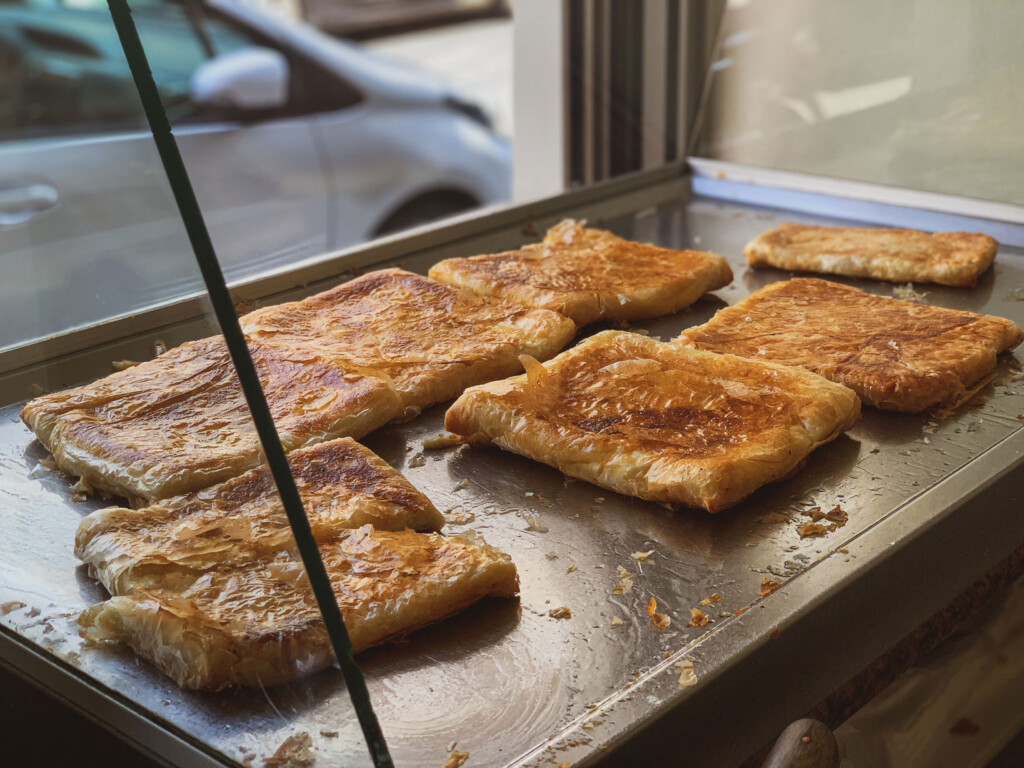
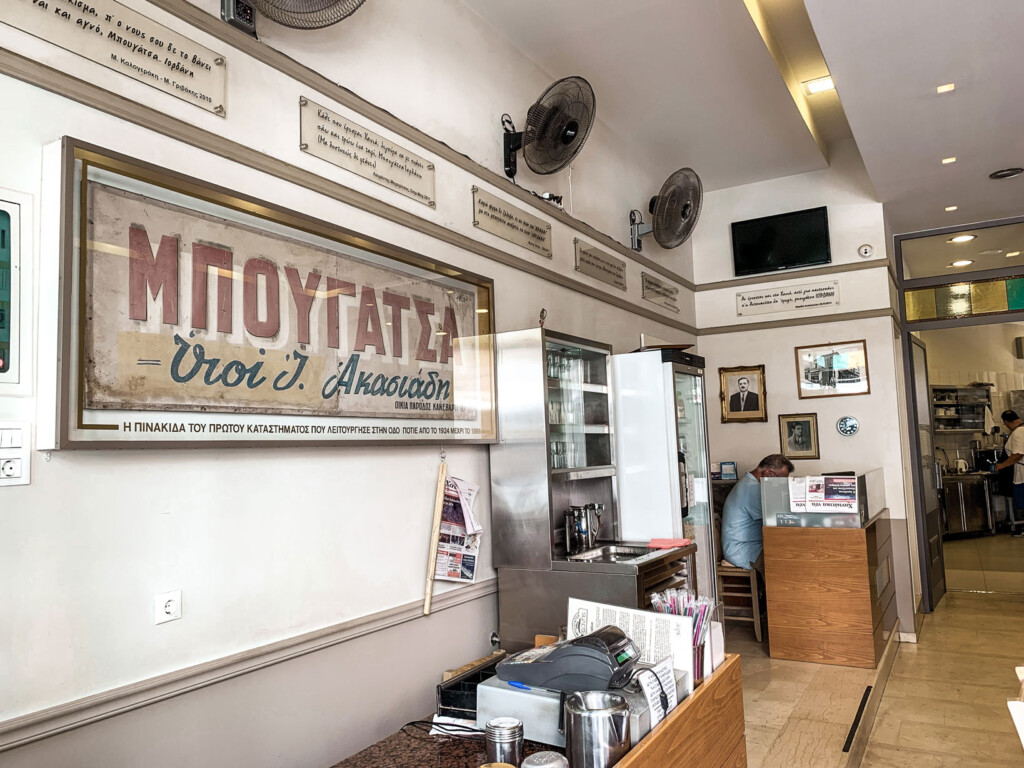
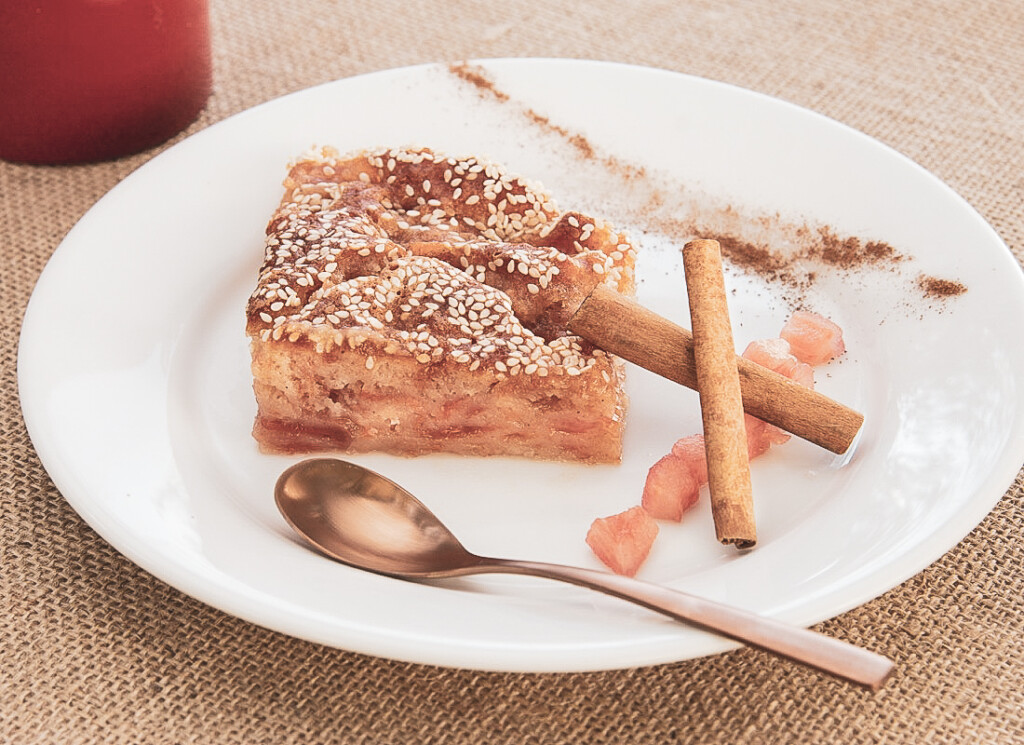
For close to 100 years, people from all over the world have been visiting Bougatsa Iordanis in the heart of Chania’s city centre, so they can get a mouthful of this crispy and creamy Cretan delicacy!
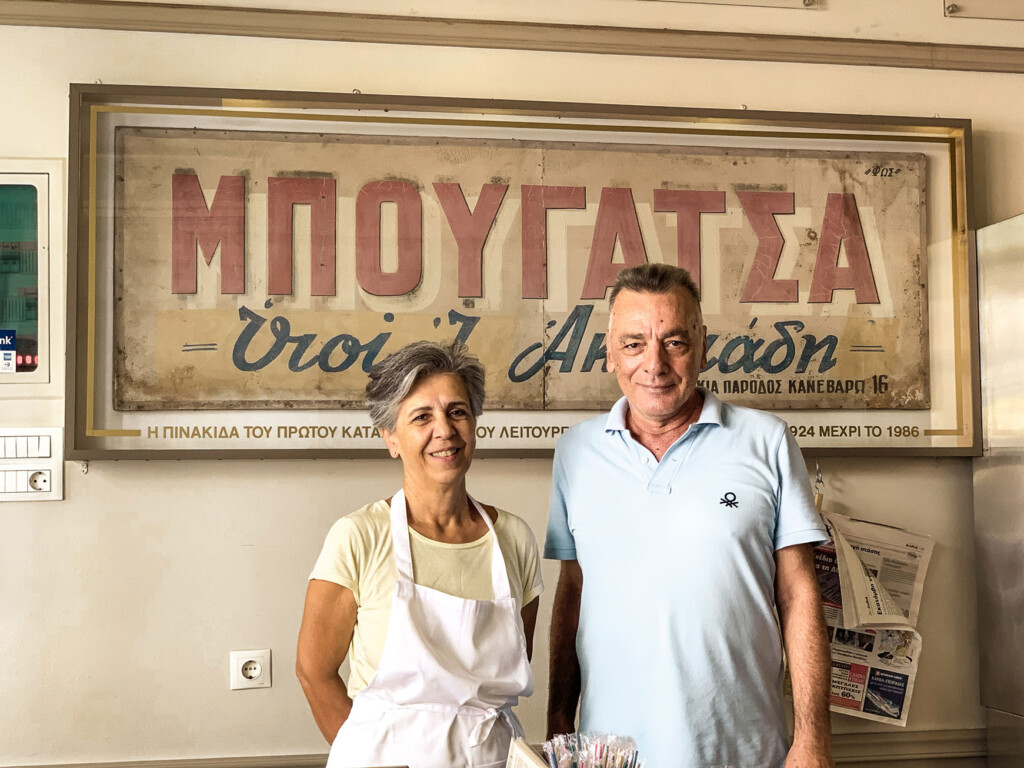
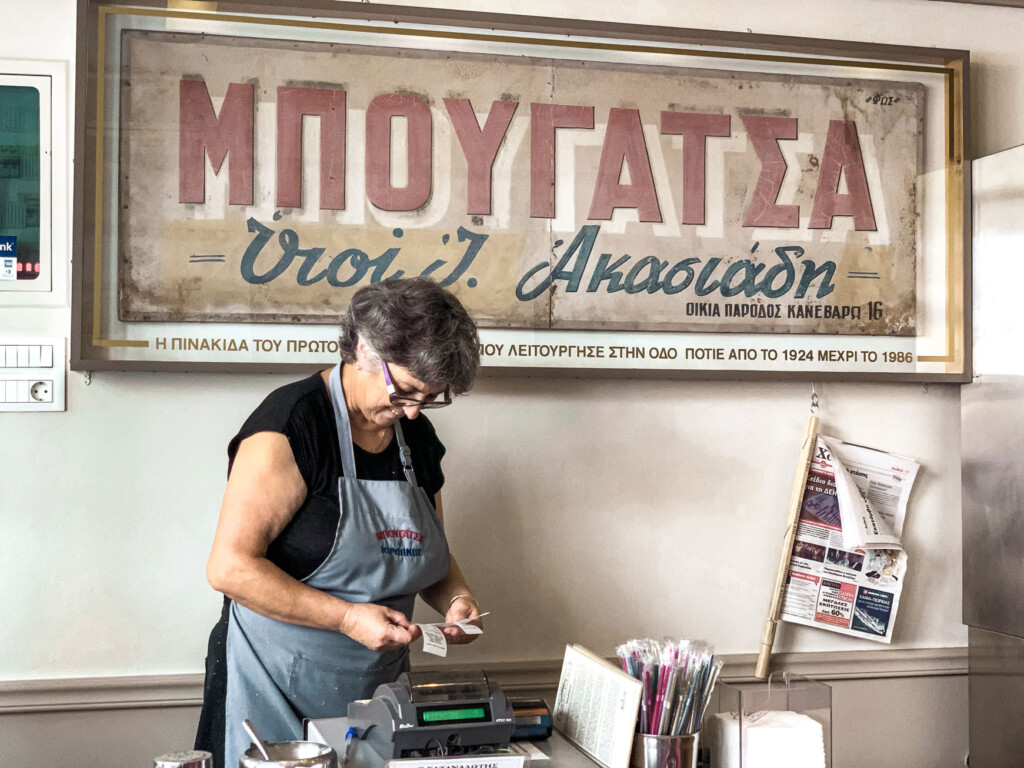
The famous bakery is now in the hands of the fourth generation of Iordanis’ descendants with the grandson, his children, and wife Ioanna in the shop every day proudly serving loyal customers and global visitors, who want to experience the unique and fresh taste they can only find here.
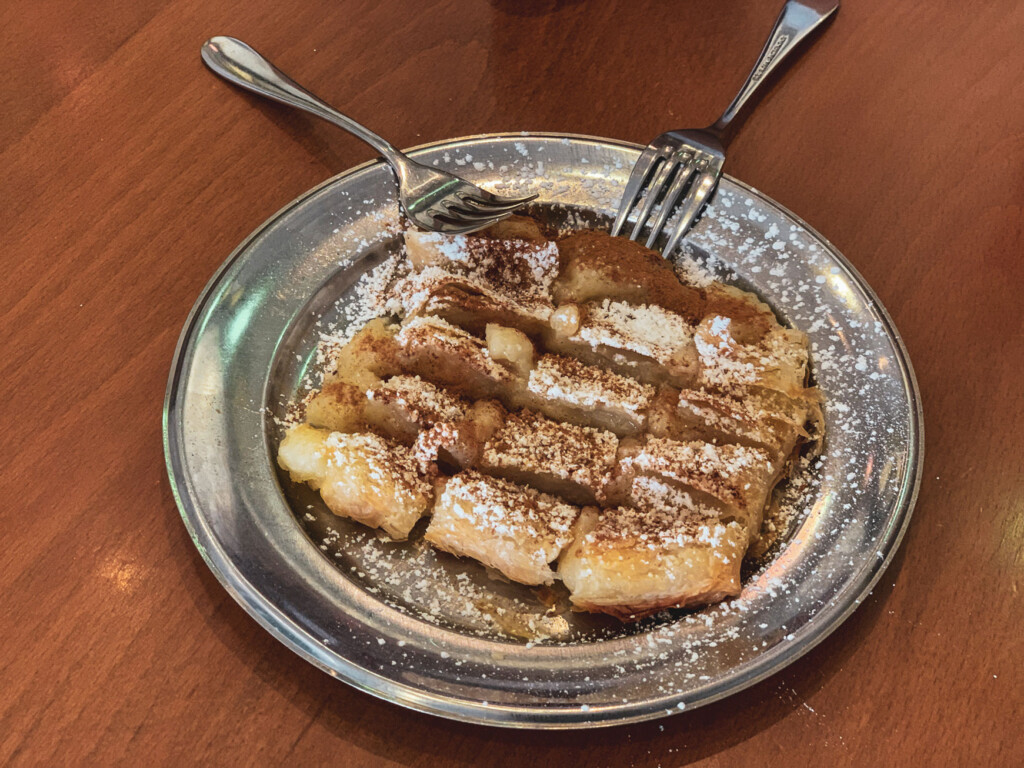
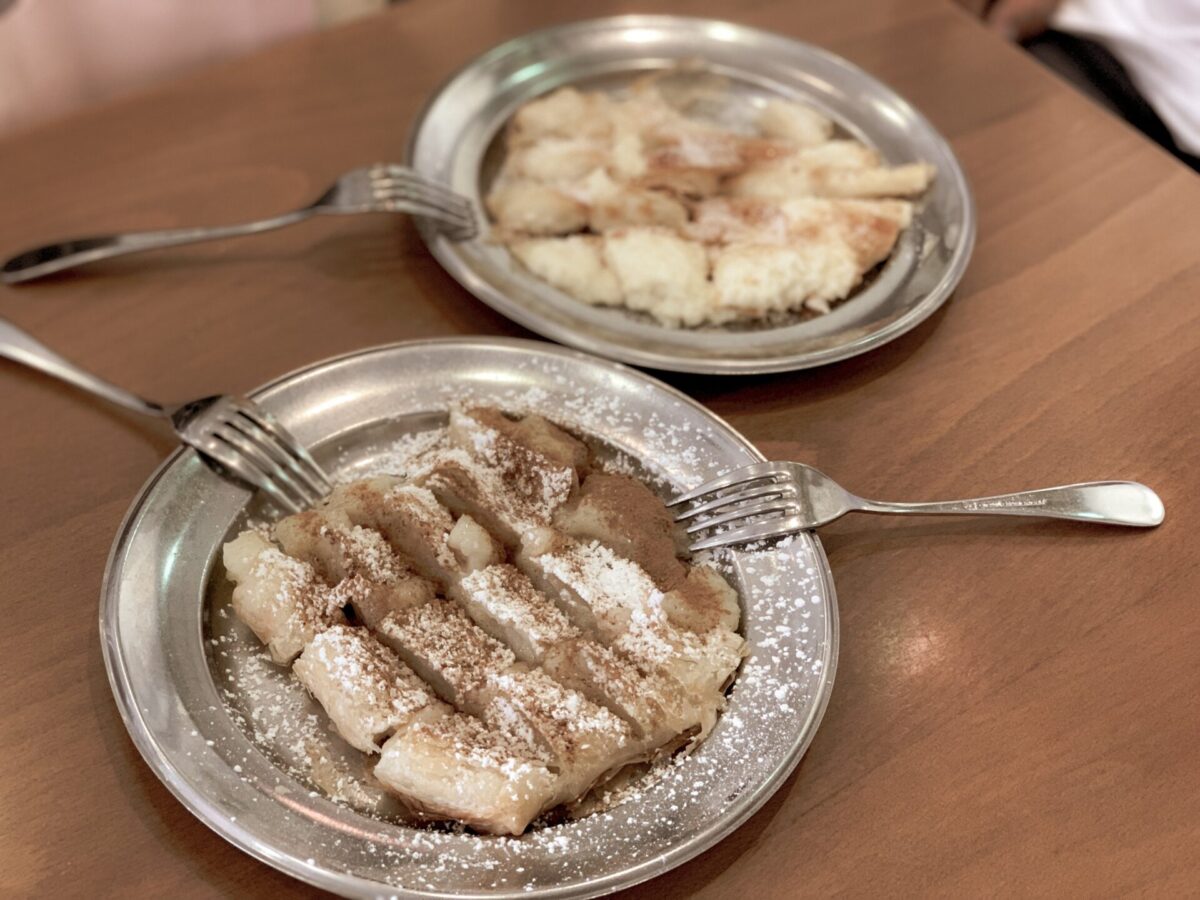
Opening its doors for the first time in 1924, Iordanis still remains authentic, simple, and rustic in the year 2020- with a few tables inside and views to the kitchen out the back- here you will enjoy their exceptional delicacy served on a simple aluminum plate.
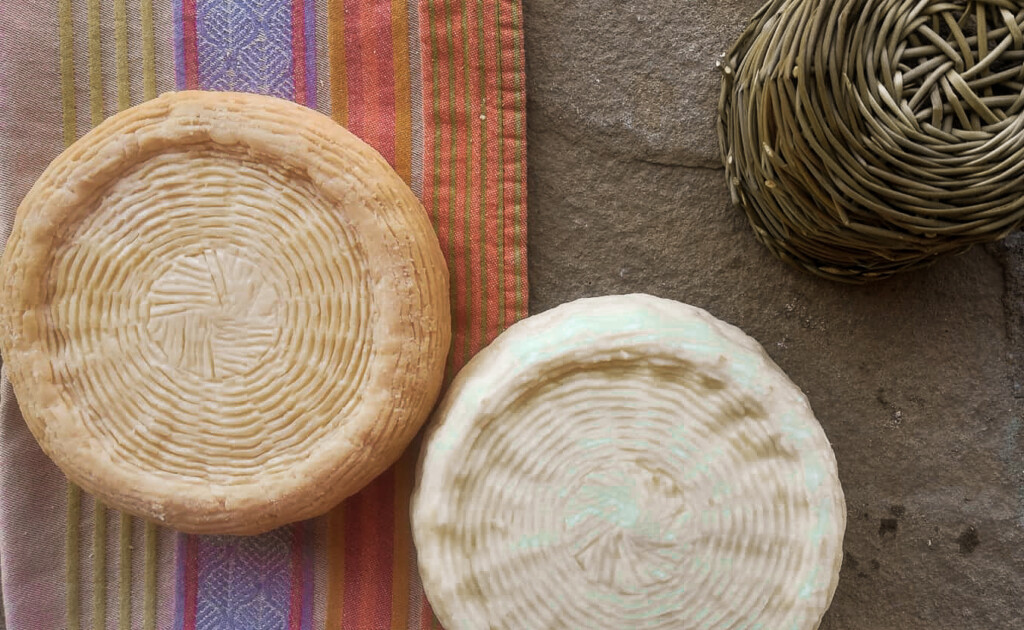
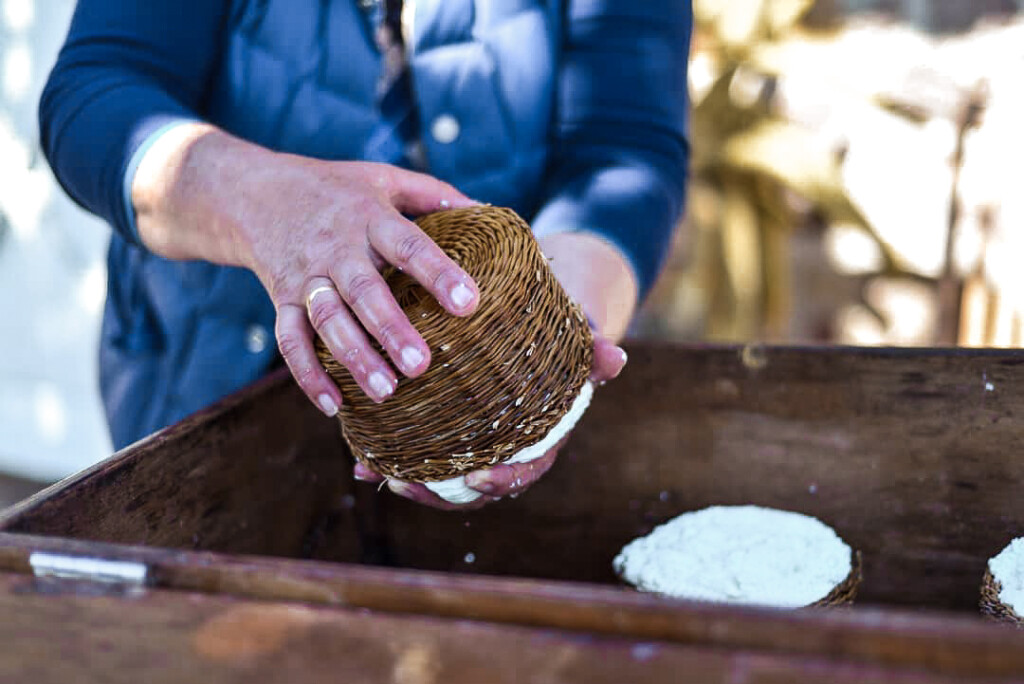
Although Bougatsa can be found all over Greece- what makes this delicacy so special is the cheese that is used to fill the pastry. Most bakeries serve their Bougatsa with a sweet custard in the centre, however, Iordanis prepare their filling using a local Chaniot mizithra (Cretan ricotta cheese) namely Pichtoggalo Chanion Cheese PDO, which is produced from goat’s or sheep’s milk, giving it a slightly sour flavour.
“We haven’t changed the family recipe since the early 1920s. We have kept it the same as everyone loves it. We also make a custard version but again ours is unique as we use oil instead of butter, which enhances the taste,” says Ioanna.
A: Apokoronou 24, Chania
Opening Hours: Monday to Friday: 6 am to 2:30 pm | Sunday: 6 am to 1:30 pm
New York City-based blogger, travel agent, and certified meeting planner Sara decided she would book her first solo trip to Greece for her 30th birthday and says the experience she had been putting off for years, ultimately changed her life.
Sara recently spoke to IN+SIGHTS GREECE about her solo travel experience and why she believes Greece is the ideal destination to travel alone.
Why did you decide to make Greece the first place to visit alone?
I have been a lover of Greek history and mythology since I was a little girl. When I was thinking of what to do for my 30th birthday I knew I wanted it to be big and something I did for myself. Choosing Greece was a no brainer for me because of that.
Did you research whether Greece was a safe place to travel as a solo female?
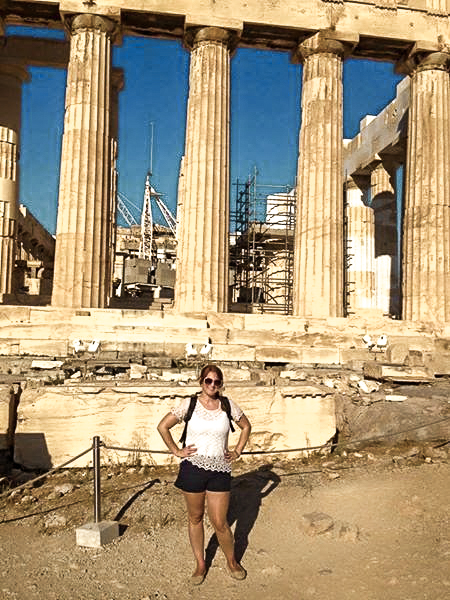
Actually, no. Funny thing is I went in 2015 right during the big economic crisis Greece was facing. The more I overthink something, the more excuses I will make. So, instead, I did basic research, talked to some friends I knew who studied abroad in Greece, and then I just made my way over there.
What did you do to make sure you felt comfortable during your visit?
From the little research, I did I knew that 1. The language barrier would be minimal as many people/guides do speak basic English. 2. The hotels I looked into were well-reviewed. 3. The tour company I worked with to go on excursions and such had a high reputation.
What spots did you see and how long did you stay?
I was there for about ten days and I visited Athens, Nafplion, Olympia, Mycenae, Delphi, Mykonos, Crete, Santorini, and Patmos.
What was your favourite ancient site?
Delphi was my favourite. I love stories about Pythia.
Out of all the places you explored, where would you revisit?
All of them but, I would have loved more time in Mykonos. It is absolutely beautiful.
Would you recommend Greece as a place for solo travellers?
1000% for anyone.
How did you find the locals? Were they helpful and welcoming?
Extremely helpful and friendly. I was never uneasy.
Was there a time when you felt alone or unsafe?
Never, however, I do live in NYC so, I am used to lots of tourists and people. You just always have to trust your gut and be smart in the decisions you make.
Did you meet a lot of people along the way?
Yes, I have made a few lifelong friends whom I met on the tours I joined in on. It was great.
If you could do it all again, would you do anything differently?
Stay longer.
What did you love most about your time in Greece?
Walking among streets and sites that were older than anything here in the US. It was magical.
Do you have any tips for anyone planning on travelling to Greece alone?
Do some research on where you want to go and stay- make sure you are comfortable with the locations. Put a plan together – I wouldn’t just “wing it” as there is so much to do and see. I only suggest 2-3 days in Athens. It is not all about the islands – make sure you venture inland and visit Olympia, Delphi, Mycenae, and Nafplion.
Tell us more about your Solo Travel Woman blog.
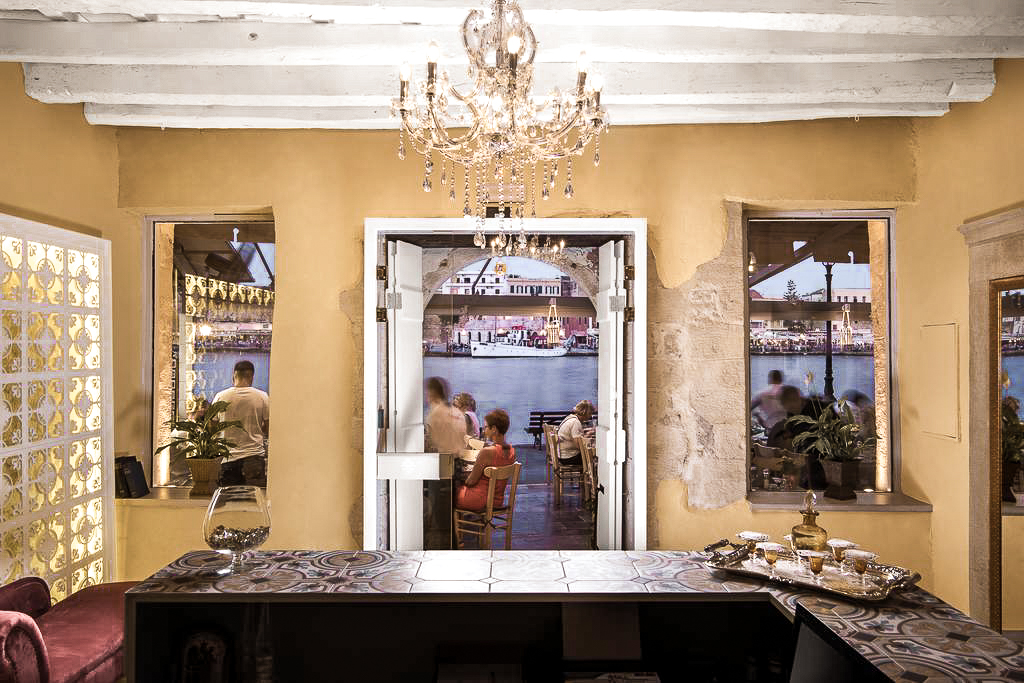
My father always inspired me to go after my dreams, no matter how crazy they may seem to others. He sadly passed away and that is when I decided to start Solo Travel Woman (STW). I wanted to inspire other women to travel without anything holding them back as he did with me. My goal is to help change the view on solo travel and inspire other women to travel the world without fear or other people holding them back. In May 2020, I expanded to include travel planning services so, I can help others experience the world I have fallen in love with. If you are open-minded, have a passion to explore the world, experience new cultures, and live the life you have always dreamed of without anything holding you back – you are in the right place.
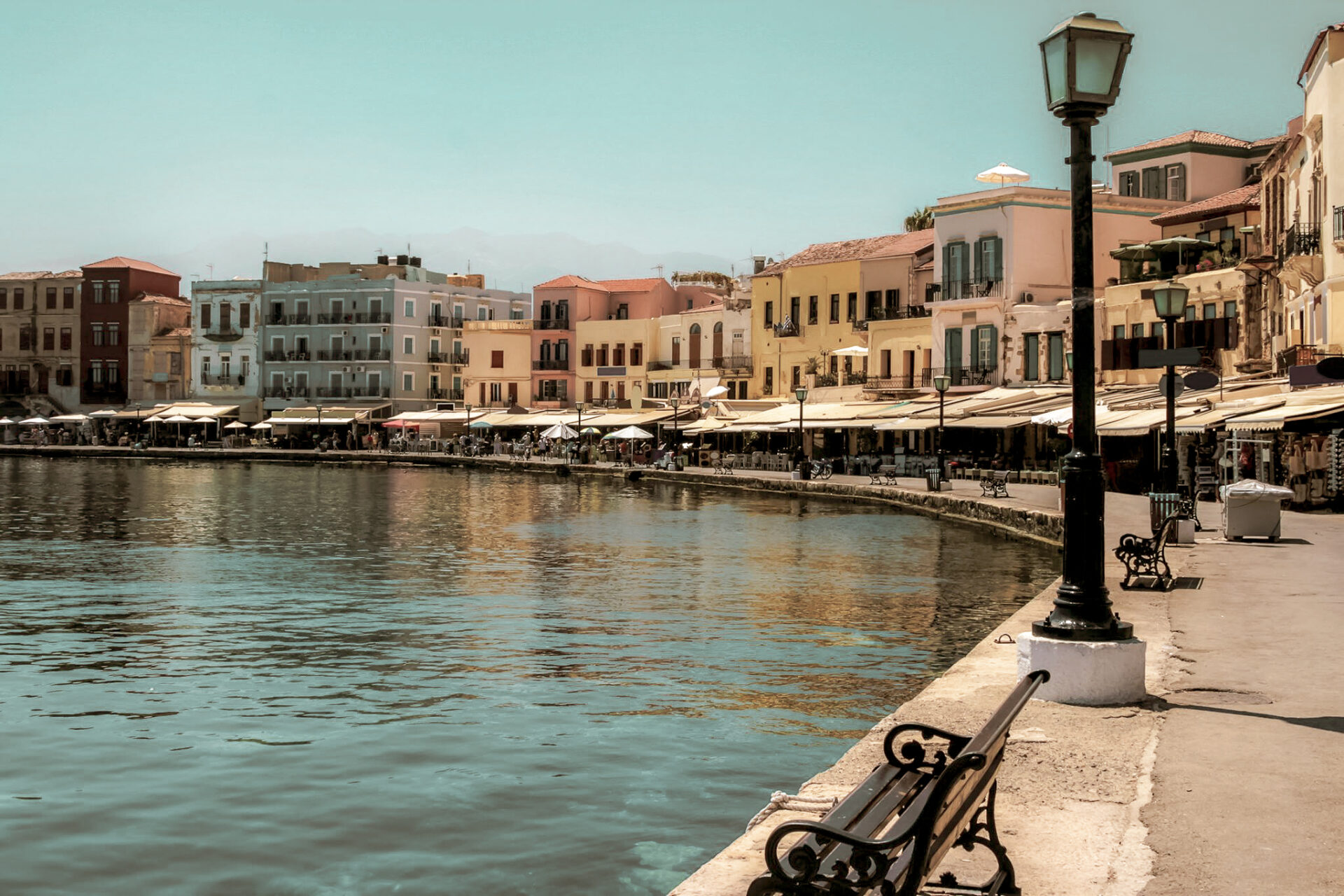
Chania, with its pretty beaches, a unique mix of architecture, narrow pebbled alleyways, charming villages, and buzzing town, is the perfect place to experience a lively city where the old-world meets new. Here is our Complete Travel Guide to Chania.
Getting There & Getting Around
The flight to Chania from Athens is around one hour, otherwise, you can catch a ferry. There is a direct ferry line that takes around 6.5 hours, or you can do an overnight trip, which is roughly 9 hours. Depending on how much of the island you would like to see, we strongly recommend hiring a car, which allows you the flexibility to visit the many beaches, villages, and historical spots around town.
Where to Stay
If you like being close to restaurants and nightlife, we suggest you stay around the Old Town, Venetian Port, or the New Town. If you prefer a more relaxed vibe and being somewhere close to nature (mountains or sea) try Kissamos, Paleochora, or Sfakia. For those wanting to be footsteps away from the beach, we highly recommend Marathi and Loutraki, in the Akrotiri area.
Cretan Renaissance
Where to sleep
For a great stay in the heart of the Old Venetian Harbour Cretan Renaissance, Domus Renier, or Casa Delfinio all offer stunning views of the Old Port and the famous Lighthouse. For more of a city vibe, base yourself around the New Town and try Samaria Hotel. If you prefer apartment living, check into Casa Ntore Luxury Apartments or Trianon. And for something closer to the water, we recommend Domes Zeen,Ammos Hotel, and Marathi Villas.
Domus Renier Hotel
Where to eat
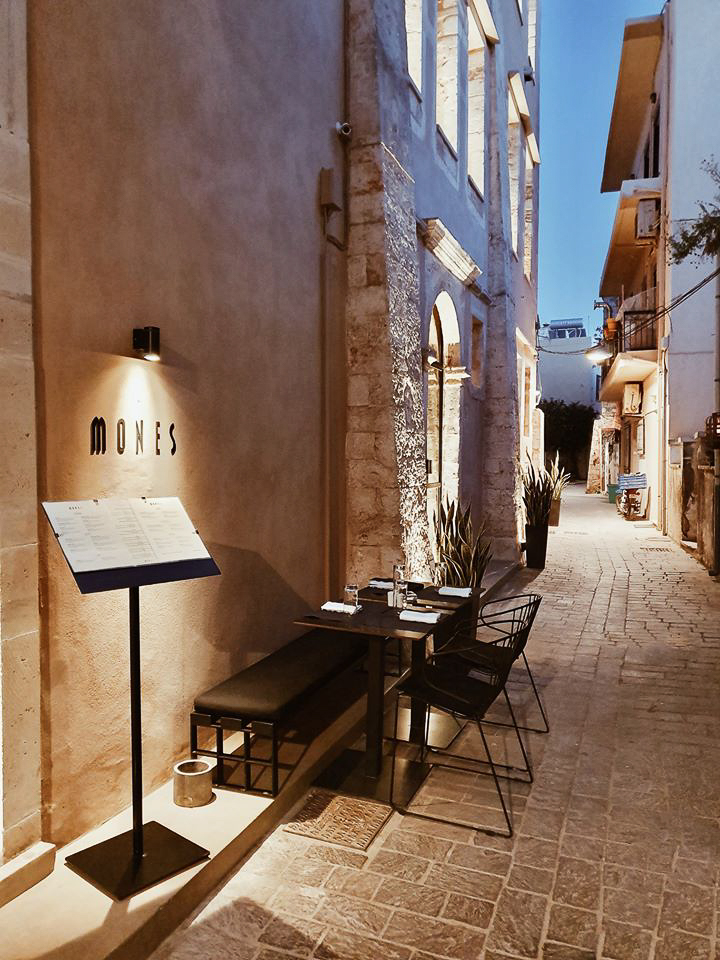
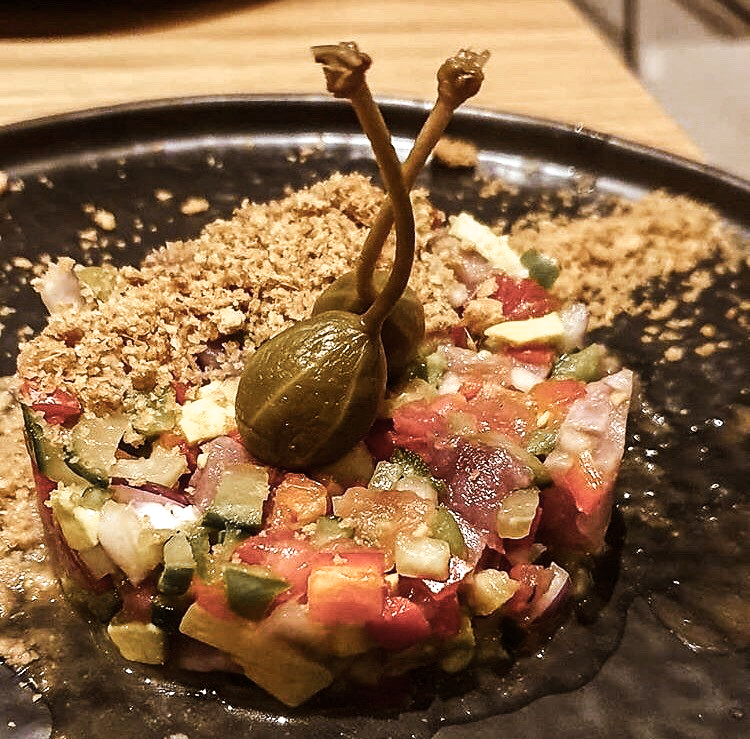
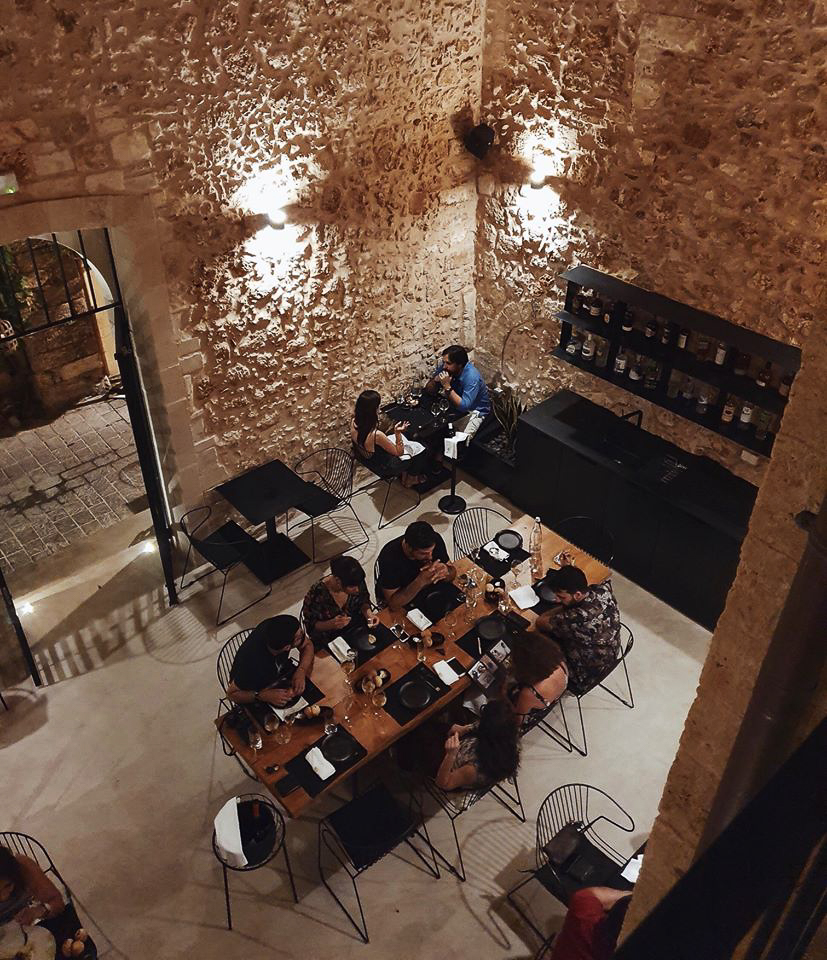
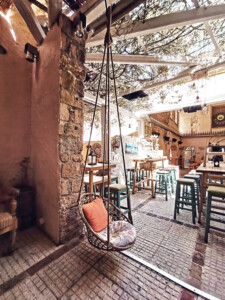
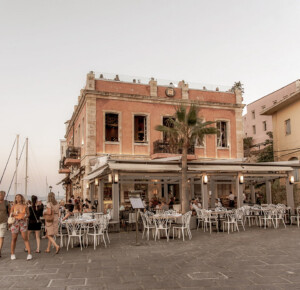
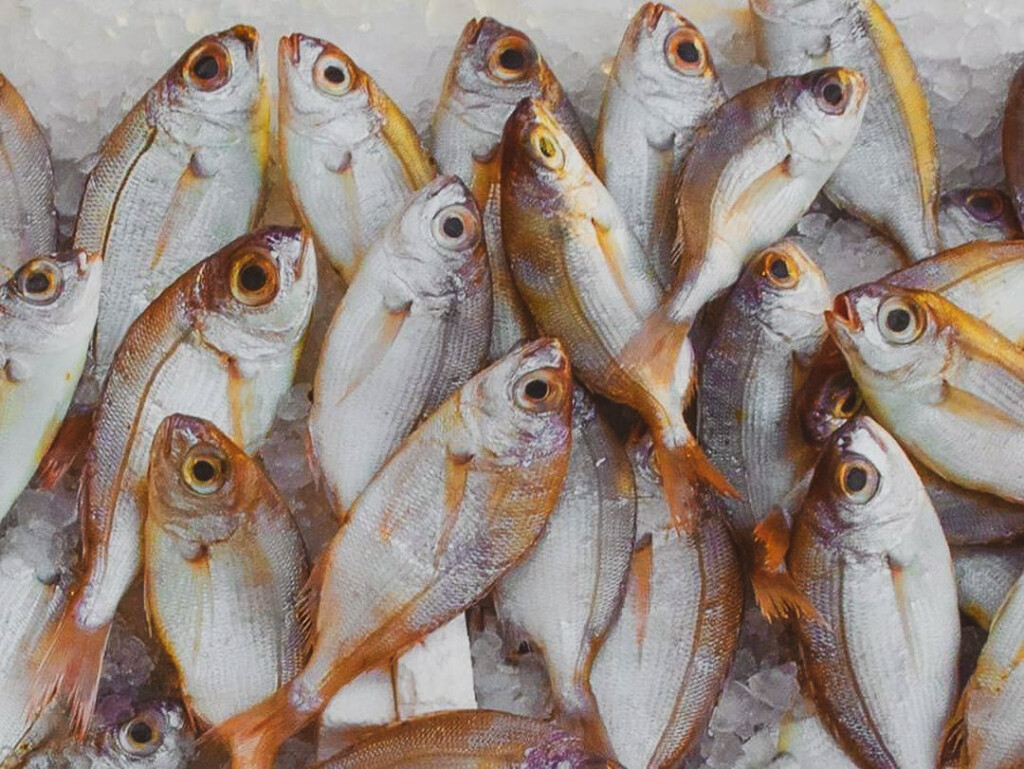
For authentic flavours head to Evgonia– don’t expect fancy décor but the food is amazing (we recommend the grilled fish). Ta Chalkina at the Port offers the complete Cretan experience- great views, live music, and traditional cuisine. Tamam in the Old Town is where you can experience local dishes served in a rustic setting. Further across town at Kaliviani village, you will find Gramvousa Taverna, which offers magnificent food and gorgeous views. Taverna Mpourakis in Kounoupidiana is a local favourite and their specialty is Xoirino Kotsi (pork hog), which is baked for hours. Nea Chora is a waterfront location lined with traditional fish taverns- our favourites include Akrogiali, Volakas, and Achilleas. For modern cuisine and stylish decor try Pallas and Mon.Es- great food and ambiance.
Pallas Restaurant
Pallas Restaurant
Mon.Es
Mon.Es
Mon.Es
Sweet treats
Yes, you can try Bougatsa all over Greece, but you can’t find Bougatsa Iordani anywhere else. This famous pastry- made using fresh Cretan Mizithra (ricotta) – has been a local favourite since 1924. If you are looking for a variety of sweets, make your way over to Koukouvagia which has been named Greece’s best dessert shop on many occasions- and for a good reason! Here you can try the famous Zoumero (a fluffy chocolate cake) as well as Lemonopita (lemon cake), Mosaiko (chocolate biscuit cake), Mille Feuille, Milopita (apple pie), Karidopita (walnut cake)- plus the view is spectacular. Lastly, if you love crepes (like us) head to Roxanis and try the classic Nutella and Banana!
For drinks
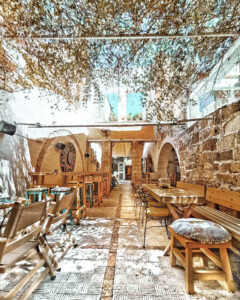
For great local wine and spectacular views of the sunset, head over to the harbourside bar, Pallas. You will catch most of the locals over at Sinagogi- a chic and rustic spot hidden away in the ruins of the old Jewish synagogue. And for a pre-dinner drink or a late-night cocktail, try Fagotto Jazz Bar, one of Crete’s oldest bars.
Sinagogi
Sinagogi
Pallas
Local Delicacies and Dishes
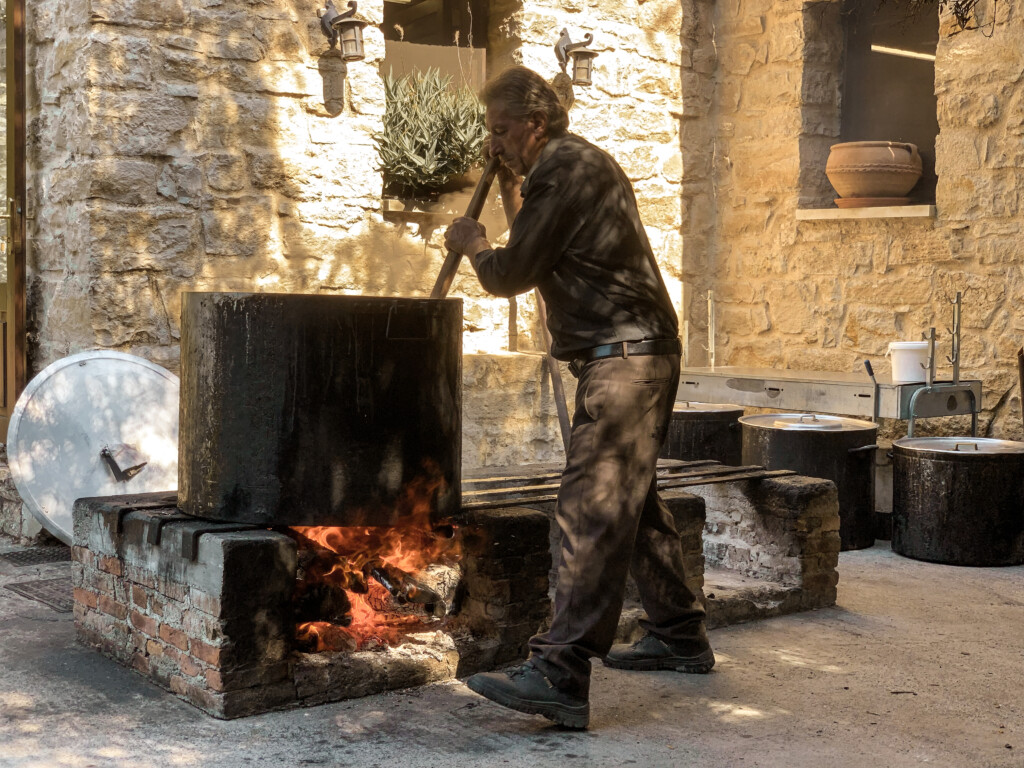
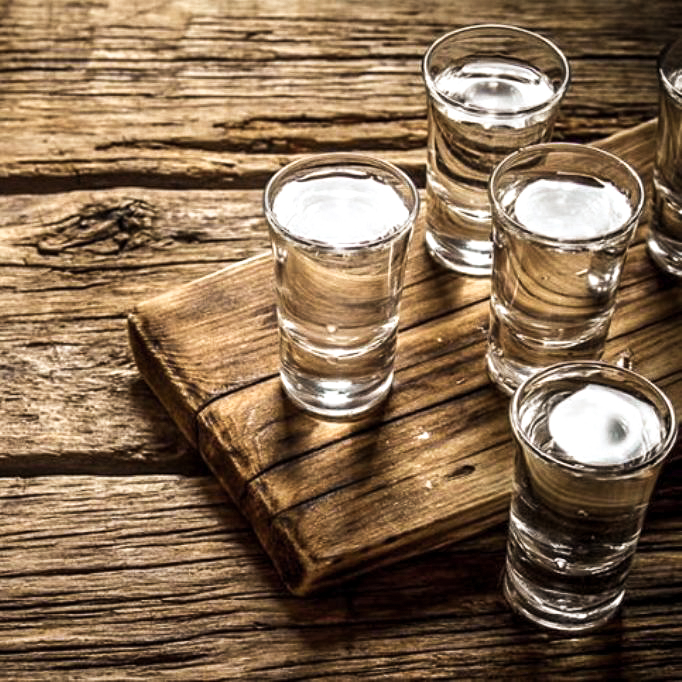
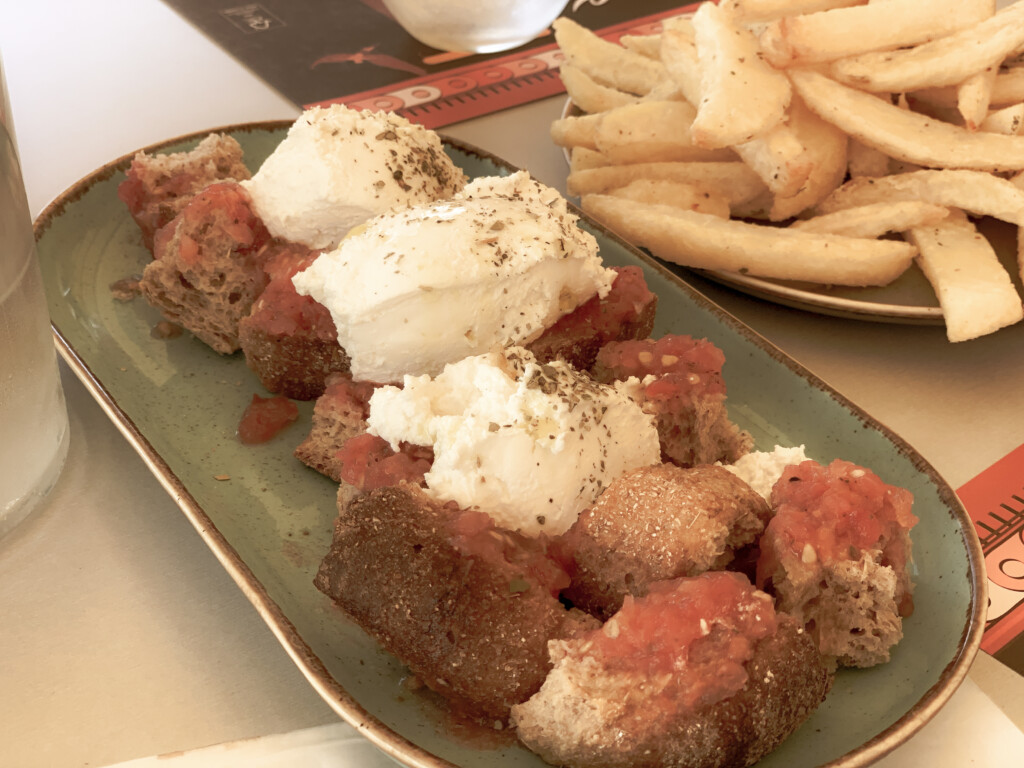
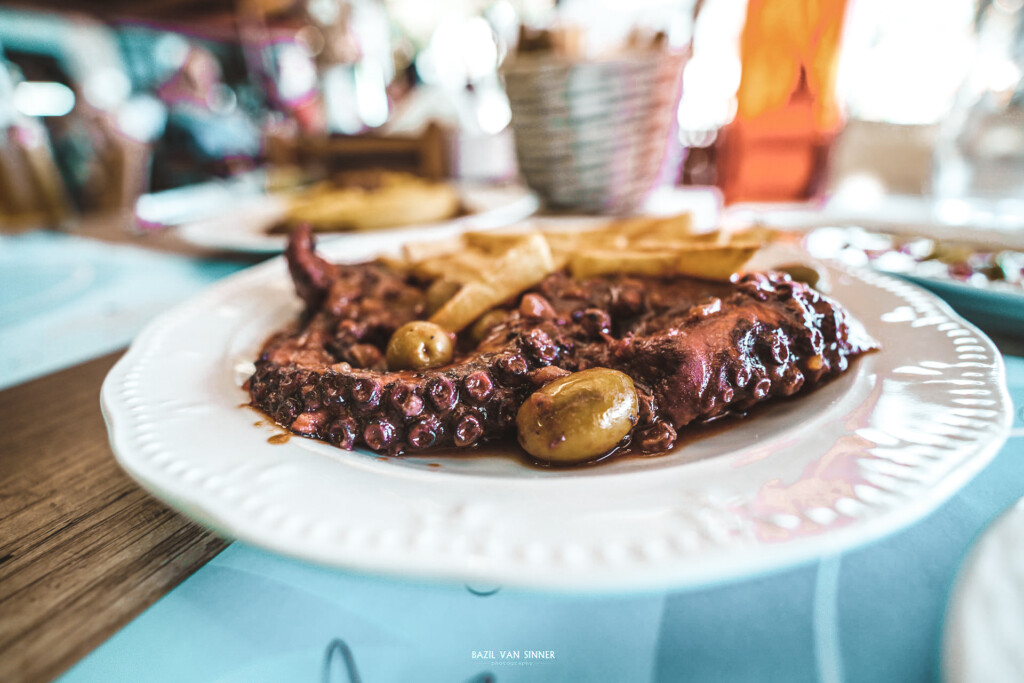
Achinous (sea urchins) may be rare to find at your average restaurant but here they appear on most menus. Gamopilafo is a traditional wedding rice dish and is likened to a deluxe risotto prepared in a rich meat broth. Saligaria Tiganita (fried snails) is a local favourite and served as an appetizer. Stamnagathis (local wild greens) are boiled and served with a dash of olive oil and lemon juice. The famous Cretan Dakos is a rye dusk topped with juicy grated tomatoes and crumbled feta (can be eaten any time of the day). Kaltsounia are delicious Cretan cheese pies, and Arni me Stamnagathi is a lamb dish, where the meat is sautéed in hot olive oil, then served with either avgolemono (egg and lemon sauce) or a squeeze of lemon juice. If you love cheese, you should definitely try the local Graviera, Pichtogalo Chanion (which has AOC protection), and Myzithra, a young Cretan whey cheese. Raki or Tsikoudia is a locally made Cretan Brandy that is distilled from grapes and served in every Cretan taverna and kafeneio (not for the faint-hearted).
Making Gamopilafo
Raki
Cretan Dakos
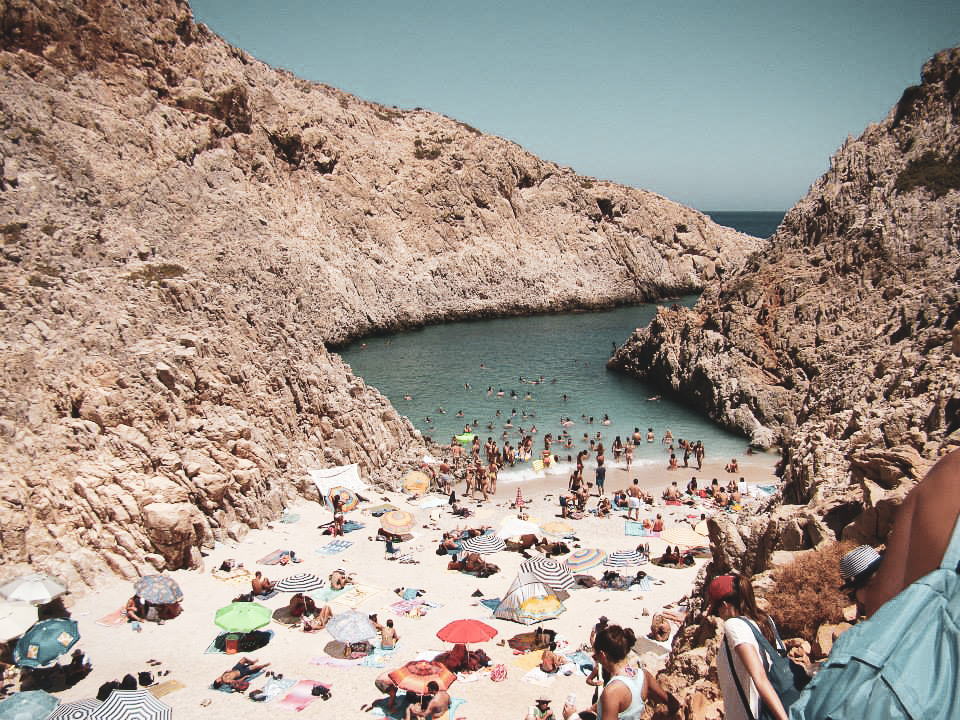
Seitan Limani offers magical views and pristine waters- it’s a bit of a hike to get there as you need to walk down steep steps- but definitely worth it. For a morning swim and a great Freddo (cold coffee) head to LoutrakiBeach, where you will find lots of sunbeds. Marathi is perfect for families and it’s where the locals go. Also good for those with young kids are Falasarna and Stavros Beach (where Zorba the Greek was filmed). Balos Lagoon, Elafonisi, and Gramvousa Islet are by far Chania’s most photographed beaches- you can’t leave Chania until you have been to at least one. While Golden Beach with its golden sand and clear, calm waters also deserves a visit.
Seitan Limani
Discover history
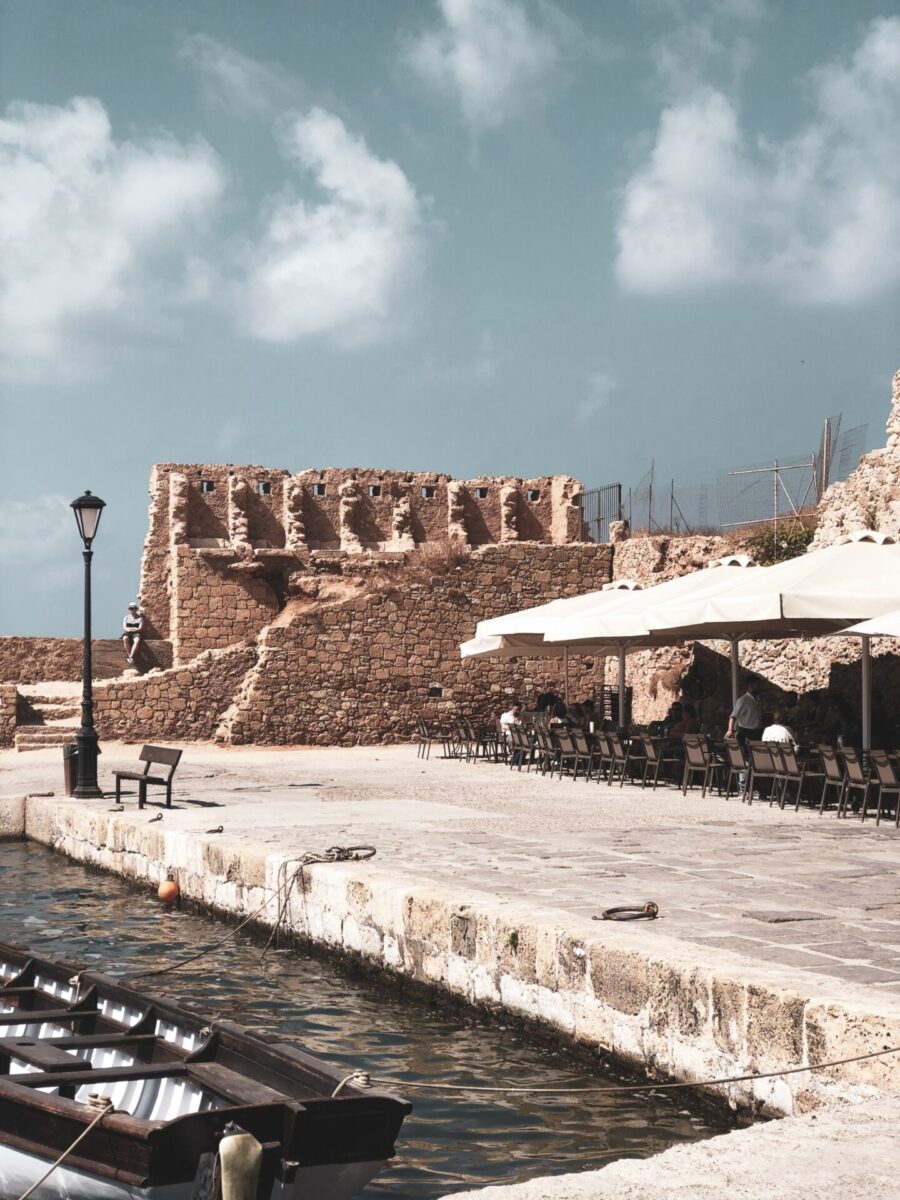
Around the Old Port
Walking through the charming Old Town (while taking in the magnificent sites) allows visitors to discover the Venetian, Byzantine, and Ottoman influences. Chania has an impressive Archaeological Museum, a Naval Museum, Folklore Museum, and several others that are all as significant as each other. Then make your way over to Prophet Ilias, where you will find the Tombs of Eleftherios Venizelos, a famous politician who was Prime Minister of Greece- no less than 7 times! Here you will also get panoramic views of Chania, as well as the chance to go inside the local chapel. On the other side of town, check out the Municipal Garden, which was designed in 1870- here you can get up close to the historical 1927 Clock Tower. You can also enjoy coffee or tea at the famous Café Kipos, which is a member of the European Association of Historical Cafés. And while you are at it, catch a film at the nearby open-air cinema!
Spiritual Sites
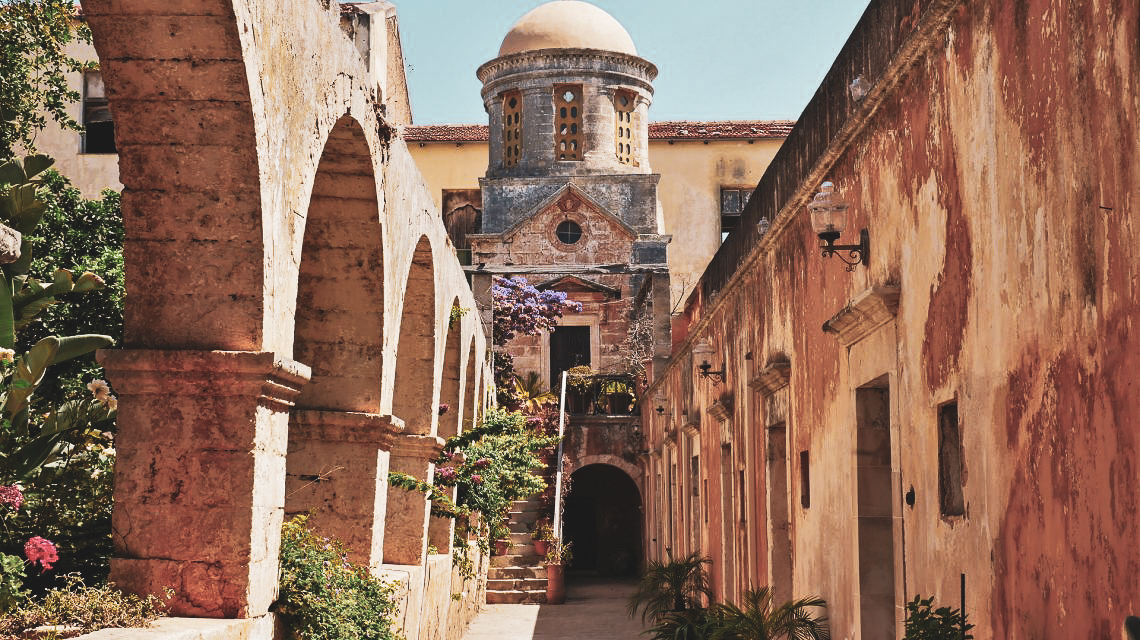
Chania is home to many sacred and historical monasteries that are well known. The most frequently visited is Agia Triada Tzagarolon, which was built in the 17th century by two monks. The Gouvernetou Monastery was designated as a preserved monument in 1900, while the abandoned Monastery of Aghios Ioannis is said to be the most ancient monastery of Crete (dating back to the 6th- 7th centuries).
Agia Triada Monastery
Where to shop
For small boutiques filled with handmade jewellery, sandals, ceramics, and other great gift ideas head to the Old Town and stroll through the beautiful alleyways to find a range of stores catering to all tastes. If you are after fast fashion such as Zara, H&M, or other local chain stores- make your way across to the new part of town where you will find all the latest shoes, clothes, and accessories. If you prefer to take home some tasty Cretan treats- check out the local markets in the Agora, where you will discover the freshest home-grown food and delicacies.
Can’t leave until… you have brunch at Ginger Concept, and lunch at Dounias in Drakona, where all the dishes are farm-to-table and created by owner/chef Stelio Trilykaris, who prepares it all using traditional cookware and a wood-fired oven. For some adventure, hike the 16km-long Samaria Gorge- one of Europe’s longest canyons- but try to get there early morning to avoid the crowds. For a unique cultural experience visit artist Manousos Chalkiadakis, who transforms clay into stunning vases, boats, and balloons. His studio is located in a small village and the hospitable artist will also take you next door to see a 300-year-old house. You should then drive to the village of Maza and eat at Dris in the main square (ask the owner to unlock the door to the tiny Byzantine chapel in front of his shop, which contains amazing 13th-century artifacts). Also, pay Manolis Tsouris a visit- where you’ll find a range of wooden art pieces. Last but not least, you should listen to live Cretan music and join in on some local dancing, which will be one of the most memorable experiences!
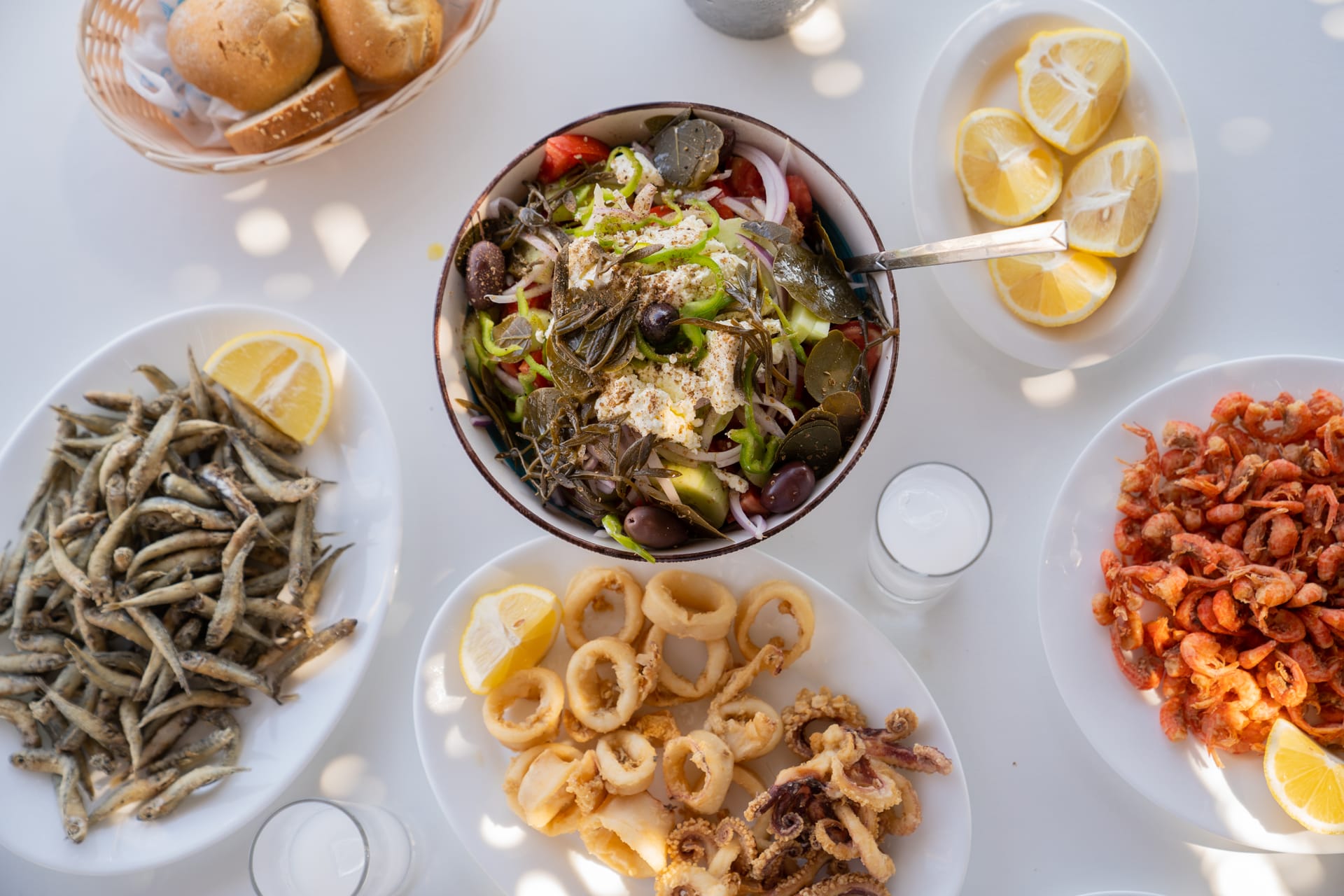
Are you a foodie going to Greece for vacation? Amazing. This write-up is for you!
Apart from the beautiful beaches, crystal-clear waters, and relaxed vibe, the Greek islands offer visitors an abundance of delicious dishes and delicacies. There are so many things to try on each island that you literally cannot go wrong with what food you choose.
Here, I will include five Greek islands that offer unique tastes and will, for sure, excite your taste buds.
Let’s go see…
Crete
The island of Crete is known for having some of the greatest food in the country. You have to try the ‘dakos’ salad, ‘sfakiani pita,’ ‘bougatsa,’ ‘kaltsounia,’ and ‘gamopilafo.’ Everything is made with Crete’s fresh and pure ingredients, such as locally produced olive oil, cheese, and herbs. Make sure to accompany your food with a glass of ‘tsikoudia’, the popular local spirit.
Naxos
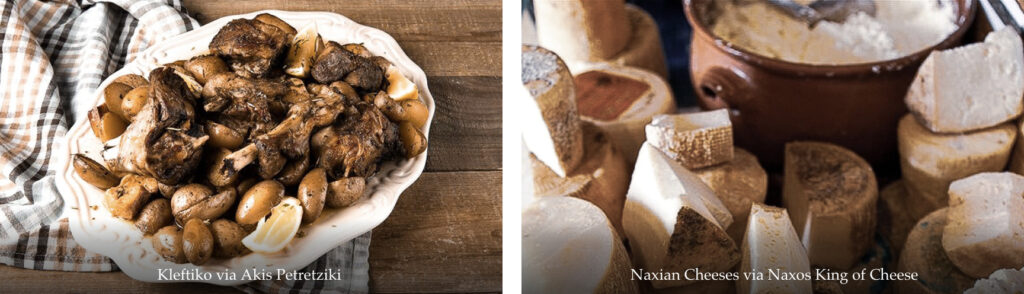
This beautiful sun-soaked island unfolds a rich gastronomic experience. Besides the well-known potatoes (the best you will try, for sure), Naxos stands out for its delicious cheese variety, stew (stifado), goat dishes, such as ‘kleftiko,’ pork dishes and of course locally produced cheeses, like ‘arseniko,’ ‘xinomizithra’ and ‘graviera.’
Chios
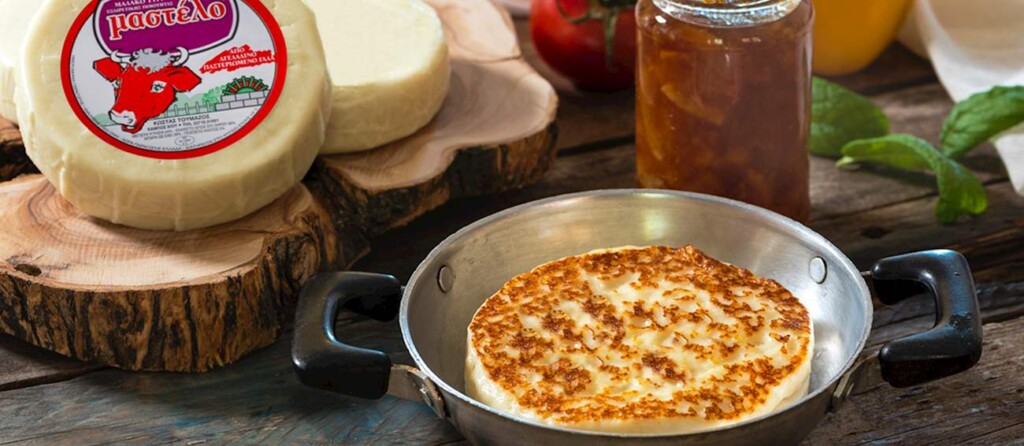
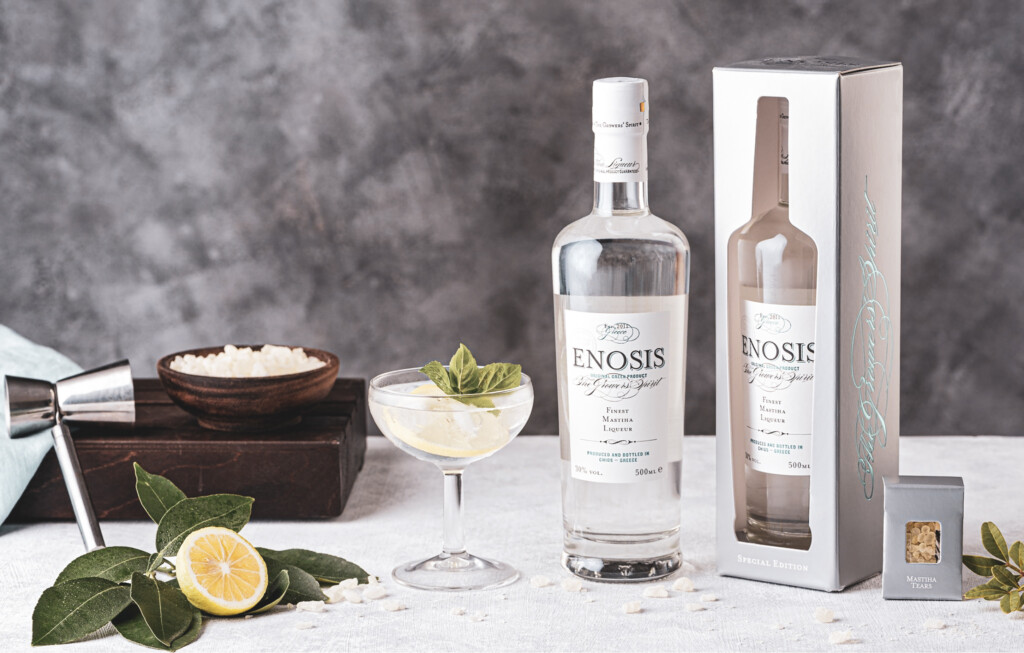
An undiscovered island, Chios is known for the ‘mastiha’ (mastic) production, popular in ancient times for its therapeutic value and unique aroma. The island, which is located in the northern Aegean Sea, is also known for its mandarins, which are of high quality and flavour due to the sun and climate, mastelo cheese-perfect for ‘saganaki,’ and ‘kopanisti’ among other delicacies.
Mastelo via tastatlas
Lemnos
An island untouched by mass tourism keeps its gastronomic traditions intact. Besides the rich cultural and historical background, Lemnos (also known as Limnos) presents an exciting culinary adventure. Local cheese is simply delicious; ‘melichloro’ and ‘kalathaki’ are a must-try. Moving on, don’t miss out on the sardines, octopus, and local meat dishes. Last but not least, Lemnos produces excellent wine to accompany your food.
images via Taste Lemnos
Folegandros
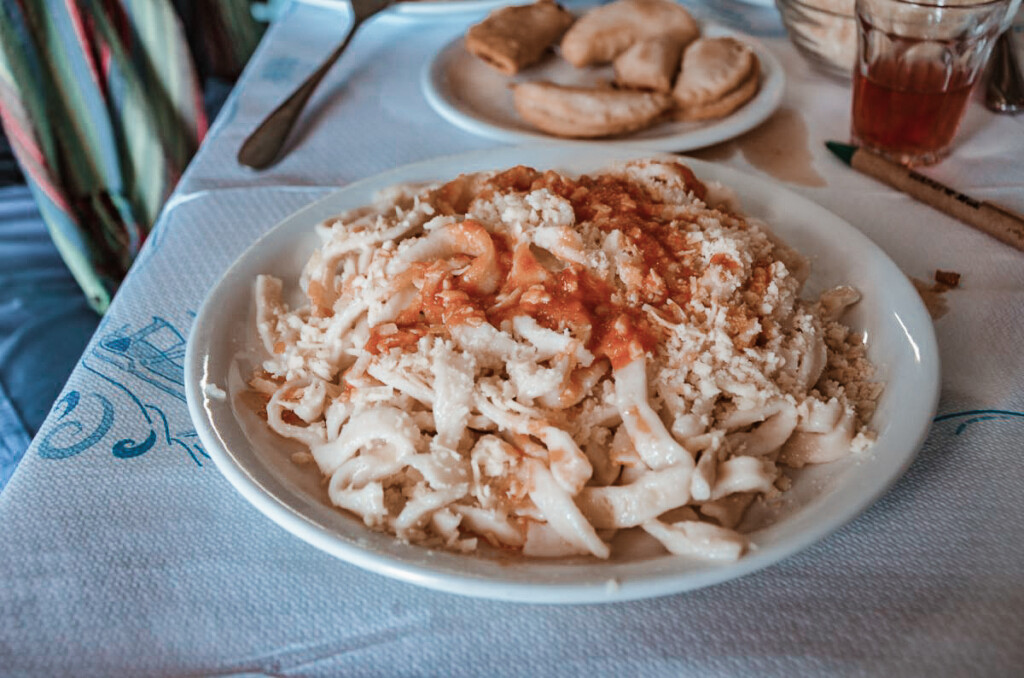
This small island offers stunning landscapes and beaches of wild beauty. At the same time, it unravels interesting gastronomic choices. ‘Matsata’ is one of the island’s specialty dishes, which is fresh pasta served with chicken or rabbit, ‘souroto’ is a salty and soft cheese used for the best cheese pie and ‘karpouzenia,’ dessert is made of watermelon.
Greece is a wonderful destination for foodies, and these are just a few of the must-visit islands for all you food aficionados. It’s also worth mentioning that due to years of austerity, many young people have returned to their homeland and started beautiful initiatives, such as running restaurants or farms, all designed to highlight local delicacies.
If you’ve ever wondered where local families head to for a perfect day at the beach in Chania, it’s the same spot where you will find Greek Prime Minister Kyriakos Mitsotakis and First Lady Mareva Grabowski Mitsotaki, who spend most of their summer weekends here.
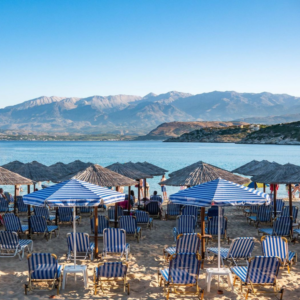
Marathi is around a 17 km drive from the city of Chania and this gorgeous spot boasts two clear, sandy beaches that are separated by a charming little port. Both of these bays are organised, so you will find rows of umbrellas and sunbeds, which are filled with visitors who come here for all-day swimming, followed by a late lunch at one of the many cafes or restaurants along the coast- serving delicious local seafood and other well-known Cretan dishes.
Ioanna Filippakis, who along with her brother and parents own and run Marathi Villas and Psamathi Restaurant, recently spoke with IN+SIGHTS GREECE about the family business and why this spot in town is one of the island’s best-kept secrets.
When did Marathi Villas open?
The property has been in our family for over three generations. Initially, there was only a small house and an olive grove. Then we renovated the spaces (without disturbing their natural beauty) and created eight elegant villas, which now accommodate up to four people in each. By the water, a space that used to be the local “kafeneion” has now become a restaurant, offering visitors a range of Mediterranean flavours, including fresh fish and good Cretan wine.
Tell us about the style and décor of the villas.
The four villas, with uninterrupted sea views, have a purely minimalist feel. The other four overlooking the garden have attics and are decorated in a 1930s and 1960s style. We chose pastel shades because they blend in perfectly with the surrounding environment.
Your restaurant “Psamathi” is a favourite amongst locals, tell us about your menu.
All the produce used in our restaurant is organic and locally sourced. The oil, honey, and wine are actually produced by our family. There is plenty on offer for brunch, lunch, and dinner. My favourite dish at the moment is Pasta served with Mediterranean squid and stuffed with Feta and olives. Our customers’ most loved breakfast is the Cretan specialty, which consists of Strapatsada (eggs with tomato and Feta), Yogurt with Walnuts and Honey, Sfakian pie, and Cretan Dakos.
Where do locals love to swim?
Very close by you will find a bay, known to a few, which is called “White Beach”. You can get to the bay by boat or by swimming. The sand is white and the waters are crystal blue. There are high cliffs, ideal for diving, and a small cave.
What makes Marathi an ideal spot to visit?
Marathi is a place where the natural landscape wins you over. Souda Bay which encloses the area does not allow the winds to get through, so the sea is always at peace. It’s always calm and looks like paradise. Marathi is ideal for rest and relaxation. Here it’s all about sunbathing and swimming. You can also enjoy walking along the adjacent bays and participating in water sports such as canoeing and pedal boating.
What history can be found here?
Marathi is built on Ancient Minoa at the Port of Aptera. Parts of Ancient Minoa, the jetty, and the ancient sanctuary are visible from here.
What are the best months to visit?
The best months for holidays here are May, June, and October. The weather conditions during these months are such that the temperatures are at the best levels so you can enjoy a wonderful vacation without the crowds.
Tell us about Prime Minister Kyriakos Mitsotakis’ connection to Marathi.
The Mitsotakis family originates from Chania. Prime Minister Mitsotakis’ father the late Konstantinos Mitsotakis built a holiday house here because he loved the wonderful natural environment with views of the mountains and the Gulf of Souda. The Prime Minister spent his childhood here and has incredible memories of summer vacations in Marathi, which he has now continued with his own children. Former Foreign Minister Dora Bakoyannis Mitsotakis, sister of the PM, considers Marathi “a place of unsurpassed beauty.”